
Small Tour Groups: The Ultimate Guide for 2026
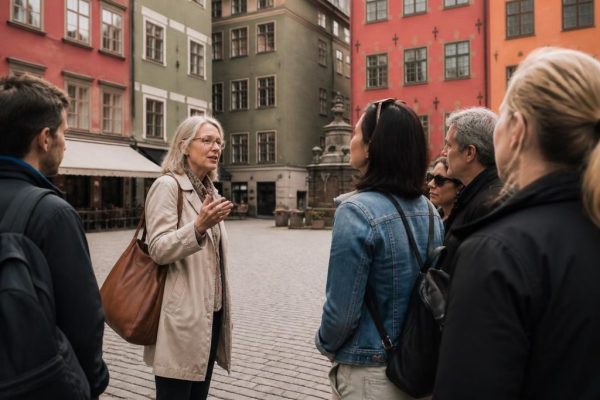
The travel landscape has shifted dramatically in recent years, with travelers increasingly seeking more meaningful, personalized experiences. Small tour groups have emerged as the preferred choice for discerning visitors who want to explore destinations without the crowds, noise, and impersonal nature of large tour buses. These intimate gatherings typically range from six to twelve participants, creating an environment where guides can tailor experiences, answer questions thoroughly, and facilitate genuine connections between travelers and local culture. Whether you're planning a family adventure in Stockholm's Old Town or a literary journey following famous authors through historic streets, understanding the advantages of smaller group sizes can transform your entire travel experience.
Why Travelers Are Choosing Intimate Group Experiences
The tourism industry has witnessed a significant shift toward smaller, more curated travel experiences. This trend reflects changing traveler priorities, with visitors placing higher value on quality interactions over checkbox sightseeing.
Personalization stands at the forefront of this movement. Small tour groups allow guides to adapt itineraries based on participant interests, energy levels, and curiosity. If your group shows particular fascination with Stockholm's medieval architecture during an Old Town walking tour, the guide can extend that portion of the experience.
According to research on small group tour benefits, intimate settings enable travelers to access locations that simply cannot accommodate larger crowds. Historic homes, artisan workshops, and local restaurants often welcome small groups while turning away bus tours.
The Social Dynamics Advantage
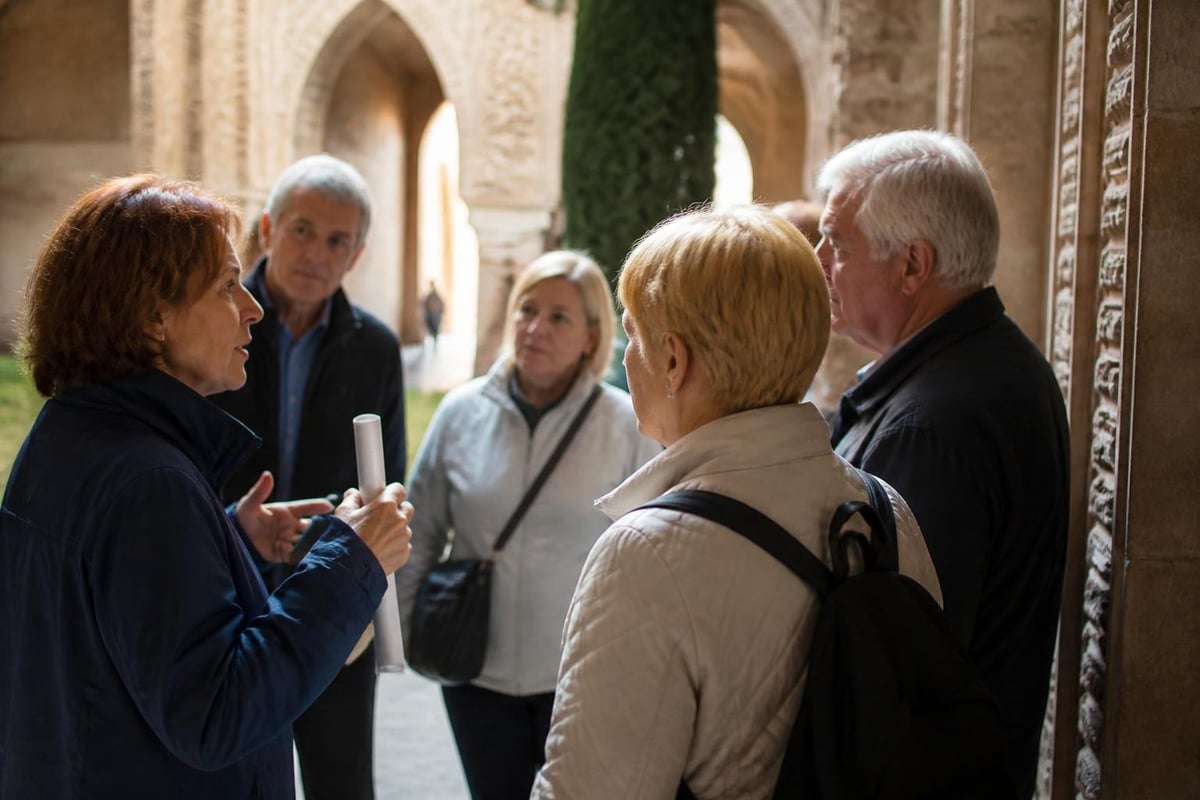
Traveling with fewer people fundamentally changes group dynamics. Consider these benefits:
- Easier conversation flow with guides and fellow travelers
- Stronger bonds formed over shared experiences
- Less time spent coordinating and waiting for stragglers
- More inclusive atmosphere where every voice can be heard
Small tour groups create natural opportunities for solo travelers to connect without the intimidation factor of larger crowds. When visiting Stockholm's royal sites or exploring the archipelago, a group of eight feels like traveling with friends rather than strangers.
The intimacy factor extends beyond social comfort. Smaller groups can navigate narrow medieval alleys, pause for spontaneous photo opportunities, and adjust pacing without disrupting dozens of other participants.
Practical Advantages That Enhance Every Journey
Beyond social benefits, small tour groups offer concrete logistical advantages that improve the daily travel experience from start to finish.
| Aspect | Small Groups | Large Groups |
|---|---|---|
| Average wait time | 2-5 minutes | 15-30 minutes |
| Questions per person | 5-10 | 1-2 |
| Site access flexibility | High | Limited |
| Environmental impact | Low | High |
Mobility and access represent critical differentiators. Small tour groups can utilize public transportation authentically, dine at neighborhood restaurants, and enter historic buildings with narrow doorways or limited capacity. When exploring Stockholm's archipelago or visiting ABBA-related sites, smaller groups move efficiently between locations.
Environmental and Cultural Considerations
Sustainable tourism has become increasingly important to conscious travelers. Small tour groups naturally align with environmental responsibility through:
- Reduced carbon footprint per capita
- Less strain on local infrastructure
- Support for smaller, locally-owned businesses
- Minimal disruption to residential neighborhoods
As highlighted by experts discussing travel benefits, intimate group sizes allow operators to work directly with local artisans, family-run restaurants, and cultural guides who cannot accommodate mass tourism.

What to Look for When Selecting Your Experience
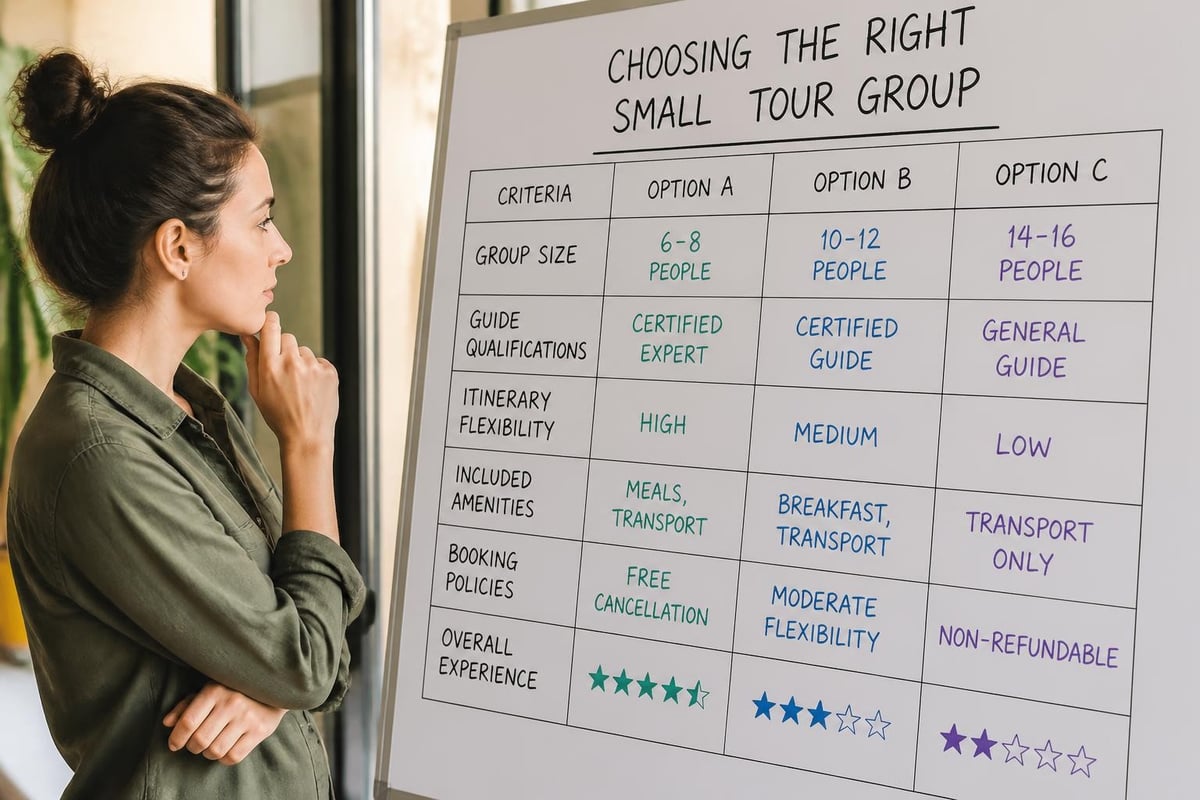
Not all small tour groups deliver the same quality of experience. Understanding key evaluation criteria helps you choose wisely and ensures your investment delivers memorable results.
Group Size Parameters
While "small" seems straightforward, definitions vary considerably across operators. Industry standards typically classify small tour groups as:
- Micro groups (2-6 participants) – Maximum intimacy and flexibility
- Small groups (6-12 participants) – Balance of social interaction and personalization
- Medium groups (12-20 participants) – Less intimate but still manageable
For guided sightseeing in Stockholm, groups under twelve participants allow guides to share insider stories while maintaining conversational atmosphere.
Guide Expertise and Language
The quality of your guide makes or breaks any tour experience. When evaluating options, consider:
- Native language fluency for clear communication
- Local expertise beyond memorized scripts
- Adaptability to group interests and questions
- Storytelling ability that brings history alive
Native English-speaking guides who call Stockholm home offer perspectives that visiting guides simply cannot match. They know which cafes locals frequent, when to visit popular sites to avoid crowds, and the stories behind the stories.
Specialized Themes and Unique Offerings
Small tour groups excel at delivering specialized experiences that cater to specific interests, creating depth rather than breadth in exploration.
Cultural deep dives represent one of the most compelling advantages. Whether you're interested in Viking history, modern Scandinavian design, or literary locations, small groups can dedicate entire experiences to niche topics without boring disinterested participants.
Literary enthusiasts, for instance, can follow Stieg Larsson's footsteps through locations featured in "The Girl with the Dragon Tattoo" trilogy. These thematic journeys work beautifully with small tour groups because participants share common interests and enthusiasm.
Music and Entertainment Focused Tours
Stockholm's musical heritage extends far beyond classical compositions. The ABBA phenomenon continues drawing fans worldwide, and specialized ABBA journeys demonstrate how small tour groups create memorable experiences.
These focused adventures include:
- Visits to recording locations and historic venues
- Meals at restaurants frequented by band members
- Opportunities to meet fellow enthusiasts from around the world
- Behind-the-scenes stories from guides with personal connections
The intimate setting allows participants to share their own ABBA memories, creating community around shared passion.
Senior Travelers and Accessibility Considerations
Small tour groups particularly benefit travelers with specific mobility needs or preferences common among senior visitors. The personalized attention inherent in smaller gatherings allows guides to accommodate varying physical capabilities seamlessly.
Pacing flexibility becomes crucial for mixed-ability groups. With fewer participants, guides can adjust walking speed, incorporate more rest stops, and modify routes without disappointing those seeking more active exploration. Small group tours designed for seniors recognize these needs from the planning stage.
Accessibility features to prioritize include:
- Clear communication about physical requirements before booking
- Options to rest while others explore more strenuous areas
- Transportation arrangements that minimize walking between sites
- Guides trained in accessible tourism practices
Stockholm's cobblestone streets and historic architecture present challenges that experienced guides navigate skillfully. Small tour groups allow for patience and alternative routing when standard paths prove difficult.
Health and Safety Benefits
Recent global health concerns have elevated safety as a primary travel consideration. According to analysis of small group advantages, intimate group sizes naturally enhance both safety protocols and participant comfort.
Smaller gatherings enable:
- Better social distancing when desired
- Easier emergency communication and coordination
- Personalized attention to individual health needs
- Reduced exposure in indoor venues
Planning Your Small Group Experience
Successful small tour group experiences begin long before departure day. Strategic planning ensures you select options aligned with your interests, budget, and travel style.
Booking Strategies and Timing
Understanding booking windows helps secure preferred dates while potentially capturing better value. Consider this timeline:
| Booking Window | Advantages | Considerations |
|---|---|---|
| 6+ months ahead | Widest selection, early bird pricing | Less schedule flexibility |
| 3-6 months ahead | Good availability, standard pricing | Popular dates may fill |
| 1-3 months ahead | Last-minute deals possible | Limited date options |
| Under 1 month | Significant discounts possible | Very limited availability |
For specialized experiences like Stockholm walking tours during peak summer months, earlier booking ensures availability. However, shoulder seasons often offer more flexibility and value.
Questions to Ask Before Booking
Thorough vetting prevents disappointment and ensures alignment between expectations and reality. Essential questions include:
- What is the guaranteed maximum group size?
- Can itineraries be customized for specific interests?
- What happens if weather impacts planned activities?
- Are meals, transportation, and entrance fees included?
- What is the cancellation and refund policy?
Transparency from operators indicates professionalism and commitment to customer satisfaction. Companies offering personalized tour experiences should readily answer these questions with specificity.
The Economics of Intimate Travel
While small tour groups often carry higher per-person costs than mass tourism options, understanding value reveals why discerning travelers consider them worthwhile investments.
Cost structure differences reflect fundamental business realities. Guides commanding premium rates for expertise cannot spread costs across fifty participants. However, when you calculate value-per-experience-hour rather than cost-per-day, small tour groups frequently deliver superior returns.
What's Included Matters
Comparing prices requires examining total packages rather than base rates. Premium small tour groups typically include:
- Expert guide services throughout
- All entrance fees and reservations
- Specialty access not available to general public
- Small group transportation
- Some meals or refreshments
Budget large-group tours often advertise low base prices but add fees for nearly everything, while quality small tour groups bundle comprehensive experiences into transparent pricing.
As discussed in guides for choosing tour companies, understanding total costs prevents budget surprises and enables accurate comparisons.
Cultural Immersion and Local Connection
Perhaps the most significant advantage of small tour groups lies in their ability to facilitate genuine cultural exchange rather than mere observation.
Local interaction quality transforms dramatically with group size. Restaurant owners greet returning guides warmly, artisans share detailed explanations of their crafts, and residents engage in authentic conversation rather than delivering rehearsed performances.
When exploring Stockholm's neighborhoods with small tour groups, you might:
- Visit family-owned bakeries where the owner explains traditional recipes
- Meet local artists in their studios
- Experience guided meditation in peaceful garden spaces
- Join impromptu conversations with residents who add their own stories
These spontaneous moments simply cannot occur when managing large crowds moving on strict schedules.
Supporting Local Economies Directly
Small tour groups channel tourism revenue more directly into local communities. Rather than enriching international hotel chains and restaurant franchises, intimate experiences partner with:
- Independent guides who live in the communities they showcase
- Family restaurants serving authentic regional cuisine
- Local artisans and craftspeople
- Neighborhood shops and cultural venues
This economic model benefits travelers through authenticity while supporting sustainable tourism development that preserves rather than overwhelms local culture.
The Solo Traveler Advantage
Solo travelers particularly benefit from small tour groups, which provide structure and social opportunity without forcing constant group participation. According to research on why travelers choose small groups, the format addresses solo travelers' primary challenges: safety, loneliness, and logistical complexity.
Built-in community eliminates the isolation some solo travelers experience while maintaining independence. You share experiences during tours but control your own schedule during free time. Many solo travelers report forming lasting friendships with fellow participants who share similar interests and travel philosophies.
For those interested in solo travel experiences, small tour groups offer ideal balance between structured activity and personal freedom.
Safety and Security Benefits
Traveling alone, particularly in unfamiliar destinations, raises legitimate safety considerations. Small tour groups provide:
- Professional guides familiar with local conditions
- Companion travelers who notice if someone goes missing
- Group visibility that discourages opportunistic crime
- Local emergency contacts and support systems
These safety nets allow solo travelers to explore confidently, taking reasonable risks that would feel uncomfortable alone.
Comparing Small Versus Large Group Dynamics
Understanding fundamental differences between small and large tour groups helps travelers make informed decisions aligned with their preferences and priorities.
Interaction patterns differ dramatically. Large groups necessitate one-way communication where guides broadcast information to passive listeners. Small tour groups enable conversation, questions, and dialogue that deepens understanding and engagement.
Detailed comparisons in analyses of group size impacts reveal how size affects every aspect of the travel experience from morning meetups to evening reflections.
When Larger Groups Might Make Sense
Fairness requires acknowledging situations where larger groups offer advantages:
- Significantly lower per-person costs matter most
- Anonymity appeals more than connection
- Specific tours unavailable in small formats
- Very popular attractions with crowd infrastructure
However, for most travelers prioritizing quality experiences over quantity of sights, small tour groups deliver superior value despite higher costs.
Private Groups Versus Scheduled Small Tours
Within the small tour group category, travelers choose between joining scheduled departures with other participants or booking completely private experiences for their own party.
Private group benefits include maximum flexibility and complete control over pacing, route, and focus areas. Tailored private tours work beautifully for families, friend groups, or colleagues seeking team-building experiences.
Scheduled small tour groups offer different advantages:
- Often more affordable per person
- Opportunity to meet fellow travelers
- Guaranteed departure regardless of party size
- Shared energy and diverse perspectives
Many operators offer both options, allowing travelers to select based on specific trip needs and preferences.
Small tour groups represent the future of meaningful travel, prioritizing quality connections over quantity of attractions and authentic experiences over superficial sightseeing. By choosing intimate group sizes, you invest in personalized attention, exclusive access, and memories that extend far beyond typical tourist experiences. Whether you're exploring Stockholm's historic streets, following literary trails, or embarking on musical journeys, Adding:tours specializes in creating the personalized, intimate experiences that make small tour groups so compelling.