
Best Walking Tours: Your Guide to Exceptional Experiences
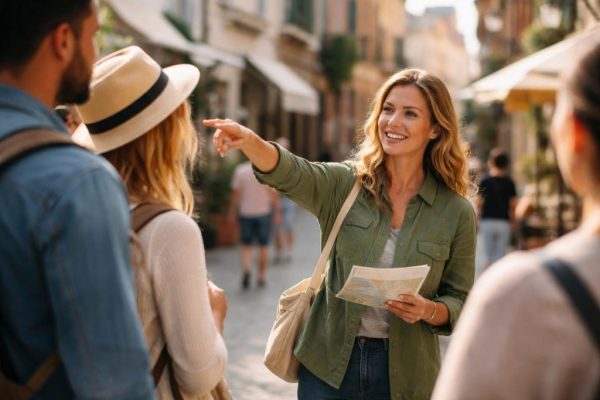
Walking tours represent one of the most intimate ways to experience a destination, offering travelers direct access to local culture, hidden corners, and authentic stories that simply cannot be discovered from a tour bus window. The best walking tours transform ordinary sightseeing into memorable adventures, combining expert guidance with personalized attention that brings cities and neighborhoods to life. As travelers increasingly seek meaningful connections with the places they visit, understanding what distinguishes exceptional walking experiences from standard group tours has never been more important.
What Defines the Best Walking Tours
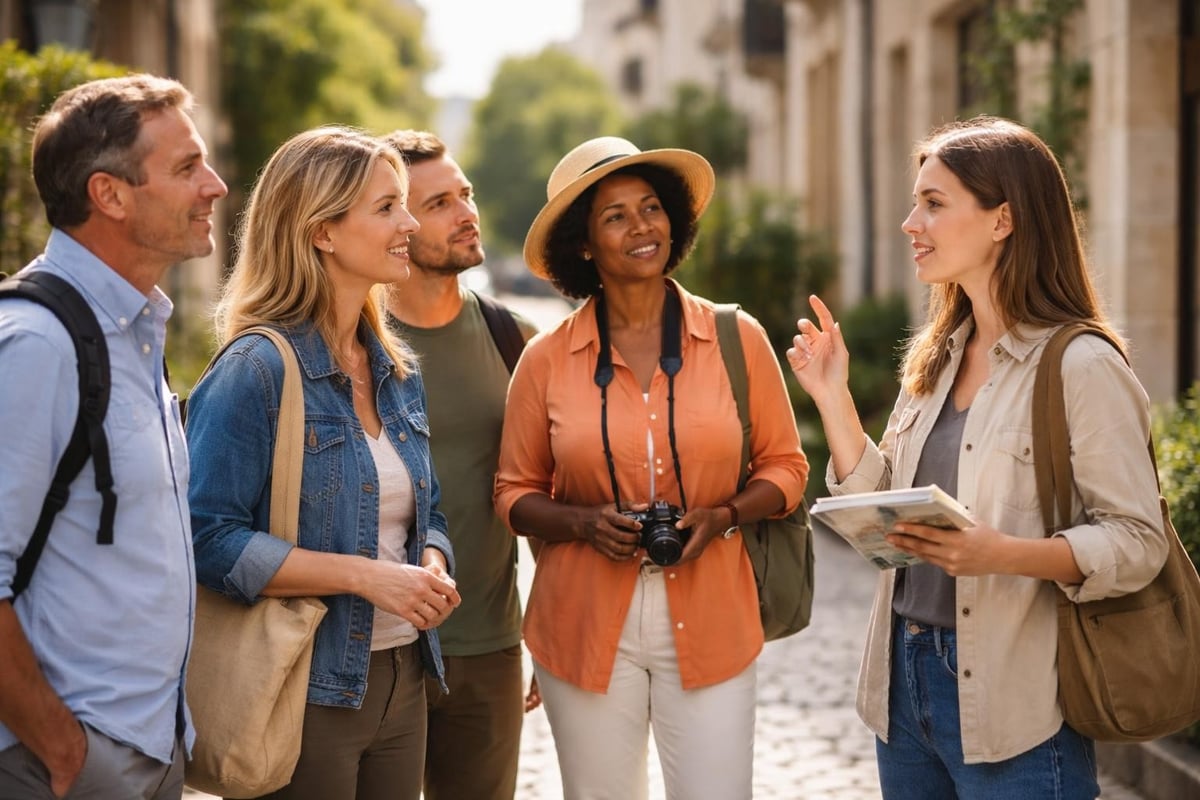
The distinction between an average walking tour and an exceptional one lies in several critical elements that shape the overall experience. Group size stands as one of the most significant factors, with smaller gatherings enabling more interaction, personalized attention, and the flexibility to adapt routes based on participant interests.
Key characteristics of outstanding walking tours include:
- Native or highly experienced local guides who share insider perspectives
- Small group sizes that foster engagement and allow questions
- Customizable itineraries tailored to specific interests
- Authentic storytelling that goes beyond guidebook facts
- Access to hidden locations not typically found on standard routes
The guide's expertise fundamentally shapes the quality of any walking experience. Professional guides who possess deep historical knowledge, storytelling abilities, and genuine passion for their city create connections that transform walks into memorable journeys. When evaluating options, consider whether guides are native speakers of your preferred language, as this often enhances both communication quality and cultural insights.
The Role of Personalization
Generic, one-size-fits-all approaches rarely deliver the depth that discerning travelers seek. The best walking tours recognize that different groups have varied interests, whether focused on architecture, culinary traditions, literary history, or local legends. This flexibility allows families to pace their exploration differently than groups of friends or corporate teams.
Private tours offer the ultimate personalization, enabling guides to adjust content, speed, and focus areas in real-time. For instance, a group fascinated by a particular historical period can dive deeper into relevant sites, while those more interested in contemporary culture can shift emphasis accordingly. This adaptability makes professional tour guide services particularly valuable for travelers seeking customized experiences.
Geographic Variety in Walking Experiences
Walking tours span diverse environments and cities worldwide, each offering unique perspectives. Urban explorations reveal layers of history hidden within modern streetscapes, while countryside routes immerse participants in natural beauty and traditional ways of life.
European City Walking Tours
European cities excel in walking tour offerings due to their pedestrian-friendly layouts and concentrated historical districts. Stockholm's Old Town (Gamla Stan) exemplifies this perfectly, with narrow cobblestone alleys, medieval architecture, and centuries of Swedish royal history compressed into a walkable area. The Stockholm old town walking tour allows visitors to witness the changing of the guard at the Royal Palace while exploring intriguing passages that reveal stories from different eras.
Cities featured among the world’s best city walking tours demonstrate how urban environments become open-air museums when explored on foot. From London's historical neighborhoods to Hong Kong's bustling markets, walking provides the ideal pace for absorbing atmosphere and detail.
| City Type | Walking Tour Strengths | Ideal Duration |
|---|---|---|
| Historic European Cities | Concentrated landmarks, architectural detail, medieval quarters | 2-4 hours |
| Modern Metropolises | Cultural diversity, street life, contemporary architecture | 3-5 hours |
| Coastal Towns | Waterfront views, maritime history, local cuisine | 2-3 hours |
| Mountain Villages | Natural scenery, traditional culture, artisan workshops | Half to full day |
Themed Walking Experiences
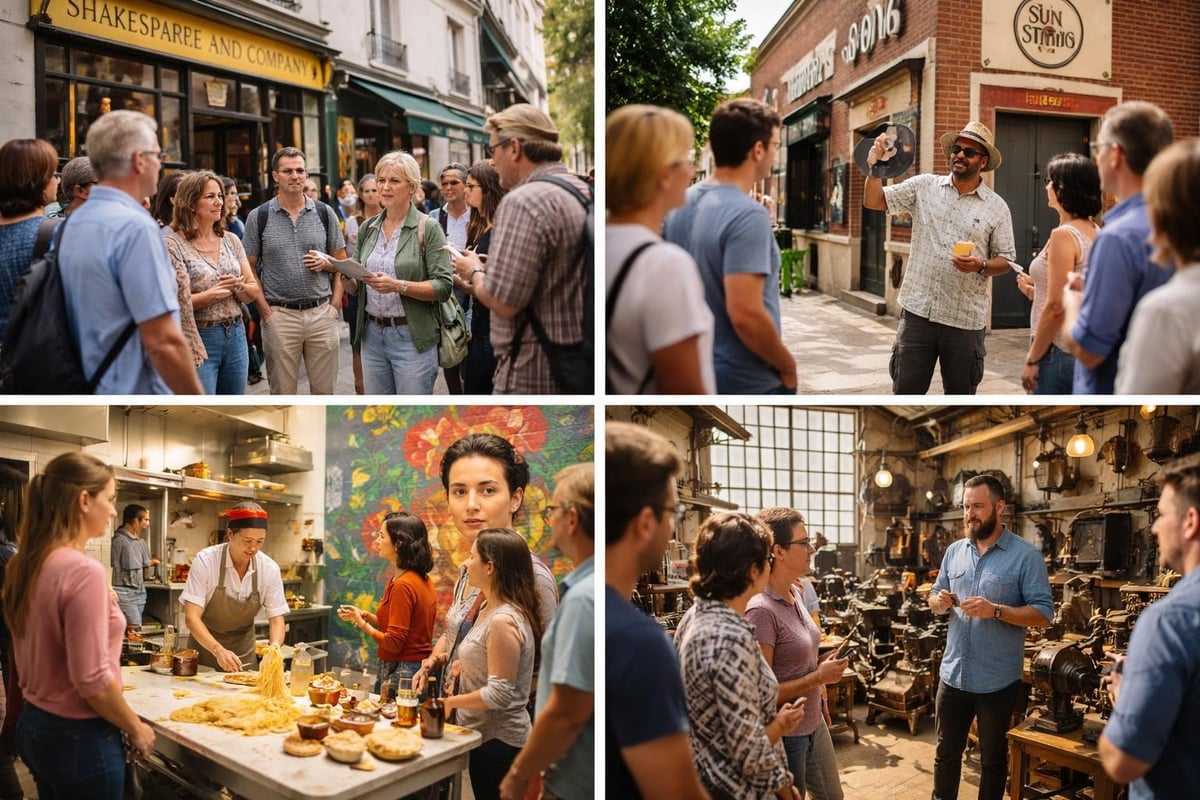
Thematic approaches add another dimension to walking explorations. Literary walking tours follow in the footsteps of famous authors or fictional characters, creating connections between landscapes and narratives. Music-focused routes celebrate artists and movements, while culinary walks combine tastings with neighborhood exploration.
The ABBA journey in Stockholm to Viggsö demonstrates how themed experiences can create community among participants with shared interests. Such specialized tours attract enthusiasts from around the world, transforming sightseeing into social experiences centered on common passions.
Women's heritage trails, innovation-focused routes like the Innovation Trail in Boston, and historically significant paths all represent how themes can organize walking experiences around specific narratives. These focused approaches particularly benefit travelers with specialized interests who want deeper exploration of particular subjects.
Selecting the Right Walking Tour for Your Needs
Choosing among available options requires considering multiple factors beyond simply reading reviews. Your physical fitness level, time constraints, group composition, and specific interests all influence which tours will provide the most rewarding experiences.
Assessing Tour Operators
Research into tour companies reveals important distinctions in quality and approach. Established operators typically maintain higher standards, employ experienced guides, and demonstrate commitment to customer satisfaction through responsive communication and detailed itineraries.
Evaluation criteria for tour operators:
- Guide qualifications and training programs
- Maximum group size policies
- Cancellation and weather contingency plans
- Accessibility accommodations
- Language options and native speaker availability
- Customer review patterns and response to feedback
Companies like Big Onion Walking Tours have built reputations through decades of delivering historically rich experiences, demonstrating how consistency and expertise establish trust. When evaluating newer operators, look for indicators of professionalism such as detailed website information, clear pricing, and transparent policies.
Understanding Tour Formats
Walking tours come in various formats, each offering distinct advantages. Group tours provide social interaction and cost efficiency, while private options deliver personalized attention and scheduling flexibility. Self-guided tours using apps or audio equipment offer independence but lack the spontaneity and expertise of live guides.
The best walking tours often blend structure with flexibility, following planned routes while remaining responsive to participant questions and interests. This balance ensures coverage of essential sites while allowing organic moments of discovery. For families or groups with specific needs, private arrangements eliminate concerns about keeping pace with strangers or missing preferred content due to predetermined schedules.
Maximizing Your Walking Tour Experience
Preparation enhances enjoyment and comfort during extended walking explorations. Simple advance steps make significant differences in overall satisfaction and ability to fully engage with the experience.
Physical Preparation and Practical Considerations
Pre-tour preparation checklist:
- Research walking distance and terrain difficulty
- Break in comfortable walking shoes before tour day
- Check weather forecasts and dress in layers
- Bring water and small snacks for energy
- Charge phone or camera fully for photography
- Arrive 10-15 minutes early to meet guide
- Inform guide of any mobility concerns or limitations
Physical comfort directly impacts enjoyment, making appropriate footwear absolutely essential. Blisters or tired feet can distract from even the most fascinating narratives. Similarly, hunger or dehydration during longer tours diminishes attention and energy levels.
Engagement Strategies During Tours
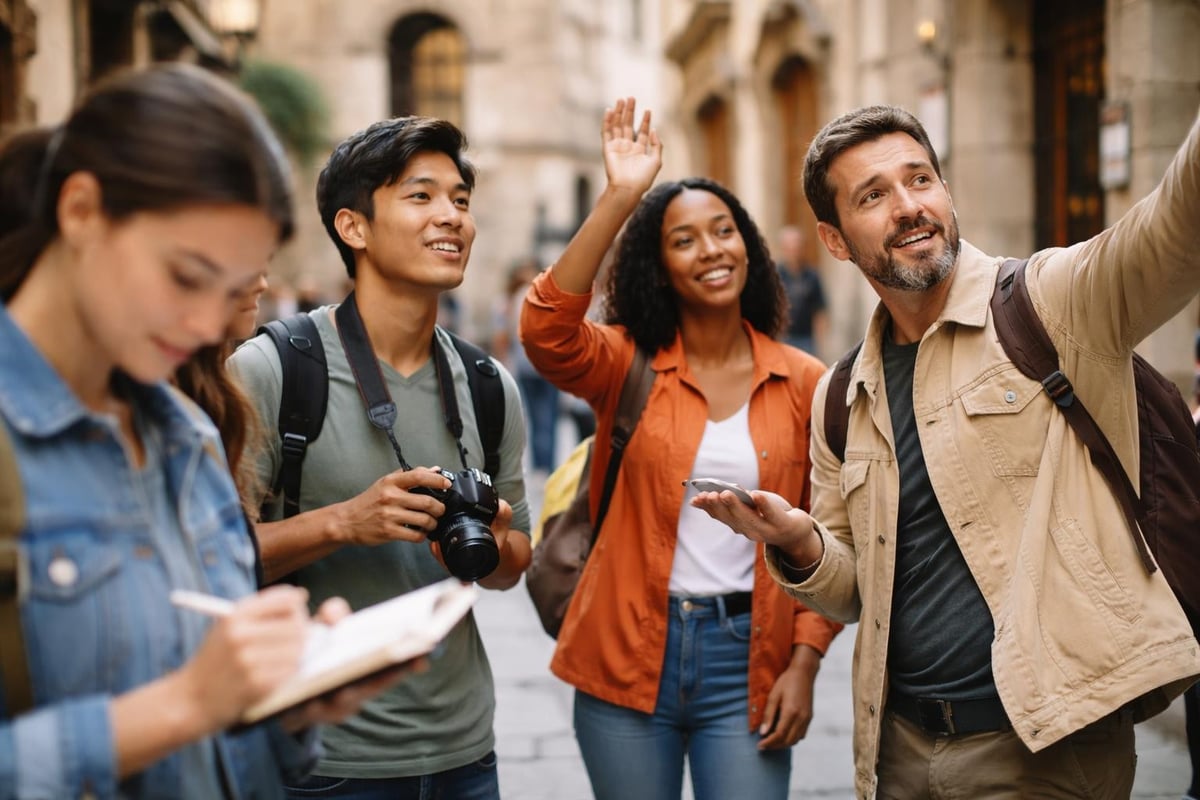
Active participation transforms passive listening into engaging dialogue. The best walking tours encourage questions and discussion, creating interactive learning environments rather than one-way lectures. Taking notes or photos helps cement memories, while asking guides for recommendations beyond the tour extends the value of their local expertise.
Consider the guide as a resource for broader travel planning. Experienced guides possess extensive knowledge about restaurants, hidden attractions, and timing strategies for popular sites. Many travelers find that conversations during walking tours provide the most valuable insider tips of their entire visit.
Regional Excellence and Specialized Offerings
Different regions excel in particular types of walking experiences based on geography, history, and cultural traditions. Understanding these regional strengths helps travelers select destinations that align with their interests.
Scandinavian Walking Tour Characteristics
Scandinavian cities offer distinctive walking experiences characterized by design-forward architecture, Viking history, and progressive urban planning. Stockholm combines medieval charm with modern innovation, creating layered narratives that span centuries. The Stockholm walking tour options range from historical deep dives to contemporary cultural explorations.
Scandinavian seasons dramatically affect walking tour experiences. Summer's extended daylight enables evening tours with different atmospheric qualities, while winter's crisp air and potential snow create magical settings despite shorter days. Spring and autumn offer moderate temperatures ideal for extended walking without crowds.
Adventure and Nature-Focused Tours
Beyond urban settings, walking tours extend into natural landscapes through hiking-focused experiences. Companies specializing in walking luxury tours combine cultural immersion with outdoor adventure, accessing regions where vehicles cannot reach. These multi-day experiences often include accommodations, meals, and expert naturalist guides.
The distinction between casual city walks and more demanding terrain-based tours requires clear understanding. Wilderness-oriented options from operators like Wilderness Travel target active travelers seeking physical challenge combined with cultural discovery. Such experiences demand higher fitness levels and appropriate gear compared to urban alternatives.
Cultural Immersion Through Walking
Walking naturally facilitates cultural connection in ways faster transportation modes cannot replicate. The pedestrian pace allows observation of daily life, chance encounters with locals, and sensory experiences that create lasting impressions.
Beyond Tourist Districts
The best walking tours venture beyond heavily touristed areas to reveal authentic neighborhood character. Markets, residential streets, local cafes, and community gathering spaces provide windows into genuine daily life. These excursions demonstrate how cities function for residents, not just visitors.
Guides who live in the areas they tour bring invaluable contemporary perspectives alongside historical knowledge. They notice changes, remember vanished businesses, and share personal anecdotes that humanize urban spaces. This living connection to place elevates tours from historical recitations to dynamic storytelling.
Language and Communication Benefits
Tours conducted in your native language or the local language you're learning enhance comprehension and comfort. Native English-speaking guides serving international visitors eliminate potential misunderstandings while delivering nuanced explanations of complex cultural concepts. For language learners, tours in the target language provide immersive practice within contextually rich environments.
The English walking tours available in non-English-speaking destinations bridge cultural gaps while maintaining authenticity. Quality translations preserve meaning without oversimplifying, respecting participant intelligence while ensuring accessibility.
Technology Integration in Modern Walking Tours
Contemporary walking tours increasingly incorporate technology to enhance rather than replace human guidance. Apps, audio equipment, and digital resources supplement expert narration with additional layers of information.
Audio Guides and Apps
Self-paced audio tours offer flexibility for independent travelers who prefer controlling their own schedules. However, they lack the responsiveness and current insights that live guides provide. The best walking tours may use audio supplements during specific portions while maintaining guide availability for questions and discussion.
GPS-enabled apps track routes and trigger location-specific content automatically, creating seamless experiences. Photography apps help identify architectural styles or historical periods through image recognition. Translation apps assist when encountering signage or menus during tour stops.
Social Media and Documentation
Modern tours acknowledge participants' desires to document and share experiences. Strategic photo stops at optimal viewpoints and lighting, along with guide assistance capturing group photos, enhance satisfaction. Some operators create hashtags or social media groups where participants can share images and stay connected post-tour.
The cultural tour dimension expands when guides explain photographic etiquette, respectful documentation of religious sites, and local attitudes toward photography. This cultural context prevents inadvertent offense while maximizing documentation opportunities.
Seasonal Considerations for Walking Tours
Timing significantly impacts walking tour quality through weather, crowd levels, and seasonal programming. Understanding these variables helps travelers choose optimal booking windows.
Weather and Climate Factors
| Season | Advantages | Challenges | Ideal Destinations |
|---|---|---|---|
| Spring | Moderate temperatures, blooming gardens, fewer crowds | Variable weather, occasional rain | European cities, Mediterranean regions |
| Summer | Long daylight hours, vibrant street life, festival seasons | Heat, peak crowds, higher prices | Northern Europe, coastal areas |
| Autumn | Comfortable temperatures, fall colors, harvest seasons | Shortening days, increasing rain | Wine regions, historic cities |
| Winter | Minimal crowds, holiday markets, crisp atmospheres | Cold weather, early darkness, closures | Holiday markets, indoor-outdoor combinations |
Shoulder seasons often provide ideal conditions, balancing pleasant weather with manageable crowd levels. However, specific interests may dictate different timing. Holiday market tours require winter visits, while garden-focused walks peak in spring and early summer.
Special Events and Festivals
Coordinating walking tours with cultural events adds unique dimensions to experiences. Festival seasons bring special programming, though they also attract larger crowds. The best walking tours might time routes to witness parade preparations, market setups, or other behind-the-scenes activities that reveal event logistics and cultural significance.
Advanced booking becomes essential during peak events, as guide availability and participant interest both surge. Early planning also enables securing accommodations and additional reservations needed for comprehensive visits.
Value Assessment and Pricing Structures
Walking tour costs vary dramatically based on group size, duration, customization level, and included amenities. Understanding value helps travelers make informed decisions aligned with budgets and expectations.
Cost Factors and Inclusions
Typical walking tour pricing considerations:
- Group size: Private tours command premiums but deliver personalized experiences
- Duration: Half-day versus full-day versus multi-day experiences
- Inclusions: Some tours include meals, entrance fees, or transportation
- Guide credentials: Specialized expertise or academic qualifications affect pricing
- Language options: Less common languages may increase costs
- Customization: Tailored itineraries require additional planning time
Free walking tours operating on tipping models provide budget access but often feature larger groups and less personalization. While appropriate for cost-conscious travelers, they rarely match the depth and flexibility of paid professional services.
Investment Perspective
Viewing walking tours as educational and experiential investments rather than mere expenses shifts value assessment. Hours spent with expert guides compress years of research and exploration into efficient, memorable experiences. The tailored tours approach recognizes that customization delivers value beyond standardized offerings, even at higher price points.
Consider cost per person, cost per hour, and included value when comparing options. A seemingly expensive private tour may actually represent better value than a cheaper group option when accounting for personalization, flexibility, and exclusive access.
Family and Group Dynamics
Different group compositions require distinct approaches to maximize enjoyment for all participants. The best walking tours accommodate varied ages, interests, and physical capabilities within single groups.
Multi-Generational Considerations
Families spanning multiple generations benefit from guides skilled at engaging different age groups simultaneously. Interactive elements for children, detailed historical content for adults, and accessible pacing for seniors create inclusive experiences. Private family tours allow bathroom breaks, snack stops, and energy management without concern for delaying strangers.
Educational content calibrated to multiple levels keeps everyone engaged. Stories about daily life in historical periods, architectural scavenger hunts, and local legends appeal across ages. Guides experienced with families anticipate needs and adjust pacing organically.
Corporate and Team-Building Applications
Walking tours serve corporate groups through team-building exercises and informal networking environments. Shared exploration fosters conversation and relationship-building outside formal business settings. The city tour Stockholm options can incorporate breaks at venues suitable for meetings or meals, blending productivity with cultural experience.
Company retreats and conferences increasingly include cultural components recognizing that memorable experiences strengthen team cohesion. Walking tours provide structured yet relaxed formats that encourage interaction while delivering substantive content about host cities.
Accessibility and Inclusive Touring
The best walking tours consider accessibility needs and work to accommodate participants with various physical capabilities. While walking inherently presents challenges for some, thoughtful planning expands access.
Physical Accommodation Strategies
Modern tour operators increasingly offer accessible alternatives including:
- Routes with minimal stairs and uneven surfaces
- Slower pacing with frequent rest opportunities
- Wheelchair-accessible itineraries using adapted routes
- Seating availability at explanation points
- Coordination with accessible transportation for portions
- Mobility device accommodations
Transparency about route difficulty, terrain type, and total distance enables informed decisions. Detailed accessibility information helps participants assess fit without awkward day-of-tour discoveries. Operators committed to inclusion proactively address these considerations.
Sensory and Cognitive Considerations
Beyond physical accessibility, tours can accommodate sensory processing differences through advanced itinerary sharing, noise level management, and flexible participation expectations. Clear communication about what to expect reduces anxiety and enables fuller enjoyment.
The FAQ section on professional tour operator websites should address common accessibility questions, demonstrating commitment to inclusive experiences. Pre-tour conversations allow guides to understand specific needs and plan appropriate accommodations.
The best walking tours share common elements regardless of location: expert guidance, appropriate group sizing, authentic storytelling, and flexibility to meet participant needs. As you plan your next adventure, choosing tours that prioritize these qualities ensures experiences that inform, inspire, and create lasting memories. When you're ready to explore Stockholm with personalized attention and insider perspectives, Adding:tours offers private group experiences designed specifically for families, friends, and colleagues seeking authentic cultural connections through expert-guided exploration.