City of Tours: A Historic Gateway to France’s Loire Valley
The city of Tours stands as one of France's most captivating destinations, seamlessly blending centuries of history with contemporary French culture. Located in the heart of the Loire Valley, this historic city serves as both a cultural treasure and the perfect gateway to exploring the region's renowned châteaux. Whether you're planning a private group tour or simply seeking to understand what makes this destination special, Tours offers a compelling mix of architectural beauty, culinary excellence, and authentic French experiences that resonate with travelers seeking personalized exploration.
Historical Significance and Cultural Heritage
The city of Tours has played a pivotal role in French history for over two millennia. Originally established as a Roman settlement called Caesarodunum, the city evolved into a significant religious and political center during the Middle Ages. Tours once served as the capital of France during critical periods in the nation's development, particularly when King Louis XI made it his residence in the 15th century.
Medieval Splendor and Religious Importance
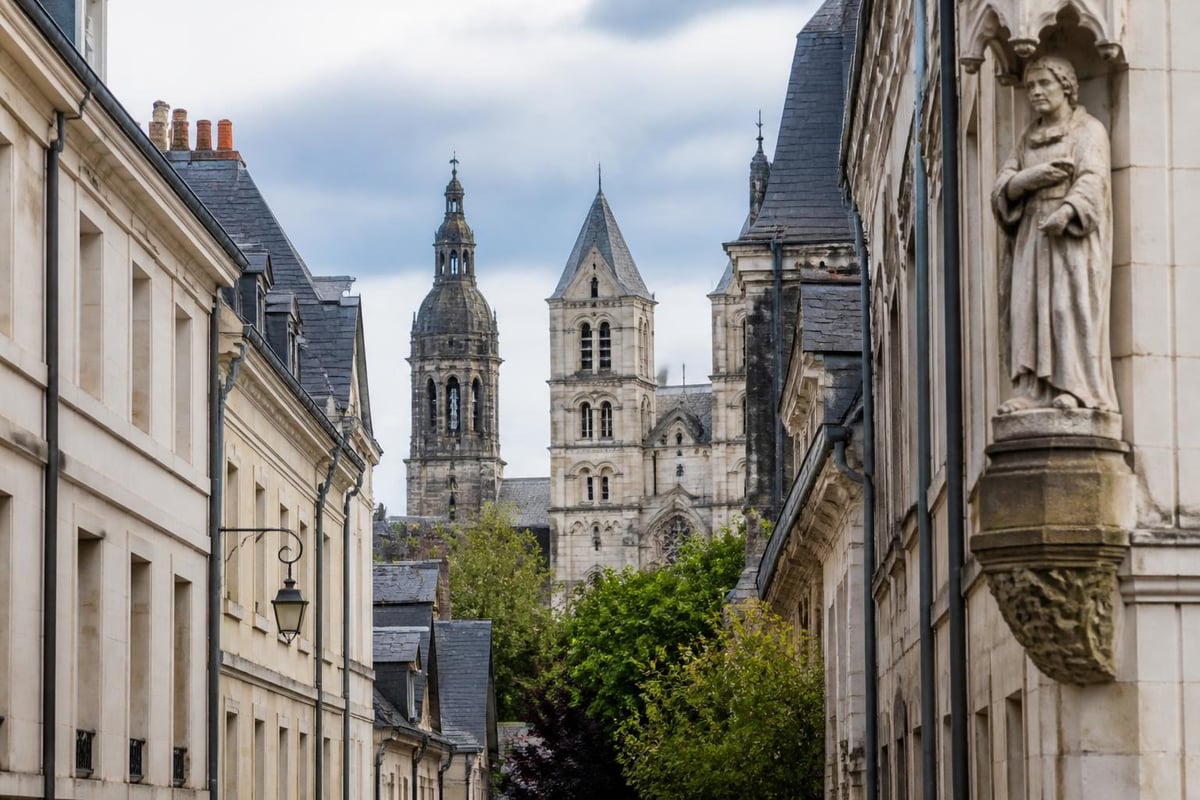
During the Middle Ages, the city of Tours became a major pilgrimage destination thanks to the tomb of Saint Martin, one of the most venerated saints in Western Christianity. The Basilica of Saint Martin attracted thousands of pilgrims annually, establishing Tours as a spiritual hub that rivaled other European religious centers. This religious significance brought wealth, culture, and architectural innovation to the region.
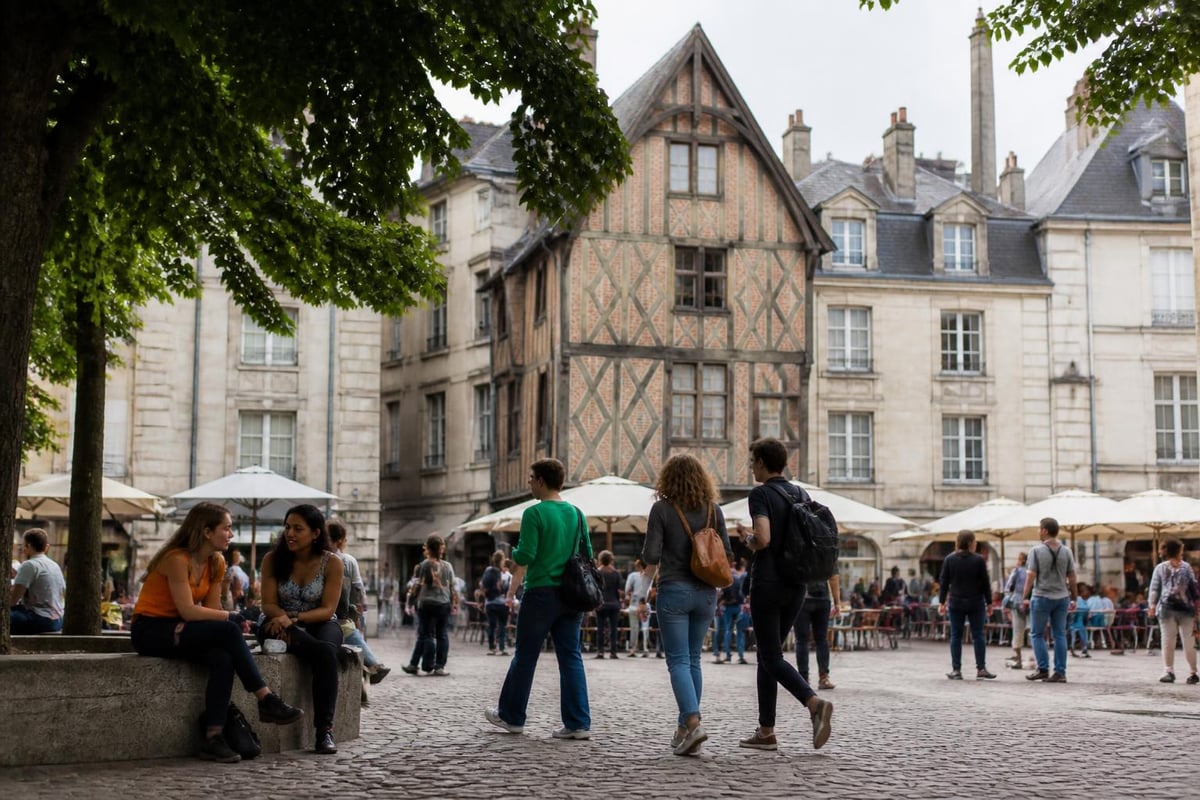
The old quarter, known as Vieux Tours, preserves the medieval character through its half-timbered houses, narrow cobblestone streets, and charming Place Plumereau. Walking through these historic neighborhoods provides the same intimate connection to the past that makes guided walking experiences so memorable in cities like Stockholm.
Architectural Landmarks and UNESCO Recognition
The city of Tours boasts exceptional architectural heritage, with structures spanning from Roman times to the Renaissance. The Cathedral of Saint Gatien stands as a masterpiece of Gothic architecture, its construction spanning four centuries and showcasing the evolution of Gothic design. The cathedral's stained glass windows, particularly those from the 13th century, rank among France's finest.
| Landmark | Period | Significance |
|---|---|---|
| Cathedral of Saint Gatien | 12th-16th century | Gothic architectural masterpiece |
| Basilica of Saint Martin | 19th century (rebuilt) | Major pilgrimage site |
| Château de Tours | 11th century | Royal residence and historical monument |
| Place Plumereau | Medieval | Heart of old town with half-timbered houses |
Geographic Position and Regional Gateway
Positioned strategically in the Loire Valley, the city of Tours serves as the ideal starting point for exploring one of France's most celebrated regions. The city sits approximately 240 kilometers southwest of Paris, making it easily accessible while maintaining its distinct regional character. This central location has historically made Tours an important crossroads for commerce, culture, and travel.
Gateway to the Loire Châteaux
The city of Tours provides unparalleled access to the Loire Valley's magnificent châteaux. Within an hour's drive, visitors can reach Château de Chenonceau, Château d'Amboise, Château de Villandry, and numerous other Renaissance masterpieces. This proximity makes Tours the logical base for exploring the region, particularly for groups seeking tailored touring experiences that balance multiple sites with local culture.
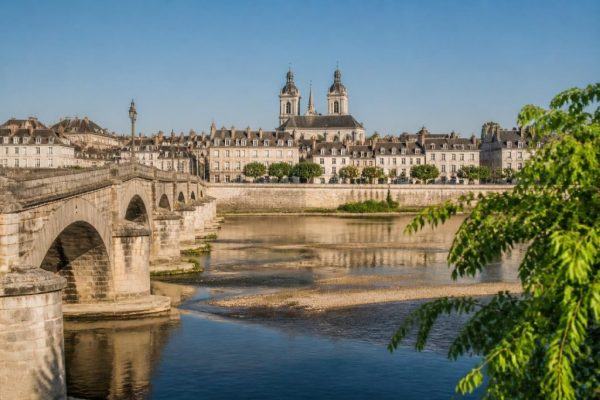
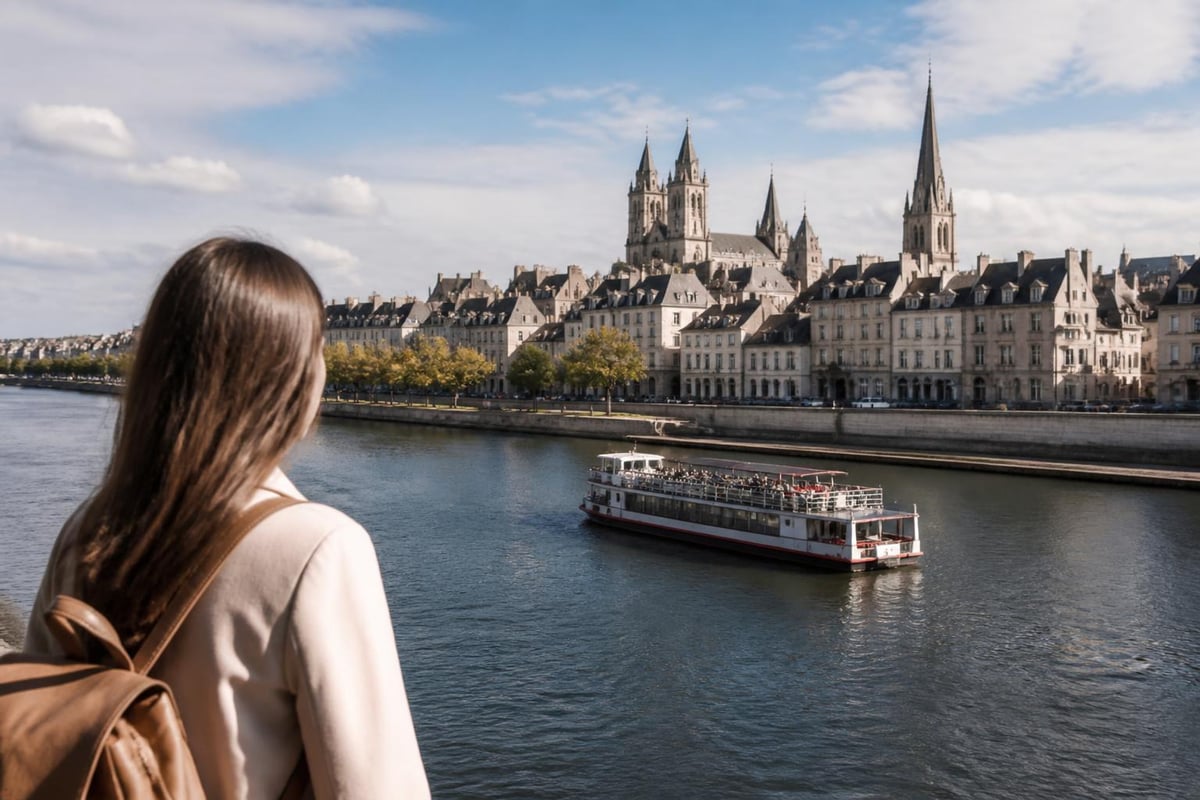
The Loire River itself plays a central role in the region's identity and Tours' development. The river has shaped the landscape, influenced architectural design, and provided transportation routes that facilitated the city's commercial growth. Understanding this geographic context enhances appreciation for how Tours became such a significant cultural center.
Modern Vibrancy and Contemporary Culture
While steeped in history, the city of Tours pulses with modern energy. As a university town with over 30,000 students, Tours maintains a youthful atmosphere that balances its medieval heritage. The lively streets and cultural attractions demonstrate how historic cities can preserve their past while embracing contemporary life.
Culinary Excellence and Gastronomic Tradition
The city of Tours stands as a gastronomic destination in its own right. The region produces exceptional wines, particularly Vouvray and Chinon, which complement local specialties like rillettes, goat cheese, and river fish. Les Halles de Tours, the covered market, offers an authentic taste of regional products and provides insight into French market culture.
- Fresh produce from Loire Valley farms
- Regional wine varieties including Vouvray, Chinon, and Bourgueil
- Traditional charcuterie and rillettes
- Artisanal cheeses, especially Sainte-Maure-de-Touraine goat cheese
- Seasonal specialties and local delicacies
For tour operators and visitors alike, understanding these culinary traditions adds depth to any visit. Just as ABBA-themed experiences combine cultural exploration with memorable meals, Tours offers opportunities to blend historical discovery with gastronomic adventures.
Art, Museums, and Cultural Attractions
The city of Tours has earned recognition as a "City of Art and History," a designation that acknowledges its exceptional cultural heritage and ongoing commitment to preserving and promoting the arts. The Musée des Beaux-Arts de Tours houses an impressive collection spanning from the Renaissance to contemporary art, displayed within the former Archbishop's Palace.
Literary and Artistic Connections
Tours maintains strong connections to French literature and arts. The city was home to Honoré de Balzac, whose works captured life in provincial France during the 19th century. The Musée Balzac, located in the nearby Château de Saché, celebrates his legacy and connection to the region.
This literary heritage resonates with how certain cities become inseparable from their artistic associations. Much like Stockholm's connection to Stieg Larsson creates opportunities for literary-themed walking tours, Tours' connection to Balzac and other French writers enriches the visitor experience.
Planning Your Visit to the City of Tours
Understanding how to approach the city of Tours helps maximize your experience, whether visiting independently or as part of a private group tour. The city's compact historic center makes it ideal for walking, while efficient public transportation connects to surrounding attractions.
Seasonal Considerations
Spring and early autumn offer ideal conditions for exploring the city of Tours. April through June brings mild temperatures and blooming gardens, particularly beautiful in the Jardin Botanique de Tours. September and October provide harvest season experiences, including wine tastings and food festivals that showcase regional products.
| Season | Temperature Range | Advantages | Considerations |
|---|---|---|---|
| Spring (Mar-May) | 10-20°C | Gardens in bloom, fewer crowds | Variable weather |
| Summer (Jun-Aug) | 18-28°C | Long daylight, festivals | Peak tourist season |
| Autumn (Sep-Nov) | 10-18°C | Harvest season, comfortable temps | Earlier sunsets |
| Winter (Dec-Feb) | 3-10°C | Christmas markets, fewer tourists | Some sites closed |
Transportation and Accessibility
The city of Tours benefits from excellent transportation infrastructure. The TGV high-speed train connects Tours to Paris in approximately one hour, making day trips feasible in either direction. Regional train services and well-maintained roads provide easy access to nearby châteaux and wine regions.
For groups seeking comprehensive exploration, working with professional guides who understand the logistics of visiting multiple sites proves invaluable. The same principles that make professional tour guidance essential in Stockholm apply equally to navigating the Loire Valley from Tours.
Tours During World War II and Historical Resilience
The city of Tours faced significant challenges during the Second World War. The city experienced occupation and served briefly as the seat of the French government in June 1940 before the government relocated further south. Understanding this period provides context for the city's resilience and post-war reconstruction efforts that preserved its historic character while modernizing infrastructure.
Preservation and Restoration Efforts
Following wartime damage, the city of Tours undertook careful restoration work to preserve its architectural heritage. The commitment to maintaining historic buildings while accommodating modern needs serves as a model for urban preservation. This balance between conservation and development ensures that future generations can experience the city's authentic medieval character.
Educational and Research Excellence
The presence of the Université de Tours contributes significantly to the city's cultural vitality. Founded in 1969, the university continues a long tradition of education in Tours dating back to medieval times. The student population brings intellectual energy, cultural diversity, and economic vitality that keeps the city of Tours dynamic and forward-looking.
Research initiatives focused on Loire Valley heritage, sustainable tourism, and regional development ensure that Tours remains at the forefront of cultural preservation and tourism innovation. These academic contributions inform best practices for heritage tourism and community engagement.
Practical Tips for Group Tours
When planning a visit to the city of Tours with a private group, several considerations enhance the experience. Small group sizes allow for more intimate exploration of narrow medieval streets and easier access to local restaurants and wine cellars. Customization based on group interests, whether focused on history, architecture, gastronomy, or photography, creates more meaningful engagement.
Working with Local Expertise
Native guides who understand regional history, speak multiple languages, and maintain connections with local artisans and producers add immeasurable value. Their insider knowledge parallels what makes Stockholm tours with local perspective particularly memorable. These guides can arrange special access, recommend authentic dining experiences, and adapt itineraries based on group dynamics and interests.
The city of Tours rewards those who take time to explore beyond major landmarks. Hidden gardens, artisan workshops, antique markets, and neighborhood cafés reveal the authentic character that makes Tours special. Allowing flexibility in schedules and trusting local expertise often leads to the most memorable moments.
Market Days and Local Commerce
The city of Tours maintains vibrant market traditions that connect visitors to regional agriculture and artisan production. Weekly markets in various neighborhoods offer everything from fresh produce and flowers to antiques and textiles. The Wednesday and Saturday markets at Boulevard Béranger particularly showcase the diversity of Loire Valley products.
These markets provide cultural experiences that transcend simple shopping. They offer opportunities to interact with local producers, practice French language skills, and understand regional food systems. For groups interested in authentic cultural immersion, market visits complement architectural tours and museum visits perfectly.
The city of Tours exemplifies how historic destinations can maintain their cultural heritage while remaining vibrant and accessible to modern travelers. Whether you're drawn to medieval architecture, Renaissance châteaux, culinary traditions, or simply the authentic atmosphere of French provincial life, Tours offers rich experiences that reward thoughtful exploration. At Adding:tours, we understand the value of personalized guidance and local expertise that transforms sightseeing into genuine cultural connection. While we specialize in creating memorable Stockholm experiences for private groups and small gatherings, we recognize that the principles of excellent touring apply universally across destinations.