International Tour Guide: Your Career Path in 2026
The role of an international tour guide has evolved dramatically over recent years, transforming from simple sightseeing facilitation into a sophisticated profession that demands cultural expertise, multilingual capabilities, and exceptional interpersonal skills. As global tourism continues to rebound and expand, professionals who can bridge cultural divides while delivering memorable experiences have never been more valuable. This career path offers unique opportunities for those passionate about travel, history, and human connection, with the industry showing remarkable resilience and growth as we progress through 2026.
The Growing Demand for Professional Tour Guides
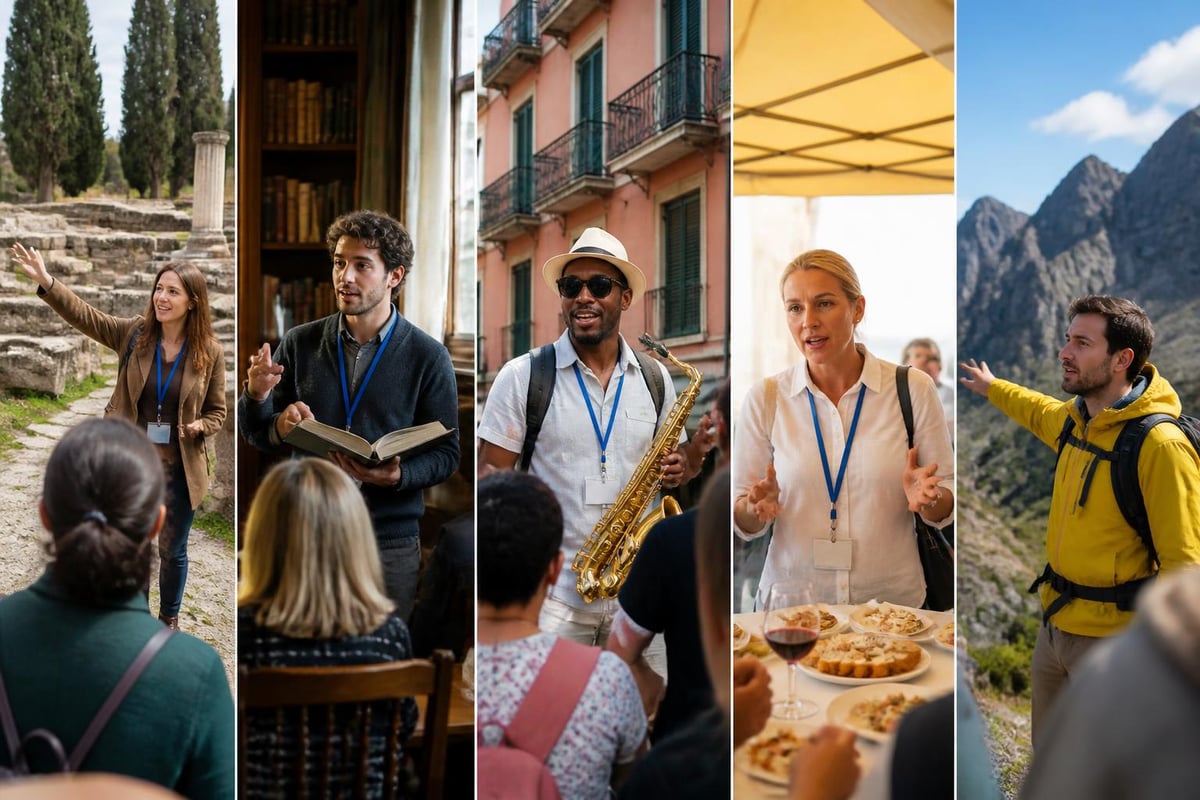
The tourism industry has experienced significant transformation, with tour guide industry statistics revealing substantial growth projections through the end of this decade. An international tour guide today serves as cultural ambassador, storyteller, and experience curator all at once. The profession has expanded beyond traditional roles, with specialized niches emerging in literary tourism, music heritage tours, and customized private experiences.
Recent data shows that tour operators are experiencing unprecedented optimism despite global challenges. The USTOA tour operator survey demonstrates strong growth heading into 2026, signaling robust opportunities for qualified guides who can deliver exceptional service.
Market Opportunities in Specialized Tourism
Private and small group tours have gained considerable traction, with travelers seeking personalized experiences over mass tourism. This shift creates opportunities for guides who can tailor content to specific interests, whether exploring historical sites, following literary trails, or diving deep into local music culture.
Essential Skills for International Tour Guides
Success as an international tour guide requires a diverse skill set that extends far beyond basic knowledge of tourist attractions. The modern guide must excel in multiple areas simultaneously while adapting to constantly changing visitor expectations.
Core Competencies Required
Communication Excellence: Guides must convey complex historical, cultural, and artistic concepts in accessible, engaging language. This includes mastering storytelling techniques that bring locations to life while maintaining factual accuracy.
Cultural Sensitivity: Understanding and respecting diverse cultural backgrounds enables guides to connect with visitors from around the world. This skill proves particularly valuable when working with English walking tours where international visitors expect both professionalism and cultural awareness.
Language Proficiency: While English serves as the lingua franca for international tourism, additional languages significantly expand career opportunities. Native fluency in English combined with knowledge of other languages creates competitive advantages.
| Skill Category | Importance Level | Development Time |
|---|---|---|
| Communication | Critical | 6-12 months |
| Cultural Knowledge | Critical | Ongoing |
| Language Skills | High | 1-3 years |
| Technical Knowledge | High | 3-6 months |
| Crisis Management | Medium | 6-12 months |
Interpersonal and Organizational Abilities
Managing group dynamics requires emotional intelligence and situational awareness. An international tour guide must read room energy, adjust pacing based on participant engagement, and handle challenging personalities diplomatically.
Time management becomes crucial when coordinating multiple stops, managing transportation schedules, and ensuring groups remain on track without feeling rushed. The best guides make transitions seamless while maintaining engaging commentary throughout.
Certification and Professional Development
Professional certification elevates an international tour guide's credibility and marketability. Various organizations offer structured programs that validate expertise and demonstrate commitment to professional standards.
The Certified Tour Guide/Director program through the International Tour Management Institute provides comprehensive training covering essential aspects of tour leadership. This certification addresses operational procedures, risk management, customer service excellence, and industry best practices.
Global Standards and Requirements
The World Federation of Tourist Guide Associations emphasizes standardized education and training worldwide. Different regions maintain specific requirements, making it essential for aspiring guides to research local regulations in their target markets.
Some destinations require government-issued licenses, particularly for guides working in protected historical sites or national parks. Stockholm, for instance, values certified guides who can deliver Stockholm old town walking tours with depth and authenticity.
Continuing Education Opportunities
- Professional development workshops focused on emerging tourism trends
- Language enhancement courses for multilingual proficiency
- Specialized training in niche areas like literary tourism or music heritage
- Digital skills development for online tour delivery and social media engagement
- First aid and emergency response certification
Building Your Tour Guide Business
Establishing yourself as an international tour guide requires strategic planning, networking, and continuous improvement. Whether working independently or joining established companies, guides must develop their unique value proposition.
Developing Specialized Expertise
Niche specialization differentiates guides in competitive markets. Consider focusing on specific themes that align with personal interests and market demand. For example, literary enthusiasts might develop expertise in author-themed tours, following famous writers' footsteps through iconic locations.
Music-focused tours, such as the ABBA journey experiences, demonstrate how specialized knowledge creates unique offerings that attract dedicated audiences. These themed experiences command premium pricing while delivering memorable, shareable moments.
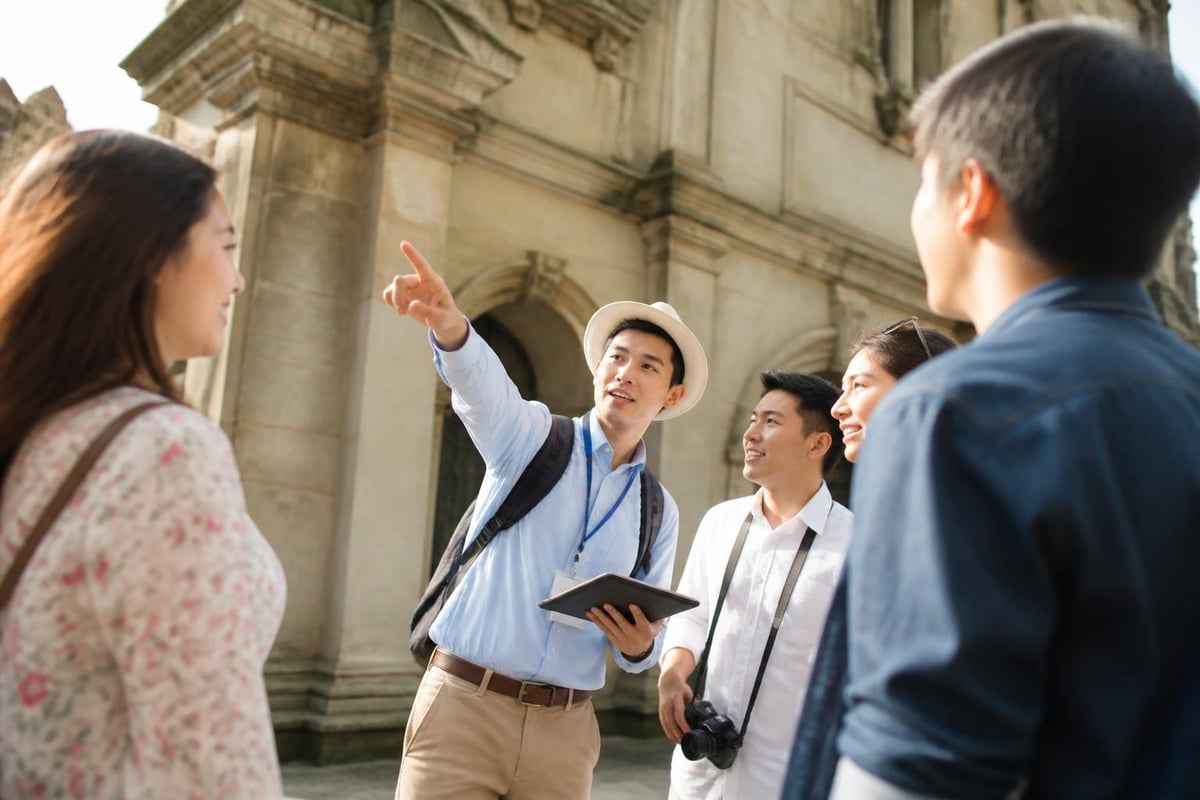
Marketing and Client Acquisition
Modern guides must embrace digital marketing alongside traditional networking. Creating compelling online profiles, gathering testimonials, and maintaining active social media presence helps attract clients seeking authentic experiences.
Partnering with hotels, travel agencies, and local businesses generates referrals. Many successful guides develop relationships with concierges who recommend their services to discerning travelers seeking tailored tours beyond standard offerings.
Delivering Exceptional Tour Experiences
The difference between adequate and outstanding tour experiences lies in preparation, engagement, and adaptability. An international tour guide must consistently exceed expectations while handling unexpected challenges gracefully.
Pre-Tour Preparation Strategies
- Research participant backgrounds to customize content appropriately
- Scout routes in advance to identify potential obstacles or timing issues
- Prepare backup plans for weather-dependent activities
- Coordinate with vendors for seamless dining or entertainment components
- Review current events that might affect itineraries or discussions
Thorough preparation enables guides to handle questions confidently while adapting to group interests. Understanding whether participants prioritize architecture, history, shopping, or photography allows for dynamic adjustment during tours.
Engagement Techniques During Tours
Successful guides employ varied presentation methods to maintain interest throughout multi-hour experiences. Mixing historical narratives with personal anecdotes, asking thought-provoking questions, and encouraging participant interaction creates dynamic experiences.
Visual aids, whether physical props or digital presentations, enhance understanding of complex topics. When discussing architectural styles or historical periods, reference materials help visitors grasp concepts they can then recognize independently.
| Engagement Method | Best Used For | Impact Level |
|---|---|---|
| Storytelling | Historical context | Very High |
| Interactive questions | Group participation | High |
| Visual demonstrations | Complex concepts | High |
| Humor and anecdotes | Energy management | Medium |
| Silence/observation time | Reflection moments | Medium |
Navigating Cultural Differences
Working as an international tour guide means constantly bridging cultural divides. Understanding how different cultures approach timekeeping, personal space, humor, and authority helps prevent misunderstandings while fostering comfortable group dynamics.
Communication Across Cultures
Direct communication styles valued in some cultures may seem abrupt to others expecting more indirect approaches. An effective international tour guide adjusts communication strategies based on group composition, reading cues that indicate comfort levels with different interaction styles.
Humor requires particular sensitivity, as jokes often fail to translate across cultural boundaries. Self-deprecating humor generally proves safer than observational comedy that might inadvertently offend cultural sensibilities.
Managing Diverse Expectations
Travelers from different regions approach tours with varying expectations regarding pacing, detail level, and interaction preferences. Some cultures value comprehensive historical context, while others prefer lighter narratives focused on visual appreciation and photography opportunities.
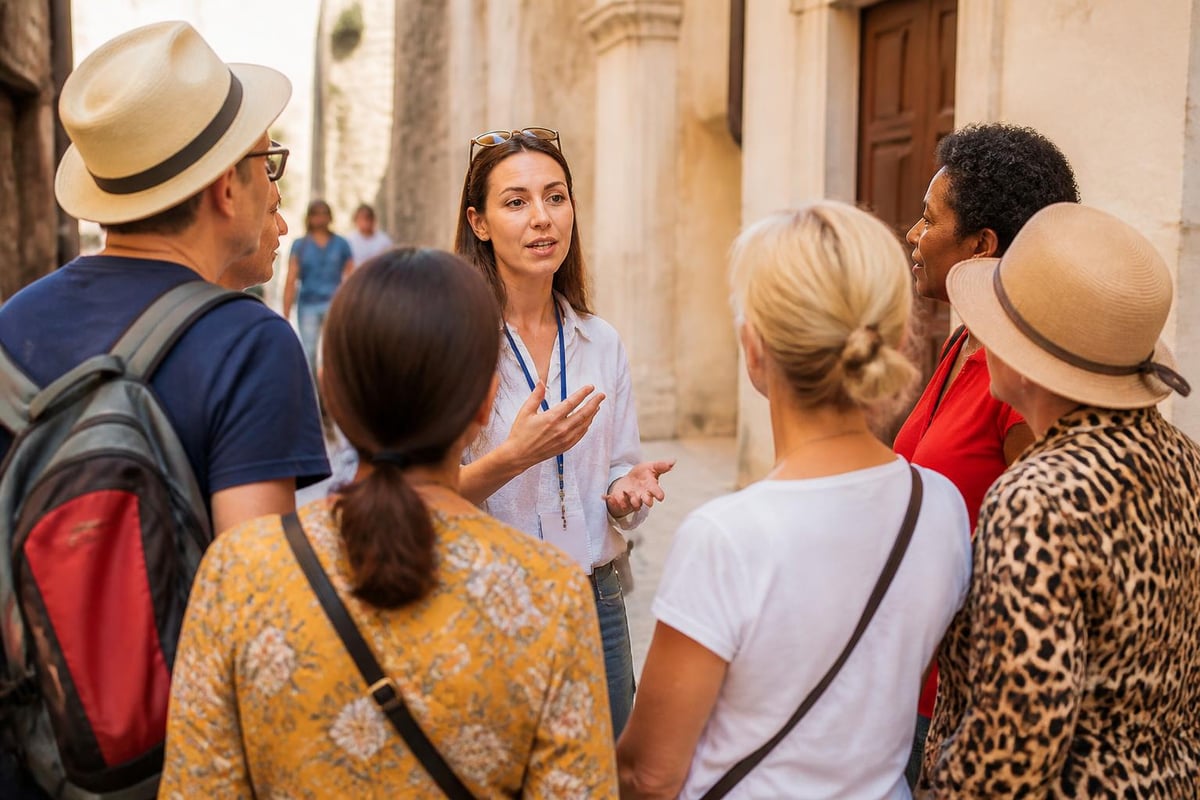
Flexibility enables guides to balance these preferences within mixed groups. Observing engagement levels and adjusting accordingly demonstrates professionalism that participants appreciate, often mentioning adaptability in tour reviews.
Technology Integration in Modern Guiding
Digital tools have revolutionized how international tour guide professionals deliver and enhance experiences. From communication platforms to augmented reality applications, technology supports rather than replaces human expertise.
Essential Digital Tools
- Translation apps for real-time communication with non-English speakers
- Weather monitoring systems for proactive itinerary adjustments
- Mapping applications with offline capabilities for navigation backup
- Digital payment systems for seamless transactions
- Communication platforms for group coordination and updates
Many guides now incorporate audio enhancement systems that allow participants to hear clearly without crowding, particularly valuable in busy urban environments or when leading larger groups through city sightseeing Stockholm experiences.
Virtual and Hybrid Tour Offerings
The pandemic accelerated adoption of virtual tour formats, creating new revenue streams for guides unable to work in person. While physical tours remain preferred, hybrid models offering both in-person and virtual components expand accessibility and market reach.
Virtual capabilities also support pre-tour orientations, allowing guides to introduce themselves and preview content, building rapport before physical meetings. This approach proves particularly effective for customized tour packages where personal connection enhances overall satisfaction.
Sustainable and Responsible Tourism Practices
Modern international tour guide professionals must champion sustainable tourism practices that protect destinations while supporting local communities. This responsibility extends beyond environmental considerations to cultural preservation and economic equity.
Environmental Stewardship
Guides play crucial roles in educating visitors about environmental impact and modeling responsible behaviors. This includes:
- Encouraging adherence to designated paths protecting fragile ecosystems
- Explaining local conservation efforts and how tourists can contribute
- Promoting waste reduction through reusable containers and responsible disposal
- Supporting eco-friendly transportation options when feasible
- Highlighting seasonal considerations that minimize environmental stress
Supporting Local Economies
Responsible guides direct tourist spending toward local businesses rather than international chains, ensuring economic benefits reach community members. Recommending family-owned restaurants, locally-made souvenirs, and community-based attractions creates authentic experiences while supporting sustainable development.
Partnering with local artisans, musicians, or historians enriches tour content while providing income opportunities. These collaborations transform standard tours into meaningful cultural exchanges benefiting both visitors and residents.
Career Growth and Long-Term Success
Building a sustainable career as an international tour guide requires strategic planning beyond initial certification and early client acquisition. Long-term success depends on continuous improvement, reputation management, and business diversification.
Reputation Building Strategies
Excellence in service delivery generates word-of-mouth referrals that sustain successful guide careers. Consistently exceeding expectations, handling challenges professionally, and maintaining enthusiasm across hundreds of tours builds reputations that attract premium clients.
Collecting and showcasing testimonials demonstrates track record to potential clients. Many guides maintain portfolios featuring participant feedback, media mentions, and professional recognitions that validate expertise.
Income Diversification
Relying solely on tour fees creates income volatility, particularly during off-seasons or unexpected disruptions. Successful guides develop multiple revenue streams:
- Private consulting for travelers planning independent trips
- Content creation through blogs, videos, or guidebooks
- Training programs for aspiring guides entering the profession
- Virtual tour offerings reaching global audiences
- Partnership commissions from recommended businesses
Professional Network Development
Building relationships with other tourism professionals creates referral networks and collaboration opportunities. Joining professional associations, attending industry conferences, and participating in destination marketing initiatives raises profile while staying current on industry trends.
Mentoring emerging guides establishes thought leadership while contributing to professional standards elevation industry-wide. This generosity often returns through referrals and collaborative opportunities that benefit all parties.
Handling Challenges and Difficult Situations
Every international tour guide eventually faces challenging situations requiring quick thinking and diplomatic resolution. Preparation and experience help navigate these moments while minimizing negative impact on overall experience.
Common Challenges and Solutions
Late arrivals or no-shows: Establish clear communication protocols and backup plans that keep tours running smoothly despite absence of some participants.
Medical emergencies: Maintain current first aid certification and establish relationships with local medical facilities. Know emergency procedures for every tour location.
Disruptive participants: Address issues privately when possible, setting boundaries politely but firmly. Most situations resolve through empathetic communication acknowledging concerns while protecting group experience.
Weather disruptions: Develop contingency plans for outdoor tours, including alternative indoor activities or rescheduling policies that demonstrate flexibility while protecting business interests.
Transportation delays: Build buffer time into itineraries and maintain relationships with multiple vendors who can provide backup support when primary options fail.
Crisis Management Protocols
Establishing clear procedures for various emergency scenarios ensures calm, effective responses during high-stress moments. Document protocols for:
- Medical emergencies requiring professional intervention
- Security threats or unsafe situations
- Natural disasters or extreme weather events
- Lost participants or missing belongings
- Equipment failures or technology breakdowns
Regular review and updating of these protocols ensures preparedness when unexpected situations arise.
Industry Trends Shaping the Future
The tour guide profession continues evolving in response to technological advancement, demographic shifts, and changing traveler preferences. Understanding emerging trends enables proactive adaptation that maintains relevance in competitive markets.
Personalization and Customization
Generic, one-size-fits-all tours increasingly struggle against personalized experiences matching individual interests and preferences. Guides who excel at customization, offering flexibility within structured frameworks, attract discerning travelers seeking unique experiences.
This trend particularly benefits smaller operators offering private group experiences where customization represents core value proposition rather than premium add-on.
Wellness and Slow Travel
Growing interest in wellness tourism and slow travel emphasizes mindful exploration over rushed itinerary completion. Guides incorporating meditation moments, nature connection, or cultural immersion activities align with these preferences while differentiating their offerings.
Authentic Local Connections
Travelers increasingly seek authentic interactions with local communities rather than observational tourism. Guides facilitating meaningful exchanges-whether through home visits, artisan workshops, or community meals-deliver experiences generating lasting memories and positive reviews.
Success as an international tour guide combines passion, preparation, and professionalism, creating rewarding careers for those committed to excellence in this dynamic field. Whether you're planning your Stockholm visit or seeking expert guidance for your group, Adding:tours delivers personalized sightseeing experiences through native English-speaking guides who share insider perspectives and tailor every journey to your interests. From Old Town walking tours to specialized ABBA adventures, we transform ordinary visits into extraordinary memories that showcase Stockholm's rich culture and hidden gems.