Historic Walking Tour: Creating Memorable Experiences
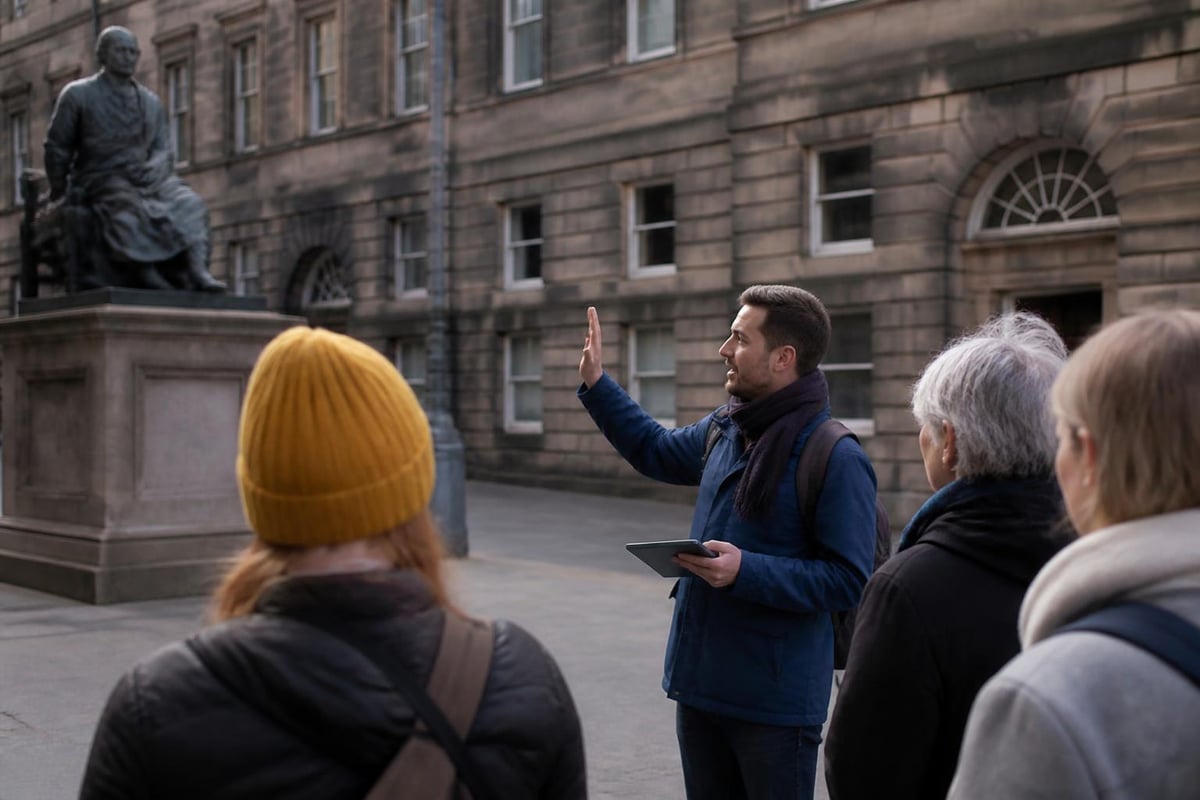
A historic walking tour represents one of the most intimate and engaging ways to experience a city's cultural heritage. Unlike bus tours or audio guides, walking tours create personal connections between participants, guides, and the stories embedded in streets, buildings, and monuments. The best tours transform ordinary sightseeing into meaningful journeys through time, where every cobblestone and corner reveals layers of history waiting to be discovered. For tour operators and guides, designing these experiences requires careful attention to storytelling, route planning, and participant engagement.
Understanding What Makes a Historic Walking Tour Successful
The foundation of any successful historic walking tour lies in its ability to transport participants beyond mere facts and dates. Authentic storytelling connects visitors emotionally to the past, making history feel relevant and alive. When guides share lesser-known anecdotes alongside major historical events, they create a richer, more nuanced understanding of a location's heritage.
Several key elements distinguish exceptional tours from mediocre ones:
- Clear thematic focus that gives the tour coherent narrative structure
- Engaging delivery that balances information with entertainment
- Strategic pacing that prevents fatigue while maintaining interest
- Interactive elements that encourage participant involvement
- Insider perspectives that reveal stories tourists wouldn't discover alone
Research shows that incorporating social history into walking tours makes historical content more emotionally engaging and memorable for participants. This approach transforms abstract historical concepts into relatable human experiences.
Creating the Right Tour Length and Structure
Duration significantly impacts participant satisfaction. Most successful historic walking tours run between 90 minutes and three hours, with two hours representing the sweet spot for maintaining engagement without causing physical fatigue. Tours exceeding three hours require strategic breaks and exceptional content to justify the extended commitment.
Designing Your Historic Walking Tour Route
Route planning involves far more than connecting interesting buildings. Designing historical walking tours requires thoughtful consideration of theme, narrative flow, and physical logistics. The route should tell a coherent story rather than simply visiting disconnected points of interest.
Selecting a Compelling Theme
Thematic coherence transforms a collection of stops into a meaningful narrative journey. Consider these proven thematic approaches:
- Chronological progression through different historical periods
- Architectural evolution showcasing changing building styles
- Biographical focus following influential historical figures
- Cultural themes exploring art, literature, or music connections
- Social history examining daily life across different eras
Stockholm's Old Town provides excellent opportunities for historic walking tours that combine medieval architecture, royal history, and contemporary Scandinavian culture. The narrow alleys and preserved buildings create natural theatrical settings for historical narratives.
Mapping the Physical Route
Physical considerations directly impact tour quality. Evaluate potential routes using these criteria:
| Factor | Considerations | Impact on Experience |
|---|---|---|
| Distance | 1.5-3 miles typical | Prevents physical fatigue |
| Terrain | Stairs, cobblestones, slopes | Accessibility for diverse participants |
| Shelter Options | Indoor alternatives for weather | Tour reliability year-round |
| Rest Opportunities | Benches, plazas, cafes | Comfort during longer tours |
| Noise Levels | Traffic, construction | Guide audibility and atmosphere |
Planning should account for seasonal variations. A route perfect for spring might become uncomfortably hot in summer or hazardous in winter conditions.
Crafting Engaging Historical Narratives
The narrative structure separates memorable tours from forgettable ones. Rather than reciting encyclopedia entries, effective guides weave historical facts into compelling stories that resonate with modern audiences.
Balancing Information and Entertainment
Historical accuracy remains essential, but presentation style determines whether participants retain and enjoy the information. The most successful guides employ several techniques:
- Personal anecdotes that humanize historical figures
- Comparative references linking past events to contemporary contexts
- Vivid sensory details helping participants imagine historical scenes
- Provocative questions encouraging active thinking rather than passive listening
- Local legends and myths adding color alongside verified facts
When conducting Stockholm walking tours, guides might describe how medieval merchants navigated the same streets, creating tangible connections between past and present commerce.
Incorporating Multiple Perspectives
Comprehensive historical understanding requires examining events from various viewpoints. Rather than presenting single authoritative narratives, skilled guides acknowledge competing interpretations and marginalized voices often excluded from traditional histories.
This approach proves particularly valuable when discussing complex historical periods involving conflict, colonization, or social upheaval. Presenting multiple perspectives demonstrates intellectual honesty while creating richer, more nuanced understanding.
Engaging Your Tour Participants
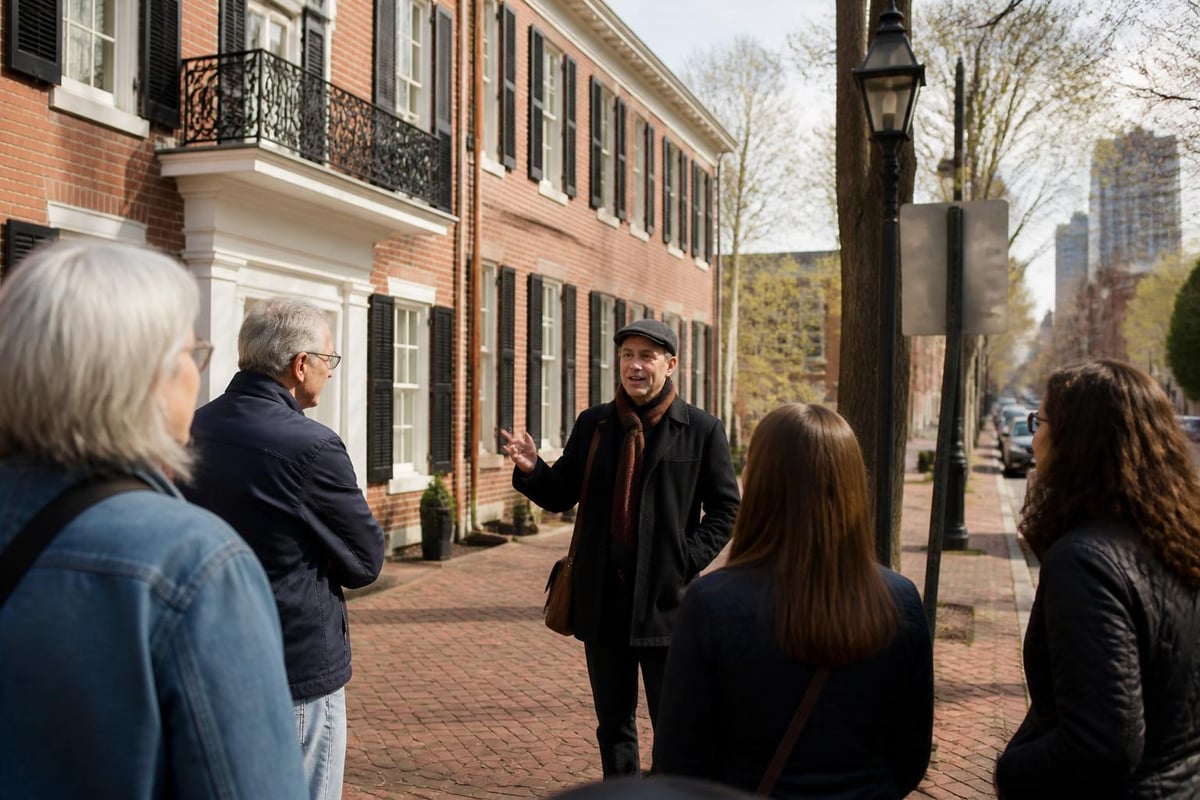
Passive listening limits learning and enjoyment. The best historic walking tours create interactive experiences where participants actively engage with historical content.
Interactive Techniques That Work
Modern tour guides employ various methods to boost engagement:
- Visual aids including historical photographs, maps, and artifacts
- Before-and-after comparisons showing architectural changes
- Participatory activities such as scavenger hunts or observation challenges
- Strategic questioning prompting participants to notice specific details
- Small group discussions allowing participants to share observations
For specialized tours like the ABBA Journey in Stockholm, incorporating music, photographs from different eras, and opportunities for participants to share their own ABBA memories creates deeper engagement.
Managing Group Dynamics
Group size significantly affects tour quality. Small private groups of 4-12 participants enable personalized interaction and flexible pacing. Larger groups require different techniques to maintain cohesion and ensure everyone can hear and see adequately.
Effective group management strategies include:
- Establishing clear meeting and regrouping protocols
- Using visual markers (flags or signs) for easy identification
- Positioning participants thoughtfully at each stop
- Checking comprehension through occasional questions
- Adjusting pace based on group energy levels
Practical Logistics for Tour Success
Even brilliant content fails without proper logistical planning. Organizing successful historical walking tours requires attention to numerous practical details that enhance or undermine the overall experience.
Weather Contingency Planning
Outdoor tours face inevitable weather challenges. Professional tour operators develop contingency plans rather than canceling at the first raindrop:
| Weather Condition | Adaptation Strategy | Participant Communication |
|---|---|---|
| Light rain | Continue with umbrellas | Advise appropriate clothing beforehand |
| Heavy rain | Shift to covered locations | Offer rescheduling options |
| Extreme heat | Adjust timing, add water breaks | Recommend sun protection, hydration |
| Winter conditions | Shorten route, add indoor stops | Emphasize appropriate footwear |
Transparent communication about weather policies builds trust and manages expectations effectively.
Essential Equipment and Resources
Professional guides maintain preparedness through careful planning:
- Amplification systems for larger groups or noisy environments
- First aid supplies for minor emergencies
- Backup historical materials if primary resources become unavailable
- Emergency contact information for venues and local services
- Route maps for participants to follow along
Technology increasingly enhances historic walking tours, though it should complement rather than replace human guidance. Some operators provide digital supplements, though the personal connection between guide and participants remains irreplaceable.
Specialized Historic Walking Tour Themes
Generic overviews rarely satisfy modern travelers seeking distinctive experiences. Specialized thematic tours attract niche audiences while showcasing unique aspects of a location's heritage.
Literary and Cultural Tours
Cities with strong literary traditions offer exceptional opportunities for themed tours. Following authors' footsteps or visiting locations from famous novels combines literary appreciation with historical exploration. Stockholm's connection to Stieg Larsson's Millennium series, for instance, attracts mystery enthusiasts eager to see real locations featured in the novels.
Cultural tours might focus on:
- Musical heritage and performance venues
- Artistic movements and artists' studios
- Culinary history and traditional food establishments
- Theater districts and entertainment history
- Religious diversity and sacred spaces
Royal and Political History Tours
Governmental buildings, palaces, and political landmarks provide focal points for tours examining power dynamics, governance evolution, and civic development. The changing of the guard ceremonies at royal palaces, for example, offer visually engaging moments that anchor broader discussions of monarchy, tradition, and national identity.
Training and Development for Tour Guides
Guide quality determines tour success more than any other factor. The most knowledgeable historian creates poor experiences without effective communication skills, while engaging presenters lacking depth disappoint participants seeking substantive content.
Essential Guide Competencies
Exceptional historic walking tour guides develop multiple skill sets:
- Deep historical knowledge extending beyond basic facts
- Storytelling ability making information entertaining and memorable
- Interpersonal skills reading and responding to group dynamics
- Logistical management handling unexpected situations calmly
- Cultural sensitivity respecting diverse participant backgrounds
Professional tour guides continuously expand their expertise through ongoing research, attending lectures, reading new historical scholarship, and exploring their cities with fresh perspectives. This commitment to growth ensures tours remain current and compelling.
Feedback and Continuous Improvement
Systematic feedback collection enables continuous refinement. Post-tour surveys, online reviews, and direct participant conversations reveal strengths to emphasize and weaknesses to address. The best guides view every tour as an opportunity to improve their craft.
Regular peer observation and constructive critique among guide teams elevate overall quality standards. Sharing successful techniques and problem-solving strategies benefits entire organizations.
Marketing Your Historic Walking Tour
Superior tours fail without effective marketing that reaches target audiences. Digital presence, partnership development, and reputation management all contribute to sustained success.
Digital Marketing Strategies
Online visibility determines booking rates for most tour operators:
- Search engine optimization ensuring tours appear in relevant searches
- Social media engagement sharing compelling historical content and tour highlights
- Review platform management encouraging satisfied participants to share experiences
- Visual content creation using photographs and videos showcasing tour highlights
- Email marketing maintaining relationships with past participants
For businesses offering Stockholm city tours, highlighting unique aspects like insider access, small group sizes, and personalized experiences differentiates offerings from generic mass-market alternatives.
Partnership and Collaboration Opportunities
Strategic partnerships expand reach and enhance credibility:
| Partner Type | Benefits | Collaboration Examples |
|---|---|---|
| Hotels | Guest referrals, package deals | Concierge recommendations, lobby materials |
| Cultural institutions | Credibility, cross-promotion | Museum partnerships, lecture series |
| Tourism boards | Official recognition, promotion | Destination marketing inclusion |
| Educational institutions | Student groups, academic credibility | Field trip programs, continuing education |
| Corporate clients | Team-building bookings, recurring revenue | Custom tailored tours for businesses |
Measuring Tour Success and Impact
Quantitative and qualitative metrics help operators understand performance and identify improvement opportunities. Financial sustainability matters, but impact extends beyond revenue to include educational value, cultural preservation, and community contribution.
Key Performance Indicators
Tracking multiple metrics provides comprehensive performance understanding:
- Booking rates and capacity utilization
- Revenue per tour and per participant
- Customer satisfaction scores
- Repeat booking percentages
- Review ratings across platforms
- Referral rates from satisfied participants
Comparing performance across different tour themes, guides, and seasons reveals patterns informing strategic decisions about resource allocation and program development.
Long-Term Impact Considerations
Beyond immediate business metrics, successful historic walking tours contribute to broader cultural goals. They foster historical literacy, support heritage preservation, encourage community pride, and attract cultural tourists who benefit local economies.
Tour operators increasingly recognize their role as educators and cultural ambassadors. This perspective shapes programming decisions, guide training priorities, and community engagement strategies. When English-speaking guides share authentic local perspectives rather than generic tourist information, they create more meaningful cross-cultural understanding.
Adapting to Changing Tourism Landscapes
The tourism industry constantly evolves, requiring operators to adapt while maintaining core quality standards. Recent years have accelerated certain trends affecting historic walking tours significantly.
Technology Integration
While personal human connection remains central to effective tours, technology offers valuable enhancements. Mobile apps provide supplementary information participants can review later. GPS-enabled audio can offer background context between stops. However, technology should never replace the irreplaceable value of knowledgeable guides responding dynamically to participant interests and questions.
Sustainability and Responsible Tourism
Modern travelers increasingly value sustainable, responsible tourism practices. Historic walking tours inherently align with sustainability by emphasizing low-impact exploration, supporting local economies, and promoting cultural understanding. Highlighting these attributes attracts environmentally and socially conscious travelers.
Responsible practices include:
- Supporting local businesses during tours
- Respecting residential areas and private property
- Promoting accurate, balanced historical narratives
- Managing group sizes to minimize disruption
- Contributing to heritage preservation efforts
Customization and Personalization
Generic experiences satisfy fewer travelers as personalization becomes the expected standard. Small private groups enable customization impossible with large tour groups. Guides can adjust pacing, depth, and emphasis based on specific participant interests, whether focusing on architectural details, political history, or cultural traditions.
The rise of cultural tours designed for specific interest groups demonstrates this trend. Rather than one-size-fits-all programming, successful operators develop diverse offerings appealing to varied audiences.
Historic walking tours offer unmatched opportunities to connect people with the rich layers of cultural heritage embedded in every city. Success requires balancing rigorous historical research with engaging storytelling, thoughtful logistics with spontaneous responsiveness, and business sustainability with educational mission. Whether you're planning a family exploration, corporate team-building experience, or gathering of friends discovering a new destination, Adding:tours creates personalized historic walking experiences throughout Stockholm that bring the city's fascinating past to life through insider perspectives and tailored storytelling that makes every moment memorable.