Your Travel Guide: Planning Memorable Group Experiences
Planning a memorable group experience requires more than consulting generic recommendations or following crowded tourist routes. When you create your travel guide, you're developing a personalized roadmap that reflects your group's unique interests, pace, and priorities. Whether organizing a family reunion, corporate retreat, or friends' getaway, the right approach to planning transforms ordinary sightseeing into extraordinary moments that resonate long after the journey ends. The difference between a good trip and an unforgettable one often lies in the preparation, local knowledge, and attention to detail that goes into crafting your travel guide.
Understanding What Makes Your Travel Guide Effective
A truly effective travel guide goes beyond listing attractions and restaurants. It captures the essence of a destination while aligning with your group's specific dynamics and preferences.
Identifying Your Group's Core Interests
Every group brings different expectations to a journey. Some travelers prioritize historical immersion, while others seek cultural experiences, culinary adventures, or literary connections. Before crafting your travel guide, gather input from all participants to understand what matters most to them.
Key considerations when planning include:
- Age range and mobility levels of participants
- Shared interests versus individual preferences
- Pace preferences (leisurely versus action-packed)
- Budget constraints and spending priorities
- Dietary requirements and restrictions
When you develop your travel guide with these factors in mind, you create a foundation for experiences that satisfy everyone involved. This personalized approach ensures that no one feels left behind or overwhelmed by activities that don't align with their interests.
Balancing Structure with Flexibility
The best travel guides maintain a careful balance between planned activities and spontaneous exploration. Over-scheduling exhausts participants and eliminates opportunities for unexpected discoveries, while too little structure can lead to wasted time and missed opportunities.
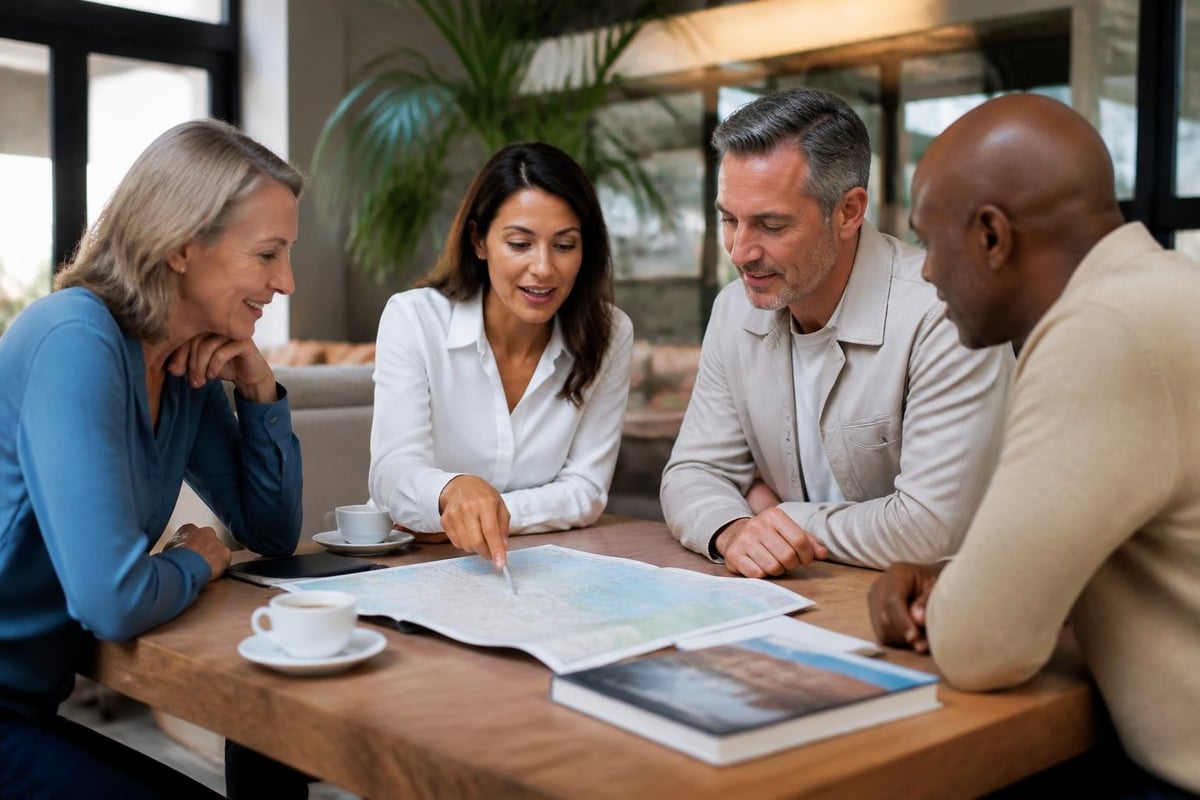
Creating your travel guide with built-in flexibility allows for adjustments based on weather, energy levels, or sudden interests that emerge during the trip. Research on travel planning best practices emphasizes the importance of efficient routing while maintaining adaptability.
Crafting Personalized Itineraries for Small Groups
Small group experiences offer distinct advantages over mass tourism. With fewer participants, your travel guide can incorporate specialized activities, insider access, and pace adjustments that larger groups cannot accommodate.
Leveraging Local Expertise
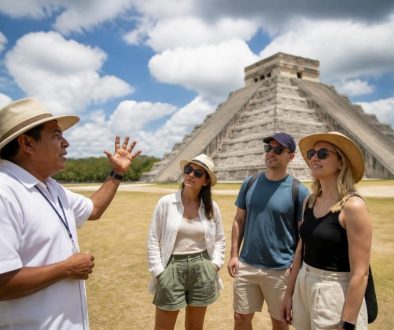
Native guides transform standard sightseeing into immersive storytelling. They share perspectives that no guidebook captures, from the significance of architectural details to the stories behind local traditions. When developing your travel guide, consider how professional tour guides enhance understanding through personal anecdotes and historical context.
Local experts know which times to visit popular sites to avoid crowds, which hidden alleys reveal authentic neighborhood character, and which establishments offer the best value. This insider knowledge becomes invaluable when creating your travel guide for a group that wants depth over superficial tourism.
| Planning Approach | Mass Tourism | Personalized Small Groups |
|---|---|---|
| Itinerary flexibility | Fixed schedule | Adaptable to interests |
| Pace | Rushed | Comfortable |
| Access | Public areas only | Insider locations |
| Learning depth | Surface-level | In-depth stories |
| Group interaction | Limited | Enhanced bonding |
Incorporating Thematic Elements
Thematic tours create cohesive narratives that engage participants throughout the experience. Your travel guide might center on literary history, musical heritage, architectural evolution, or culinary traditions.
In Stockholm, for example, thematic approaches might include following locations from Stieg Larsson's Millennium trilogy or exploring the city's connection to ABBA. These focused themes give your travel guide direction and help participants connect more deeply with the destination. Cultural tours demonstrate how thematic focus transforms sightseeing into meaningful exploration.
Essential Components of Your Travel Guide
Comprehensive planning requires attention to multiple elements that collectively create smooth, enjoyable experiences. Your travel guide should address practical logistics alongside experiential elements.
Transportation and Routing Strategies
Efficient routing minimizes backtracking and maximizes time at actual destinations. When planning your travel guide, map activities geographically to create logical daily flows.
Effective routing considerations:
- Group morning activities in one district
- Plan lunch near afternoon destinations
- Account for transportation time between locations
- Build in rest periods during longer days
- End days near dining or accommodation areas
Understanding local transportation options helps your travel guide account for realistic timing. Walking tours work beautifully for compact historic districts, while dispersed attractions may require vehicle support.
Timing and Pacing Decisions
Different attractions require varying amounts of time. Your travel guide should allocate appropriate durations based on the depth of experience desired. A quick photo stop differs vastly from an immersive museum visit or a leisurely neighborhood walk.
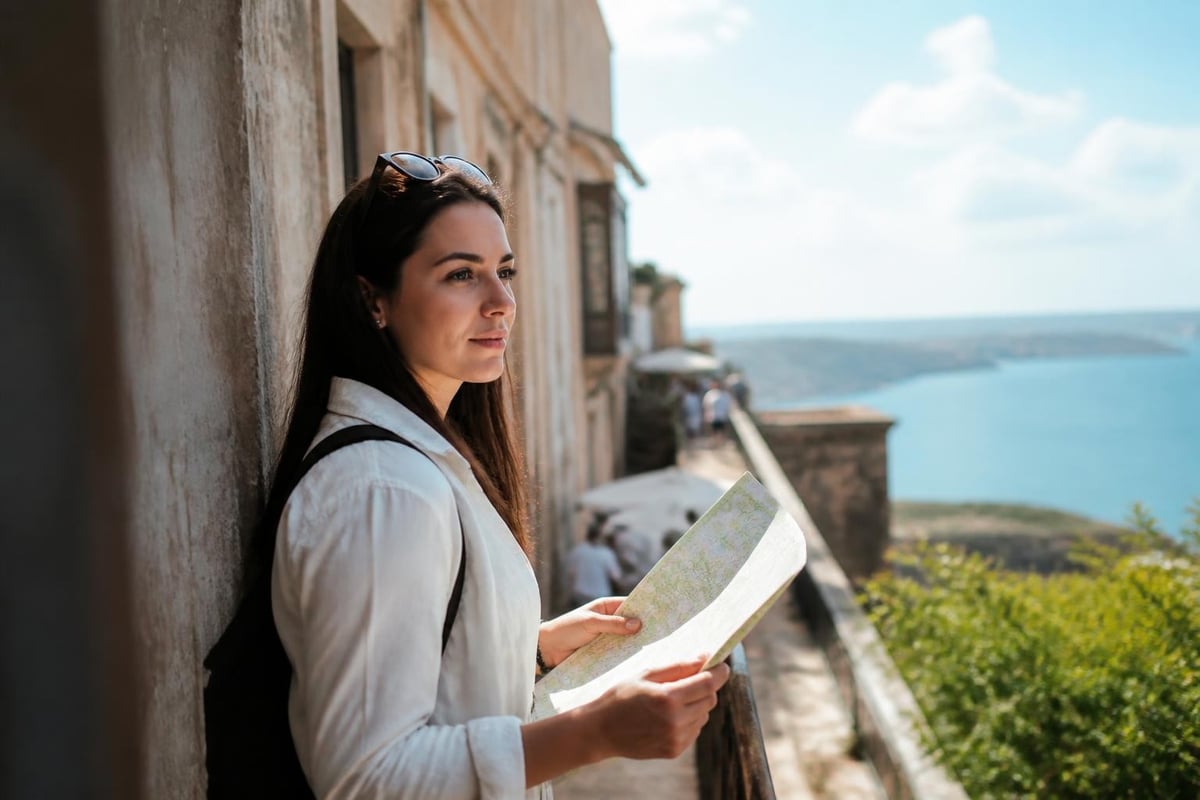
Small group tours designed for seniors illustrate how pacing adjustments accommodate different energy levels without sacrificing experience quality. When creating your travel guide, consider the stamina of your least mobile participant rather than your most energetic one.
Maximizing Group Dynamics Through Thoughtful Planning
Group travel creates opportunities for shared memories and strengthened relationships. Your travel guide should facilitate bonding while respecting individual needs for space and personal interests.
Creating Shared Experiences
Certain activities naturally encourage group interaction and conversation. Meals, walking tours, and participatory experiences create opportunities for connection that individual museum visits cannot replicate.
When developing your travel guide, identify activities that spark discussion and shared reactions. Witnessing the changing of the guard at Stockholm's Royal Palace, for instance, provides a collective experience that groups can discuss and remember together. Walking tours through historic districts naturally facilitate conversation as participants explore together.
Allowing for Individual Exploration
Even the most cohesive groups benefit from periodic independence. Your travel guide might designate certain periods as "free time" when participants can pursue individual interests.
Some travelers may want to shop while others visit specific museums. Building these options into your travel guide prevents frustration and allows everyone to customize their experience within the larger group framework. This approach particularly benefits mixed-age groups or those with diverse interests.
Incorporating Authentic Local Perspectives
Tourist experiences and local life often exist in separate spheres. Your travel guide gains depth when it bridges this divide, offering genuine insights into how residents actually live, work, and socialize.
Beyond Standard Tourist Routes
The most memorable experiences often occur in neighborhoods tourists rarely visit. Your travel guide might include residential areas, local markets, neighborhood cafes, or parks where families gather.
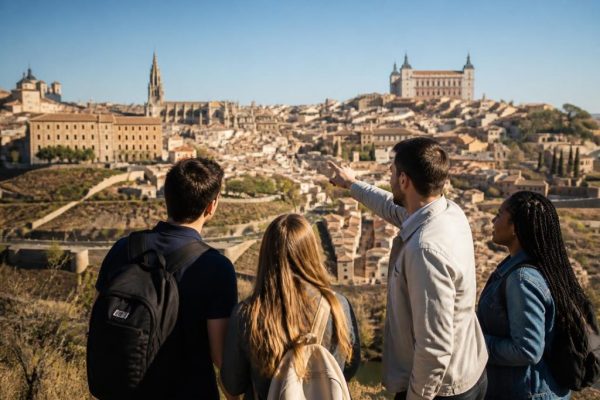
Understanding how to structure travel content helps create guides that balance popular attractions with authentic local experiences. Native guides know which areas reveal genuine neighborhood character versus those designed primarily for tourist consumption.
Seasonal and Cultural Considerations
Your travel guide should account for seasonal variations that affect both practical logistics and experiential opportunities. Some attractions close during winter, while certain cultural events only occur at specific times.
Understanding local customs prevents cultural missteps and enhances interactions with residents. Your travel guide might note appropriate behavior in religious sites, tipping expectations, or greeting customs that show respect for local culture.
Practical Tools and Resources for Guide Creation
Modern technology offers numerous tools for developing and organizing your travel guide. Digital platforms allow collaborative planning, real-time adjustments, and easy information sharing among group members.
Digital Planning Platforms
Creating personalized guides in Apple Maps demonstrates how technology simplifies route planning and location organization. These tools let you share curated lists with group members, ensuring everyone has access to addresses, hours, and navigation assistance.
Cloud-based documents allow collaborative editing as the group refines preferences and adds suggestions. Your travel guide becomes a living document that evolves through group input rather than a static plan imposed from above.
| Tool Type | Primary Function | Group Benefit |
|---|---|---|
| Mapping apps | Location organization | Shared navigation |
| Collaborative docs | Itinerary planning | Group input |
| Booking platforms | Reservation management | Centralized confirmations |
| Communication apps | Real-time updates | Coordination on the go |
| Photo sharing | Memory collection | Collective album |
Research and Information Gathering
Quality information forms the foundation of effective planning. Your travel guide should draw from diverse sources including recent visitor reviews, local blogs, and professional recommendations.
Best practices for travel websites highlight the importance of comprehensive information when planning experiences. When creating your travel guide, verify operating hours, admission fees, and accessibility information to avoid disappointment.
Customization for Special Interest Groups
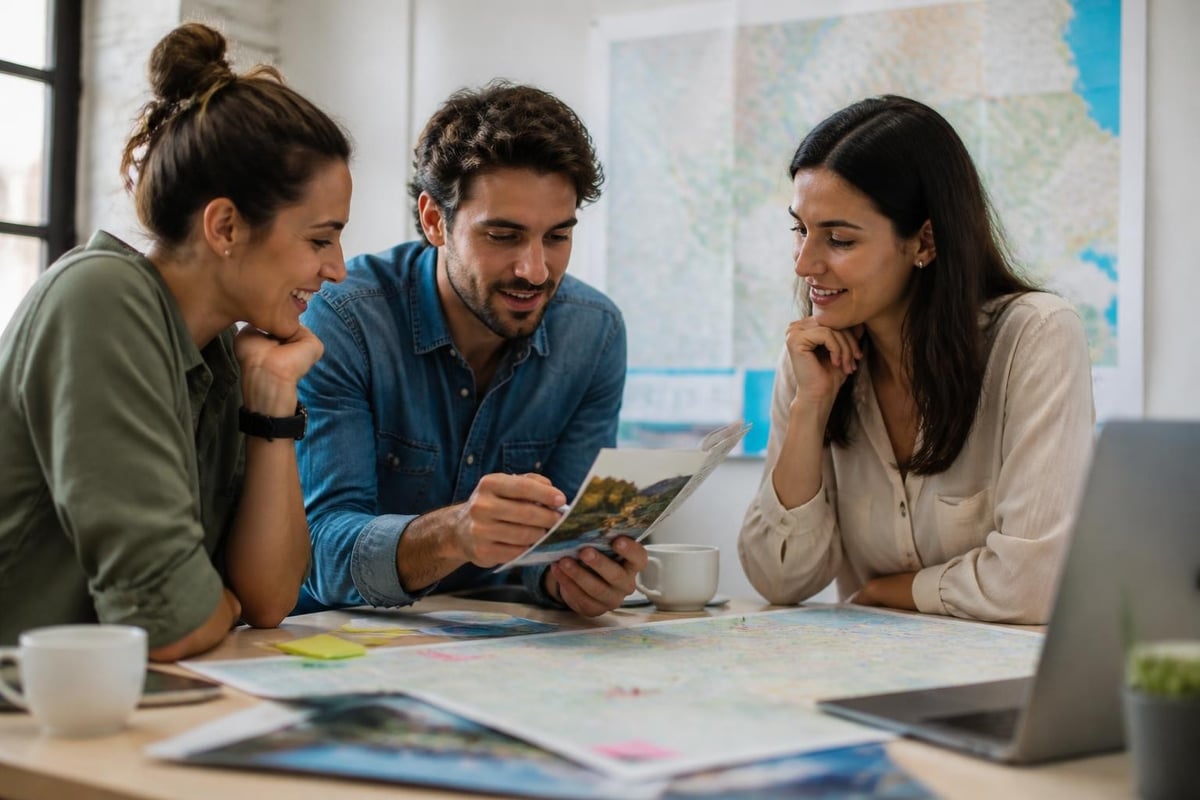
Different group compositions require unique approaches. Your travel guide for a corporate team differs substantially from one designed for extended family or music enthusiasts.
Literary and Cultural Theme Tours
Groups bonded by shared interests benefit from specialized itineraries. Literary enthusiasts might explore locations from beloved novels, while architecture lovers focus on specific design periods or styles.
Stockholm's connection to Stieg Larsson's Millennium trilogy creates opportunities for literary-themed experiences that engage book lovers. Your travel guide might trace character movements through the city, visiting cafes and neighborhoods featured in the stories.
Music and Entertainment Focused Experiences
Musical heritage appeals to groups seeking connection through shared cultural icons. ABBA's legacy in Stockholm creates rich opportunities for fans to explore the band's history, visit recording locations, and experience related attractions.
Your travel guide might incorporate museum visits, neighborhood tours, and dining experiences connected to musical themes. These focused approaches create coherent narratives that resonate throughout the journey.
Measuring Success and Gathering Feedback
The quality of your travel guide reveals itself through participant satisfaction and memorable moments. Post-trip evaluation helps refine future planning and validates successful elements.
Collecting Group Input
Formal and informal feedback mechanisms help assess what worked well and what could improve. Your travel guide benefits from this iterative process, becoming more refined with each trip.
Effective feedback approaches include:
- Daily check-ins during the trip
- Post-activity quick surveys
- End-of-trip group discussions
- Individual follow-up conversations
- Photo sharing sessions that prompt memories
Refining for Future Adventures
Lessons learned from one trip inform your next travel guide. Perhaps the group needed more downtime between activities, or certain types of experiences resonated more strongly than anticipated.
Documenting these insights creates institutional knowledge for planning future group experiences. Your travel guide evolves from theoretical planning into tested methodology based on real results.
Building Lasting Memories Through Thoughtful Planning
The ultimate measure of your travel guide lies in the memories participants carry forward. Well-planned experiences create stories that groups retell for years, strengthening bonds formed during shared adventures.
Attention to detail, respect for diverse preferences, and incorporation of local expertise distinguish exceptional travel guides from adequate ones. When participants feel that experiences reflect their interests and accommodate their needs, satisfaction deepens significantly.
Customized tour approaches demonstrate how personalization transforms standard sightseeing into meaningful experiences. Your travel guide should reflect the unique character of your group while showcasing the authentic essence of the destination.
The investment in creating a comprehensive, thoughtful travel guide pays dividends through smoother logistics, richer experiences, and stronger group cohesion. Whether exploring historic districts, following literary trails, or discovering musical heritage, the framework you establish determines the quality of every moment.
Creating your travel guide requires balancing structure with flexibility, incorporating local expertise, and prioritizing your group's unique interests and dynamics. When you're ready to experience Stockholm with a truly personalized approach, Adding:tours specializes in crafting customized experiences for private groups and small gatherings, where native English-speaking guides share insider perspectives that transform sightseeing into genuine connection with the city's culture, history, and hidden treasures.