Walking Journeys: Transform Your Travel Experience
Walking journeys represent one of the most intimate and rewarding ways to experience a destination. Unlike rushed transportation methods that whisk travelers from point to point, walking creates opportunities for genuine connection with places, people, and stories that define a location. For centuries, walking has served as both recreation and a means of cultural exploration, allowing travelers to absorb the atmosphere, architecture, and authentic character of cities and landscapes. When you choose a guided walking experience, you gain access to local knowledge and perspectives that transform a simple stroll into an educational adventure filled with unexpected discoveries.
The Historical Significance of Walking as Travel
Walking journeys have shaped human civilization for millennia, serving as the primary mode of exploration and discovery long before modern transportation existed. Historical records reveal that walking practices between 1800 and 1914 evolved significantly, reflecting changing social norms, urban development, and cultural attitudes toward leisure and movement.
During the 19th century, walking became associated with intellectual pursuit and artistic inspiration. Writers, poets, and philosophers embarked on walking journeys to stimulate creativity and gain new perspectives. This tradition continues today, with literary-themed walks connecting modern travelers to the footsteps of famous authors and their works.
Walking in Modern Urban Planning
Contemporary cities increasingly recognize the value of pedestrian-friendly infrastructure. Urban planners now design neighborhoods with walkability as a priority, understanding that walking serves essential personal transport needs while promoting community health and environmental sustainability.
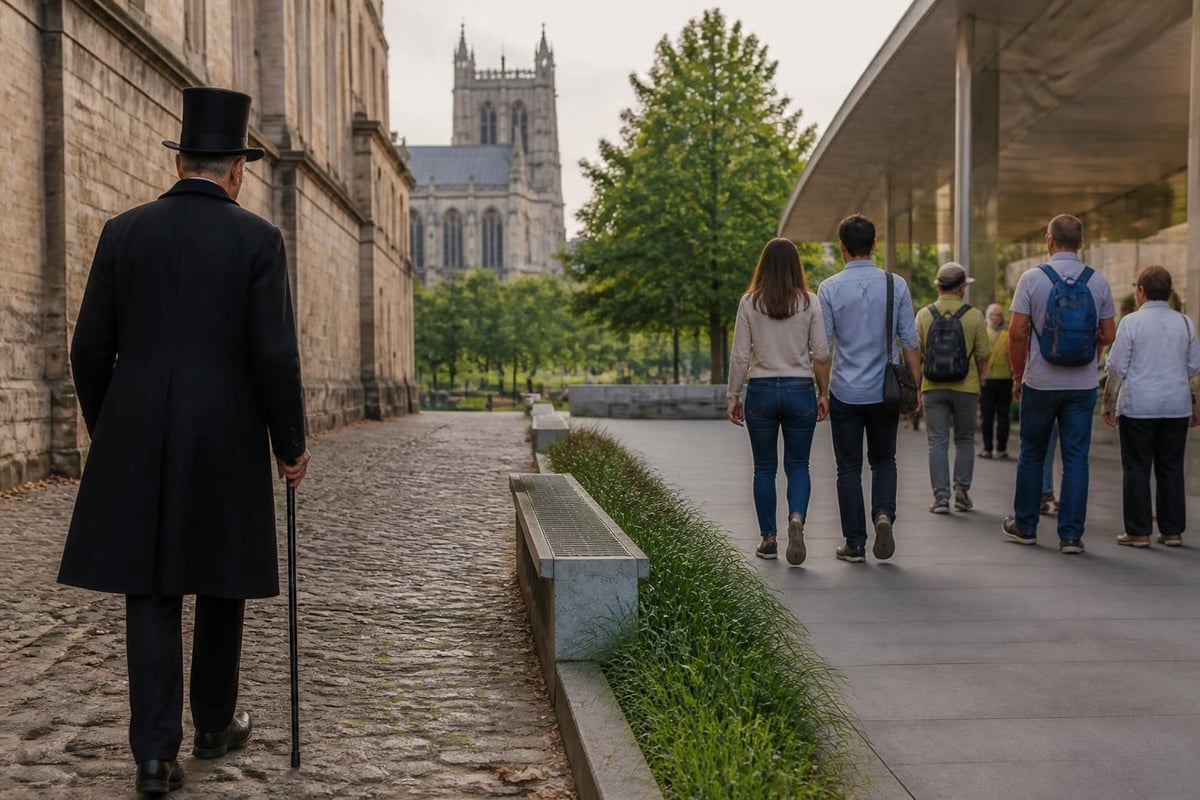
The shift toward walkable cities has created remarkable opportunities for guided tour operators. Stockholm, for instance, has preserved its medieval Old Town while developing pedestrian zones that showcase centuries of architectural evolution. These thoughtfully designed spaces allow visitors to experience history without the interference of vehicular traffic, making walking journeys both safer and more immersive.
Health and Wellness Benefits of Walking Journeys
Walking journeys offer substantial physical and mental health advantages that enhance the overall travel experience. Research consistently demonstrates that regular walking improves cardiovascular health, strengthens muscles, and boosts mental well-being.
Key Physical Benefits:
- Enhanced cardiovascular fitness and circulation
- Improved joint flexibility and bone density
- Better balance and coordination
- Reduced risk of chronic diseases
- Increased energy levels throughout the day
Mental and Emotional Advantages:
- Stress reduction through rhythmic movement
- Enhanced mood and cognitive function
- Greater mindfulness and present-moment awareness
- Improved sleep quality after physical activity
- Social connection when walking with groups
Many travelers report that walking journeys help them combat jet lag and adjust to new time zones more effectively than sedentary activities. The combination of fresh air, moderate exercise, and natural light exposure helps regulate circadian rhythms, making guided walks an excellent choice for the first day in a new destination.
Planning Memorable Walking Journeys
Successful walking journeys require thoughtful preparation to ensure comfort, safety, and maximum enjoyment. Whether you're booking a professional tour guide or planning an independent exploration, several factors deserve careful consideration.
Duration and Distance Considerations
Most guided walking tours range from two to four hours, covering approximately three to six kilometers. Statistical analysis of walking trips reveals that purpose and duration significantly influence walker satisfaction and engagement levels.
| Tour Duration | Typical Distance | Best For | Energy Level Required |
|---|---|---|---|
| 1-2 hours | 1-3 km | Overview tours, mobility-limited guests | Low |
| 2-3 hours | 3-5 km | Standard city tours, cultural exploration | Moderate |
| 3-4 hours | 5-7 km | Comprehensive experiences, themed tours | Moderate-High |
| 4+ hours | 7+ km | Full-day adventures, specialized interests | High |
When selecting a tour duration, consider your group's fitness levels, the weather conditions, and how much time you want to dedicate to stops along the route. Experienced guides know how to pace walking journeys to accommodate diverse abilities while maintaining engagement.
Essential Preparation Tips
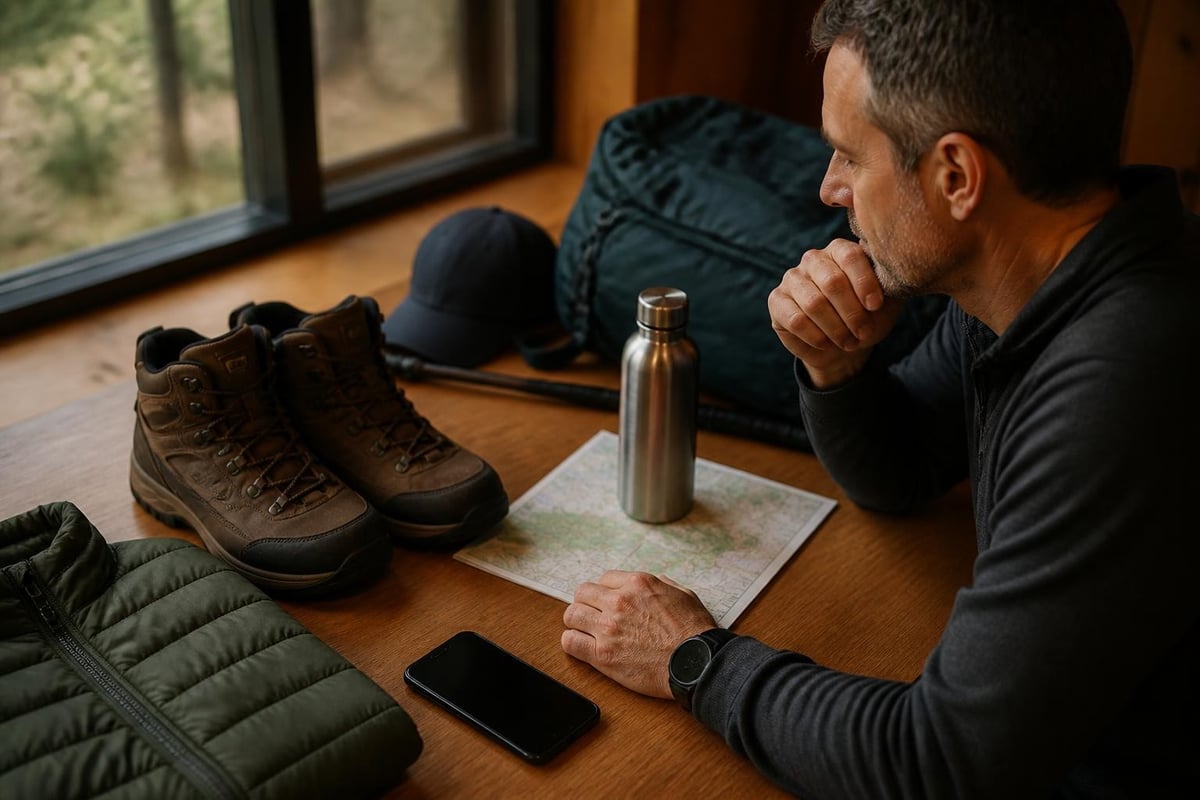
Proper preparation transforms a good walking journey into an exceptional one:
- Footwear selection: Choose well-broken-in, comfortable walking shoes with adequate support
- Weather readiness: Check forecasts and dress in layers for temperature changes
- Hydration planning: Carry water or identify stops where refreshments are available
- Pace expectations: Understand that guided tours move at a moderate speed with frequent stops
- Technology management: Charge devices for photos but remain present during narration
Small details make significant differences during walking journeys. A lightweight backpack, sunscreen during summer months, and a compact umbrella for unexpected weather contribute to overall comfort and enjoyment.
Cultural Immersion Through Guided Walking Experiences
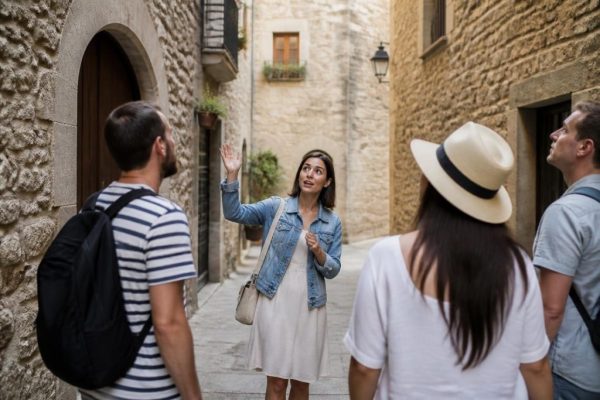
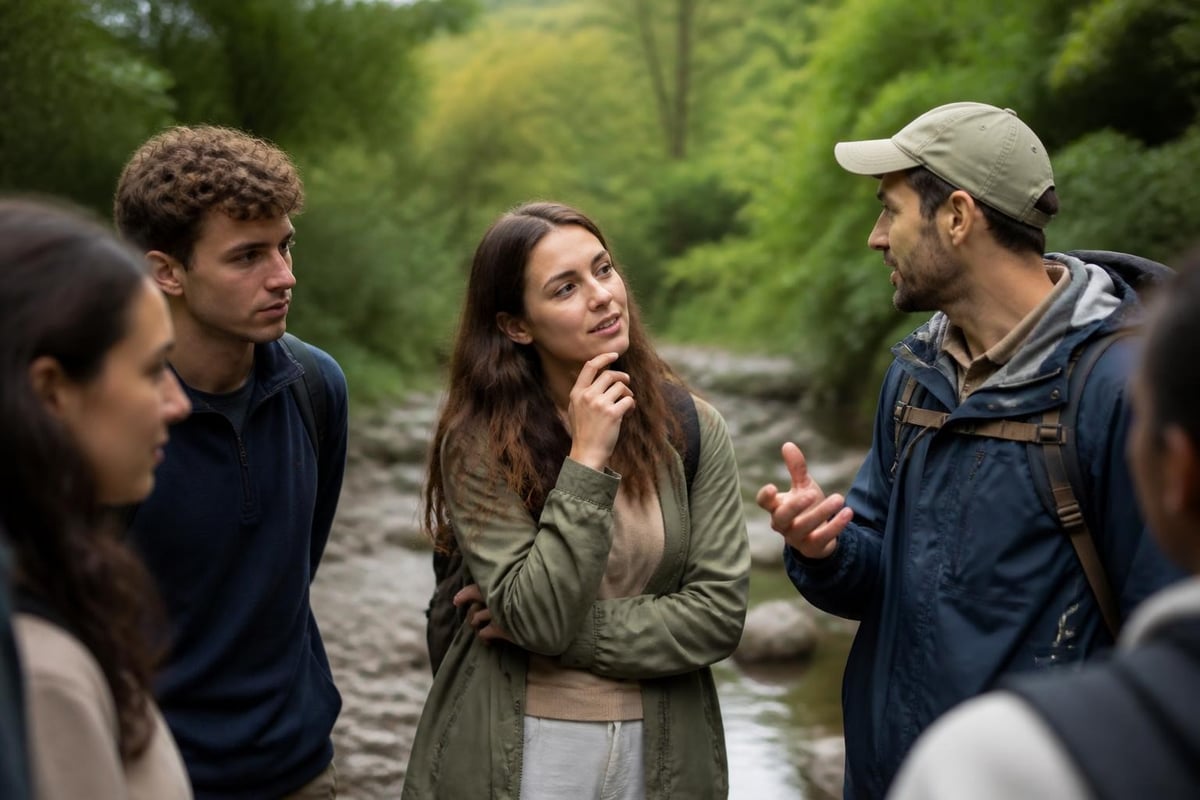
Walking journeys with knowledgeable guides provide cultural context that independent exploration cannot match. Local experts transform ordinary streets into storytelling platforms, revealing layers of history, architecture, and social dynamics that remain invisible to unguided observers.
The Value of Local Expertise
Native guides bring invaluable perspectives to walking journeys. They share personal anecdotes, family histories, and community knowledge that textbooks and online resources cannot capture. This insider access creates authentic connections between visitors and destinations.
When exploring Stockholm's Gamla Stan with English-speaking guides, for example, you learn about medieval trade routes, royal intrigue, and modern Swedish culture through stories passed down through generations. These narratives transform cobblestone streets from mere tourist attractions into living chapters of ongoing history.
Professional guides also adapt walking journeys to group interests, answering spontaneous questions and adjusting routes based on real-time engagement. This flexibility ensures that every participant finds personal value in the experience.
Themed Walking Journeys for Specialized Interests
Specialized walking tours cater to particular passions, creating focused experiences that resonate with enthusiasts. These themed journeys often attract like-minded travelers, fostering connections and friendships that extend beyond the tour itself.
Literary and Cultural Walks
Literary walking journeys trace the footsteps of famous authors, visiting locations that inspired beloved works or featured prominently in classic novels. Stockholm offers excellent opportunities for fans of Stieg Larsson's Millennium trilogy, with tours highlighting settings from "The Girl with the Dragon Tattoo" throughout the city.
Popular Literary Walking Themes:
- Mystery and crime fiction locations
- Poet and author birthplaces and homes
- Settings from historical novels
- Contemporary literature landmarks
- Publishing district explorations
Music and Entertainment Tours
Music-themed walking journeys celebrate cultural contributions through the lens of famous performers and composers. The ABBA journey experience exemplifies how walking tours can combine geographic exploration with artistic appreciation, connecting fans to the creative environments that influenced iconic musicians.
These specialized tours often incorporate multimedia elements, playing relevant music at significant locations or sharing audio recordings that enhance understanding of the cultural moment being explored.
Walking Journeys for Different Traveler Demographics
Different traveler groups have unique needs and preferences when it comes to walking journeys. Tour operators who understand these distinctions create more satisfying experiences for everyone involved.
Family-Friendly Walking Tours
Families with children benefit from walking journeys designed with shorter attention spans and energy levels in mind. Interactive elements, storytelling techniques, and strategic breaks keep young participants engaged while parents enjoy educational content.
Successful family tours incorporate:
- Scavenger hunt elements to maintain interest
- Age-appropriate historical narratives
- Frequent rest stops at parks or cafes
- Hands-on activities related to tour themes
- Flexible pacing that accommodates varying energy levels
Experiences for Senior Travelers
Small group tours for seniors prioritize comfort, accessibility, and manageable pacing without sacrificing content quality. These walking journeys acknowledge physical limitations while delivering rich cultural experiences.
| Consideration | Standard Tour | Senior-Focused Tour |
|---|---|---|
| Pace | Moderate | Leisurely with frequent breaks |
| Distance | 4-6 km | 2-4 km |
| Standing time | Moderate | Minimized with seating options |
| Route terrain | May include stairs, hills | Primarily flat, accessible paths |
| Group size | 15-20 people | 6-12 people |
Thoughtful route planning ensures that seniors enjoy walking journeys without physical strain, focusing attention on cultural enrichment rather than endurance challenges.
Maximizing Engagement During Walking Journeys
Active participation transforms passive sightseeing into memorable learning experiences. Engaged travelers retain more information, form deeper connections with destinations, and return home with stories rather than merely photographs.
Asking Meaningful Questions
Curiosity enhances walking journeys exponentially. Guides appreciate thoughtful questions that allow them to share deeper knowledge and personal insights. Rather than asking questions easily answered through internet searches, focus on experiential inquiries:
- "How has this neighborhood changed during your lifetime?"
- "What do locals think about this historical event today?"
- "Can you recommend where residents actually shop or eat nearby?"
- "What surprised you most when you first learned this story?"
These questions invite guides to share perspectives that make walking journeys truly distinctive and personally meaningful.
Photography with Purpose
While photographs preserve memories, excessive focus on cameras can diminish present-moment awareness during walking journeys. Strategic photography balances documentation with experience.
Effective Photography Approaches:
- Designate specific photo stops rather than continuous shooting
- Listen first, photograph second during guide narration
- Capture contextual scenes that tell stories
- Include people in photos to remember companions
- Take brief notes about photo locations for later context
Resources like Walking Scotland’s hub offer additional tips for documenting walking experiences while remaining present and engaged.
Technology Integration in Modern Walking Journeys
Technology enhances rather than replaces human-guided walking journeys when applied thoughtfully. Modern tour operators balance digital tools with personal interaction to create enriched experiences.
GPS and Mapping Innovations
Advanced mapping technologies help guides optimize routes in real-time, adjusting for unexpected closures, weather conditions, or group preferences. Research into walking and cycling pattern analysis informs better route planning and duration estimates for urban walking journeys.
Participants benefit from GPS-enabled applications that provide supplementary information after tours conclude, allowing them to revisit favorite locations independently or share specific addresses with friends planning future visits.
Audio Enhancement Without Distraction
Some walking journeys incorporate wireless audio systems that allow guides to speak at normal volumes while participants hear clearly through personal receivers. This technology proves particularly valuable in busy urban environments or when groups exceed ten people.
The key is ensuring technology serves the experience rather than dominating it. The best walking journeys maintain human connection as the primary value while using technology to overcome practical challenges.
Private Versus Group Walking Journeys
Both private and group walking journeys offer distinct advantages depending on traveler priorities, budgets, and social preferences.
Benefits of Private Tours
Personal tour guide arrangements provide maximum flexibility and customization. Private walking journeys allow travelers to:
- Set their own pace without accommodating others
- Focus deeply on specific interests
- Ask unlimited questions without self-consciousness
- Adjust itineraries spontaneously based on discoveries
- Enjoy exclusive access to guide's full attention
Families, couples celebrating special occasions, and travelers with highly specialized interests often find private walking journeys worth the premium investment.
Group Tour Advantages
Group walking journeys create opportunities for social connection while typically offering better value. Sharing experiences with fellow travelers adds dimensions that private tours cannot replicate:
Social and Practical Benefits:
- Meeting people from diverse backgrounds and locations
- Hearing different perspectives and questions
- Splitting costs among multiple participants
- Building instant community around shared interests
- Creating potential for lasting friendships
Many travelers specifically seek group experiences to combat loneliness or expand social networks, making small group tours ideal for solo adventurers and socially-minded explorers.
Seasonal Considerations for Walking Journeys
Seasons dramatically influence walking journey experiences, with each period offering unique advantages and presenting specific challenges.
Spring and Summer Walking
Warmer months provide longer daylight hours and generally pleasant weather for walking journeys. Stockholm's summer features extended twilight that creates magical atmospheric conditions for evening tours. However, peak season also brings larger crowds and higher temperatures that require strategic planning.
Summer Walking Tips:
- Schedule tours during cooler morning or evening hours
- Bring sun protection including hats and sunscreen
- Stay hydrated throughout the experience
- Wear breathable, moisture-wicking fabrics
- Book popular tours well in advance
Autumn and Winter Experiences
Cold-weather walking journeys offer distinct rewards for properly prepared travelers. Fewer crowds, dramatic seasonal landscapes, and cozy post-tour refreshments create intimate atmospheres perfect for cultural immersion.
| Season | Average Temp (°C) | Daylight Hours | Crowd Level | Special Features |
|---|---|---|---|---|
| Spring | 5-15 | Increasing | Moderate | Blooming gardens, Easter traditions |
| Summer | 15-25 | 18+ | High | Midnight sun, outdoor events |
| Autumn | 5-15 | Decreasing | Moderate | Fall foliage, harvest festivals |
| Winter | -5 to 5 | 6-8 | Low | Christmas markets, Northern lights |
Winter walking journeys require appropriate clothing but reward brave participants with authentic local experiences and unobstructed photography opportunities at popular landmarks.
Creating Lasting Memories from Walking Journeys
The most valuable aspect of walking journeys extends beyond the immediate experience. Thoughtful practices during and after tours help cement memories and maximize long-term value.
Active Note-Taking Strategies
Brief notes during walking pauses preserve details that fade quickly from memory. Rather than extensive writing that disrupts engagement, capture key phrases, names, and dates that trigger fuller recollections later.
Effective note-taking approaches include:
- Voice memos recorded during designated breaks
- Quick smartphone notes with location tags
- Traditional notebook jottings of highlights
- Collecting business cards or brochures from discussed locations
- Marking map locations with brief contextual notes
Post-Tour Reflection and Documentation
The hours and days following walking journeys offer ideal opportunities for deeper reflection and memory consolidation. Many travelers find that writing detailed accounts shortly after tours preserves nuances that would otherwise disappear.
Creating photo albums with narrative captions, sharing experiences through blog posts or social media, and discussing tours with companions all reinforce learning and emotional connections formed during walking journeys.
Sustainable Tourism Through Walking Journeys
Walking represents the most environmentally responsible form of tourism, generating zero emissions while supporting local economies directly. Choosing walking journeys over bus tours or private vehicles reduces your environmental footprint while creating more authentic cultural exchanges.
Economic Benefits for Local Communities
Walking journeys concentrate tourist spending in neighborhoods rather than extracting value toward centralized transportation companies. When guides recommend local restaurants, shops, and attractions, they support community businesses that maintain neighborhood character and diversity.
Stockholm walking tour participants often return to discovered cafes, bookstores, and galleries, generating sustained economic benefit beyond the tour itself. This economic pattern helps preserve cultural authenticity that attracts visitors in the first place.
Environmental Impact Reduction
The carbon footprint of walking journeys remains minimal compared to virtually all other tourism activities. Beyond direct emissions savings, walking tours often inspire participants to adopt more sustainable travel practices throughout their trips.
Travelers who experience destinations on foot develop deeper appreciation for local environments, making them more likely to respect public spaces, minimize waste, and support conservation initiatives. This consciousness shift represents walking journeys' most significant environmental contribution.
Walking journeys transform travel from superficial sightseeing into meaningful cultural immersion, offering health benefits, environmental responsibility, and authentic local connections that create lasting memories. Whether you're exploring literary landmarks, following musical heritage, or discovering hidden historical gems, the pace and perspective of walking reveal layers of understanding impossible to achieve through other means. Adding:tours specializes in creating personalized walking experiences throughout Stockholm, from intimate explorations of Gamla Stan's medieval alleys to themed adventures celebrating ABBA and Nordic literature, all guided by native English speakers who share insider knowledge that brings the city's stories to life for your private group or small gathering.