Walking Holidays: Expert Guide to Unforgettable Journeys
Walking holidays represent one of the most rewarding ways to experience new destinations, combining physical activity with cultural immersion and authentic local encounters. Unlike traditional tourism where travelers observe landmarks from tour buses or taxis, walking holidays invite you to engage directly with your surroundings at a pace that allows for genuine discovery. This approach transforms your vacation into an enriching journey where every cobblestone street, hidden courtyard, and chance conversation becomes part of your adventure. For those seeking meaningful travel experiences in 2026, walking holidays offer unparalleled opportunities to connect with destinations on a deeper level.
Understanding the Appeal of Walking Holidays
Walking holidays have surged in popularity as travelers increasingly prioritize authentic experiences over superficial sightseeing. The fundamental appeal lies in the combination of physical wellness, environmental consciousness, and cultural engagement that these trips provide.
Physical and mental health benefits form a cornerstone of walking holiday appeal. Regular walking improves cardiovascular health, strengthens muscles, and enhances overall fitness without requiring extreme exertion. The mental clarity that comes from spending hours outdoors, away from digital distractions, offers stress reduction and improved mood. Many participants report that the rhythmic nature of walking creates a meditative state conducive to reflection and creativity.
Environmental Advantages
The sustainability aspect of walking holidays cannot be overstated. According to eco-conscious travel experts, walking represents one of the lowest-impact forms of tourism available. Carbon emissions remain minimal compared to motorized transportation, and the infrastructure required for walking routes typically exists already through historic pathways and urban streets.
- Zero carbon footprint during actual exploration
- Support for local economies through small businesses
- Preservation of traditional walking routes and cultural heritage
- Reduced strain on popular tourist sites through dispersed traffic
- Connection with nature that fosters environmental stewardship
The economic benefits extend to local communities as walking tourists tend to spend money in neighborhood cafes, family-run accommodations, and independent shops rather than multinational hotel chains and franchise restaurants.
Types of Walking Holidays Available
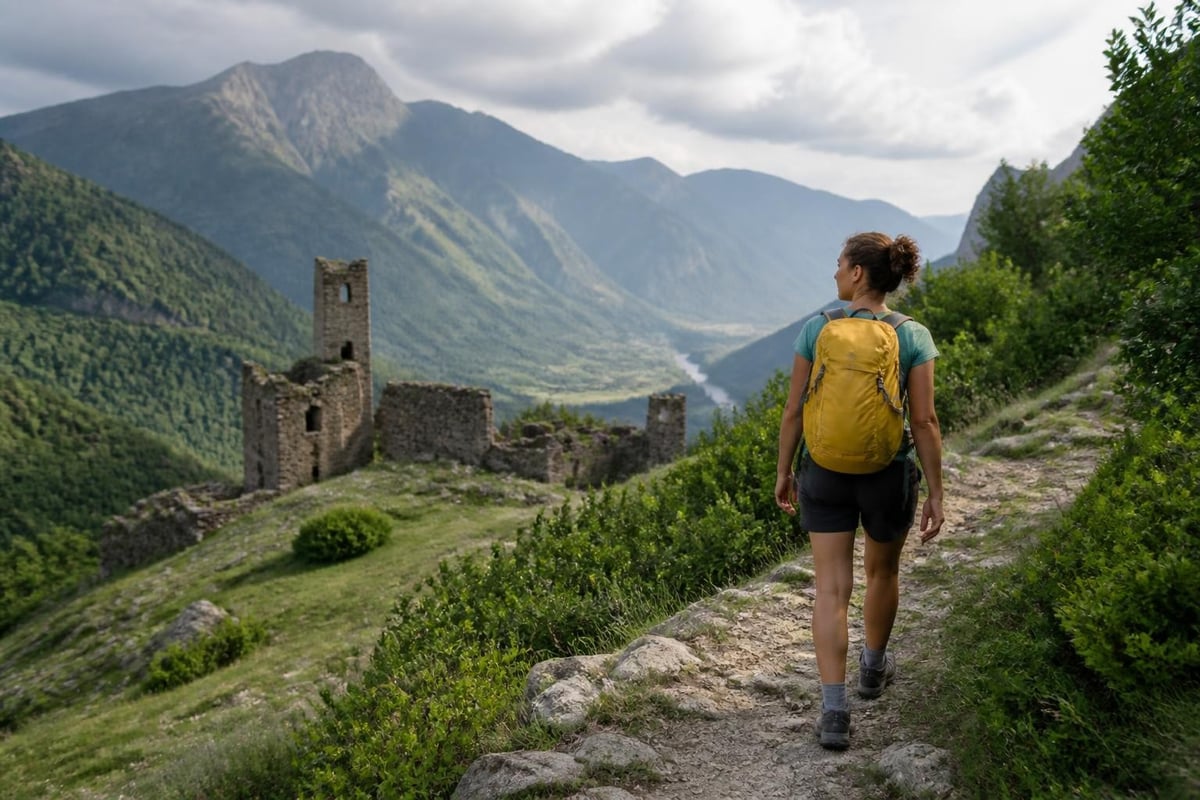
The diversity of walking holiday options ensures that every traveler can find an experience matching their fitness level, interests, and preferred travel style. Understanding these categories helps you select the ideal format for your needs.
Guided Group Walking Tours
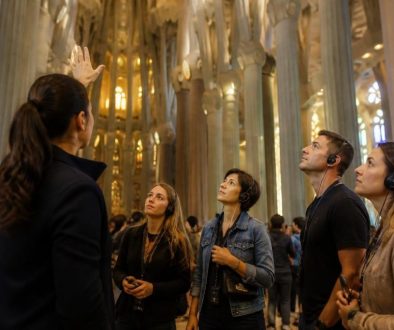
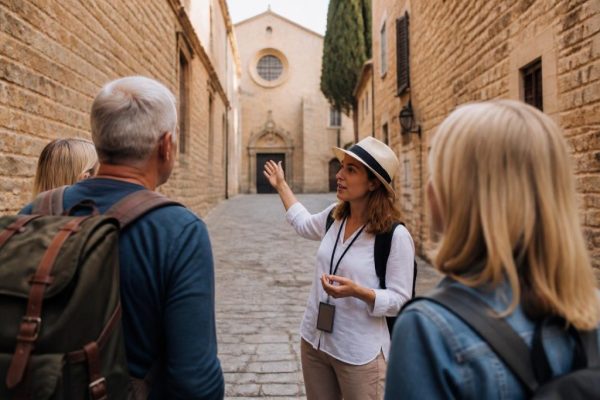
Guided group experiences offer structure, safety, and social connection. Professional guides navigate routes, share historical context, and ensure the group maintains appropriate pacing. These tours work particularly well for first-time walking holiday participants or those exploring unfamiliar destinations.
Benefits of guided formats include:
- Expert local knowledge and storytelling
- Pre-arranged logistics and accommodation
- Immediate social community with fellow walkers
- Safety in numbers, especially in urban environments
- Insider access to locations not easily found independently
Cities with rich architectural and cultural heritage, such as Stockholm, excel as guided walking holiday destinations. The expertise offered by personal tour guides transforms standard routes into narrative journeys that illuminate hidden stories behind visible landmarks.
Self-Guided Independent Adventures
Self-guided walking holidays provide freedom and flexibility for experienced travelers who prefer setting their own pace and schedule. Providers typically supply detailed itineraries, maps, luggage transfers, and pre-booked accommodations while allowing participants to walk independently.
Organizations like Celtic Trails specialize in self-guided experiences across the UK and Europe, providing comprehensive support without constant supervision. This format suits couples, families, or solo travelers seeking solitude and personal discovery.
| Walking Holiday Type | Best For | Typical Duration | Difficulty Range |
|---|---|---|---|
| Guided City Tours | Cultural enthusiasts, first-timers | Half-day to 3 days | Easy to moderate |
| Self-Guided Trails | Independent travelers, experienced walkers | 5-14 days | Moderate to challenging |
| Themed Literary Walks | Book lovers, niche interests | 1-3 days | Easy to moderate |
| Multi-Country Routes | Adventure seekers, long-term travelers | 2-8 weeks | Moderate to challenging |
Planning Your Perfect Walking Holiday
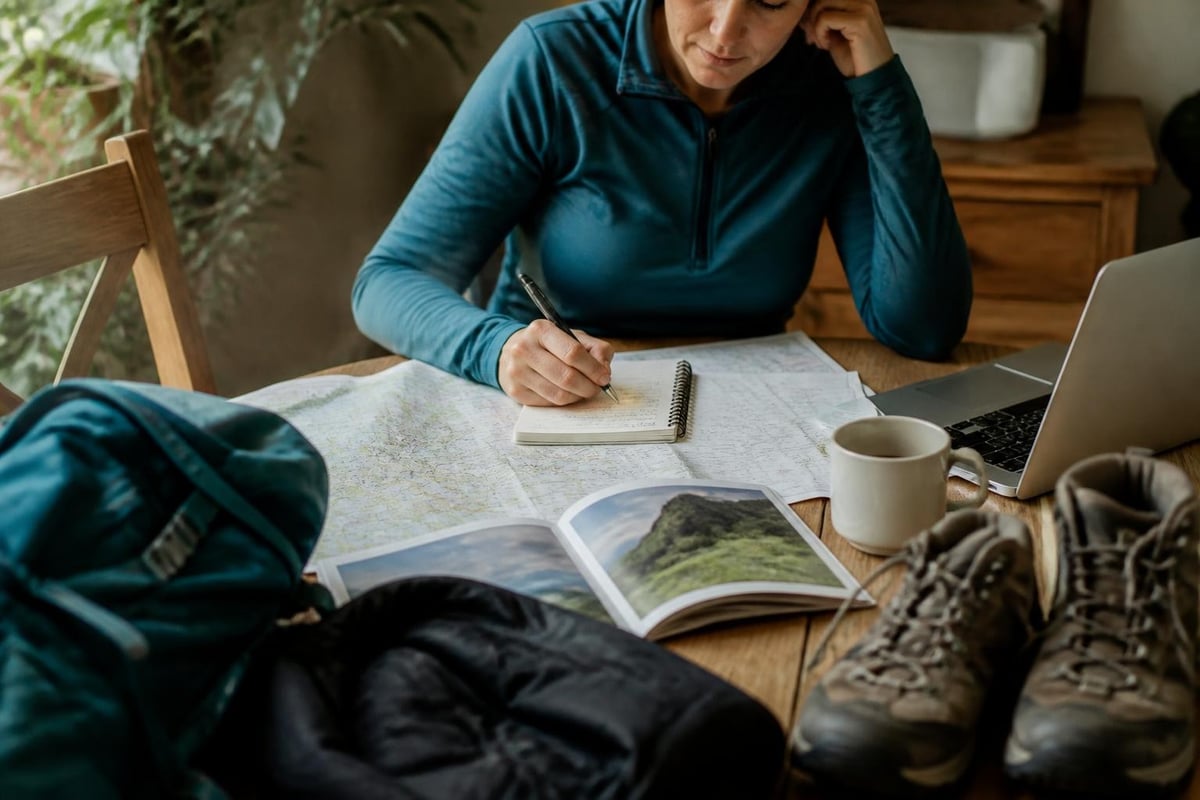
Successful walking holidays require thoughtful preparation that balances ambition with realistic assessment of your capabilities and interests. The planning process should begin months before departure to ensure optimal experiences.
Assessing Fitness and Choosing Appropriate Routes
Honest evaluation of your current fitness level prevents disappointment and potential injury. Walking holidays vary dramatically in daily distance requirements, elevation changes, and terrain difficulty. Beginners should target routes covering 8-12 kilometers daily on relatively flat terrain, while experienced walkers might comfortably manage 20+ kilometers with significant elevation gain.
Training for your walking holiday should begin at least six weeks prior to departure. Gradually increase your daily walking distance, incorporate hills or stairs to build strength, and practice wearing the footwear you'll use during the trip. This preparation period allows you to identify any equipment issues or physical limitations before they affect your vacation.
Essential Gear and Packing Strategies
Proper equipment makes the difference between enjoyable exploration and painful endurance. Footwear represents your most critical investment. Quality walking shoes or boots should be broken in thoroughly before departure, offer excellent ankle support, and provide waterproofing appropriate to your destination climate.
Core packing list for walking holidays:
- Moisture-wicking base layers and breathable fabrics
- Weather-appropriate outer layers with windproof and waterproof capabilities
- Comfortable daypack (20-30 liters) with padded straps
- Blister prevention supplies including specialized tape and extra socks
- Hydration system or water bottles with minimum 1.5-liter capacity
- Navigation tools: physical maps, compass, GPS device or smartphone
- First aid kit tailored to walking-specific injuries
- Sun protection: hat, sunglasses, high-SPF sunscreen
Pack thoughtfully to minimize weight while ensuring you have necessary items. Many walking holiday providers offer luggage transfer services, allowing you to pack one main bag that travels separately to your next accommodation while you carry only daily essentials.
Destinations That Excel for Walking Holidays
Certain destinations have cultivated exceptional infrastructure, cultural richness, and natural beauty that make them outstanding choices for walking holidays. Selection depends on your interests, from urban cultural immersion to wilderness trekking.
European Urban Walking Experiences
Historic European cities offer concentrated cultural experiences perfect for walking holidays. Stockholm exemplifies this category with its blend of medieval architecture, waterfront promenades, and compact neighborhoods ideal for pedestrian exploration. The city's Old Town walking tours showcase Gamla Stan's narrow cobblestone streets, colorful buildings, and centuries of Swedish history.
Urban walking holidays typically combine architectural appreciation, culinary discovery, museum visits, and local interaction. The manageable scale of European city centers allows comprehensive exploration without exhaustion, while excellent public transportation provides options for extending range when desired.
Iconic Long-Distance Trails
For those seeking multi-day wilderness or countryside experiences, iconic trails provide world-class walking holiday opportunities. Resources like Ramble Worldwide’s iconic paths highlight classic routes including Spain's Camino de Santiago, England's Coast to Coast Walk, and Scotland's West Highland Way.
These established routes offer consistent waymarking, regular accommodation options, and supportive infrastructure developed over decades or centuries of pedestrian traffic. The social aspect often surprises first-timers, as trail communities form organically among travelers sharing similar routes and timeframes.
Specialized Thematic Walking Adventures
Thematic walking holidays cater to specific interests beyond general sightseeing. Literary walking tours trace authors' footsteps and fictional characters' paths through real landscapes. Music-focused experiences might follow famous musicians' histories or visit significant performance venues. Culinary walking tours combine food tastings with neighborhood exploration.
Stockholm offers excellent examples through specialized experiences like the Stieg Larsson Millennium Tour, which visits locations from "The Girl with the Dragon Tattoo" series, transforming fiction into tangible geography. Similarly, ABBA-themed journeys connect music history with physical locations, creating memorable context for fans.
Maximizing Your Walking Holiday Experience
Success extends beyond simply completing kilometers. Strategic approaches enhance enjoyment, cultural understanding, and lasting memories from your walking holiday investment.
Engaging with Local Communities
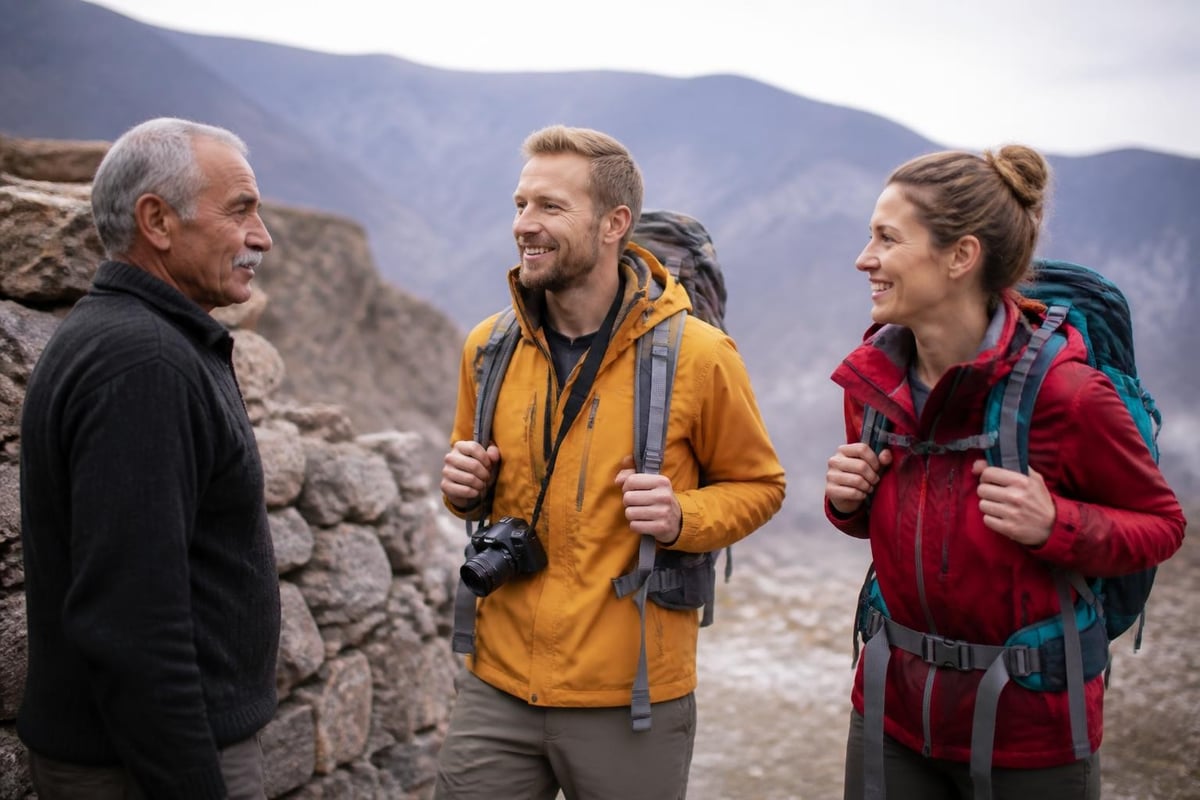
Walking pace naturally facilitates interaction with residents in ways impossible from vehicles. Take advantage of this accessibility by patronizing neighborhood cafes, conversing with shopkeepers, and asking locals for recommendations. These spontaneous encounters often become trip highlights and provide authentic insights unavailable through formal tourism channels.
Learning basic phrases in the local language demonstrates respect and opens doors to warmer interactions. Even simple greetings, thank-yous, and polite questions show effort that locals genuinely appreciate.
Photography and Documentation Strategies
Walking holidays create countless photographic opportunities, but constant camera use can interfere with present-moment awareness. Establish boundaries such as designated photography stops or limiting shots to specific subjects. This discipline ensures you experience locations viscerally rather than exclusively through viewfinders.
Consider alternative documentation methods: journals allow reflection on sensory details and emotional responses that photographs cannot capture. Sketch simple maps showing your route with notable points marked. Collect small, flat mementos like postcards, tickets, or pressed flowers that occupy minimal luggage space while triggering powerful memories.
| Documentation Method | Advantages | Considerations |
|---|---|---|
| Smartphone Photography | Convenient, immediate sharing, GPS tagging | Battery drain, distraction from experience |
| Dedicated Camera | Superior image quality, creative control | Additional weight, requires attention |
| Journaling | Emotional depth, sensory details, reflection | Time-consuming, requires discipline |
| Voice Recordings | Hands-free, captures ambient sounds, easy while walking | Storage space, transcription effort |
Pacing and Rest Strategies
Professional guides understand that sustainable pacing prevents exhaustion while maintaining engagement. Apply this wisdom to self-guided walking holidays by starting conservatively, taking regular brief stops, and scheduling rest days on longer trips.
The 50/10 principle works effectively: walk 50 minutes then rest 10 minutes. This pattern maintains energy levels while allowing regular hydration, snacking, and brief sightseeing. Listen to your body's signals regarding when to push forward versus when to modify plans.
Walking Holidays for Different Traveler Types
Walking holidays accommodate diverse demographics, with specific considerations optimizing experiences for each group's needs and preferences.
Solo Travelers Seeking Connection
Solo walking holidays attract independent travelers who appreciate flexibility while remaining open to social connection. Small group tours designed for solo travelers provide structured opportunities to meet like-minded explorers without requiring pre-existing travel companions.
The walking format naturally breaks down social barriers as shared physical activity and common goals create bonding opportunities. Many solo participants form lasting friendships through multi-day walking experiences, exchanging contact information and planning future adventures together.
Multi-Generational Family Groups
Family walking holidays require careful route selection matching the youngest or least fit members' capabilities. Shorter daily distances, frequent interesting stops, and accommodation with family-friendly amenities ensure everyone enjoys the experience.
Tailored tours allow customization addressing specific family needs, from stroller accessibility to incorporating age-appropriate historical interpretation. Involve children in planning by allowing them to select specific sites or activities within the broader itinerary framework.
Senior Travelers Prioritizing Comfort
Walking holidays suit active seniors seeking intellectual stimulation and physical activity without extreme exertion. Small group tours for seniors typically feature moderate daily distances, comfortable accommodations, and age-appropriate pacing with generous rest opportunities.
Consider these senior-friendly modifications:
- Choose flat or gently rolling terrain over mountainous routes
- Prioritize destinations with excellent healthcare infrastructure
- Select spring or fall departure dates avoiding temperature extremes
- Ensure accommodations offer elevators and accessible facilities
- Build flexibility into schedules allowing rest days as needed
The Role of Professional Guides in Walking Holidays
Professional guidance transforms walking from simple exercise into educational, culturally rich experiences. Understanding what distinguishes exceptional guides helps you select providers offering genuine value.
Expert Knowledge and Storytelling
Outstanding guides possess deep knowledge extending far beyond memorized facts. They understand historical context, architectural evolution, social dynamics, and contemporary issues affecting their destinations. This expertise allows them to answer unexpected questions, draw connections between seemingly unrelated topics, and provide nuanced perspectives.
The narrative skill to weave this knowledge into engaging stories separates adequate guides from exceptional ones. Professional tour guides craft experiences where information emerges organically through storytelling rather than lecture format, maintaining interest across diverse age groups and knowledge levels.
Safety and Logistics Management
Professional guides handle complex logistics allowing participants to focus on enjoyment. Route navigation, timing management, accommodation coordination, and contingency planning proceed invisibly while walkers simply follow and engage. This support proves especially valuable in unfamiliar destinations where language barriers or cultural differences might otherwise create challenges.
Safety oversight includes monitoring group fitness levels, identifying potential hazards, managing weather-related decisions, and providing first aid when necessary. Experienced guides recognize subtle signs that participants struggle physically or emotionally, intervening appropriately before minor issues become serious problems.
Cultural Bridge Building
Guides who are local residents or long-term residents serve as cultural interpreters, explaining customs, social norms, and appropriate behavior that might not be obvious to visitors. This guidance prevents inadvertent offense while deepening understanding of daily life beyond tourist-focused presentations.
Organizations providing English-language walking tours in non-English-speaking destinations offer particular value by eliminating language barriers that might otherwise limit interaction and comprehension. Native English-speaking guides ensure nothing gets lost in translation while maintaining authentic local perspectives.
Emerging Trends in Walking Holiday Experiences
The walking holiday sector continues evolving as providers innovate and travelers seek increasingly specialized experiences. Understanding current trends helps you identify emerging opportunities.
Technology Integration
While walking holidays traditionally emphasized disconnection from digital devices, thoughtful technology integration now enhances rather than detracts from experiences. GPS-enabled audio guides deliver location-triggered historical narration, allowing self-guided walkers to access expert commentary without constant phone checking. Augmented reality applications overlay historical images onto current streetscapes, visualizing how locations appeared in different eras.
Walking holiday providers increasingly offer comprehensive digital support through mobile apps providing real-time navigation, emergency contacts, and logistical information. These tools provide security and convenience while preserving the fundamental walking experience.
Wellness and Mindfulness Focus
Walking holidays increasingly incorporate intentional wellness elements beyond incidental health benefits. Guided meditation sessions during scenic stops, yoga classes at day's end, and nutritional counseling addressing walking-specific dietary needs represent growing offerings.
Mindfulness-focused walking holidays teach techniques for present-moment awareness during movement, transforming ordinary walking into moving meditation. These approaches appeal particularly to stressed professionals seeking vacation experiences that restore rather than merely entertain.
Sustainable and Regenerative Tourism
Forward-thinking walking holiday operators embrace regenerative tourism principles where visitor presence actively benefits destinations. This might include beach cleanup walks, trail maintenance volunteering, or supporting conservation projects through tourism fees.
Providers partner with local communities ensuring economic benefits reach residents rather than external corporations. Walking holiday participants increasingly seek evidence of ethical practices, from fair guide compensation to environmentally responsible accommodation partners.
Booking Strategies and Provider Selection
Choosing the right walking holiday provider significantly impacts your experience quality. Strategic evaluation and booking approaches ensure satisfaction and value.
Evaluating Provider Credentials
Investigate potential providers thoroughly before committing financial resources. Examine years in business, guide qualifications, safety records, and customer reviews across multiple platforms. Quality providers maintain transparent communication regarding fitness requirements, included services, and potential additional costs.
Professional memberships in tourism associations suggest adherence to industry standards and ethical practices. Providers offering comprehensive pre-departure information, detailed itineraries, and responsive customer service demonstrate organizational competence extending to actual trip execution.
Understanding Pricing and Value
Walking holiday costs vary dramatically based on destination, duration, accommodation quality, group size, and inclusion level. Understand exactly what prices cover: meals, accommodation, guide services, entrance fees, luggage transfers, and insurance. Hidden costs for "optional" activities or necessary equipment rentals can significantly inflate initial quoted prices.
Premium pricing often reflects smaller group sizes, superior guide expertise, better accommodations, or exclusive access. Evaluate whether these enhancements align with your priorities and budget. Sometimes mid-range options deliver comparable experiences without luxury amenities you may not value.
Optimal Booking Timing
Book walking holidays well in advance, particularly for popular routes during peak seasons or specialized experiences with limited availability. Providers like HF Holidays often release schedules 12-18 months ahead, with popular departures filling quickly.
Early booking provides broader selection while sometimes accessing early-bird discounts. However, last-minute deals occasionally emerge when providers need to fill remaining spots. This strategy works best for flexible travelers with relaxed destination preferences.
Regional Spotlight: Scandinavia for Walking Holidays
Scandinavian destinations offer exceptional walking holiday opportunities combining cultural richness, stunning natural landscapes, and excellent tourism infrastructure. Stockholm specifically exemplifies urban walking excellence.
Stockholm's Walkable Urban Landscape
Stockholm's island geography creates distinct neighborhoods connected by bridges, each offering unique character and attractions accessible entirely on foot. The compact historic center allows comprehensive exploration without vehicles, while extensive waterfront promenades provide scenic walking routes with constantly changing perspectives.
Stockholm walking tours capitalize on this geography, guiding participants through centuries of history visible in architectural evolution from medieval churches to contemporary design showcases. The city's manageable scale prevents the overwhelming exhaustion sometimes experienced in larger European capitals.
Seasonal Considerations
Scandinavian walking holidays vary significantly by season, each offering distinct advantages. Summer provides extended daylight hours (approaching 18 hours in Stockholm during June), comfortable temperatures, and vibrant street life. However, peak season brings crowds and premium pricing.
Spring and early fall deliver pleasant walking conditions with fewer tourists and often spectacular natural displays like spring blossoms or autumn foliage. Winter walking holidays appeal to hardy adventurers seeking snow-dusted landscapes and festive Christmas markets, though short daylight hours and cold temperatures require appropriate preparation.
Cultural Immersion Opportunities
Walking naturally facilitates cultural immersion as you encounter daily life unfolding in streets, markets, and public spaces. Stockholm's café culture, design shops, and public art installations become accessible discoveries rather than planned destinations. Guided vacation packages might combine walking exploration with specific cultural experiences like traditional Swedish meals, museum visits, or seasonal festivals.
The Swedish concept of "allemansrätten" (freedom to roam) extends walking opportunities beyond urban areas, granting public access to private land for recreational purposes. This cultural value creates extensive trail networks and natural area access unmatched in many other countries.
Health and Safety Considerations
While walking holidays generally present minimal risk, proper preparation and awareness prevent the most common issues that could compromise your experience.
Common Walking-Related Injuries
Blisters represent the most frequent walking holiday complaint, typically resulting from ill-fitting footwear or inadequate sock choices. Prevention includes thorough shoe break-in, moisture-wicking sock materials, and immediate attention to hot spots before blisters develop. Pack blister treatment supplies even if prevention seems adequate.
Muscle strains and joint pain often affect inadequately trained participants or those who push beyond reasonable limits. Gradual fitness building before departure, appropriate warm-up and cool-down routines, and honest pacing prevent most muscular issues. Anti-inflammatory medications and compression gear address minor discomfort before it escalates.
Weather Preparedness
Weather unpredictability affects all outdoor activities, with walking holidays particularly vulnerable since shelter options may be limited between destinations. Monitor forecasts regularly and maintain flexible scheduling when possible. Quality rain gear transforms potentially miserable experiences into merely damp but manageable ones.
Extreme heat presents dehydration and heat exhaustion risks requiring increased water intake, regular rest in shade, and recognition of warning signs like dizziness or nausea. Cold weather demands layering systems allowing temperature regulation as exertion levels change throughout days.
Emergency Protocols
Establish clear emergency protocols before departure, including provider contact information, local emergency services numbers, and evacuation procedures if needed. Travel insurance covering medical emergencies and trip interruption provides financial protection and peace of mind.
For self-guided walking holidays, share detailed itineraries with someone not traveling with you, including expected daily locations and check-in schedules. Mobile phones with international plans or local SIM cards ensure communication capability throughout routes.
Walking holidays offer transformative travel experiences that combine physical activity, cultural immersion, and authentic discovery in ways traditional tourism cannot match. Whether exploring historic urban centers or traversing countryside trails, this approach to vacation creates lasting memories while promoting health and environmental sustainability. When you're ready to experience Stockholm through expertly guided walking exploration, Adding:tours provides personalized experiences tailored to your group's interests, with native English-speaking guides sharing insider perspectives that transform standard sightseeing into unforgettable journeys through Sweden's captivating capital.