Circle Tours: The Complete Guide to Planning Your Journey
Circle tours represent one of the most efficient and enriching ways to explore a destination, allowing travelers to experience multiple sites while following a logical, continuous route that returns to the starting point. This touring method has gained tremendous popularity among private groups, families, and small gatherings who want to maximize their sightseeing time without the inefficiency of retracing steps. By designing a journey that flows naturally from one attraction to the next in a circular pattern, visitors can immerse themselves in diverse neighborhoods, landmarks, and cultural experiences while maintaining a comfortable pace that accommodates everyone's interests.
Understanding the Circle Tour Concept
At its core, a circle tour follows a circular route pattern that begins and ends at the same location, creating a complete loop through a city or region. This approach differs fundamentally from linear tours or random wandering.
The brilliance of this method lies in its efficiency. Rather than visiting scattered locations that require backtracking, circle tours connect destinations in a logical sequence that minimizes wasted travel time and maximizes exposure to interesting sites along the way.
Key Characteristics of Effective Circle Tours
Strategic route planning forms the foundation of any successful circle tour. The best routes consider geographical proximity, thematic connections, and natural transitions between different areas or attractions.
Consider these essential elements:
- Starting and ending points that offer convenient access to transportation
- Logical progression that tells a cohesive story about the destination
- Balanced pacing with opportunities for rest and refreshment
- Flexibility to accommodate different group sizes and mobility levels
- Integration of both major landmarks and hidden local gems
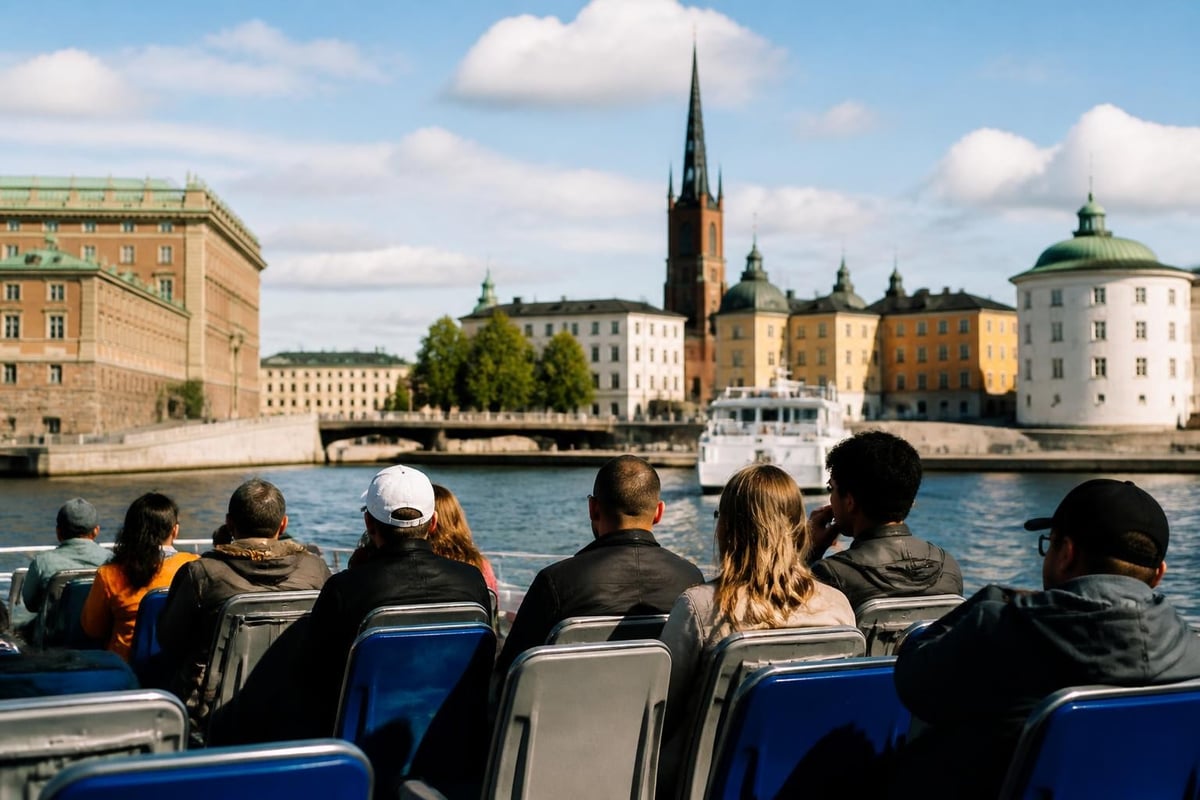
For cities like Stockholm, circle tours might weave through Gamla Stan's medieval streets, along waterfront promenades, through modern districts, and back to the starting point, creating a comprehensive urban narrative.
Planning Your Circle Tour Experience
Successful circle tours require thoughtful preparation that balances structure with spontaneity. The planning phase determines whether your journey becomes a memorable adventure or a rushed checklist of locations.
Determining Tour Duration and Scope
Time allocation significantly impacts the depth of your experience. A two-hour walking circle tour through a historic district offers different opportunities than a full-day comprehensive city exploration.
| Tour Duration | Ideal Coverage | Best For |
|---|---|---|
| 2-3 hours | Single neighborhood or district | Focused cultural immersion, specific themes |
| 4-5 hours | Multiple connected areas | Comprehensive city overview, diverse interests |
| 6-8 hours | Extended city exploration | Full-day experiences, food and culture combinations |
Short tours work exceptionally well for walking tour experiences that emphasize storytelling and intimate group interaction. Longer journeys allow for meal breaks, museum visits, and deeper engagement with multiple neighborhoods.
Selecting Stops and Attractions
The art of circle tour planning involves curating stops that complement each other thematically or geographically. Random selection creates disjointed experiences, while strategic choices build narrative momentum.
Thematic coherence elevates tours from simple sightseeing to meaningful exploration. A literary circle tour might trace an author's life through various neighborhoods, while an architectural tour connects buildings from different eras in chronological or stylistic sequence.
For Stockholm specifically, themed approaches might include:
- Royal heritage routes: Palace, guard ceremonies, historic government buildings
- ABBA and music culture: Recording studios, performance venues, band member homes
- Literary landscapes: Following Stieg Larsson's Millennium trilogy locations
- Island-hopping circuits: Connecting Stockholm's distinct island neighborhoods
Research from the field of tour optimization algorithms demonstrates that diverse, high-quality route solutions significantly improve visitor satisfaction and engagement.
Benefits of Circle Tours for Private Groups
Circle tours offer distinct advantages for small gatherings, families, and corporate groups seeking personalized experiences. The format naturally accommodates the dynamics and preferences unique to private group travel.
Efficiency and Time Management
Minimizing backtracking represents perhaps the most tangible benefit. When you complete a full circuit, every step moves you forward toward new discoveries rather than retracing familiar ground.
This efficiency matters especially for visitors with limited time. A well-designed circle tour through Stockholm's highlights can accomplish in four hours what might take two days of independent exploration with poor navigation.
Private groups particularly appreciate the ability to maintain momentum without constant decisions about "where next?" The predetermined route removes decision fatigue while still allowing flexibility for spontaneous moments.
Enhanced Cultural Immersion
Circle tours naturally create contextual understanding by showing how different neighborhoods, eras, and communities connect within a city's larger story. Walking from medieval Old Town through 19th-century boulevards into modern districts reveals urban evolution in tangible ways.
This geographical narrative helps visitors comprehend local culture more deeply than isolated attraction visits. You experience transitions, observe daily life in various neighborhoods, and understand spatial relationships that maps cannot fully convey.
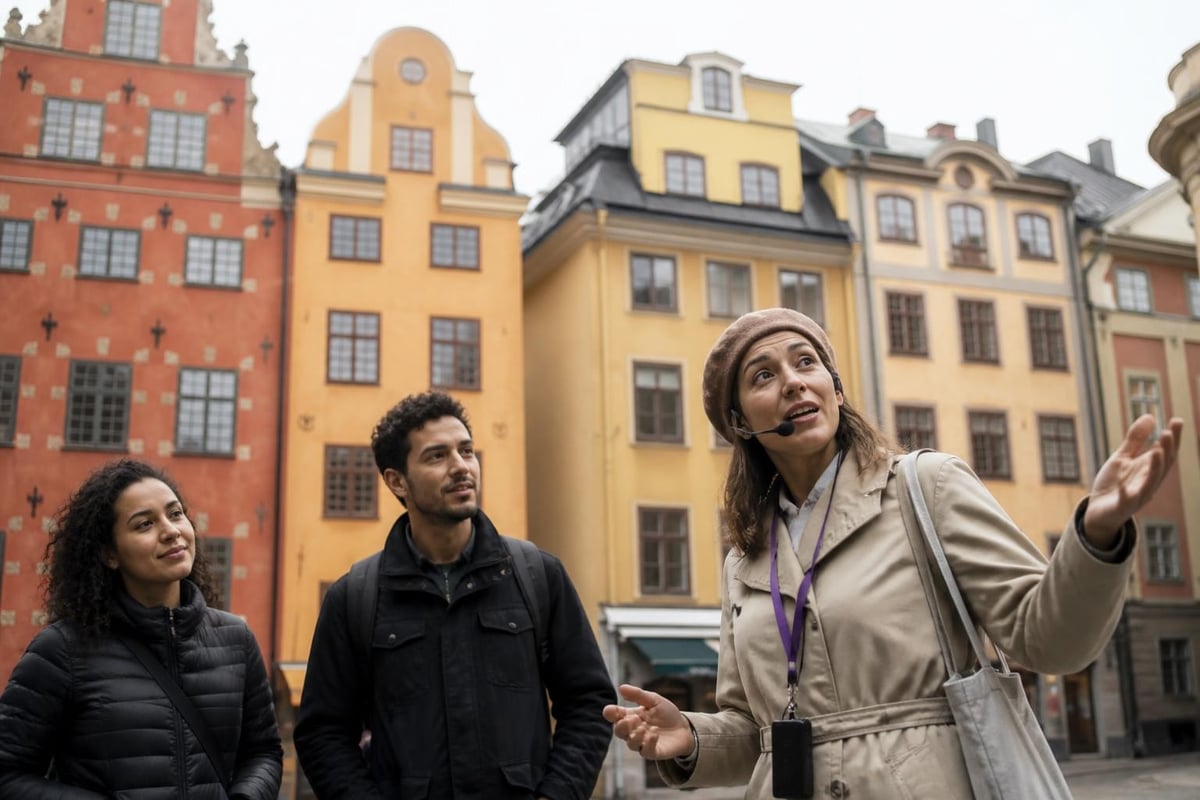
For chartered tours designed for private groups, guides can adjust pace and emphasis based on real-time group interest, pausing longer at sites that resonate while moving efficiently through less engaging areas.
Customizing Circle Tours for Different Interests
The circular route framework adapts beautifully to various themes, allowing tour operators to create specialized experiences that appeal to niche interests while maintaining geographical efficiency.
Literary and Film Location Tours
Storytelling routes that follow fictional narratives or author biographies create powerful emotional connections to places. Stockholm's Millennium series locations demonstrate this perfectly, as fans of Stieg Larsson's novels can visit Mikael Blomkvist's apartment, Lisbeth Salander's haunts, and key plot locations in a logical geographic circuit.
These specialized tours work because they:
- Connect abstract stories to concrete physical spaces
- Create photo opportunities at recognizable locations
- Provide context about how real geography influenced fictional narratives
- Allow fans to literally walk in characters' footsteps
The circle format ensures comprehensive coverage of all significant locations without inefficient crisscrossing of the city.
Music and Cultural Heritage Circuits
For music enthusiasts, circle tours can trace artistic legacies through performance venues, recording studios, homes, and inspiration sites. The ABBA journey experience exemplifies this approach, creating a complete circuit that connects band history with Swedish cultural context.
Musical heritage routes might include:
- Early performance venues and practice spaces
- Recording studios where famous albums were created
- Residential neighborhoods where artists lived
- Venues that influenced their artistic development
- Museums or exhibitions celebrating their legacy
This thematic coherence transforms simple location visits into narrative journeys that reveal artistic evolution and cultural influence.
Optimizing Your Circle Tour Route
Route optimization combines art and science, requiring knowledge of geography, crowd patterns, opening hours, and group dynamics. The goal involves creating smooth flow that feels natural rather than forced.
Geographic and Logistical Considerations
Topography matters more than many planners realize. Routes that constantly climb hills exhaust participants, while those incorporating natural downhill segments or flat waterfront paths maintain energy levels throughout the journey.
Stockholm's island geography creates natural circle tour opportunities, with bridges connecting different districts in logical loops. Stockholm tours often leverage these water crossings as transition moments that provide rest, photo opportunities, and dramatic perspective shifts.
| Route Element | Optimization Strategy | Impact on Experience |
|---|---|---|
| Starting point | Choose central, accessible location with amenities | Sets positive tone, manages expectations |
| Hill climbing | Front-load or distribute evenly throughout route | Maintains energy, prevents fatigue |
| Water crossings | Use as natural pause points and perspective shifts | Creates memorable moments, provides rest |
| Final segment | End near restaurants, cafes, or transportation | Facilitates smooth conclusion, encourages lingering |
Timing and Seasonal Adjustments
Crowd avoidance significantly improves tour quality. Visiting popular sites early morning or late afternoon, while circling through less crowded locations during peak hours, creates more intimate experiences.
Seasonal considerations transform circle tour planning in cities like Stockholm. Summer's extended daylight enables longer routes, while winter's limited sun requires concentrated itineraries focused on indoor-outdoor balance. December holiday tours might emphasize Christmas markets and seasonal traditions, while spring routes highlight emerging nature and outdoor cafes.
Enhancing Circle Tours with Local Expertise
Professional guides transform good circle tours into exceptional experiences by providing context, stories, and insider knowledge that independent exploration cannot match. The circular route provides the framework, while expert narration supplies the meaning.
The Value of Native English-Speaking Guides
Cultural translation extends beyond simple language proficiency. Guides who understand both local culture and visitors' perspectives bridge gaps that create true understanding rather than superficial observation.
Quality English walking tours offer advantages including:
- Nuanced explanations of Swedish cultural norms and historical context
- Ability to answer spontaneous questions without language barriers
- Insights into contemporary local life beyond tourist narratives
- Recommendations for independent exploration after the tour concludes
- Facilitation of interactions with locals when opportunities arise
These elements matter especially for circle tours, where continuous narration connects disparate locations into coherent stories.
Personalization for Private Groups
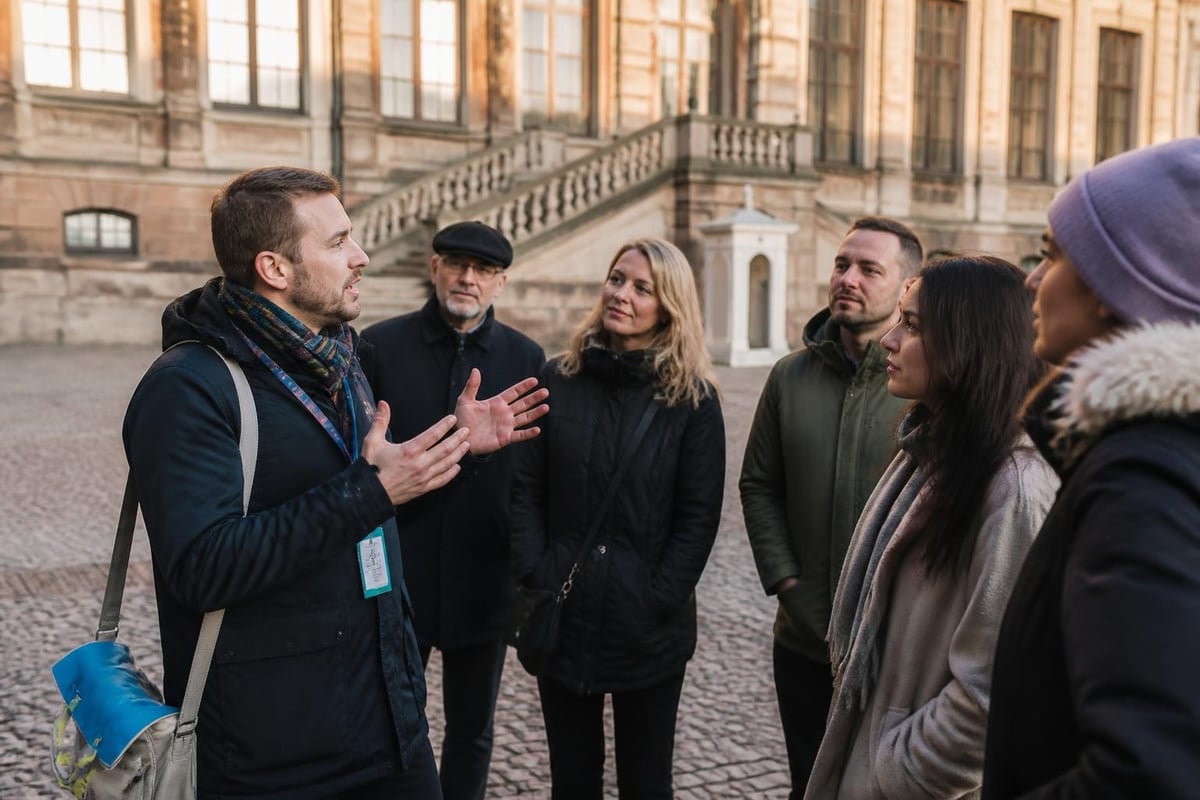
Adaptive pacing represents a key advantage of private group circle tours. Unlike fixed public tours, private experiences can accelerate through less interesting segments while extending time at locations that captivate specific groups.
Families with young children might pause frequently for rest and snacks, while photography enthusiasts might linger at visually striking locations. Corporate groups might appreciate historical business context, while literary fans want detailed discussions of specific locations.
The beauty of circle tours lies in their flexibility. The route provides structure, but expert guides adjust emphasis, pace, and depth based on real-time group dynamics and expressed interests.
Transportation Options for Circle Tours
While walking represents the most common circle tour method, various transportation modes suit different route scales and group preferences. The choice significantly impacts experience quality and accessibility.
Walking Tours as the Gold Standard
Pedestrian exploration offers unmatched intimacy with destinations. The moderate pace allows detailed observation, spontaneous discoveries, and easy conversation among group members. Walking naturally accommodates photo stops, shopping diversions, and impromptu refreshment breaks.
For historic city centers like Stockholm's Gamla Stan, walking provides the only practical method to navigate narrow medieval streets and hidden courtyards inaccessible to vehicles. The Old Town walking tour format exemplifies how pedestrian circles reveal layers invisible from buses or cars.
Hybrid Transportation Approaches
Multi-modal routes combine walking with public transportation, taxis, or boats to extend geographical reach while maintaining detailed exploration at key sites. This approach works particularly well for comprehensive city experiences, similar to offerings from companies like Circle Line in other cities.
Stockholm's excellent public transit enables hybrid circles that might include:
- Walking through Old Town and Royal Palace area
- Metro ride to Östermalm for upscale shopping district
- Walking tour of residential neighborhoods
- Ferry across water to new island
- Walking return to starting point through waterfront areas
These combinations maintain the circular route principle while expanding possibilities beyond reasonable walking distance.
Best Practices for Circle Tour Success
Implementing proven strategies elevates good tours to exceptional experiences. Small details in planning and execution create memorable moments that justify choosing professional guided sightseeing tours over independent exploration.
Pre-Tour Preparation
Clear communication with participants before departure sets appropriate expectations and prevents disappointment. Share specific information about:
- Total distance and estimated walking time
- Terrain difficulty and accessibility considerations
- Weather-appropriate clothing recommendations
- Stops where food and restrooms are available
- What to bring (water, camera, comfortable shoes)
This transparency helps participants prepare physically and mentally for the experience ahead.
During-Tour Engagement Techniques
Interactive elements maintain engagement throughout longer circles. Rather than continuous guide monologues, incorporate questions, brief activities, or moments for independent observation.
Effective techniques include:
- Pausing at viewpoints for participants to identify landmarks before revealing details
- Sharing local food samples at strategic stops
- Incorporating brief free time for shopping or photography
- Encouraging questions and discussion rather than passive listening
- Connecting historical information to contemporary relevance
These approaches transform passive sightseeing into active learning and discovery.
Measuring Circle Tour Quality
Success metrics extend beyond simple completion rates. The best circle tours create lasting impressions that influence how visitors remember and discuss their destination experience long after returning home.
Participant Satisfaction Indicators
Positive feedback markers include extended engagement with guides after tours conclude, requests for recommendations about independent exploration, and enthusiastic photo-sharing. Groups that linger rather than immediately dispersing signal successful experiences.
Research suggests diverse, high-quality tour solutions create better outcomes than single-path approaches, supporting the value of customized tour options that adapt circles to specific interests.
Long-Term Impact Assessment
The ultimate measure involves whether participants develop genuine understanding and affection for destinations rather than simply checking boxes on attraction lists. Circle tours succeed when visitors leave with coherent mental maps, cultural insights, and desire to return or explore further.
Platforms like the Better Business Bureau provide transparency into tour company credibility through customer reviews and business details, helping potential clients assess quality before booking.
Circle tours offer unparalleled efficiency and cultural depth for travelers seeking comprehensive destination experiences without wasted time or backtracking. By connecting diverse neighborhoods, landmarks, and stories in logical geographic loops, these journeys transform simple sightseeing into meaningful exploration that reveals how cities truly function and evolve. Whether you're planning a family vacation, corporate outing, or gathering with friends, Adding:tours specializes in creating personalized circle tour experiences throughout Stockholm, with expert guides who share insider perspectives and adapt routes to your group's specific interests, ensuring your time exploring Sweden's capital becomes truly unforgettable.