Guided Bike Tours: Complete Guide for 2026
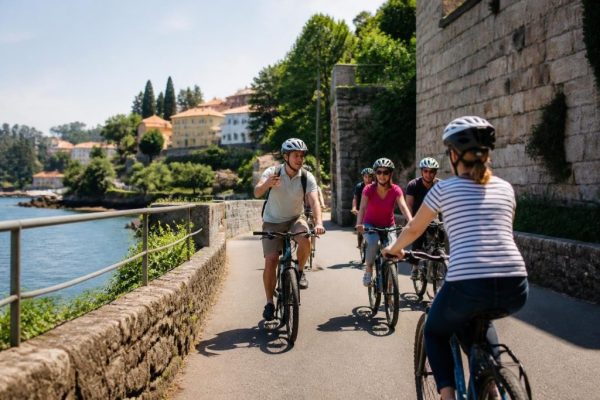
Cycling through unfamiliar territories presents both excitement and challenges. Guided bike tours transform this experience by combining expert local knowledge with carefully planned routes, creating opportunities for travelers to explore destinations in ways traditional tours cannot match. Whether pedaling through historic neighborhoods, scenic coastlines, or cultural landmarks, these experiences offer unique perspectives that appeal to both casual cyclists and serious enthusiasts. The organized nature of guided cycling adventures removes logistical burdens while maximizing discovery, making them increasingly popular among travelers seeking active, immersive experiences.
Understanding the Structure of Guided Bike Tours
The foundation of any successful guided cycling experience lies in comprehensive planning and professional execution. Tour operators carefully design routes that balance physical challenge with cultural enrichment, ensuring participants engage meaningfully with their surroundings. Understanding what guided bicycle tours include helps set appropriate expectations for accommodations, meals, and support services.
What Sets Professional Tours Apart
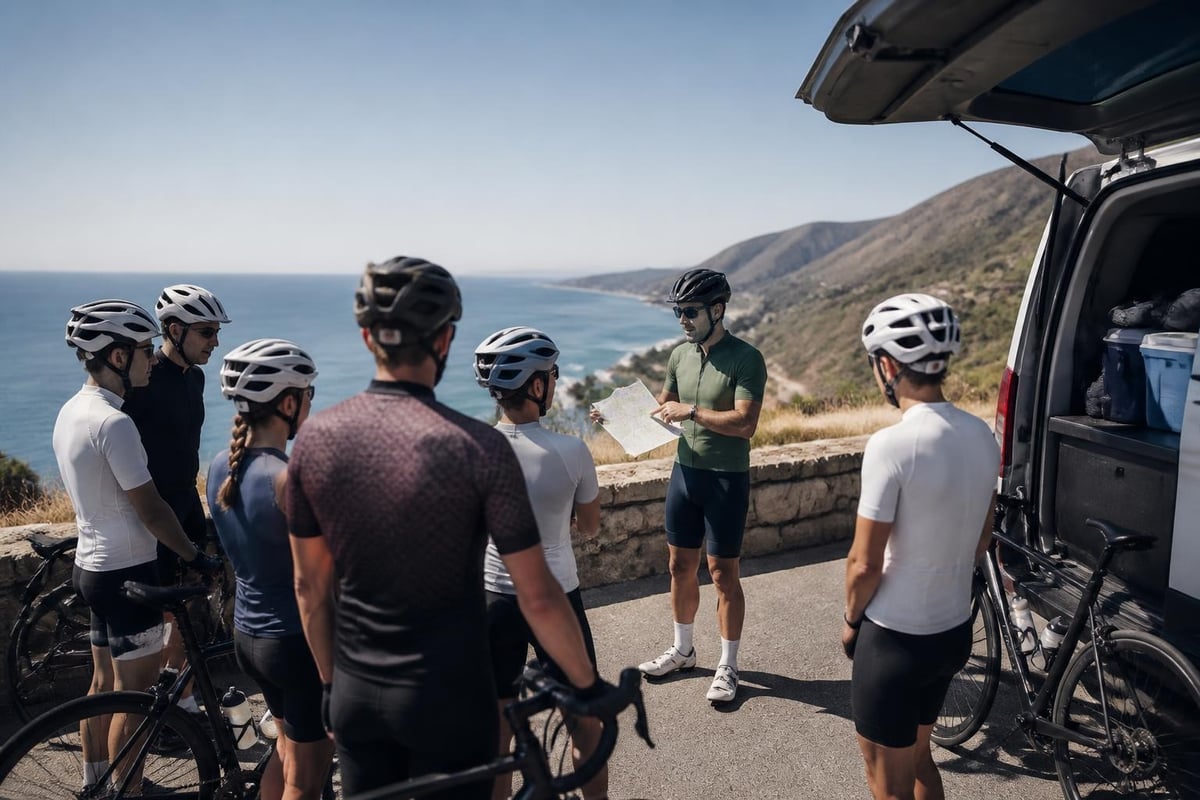
Professional guided bike tours distinguish themselves through multiple service layers that independent cycling cannot replicate. Expert guides provide real-time navigation, cultural interpretation, and safety oversight throughout the journey. Support vehicles typically follow the group, carrying luggage, spare equipment, and emergency supplies. This infrastructure allows participants to focus entirely on the experience rather than logistics.
Key components include:
- Pre-ride safety briefings and equipment checks
- Designated rest stops with refreshments
- Mechanical support and backup bicycles
- Local insights and historical commentary
- Group size management for personalized attention
Tour providers curate routes based on extensive local knowledge, identifying optimal roads, bike paths, and scenic viewpoints that independent cyclists might miss. The carefully planned itineraries account for terrain difficulty, traffic patterns, and points of interest, creating balanced daily schedules that prevent exhaustion while maximizing exploration.
Physical and Mental Benefits of Organized Cycling
Participating in guided bike tours delivers substantial health advantages beyond simple exercise. The combination of cardiovascular activity, fresh air, and mental engagement creates holistic wellness benefits. Research shows that cycling can improve spatial orientation and cognitive function, particularly benefiting older adults who engage in regular biking activities.
The social dimension of group cycling amplifies psychological benefits. Riding alongside others creates natural opportunities for conversation during easier segments while fostering camaraderie through shared challenges. Many participants report that group dynamics motivate them to complete routes they might otherwise abandon independently.
Sustainable Travel Through Two Wheels
Environmental consciousness increasingly influences travel decisions. Guided bike tours represent one of the most sustainable tourism options available, producing minimal carbon emissions while supporting local economies. The positive impact on local communities extends beyond environmental benefits, fostering cultural exchange and economic activity in regions that cyclists pass through.
Electric-assist options have expanded accessibility without compromising sustainability. E-bike tours enable participants with varying fitness levels to ride together, democratizing the experience while maintaining low environmental impact. This technology particularly benefits travelers exploring hilly terrain or those who want extended daily distances without extreme physical demands.
Safety Considerations and Urban Navigation
Safety remains paramount when cycling through unfamiliar environments, particularly in urban settings. Professional guides bring expertise in navigating traffic, understanding local road rules, and identifying potential hazards before they become problems. Urban roadway designs significantly affect cyclist safety, making knowledgeable leadership essential when touring city environments.
| Safety Element | Guided Tours | Independent Cycling |
|---|---|---|
| Traffic Navigation | Expert guidance through complex intersections | Self-navigation in unfamiliar areas |
| Emergency Response | Immediate professional assistance | Self-reliance for mechanical or medical issues |
| Route Selection | Researched safe paths and bike lanes | Trial and error approach |
| Group Visibility | Coordinated group increases visibility | Individual cyclists easier to overlook |
| Equipment Quality | Professionally maintained bicycles | Variable equipment reliability |
Cities increasingly implement data-driven approaches to assess biking safety, creating designated bike lanes and improved infrastructure. Guided tours leverage this infrastructure while avoiding dangerous corridors, ensuring participants experience cities safely. For travelers unfamiliar with local cycling customs, this guidance proves invaluable.
Equipment and Technical Support
Quality equipment forms the backbone of enjoyable cycling experiences. Reputable tour operators provide well-maintained bicycles suited to route terrain, eliminating concerns about equipment failure. Guides carry essential tools and spare parts, addressing mechanical issues immediately rather than leaving participants stranded.
Helmet provision, safety lighting, and reflective gear come standard with professional operators. These seemingly small details significantly impact safety, particularly during early morning departures or evening returns. The technical knowledge guides possess allows them to adjust bicycles for optimal comfort, preventing common issues like saddle discomfort or handlebar positioning problems.
Choosing Between Guided and Self-Guided Experiences
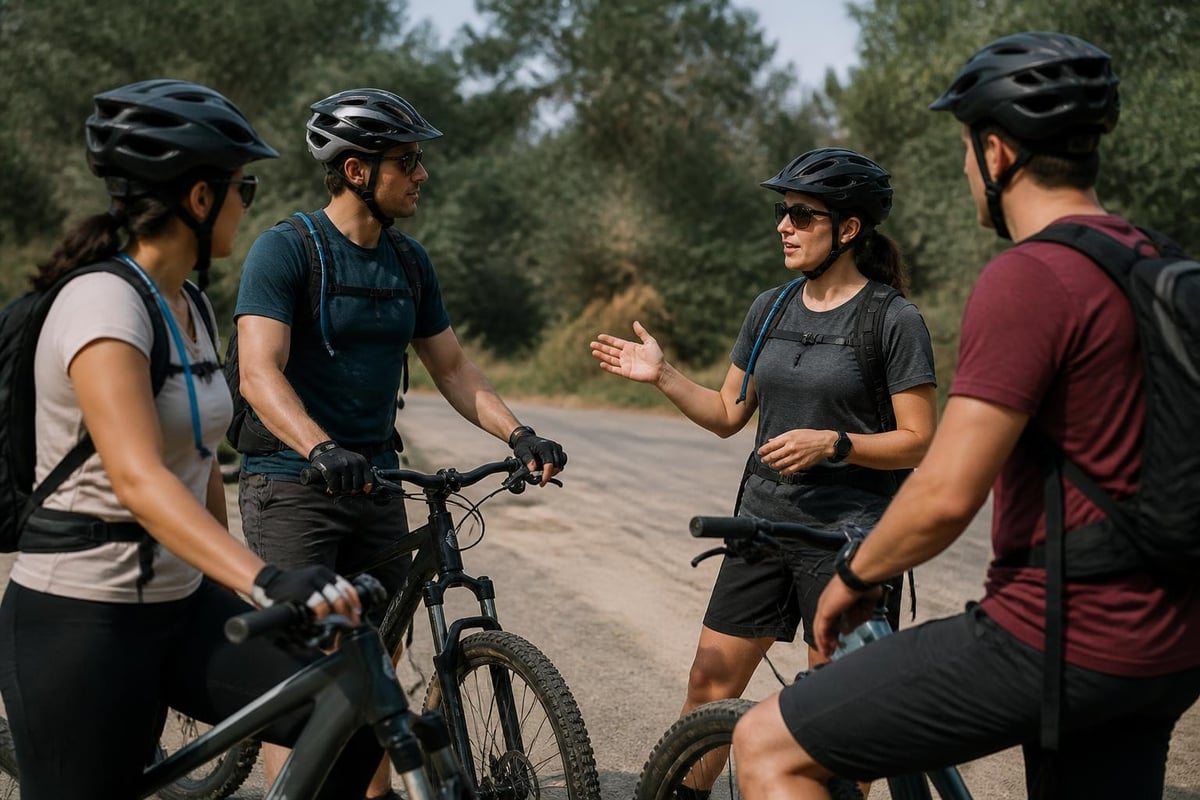
The decision between guided and self-guided cycling adventures depends on personal preferences, experience levels, and travel goals. Comparing guided versus self-guided options reveals distinct advantages for each approach. Guided experiences excel in providing structured itineraries, expert knowledge, and social interaction, while self-guided tours offer flexibility and independence.
Guided tours particularly benefit travelers who:
- Prefer organized schedules without planning burden
- Value expert cultural and historical interpretation
- Seek social connections with fellow cyclists
- Want guaranteed support and safety oversight
- Explore unfamiliar regions where navigation proves challenging
Self-guided options appeal to experienced cyclists comfortable with independent navigation and problem-solving. However, many travelers discover that guided bike tours offer compelling advantages that justify the additional structure, particularly in foreign countries or complex urban environments.
Regional Adaptations and Specialized Tours
Different destinations require tailored approaches to guided cycling. Coastal routes emphasize scenic beauty and moderate terrain, while mountain tours challenge experienced cyclists with significant elevation changes. Urban cycling tours, like those available through Stockholm city tours, focus on cultural landmarks and historical districts accessible by bicycle.
Specialized themes attract niche audiences seeking specific experiences. Literary tours trace routes connected to famous authors or fictional characters, while culinary cycling adventures combine pedaling with gastronomic discoveries. Music-themed tours connect fans with locations significant to beloved artists, creating multidimensional experiences beyond simple sightseeing.
Cultural Immersion Through Cycling
Bicycles provide intimate access to communities that motorized vehicles cannot achieve. The moderate pace allows meaningful observation of daily life, architectural details, and neighborhood character. Guides facilitate authentic interactions with locals, whether stopping at family-owned cafes, visiting artisan workshops, or exploring markets where residents shop.
This immersion proves particularly valuable in historic districts where narrow streets and pedestrian zones limit vehicle access. Old Town walking tours demonstrate similar principles, but bicycles extend range while maintaining the intimate scale necessary for genuine connection. The combination creates optimal balance between coverage and depth.
Planning Your First Guided Cycling Adventure
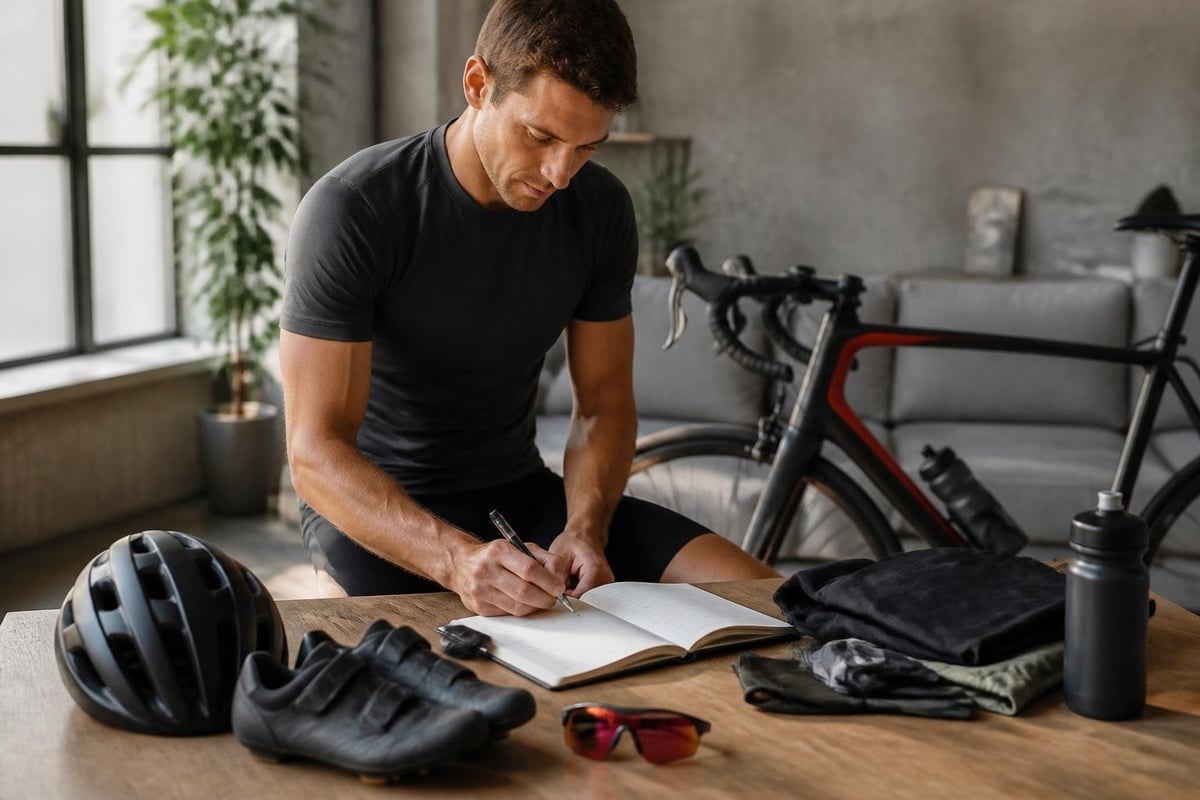
First-time participants often express concerns about fitness requirements, daily distances, and group dynamics. Reputable operators clearly communicate difficulty levels, allowing informed decisions about appropriate tours. Most companies offer multiple intensity options, from leisurely cultural rides to challenging athletic expeditions.
Preparation Steps for Success
Physical preparation:
- Begin cycling regularly at least six weeks before departure
- Gradually increase distance and duration of practice rides
- Practice riding in varying weather conditions
- Test clothing and gear during training rides
- Build endurance through consistent weekly mileage
Logistical preparation:
- Research climate and pack appropriate clothing layers
- Break in cycling shorts and shoes before the tour
- Arrange travel insurance covering cycling activities
- Communicate dietary restrictions and special needs
- Review itinerary details and optional activities
Mental preparation matters equally. Understanding that guided bike tours involve group coordination helps set realistic expectations. While guides accommodate varying pace levels, participants should expect some compromise between individual preferences and collective scheduling.
Maximizing Your Guided Tour Experience
Active participation transforms good tours into exceptional ones. Engaging with guides through questions deepens understanding of visited locations. Many guides possess extensive knowledge beyond standard commentary, sharing insights when participants express genuine interest. This interaction creates dynamic experiences rather than passive observation.
Photography opportunities abound during cycling tours, but balancing documentation with presence requires conscious effort. Designated photo stops allow capturing memorable scenes without disrupting group flow. Professional tour guides often know optimal viewpoints and lighting conditions, enhancing photographic results while maintaining schedule integrity.
Building Connections Within Your Group
The social dimension of guided bike tours creates lasting friendships. Shared challenges and discoveries forge bonds between participants from diverse backgrounds. Meal times provide natural gathering points for conversation, while riding partnerships often emerge based on compatible pace and interests. Many tour alumni maintain connections long after returning home.
Experienced tour participants recommend open-mindedness toward group diversity. Age ranges, fitness levels, and cultural backgrounds vary significantly, enriching the collective experience through multiple perspectives. The benefits of guided experiences include these social dimensions that independent travel cannot replicate.
Seasonal Considerations and Weather Adaptations
Timing significantly impacts cycling experiences. Spring and fall often provide optimal conditions with moderate temperatures and fewer crowds. Summer brings longer daylight hours but potentially uncomfortable heat, while winter cycling requires specialized equipment and careful route selection. Tour operators adjust itineraries seasonally, capitalizing on each period's unique advantages.
Weather variability demands flexible expectations. Professional guides monitor forecasts and modify routes when necessary for safety and comfort. Rain gear, layering systems, and appropriate clothing transform potentially miserable conditions into manageable challenges. The adventure mindset embraces weather variations as part of authentic travel rather than obstacles to perfect conditions.
Economic and Community Impact
Supporting guided sightseeing experiences contributes to sustainable tourism models that benefit local communities. Tour operators typically employ local guides, use regional accommodations, and patronize independent restaurants and shops. This economic distribution supports small businesses rather than concentrating revenue in corporate chains.
The cultural exchange benefits extend beyond economics. Guided tours educate international visitors about local customs, history, and contemporary issues, fostering cross-cultural understanding. When executed thoughtfully, tourism becomes a force for positive connection rather than exploitation. Tailored tours exemplify this approach by adapting experiences to group interests while respecting local communities.
| Community Benefit | Tour Impact | Long-term Value |
|---|---|---|
| Local Employment | Guides, support staff, hospitality workers | Sustainable job creation |
| Small Business Support | Restaurants, shops, accommodations | Economic resilience |
| Infrastructure Investment | Bike lanes, signage, facilities | Improved community resources |
| Cultural Preservation | Heritage site maintenance, traditional crafts | Identity protection |
| Environmental Stewardship | Low-impact tourism, conservation awareness | Ecosystem protection |
Advanced Options for Experienced Cyclists
Veteran riders seeking greater challenges find specialized guided bike tours catering to athletic abilities. These expeditions tackle demanding terrain, extended daily distances, and technical descents requiring advanced handling skills. Support structures remain robust, but pace expectations increase significantly compared to recreational tours.
Multi-day stage races and endurance events represent the extreme end of guided cycling. These experiences combine competitive elements with tour frameworks, attracting cyclists who crave physical challenges within organized environments. Training requirements intensify correspondingly, but the achievement satisfaction and community connection prove equally elevated.
Family-Friendly Cycling Adventures
Family-oriented guided bike tours adapt pace, distance, and activities for participants of all ages. Child-specific equipment like tag-along attachments, trailer bikes, and child seats enable young family members to participate comfortably. Routes emphasize safety through traffic-free paths and quiet roads while incorporating engaging stops that maintain children's interest.
Educational components transform cycling into learning opportunities. Guides skilled in family dynamics present historical and cultural information in age-appropriate formats, sparking curiosity rather than boredom. The combination of physical activity, outdoor exploration, and quality family time creates memories that transcend typical vacations. Many families return annually, establishing traditions around guided cycling adventures.
Guided bike tours offer transformative travel experiences combining physical activity, cultural immersion, and expert guidance in sustainable formats. Whether exploring urban landmarks through Stockholm tours or venturing into natural landscapes, organized cycling adventures provide structure and support that maximize enjoyment while minimizing stress. For travelers seeking personalized experiences with insider perspectives, Adding:tours creates private group adventures tailored to your interests, delivering authentic Stockholm exploration with native English-speaking guides who share exclusive local insights.