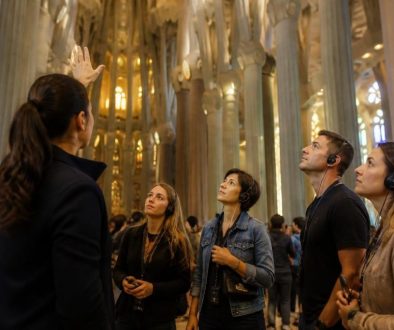
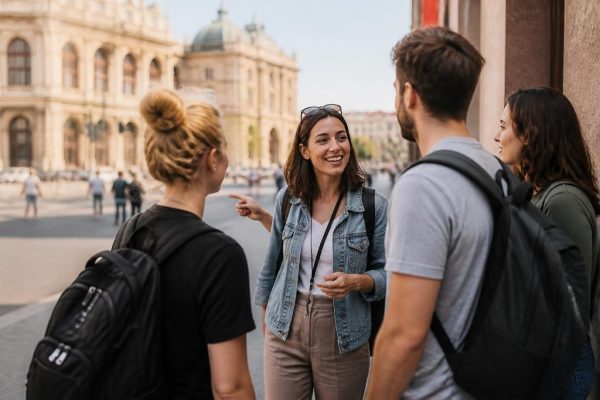
Local Travel Guide: Crafting Experiences That Connect
Creating an exceptional visitor experience requires more than listing popular attractions and restaurants. A well-crafted local travel guide serves as a bridge between travelers and the authentic heart of a destination, offering insights that transform a simple visit into a memorable journey. For guided tour operators and hospitality businesses, developing comprehensive local guides has become essential for standing out in a crowded market while delivering value that keeps guests returning year after year.
Understanding What Makes a Local Travel Guide Effective
The foundation of any successful local travel guide lies in understanding your audience's specific needs and interests. Unlike generic travel resources, an effective guide speaks directly to the people who will use it, whether they're first-time visitors, returning guests, or specialized groups with particular interests. Creating a local guide for your guests begins with identifying what makes your destination unique and how your knowledge can enhance their experience.
Key components that distinguish exceptional local guides:
- Insider perspectives that only locals possess
- Practical information organized by interest or neighborhood
- Seasonal recommendations that reflect current conditions
- Lesser-known spots that avoid tourist crowds
- Cultural context that deepens understanding
The most valuable guides balance comprehensive coverage with focused expertise. Rather than attempting to catalog every possible option, concentrate on curated selections that reflect your destination's character and your group's specific interests.
Building Structure That Serves Your Audience
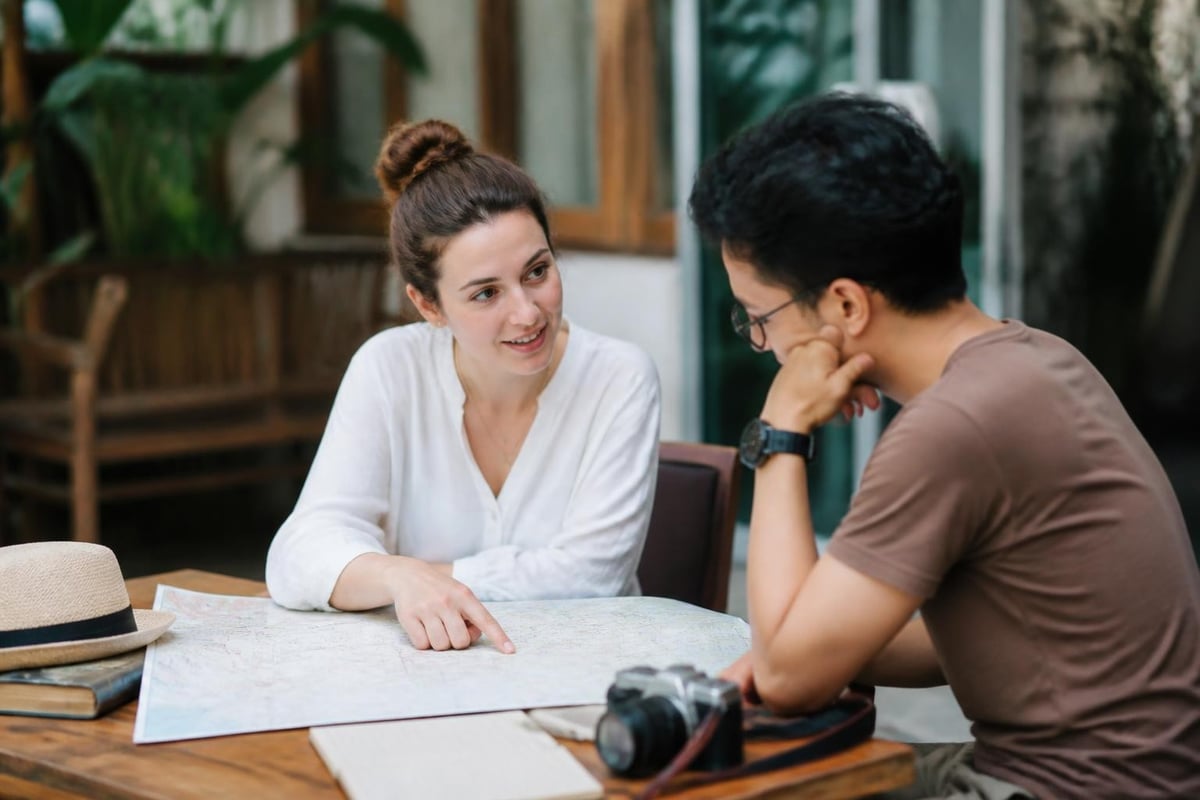
Organization determines whether visitors actually use your local travel guide or set it aside in frustration. The structure should mirror how people naturally explore a new place, moving from essential information to deeper discoveries. How to create a travel guide emphasizes the importance of logical flow and intuitive navigation that respects how travelers make decisions.
Organizing Information by Experience Type
Different visitors seek different experiences, and your guide should accommodate these varied interests without becoming overwhelming. Consider structuring sections around activity types rather than simply geographic areas.
| Experience Category | Content Focus | Ideal For |
|---|---|---|
| Historical Exploration | Architecture, museums, heritage sites | Culture enthusiasts |
| Local Flavor | Markets, family-run restaurants, cafes | Food lovers |
| Active Adventures | Walking routes, outdoor spaces, activities | Energetic travelers |
| Hidden Gems | Quiet spots, local hangouts, secret viewpoints | Curious explorers |
Stockholm's Old Town, for instance, offers all these experiences within a compact area. A professional tour guide can reveal how narrow medieval alleys connect to royal history, literary landmarks, and contemporary Swedish culture in ways that static guides cannot.
Layering Depth for Different Reader Needs
Not everyone wants the same level of detail. Some travelers prefer quick recommendations, while others crave comprehensive background. Structure your local travel guide with multiple entry points that serve both preferences.
Start each section with a brief overview and key highlights. Follow with detailed descriptions for those wanting deeper engagement. Include practical details like opening hours, prices, and accessibility information in consistent, easy-to-scan formats.
Incorporating Authentic Local Knowledge
The true value of a local travel guide emerges from insights that visitors cannot find through standard research. This insider knowledge transforms good recommendations into memorable experiences that guests discuss long after their visit ends. Creating personalized travel experiences requires tapping into authentic local perspectives that reveal a destination's genuine character.
Essential types of insider information to include:
- Optimal timing for visiting popular sites to avoid crowds
- Local customs and etiquette that show respect
- Seasonal events and temporary exhibitions
- Transportation shortcuts known primarily to residents
- Alternative options when first choices are unavailable
Our Stockholm tours demonstrate how local expertise elevates standard sightseeing into personalized adventures. Native English-speaking guides share stories and connections that bring the city alive in ways guidebooks cannot replicate.
Balancing Classic Attractions with Hidden Discoveries
Every destination has must-see landmarks that deserve inclusion in your local travel guide. However, the most valuable guides go beyond obvious choices to reveal experiences that surprise and delight.
Consider how ABBA Journey experiences combine iconic Swedish cultural history with intimate settings that create genuine connections among participants. This balance between famous and lesser-known creates guides that serve both first-time and returning visitors.
When documenting hidden gems, provide enough context that visitors understand their significance. A quiet neighborhood cafe becomes more compelling when you explain its role in local daily life or its connection to city history.
Designing Guides for Private Groups and Gatherings
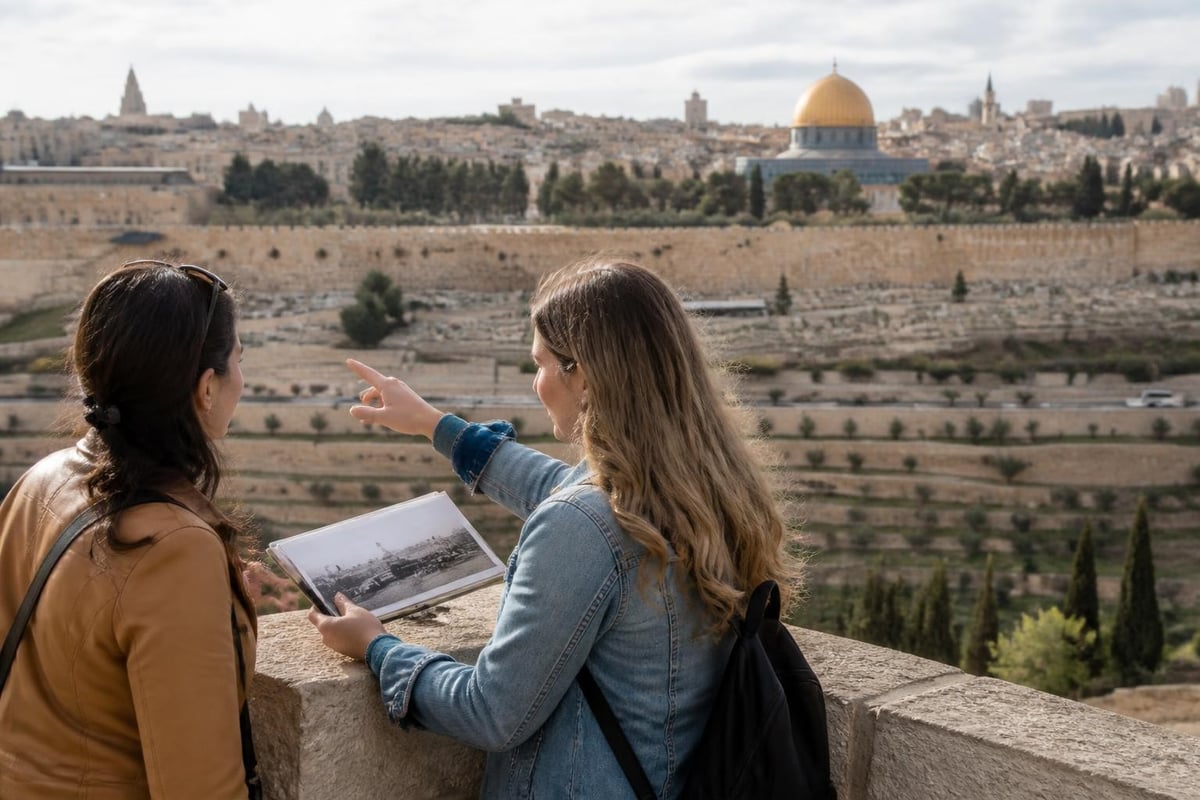
Private groups present unique opportunities for customization that mass-market guides cannot address. Whether serving families, corporate teams, or friend groups, your local travel guide should adapt to different group dynamics and interests. Tailored tours exemplify how personalization transforms standard information into relevant, actionable recommendations.
Accommodating Diverse Group Interests
Small gatherings often include people with varying preferences and energy levels. An effective local travel guide acknowledges this reality by offering options rather than rigid itineraries.
Framework for addressing diverse interests:
- Identify core experiences that appeal broadly to your typical groups
- Suggest variations that accommodate different pace preferences
- Provide options for splitting up and reuniting at specific points
- Include backup plans for weather or unexpected closures
- Offer recommendations for different times of day
This flexibility proves particularly valuable for multi-day visits where maintaining group enthusiasm requires variety and choice.
Creating Themes That Connect Experiences
Thematic organization helps groups with specific interests make decisions quickly. Literary tours following Stieg Larsson's Millennium series locations, for instance, create coherent narratives that guide choices naturally. These focused approaches work especially well for cultural tours that dive deep into particular aspects of local life.
| Theme Type | Focus Areas | Best For |
|---|---|---|
| Historical Journey | Era-specific sites, architectural evolution | History enthusiasts |
| Culinary Adventure | Traditional foods, modern cuisine, markets | Food-focused groups |
| Artistic Exploration | Museums, galleries, street art, design | Creative visitors |
| Local Life | Residential areas, daily routines, traditions | Cultural immersion seekers |
Leveraging Digital Tools and Formats
Modern local travel guides extend beyond printed materials to embrace digital formats that offer enhanced functionality and real-time updates. While physical guides have their place, digital resources provide flexibility that today's travelers expect. Understanding how to build a website for local tourism helps ensure your guide reaches audiences through their preferred channels.
Combining Static and Dynamic Content
The best digital guides blend evergreen information with timely updates. Core content about history, culture, and permanent attractions remains stable, while current events, seasonal recommendations, and temporary closures require regular refreshes.
Consider creating a base guide that covers fundamental information, then supplementing it with monthly or seasonal updates that reflect changing conditions. This approach maintains relevance without requiring constant comprehensive revisions.
Making Guides Accessible and Shareable
Digital formats enable features that enhance usability for private groups. Interactive maps, clickable recommendations, and embedded booking links reduce friction between discovery and action. However, avoid overcomplicating the experience with unnecessary features that distract from core information.
The best tour groups recognize that technology should enhance rather than replace human connection. Use digital tools to handle logistics and information delivery, freeing guides to focus on storytelling and personal interaction.
Connecting with International Audiences
When serving international visitors, cultural sensitivity and clear communication become critical components of your local travel guide. Language considerations extend beyond simple translation to encompass cultural references, measurement systems, and expectations that vary across regions. For destinations like Kathmandu, specialized operators such as Kathmandu Sightseeing demonstrate how local guides can effectively bridge cultural gaps while showcasing heritage sites and hidden gems to international audiences.
Considerations for international visitor guides:
- Use clear, straightforward language avoiding idioms and slang
- Provide measurements in both metric and imperial systems
- Explain cultural practices that might confuse outsiders
- Include pronunciation guides for key terms and place names
- Address practical concerns like tipping customs and payment methods
Our English tours specifically address the needs of international visitors who want authentic experiences without language barriers. Native English-speaking guides remove communication obstacles while providing cultural context that enriches understanding.
Monetizing and Marketing Your Local Travel Guide
Creating an exceptional local travel guide requires significant investment of time and expertise. Strategic monetization and marketing ensure this effort generates returns while reaching the audiences who benefit most from your knowledge. How to write a travel guide and sell it provides frameworks for transforming local expertise into sustainable revenue streams.
Positioning Guides as Value-Added Services
Rather than treating guides as standalone products, consider them tools that support and enhance your core offerings. For tour operators, comprehensive guides demonstrate expertise while encouraging bookings. They serve as tangible proof of the depth and quality visitors can expect from your services.
Offer basic guides freely to build trust and awareness, then provide premium versions with exclusive content, advanced booking privileges, or personalized itinerary planning for those ready to commit to your services. This tiered approach serves different audience segments while creating clear paths to deeper engagement.
Building SEO Value Through Guide Content
Well-structured local travel guides create opportunities to design local landing pages that convert by addressing specific search queries. Each neighborhood, attraction type, or themed experience becomes a potential entry point for organic search traffic.
Focus on long-tail keywords that reflect how people actually search for experiences in your destination. "Stockholm Old Town walking tour at night" captures more qualified intent than generic "Stockholm tours" while facing less competition. Our Stockholm Old Town walking tour pages exemplify this targeted approach.
Incorporating Unique Experiences and Specialized Knowledge
The most memorable local travel guides showcase distinctive experiences that reflect your specific expertise and destination character. Generic recommendations fail to differentiate your services or create compelling reasons for visitors to choose your guidance over competitors. For adventure-focused destinations, specialized operators like Thai Sky Adventures demonstrate how highlighting unique offerings such as tandem skydiving with certified instructors creates guides that stand out and attract specific audience segments.
Developing Signature Experiences
Consider what experiences only you can offer based on your connections, expertise, and local access. These signature elements become cornerstones of your local travel guide, attracting visitors seeking something beyond standard tourist activities.
Literary walking tours tracing Millennium trilogy locations, for example, combine popular culture with genuine Stockholm neighborhoods and history. This specialized knowledge creates value that generic city guides cannot replicate, appealing directly to engaged readers who want immersive experiences.
Steps for identifying signature experiences:
- Assess your unique local connections and access points
- Identify niche interests that align with your expertise
- Research what competitors offer to find gaps
- Test concepts with small groups to refine approaches
- Document successful experiences in detailed guide sections
Seasonal and Temporary Opportunities
Stockholm's character changes dramatically across seasons, from summer midnight sun to winter darkness and holiday markets. Your local travel guide should acknowledge and celebrate these variations rather than presenting the destination as static.
Create seasonal sections that highlight time-specific experiences, from Christmas markets to midsummer celebrations. Include practical information about daylight hours, weather expectations, and seasonal closures that affect planning. This temporal dimension adds depth while encouraging repeat visits during different periods.
Measuring Guide Effectiveness and Gathering Feedback
Creating a local travel guide represents just the beginning. Continuous improvement based on actual usage and visitor feedback ensures your guide remains relevant and valuable. Creating local guides that rank and convert requires ongoing optimization based on performance data and user responses.
Tracking Usage and Engagement Metrics
Digital guides enable precise measurement of what content resonates with audiences. Track which sections receive the most attention, where users spend time, and which recommendations lead to bookings or inquiries.
| Metric | What It Reveals | Action Steps |
|---|---|---|
| Page views by section | Popular interest areas | Expand high-traffic topics |
| Time on page | Engagement depth | Improve low-engagement sections |
| Click-through rates | Recommendation effectiveness | Refine underperforming suggestions |
| Booking conversions | Commercial value | Optimize high-converting content |
However, avoid letting metrics alone drive decisions. Some valuable content serves supporting roles that don't generate direct engagement but enhance overall experience quality.
Soliciting and Incorporating Visitor Feedback
The people who use your local travel guide provide the most valuable insights for improvement. Create simple mechanisms for gathering feedback without burdening visitors with lengthy surveys.
Consider brief post-visit questionnaires asking specific questions about guide usefulness, accuracy, and gaps. Pay particular attention to recommendations visitors followed and their experiences. This qualitative feedback often reveals opportunities that quantitative data misses.
Our reviews demonstrate how visitor experiences inform ongoing service refinement. Apply this same approach to guide development, treating each version as an iteration that improves based on real-world usage.
Integrating Guides with Booking and Customer Service
A local travel guide should function as part of your broader customer journey rather than existing in isolation. Strategic integration with booking systems and customer service creates seamless experiences that guide visitors from initial research through final memories. How to create a local area guide for guests offers practical approaches for connecting information resources with operational systems.
Integration opportunities to consider:
- Embed booking links directly within relevant guide sections
- Use guide content to answer common customer service questions
- Provide guide access as immediate value after booking confirmation
- Include guide updates in pre-visit communication sequences
- Reference guide sections when responding to specific inquiries
This integration reduces friction while demonstrating how your expertise supports visitors throughout their journey. When someone books a sightseeing Stockholm experience, immediate guide access begins building anticipation while providing practical preparation information.
Pre-Visit, During-Visit, and Post-Visit Applications
Different guide sections serve different phases of the visitor journey. Pre-visit content focuses on planning, expectations, and logistics. During-visit information emphasizes real-time recommendations and problem-solving. Post-visit resources encourage reflection and return planning.
Structure your local travel guide to support all three phases, creating touchpoints that extend relationships beyond single visits. Include sections on deeper dives available during return trips, encouraging visitors to come back and explore further.
A comprehensive local travel guide transforms how visitors experience destinations by providing insider knowledge, practical organization, and personalized recommendations that generic resources cannot match. When you're ready to experience Stockholm through the eyes of local experts who craft personalized adventures for private groups and small gatherings, Adding:tours delivers the insider access, cultural insights, and tailored itineraries that turn ordinary visits into extraordinary memories. From Old Town walking tours to specialized literary and musical journeys, our native English-speaking guides ensure your time in Stockholm becomes the authentic, memorable experience you're seeking.