Small Group Adventure Tours: The Ultimate Travel Guide
The travel landscape has shifted dramatically toward more intimate, meaningful experiences. Small group adventure tours have emerged as the preferred choice for discerning travelers who want authentic connections, expert guidance, and flexibility without sacrificing the social benefits of group travel. These carefully curated journeys combine the personalization of private tours with the camaraderie and cost efficiency of small gatherings, typically capping groups at 8-15 participants. Whether you're exploring historic European capitals, hiking mountain trails, or discovering cultural landmarks, understanding what makes these tours exceptional will help you choose experiences that truly resonate.
The Rise of Intimate Travel Experiences
The adventure travel industry has witnessed remarkable growth, with small group formats leading the charge. According to the 2024 Adventure Travel Industry Snapshot, travelers increasingly prioritize quality over quantity, seeking experiences that deliver depth rather than breadth. This shift reflects broader consumer values: sustainability, authentic cultural exchange, and meaningful personal growth through travel.
Small group adventure tours address these priorities by design. Limited participant numbers ensure each traveler receives individual attention from guides while maintaining the social dynamics that make group travel enjoyable. The intimacy factor transforms standard sightseeing into genuine exploration, where questions get answered, itineraries flex to group interests, and spontaneous discoveries become possible.
Market Demand and Growth Patterns
Industry data reveals compelling trends. The adventure travel market sizing research demonstrates that travelers are willing to invest more in experiences that offer exclusivity and expertise. Small group formats command premium pricing because they deliver:
- Enhanced guide-to-traveler ratios allowing for richer storytelling and interaction
- Access to venues and experiences that cannot accommodate large crowds
- Flexible pacing adjusted to group energy and interests
- Reduced environmental impact aligning with sustainable travel principles
- Stronger peer connections fostering friendships that often outlast the journey
This format particularly appeals to solo travelers joining scheduled departures, multigenerational families seeking appropriate group sizes, and friend groups wanting structured experiences with professional guidance.
Choosing the Right Small Group Experience
Not all small group adventure tours deliver equally. Selecting the right operator and itinerary requires evaluating several critical factors that separate exceptional experiences from mediocre ones.
Group Size Philosophy
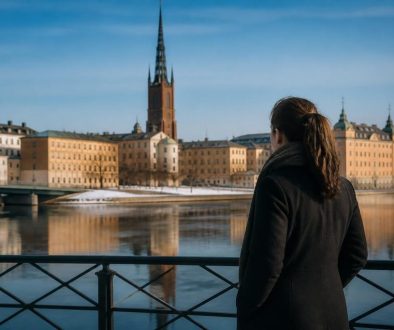
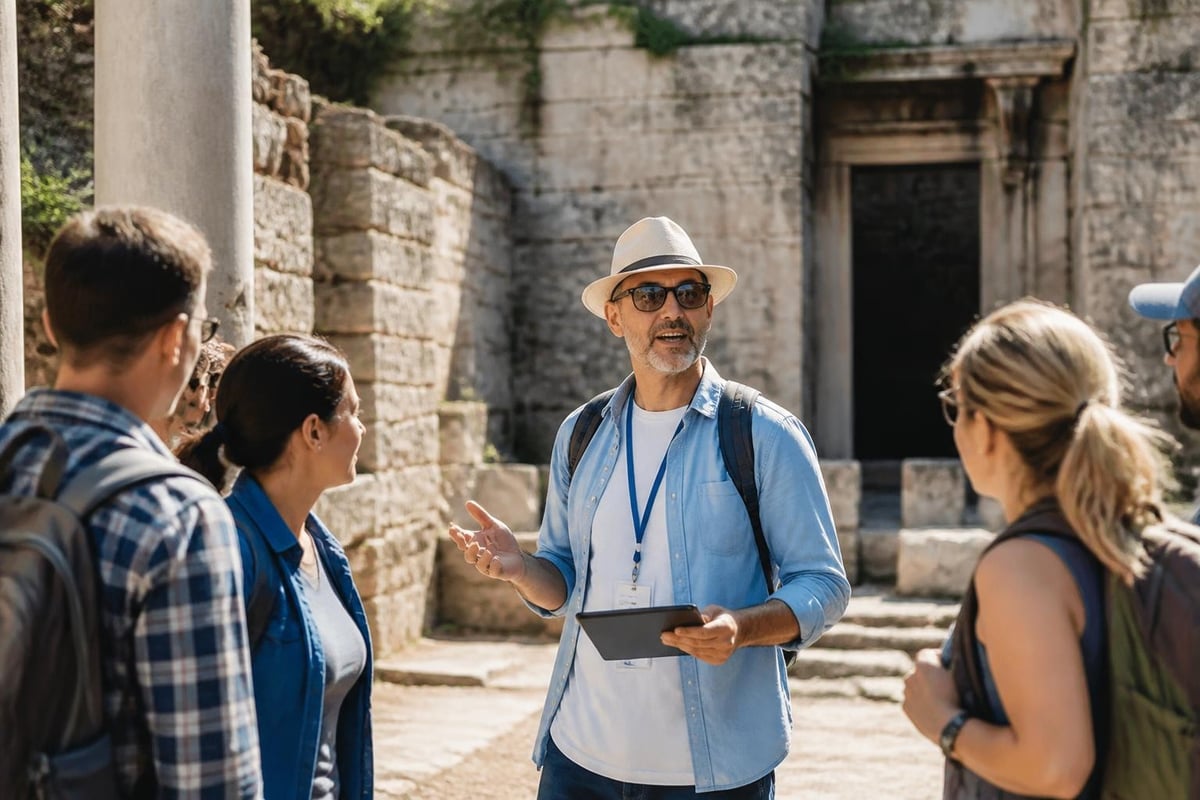
The definition of "small group" varies by operator and destination. Walking tours through historic districts might cap at 8 participants, while adventure expeditions could accommodate 12-15. The optimal size balances intimacy with viability. Tours specializing in guided excursions through dense urban environments like Stockholm's Gamla Stan benefit from smaller numbers, ensuring everyone hears the guide and navigates narrow alleys comfortably.
Consider these size-related questions:
- What is the maximum group size? Confirm the cap, not just the average.
- Does pricing reflect guaranteed departures? Some operators cancel if minimum numbers aren't met.
- How does group size affect access? Certain venues restrict larger parties.
- What backup plans exist for oversized bookings? Responsible operators split groups rather than exceed limits.
Guide Expertise and Local Knowledge
The guide transforms a simple tour into an adventure. Exceptional small group adventure tours feature native or long-term resident guides who offer insider perspectives unavailable in guidebooks. When exploring literary landmarks on a Stieg Larsson tour, for example, guides who understand both the fiction and the real Stockholm neighborhoods create layered narratives that engage multiple interests simultaneously.
Table: Guide Qualities That Elevate Experiences
| Quality | Why It Matters | How to Verify |
|---|---|---|
| Local residency | Authentic insights, current knowledge | Ask about guide backgrounds in booking process |
| Language fluency | Clear communication, cultural nuance | Review customer feedback on comprehension |
| Subject expertise | Depth beyond basic facts | Check guide credentials, specialized training |
| Adaptability | Customization to group interests | Read reviews mentioning personalization |
| Enthusiasm | Infectious passion for destination | Video introductions, social media presence |
Designing Personalized Itineraries
The true power of small group adventure tours lies in their flexibility. Unlike rigid large-group schedules, these experiences adapt to participant interests, energy levels, and serendipitous opportunities.
Balancing Structure and Spontaneity
Effective itineraries provide framework while leaving room for discovery. A morning walking tour through Stockholm’s Old Town might have fixed landmarks but flexible timing, allowing groups to linger at captivating sites or skip less interesting stops. This approach requires skilled guides who read group dynamics and make real-time adjustments.
Successful personalization happens at three levels:
- Pre-trip customization: Operators survey interests before departure, adjusting routes and focus areas
- Daily adaptation: Morning briefings allow groups to vote on afternoon options or pace
- Moment-to-moment flexibility: Guides recognize teaching moments, photo opportunities, or rest needs organically
Thematic Focus Areas
Small group formats excel when built around specific themes. Whether cultural immersion, culinary exploration, outdoor adventure, or historical deep-dives, focused itineraries attract compatible participants and enable expert guidance. Operators offering private guided trips can be especially responsive, tailoring entire multi-day experiences to niche interests.
Popular thematic categories include:
- Literary and cultural trails following famous authors, films, or artistic movements
- Culinary journeys with market visits, cooking classes, and chef-led tastings
- Active adventures combining hiking, cycling, or water sports with cultural stops
- Photography expeditions timed for optimal light with composition guidance
- Historical deep-dives exploring specific eras, events, or architectural styles
Sustainability and Responsible Tourism
Modern travelers increasingly evaluate trips through a sustainability lens. Small group adventure tours inherently support several responsible tourism principles, but conscientious operators go further.
Environmental Impact Reduction
Smaller groups naturally tread lighter. They use smaller vehicles, fit into public transportation, create less noise pollution, and overwhelm destinations less. The Global Sustainable Tourism Council’s destination stewardship guidance emphasizes capacity management, and small group formats align perfectly with this principle.
Beyond size, look for operators who:
- Partner with local businesses keeping economic benefits in communities
- Choose sustainable transportation prioritizing walking, cycling, and public transit
- Limit high-impact activities or offset unavoidable environmental costs
- Educate participants about responsible behavior and cultural sensitivity
- Support conservation efforts through direct contributions or awareness-building
Community Benefits and Cultural Respect
The World Economic Forum’s sustainable tourism principles stress that tourism should benefit host communities tangibly. Small group adventure tours facilitate this through deeper engagement. When groups spend extended time with local guides, eat at family restaurants, and visit artisan workshops, they distribute tourism revenue more equitably than mass tours shuttling between international chains.
Cultural respect manifests differently in small groups. With fewer participants, guides can explain nuances of local customs, ensure appropriate behavior at religious sites, and facilitate genuine exchanges with residents. This education benefits both travelers and destinations, fostering mutual understanding that transcends typical tourist interactions.
Logistical Advantages of Small Groups
Beyond intangible benefits, small group adventure tours offer practical advantages that enhance trip quality and reduce friction.
Access and Efficiency
Many of Europe's most compelling spaces cannot physically accommodate large tour groups. Medieval alleys, boutique museums, family-run restaurants, and historic buildings with narrow staircases become accessible when traveling with fewer people. Tours focusing on walking excursions particularly benefit, as they navigate pedestrian zones and local neighborhoods more effectively than bus-dependent large groups.
Efficiency gains include:
- Faster museum entry through specialized access or pre-arranged timeslots
- Reduced wait times at restaurants, attractions, and transportation
- Seamless transportation using appropriately-sized vehicles or public options
- Quicker group coordination with fewer people to manage logistics
- Enhanced security with guides maintaining better oversight
Communication and Problem-Solving
When issues arise (weather changes, closures, individual needs), small groups respond faster. Guides communicate decisions once rather than broadcasting repeatedly. Group consensus happens through quick conversations, not formal votes. This agility transforms potential problems into minor adjustments rather than trip-ruining complications.
Table: Comparing Group Sizes on Key Factors
| Factor | Large Groups (20+) | Small Groups (8-15) | Private (1-6) |
|---|---|---|---|
| Cost per person | Lowest | Moderate | Highest |
| Personalization | Minimal | Significant | Complete |
| Guide attention | Limited | Substantial | Exclusive |
| Venue access | Restricted | Enhanced | Maximum |
| Social interaction | Surface-level | Meaningful | Family/friends only |
| Flexibility | Rigid schedule | Adaptable framework | Total freedom |
Building Connections Through Shared Experiences
While flexibility and expertise matter, the human element often defines trip success. Small group adventure tours create conditions for authentic friendships that large groups cannot match.
Social Dynamics and Group Bonding
Groups of 8-15 hit a sweet spot: large enough for diverse perspectives and natural subgroup formation, small enough that everyone interacts meaningfully. Shared challenges (navigating foreign transit, trying unfamiliar foods, conquering physical activities) build camaraderie rapidly. According to current tour operator trends, solo travelers increasingly choose small group formats specifically for these social benefits.
Operators facilitate bonding through:
- Icebreaker activities on day one establishing comfort and rapport
- Shared meals where conversations deepen beyond sightseeing logistics
- Collaborative challenges encouraging teamwork and mutual support
- Downtime together in cafes, parks, or lounges for organic interaction
- Group photos and memories creating shared reference points
Solo Travelers and Small Group Tours
The format particularly suits solo adventurers seeking balance between independence and companionship. Joining scheduled small group adventure tours eliminates single supplements often charged on private tours while providing built-in travel companions. Many participants arrive alone and leave with international friendships, email lists, and reunion plans.
For solo travelers evaluating options, consider whether operators:
- Offer single-occupancy rooms without punitive pricing
- Attract diverse demographics creating varied conversation and perspectives
- Include optional activities allowing alone time without missing experiences
- Foster inclusive environments where pairs/groups welcome solo joiners
Practical Planning Considerations
Translating enthusiasm into bookings requires addressing practical questions about timing, preparation, and expectations.
Booking Timeline and Availability
Small group adventure tours often fill quickly because limited capacity creates both exclusivity and scarcity. Popular dates (summer in European cities, shoulder seasons in tropical destinations) may book 3-6 months ahead. However, the small format also means last-minute cancellations occasionally create openings.
Strategic booking approaches:
- Book early for peak seasons ensuring preferred dates and itineraries
- Join waitlists as operators often accommodate overflow with additional departures
- Consider shoulder season for better availability, lower prices, and fewer crowds
- Build flexibility into your schedule allowing alternative date options
- Ask about guaranteed departures versus minimum-participant requirements
Investment and Value Assessment
Small group adventure tours command premium pricing compared to large coach tours but deliver substantially more value. When evaluating cost, consider what's included: meals, entrance fees, local transportation, guide expertise, and access to exclusive experiences. Comprehensive packages often prove more economical than à la carte independent travel when factoring time, effort, and insider access.
Price typically reflects:
- Guide expertise and compensation
- Smaller participant numbers requiring higher per-person costs
- Quality of accommodations and meals
- Exclusive access and special arrangements
- Company size and overhead structures
Many travelers find small group tours deliver better value than budget mass-market alternatives because they maximize limited vacation time, eliminate planning stress, and create memories that justify the investment.
Destination-Specific Considerations
While principles apply universally, different destinations suit small group formats particularly well. Urban cultural tours, wilderness adventures, and culinary expeditions each leverage the format's strengths differently.
Urban Exploration and Cultural Immersion
Cities with complex histories, dense architecture, and pedestrian-friendly centers shine in small group formats. Stockholm exemplifies this perfectly. Its medieval Gamla Stan, with narrow cobblestone streets and hidden courtyards, rewards intimate exploration. Sightseeing tours through such spaces with knowledgeable guides transform overwhelming cities into comprehensible narratives.
Urban small group advantages include:
- Navigation assistance through confusing transit systems and street layouts
- Local recommendations for restaurants, shops, and off-hours activities
- Cultural context explaining historical layers and contemporary life
- Safety and orientation particularly valuable in unfamiliar environments
- Evening extensions as guides suggest post-tour activities
Adventure and Outdoor Expeditions
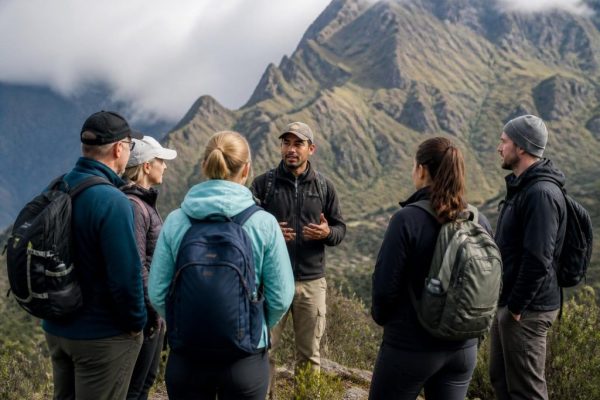
Hiking, cycling, kayaking, and wildlife tours benefit from small groups through enhanced safety, reduced environmental impact, and better wildlife viewing. Guides manage mixed ability levels more effectively with fewer participants, ensuring no one gets left behind or held back excessively.
Outdoor considerations unique to small groups:
- Skill level matching creating cohesive groups with compatible abilities
- Safety protocols easier to manage and communicate with fewer people
- Environmental education teaching leave-no-trace principles individually
- Wildlife ethics maintaining quiet and distance in sensitive areas
- Equipment and logistics personalizing gear recommendations and support
Specialized Interest Tours
Niche topics demand small groups. Whether tracing literary footsteps, photographing architecture, or studying specific historical periods, focused tours attract passionate participants who appreciate depth. Operators offering experiences like exploring millennium series locations find that smaller groups enable detailed discussions, multiple perspectives, and spontaneous conversations about shared interests.
Specialized tours succeed when they:
- Attract genuinely interested participants through clear marketing about focus and depth
- Feature expert guides with deep knowledge beyond general tourism facts
- Allow adequate time at each site for photography, sketching, or contemplation
- Encourage participant input sharing personal knowledge and perspectives
- Provide supporting materials like reading lists, maps, or post-tour resources
Making Small Group Adventure Tours Work for You
Success begins with honest self-assessment about travel style, interests, and expectations. Small group formats suit certain personalities and situations better than others.
Ideal Candidates for Small Group Travel
This format particularly appeals to travelers who:
- Value expert guidance but dislike being herded like large bus tours
- Enjoy social interaction without requiring constant companionship
- Appreciate structure while maintaining some spontaneity and choice
- Prioritize learning and cultural understanding over checklist tourism
- Respect sustainable practices and responsible tourism principles
- Have moderate budgets falling between backpacker and luxury ranges
Conversely, travelers who prefer complete independence, extreme budget consciousness, or highly customized private experiences might find other formats more suitable.
Questions to Ask Before Booking
Thorough vetting ensures your chosen tour matches expectations. Beyond basic itinerary questions, ask operators:
About the experience:
- What is the guaranteed maximum group size?
- How are ability levels and pacing determined?
- What flexibility exists for personal interests or needs?
- How much unstructured time is included?
About logistics:
- What exactly is included versus optional/extra?
- How are accommodations selected and assigned?
- What happens if minimum participant numbers aren't met?
- What cancellation and weather policies exist?
About guides:
- Who will guide our specific departure?
- What are their backgrounds and expertise?
- How long have they worked with your company?
- Can we communicate with them before departure?
Reputable operators welcome detailed questions and provide transparent, specific answers rather than generic marketing language.
The Future of Small Group Travel
Industry trends suggest small group adventure tours will continue growing as travelers prioritize meaningful experiences over superficial sightseeing. Technology enables better matching between participants with compatible interests, while sustainability concerns drive demand for lower-impact formats.
Emerging developments include:
- Hyper-customization using pre-trip surveys and AI-assisted itinerary building
- Hybrid models blending scheduled small group departures with private add-ons
- Wellness integration incorporating mindfulness, yoga, or health-focused elements
- Remote-work compatibility with longer, slower-paced tours accommodating digital nomads
- Enhanced sustainability with carbon tracking, offset programs, and regenerative tourism principles
Operators adapting to these trends while maintaining the core benefits (expertise, intimacy, flexibility, authenticity) will thrive. Travelers benefit from expanding options that cater to increasingly sophisticated preferences and values.
Small group adventure tours represent the optimal balance between independent exploration and structured guidance, offering personalized experiences that large groups cannot match. When you're ready to discover Stockholm through the eyes of local experts, Adding:tours creates intimate experiences tailored to your interests, whether exploring historic Gamla Stan, following Stieg Larsson's footsteps, or embarking on ABBA-themed adventures. Our native English-speaking guides ensure every small gathering becomes an unforgettable journey through Sweden's capital.