Guided Travel: Transforming Exploration into Experience
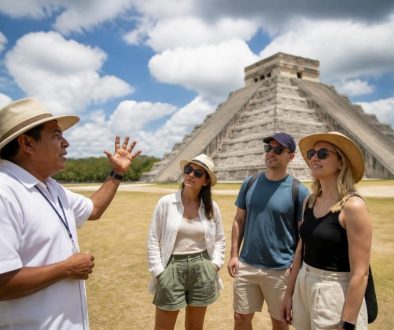
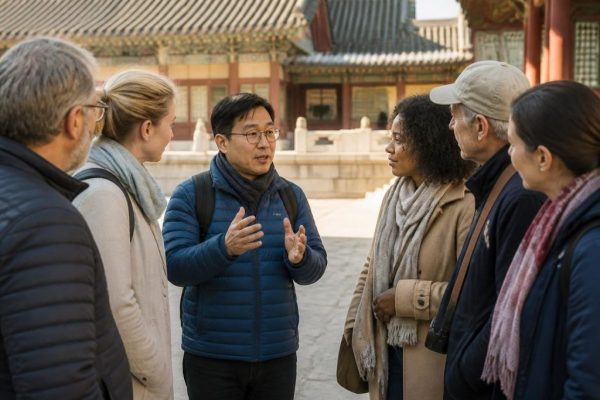
The modern traveler faces an overwhelming paradox: unlimited access to information yet increasing difficulty making meaningful connections with destinations. Guided travel has emerged as the solution, offering curated experiences that transform passive sightseeing into active discovery. This approach combines expert knowledge, insider access, and personalized attention to create journeys that resonate long after returning home. Whether exploring historic neighborhoods, following literary trails, or immersing in cultural traditions, guided travel delivers depth that independent exploration often misses.
The Evolution of Modern Guided Travel
The concept of guided travel has undergone remarkable transformation over recent decades. What once conjured images of large bus tours and rigid schedules has evolved into sophisticated, personalized experiences tailored to individual interests and travel styles.
Recent industry research demonstrates this shift in consumer preferences. According to trends in guided vacations, 74% of Gen X and 71% of younger Boomers now find guided vacations appealing. This represents a significant departure from previous generations' approach to travel planning.
Why Travelers Choose Guided Experiences
The motivations behind selecting guided travel reflect changing priorities in how people value their time and experiences. Stress reduction ranks among the primary drivers, as travelers seek to maximize limited vacation days without the burden of constant logistics management.
Key benefits that attract modern travelers include:
- Access to exclusive locations and experiences unavailable to independent visitors
- Expert interpretation that transforms simple observation into deep understanding
- Time efficiency through optimized routing and skip-the-line privileges
- Social connections with fellow travelers sharing similar interests
- Safety and security in unfamiliar destinations
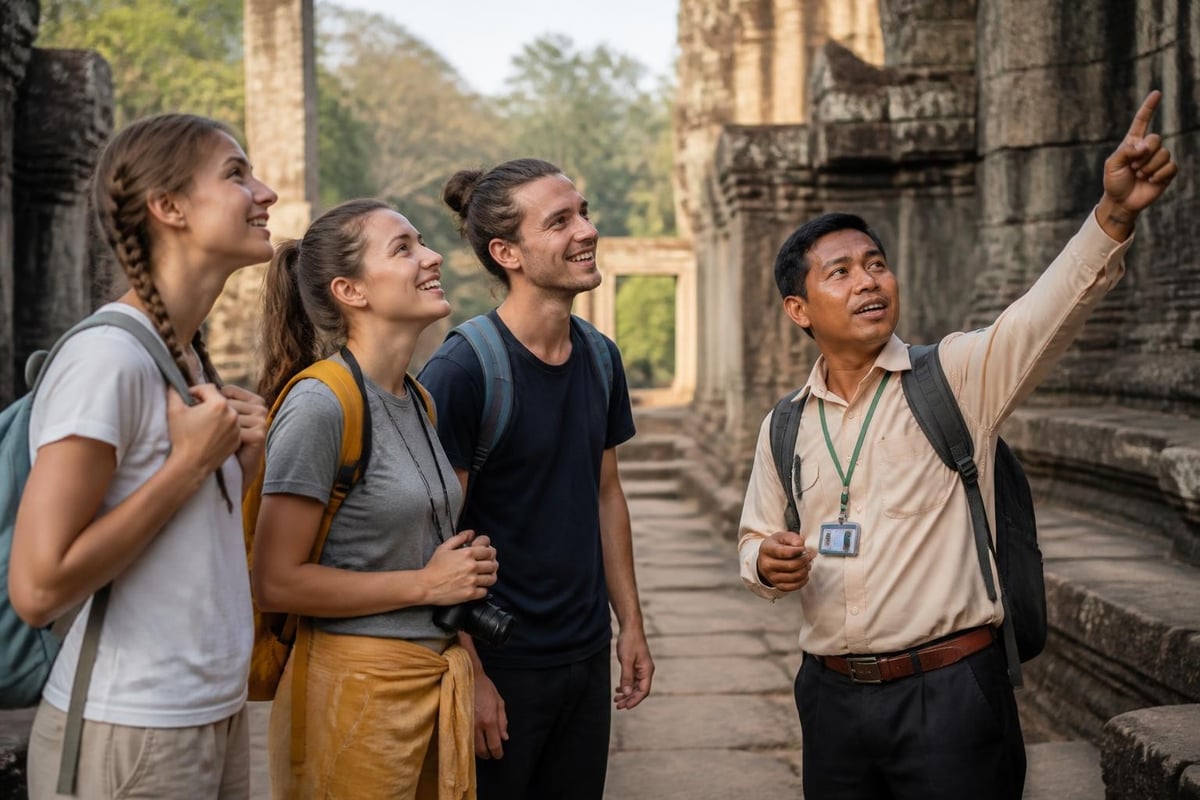
The benefits of guided travel over independent exploration extend beyond convenience. Professional guides provide context that brings destinations to life, sharing stories and connections that would require years of research to uncover independently.
Personalization in Small Group Experiences
The intimacy of small group guided travel creates opportunities impossible in larger settings. Conversations flow naturally, guides adapt content based on group interests, and spontaneous discoveries become shared memories.
Private group tours represent the pinnacle of this personalized approach. Family gatherings can explore at their own pace, stopping when curiosity strikes rather than adhering to predetermined schedules. Corporate groups build team cohesion through shared discovery, while friend groups create inside jokes rooted in unique travel moments.
| Group Type | Ideal Size | Primary Benefit | Best For |
|---|---|---|---|
| Family Tours | 4-8 people | Flexible pacing | Multi-generational groups |
| Corporate Groups | 8-15 people | Team building | Professional development |
| Friend Gatherings | 6-12 people | Shared experiences | Milestone celebrations |
| Solo Joiners | 10-16 people | Social connections | Individual travelers |
Tailored Itineraries That Reflect Your Interests
Generic itineraries follow a one-size-fits-all formula that satisfies no one completely. Personalized guided travel begins with understanding what captivates each group. Literature enthusiasts might trace an author's footsteps through city streets where fictional characters came alive. Music lovers can explore venues where legendary artists performed, learning how locations influenced creative output.
Stockholm’s guided experiences demonstrate this customization in action. Historical walking tours can emphasize royal heritage for some groups while focusing on architectural evolution for others. The same narrow alleyways tell different stories depending on who's listening and what resonates with their curiosity.
The Value of Local Expertise
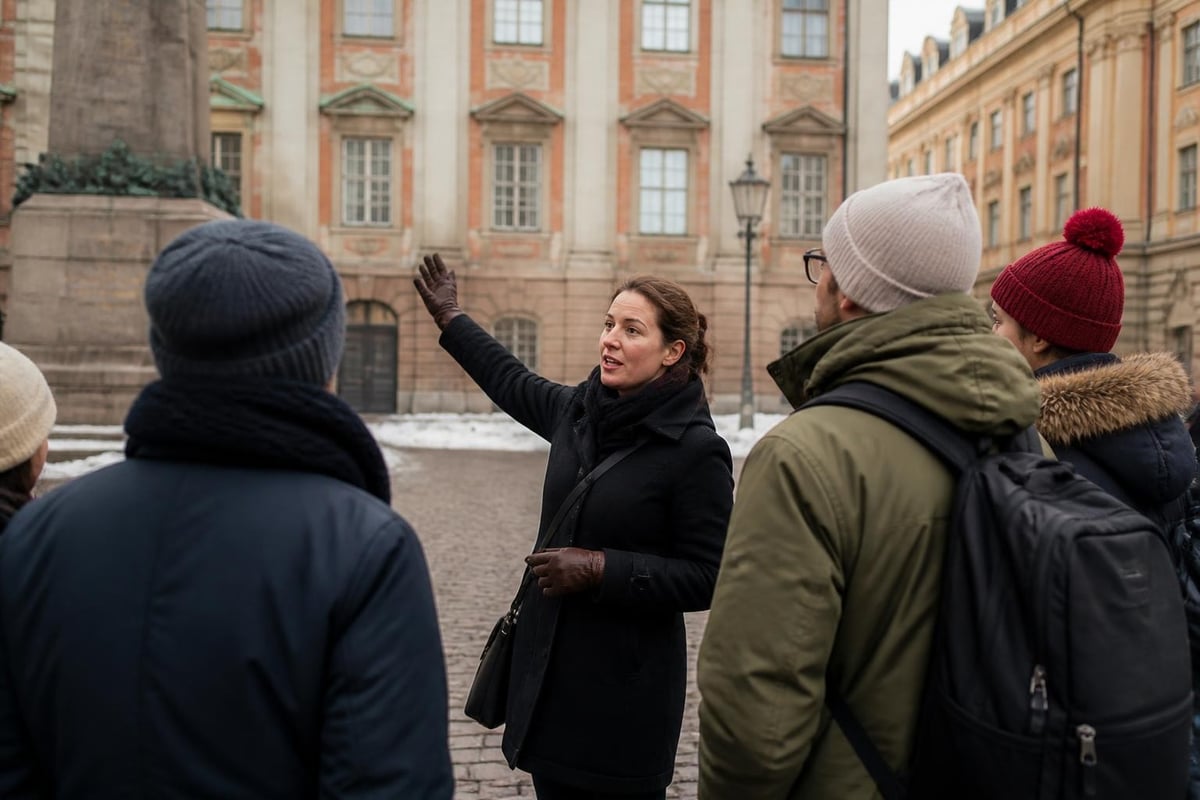
Native guides possess knowledge that transcends guidebook facts. They understand seasonal rhythms, know which neighborhood bakery produces the best pastries, and can explain why certain traditions persist while others fade. This insider perspective transforms guided travel from information delivery into cultural immersion.
What local experts provide:
- Historical context that connects past events to present reality
- Cultural interpretation explaining behaviors and traditions
- Hidden gems known primarily to residents
- Timing wisdom for avoiding crowds and catching special moments
- Practical tips that enhance comfort and enjoyment
English-speaking native guides bridge language barriers while maintaining authentic local perspective. They translate not just words but concepts, helping visitors understand the cultural frameworks that shape daily life in their destination.
Thematic Tours That Tell Complete Stories
The most compelling guided travel experiences follow narrative threads rather than checking boxes on landmark lists. Literary tours demonstrate this approach brilliantly, transforming cities into living pages from beloved books.
Following detective Mikael Blomkvist and hacker Lisbeth Salander through Stockholm locations featured in "The Girl with the Dragon Tattoo" creates connections between fiction and reality. Visitors see actual cafes where characters might have plotted, understand the geography that influenced story structure, and appreciate how setting shapes narrative.
Music and Cultural Immersion
Musical heritage tours tap into universal language while revealing local culture. The ABBA journey experience combines destination exploration with shared passion, creating communities among participants. These themed experiences work because they unite people around common interests rather than simple sightseeing.
Cultural guided travel delves beneath surface attractions to explore what makes destinations unique. Food traditions reveal historical influences and trade relationships. Architectural styles demonstrate how geography, climate, and wealth shaped building choices. Every element becomes part of a larger story.
Planning Efficiency and Stress Reduction
Time represents the most precious commodity in modern life. Vacation days carry enormous opportunity cost, making efficiency paramount. Guided travel eliminates hours spent researching options, comparing reviews, and mapping routes.
Professional tour operators handle logistics that consume significant mental energy during independent travel. Transportation coordination, reservation management, timing optimization, and contingency planning all fall to experts who execute these tasks daily.
| Planning Aspect | Independent Travel | Guided Travel |
|---|---|---|
| Research Time | 20-40 hours | Minimal |
| Decision Fatigue | Constant | Eliminated |
| Navigation Stress | High | None |
| Optimization | Trial and error | Professional expertise |
| Backup Plans | Self-managed | Handled by operator |
The stress-free advantages of guided touring matter most when exploring unfamiliar destinations. Language barriers, transportation systems, and cultural norms that confuse independent travelers become invisible when professionals handle logistics.
Meeting Fellow Travelers and Building Connections
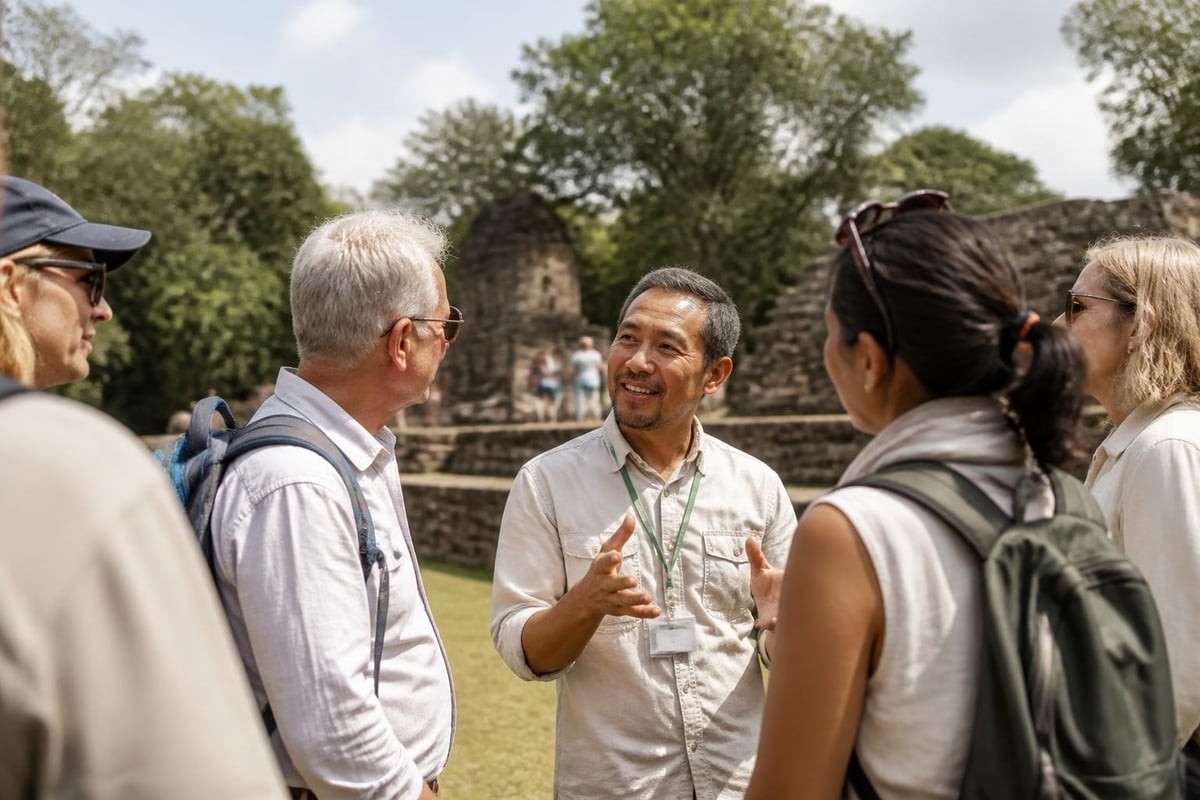
Shared experiences create bonds rapidly. Guided travel puts compatible people together in settings conducive to conversation and connection. Unlike crowded attractions where everyone remains isolated, small group tours facilitate natural interaction.
Outdoor tour experiences particularly encourage camaraderie. Physical activity breaks down social barriers as participants encourage each other, share observations, and laugh at shared challenges. These connections often extend beyond trips, with travelers maintaining friendships formed during guided experiences.
Solo Travelers Finding Community
Individual travelers face unique challenges maintaining social engagement while exploring independently. Guided travel solves this isolation by creating instant communities. Participants arrive as strangers but leave as companions who've shared discoveries and insights.
The structured nature of tours provides natural conversation starters. Discussing what you've just witnessed together, asking questions of guides, and sharing meals all facilitate organic relationship building without forced icebreakers.
Maximizing Value Through Expert Planning
Value in travel extends beyond cost considerations to encompass quality of experience, efficient use of time, and depth of understanding. Professional guides maximize all three dimensions through knowledge accumulated over years of repetition.
They know which viewpoints offer optimal photography at different times of day. They understand crowd patterns, allowing groups to visit popular sites during quiet windows. They recognize which details deserve attention and which can be quickly acknowledged.
Ways guides add measurable value:
- Skip-the-line access saving hours of waiting time
- Exclusive entry to locations closed to general public
- Optimal routing that covers more ground with less fatigue
- Historical context that enhances appreciation
- Recommendations for extending experiences independently
Walking tours through Stockholm’s Old Town demonstrate concentrated value delivery. Narrow alleys hide centuries of history that remain invisible without interpretation. Guides reveal architectural details, explain historical events tied to specific locations, and share anecdotes that bring cobblestones to life.
Accessibility and Inclusive Design
Well-designed guided travel accommodates diverse physical abilities and learning preferences. Professional operators consider mobility limitations, pace variations, and accessibility requirements when crafting itineraries.
Communication happens through multiple channels. Visual learners benefit from demonstrations and physical examples. Auditory processors absorb verbal storytelling. Kinesthetic learners engage through hands-on activities when appropriate. Effective guides adapt delivery to match audience needs.
Adapting to Different Age Groups
Multi-generational travel presents unique challenges that guided experiences handle elegantly. Children need engagement at their comprehension level, adults desire sophisticated content, and seniors may require physical accommodations. Skilled guides balance these competing needs seamlessly.
Interactive elements maintain young travelers' attention while delivering content that satisfies adults. Flexible pacing allows for rest breaks without feeling rushed. Optional extensions accommodate varying energy levels within single groups.
The Growing Guided Travel Industry
Market research reveals significant growth in guided touring, with the industry experiencing substantial expansion. Reports indicate a $50 billion boom in guided touring fueled primarily by younger travelers seeking structured yet flexible experiences.
This growth reflects broader shifts in how people approach travel planning. Rather than viewing independence as paramount, modern travelers recognize the value of expertise and curated experiences. They seek balance between structure and spontaneity, wanting frameworks that enable exploration without overwhelming logistics.
| Traveler Generation | Guided Travel Preference | Primary Motivation |
|---|---|---|
| Gen Z | 68% interested | Social connection + efficiency |
| Millennials | 72% interested | Authentic experiences + value |
| Gen X | 74% interested | Stress reduction + quality |
| Boomers | 71% interested | Cultural depth + comfort |
Industry Innovation and Adaptation
Tour operators continue evolving offerings to match changing preferences. Technology integration provides pre-trip preparation materials, during-tour enhancements through apps, and post-trip resources for continued learning. Virtual components supplement physical experiences without replacing irreplaceable in-person discovery.
Sustainability considerations increasingly influence guided travel design. Walking tours reduce environmental impact while providing intimate perspectives. Support for local businesses ensures tourism benefits communities. Educational components promote responsible travel behaviors beyond immediate experiences.
Seasonal Considerations and Year-Round Appeal
Guided travel adapts to seasonal variations, offering different perspectives on destinations throughout the year. Winter tours might emphasize cozy interiors, holiday traditions, and atmospheric lighting. Summer experiences capitalize on extended daylight, outdoor venues, and festival calendars.
Each season reveals different facets of destinations. Spring showcases renewal and awakening, autumn highlights harvest traditions and changing landscapes. Guides help travelers understand how seasons shape local life, from daily routines to special celebrations.
Weather-Independent Experiences
Professional tour design includes contingency planning for weather variations. Indoor alternatives stand ready when conditions prove unsuitable for outdoor exploration. Covered walkways, museums, and sheltered locations ensure experiences proceed regardless of precipitation.
Stockholm's variable climate makes this flexibility particularly valuable. Sightseeing experiences balance outdoor discovery with indoor cultural venues, creating resilient itineraries that deliver value regardless of weather cooperation.
Building Lasting Memories Through Guided Discovery
The ultimate measure of travel success involves memories created and perspectives gained. Guided travel excels at both dimensions through intentional experience design. Guides highlight moments worth remembering, provide context that aids recall, and create emotional connections that cement experiences in long-term memory.
Storytelling transforms facts into narratives that stick. Rather than memorizing dates and names, travelers remember stories about people who lived, loved, and shaped the places they visit. These narratives provide mental hooks that preserve details independent travelers might forget hours after moving to the next attraction.
Professional photography guidance helps capture visual memories effectively. Guides know optimal angles, lighting conditions, and composition techniques that elevate casual snapshots into frame-worthy images. They also photograph groups together, ensuring everyone appears in trip documentation.
The Future of Guided Travel Experiences
Looking ahead, guided travel will continue adapting to evolving preferences while maintaining core values of expertise, personalization, and connection. Technology will enhance rather than replace human guides, providing tools that deepen rather than diminish authentic interaction.
Hyper-personalization will advance through better pre-trip consultation and during-tour adaptation. Guides will access participant preferences instantly, adjusting content delivery and pacing in real-time. Group dynamics will be monitored and optimized to ensure all participants feel included and engaged.
Experiential learning will intensify, with passive observation giving way to active participation. Cooking classes, craft workshops, and performance opportunities will supplement traditional touring, allowing travelers to engage destinations through multiple senses and skill development.
Guided travel transforms destinations from places you see into experiences you feel, remember, and integrate into your understanding of the world. The combination of expert knowledge, personalized attention, and meaningful connections creates value that independent exploration struggles to match. When you're ready to discover Stockholm through local eyes, Adding:tours offers personalized experiences designed for private groups and small gatherings, where native English-speaking guides share insider perspectives that make every moment special. Whether exploring Old Town's narrow alleys, following literary trails, or embarking on musical journeys, we'll ensure your time creates memories worth treasuring.