Gamla Stan Old Town: A Complete Visitor’s Guide
Stepping into gamla stan old town feels like traveling through time. As one of Europe's most well-preserved medieval city centers, this historic district occupies the original island where Stockholm was founded in 1252. The cobblestone streets, narrow alleyways, and colorful facades tell stories spanning nearly eight centuries. Whether you're drawn to royal history, architectural marvels, or simply the charm of wandering ancient pathways, gamla stan old town offers an authentic glimpse into Sweden's past while remaining a vibrant part of modern Stockholm.
Historical Foundations of Gamla Stan Old Town
The establishment of gamla stan old town began when Birger Jarl chose this strategic island location to build a fortress protecting Lake Mälaren's access to the Baltic Sea. By the 13th century, the settlement had grown into a bustling trading hub where German merchants mingled with Swedish craftsmen, establishing the commercial foundation that would define the district for centuries.
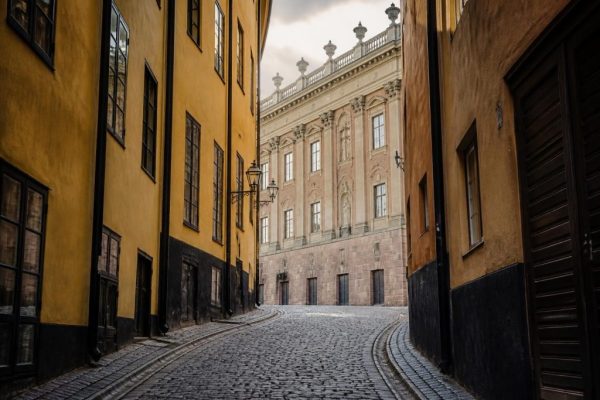
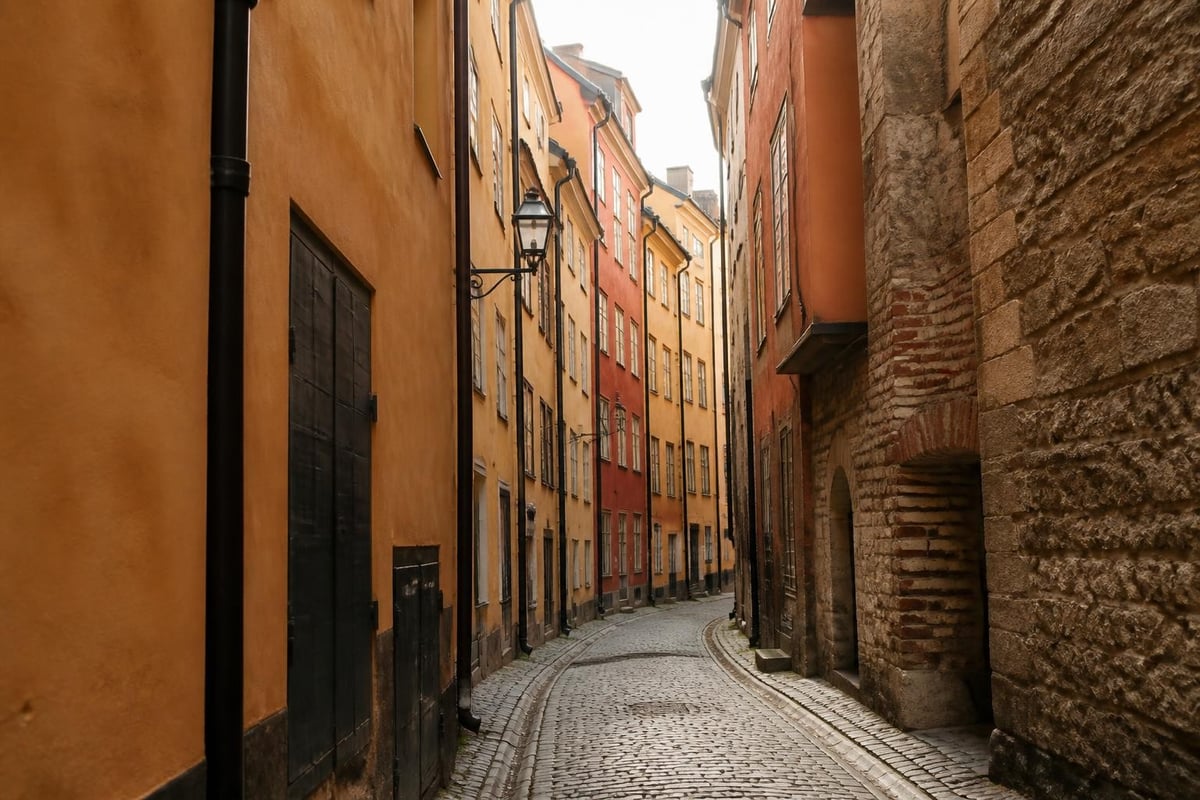
Medieval Stockholm's layout remains largely intact today. The narrow lanes between buildings weren't designed for aesthetic appeal but practical necessity. Fire safety, defense considerations, and the simple economics of limited island space shaped the intricate network of passages that characterizes gamla stan old town walking tours today.
The Medieval Core
The Medieval Museum preserves archaeological discoveries that reveal daily life in gamla stan old town during its earliest centuries. Excavations have uncovered everything from trade goods to building foundations, providing tangible connections to the district's origins.
Stockholm's rise as Sweden's capital in 1634 transformed gamla stan old town from a commercial center into a seat of political power. The construction of the Royal Palace dominated this era, though the current baroque structure replaced an earlier castle destroyed by fire in 1697.
Architectural Heritage and Preservation
Walking through gamla stan old town today means experiencing architecture spanning from the Middle Ages through the 20th century. The district showcases remarkable stylistic diversity, with Renaissance details, Baroque grandeur, and later modifications coexisting within the medieval street grid.
Building preservation in this historic area follows strict guidelines established by the Swedish National Heritage Board. These regulations ensure that modifications respect historical character while accommodating modern needs. Property owners must navigate careful restoration requirements, balancing authenticity with practical functionality.
Notable Structures
| Building | Era | Significance |
|---|---|---|
| Stockholm Cathedral (Storkyrkan) | 13th century (rebuilt) | Oldest church, coronation site |
| Royal Palace | 1760 (current structure) | Official residence, 600+ rooms |
| Nobel Prize Museum | 18th century building | Cultural institution at Stortorget |
| German Church (Tyska Kyrkan) | 16th century | Hanseatic merchant heritage |
The Royal Palace stands as gamla stan old town's most imposing structure. With over 600 rooms, it remains one of the world's largest royal residences still serving official functions. Visitors can explore state apartments, museums, and witness the daily changing of the guard ceremony.
Stortorget, the main square, provides the district's geographic and social heart. Its colorful merchant houses date from the 15th century, though most received their current facades during later renovations. This square witnessed Stockholm's most dramatic historical events, including the Stockholm Bloodbath of 1520, when Danish King Christian II executed Swedish nobility in a brutal display of power.
Exploring the Streets and Alleys
The true character of gamla stan old town reveals itself in wandering beyond main thoroughfares. Mårten Trotzigs gränd, Stockholm's narrowest alley at just 90 centimeters wide, exemplifies the district's compressed medieval layout. These passages weren't accidental but intentional, creating sheltered routes between buildings while maximizing usable land.
Street names preserve linguistic history. Many retain their medieval designations, often describing the trades or activities that once dominated particular areas. Köpmangatan (Merchant Street), Prästgatan (Priest Street), and Skeppsbron (Ship Bridge) each tell part of gamla stan old town's functional past.
Walking Tour Highlights
- Västerlånggatan: Main shopping street with cafes and boutiques
- Österlånggatan: Parallel route with restaurants and galleries
- Tyska Brinken: Steep lane connecting to waterfront
- Kindstugatan: Medieval residential character preserved
- Baggensgatan: Quieter passage showcasing residential architecture
Modern commerce thrives alongside historical preservation. Cafes occupy ground floors of 400-year-old buildings, while craft shops display contemporary Swedish design within medieval walls. This integration of old and new creates the dynamic atmosphere that makes Stockholm tours so compelling.
Cultural Institutions and Museums
Beyond architectural beauty, gamla stan old town houses significant cultural repositories. The Nobel Prize Museum occupies the historic stock exchange building at Stortorget, showcasing laureate achievements and Alfred Nobel's legacy through interactive exhibitions updated regularly.
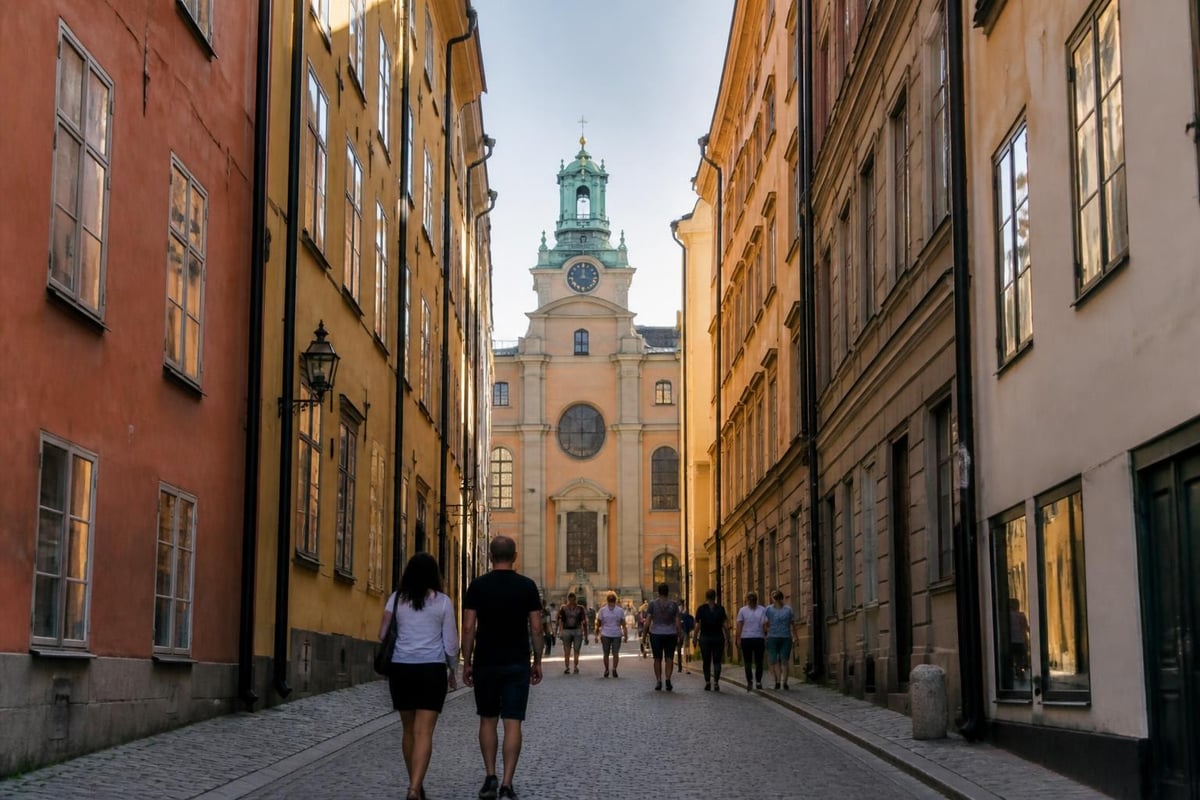
Stockholm Cathedral serves dual roles as active parish church and historical monument. Its interior contains the famous sculpture "Saint George and the Dragon," commissioned in 1489, along with royal pews and burial sites of Swedish monarchs. The building's understated exterior belies its ornate interior, a common characteristic of gamla stan old town's religious architecture.
Museum Collections
Museums throughout the district preserve specialized collections:
- Royal Armory (at the palace): Weapons, armor, and ceremonial artifacts
- Treasury: Crown jewels and royal regalia
- Tre Kronor Museum: Remains of the original medieval castle
- Nobel Prize Museum: Scientific and literary achievement documentation
- Parliamentary collections: Democratic development exhibits
Academic research continues uncovering gamla stan old town's layers. Stockholmskällan, the city's archival portal, provides digital access to historical documents, photographs, and maps documenting the district's evolution. These primary sources enable scholars and visitors alike to understand transformation over time.
Living History in a Modern Context
Today's gamla stan old town balances tourist popularity with residential community needs. Approximately 3,000 people call the district home, navigating the challenges of historic building constraints while enjoying unparalleled architectural surroundings. This permanent population ensures the area maintains authentic neighborhood character beyond its tourist-focused facades.
Conservation efforts continue adapting to 21st-century challenges. Climate change, increasing visitor numbers, and infrastructure modernization all require careful management within strict preservation frameworks. The Kulturmiljö 2024 report analyzes contemporary approaches to cultural environment protection, providing policy guidance for historic districts like gamla stan old town.
Contemporary Challenges
Maintaining gamla stan old town's integrity involves addressing several competing pressures:
- Tourism volume: Managing foot traffic without damaging historic surfaces
- Commercial pressure: Balancing retail with residential needs
- Infrastructure: Upgrading utilities within medieval constraints
- Authenticity: Preventing excessive commercialization
- Accessibility: Improving access while respecting historic character
Research on traditional streetscapes, including academic studies of gamla stan, examines how conservation principles apply to living historic districts. These analyses inform ongoing preservation strategies, ensuring gamla stan old town retains its character while remaining functional.
Seasonal Experiences and Events
The district's atmosphere transforms with Stockholm's dramatic seasonal variations. Summer brings extended daylight hours, with cafes spilling onto cobblestone squares and street performers entertaining crowds. Autumn colors accentuate the ochre and rust-red building facades, while winter snow creates postcard-perfect scenes along lamplit alleys.
Christmas markets transform Stortorget into a traditional Scandinavian holiday celebration. Vendors sell handicrafts, seasonal foods, and glögg (mulled wine) beneath twinkling lights strung between medieval buildings. This annual tradition draws both locals and visitors, creating one of gamla stan old town's most atmospheric seasonal experiences.
Annual Highlights
| Season | Experience | Characteristics |
|---|---|---|
| Spring | Awakening streets | Cafes reopen outdoor seating, fewer crowds |
| Summer | Peak atmosphere | Extended hours, festivals, maximum activity |
| Autumn | Golden light | Ideal photography, moderate temperatures |
| Winter | Holiday magic | Christmas markets, snow-covered cobblestones |
Understanding seasonal rhythms helps visitors plan optimal gamla stan old town experiences. Visit Stockholm’s gamla stan guide provides current information on seasonal events, opening hours, and practical visitor details.
Culinary Traditions and Dining
Gamla stan old town's restaurants range from historic cellars to modern Nordic cuisine showcases. Traditional Swedish dishes appear on menus alongside international options, reflecting both heritage and contemporary tastes. Atmospheric venues occupy centuries-old buildings, where vaulted ceilings and exposed brick create memorable dining environments.
Historic cafes preserve gamla stan traditions. Chokladkoppen and other longstanding establishments serve Swedish fika (coffee break culture) in settings virtually unchanged for decades. These spaces provide respite from sightseeing while immersing visitors in everyday Swedish social customs.
Dining Categories
Traditional Swedish establishments emphasize herring, meatballs, and seasonal ingredients prepared according to regional recipes. Modern restaurants reinterpret these classics, applying contemporary techniques to traditional flavors. International cuisines also flourish, with Italian, French, and Asian restaurants finding homes in gamla stan old town's diverse culinary landscape.
Seasonal availability influences menus significantly. Summer brings fresh seafood and vegetables, while winter features heartier preparations and preserved ingredients. This seasonal rotation connects contemporary dining to gamla stan old town's historical relationship with Swedish agricultural and maritime rhythms.
Planning Your Visit
Navigating gamla stan old town requires minimal planning but benefits from strategic timing. Early mornings and late afternoons typically see fewer crowds, allowing more intimate exploration of narrow streets. Weekdays prove less congested than weekends, particularly during summer tourist season.
Comfortable walking shoes are essential. Cobblestone surfaces, though charming, challenge inappropriate footwear. The district's compact size means most attractions lie within a 15-minute walk, but uneven surfaces and occasional steep passages require stable footwear.
Practical Considerations
- Duration: Allow 2-4 hours for thorough exploration
- Accessibility: Limited wheelchair access due to cobblestones and stairs
- Photography: Morning light ideal for eastern facades, afternoon for western
- Facilities: Public restrooms limited; cafes and museums primary options
- Weather: Layer clothing; stone streets retain cold and heat
Professional guides add significant value to gamla stan old town exploration. Expert-led tours reveal hidden details, historical context, and local stories that independent visitors often miss. Native English-speaking guides share insider perspectives that transform basic sightseeing into meaningful cultural exchange.
Hidden Corners and Lesser-Known Sites
Beyond main attractions, gamla stan old town rewards curious exploration. Tucked-away courtyards, unexpected architectural details, and quiet passages offer discoveries to attentive visitors. Iron Boy (Järnpojke), Stockholm's smallest public sculpture, sits hidden in a courtyard off Köpmangatan, becoming a beloved local landmark despite its diminutive size.
The district's waterfront edges provide different perspectives. Skeppsbron, the eastern quayside, offers views across to Djurgården and modern Stockholm developments. This contrast between old and new, historic and contemporary, defines much of the district's appeal.
Off-the-Beaten-Path Locations
- Brända Tomten: Small square with historical significance
- Finska Kyrkan: Finnish church with unique history
- Riddarholmen: Adjacent island with medieval monasteries
- Southern waterfront: Quieter walking paths
- Northern alleys: Residential areas with authentic character
National tourism perspectives emphasize gamla stan old town's role within broader Swedish cultural heritage. The district represents just one chapter in Sweden's historical narrative, but its preservation and accessibility make it an invaluable educational resource.
Photographic Opportunities
Gamla stan old town's visual appeal attracts photographers year-round. The interplay of architecture, light, and atmospheric conditions creates constantly changing compositions. Stortorget's colorful buildings provide iconic shots, while narrow alleys offer dramatic perspective opportunities.
Golden hour photography captures gamla stan old town at its most magical. Low-angled sunlight emphasizes texture in cobblestones and building facades, while long shadows add depth to street scenes. Winter's limited daylight extends golden hour opportunities, though cold temperatures challenge equipment and photographers alike.
Technical considerations include managing high contrast in narrow streets, where shadowed passages adjoin brightly lit areas. The district's vertical architecture suits portrait-oriented compositions, while wide-angle lenses capture the compressed perspective of tight alleyways.
Connecting to Broader Stockholm
While gamla stan old town functions as a distinct district, it connects seamlessly to surrounding Stockholm areas. Bridges link to Norrmalm (northern Stockholm) and Södermalm (southern island), making the old town a natural starting point for comprehensive city tours. This central location allows visitors to experience medieval history before exploring Stockholm's modern developments.
Public transportation serves the district well. The Gamla Stan metro station provides subway access, while numerous bus routes stop at peripheral locations. Water taxis and tour boats also connect gamla stan old town to archipelago destinations and waterfront attractions throughout Stockholm.
Regional Context
Understanding gamla stan old town within Stockholm's broader geography enriches the visitor experience:
- Djurgården: Museum island 15 minutes away
- City Hall: Northern landmark across water
- Modern shopping: Drottninggatan nearby
- Archipelago access: Ferry terminals adjacent
- Cultural institutions: Opera, concert halls accessible
Customizable tour options allow visitors to combine gamla stan old town exploration with complementary Stockholm experiences, creating comprehensive itineraries that showcase the city's diversity.
Gamla stan old town offers an unmatched journey through Swedish history, where medieval streets meet contemporary culture in one of Europe's best-preserved historic districts. Whether you're captivating by architectural details, royal heritage, or simply the atmosphere of ancient alleyways, this remarkable neighborhood rewards every visit. To experience gamla stan old town with expert insight tailored to your interests, Adding:tours provides personalized guided experiences that reveal the hidden stories and local perspectives that make Stockholm's historic heart truly unforgettable.