Small Group European Tours: Intimate Experiences in 2026
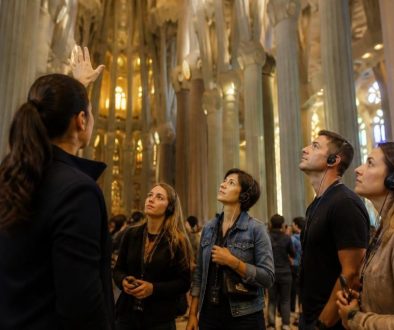
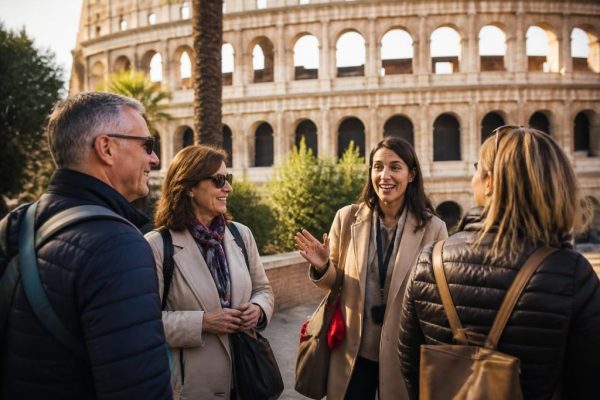
Traveling through Europe in a small group setting has transformed the way modern tourists experience the continent's rich history, diverse cultures, and hidden treasures. Unlike large coach tours that herd dozens of visitors through crowded landmarks, small group european tours offer an intimate, personalized approach that balances structured guidance with flexibility and authentic local connections. As travelers increasingly seek meaningful experiences over mere sightseeing, the appeal of exploring Europe with a carefully curated group of fellow adventurers has never been stronger.
The Rise of Intimate Group Travel in Europe
The European tourism landscape has shifted dramatically toward experience-led travel, with visitors prioritizing quality interactions over quantity of sites visited. According to Tourism Trends 2025 analysis, travelers now demand immersive small-group experiences that provide deeper cultural engagement and personalized attention from knowledgeable guides.
This evolution reflects a broader transformation in how people approach European exploration. Rather than racing through ten cities in fourteen days, today's sophisticated travelers prefer spending quality time in fewer locations, understanding local customs, tasting regional cuisine, and forming genuine connections with both guides and fellow group members.
Why Size Matters in European Tourism
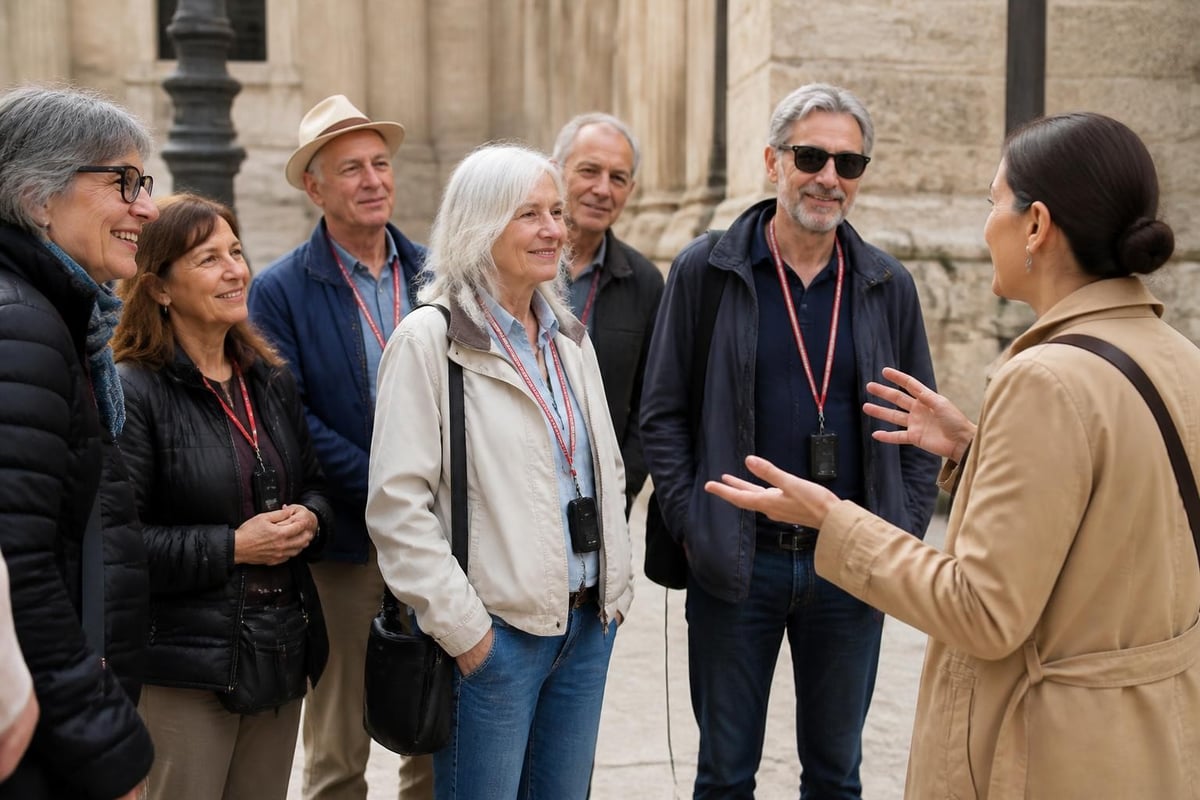
Small group european tours typically cap participation at 8-16 travelers, creating an environment where everyone's voice is heard and individual preferences can be accommodated. This intimate scale delivers several distinct advantages:
- Enhanced guide interaction: Direct access to expert local guides who can answer questions and adapt commentary to group interests
- Flexibility in real-time: Ability to extend time at compelling sites or skip less interesting stops based on group consensus
- Access to restricted venues: Entry to small museums, private collections, and local homes that cannot accommodate large groups
- Reduced environmental impact: Smaller carbon footprint and less disruption to local communities
- Authentic dining experiences: Reservations at neighborhood restaurants where locals actually eat
The European Travel Commission’s quarterly report confirms that demand for personalized, smaller-scale touring options continues to outpace traditional mass-market offerings across all major European destinations.
Designing the Perfect Small Group Experience
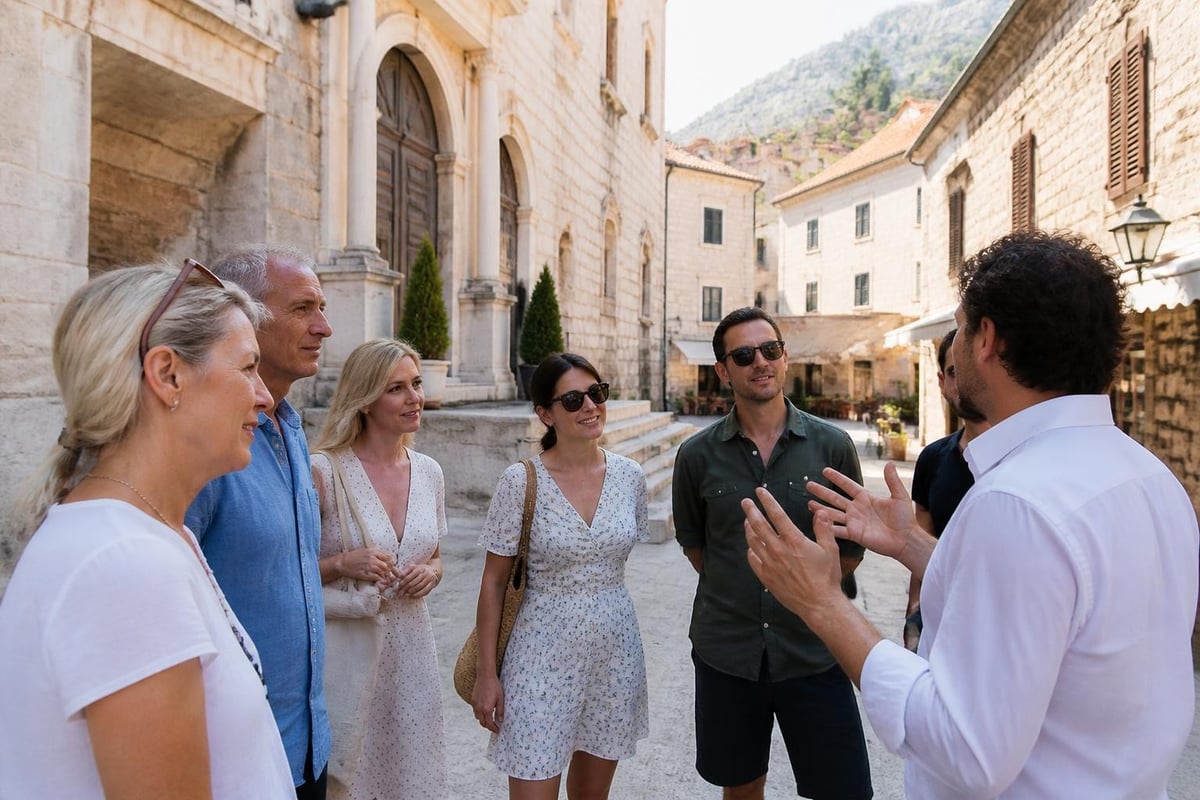
Creating memorable small group european tours requires careful attention to itinerary design, guide selection, and group composition. The most successful tours balance structured activities with spontaneous discoveries, allowing travelers to feel both supported and free.
Essential Elements of Quality Small Group Tours
Professional tour operators understand that excellence in small group travel extends far beyond simply limiting numbers. The UNWTO guidelines on tourism product development emphasize creating personalized experiences that respect local communities while delivering authentic cultural exchange.
| Element | Large Group Tours | Small Group Tours |
|---|---|---|
| Group Size | 30-50+ travelers | 6-16 travelers |
| Guide Ratio | 1:40 or higher | 1:12 or better |
| Itinerary Flexibility | Fixed schedule | Adaptable based on interests |
| Restaurant Access | Tourist-oriented venues | Local neighborhood establishments |
| Accommodation | Large chain hotels | Boutique hotels, local guesthouses |
| Transportation | Large coaches | Minivans, public transit, walking |
The intimate scale allows guides to tailor experiences on the fly. If a group shows particular interest in architecture, a knowledgeable guide can extend a walking tour through historic districts. When travelers express curiosity about local food markets, detours become opportunities rather than disruptions.
Selecting Destinations for Small Groups
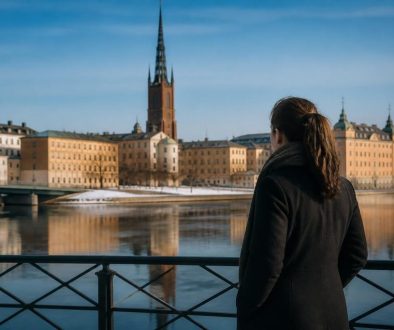
Not all European destinations suit small group touring equally well. Cities with pedestrian-friendly historic centers, robust public transportation, and diverse cultural offerings provide ideal settings. Stockholm exemplifies these qualities, with its compact Old Town, accessible museums, and blend of historical and contemporary attractions.
When planning Stockholm tours, operators can leverage the city's walkability and manageable scale to create intimate experiences. A small group can navigate narrow medieval alleys, pause for spontaneous conversations with local artisans, and enjoy unhurried meals at family-run restaurants without the logistical challenges that plague larger groups.
Thematic Tours That Deepen Engagement
Small group european tours achieve their greatest impact when organized around specific themes that attract like-minded travelers. Shared interests create natural bonds among participants and enable guides to provide specialized expertise that generic tours cannot match.
Literary and Cultural Trails
Literature-themed tours attract passionate readers eager to walk in the footsteps of beloved authors. Stockholm's connection to Stieg Larsson's Millennium trilogy provides compelling material for literary adventures following novelist Larsson through the city's Södermalm district and other key locations.
These specialized tours work best with small groups because:
- Detailed storytelling: Guides can share nuanced background without rushing
- Discussion opportunities: Fellow enthusiasts can exchange insights and observations
- Flexible pacing: Groups can linger at particularly meaningful sites
- Behind-the-scenes access: Small numbers enable visits to author archives or private collections
Music-focused tours follow similar principles. The ABBA journey through Stockholm to Viggsö combines sightseeing with shared dining experiences, creating the social bonds that make small group travel memorable.
Food and Wine Explorations
Culinary tours benefit enormously from small group formats. A party of eight can secure a chef's table at a renowned restaurant, visit a family winery for personal tastings, or participate in hands-on cooking classes with local instructors. These experiences simply cannot scale to groups of thirty or forty.
European food markets present another advantage of small groups. In Barcelona's La Boqueria or Stockholm's Östermalms Saluhall, a guide with eight travelers can introduce them to individual vendors, facilitate tastings, and explain regional specialties without creating bottlenecks or overwhelming small family businesses.
The Solo Traveler and Small Group Dynamics
Solo travelers represent a growing segment of European tourism, and small group tours provide an ideal solution for those who want companionship without sacrificing independence. Market analysis on solo tourism reveals that many individuals traveling alone actively seek small group experiences to meet like-minded people while maintaining flexibility.
Building Connections Without Constraints
Small group european tours create a social framework that appeals to solo adventurers:
- Natural conversation: Groups of 8-12 facilitate easy interaction without forced socializing
- Shared experiences: Common activities create conversation starters and lasting memories
- Safety in numbers: Group participation provides security while exploring unfamiliar areas
- Optional activities: Downtime allows solo travelers to pursue individual interests
- Diverse perspectives: Fellow travelers from different countries enrich cultural understanding
The best tour operators recognize that solo participants join groups for social connection, not constant companionship. Structuring itineraries with both group activities and free time respects individual preferences while fostering community.
Practical Considerations for Small Group Tours
Booking small group european tours requires attention to several practical factors that impact overall satisfaction. Understanding these elements helps travelers select experiences aligned with their preferences and expectations.
Timing and Seasonality
Europe's appeal varies dramatically by season, and small groups can take advantage of shoulder-season travel when major destinations offer better value and thinner crowds. Spring and autumn provide ideal conditions for walking tours without summer's heat or winter's cold.
| Season | Advantages | Challenges |
|---|---|---|
| Spring (March-May) | Mild weather, blooming gardens, moderate crowds | Occasional rain, some attractions still off-season |
| Summer (June-August) | Long daylight hours, festivals, warm weather | Peak prices, maximum crowds, intense heat |
| Autumn (September-November) | Beautiful foliage, harvest season, comfortable temperatures | Shorter days, variable weather |
| Winter (December-February) | Holiday markets, minimal crowds, winter sports | Cold weather, limited daylight, some closures |
Investment and Value Proposition
Small group european tours typically command premium pricing compared to mass-market alternatives, reflecting their enhanced quality and personalized nature. However, the comprehensive inclusions often provide better overall value. Most quality tours include expert guides, entrance fees, many meals, and small-venue access that independent travelers would struggle to arrange.
When evaluating costs, travelers should consider the total experience rather than simply comparing per-day rates. A slightly more expensive small group tour that includes insider experiences, quality accommodations, and knowledgeable guides often delivers greater satisfaction than budget alternatives.
Technology and Modern Small Group Travel
The integration of technology has enhanced small group european tours without diminishing their personal character. Smart operators leverage digital tools to improve logistics while preserving the human connections that make small group travel special.
Digital Enhancements
Modern tour operators use technology strategically:
- Communication platforms: WhatsApp or similar apps keep groups connected without constant phone calls
- Digital itineraries: Cloud-based schedules allow real-time updates when plans change
- Photo sharing: Group albums enable travelers to contribute and access shared memories
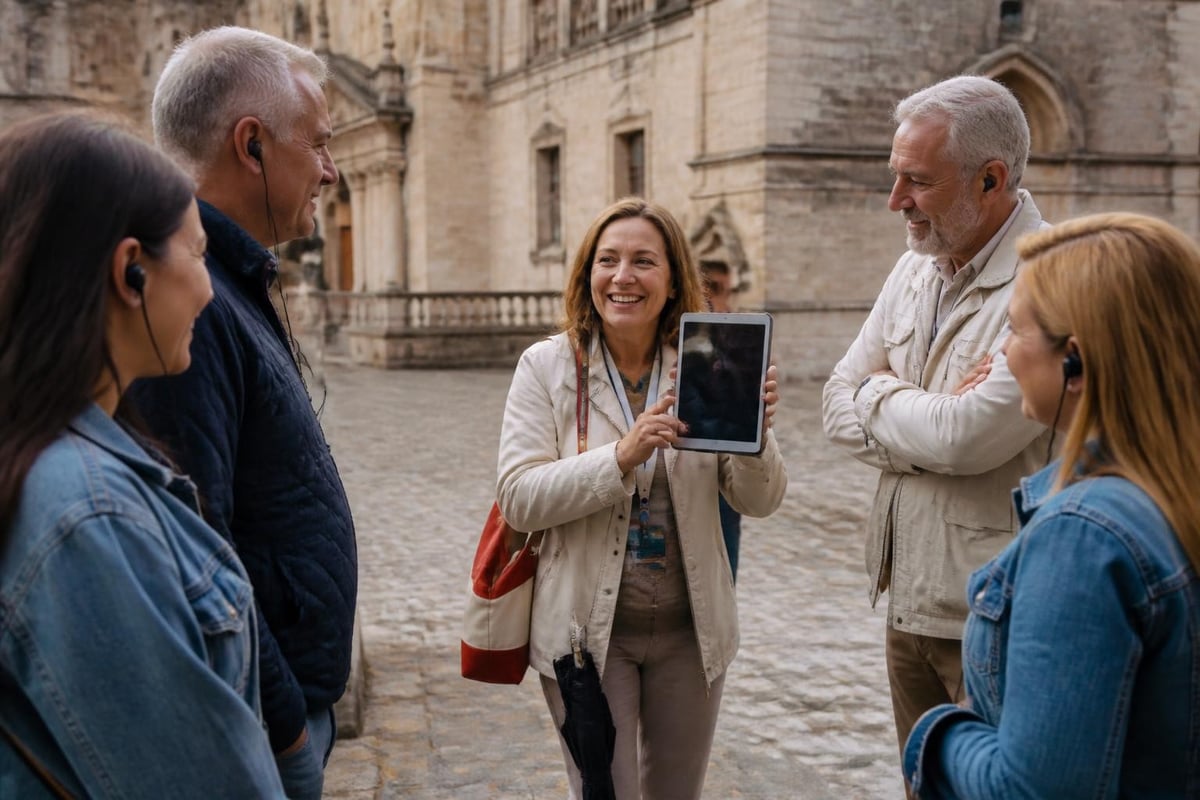
- Audio enhancement: Wireless headsets ensure everyone hears the guide in noisy environments
- Contactless payments: Streamlined transactions reduce time spent handling money
According to travel industry insights for 2025, European travelers increasingly expect seamless digital integration that enhances rather than replaces human interaction. The most successful small group tours use technology as a facilitator, not a substitute for personal connection.
Sustainability and Responsible Small Group Tourism
Small group european tours inherently align with sustainable tourism principles by reducing environmental impact and supporting local economies more effectively than mass tourism. As travelers become increasingly conscious of their footprint, this advantage gains importance.
Environmental Benefits
Smaller groups naturally consume fewer resources and create less disruption:
- Reduced transportation emissions: Minivans or public transit instead of large coaches
- Lower accommodation impact: Boutique properties rather than mega-hotels
- Minimal site congestion: Less strain on popular attractions and infrastructure
- Support for local businesses: Spending distributed across neighborhood restaurants and shops
- Cultural sensitivity: Easier to maintain respectful behavior in small numbers
The Tourism Alliance’s sustainability recommendations emphasize that smaller-scale touring operations can more readily implement sustainable practices and respond to local community needs.
Supporting Local Communities
Small group tours create economic benefits that remain within destination communities. When a group of ten dines at a family-owned restaurant or books rooms at an independent hotel, the economic multiplier effect strengthens local employment and entrepreneurship.
Customized tours particularly benefit from local expertise, employing native guides who share authentic perspectives rather than reciting scripted commentary. This approach creates quality employment for local residents while delivering superior experiences for travelers.
Building Your Ideal Small Group Itinerary
Travelers considering small group european tours should approach selection strategically, identifying operators and itineraries that match their interests, travel style, and expectations. Not all small group experiences deliver equal value, and research pays dividends.
Questions to Ask Potential Tour Operators
Before booking, discerning travelers should investigate several key factors:
- Maximum group size: Confirm the actual cap, not just "small group" marketing language
- Guide qualifications: Verify that guides are local experts with relevant credentials
- Included vs. optional: Understand exactly what's covered in the base price
- Flexibility: Determine how much itinerary adaptation occurs based on group interests
- Past traveler feedback: Review detailed testimonials from previous participants
When exploring professional tour guide services, travelers should prioritize operators who demonstrate deep local knowledge and commitment to personalized experiences rather than simply offering reduced group sizes.
Preparing for Group Travel Success
Successful small group participants approach tours with both openness and realistic expectations. The intimate nature of these experiences means individual personalities significantly impact group dynamics.
Travelers enhance their own experience and contribute positively to group chemistry by:
- Communicating preferences early: Sharing interests helps guides personalize content
- Maintaining flexibility: Understanding that weather and circumstances sometimes require changes
- Respecting fellow travelers: Recognizing that small groups require compromise and consideration
- Engaging actively: Asking questions and participating in discussions enriches everyone's experience
- Supporting local businesses: Embracing opportunities to interact with community members
Regional Variations in Small Group European Tours
While small group touring principles apply continent-wide, regional differences in culture, infrastructure, and tourist patterns create distinct experiences across Europe. Understanding these variations helps travelers select destinations aligned with their interests.
Nordic Excellence in Small Group Experiences
Scandinavian destinations like Stockholm excel at small group tourism due to compact city layouts, excellent English proficiency, and culture that values both community and individual space. City sightseeing in Stockholm naturally suits small groups, with pedestrian-friendly streets, manageable distances, and attractions that reward detailed exploration rather than rushed visits.
The Nordic emphasis on quality over quantity aligns perfectly with small group philosophy. Rather than attempting to see everything, travelers can experience Stockholm's unique blend of medieval history, contemporary design, natural beauty, and innovative culture through thoughtful itineraries.
Southern European Intensity
Mediterranean destinations offer small group tours rich with sensory experiences. Food-focused tours through Italian regions, wine explorations in Spanish territories, or cultural deep-dives into Greek islands all benefit from intimate group sizes that allow authentic engagement with local traditions.
The Focus Travel Trends 2025 report identifies continued strong demand for experience-based southern European touring, particularly among travelers seeking culinary expertise and cultural immersion.
Central European Historical Depth
Cities like Prague, Vienna, and Budapest offer layered histories that small group formats allow guides to unpack in detail. Walking through Prague's Jewish Quarter or Vienna's palace districts with a knowledgeable local expert and a handful of engaged listeners creates educational depth impossible in larger groups.
These destinations particularly reward thematic approaches. Architecture enthusiasts can examine Art Nouveau details, history buffs can explore Cold War remnants, and music lovers can follow composers' footsteps with the thorough attention small groups enable.
Future Trends Shaping Small Group European Tourism
The small group european tours sector continues evolving in response to changing traveler expectations, technological capabilities, and broader tourism trends. Understanding emerging patterns helps both operators and travelers anticipate future developments.
Hyper-Personalization Through Data
Advanced tour operators increasingly use traveler data and preferences to create even more tailored experiences. Pre-trip questionnaires, past travel history, and real-time feedback loops enable guides to adjust content and pacing to match specific group interests better than ever before.
This personalization extends beyond itinerary selection into communication styles, physical activity levels, and cultural depth. Some travelers want exhaustive historical context; others prefer curated highlights. Small groups allow operators to calibrate accordingly.
Blended Independence and Structure
The most forward-thinking small group tours blend organized activities with independent exploration time. Travelers receive expert guidance for complex sites and hidden gems while maintaining freedom to pursue individual interests during free periods.
According to global travel outlook data, this hybrid approach particularly appeals to experienced travelers who value expert local insight but resist fully structured schedules.
Extended Stays and Slow Travel
Rather than whirlwind multi-country itineraries, emerging small group tours emphasize deeper exploration of single destinations or regions. Week-long Stockholm experiences allow travelers to understand the city's rhythm, discover neighborhood secrets, and form meaningful connections impossible during rushed visits.
This slow travel philosophy aligns with sustainability goals by reducing transportation emissions and encouraging economic benefits to concentrate in fewer locations. It also produces more satisfied travelers who feel they've genuinely understood a place rather than merely photographed its landmarks.
Specialized Niche Markets
Small group european tours increasingly cater to specific interests and demographics. Photography-focused tours, wellness retreats, senior-oriented experiences, and multigenerational family programs all thrive in small group formats that can address specialized needs.
The tailored tours approach recognizes that different travelers seek fundamentally different experiences, and attempting to serve everyone dilutes quality. Niche specialization allows operators to deliver excellence within defined categories.
Small group european tours represent the future of quality European travel, combining expert guidance with personal attention and authentic cultural engagement that larger tours simply cannot match. As travelers continue prioritizing meaningful experiences over checkbox sightseeing, the intimate connections and flexibility that small groups provide become increasingly valuable. Whether you're interested in exploring Stockholm's literary heritage, discovering Nordic design, or experiencing the city through local eyes, Adding:tours creates personalized small-group experiences that transform sightseeing into genuine cultural immersion. Our native English-speaking guides and carefully curated itineraries ensure your time in Stockholm becomes a collection of meaningful memories rather than just another tourist destination.