St Peters Basilica Tour: Essential Guide for 2026
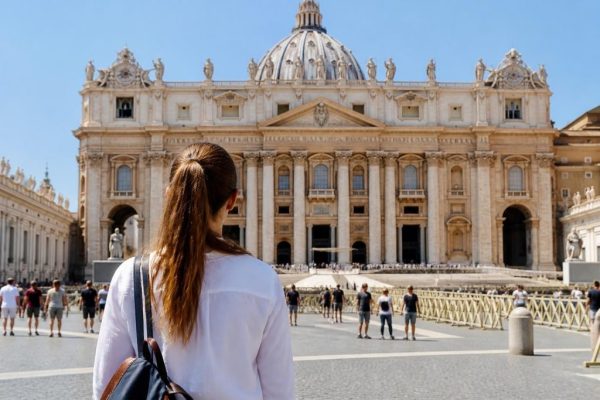
Planning a st peters basilica tour requires understanding far more than just opening hours and ticket prices. This architectural masterpiece in Vatican City represents centuries of artistic achievement, religious significance, and cultural heritage. Whether you're arranging a private group experience or coordinating a small gathering of colleagues and friends, knowing how to navigate the basilica's offerings, restrictions, and hidden opportunities transforms a standard visit into an unforgettable journey. The same principles that make personalized sightseeing exceptional in any historic destination apply here: insider knowledge, strategic timing, and thoughtful planning that matches your group's specific interests.
Understanding Access and Entry Options
The official St. Peter’s Basilica website provides current information on opening hours, which typically run from 7:00 AM to 7:00 PM during summer months and close earlier in winter. Entry to the basilica itself remains free, though several premium experiences require advance booking and fees.
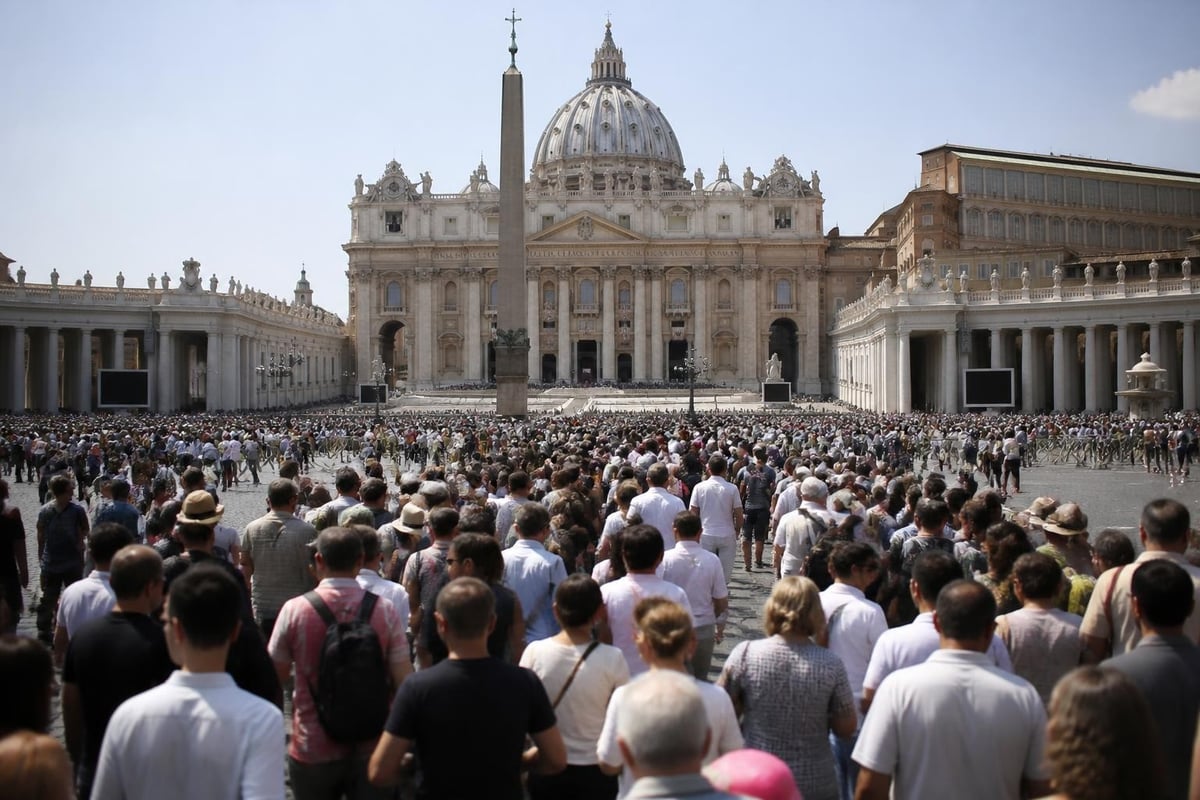
Security screening applies to all visitors, regardless of tour type. Lines can extend for hours during peak season, particularly between April and October. Strategic planning around these constraints makes the difference between spending three hours in queue or maximizing time inside.
Booking Options for Different Tour Types
Several distinct access categories exist for a st peters basilica tour:
- General admission: Free entry with security screening
- Dome climb: Separate ticket required, elevator option available to intermediate level
- Necropolis tours: Advanced reservation mandatory, limited daily capacity
- Treasury Museum: Separate admission fee
- Official guided visits: Arranged through Vatican channels or authorized operators
According to the official guided tours page, groups seeking formal guided access must submit requests following specific protocols. Individual travelers can join scheduled group tours or arrange private experiences through qualified guides.
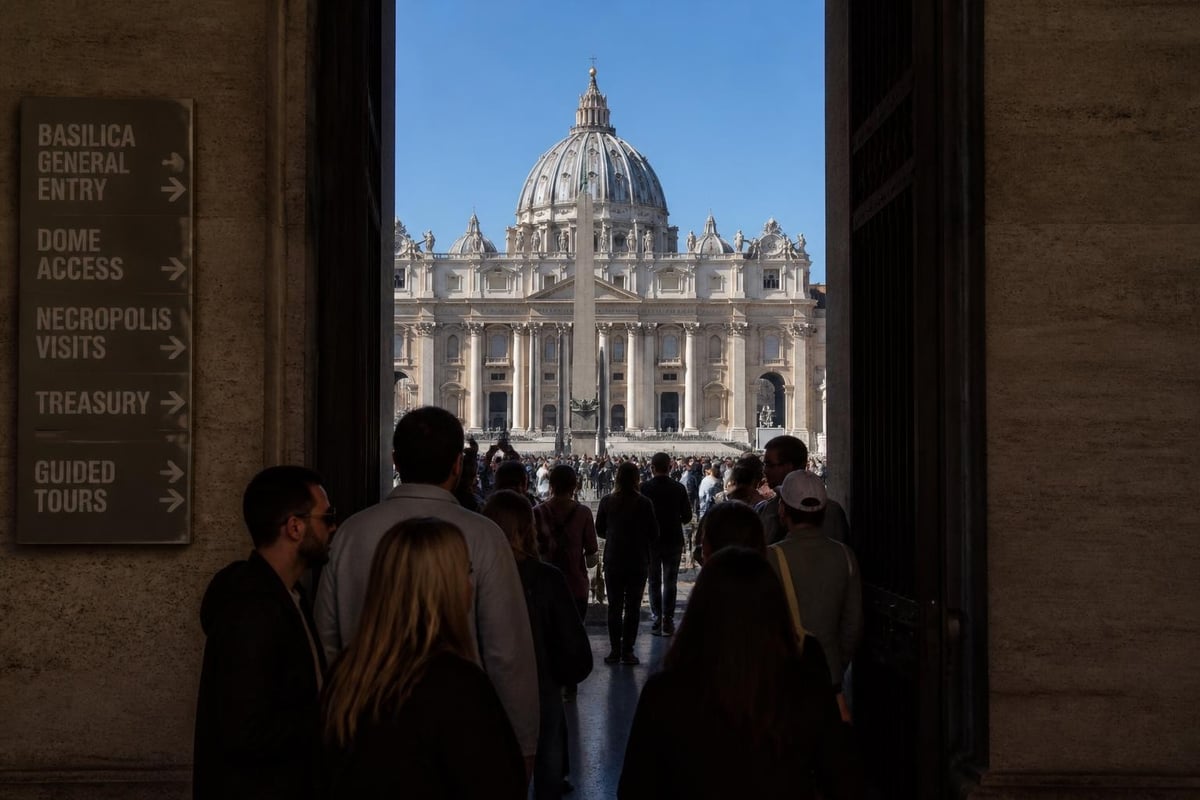
The distinction matters significantly. While you can enter the basilica without advance tickets, the most meaningful experiences require planning weeks ahead, particularly for necropolis access or specialized group arrangements.
Architectural Highlights Worth Your Time
A st peters basilica tour offers overwhelming artistic and architectural content. Prioritizing based on your group's interests prevents exhaustion and maximizes engagement.
Essential Interior Features
| Feature | Location | Significance | Time Needed |
|---|---|---|---|
| Michelangelo's Pietà | Right nave entrance | Renaissance masterpiece (1498-1499) | 10-15 minutes |
| Baldachin | Central crossing | Bernini's bronze canopy over papal altar | 15 minutes |
| St. Peter's Statue | Right pillar of dome | 13th century bronze, worn foot from pilgrims | 5 minutes |
| Papal Tombs | Grottoes level | Final resting places of numerous popes | 30 minutes |
The scale alone overwhelms first-time visitors. The basilica stretches 218 meters in length with the dome reaching 136 meters at its apex. Understanding these proportions helps groups appreciate why certain features appear deceptively small from floor level.
Recent digital documentation efforts, including the Vatican’s AI and digital twin project, captured over 400,000 high-resolution images. This technology enables unprecedented virtual exploration and helps conservators monitor structural integrity, though nothing replaces standing beneath Michelangelo's dome.
The Dome Experience
Climbing the dome represents a highlight for many visitors on a st peters basilica tour. The ascent involves 551 steps total, though an elevator reduces the climb to 320 steps by accessing the intermediate terrace level.
Physical considerations matter. The final section narrows significantly, with passages tilting inward following the dome's curve. Groups should discuss fitness levels honestly before committing.
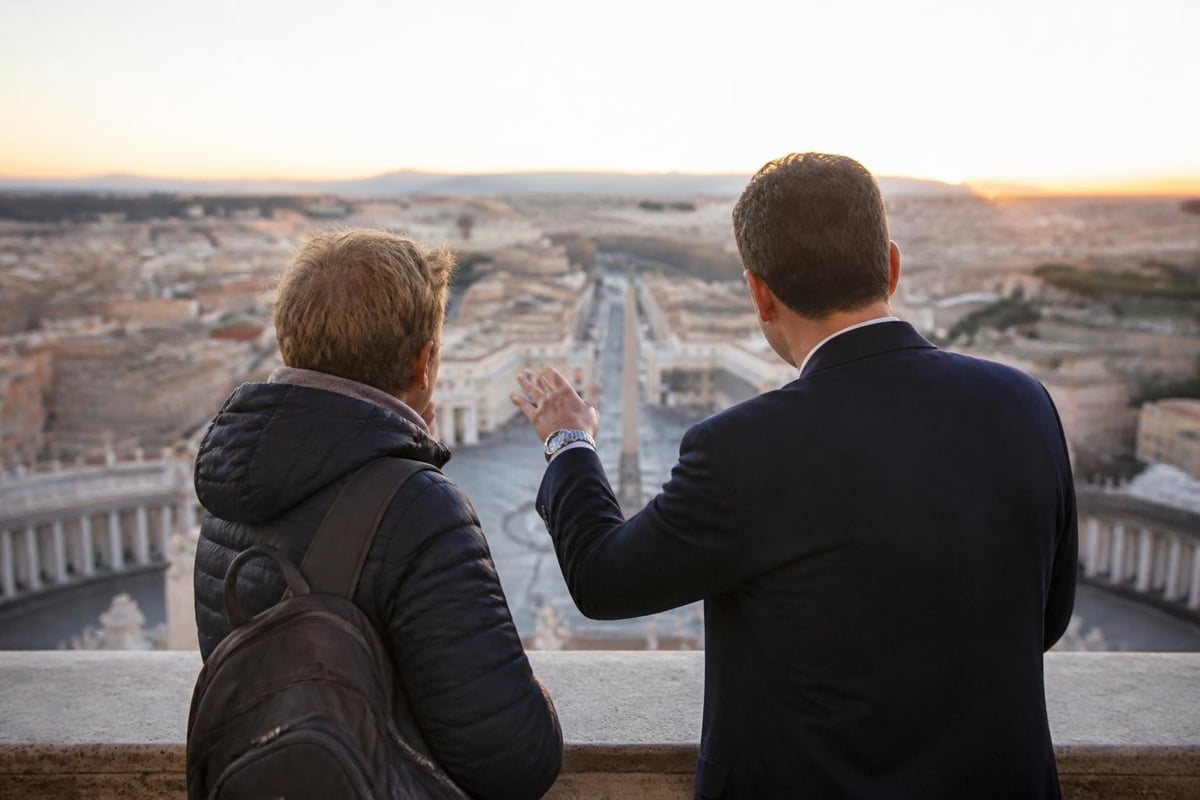
The reward includes panoramic views across Rome and an intimate perspective on the dome's interior mosaics. Early morning or late afternoon visits provide better lighting for photography and fewer crowds on the narrow passages.
Archaeological Treasures Below Ground
The necropolis beneath St. Peter's Basilica contains some of Christianity's most significant archaeological sites. National Geographic’s investigation into the tomb of Saint Peter details the excavations that revealed burial sites dating to the first century.
A st peters basilica tour including necropolis access requires booking months ahead. The Vatican limits groups to twelve people with tours running approximately 90 minutes. Photography is strictly prohibited in the necropolis.
These underground chambers offer evidence of continuous worship at this site since ancient Rome. The excavations revealed:
- Ancient Roman cemetery: Pre-Christian burials along what was once the Via Cornelia
- Early Christian tombs: Decorated with symbols and inscriptions from the 2nd-4th centuries
- Trophy of Gaius: A monument from approximately 160 AD marking Peter's burial site
- Medieval foundations: Supporting structures from earlier basilica versions
The Vatican maintains strict environmental controls in the necropolis to preserve fragile mosaics and frescoes. Humidity, temperature, and visitor numbers receive constant monitoring. Groups interested in early Christian history find this experience unmatched anywhere else.
Strategic Timing for Group Visits
When planning a st peters basilica tour, timing affects everything from crowd density to photographic opportunities. The basilica closes during papal events and Wednesday general audiences, typically affecting Wednesday mornings.
Optimal Visit Windows
Best months: November through February offer smaller crowds, though shorter winter hours apply. March and October provide moderate weather with manageable visitor numbers.
Best days: Tuesdays and Thursdays see fewer organized tour groups. Avoid Sundays when the basilica hosts multiple masses drawing additional visitors beyond regular tourists.
Best hours: Arriving at opening (7:00 AM) provides the most serene experience. The hour before closing also offers reduced crowds, though security begins moving people toward exits.
Just as a Stockholm walking tour benefits from native expertise on timing and flow, a st peters basilica tour rewards those who understand visitor patterns. The difference between 9:00 AM and 11:00 AM can mean twenty minutes in line versus two hours.
Dress Code and Conduct Requirements
The Vatican enforces strict dress codes that apply equally to all visitors. Security personnel turn away inappropriately dressed guests regardless of tour booking or time spent waiting.
Required standards:
- Shoulders must be covered (no tank tops, sleeveless shirts)
- Knees must be covered (no shorts, short skirts)
- No hats worn inside the basilica
- Modest overall appearance expected
Groups should communicate these requirements clearly before arrival. One underdressed member can derail the entire group's plans. The same consideration for appropriate conduct that applies to any cultural tour experience matters even more in active religious sites.
Silence is expected in worship areas. Photography is permitted but flash and tripods are prohibited. During masses, tourists should remain in designated areas and avoid disturbing worshippers.
Connecting with Vatican Museums
Many visitors combine a st peters basilica tour with Vatican Museums access, including the Sistine Chapel. Understanding the connection between these sites prevents confusion.
The Vatican Museums require separate tickets and entrance through different security points. No direct internal passage exists from the Museums to the Basilica, despite their proximity.
Coordinating Combined Visits
| Route | Advantages | Disadvantages | Best For |
|---|---|---|---|
| Museums first, then Basilica | Museums ticket includes specific time slot | Requires exiting and re-entering security | Full-day visitors |
| Basilica first, then Museums | No time pressure at Basilica | Museums tickets sell out quickly | Early planners |
| Separate days | Reduced exhaustion, better focus | Requires two Vatican trips | Extended Rome stays |
Groups tackling both in one day should start with Museums at opening, spend 3-4 hours there, then proceed to the Basilica for the afternoon. This sequence aligns with typical energy levels and light patterns for photography.
Professional guides familiar with both sites optimize transitions and manage group fatigue. The same personalized approach that defines quality guided tours in any destination proves essential when coordinating complex Vatican visits.
Special Access and Private Experiences
Beyond standard admission, several exclusive opportunities exist for a st peters basilica tour that many visitors never discover.
After-hours access: Some authorized tour operators arrange entry before official opening or after closing. These experiences come at premium prices but offer unmatched serenity.
Restoration workshops: The Fabbrica di San Pietro, the permanent workshop maintaining the basilica, occasionally permits small group visits by special arrangement.
Papal audiences: Wednesday general audiences occur in St. Peter's Square (or Paul VI Audience Hall in inclement weather). While not a basilica tour per se, these free events provide unique Vatican experiences.
The Vatican’s sales and booking terms outline official policies for special access requests. Requirements include advance notice, group size specifications, and sometimes documentation of scholarly or professional interest.
Artistic Mastery Across Centuries
Understanding the artistic timeline enhances any st peters basilica tour. Construction spanned over a century, involving history's greatest artists.
Key contributors and their work:
- Donato Bramante (1506-1514): Initial architect, designed Greek cross plan
- Michelangelo Buonarroti (1547-1564): Redesigned dome, created architectural icon
- Gian Lorenzo Bernini (1629-1667): Baldachin, Cathedra Petri, colonnade design
- Carlo Maderno (1603-1629): Extended nave, created Latin cross layout
Recent digital capture technology, detailed in National Geographic’s feature on immersive technology, revealed previously undocumented details in ceiling mosaics and stonework. These discoveries inform ongoing conservation while providing new appreciation for the craftsmen's skill.
The basilica contains over 100 tombs, 45 altars, and 395 statues. Without focused guidance, visitors see overwhelming detail but miss meaningful context. Quality interpretation distinguishes memorable experiences from mere sightseeing.
Practical Considerations for Group Leaders
Coordinating a st peters basilica tour for private groups or small gatherings requires attention to logistics that individual travelers can ignore.
Group-Specific Planning Elements
Communication tools: The basilica's vast interior makes staying together challenging. Consider mobile communication plans or establish clear meeting points.
Physical accommodations: Assess group members' mobility honestly. Elevator access exists but doesn't reach all areas. The dome climb particularly challenges those with knee issues or claustrophobia.
Interest alignment: A family group touring together has different priorities than colleagues on a professional development trip. Match the tour focus accordingly.
Language needs: While many guides offer tours in multiple languages, ensure confirmed availability for your group's preferred language.
The principles that make customized tours successful anywhere apply equally at St. Peter's. Understanding your group's composition, interests, and limitations enables better decision-making throughout the planning process.
Photography and Documentation
Photography policies at St. Peter's Basilica permit personal photography without flash. Professional equipment like tripods requires special permission.
Best photographic opportunities:
- The Pietà: Early morning or late afternoon provides optimal natural light through the entrance
- Dome interior: The golden light streams through upper windows in late afternoon
- Bernini's Baldachin: Morning light from the dome highlights the bronze work's detail
- Panoramic views: The dome's exterior terrace offers 360-degree Rome vistas
Video recording follows the same guidelines as photography. Respectful documentation that doesn't disturb other visitors or worshippers is acceptable.
Groups planning significant documentation should discuss expectations with their guide beforehand. Some locations permit photography only during specific times or require positioning that doesn't obstruct visitor flow.
Conservation and Ongoing Maintenance
The Fabbrica di San Pietro employs approximately 100 permanent staff maintaining the basilica's structural and artistic integrity. Their work continues traditions established when construction began in 1506.
Recent conservation projects include cleaning the interior colonnade, stabilizing foundation elements, and restoring mosaic panels. The Vatican’s press kit details ongoing initiatives and completed restoration milestones.
A st peters basilica tour occasionally encounters scaffolding or covered sections during active restoration. These temporary inconveniences ensure future generations inherit the basilica in excellent condition. Guides knowledgeable about conservation work can explain current projects, adding another layer of appreciation.
Accessible Tourism Considerations
The Vatican has improved accessibility significantly in recent years, though the historic structure presents inherent challenges.
Available accommodations:
- Wheelchair access to main basilica floor via ramps
- Elevator access to roof terrace (not to dome summit)
- Accessible restrooms in the square
- Reserved entrance lanes for visitors with disabilities
The grottoes level and necropolis remain inaccessible to wheelchair users due to stair-only access. Groups including members with mobility limitations should plan accordingly and confirm specific access needs when booking.
The same commitment to inclusive experiences that characterizes thoughtful sightseeing experiences applies universally. Advance communication with tour providers ensures appropriate accommodations.
Beyond the Standard Route
Most visitors on a st peters basilica tour follow predictable paths: entrance, Pietà, main nave, dome, exit. Knowledgeable guides reveal lesser-known elements.
Often-missed highlights:
- Monument to the Royal Stuarts: Beautifully carved memorial to the last Stuart claimants to British throne
- Blessed Sacrament Chapel: Quiet worship space with Bernini's tabernacle
- Monument to Pope Alexander VII: Bernini's later work featuring skeletal Death holding an hourglass
- Treasury Museum: Contains historic vestments, papal tiaras, and liturgical objects
These secondary treasures receive fraction of the attention given to major works, yet represent exceptional artistry. Small group tours excel at incorporating these discoveries without rushing through the essential highlights.
The approach mirrors what makes any expert-led experience valuable. Whether exploring Stockholm's narrow alleys or Rome's grandest basilica, insider knowledge transforms ordinary visits into extraordinary memories. Just as English-speaking guides provide local perspective in unfamiliar cities, qualified Vatican guides unlock layers of meaning invisible to casual observers.
A st peters basilica tour rewards careful planning with experiences that resonate long after your visit ends. The combination of architectural grandeur, artistic mastery, and historical significance creates opportunities for profound connection when approached thoughtfully. While Adding:tours specializes in creating personalized Stockholm experiences, the principles of exceptional guided tours remain constant across destinations: understanding your group's interests, providing insider expertise, and crafting experiences that transform sightseeing into genuine discovery. When you're ready to explore Stockholm with the same attention to detail and local insight, Adding:tours designs each journey around what matters most to your group.