Yellow Stone Tour: Expert Planning Guide for 2026
A yellow stone tour represents one of America's most iconic travel experiences, combining spectacular geothermal wonders, diverse wildlife, and breathtaking landscapes across 2.2 million acres. Whether you're planning a family adventure, a group excursion with friends, or a customized experience for colleagues, understanding how to design and execute a successful Yellowstone visit requires careful planning and local expertise. The difference between a mediocre park visit and an extraordinary yellow stone tour often comes down to strategic routing, seasonal timing, and knowing which hidden gems to prioritize alongside the famous attractions.
Understanding Yellowstone's Geographic Layout and Access Points
Yellowstone National Park spans three states-Wyoming, Montana, and Idaho-with five distinct entrance gates that serve different touring strategies. The North Entrance near Gardiner, Montana remains the only year-round access point, making it essential for winter yellow stone tour planning.
The park's Grand Loop Road forms a figure-eight pattern connecting major attractions, but understanding the relationships between these areas determines your efficiency. Lower Loop features Old Faithful, Grand Prismatic Spring, and Yellowstone Lake, while Upper Loop encompasses Mammoth Hot Springs, Tower Fall, and the Grand Canyon of the Yellowstone.
Seasonal Access Considerations
Timing your yellow stone tour around seasonal road openings fundamentally shapes your itinerary possibilities. Most park roads close from early November through mid-April, with staggered spring openings that extend from mid-April through late May.
| Entrance | Typical Opening | Best For |
|---|---|---|
| North (Gardiner) | Year-round | Winter access, Mammoth Hot Springs |
| Northeast (Cooke City) | Late May | Lamar Valley wildlife, Beartooth Highway |
| East (Cody) | Early May | Yellowstone Lake, Fishing Bridge |
| South (Jackson) | Mid-May | Grand Teton combination tours |
| West (West Yellowstone) | Mid-April | Old Faithful, Madison River |
Weather conditions in Wyoming can change rapidly, particularly during shoulder seasons. Before embarking on your yellow stone tour, checking current road conditions prevents unexpected delays and allows routing adjustments.
Designing Your Yellow Stone Tour Itinerary
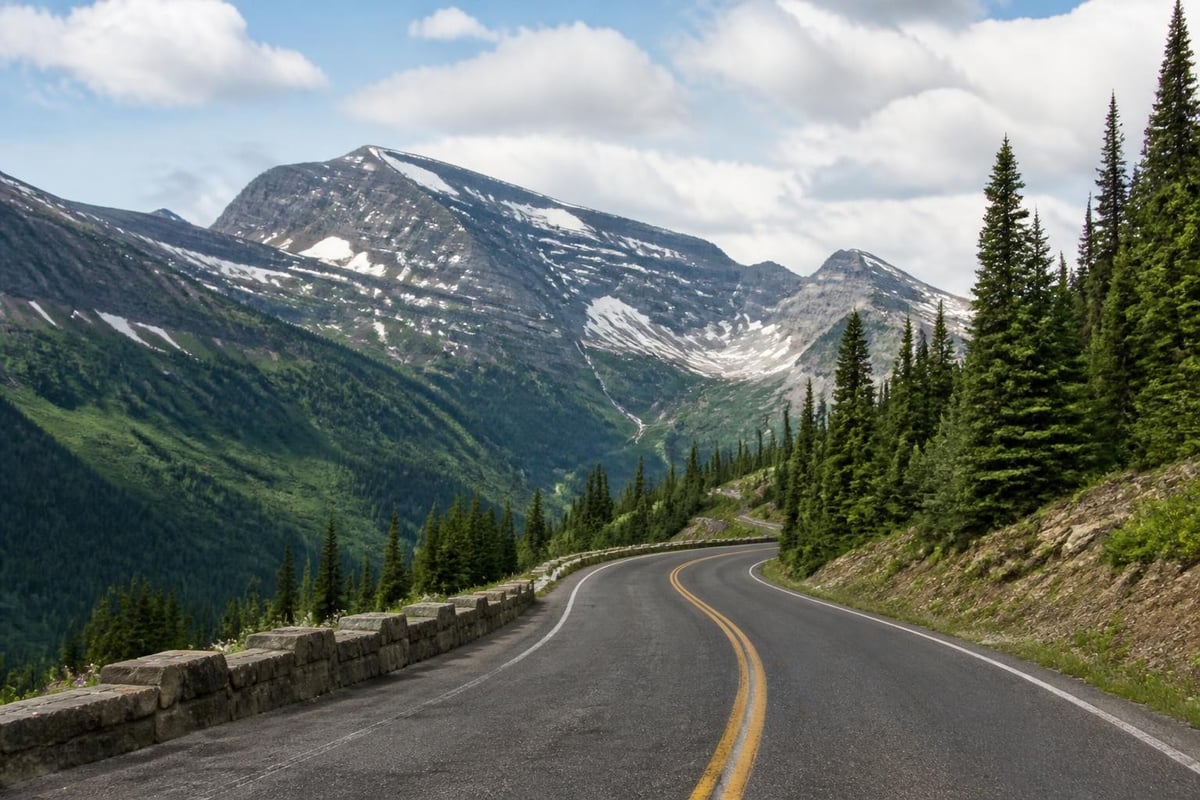
The most effective yellow stone tour balances iconic landmarks with lesser-known features while accounting for travel distances between zones. Most visitors underestimate the park's scale-the Grand Loop Road alone spans 142 miles, and wildlife watching or geyser eruptions can add hours to any schedule.
The Classic Three-Day Framework
A comprehensive yellow stone tour typically requires minimum three full days to experience major highlights without feeling rushed. Day one focuses on Lower Loop features including Old Faithful, Grand Prismatic Spring, and the Lower Geyser Basin. Starting early allows you to witness Old Faithful's eruption during quieter morning hours, then moving through the thermal features before midday crowds arrive.
Day two concentrates on the Upper Loop, beginning with sunrise at Hayden Valley for wildlife viewing, proceeding to the Grand Canyon of the Yellowstone for both North and South Rim perspectives, then concluding at Mammoth Hot Springs' dramatic travertine terraces. The evening hours at Lamar Valley often produce exceptional wolf and bear sightings.
Day three priorities include:
- Yellowstone Lake shoreline exploration
- West Thumb Geyser Basin
- Artist Point for canyon photography
- Norris Geyser Basin's dynamic features
- Tower Fall and Roosevelt area
Just as personalized Stockholm tours adapt to visitor interests, your yellow stone tour should flex around your group's priorities whether that's photography, wildlife biology, geology, or simply experiencing natural wonders together.
Wildlife Viewing Strategies and Safety Protocols
Yellowstone's wildlife represents a major draw for any yellow stone tour, but responsible viewing requires understanding animal behavior and maintaining proper safety distances. The park harbors grizzly bears, black bears, wolves, bison, elk, and numerous other species in their natural habitat.
Critical safety distances:
- 25 yards minimum from bison, elk, deer, and most wildlife
- 100 yards minimum from bears and wolves
- Never approach, feed, or attempt to attract wildlife
Prime Wildlife Locations by Season
Lamar Valley earns its reputation as "America's Serengeti" for year-round wildlife abundance. Early morning and dusk hours in this northeastern section consistently produce wolf pack sightings, particularly during winter months when the Druid Peak and Junction Butte packs hunt elk.
Hayden Valley serves as prime grizzly bear habitat during spring and early summer when bears emerge from hibernation seeking winter-killed bison and elk. The valley's open terrain allows safe observation distances while providing photographers with spectacular backdrops.
| Location | Primary Species | Best Season | Optimal Time |
|---|---|---|---|
| Lamar Valley | Wolves, bison, bears | Winter, spring | Dawn, dusk |
| Hayden Valley | Grizzlies, bison | Spring, early summer | Morning |
| Madison River | Elk, eagles | Fall | Evening (rutting season) |
| Yellowstone Lake | Otters, pelicans | Summer | Midday |
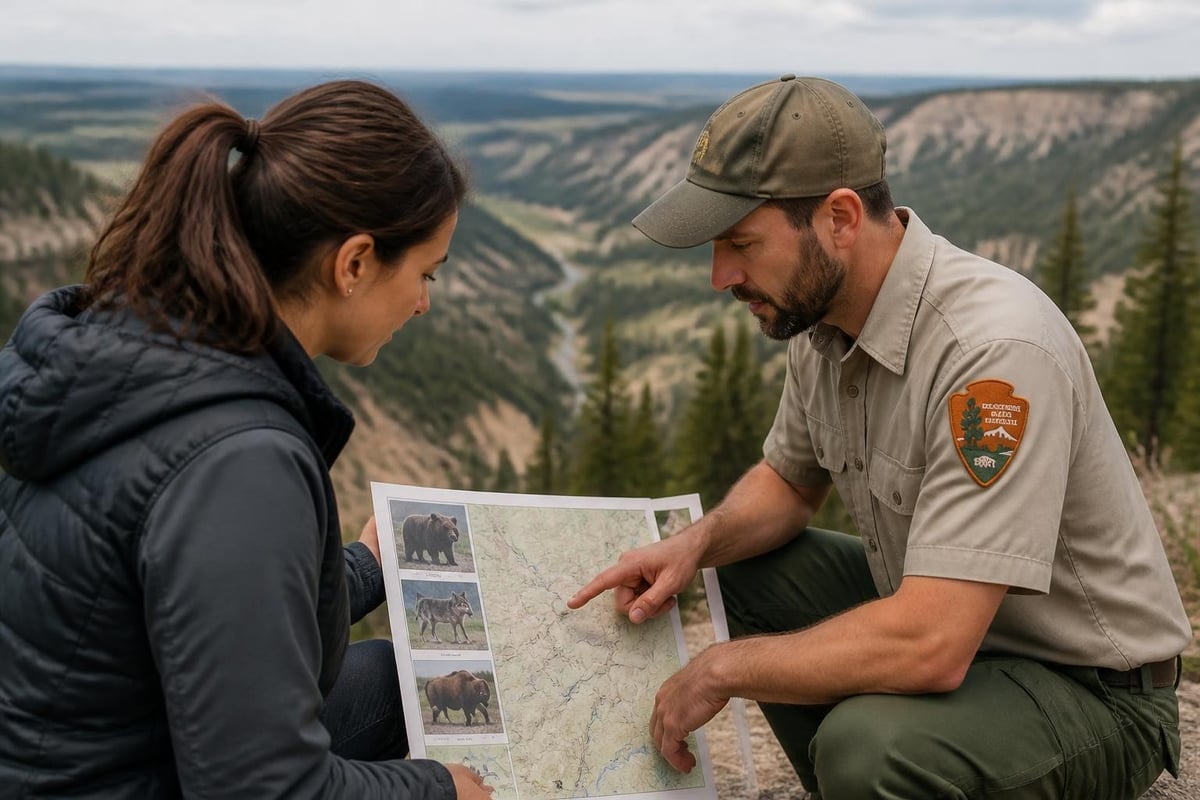
Incorporating wildlife education into your yellow stone tour creates deeper appreciation beyond simple sightings. Yellowstone Forever programs offer ranger-led interpretive walks and wildlife seminars that transform casual observers into informed naturalists.
Geothermal Features: Beyond Old Faithful
While Old Faithful anchors most yellow stone tour itineraries, the park contains over 10,000 geothermal features-more than all other geothermal areas on Earth combined. Diversifying your thermal feature visits provides richer geological understanding and often better photography opportunities with smaller crowds.
Must-See Thermal Areas
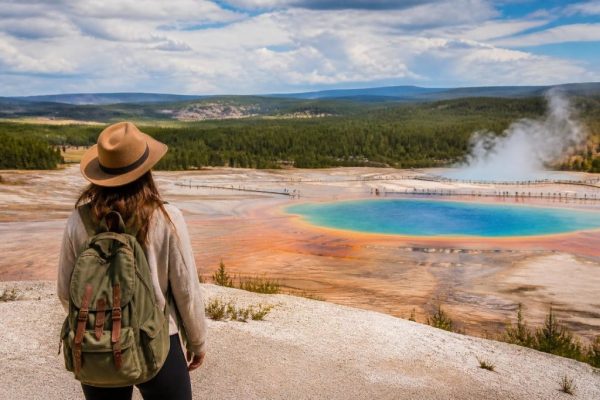
Grand Prismatic Spring in Midway Geyser Basin ranks as the park's most photographed feature for valid reasons. The vivid orange, yellow, and green thermophile bacteria create rainbow rings around the cobalt blue center. Visiting during cooler morning temperatures reduces steam interference for photography, while the elevated viewpoint from Fairy Falls trail provides the classic aerial perspective.
Norris Geyser Basin represents the park's hottest and most dynamic thermal area, with features constantly changing. Steamboat Geyser, the world's tallest active geyser, erupts unpredictably with intervals ranging from days to decades. Even between major eruptions, the basin's acidic features and vibrant bacterial mats deserve extended exploration.
Mammoth Hot Springs distinguishes itself through cascading travertine terraces unlike any other Yellowstone thermal feature. The formations change constantly as limestone deposits build new terraces while abandoning others. Both Upper and Lower Terraces merit thorough walks, with Palette Spring and Minerva Terrace showcasing particularly dramatic colors.
Just as expert Stockholm guides reveal hidden architectural details in Gamla Stan's narrow alleys, knowledgeable yellow stone tour guides illuminate the geological processes creating these spectacular features, transforming passive observation into active learning.
Logistics: Accommodations and Reservations
Securing appropriate lodging determines your yellow stone tour's overall success and daily flexibility. In-park accommodations book solid 12-18 months in advance for peak summer season, while nearby gateway communities offer additional options with varying proximity trade-offs.
In-Park Lodging Options
Nine distinct lodging facilities operate within Yellowstone, ranging from rustic cabins to historic lodges with premium amenities. Old Faithful Inn, constructed in 1904, combines National Historic Landmark status with unbeatable proximity to the geyser basin. Canyon Lodge provides modern comfort near the Grand Canyon of the Yellowstone, while Lake Yellowstone Hotel offers elegant lakeside relaxation.
Camping alternatives through Recreation.gov include twelve developed campgrounds with varying reservation systems. Madison, Bridge Bay, Canyon, Grant Village, and Fishing Bridge accept reservations, while seven other campgrounds operate first-come, first-served-requiring early morning arrival during summer months.
Gateway communities expand lodging capacity significantly:
- West Yellowstone, Montana: Closest to Old Faithful, extensive dining options
- Gardiner, Montana: Year-round access, natural hot springs nearby
- Cody, Wyoming: Western heritage attractions, Buffalo Bill Center
- Jackson, Wyoming: Grand Teton combination, upscale amenities
Positioning your base strategically minimizes redundant driving during your yellow stone tour. West Yellowstone or Old Faithful area work well for Lower Loop focus, while Gardiner or Mammoth suit Upper Loop priorities.
Customizing Tours for Different Group Interests
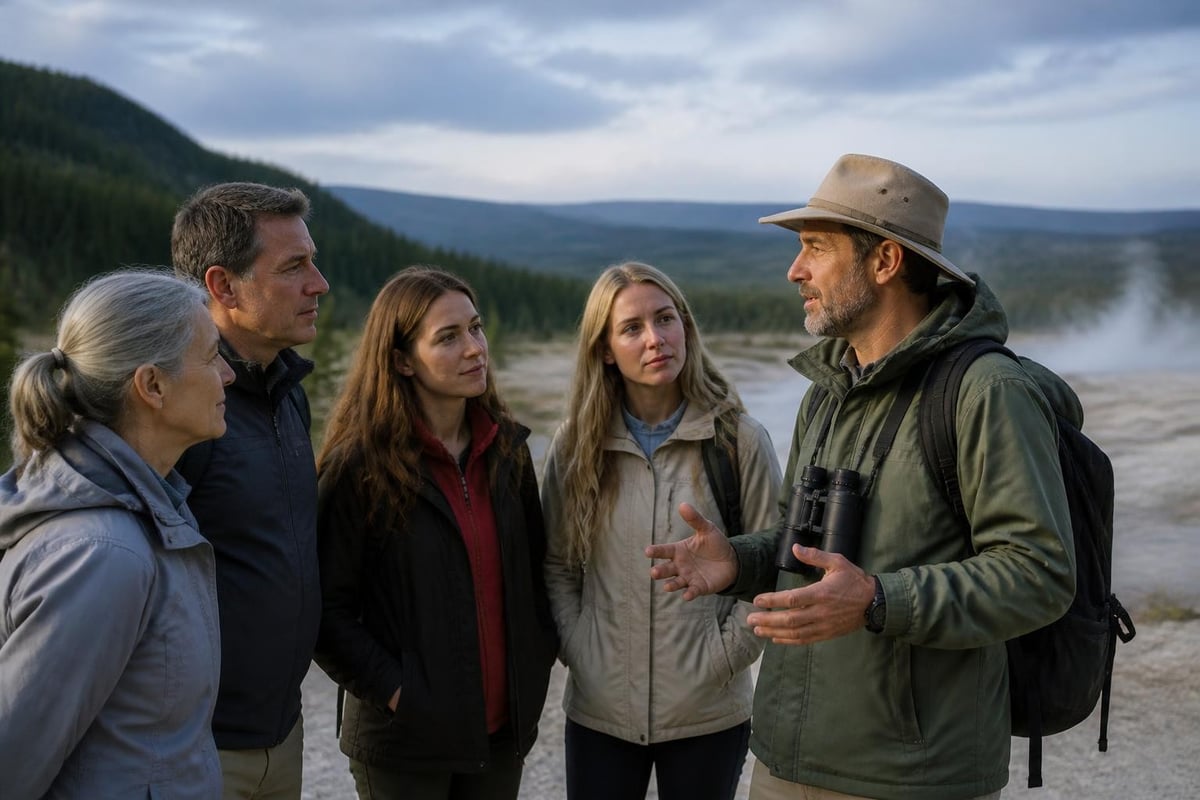
The most memorable yellow stone tour experiences emerge when itineraries match group composition and interests rather than following generic routing. Families with young children prioritize shorter walks and engaging features, photography enthusiasts require specific lighting windows, while geology buffs want extended time at thermal features with detailed interpretation.
Photography-Focused Tours
Serious photographers structure their yellow stone tour around optimal lighting conditions, often accepting pre-dawn starts for golden hour shots at Grand Prismatic Spring or the Grand Canyon. Midday hours shift toward wildlife tracking when harsh light renders landscapes challenging, then return to scenic locations for sunset compositions.
Essential photography stops include:
- Artist Point at dawn for canyon illumination
- Grand Prismatic overlook during cool mornings
- Lamar Valley for wildlife during golden hours
- Yellowstone Lake reflections at sunset
- Mammoth terraces under varied lighting
Family-Oriented Adaptations
Families benefit from incorporating Junior Ranger programs throughout their yellow stone tour, providing educational structure while keeping children engaged. The program requires completing activity booklet exercises at various sites, attending ranger talks, and taking the Junior Ranger pledge-earning an official badge and certificate.
Shorter boardwalk loops at thermal features prevent fatigue while maintaining interest. Upper Geyser Basin's interconnected walkways allow flexible distances, while Norris's Back Basin loop provides compact diversity. Building swimming breaks at Firehole River or picnic stops near wildlife viewing areas maintains energy and enthusiasm across multi-day tours.
Similar to how customized group tours in Stockholm adapt pacing and content for different audiences, thoughtful yellow stone tour design acknowledges varying physical abilities, attention spans, and interest depth within your party.
Practical Considerations and Essential Gear
Successful yellow stone tour execution depends on proper preparation beyond route planning. Yellowstone's high elevation (average 8,000 feet) and volatile weather patterns require versatile gear regardless of season.
Essential Packing List
Clothing layers prove critical as temperatures fluctuate dramatically throughout single days. Morning temperatures in summer hover around 40°F while afternoons reach 75°F. Thermal underwear, fleece mid-layers, and waterproof outer shells accommodate these swings effectively.
Footwear demands differ from typical vacation shoes-boardwalks around thermal features require closed-toe shoes per park regulations, while extended wildlife viewing benefits from waterproof hiking boots. The park's volcanic soil creates surprisingly dusty conditions during dry periods, making shoe care materials worthwhile.
| Category | Essential Items | Optional Additions |
|---|---|---|
| Optics | Binoculars (10×42 minimum) | Spotting scope, camera telephoto |
| Safety | Bear spray, first aid kit | Emergency beacon, satellite phone |
| Navigation | Park map, GPS device | Topographic maps, compass |
| Comfort | Sunscreen, insect repellent | Camp chairs, portable shade |
Bear spray represents non-negotiable safety equipment for any yellow stone tour involving hiking beyond immediate roadside areas. Properly deploying spray during bear encounters proves significantly more effective than firearms, and park regulations restrict weapons in many circumstances.
Transportation Options and Vehicle Requirements
Your yellow stone tour transportation choice influences both costs and flexibility. Personal vehicles provide maximum autonomy for wildlife stops and schedule adjustments, while guided tour buses eliminate driving stress but reduce spontaneity.
Vehicle Considerations
Standard passenger vehicles handle park roads adequately during summer months, though higher clearance helps during spring when shoulders remain unpaved or muddy. RVs and trailers face restrictions on certain routes-the road between Tower and Canyon prohibits vehicles over 30 feet, while numerous parking areas cannot accommodate large rigs.
Fuel availability exists only at specific locations within the park, with prices premium compared to gateway communities. Canyon, Fishing Bridge, Grant Village, and Old Faithful offer fuel services, but strategic filling before entering saves both money and range anxiety.
Winter oversnow travel transforms the yellow stone tour experience entirely. Snowcoaches and snowmobiles represent the only non-skiing options for accessing the interior during winter months, creating intimate encounters with thermal features wreathed in steam against snow backdrops. Wildlife viewing intensifies as animals concentrate in thermally active areas and valley bottoms.
Dining and Provisions Strategy
Food planning for your yellow stone tour balances convenience, budget, and experience preferences. In-park dining facilities serve each major developed area, ranging from casual cafeterias to full-service restaurants, though prices reflect captive-market positioning and remote logistics.
Grant Village, Lake Hotel, Old Faithful Inn, Canyon Lodge, and Mammoth Hotel operate sit-down restaurants requiring reservations during peak season. General stores at major locations provide groceries, snacks, and basic supplies, though selection and prices favor bringing provisions from gateway communities when possible.
Picnicking advantages include:
- Flexibility to stop at prime wildlife viewing during optimal hours
- Budget savings over restaurant meals
- Ability to accommodate dietary restrictions easily
- More time experiencing park features versus waiting for service
Designated picnic areas throughout the park provide tables and often restrooms, with particularly scenic options at Fishing Bridge, Madison River, and various Yellowstone Lake pullouts. Proper food storage in bear-proof containers or locked vehicles prevents wildlife conflicts and citations.
Extending Your Yellow Stone Tour Experience
Multi-destination itineraries combine Yellowstone with complementary experiences, creating comprehensive Western adventures. Grand Teton National Park lies immediately south, sharing the same ecosystem while offering dramatically different scenery of jagged peaks rising abruptly from Jackson Hole valley.
Regional Combination Options
The Beartooth Highway (U.S. Route 212) connecting Red Lodge, Montana to the Northeast Entrance ranks among America's most spectacular drives, climbing to 10,947 feet through alpine tundra and glacier-carved plateaus. Opening typically by Memorial Day weekend, this route adds extraordinary value to yellow stone tour itineraries when schedules align.
Cody, Wyoming provides Western heritage context through the Buffalo Bill Center of the West's five museums covering Plains Indians, firearms, natural history, Western art, and Buffalo Bill himself. The nightly rodeo during summer months offers authentic cowboy culture beyond theme park representations.
For those who appreciate themed literary tours exploring settings from beloved books, the surrounding Greater Yellowstone Ecosystem offers rich connections to Western literature, from Owen Wister's "The Virginian" to contemporary nature writing celebrating this extraordinary landscape.
Maximizing Value Through Strategic Planning
Budget-conscious yellow stone tour planning balances experience quality against cost control through informed decisions about timing, accommodations, and activity selection. Shoulder season visits (May and September-October) deliver 30-40% savings on lodging while reducing crowds significantly, though weather unpredictability increases.
Cost Management Strategies
Camping dramatically reduces lodging expenses compared to hotels-developed campground sites cost $20-35 nightly versus $150-400 for in-park rooms. Gateway community lodging during shoulder season offers compromise pricing with more amenities than camping.
Free ranger programs provide exceptional educational value throughout the yellow stone tour experience. Evening programs at amphitheaters cover topics from wolf reintroduction to geothermal geology, while guided walks explore specific features with expert interpretation. The schedule posted at visitor centers and online allows building these around your itinerary.
Annual National Parks Pass ($80 in 2026) becomes cost-effective for visits exceeding four days or when combined with other national park trips. The pass covers entrance fees for driver and passengers in a private vehicle, plus discounts on some tours and programs.
Similar to how sightseeing tours provide value through expert guidance and efficient routing, investing in one or two guided yellow stone tour components-perhaps a wildlife tracking expedition or photography workshop-elevates the entire experience while maintaining budget consciousness for remaining days.
Weather Preparedness and Seasonal Variations
Yellowstone's high-elevation continental climate creates weather patterns unlike lowland regions. Summer thunderstorms develop rapidly during afternoons, while spring and fall bring snow possibilities even during seemingly mild periods. Your yellow stone tour preparation must account for these variables regardless of forecast confidence.
Seasonal Experience Differences
Summer (June-August) brings peak visitation, full facility operation, and warmest temperatures, but also maximum crowds and highest prices. Wildlife disperses more widely across available habitat, and thermal features produce less dramatic steam against warm air.
Spring (April-May) showcases newborn wildlife, explosive wildflower blooms at lower elevations, and dramatic runoff swelling waterfalls. Road access expands progressively, bears actively forage after hibernation, and significantly fewer visitors allow peaceful feature enjoyment.
Fall (September-October) features elk rutting behavior, aspen golden coloring, active wildlife preparing for winter, and excellent photography lighting. Early season snowfall adds landscape drama while roads remain accessible, and lodging rates drop substantially.
Winter (November-March) transforms Yellowstone into a completely different destination. Oversnow travel requirements limit accessibility but create otherworldly thermal feature encounters. Wildlife concentrates in thermally active areas, and visitor numbers drop to tiny fractions of summer levels.
Planning an exceptional yellow stone tour requires balancing numerous variables from seasonal access and wildlife patterns to lodging logistics and weather preparedness, but the rewards of experiencing America's first national park justify the effort. While we specialize in creating unforgettable experiences in Stockholm rather than the American West, the same principles of personalized itineraries, insider knowledge, and attention to guest interests apply universally. Whether you're exploring Stockholm’s Old Town or Yellowstone's geothermal wonders, thoughtful tour design transforms ordinary sightseeing into extraordinary memories. Let Adding:tours craft your next adventure with the same dedication to quality and customization that makes every journey special.