Millennium Stieg Larsson: Stockholm’s Literary Legacy
The phenomenon of millennium stieg larsson represents one of the most remarkable literary success stories of the twenty-first century. Swedish journalist and writer Stieg Larsson never lived to see his Millennium trilogy become an international sensation, yet his posthumously published novels reshaped crime fiction and transformed Stockholm into a destination for literary tourists worldwide. His creation of unforgettable characters like journalist Mikael Blomkvist and hacker Lisbeth Salander introduced readers to Sweden's dark underbelly while simultaneously celebrating its capital city's atmospheric streets, islands, and neighborhoods. For visitors to Stockholm today, the millennium stieg larsson legacy offers a unique lens through which to experience the city's culture, history, and contemporary identity.
The Journalist Behind the Phenomenon
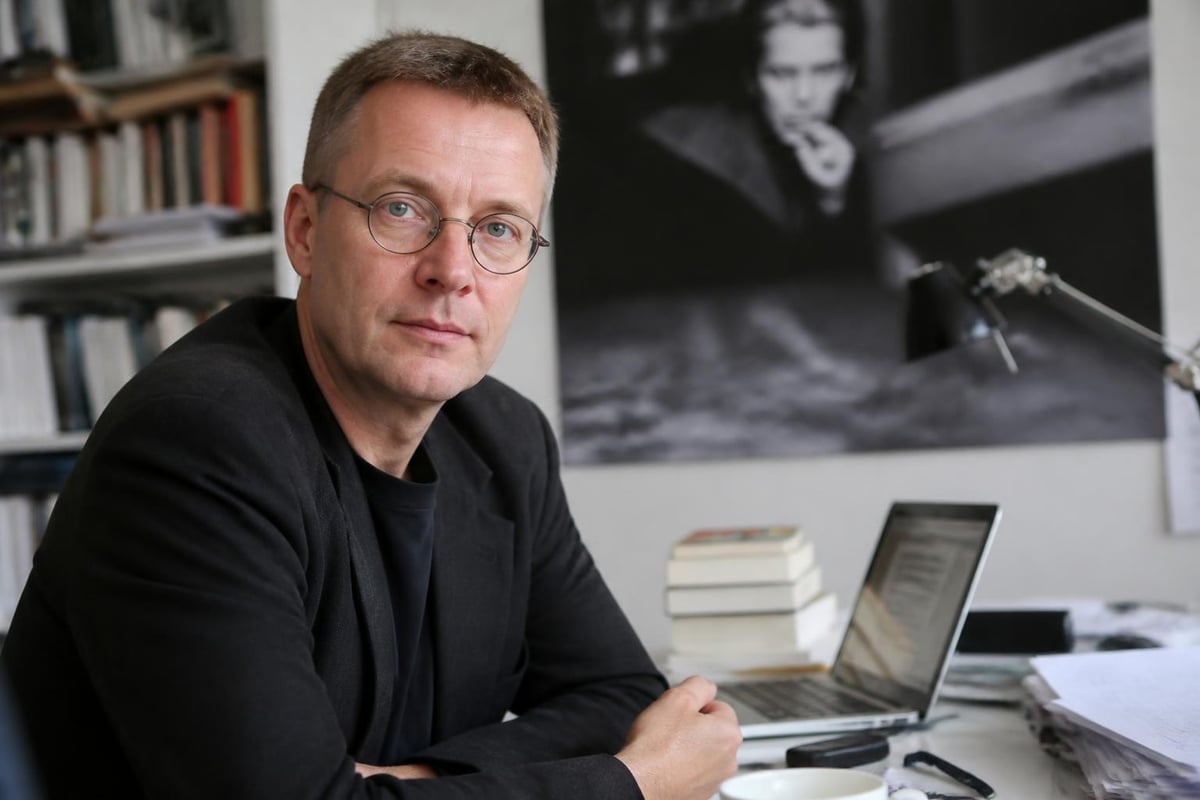
Stieg Larsson spent most of his professional life working as an investigative journalist, focusing primarily on right-wing extremism and anti-democratic movements in Sweden. The Guardian’s comprehensive profile reveals how Larsson maintained a dual existence as both a respected journalist and a passionate anti-fascist activist. This background profoundly influenced the millennium stieg larsson novels, infusing them with authentic details about Swedish politics, journalism ethics, and the intersection of power and corruption.
His work at the Swedish news agency TT and later as editor of the anti-fascist magazine Expo gave him unparalleled insight into Sweden's darker social currents. These experiences shaped the Millennium series' core themes: institutional failure, violence against women, and the importance of investigative journalism in holding power accountable.
Writing in Secret
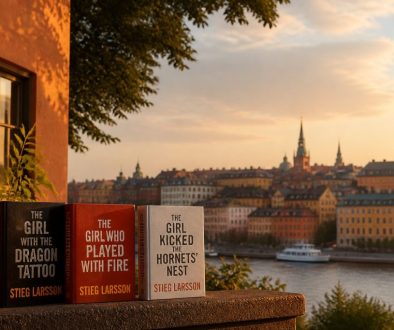
Larsson wrote the millennium stieg larsson trilogy in his spare time, often working late into the night after completing his day job. He finished all three manuscripts before attempting to publish any of them, creating a cohesive narrative arc across "The Girl with the Dragon Tattoo," "The Girl Who Played with Fire," and "The Girl Who Kicked the Hornet's Nest." Tragically, Larsson died suddenly in November 2004 at age 50, just months before the first book's Swedish publication.
The manuscripts were discovered by his long-term partner Eva Gabrielsson, and after complex negotiations involving his family and publishers, Norstedts released the first novel in Sweden in 2005. The books became immediate bestsellers domestically before exploding onto the international market.
Stockholm as Character and Setting
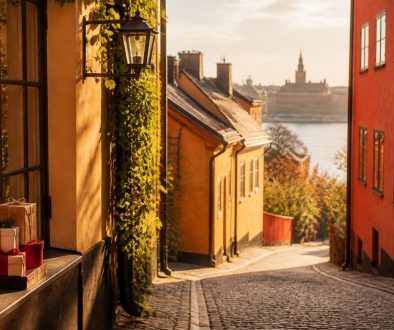
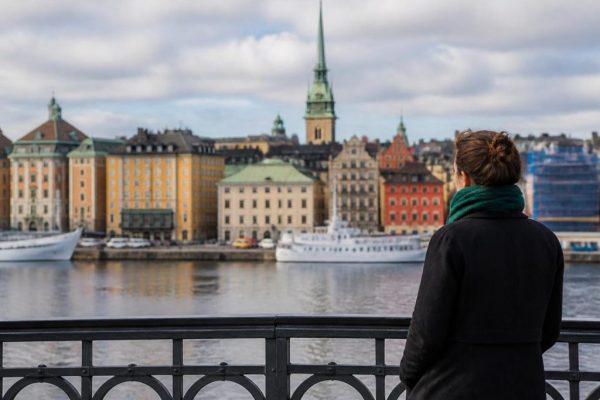
The millennium stieg larsson novels use Stockholm not merely as a backdrop but as an essential character in the narrative. Larsson's detailed descriptions of specific neighborhoods, cafés, streets, and buildings create an immersive experience that allows readers to visualize themselves walking the same paths as Blomkvist and Salander. This specificity has transformed Stockholm into a pilgrimage site for fans wanting to experience the fictional world firsthand.
Key Locations in the Series
The novels reference dozens of real Stockholm locations, each adding authenticity and depth to the storytelling. Understanding these places enriches both the reading experience and any visit to Sweden's capital.
| Location Type | Examples | Significance in Series |
|---|---|---|
| Neighborhoods | Södermalm, Gamla Stan, Östermalm | Class distinctions and character territories |
| Institutions | Millennium magazine office, various government buildings | Power structures and investigative journalism |
| Cafés & Restaurants | Real establishments throughout the city | Character meeting points and daily life |
| Islands | Sandhamn, various archipelago locations | Retreat spaces and plot developments |
Södermalm, where Lisbeth Salander lives, represents Stockholm's historically working-class district that has transformed into a trendy, creative neighborhood. The contrast between Södermalm and wealthy Östermalm mirrors the class tensions explored throughout the millennium stieg larsson books. For those interested in exploring the complete literary landscape, our guide to the millennium series books offers comprehensive insights into each novel's Stockholm connections.
Walking Larsson's Stockholm
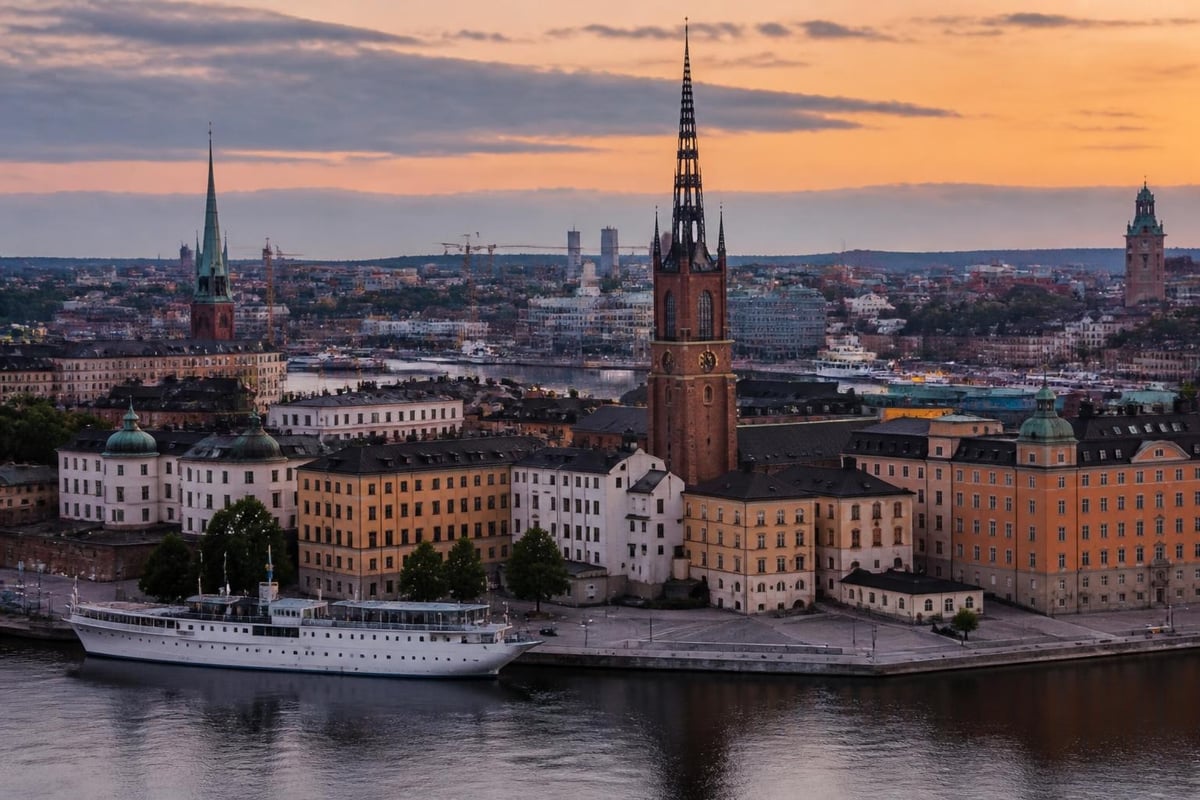
Visitors today can trace the footsteps of Larsson's characters through organized tours or independent exploration. The experience connects fiction with reality, allowing fans to stand outside Millennium magazine's office building, visit cafés where Blomkvist conducted interviews, or explore the narrow streets of Gamla Stan that feature in pivotal scenes.
Walking tours designed around the millennium stieg larsson universe typically cover multiple neighborhoods over several hours, providing context about both the fictional events and the real Stockholm that inspired them. Knowledgeable guides share insights about Larsson's life, his writing process, and how he transformed actual locations into fictional settings that feel utterly authentic.
Global Translation and Cultural Impact
The international success of the millennium stieg larsson trilogy demonstrates the power of translation in spreading cultural narratives. The novels have been translated into more than fifty languages, with each translation presenting unique challenges in conveying Swedish cultural references, social systems, and linguistic nuances to new audiences.
Translation Challenges and Choices
Academic analysis of the Millennium translations reveals how translators made thousands of small decisions that shaped how international readers experienced Larsson's work. English translators, for example, had to determine whether to retain Swedish terms, explain cultural references, or adapt them for Anglo-American readers. These choices influenced everything from character voice to pacing.
The millennium stieg larsson phenomenon also highlights how translated literature circulates globally, with certain languages and markets serving as bridges to wider audiences. The English translations, in particular, opened doors to readers across North America, the United Kingdom, Australia, and beyond, creating a truly global readership.
Publishing Expansion
Penguin Random House’s continued publication of the Millennium series extends beyond Larsson's original trilogy. After his death, author David Lagercrantz was commissioned to write additional novels continuing the story, followed by Karin Smirnoff. This expansion keeps the millennium stieg larsson brand active in global markets while raising questions about authorship, creative control, and literary estates.
The publication strategy demonstrates how contemporary publishing treats successful series as ongoing intellectual property rather than completed artistic works. This approach has business advantages but also generates debate among literary critics and devoted fans about authenticity and artistic integrity.
Film and Television Adaptations
The millennium stieg larsson books have spawned multiple film and television adaptations across different countries and languages, each bringing unique interpretations to the source material. These adaptations have further expanded the series' cultural footprint while introducing the stories to audiences who might never read the novels.
Swedish Films and International Versions
Sweden produced the first film trilogy between 2009 and 2010, starring Noomi Rapace as Lisbeth Salander and Michael Nyqvist as Mikael Blomkvist. These Swedish-language films maintained strong fidelity to the books' Stockholm settings and Scandinavian atmosphere. Hollywood followed with a 2011 adaptation of "The Girl with the Dragon Tattoo" directed by David Fincher and starring Rooney Mara, relocating some production to Sweden while bringing American cinematic sensibilities to the material.
More recently, new television adaptations have been announced, signaling continued commercial interest in the millennium stieg larsson universe. These screen versions introduce the characters and Stockholm setting to viewers worldwide, many of whom subsequently visit Sweden to experience the real locations.
Impact on Stockholm Tourism
The combined effect of books and films has measurably increased literary tourism to Stockholm. Visitors specifically seek out millennium stieg larsson locations, contributing to the city's tourism economy while demonstrating how fiction shapes real-world travel decisions. This phenomenon mirrors similar effects seen with other location-specific literature, from James Joyce's Dublin to Ian Rankin's Edinburgh.
For groups interested in experiencing Stockholm through multiple cultural lenses, our sightseeing tours can combine Millennium locations with other aspects of the city's rich history and contemporary culture, creating a comprehensive understanding of Sweden's capital.
Literary Themes and Social Commentary
The millennium stieg larsson trilogy's enduring appeal stems partly from its engagement with serious social issues wrapped in compelling thriller narratives. Larsson used the crime fiction genre as a vehicle for exploring institutional corruption, violence against women, and the failures of Swedish social systems that outsiders often perceive as nearly perfect.
Violence Against Women
The Swedish title of the first novel, "Män som hatar kvinnor" (Men Who Hate Women), directly states a central theme that the English title "The Girl with the Dragon Tattoo" obscures. Throughout the trilogy, Larsson systematically examines different forms of violence against women: domestic abuse, sexual assault, institutional indifference, and systemic misogyny. These themes reflected his lifelong activism and personal experiences witnessing such violence.
Lisbeth Salander herself represents both victim and avenger, a character who refuses to accept victimhood despite experiencing horrific abuse. Her complexity and agency distinguished her from typical female characters in crime fiction, contributing significantly to the millennium stieg larsson phenomenon's success.
Institutional Critique
Beyond gender violence, the novels critique Swedish institutions ranging from journalism to social services to corporate governance. Larsson portrays systems that claim to serve justice and protect citizens while often failing vulnerable individuals. This critical perspective challenged Sweden's international reputation as a progressive utopia, revealing darker undercurrents.
The Millennium magazine itself represents investigative journalism's idealized form: committed to truth, willing to challenge power, and financially independent enough to resist corporate pressure. In an era of declining print media and increasing consolidation, this portrayal resonates with readers concerned about journalism's future.
Experiencing the Millennium Legacy Today
Two decades after Larsson's death, the millennium stieg larsson legacy continues shaping how visitors experience Stockholm. Literary tourists now represent a significant subset of the city's annual visitors, with many specifically planning trips around Millennium locations and related cultural experiences.
Self-Guided Exploration
Independent travelers can create their own millennium stieg larsson itineraries using maps, guidebooks, and online resources. This approach offers flexibility and allows visitors to explore at their own pace, lingering at locations that particularly interest them. Key stops typically include:
- Bellmansgatan 1 on Södermalm (Blomkvist's fictional address)
- Götgatan and surrounding streets (Salander's neighborhood)
- Gamla Stan's medieval streets (featured in multiple scenes)
- Various cafés mentioned throughout the novels
Self-guided exploration works well for dedicated fans familiar with the books who want to discover their own connections between fiction and reality. However, this approach lacks the contextual information and insider insights that enhance understanding.
Guided Literary Tours
Professional guides bring millennium stieg larsson Stockholm to life through storytelling, historical context, and local knowledge unavailable in guidebooks. These experiences typically combine plot summaries, location visits, biographical information about Larsson, and broader discussion of Stockholm's culture and history. For visitors wanting deeper engagement with the material, guided tours offer curated experiences designed to maximize understanding and enjoyment.
Expert guides can explain Swedish cultural references that non-Scandinavian readers might miss, discuss translation choices that shaped international editions, and share how Stockholm has changed since Larsson wrote the novels. This additional context transforms simple location-spotting into genuine cultural education.
Planning Your Millennium Stockholm Experience
Visitors interested in the millennium stieg larsson phenomenon should consider several factors when planning their Stockholm experience. Timing, preparation, and realistic expectations all contribute to satisfaction levels.
Best Times to Visit
Stockholm offers different experiences across seasons, each with advantages for literary tourists:
| Season | Advantages | Considerations |
|---|---|---|
| Summer (June-August) | Long daylight hours, pleasant weather, easy walking | Crowded, higher prices, many locals on vacation |
| Autumn (September-November) | Atmospheric lighting, fewer crowds, comfortable temperatures | Shorter days, occasional rain, some closures |
| Winter (December-February) | Dramatic Nordic atmosphere, Christmas markets, snow | Very short days, cold temperatures, icy conditions |
| Spring (March-May) | Awakening nature, moderate crowds, improving weather | Variable temperatures, some rain, limited early-season hours |
The novels themselves span multiple seasons, so visiting during different times of year can highlight various aspects of the stories. Winter visits capture the darkness and cold frequently mentioned in the books, while summer allows extensive walking without weather concerns.
Preparation Recommendations
Before arriving in Stockholm, millennium stieg larsson enthusiasts should:
- Read or re-read the trilogy to refresh memory of specific locations and scenes
- Research real locations to understand which addresses exist and which are fictional composites
- Learn basic Swedish geography to grasp neighborhood relationships and distances
- Study Stockholm's history to contextualize the novels within broader Swedish culture
- Consider supplementary materials like maps, companion guides, or academic analyses
Those interested in exploring Stockholm's literary heritage alongside other cultural experiences might review our blog for additional perspectives on the city's attractions and history.
Combining Millennium with Other Stockholm Experiences
While the millennium stieg larsson universe offers rich material for exploration, Stockholm provides countless other attractions worthy of attention. A balanced itinerary might include:
- Historical sites: Royal Palace, Vasa Museum, Skansen open-air museum
- Cultural institutions: Modern art museums, performance venues, design shops
- Natural experiences: Archipelago boat trips, park walks, waterfront cafés
- Other literary connections: Astrid Lindgren, August Strindberg, and contemporary Swedish authors
Our Old Town Stockholm experiences showcase Gamla Stan's medieval architecture and historical significance beyond its Millennium connections, providing comprehensive understanding of the city's development.
The Continuing Millennium Phenomenon
The millennium stieg larsson legacy extends far beyond the original trilogy, encompassing continuation novels, adaptations, academic study, and ongoing cultural influence. Understanding this broader phenomenon enriches appreciation for both the original works and their impact on contemporary culture.
Academic Interest
Universities worldwide now include the Millennium trilogy in courses on crime fiction, translation studies, Scandinavian culture, and gender studies. Scholarly articles analyze everything from narrative structure to social critique to character development. This academic attention legitimizes the series beyond mere entertainment, recognizing its cultural and literary significance.
The books' exploration of complex themes through accessible storytelling makes them valuable teaching tools. Students can analyze how popular fiction engages serious social issues while maintaining commercial appeal.
Tourism Industry Impact
Stockholm's tourism industry has fully embraced the millennium stieg larsson connection. Hotels offer "Millennium packages," bookstores feature prominent displays of the series in multiple languages, and tour operators compete to provide the most comprehensive literary experiences. This commercial embrace demonstrates how contemporary cities leverage literary associations to attract visitors and distinguish themselves in competitive tourism markets.
The phenomenon also raises questions about authenticity and commercialization. At what point does literary tourism become diluted through over-marketing? How do cities balance celebrating literary heritage while maintaining genuine cultural identity? These tensions play out daily in Stockholm's millennium stieg larsson tourism sector.
For those seeking personalized experiences that balance popular attractions with authentic local perspectives, our small group tours provide carefully curated itineraries designed around specific interests while maintaining intimate group sizes.
Beyond Stockholm: Archipelago and Regional Connections
While Stockholm provides the millennium stieg larsson trilogy's primary setting, the novels also feature Sweden's stunning archipelago and rural areas. These locations offer different atmospheric qualities and expand understanding of Swedish geography and lifestyle.
Sandhamn and Island Life
The island of Sandhamn appears prominently in the novels as a retreat location for wealthy Stockholmers. This real archipelago destination represents a traditional Swedish escape, where summer houses dot rocky islands and sailing culture predominates. Visiting Sandhamn or similar archipelago islands provides context for scenes set outside the urban environment.
The contrast between Stockholm's urban intensity and the archipelago's peaceful natural beauty mirrors character dynamics in the books. Blomkvist retreats to island locations when needing reflection and escape, while Salander typically remains urban and active.
Regional Swedish Settings
Later books in the trilogy venture beyond Stockholm to other Swedish regions, each with distinct characteristics. These settings demonstrate Sweden's geographic diversity while advancing plot developments requiring isolation or specific institutional settings.
Understanding regional differences within Sweden enhances appreciation for how Larsson used setting to reinforce themes and mood. The novels' geographic scope reflects Sweden's actual landscape: concentrated urban areas surrounded by vast forests, lakes, and sparsely populated regions.
The millennium stieg larsson phenomenon demonstrates how compelling storytelling combined with authentic settings creates lasting cultural impact that extends far beyond the page. Stockholm's transformation into a literary destination reflects readers' desire to connect fiction with reality, experiencing firsthand the places that sparked their imagination. Whether you're a dedicated Millennium fan or simply curious about Stockholm's literary heritage, Adding:tours offers personalized, small-group experiences that bring these stories to life while showcasing the city's broader cultural richness through expert local guides who share insider perspectives unavailable elsewhere.