
The Millennium Trilogy: A Literary Phenomenon
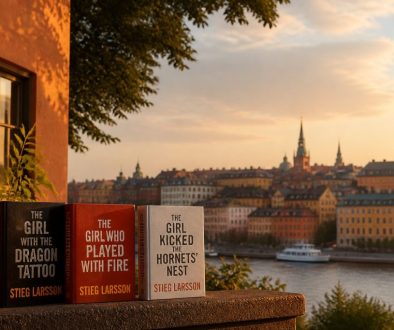
The millennium trilogy has transformed not only the landscape of crime fiction but also the way readers and travelers engage with Stockholm itself. Written by Swedish journalist Stieg Larsson, this groundbreaking series introduced the world to investigative journalist Mikael Blomkvist and hacker Lisbeth Salander, characters whose gripping adventures through Sweden's dark underbelly have captivated millions of readers worldwide. Since the publication of the first book in 2005, the trilogy has sold over 100 million copies globally, making it one of the most successful literary phenomena of the 21st century. For visitors to Stockholm, the millennium trilogy offers more than just compelling reading-it provides a unique lens through which to explore the city's neighborhoods, cafés, and hidden corners that Larsson brought to vivid life.
The Origins and Publication History
Stieg Larsson completed all three manuscripts before his sudden death in 2004, never living to see the extraordinary success his work would achieve. The Swedish publisher Norstedts released the first book, "The Girl with the Dragon Tattoo," in August 2005, followed by the sequels in quick succession. The rapid publication schedule was unprecedented for a thriller series, and readers devoured each installment with remarkable enthusiasm.
The trilogy's journey from Swedish sensation to global phenomenon involved complex translation and editorial decisions. According to research published in PMLA, the English translations underwent significant modifications, with editors making thousands of changes to adapt the text for international audiences. These alterations ranged from structural reorganization to cultural contextualization, demonstrating how literary works transform as they cross linguistic boundaries.
Key publication milestones include:
- 2005: Swedish release of all three books
- 2008: English translation debuts in the United Kingdom
- 2009: North American publication and bestseller status
- 2011: Film adaptations reach international audiences
- 2015: Fourth book by David Lagercrantz continues the series
- 2026: New trilogy by Karin Smirnoff announced by Penguin Random House
The commercial success transformed Norstedts, the publishing house, positioning it as a major player in international crime fiction and demonstrating the global appetite for Nordic storytelling.

Literary Themes and Social Commentary
The millennium trilogy distinguishes itself through its unflinching examination of violence against women, corporate corruption, and institutional failures within Swedish society. Larsson, who spent decades as an investigative journalist specializing in right-wing extremism, embedded his social concerns throughout the narrative structure. The Swedish title of the first book, "Män som hatar kvinnor" (Men Who Hate Women), explicitly states the central theme that English-language marketing somewhat softened with the more enigmatic "The Girl with the Dragon Tattoo."
Scholarly analysis has positioned the series within the broader context of Nordic Noir and Gothic literature. Cambridge University Press research examines how the millennium trilogy employs Gothic conventions-secrets, confined spaces, and past crimes-to critique contemporary Scandinavian society's self-image as a progressive utopia.
Character Development and Representation
Lisbeth Salander emerged as one of contemporary fiction's most distinctive protagonists. Her character challenges conventional representations through several dimensions:
- Neurodiversity: Salander's social patterns and cognitive strengths reflect characteristics associated with autism spectrum conditions
- Gender nonconformity: She rejects traditional feminine presentation and expectations
- Trauma survival: Her experiences with institutional violence shape her worldview and methods
- Technical expertise: Her hacking skills serve both professional and personal justice missions
The relationship between Salander and Blomkvist creates narrative tension through their contrasting approaches to investigation and morality. Where Blomkvist represents traditional journalism and institutional change, Salander operates outside legal frameworks, creating complex ethical questions about justice and revenge.
Stockholm as a Character
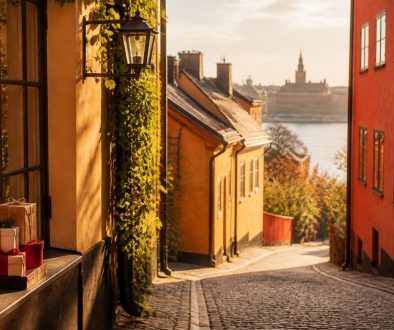
The millennium trilogy transforms Stockholm from backdrop to active participant in the narrative. Larsson's detailed geographical descriptions allow readers to trace Blomkvist's movements through Södermalm, identify the Millennium magazine offices, and locate the various apartments and businesses that feature prominently in the plot. This specificity has created a unique form of literary tourism that brings readers to Stockholm seeking tangible connections to the fictional world.
| Location Type | Millennium Significance | Tourist Appeal |
|---|---|---|
| Södermalm neighborhood | Blomkvist's apartment and Millennium offices | Cafés, bookstores, literary walking paths |
| Gamla Stan | Historical setting for investigations | Medieval architecture, narrow alleys |
| Wennerström Corporation headquarters | Corporate corruption storyline | Modern Stockholm business district |
| Hedestad (fictional) | Vanger family mystery setting | Inspired by northern Swedish towns |
For those exploring Stockholm through the lens of Stieg Larsson’s books, the city reveals itself as a place where modernity and history intersect, where gleaming corporate headquarters stand alongside centuries-old buildings, and where social progressivism coexists with darker realities. Many visitors choose guided tours that specifically highlight locations featured in the millennium trilogy, offering insider perspectives on how the fictional narrative reflects actual Stockholm geography and culture.
The experience of following Larsson's footsteps through Stockholm neighborhoods provides a deeper understanding of Swedish urban culture. Whether you're walking through Old Town Stockholm or exploring the creative energy of Södermalm, the millennium trilogy serves as both guide and commentary. Some travelers even extend their literary adventures beyond Stockholm-much like experiencing different cultural perspectives through activities ranging from Laserstar Berlin's immersive entertainment venues to historical tours, diverse experiences that highlight how different cities create unique atmospheres.

Cultural Impact and Adaptations
The millennium trilogy's influence extends far beyond the original books. Multiple film and television adaptations have brought Larsson's vision to screens worldwide, each interpretation offering distinct perspectives on the source material. The Swedish film trilogy, released between 2009 and 2010, starred Noomi Rapace as Salander and remained relatively faithful to Larsson's narrative structure. David Fincher's 2011 Hollywood adaptation with Rooney Mara presented a darker, more stylized vision that emphasized the thriller elements.
The series has influenced crime fiction publishing strategies significantly. Publishers now actively seek Scandinavian crime writers, and the "Nordic Noir" genre has become a distinct marketing category. Television series like "The Bridge" and "The Killing" benefited from the appetite the millennium trilogy created for morally complex, socially conscious crime narratives set in Scandinavian contexts.
The Continuation Debate
Following Larsson's death, his partner Eva Gabrielsson revealed that he had planned ten books in the series and had begun working on a fourth manuscript. The decision by Larsson's estate to authorize continuation novels sparked considerable controversy, particularly given Gabrielsson's exclusion from rights control. David Lagercrantz wrote three continuation novels between 2015 and 2019, while Karin Smirnoff has been commissioned to write a new trilogy, demonstrating the commercial value publishers place on the franchise.
Critical reception of the continuations has been mixed. Some readers appreciate the opportunity to revisit beloved characters, while others argue that the later books lack Larsson's distinctive voice and social commentary. The Guardian’s coverage of these developments reflects ongoing debates about literary estates, authorial intention, and commercial exploitation of deceased authors' legacies.
Translation and Global Reception
The journey of the millennium trilogy from Swedish to dozens of languages reveals fascinating insights about translation as interpretation. English translator Reg Keeland (Steven T. Murray) faced challenging decisions about preserving Swedish cultural references while making the text accessible to international readers. Subsequent translations into other languages often worked from the English version rather than the Swedish original, creating a telephone game effect that amplified certain editorial choices.
Publishing industry metrics tell the success story:
- Over 100 million copies sold worldwide
- Translation into more than 50 languages
- Extended periods on international bestseller lists
- Film rights sold to multiple production companies
- Merchandising and tourism revenue generation
The books' reception varied by market, with some cultures embracing the social criticism while others focused primarily on the thriller elements. In the United States, Publishers Weekly documented how the series benefited from changing reader preferences toward international crime fiction and strong female protagonists.
Surveillance, Technology, and Privacy
Academic analysis has examined how the millennium trilogy engages with contemporary concerns about surveillance, data privacy, and digital power structures. Research in Surveillance & Society explores how Salander's hacking abilities represent both empowerment and vulnerability in an increasingly monitored society. Her capacity to access private information serves justice in the narrative, yet raises questions about privacy rights and digital ethics.
The books were remarkably prescient about technological developments. Written before widespread smartphone adoption and social media dominance, Larsson anticipated how digital information would become both weapon and shield. Salander's technical expertise reflects anxieties about expertise concentration and the potential for individuals to wield disproportionate power through technological mastery.
Information Warfare and Journalism
Blomkvist's role as investigative journalist situates the millennium trilogy within debates about media power, truth-telling, and institutional accountability. The fictional Millennium magazine represents an idealized vision of independent journalism that investigates powerful interests despite personal and professional risks. In 2026, as journalism faces economic pressures and credibility challenges, Larsson's vision of courageous, meticulous reporting resonates differently than it did at publication.
The trilogy's treatment of corporate corruption, particularly the Wennerström affair that drives the first book's plot, reflects Larsson's own investigative work exposing financial crimes and right-wing networks. This grounding in actual journalistic practice gives the narrative authenticity that distinguishes it from purely fictional thriller constructions.
Tourism and Literary Geography
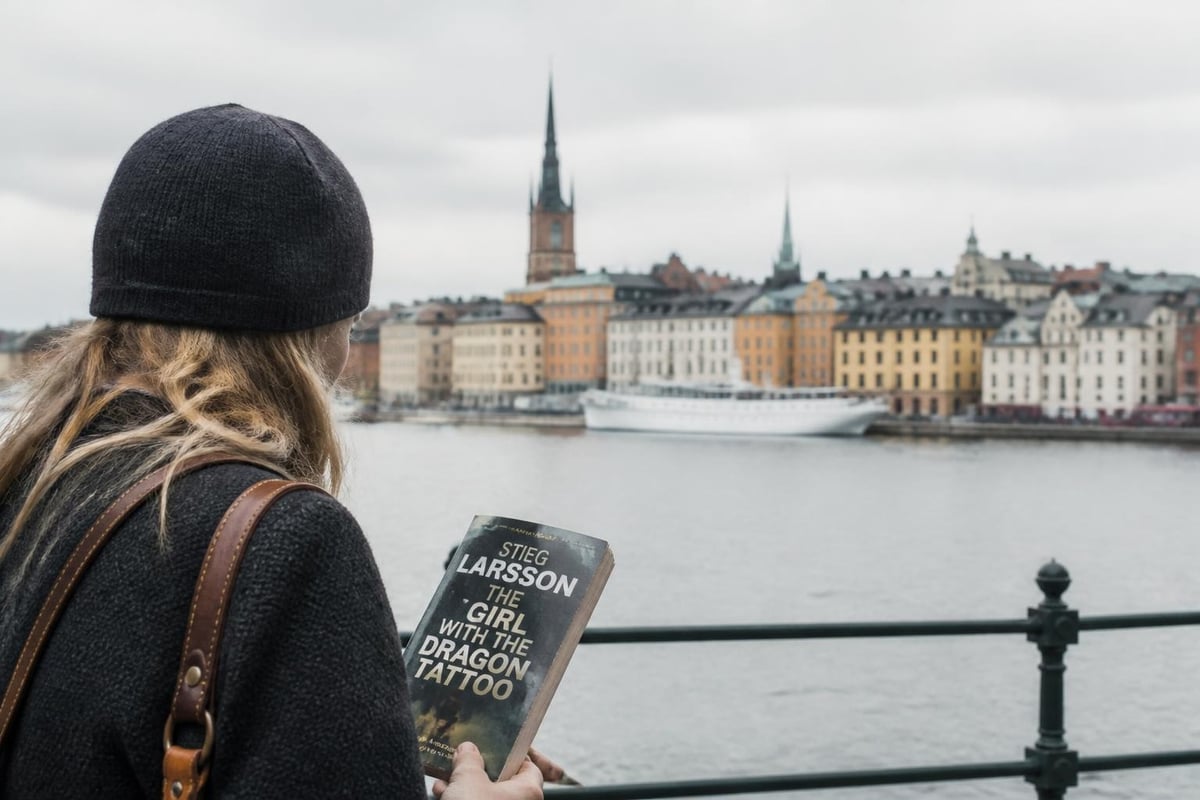
The millennium trilogy has generated significant tourism revenue for Stockholm, with visitors specifically seeking locations mentioned in the books. This phenomenon of literary tourism demonstrates how fictional narratives create real economic and cultural value. Tour operators offer Millennium-themed walking tours, and maps guide self-directed exploration of Larsson's Stockholm.
Benefits of literary tourism include:
- Economic impact on local businesses (cafés, bookstores, hotels)
- Enhanced visitor engagement with urban geography
- Cultural exchange through shared narrative references
- Extended visitor stays to experience multiple locations
- Positive association with Swedish culture and creativity
For those planning sightseeing tours in Stockholm, incorporating millennium trilogy locations adds narrative depth to the experience. Understanding the social context Larsson embedded in his geographical descriptions transforms casual sightseeing into cultural exploration. The series encourages visitors to look beyond tourist highlights and engage with residential neighborhoods where ordinary Stockholmers live and work.
Some travelers seek similar immersive experiences in other cities. Just as Stockholm offers literary walking tours, cities like Berlin provide diverse entertainment options-Laserstar Göppingen offers action-packed indoor experiences that demonstrate how different locations create unique visitor experiences through various forms of storytelling and engagement.
The Legacy Question
As the millennium trilogy approaches its third decade since original publication, questions arise about its lasting literary significance. Will future readers continue discovering these books, or will they become period pieces reflecting early 21st-century concerns? The authorized continuations suggest publishers believe in ongoing commercial viability, yet critical assessment remains divided.
The series undeniably transformed crime fiction publishing, demonstrating international audiences' appetite for translated works and complex female protagonists. It challenged assumptions about what bestselling thrillers could address, incorporating feminist analysis and social critique alongside suspenseful plotting. These contributions ensure the millennium trilogy's place in contemporary literary history, regardless of whether future generations read the books with the same enthusiasm as current audiences.
Educational institutions have begun incorporating the trilogy into courses on contemporary literature, crime fiction, and Scandinavian studies. This academic legitimization contrasts with initial dismissals of the books as mere popular entertainment, reflecting evolving recognition of genre fiction's cultural work.
Reading and Experiencing the Series Today
For readers approaching the millennium trilogy in 2026, the experience differs from those who discovered the books upon initial release. The proliferation of Nordic Noir means Larsson's innovations no longer shock-they've been absorbed into genre conventions. Yet the social commentary remains relevant, perhaps more so as the gaps between the series' progressive ideals and contemporary realities become clearer.
New readers might consider approaching the books through multiple lenses: as crime thrillers, as social critique, as portraits of Stockholm, and as artifacts of early 21st-century publishing. Each perspective reveals different dimensions of Larsson's achievement and the millennium trilogy's cultural significance.
For those visiting Stockholm, combining reading with geographical exploration deepens both experiences. Walking the streets Blomkvist walked, sitting in cafés where plot developments occurred, and visualizing the apartments and offices Larsson described creates multisensory engagement with the narrative. Many visitors discover that exploring the books written by Stieg Larsson alongside physical Stockholm creates lasting memories that transcend either experience alone.
The millennium trilogy continues to captivate readers and shape perceptions of Stockholm, demonstrating literature's power to transform how we see and experience places. Whether you're discovering the series for the first time or revisiting familiar narratives, these books offer rich opportunities for both reading and exploration. Adding:tours specializes in bringing Stockholm's literary landscapes to life through personalized guided experiences that follow in Stieg Larsson's footsteps, revealing the real locations behind the fiction while sharing insider perspectives on Stockholm's culture, history, and contemporary life.