Walking Tour Old San Juan: Expert Guide to Puerto Rico
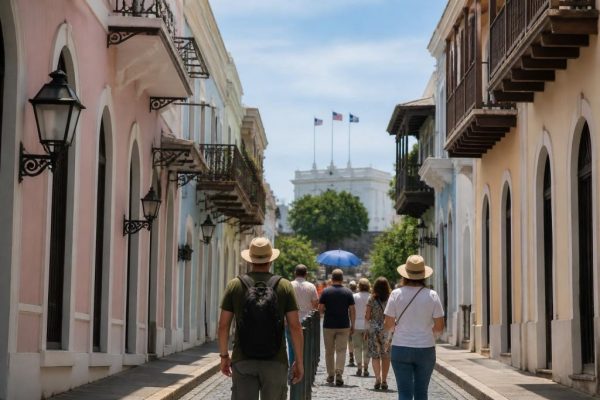
Old San Juan stands as one of the Caribbean's most captivating destinations for walking enthusiasts, offering a remarkable blend of Spanish colonial architecture, military fortifications, and vibrant Caribbean culture. A walking tour Old San Juan experience reveals centuries of history within a compact, pedestrian-friendly area where every cobblestone street tells a story. Unlike many historic districts that require extensive transportation, this seven-square-block area allows visitors to explore significant landmarks, museums, and cultural sites entirely on foot, making it an ideal destination for small groups and private gatherings seeking an immersive cultural experience.
Planning Your Walking Tour Old San Juan Experience
Timing plays a crucial role in maximizing your walking tour Old San Juan adventure. The National Weather Service climate data for San Juan reveals that the most comfortable months run from December through April, when temperatures average between 75-85°F with lower humidity levels. These months coincide with the peak tourist season, requiring advance reservations for guided experiences.
Morning departures between 8:00 and 9:00 AM offer several strategic advantages. The sun remains gentler, fewer cruise ship passengers crowd the streets, and photographers capture optimal lighting conditions. Afternoon tours beginning around 3:00 PM allow visitors to experience the transition into evening, when many historic buildings illuminate beautifully.
Essential Items for Your Walk
Comfort and Safety:
- Sturdy walking shoes with excellent arch support
- Lightweight, breathable clothing in natural fabrics
- Wide-brimmed hat and polarized sunglasses
- Reef-safe sunscreen (SPF 30 minimum)
- Refillable water bottle
Documentation and Navigation:
- Fully charged smartphone with offline maps
- Physical backup map of Old San Juan
- Valid identification for fort entries
- Credit cards and minimal cash
The compact nature of Old San Juan makes it perfect for walking tours that can be customized to match group interests and physical abilities.
Historic Fortifications: The Crown Jewels
Castillo San Felipe del Morro
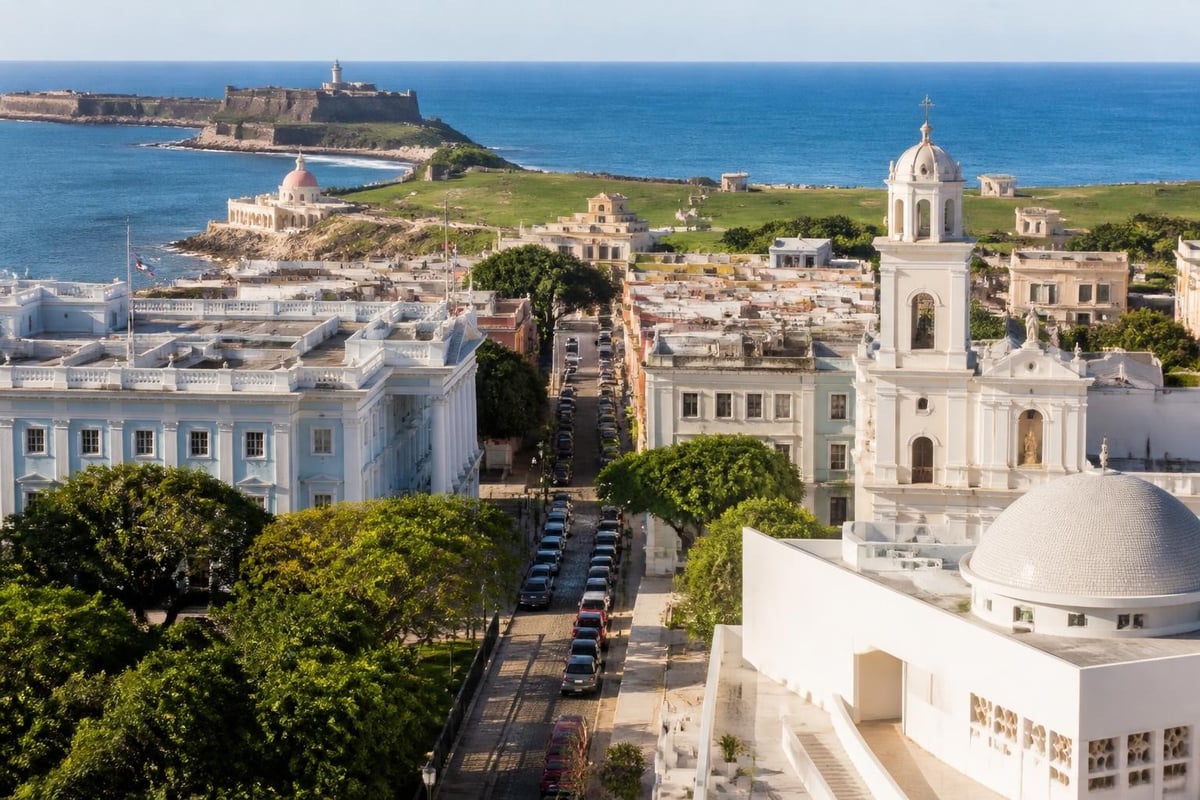
El Morro dominates the northwestern tip of Old San Juan, rising 140 feet above the Atlantic Ocean. Construction began in 1539, making it one of the oldest Spanish fortifications in the Americas. The U.S. National Park Service visitor planning resources provide essential information about operating hours (9:00 AM to 6:00 PM daily) and admission fees ($10 per person, valid for both forts).
The fortress covers 70 acres across six levels, requiring 60-90 minutes for thorough exploration. Visitors encounter guardhouses, dungeons, barracks, and artillery positions while learning about the fort's role in defending Puerto Rico against British, Dutch, and pirate attacks over four centuries.
Key El Morro Highlights:
- Santa Barbara Bastion with panoramic ocean views
- Lighthouse built in 1846 (still operational)
- Underground tunnels and powder magazines
- Interpretive exhibits on military architecture
- Expansive lawn perfect for kite flying
Castillo San Cristóbal
Located on the eastern approach to Old San Juan, San Cristóbal represents the largest fortification built by Spain in the New World. This massive complex covers 27 acres and rises 150 feet above sea level. The fort defended against land-based attacks, complementing El Morro's protection against naval threats.
The multilayered defense system includes five independent structures connected by moats and tunnels. Plan 45-75 minutes to explore the main plaza, troop quarters, and the impressive Devil's Sentry Box, where legend claims guards mysteriously disappeared.
| Feature | El Morro | San Cristóbal |
|---|---|---|
| Primary Construction | 1539-1787 | 1634-1790 |
| Size | 70 acres | 27 acres |
| Defense Focus | Naval attacks | Land attacks |
| Recommended Time | 60-90 minutes | 45-75 minutes |
| Crowds | Heaviest 10AM-2PM | Moderate throughout |
Cultural and Religious Landmarks
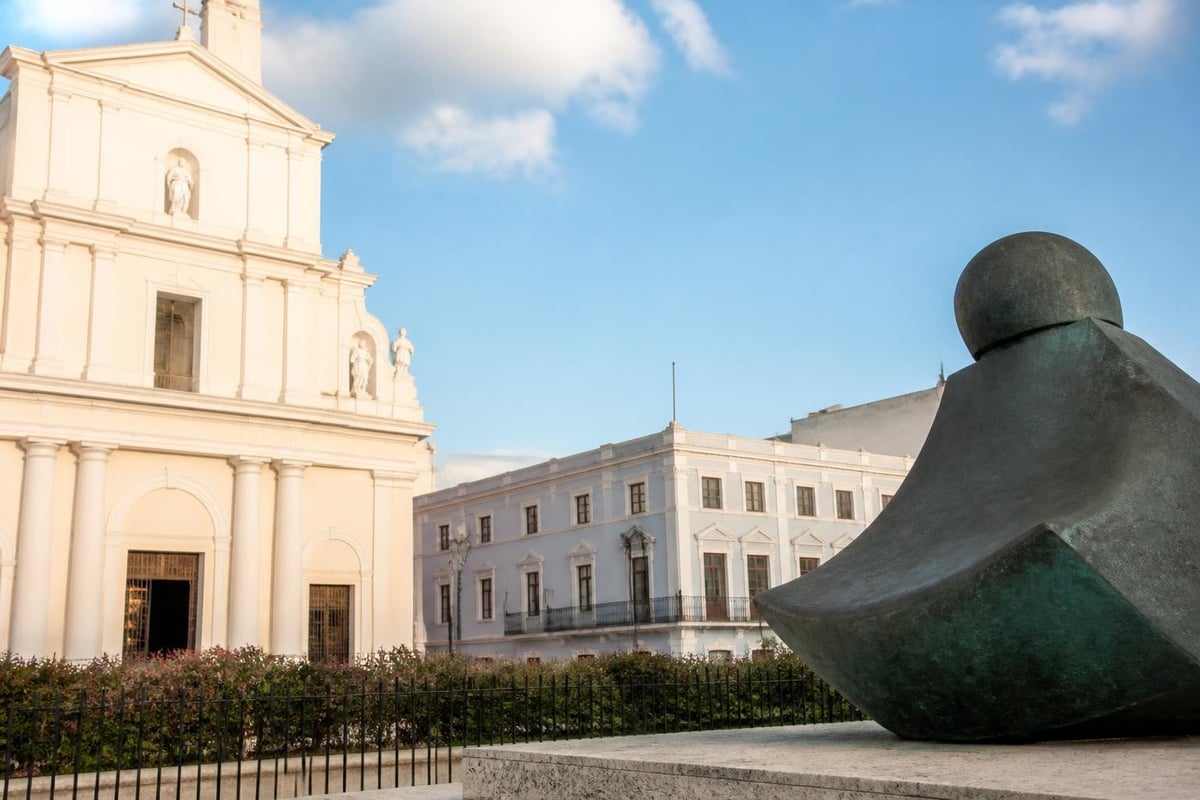
The Catedral Metropolitana Basílica de San Juan Bautista serves as the second-oldest cathedral in the Americas, with construction beginning in 1521. This architectural masterpiece houses the marble tomb of Ponce de León, the Spanish explorer who became Puerto Rico's first governor. The cathedral's Gothic and neoclassical elements create a serene atmosphere for reflection.
Mass schedules accommodate tourists, with English services available on Sundays at 12:00 PM. Visitors should dress respectfully (covered shoulders and knees) and maintain silence during services. The cathedral museum displays religious artifacts, historical documents, and sacred art spanning five centuries.
La Fortaleza: The Governor's Residence
La Fortaleza holds the distinction of being the oldest executive mansion in continuous use in the Western Hemisphere. Built between 1533 and 1540, this UNESCO World Heritage Site serves as the official residence of Puerto Rico's governor while welcoming public tours Monday through Friday from 9:00 AM to 3:30 PM.
Free guided tours (reservations required) reveal ornate state rooms, tropical gardens, and the Moorish-style blue room. The 30-minute tour provides insights into Puerto Rican governance, colonial administration, and architectural evolution across nearly five centuries. The mansion's strategic location offers commanding views of San Juan Bay.
Museum Quarter and Artistic Heritage
The Museo de Las Américas occupies the second floor of the former Spanish military barracks (Cuartel de Ballajá), presenting compelling exhibitions on folk art, African heritage, and indigenous cultures throughout the Americas. Admission remains free, making it an accessible cultural stop for any walking tour Old San Juan itinerary.
Permanent collections include santos (hand-carved religious figures), musical instruments, ceremonial masks, and domestic artifacts illuminating daily life across different historical periods. Rotating exhibitions showcase contemporary Puerto Rican artists and thematic explorations of Caribbean identity. Budget 45-60 minutes for a comprehensive visit.
Additional Museum Options
Casa Blanca Museum preserves the former residence of Ponce de León's family descendants. The white colonial mansion, surrounded by lush gardens, displays period furnishings and chronicles elite family life during Spanish rule. Admission costs $3 for adults.
Museo de San Juan focuses on urban development and the city's architectural evolution. Housed in a restored 19th-century marketplace, the museum offers free admission and provides context for the buildings encountered throughout your walking tour Old San Juan experience.
Strategic Route Planning
The Lonely Planet local’s walking guide suggests beginning at Plaza de Armas, the city's central square, and radiating outward based on priority interests. This approach mirrors successful strategies used in other historic districts, similar to how guided excursions structure experiences in European old towns.
The Classic Loop (3-4 Hours)
Morning Segment:
- Start at Plaza de Armas (City Hall and tourism office)
- Walk north to Catedral de San Juan Bautista (30 minutes)
- Continue to La Fortaleza (tour: 30 minutes)
- Proceed west along Calle Fortaleza for shopping and architecture
- Reach El Morro fortress (exploration: 90 minutes)
Afternoon Segment:
- Exit El Morro eastward along Calle Norzagaray
- Stop at Cementerio Santa María Magdalena de Pazzis
- Enter San Cristóbal fortress (exploration: 60 minutes)
- Return via Calle San Francisco to Plaza de Armas
This route covers approximately 3.5 miles with moderate elevation changes. The strategic sequencing allows morning fort visits before afternoon heat intensifies.
The Cultural Focus Route (2-3 Hours)
For groups prioritizing artistic and religious heritage over military history, this alternative emphasizes museums and colonial architecture:
- Begin at Museo de Las Américas (60 minutes)
- Walk to Plaza de San José and nearby churches
- Visit Casa Blanca Museum and gardens (45 minutes)
- Explore Catedral de San Juan Bautista (30 minutes)
- Conclude at La Fortaleza with optional tour
This 2-mile route suits visitors with limited mobility or families with young children, offering frequent rest opportunities and indoor climate-controlled environments.
Navigating Cobblestone Streets and Terrain
Old San Juan's distinctive blue cobblestones (adoquines) arrived as ballast in Spanish ships during the 16th century. While these volcanic stones create picturesque streets, they present challenges for modern walkers. Uneven surfaces, gaps between stones, and polished areas require constant attention.
Terrain Management Tips:
- Watch for metal drainage grates that become slippery when wet
- Use handrails along steep stairways connecting different street levels
- Avoid wheeled luggage; cobblestones damage wheels and create noise
- Walk defensively near vehicle traffic on narrow streets
- Pause frequently to check footing rather than walking while photographing
The elevation changes from sea level to the highest points near San Cristóbal add cardiovascular challenge. Streets like Calle Norzagaray include staircases with 30-40 steps, requiring moderate fitness levels for comfortable navigation.
Dining and Refreshment Strategies
Strategic meal planning prevents energy depletion during extended walks. Old San Juan offers dining options across all price ranges, from casual cafeterías to upscale restaurants in restored colonial buildings.
| Meal Type | Timing | Recommended Locations | Average Cost |
|---|---|---|---|
| Breakfast | 7:30-9:00 AM | Mallorca, Caficultura | $8-15 |
| Mid-morning snack | 10:30-11:00 AM | Panadería España, street vendors | $3-6 |
| Lunch | 12:30-2:00 PM | El Jibarito, Raíces | $15-25 |
| Afternoon refreshment | 3:30-4:00 PM | Señor Paleta, Barrachina | $5-10 |
Traditional Puerto Rican cuisine provides sustained energy for walking. Mofongo (mashed plantains with garlic), arroz con gandules (rice with pigeon peas), and alcapurrias (fritters) offer filling options. However, lighter fare proves more comfortable in tropical heat.
Hydration demands increase significantly in Caribbean temperatures. Each walker should consume 8-10 ounces of water hourly, increasing to 12-16 ounces during the warmest midday hours. Numerous convenience stores sell bottled water, though refilling reusable bottles reduces plastic waste and expense.
Photography and Memory Preservation
Old San Juan's vibrant colors, dramatic architecture, and atmospheric streets create exceptional photographic opportunities. Pastel building facades (pink, yellow, blue, green) pop against brilliant Caribbean skies, while wrought-iron balconies draped with flowering vines add romantic detail.
Prime Photography Locations:
- Callejón de la Capilla: narrow alley with arched passages
- La Puerta de San Juan: historic red gate near waterfront
- Umbrella Street (Calle Fortaleza): seasonal art installation
- El Morro's Devil's Sentry Box: dramatic coastal positioning
- Plaza de Armas: colonial architecture surrounding central fountain
Golden hour (5:30-6:30 PM) bathes buildings in warm light, while overcast days eliminate harsh shadows for more even exposures. Respectful photography observes privacy norms, particularly near residences, religious sites during services, and when photographing local residents.
Accessibility and Inclusive Walking Tours
The historic nature of Old San Juan presents accessibility challenges that require acknowledgment and planning. Cobblestone streets, staircases, and uneven surfaces create obstacles for wheelchair users and individuals with mobility limitations. However, strategic route modifications enable inclusive experiences.
The main plaza areas (Plaza de Armas, Plaza de San José) feature relatively flat, paved surfaces. Both major forts provide wheelchair access to certain sections, though not all levels remain accessible. The cathedral and several museums offer ramps or ground-floor access.
Accessibility Considerations:
- Request accessible routes when booking private guided trips
- Plan shorter segments with frequent rest opportunities
- Utilize the free trolley service connecting major sites
- Choose restaurants with level entries and accessible restrooms
- Allow extra time for navigation around obstacles
Just as small group tours in other historic cities adapt to varied abilities, a well-designed walking tour Old San Juan experience accommodates different physical capacities through thoughtful route customization.
Shopping and Artisan Discoveries
Beyond historical sites, Old San Juan functions as a vibrant commercial district where local artisans, international brands, and souvenir vendors coexist. Calle Fortaleza and Calle San Francisco form the primary shopping corridors, offering everything from mass-produced trinkets to museum-quality folk art.
Authentic Puerto Rican products worth considering include santos carvings, hand-rolled cigars, locally roasted coffee, artisanal rum, and mundillo lace. The Mercado de Artesanías showcases work by contemporary craftspeople, ensuring purchases support living artists rather than importers.
Gallery hopping adds cultural dimension to shopping. Galleries along Calle Cristo display paintings, sculpture, and mixed media by established and emerging Puerto Rican artists. Many galleries welcome casual browsers and provide artist background information.
Safety and Practical Considerations
Old San Juan maintains a strong security presence due to its tourist importance and government facilities. However, standard urban precautions apply. Keep valuables secured in front pockets or cross-body bags, remain aware of surroundings, and avoid displaying expensive jewelry or electronics unnecessarily.
The area experiences minimal violent crime, with pickpocketing representing the primary concern in crowded areas near cruise ship arrival times (typically 9:00 AM-4:00 PM). Traveling in groups naturally provides security advantages, one reason private tour companies emphasize small group formats.
Health and Medical Preparedness
Pharmacies (farmacias) operate throughout Old San Juan, with Walgreens maintaining a prominent location on Calle San Francisco. Basic medications, first aid supplies, and over-the-counter remedies remain readily available. For serious medical needs, Centro Médico and other facilities operate in metro San Juan, accessible by taxi in 10-15 minutes.
Common Health Concerns:
- Heat exhaustion: recognize symptoms of dizziness, nausea, excessive sweating
- Dehydration: monitor urine color and drink proactively
- Blisters: apply moleskin at first friction signs
- Sunburn: reapply sunscreen every 90-120 minutes
- Insect bites: use repellent containing DEET or picaridin
Extending Your Walking Tour Old San Juan Adventure
While the historic district offers sufficient content for multiple days, consider nearby experiences that complement your walking tour Old San Juan focus. The Paseo de la Princesa waterfront promenade extends from the city walls to Raíces Fountain, providing evening stroll opportunities with harbor views and street performers.
Condado Beach lies approximately 2 miles east, accessible via taxi or public transportation. This contrast between colonial architecture and modern beachfront helps visitors understand San Juan's duality as both historic preservation site and contemporary Caribbean city.
For groups interested in comparative historic walking experiences, the same principles that make a walking tour Old San Juan successful apply to other preserved districts. The attention to detail, storytelling, and customization that characterize quality sightseeing tours translates across different cultural contexts, whether exploring Caribbean fortifications or Scandinavian medieval quarters.
Weather Contingencies and Seasonal Variations
Tropical weather patterns influence walking tour Old San Juan experiences throughout the year. The rainy season (May-November) brings brief afternoon showers rather than all-day precipitation. These intense but short-duration storms typically clear within 30-45 minutes.
Carrying a compact umbrella or lightweight rain jacket provides insurance against unexpected showers. Many museums and churches offer temporary shelter, and numerous cafés welcome customers waiting out brief storms. The rain actually enhances certain photographic opportunities, creating dramatic cloud formations and washing streets to vibrant cleanliness.
Hurricane season (June-November) requires monitoring weather forecasts before departure. While direct hurricane strikes remain statistically unlikely during any specific visit, tropical storms can disrupt travel plans. Travel insurance with weather-related coverage protects financial investments.
Group Dynamics and Pace Management
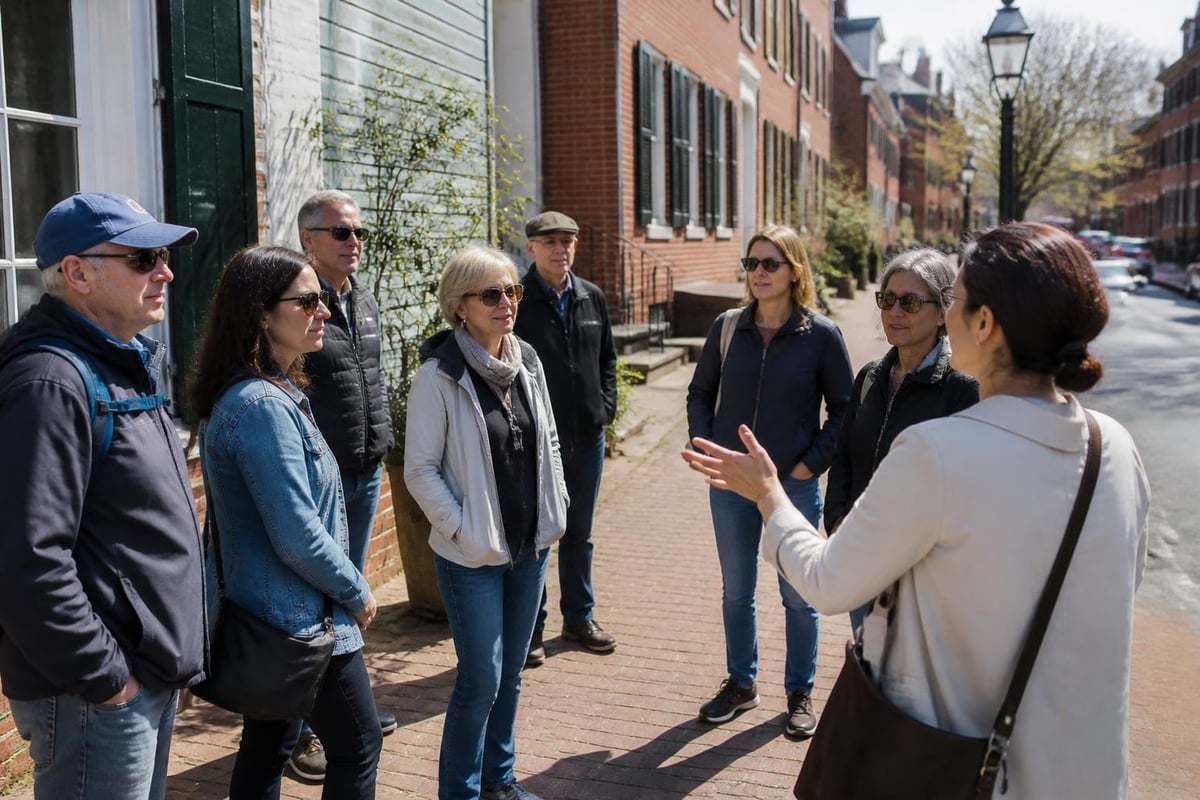
The ideal group size for a walking tour Old San Juan experience ranges from 4-12 participants. This range maintains intimacy while generating group energy. Smaller groups move more quickly through sites and navigate crowds efficiently, while larger groups benefit from shared enthusiasm and diverse perspectives.
Pace management balances coverage with experience quality. Rushing through sites to check boxes diminishes understanding and enjoyment. Professional guides recognize individual needs within groups, allowing photography enthusiasts extra time at scenic viewpoints while history buffs linger over interpretive panels.
Effective Group Management:
- Establish clear meeting points before separating for shopping or restrooms
- Designate a "sweep" person to ensure no one lags behind
- Build buffer time into schedules for unexpected discoveries
- Communicate openly about energy levels and interest shifts
- Respect varying physical abilities without pressure or judgment
These principles mirror successful approaches used by private travel guide services worldwide, ensuring every participant feels valued and engaged.
Connecting Past and Present
A walking tour Old San Juan ultimately succeeds by bridging centuries-old history with contemporary relevance. Understanding how Spanish colonization, military conflicts, American governance, and Puerto Rican resilience shaped these streets adds depth to every architectural detail and street name.
The district's preservation represents ongoing choices by residents, business owners, and government officials who value cultural heritage alongside economic development. The same cobblestones that challenged conquistadors now support tourists, creating physical continuity across dramatically different eras.
Modern Old San Juan balances competing interests: tourist commerce and local residential life, historic preservation and contemporary adaptation, Caribbean identity and American influence. Observant walkers notice these tensions and harmonies throughout their exploration, developing nuanced understanding that transcends simple sightseeing.
Whether you're planning your first visit to Old San Juan or seeking deeper engagement with Caribbean colonial history, a well-designed walking experience transforms casual tourism into meaningful cultural immersion. The strategies, routes, and insights presented here ensure your exploration maximizes both efficiency and enjoyment. Just as Adding:tours creates personalized experiences for small groups exploring Stockholm's historic Gamla Stan, applying these principles to Old San Juan allows you to craft an unforgettable walking adventure tailored to your group's unique interests and pace.