A Tour Guide’s Role in Creating Unforgettable Experiences
The role of a tour guide extends far beyond simply pointing out landmarks and reciting historical facts. A skilled guide serves as a cultural interpreter, storyteller, safety manager, and experience creator all rolled into one. Whether leading visitors through Stockholm's narrow cobblestone alleys or explaining the significance of a royal palace, a tour guide transforms a simple sightseeing trip into an unforgettable journey. Their expertise shapes how travelers perceive destinations, creating memories that last long after the tour concludes. Understanding what makes an exceptional guide can help both aspiring professionals and tour operators deliver experiences that truly resonate with visitors.
Essential Skills Every Tour Guide Must Master
The foundation of successful tour guiding rests on a diverse skill set that combines knowledge, interpersonal abilities, and practical management capabilities. Communication excellence stands at the forefront, as a tour guide must articulate information clearly to diverse audiences with varying backgrounds and interests.
Knowledge and Expertise Development
Deep understanding of the destination forms the backbone of effective guiding. This includes:
- Historical context and cultural significance of landmarks
- Current local customs and contemporary life
- Lesser-known stories that bring locations to life
- Practical information about facilities, timing, and logistics
- Emergency procedures and safety protocols
A tour guide working in Stockholm, for example, needs comprehensive knowledge about everything from Viking history to modern Swedish culture. Professional training programs provide structured learning pathways for developing this expertise. Beyond formal education, the best guides continuously research their destinations, attending local events and reading extensively to keep their knowledge fresh and relevant.
Communication and Presentation Techniques
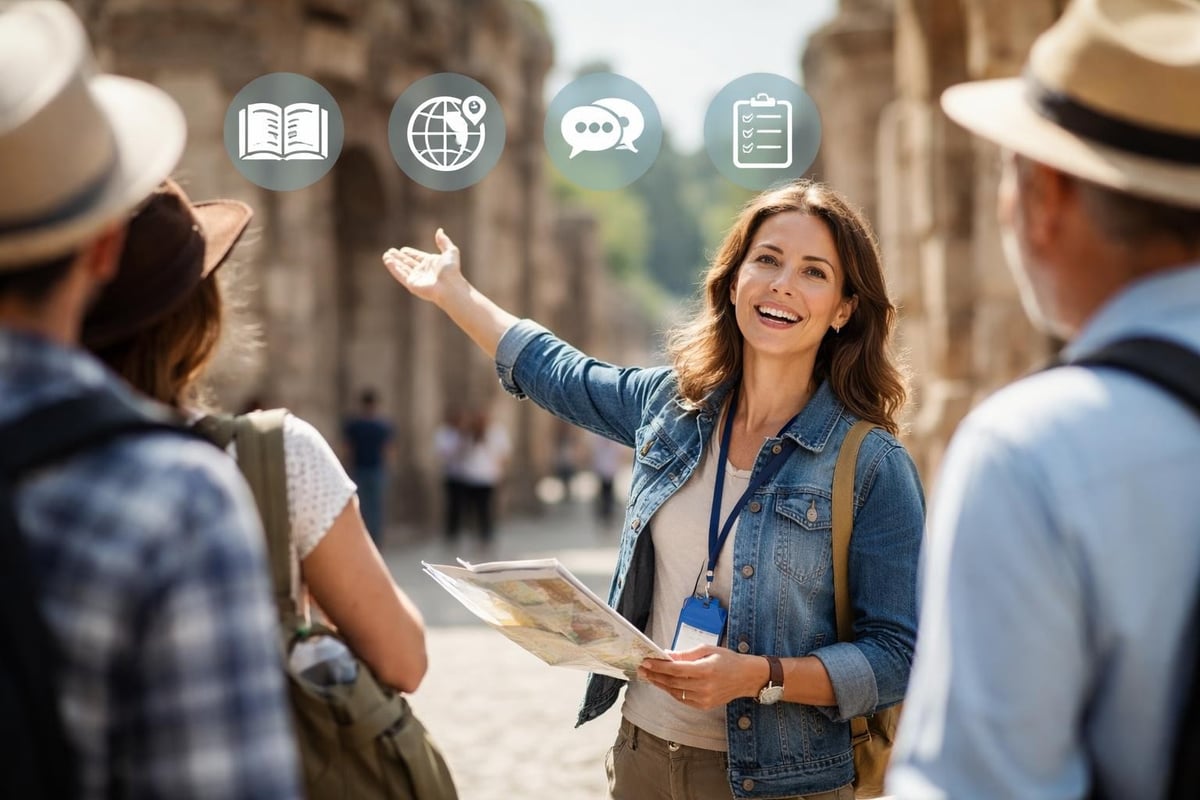
Effective communication goes beyond volume and clarity. A tour guide must adapt their presentation style to match group dynamics, energy levels, and interest areas. Storytelling transforms facts into engaging narratives that capture imagination and create emotional connections with places.
The difference between reading from a script and engaging in authentic conversation separates adequate guides from exceptional ones. When exploring Stockholm’s Old Town, skilled guides weave together architecture, royal intrigue, and daily life into compelling stories rather than delivering a lecture. They read their audience, adjusting pace and content based on reactions and questions.
| Communication Aspect | Why It Matters | Application Example |
|---|---|---|
| Voice projection | Ensures everyone hears clearly | Adjusting volume in narrow alleys vs. open squares |
| Body language | Engages visual learners | Gesturing toward architectural details |
| Pacing | Maintains attention | Varying speech rhythm during long explanations |
| Question handling | Encourages interaction | Welcoming interruptions for clarification |
Safety and Professionalism Standards
The responsibility of managing group safety cannot be overstated. A tour guide serves as the first line of protection for visitors navigating unfamiliar environments. This encompasses physical safety, health considerations, and security awareness.
Essential safety protocols include regular headcounts, awareness of weather conditions, knowledge of emergency exits, and understanding of local emergency services. Professional guides maintain first aid certification and carry emergency contact information for all group members.
Managing Group Dynamics
Different group compositions require different management approaches:
- Private family groups need flexibility for varying ages and energy levels
- Corporate teams benefit from punctuality and professional demeanor
- Mixed international groups require cultural sensitivity and language clarity
- Solo travelers joining group tours appreciate opportunities for connection
The ability to handle unexpected situations professionally defines truly skilled guides. When weather changes plans, transportation delays occur, or attractions close unexpectedly, a tour guide must pivot seamlessly while maintaining group morale. This adaptability becomes particularly important for customized experiences where client expectations are highly personalized.
Creating Personalized Experiences
Generic, one-size-fits-all tours no longer meet modern traveler expectations. Today's visitors seek authentic, tailored experiences that align with their specific interests. A tour guide who can customize content and pacing creates significantly more value than one who follows a rigid script.
Understanding Client Interests
Effective personalization begins before the tour starts. Pre-tour communication helps a tour guide identify what matters most to their group:
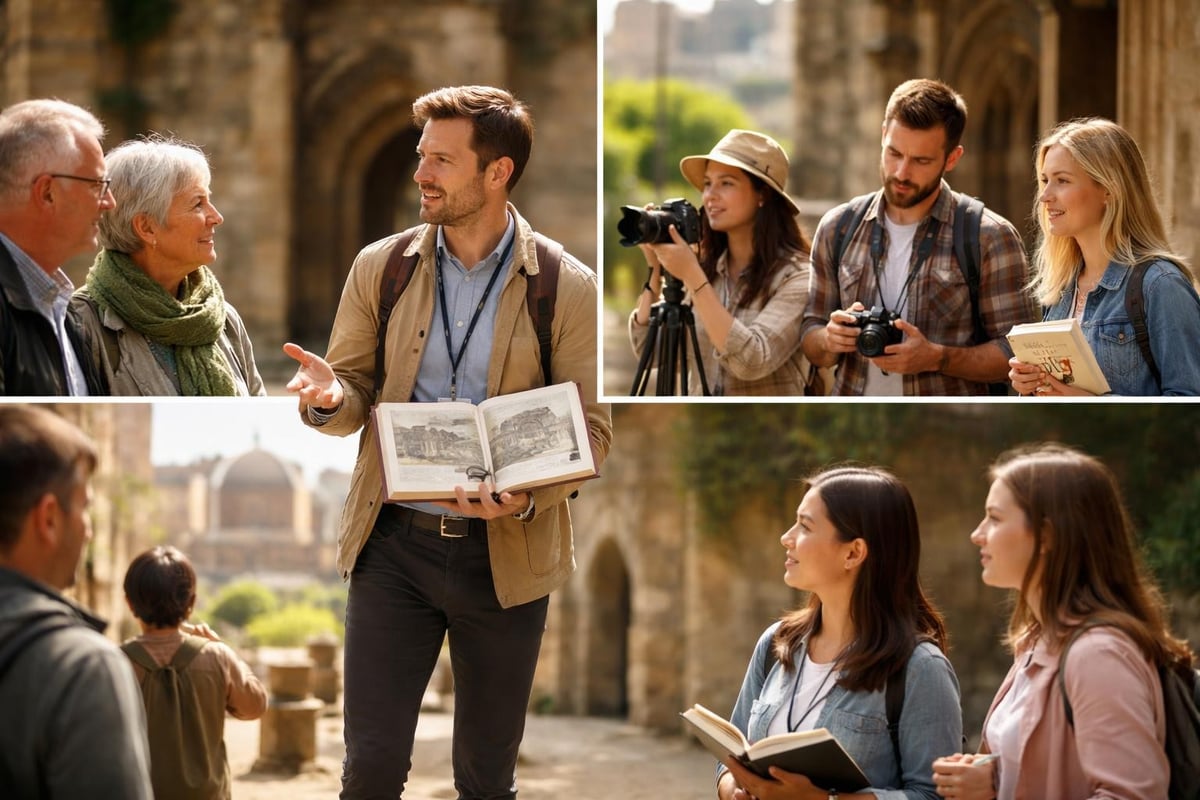
- History enthusiasts want in-depth context and scholarly details
- Photography lovers need time and positioning for perfect shots
- Literary fans seek connections to beloved books and authors
- Music aficionados appreciate cultural context behind artistic movements
For instance, literary adventures following Stieg Larsson’s footsteps require a tour guide who understands both Stockholm's geography and the Millennium trilogy's plot points. Similarly, an ABBA journey succeeds when the guide shares not just band history but the broader context of Swedish pop culture.
Balancing Structure and Flexibility
The paradox of excellent guiding lies in maintaining structure while appearing spontaneous. A tour guide needs a solid framework covering essential content and logistics, yet must remain open to teachable moments and serendipitous discoveries.
Best practices for flexible guiding:
- Build buffer time into schedules for unexpected opportunities
- Prepare optional content that can be added or removed
- Know alternative routes when primary paths are crowded
- Maintain awareness of group energy and adjust accordingly
This balance becomes especially important for private group tours where the entire experience can be shaped around specific preferences without affecting other tourists.
Professional Development and Certification
The tour guiding profession continues evolving, with increasing emphasis on formal training and certification. While natural charisma and local knowledge matter, structured education provides foundational skills and industry credibility.
Certification programs vary by location and specialization. Some jurisdictions require licensing, while others offer voluntary professional designations. Washington, D.C., for example, maintains specific licensing requirements for tour guides operating in the nation's capital.
Training Components
Comprehensive tour guide training typically covers:
- Destination knowledge: History, culture, geography, current events
- Technical skills: Group management, safety procedures, communication techniques
- Business operations: Marketing, pricing, customer service, legal compliance
- Specialized topics: Accessibility, sustainability, cultural sensitivity
Utah’s basic tour guide training provides a model for regional certification, combining local expertise with universal guiding principles. Similarly, Oregon’s GORP program emphasizes outdoor skills alongside traditional tour guiding competencies.
Continuing Education
The learning never stops for dedicated professionals. A tour guide must stay current with:
- New attractions and destination changes
- Updated historical research and interpretations
- Emerging travel trends and visitor expectations
- Technology tools for enhanced experiences
- Industry best practices and standards
Regular participation in professional associations, attending conferences, and networking with other guides keeps skills sharp and knowledge current. Many successful guides also pursue specialized certifications in areas like food tourism, adventure guiding, or cultural heritage interpretation.
The Business Side of Tour Guiding
Whether working independently or for established companies, a tour guide must understand business fundamentals. This includes pricing strategies, marketing approaches, customer acquisition, and service delivery standards.
Working Independently vs. For Tour Companies
| Aspect | Independent Guide | Company Guide |
|---|---|---|
| Schedule control | Complete flexibility | Set by employer |
| Income stability | Variable, seasonal | More predictable |
| Marketing responsibility | Self-managed | Company handles |
| Equipment costs | Self-funded | Often provided |
| Professional support | Limited | Team collaboration |
Best practices for hiring tour guides provide valuable insights for both operators seeking quality staff and guides understanding what employers value. Key hiring criteria include reliability, presentation skills, knowledge depth, and cultural awareness.

Building a Sustainable Career
Long-term success requires more than guiding skills. A tour guide building a career must focus on:
- Reputation management through consistently excellent service
- Online presence with professional profiles and positive reviews
- Specialization in particular niches or themes
- Relationship building with hotels, travel agents, and tourism boards
- Financial planning to manage seasonal income fluctuations
Many guides diversify income streams by offering different tour types, writing guidebooks, creating online content, or training other guides. This diversification provides stability while maintaining focus on the core passion for sharing destinations with visitors.
Qualities That Distinguish Exceptional Guides
Technical skills and knowledge form the baseline, but certain personal qualities separate good guides from truly memorable ones. Genuine enthusiasm for the destination proves contagious, inspiring visitors to care about places and stories they might otherwise overlook.
Passion and Authenticity
Visitors quickly sense when a tour guide genuinely loves their work versus simply going through motions. Authentic passion manifests in:
- Eagerness to share lesser-known details
- Pride in local culture and heritage
- Willingness to answer questions thoroughly
- Energy that remains consistent throughout tours
- Personal anecdotes that reveal connection to place
For Stockholm tours, guides who have deep roots in the city bring perspectives that newcomers cannot match. They share how neighborhoods have changed, recommend authentic restaurants locals actually frequent, and explain cultural nuances that make Swedish life distinctive.
Adaptability and Problem-Solving
No tour goes exactly as planned. Weather changes, attractions close, participants arrive late, or unexpected opportunities arise. Tips for becoming a successful tour guide emphasize the importance of maintaining composure and creativity when challenges emerge.
Problem-solving scenarios a tour guide faces:
- Rerouting when construction blocks planned paths
- Engaging restless children while maintaining adult interest
- Managing accessibility needs not disclosed during booking
- Handling difficult personalities without disrupting group harmony
- Adjusting content when previous guides covered planned material
The ability to pivot gracefully while maintaining professional demeanor builds client confidence and trust. When visitors see their guide handle unexpected situations calmly, they relax and enjoy the experience rather than worrying about logistics.
Leveraging Technology and Innovation
Modern tour guiding increasingly incorporates technology to enhance rather than replace human expertise. A tour guide who embraces helpful tools while maintaining personal connection delivers superior experiences.
Digital aids include translation apps for international groups, photography assistance, audio enhancement systems for large groups, and digital payment processing. However, technology should support storytelling rather than dominate it. The most effective guides use devices strategically, then return focus to direct human interaction.
Enhancing Rather Than Replacing Connection
Strategies for becoming a better tour guide stress that technology serves the relationship between guide and visitors. Photos projected on tablets can illustrate historical changes, but the guide's narrative provides context and meaning. GPS tracking ensures safety for adventure tours, but the guide's wilderness expertise creates the authentic experience.
Smart technology integration includes:
- Pre-tour digital packets with meeting information and packing lists
- Shared photo albums where group members contribute images
- Post-tour resources with recommended readings and related attractions
- Real-time weather and crowd monitoring for route optimization
- Emergency communication systems for large or dispersed groups
The goal remains creating human connections and memorable experiences. Technology simply removes friction points that might otherwise distract from those core objectives.
Cultural Sensitivity and Inclusive Guiding
In our interconnected world, a tour guide regularly works with people from diverse backgrounds, beliefs, and abilities. Cultural competence has evolved from a nice-to-have skill to an essential professional requirement.
Inclusive guiding practices ensure all participants feel welcomed and valued:
- Using language that respects various identities and backgrounds
- Acknowledging different historical perspectives on events
- Providing accessibility information and accommodations
- Respecting dietary restrictions and religious observances
- Creating space for varied learning and participation styles
When leading English-language tours for international visitors, skilled guides recognize that English proficiency levels vary. They speak clearly without condescension, check for understanding, and create opportunities for questions without putting anyone on the spot.
Representing Local Culture Authentically
A tour guide serves as a cultural ambassador, representing their destination to the world. This responsibility includes sharing both celebrated aspects and acknowledging complex histories. Visitors appreciate honest perspectives over sanitized narratives that ignore difficult realities.
For Stockholm-based guides, this might mean discussing Swedish approaches to social welfare, environmental policy, or immigration alongside Viking heritage and royal traditions. Balanced representation builds credibility and fosters deeper understanding between cultures.
The exceptional tour guide combines deep knowledge with genuine passion, professional standards with personal warmth, and structured planning with spontaneous flexibility. These professionals transform sightseeing into meaningful experiences that educate, inspire, and connect people across cultures. If you're planning to explore Stockholm with family, friends, or colleagues, Adding:tours offers personalized guided experiences led by native English-speaking experts who bring local insights and tailored storytelling to every journey. From literary adventures following beloved characters through city streets to musical journeys celebrating ABBA, our guides create the memorable moments that define truly special travel.