Solo Walking Holidays Guide: Explore the World in 2026
Imagine the freedom of exploring breathtaking landscapes on your own terms, setting the pace and direction of your journey. Solo walking holidays are capturing the imagination of travelers worldwide, especially as we look ahead to 2026. More people are seeking adventure, self-discovery, and the chance to connect deeply with nature and new cultures.
This guide is designed to empower you with practical tips, destination ideas, and step-by-step planning advice. Whether you crave solitude or the camaraderie of fellow walkers, you will find inspiration here. Let’s help you confidently plan and enjoy your unforgettable solo adventure.
Why Choose a Solo Walking Holiday?
The popularity of solo walking holidays is reaching new heights in 2026. More travelers are setting out on foot alone, inspired by the promise of personal freedom, adventure, and self-discovery. According to industry reports, solo travel bookings are rising fast, with a 55% increase in solo escorted tour bookings and new tailored itineraries to meet demand. This surge highlights a global shift towards independent exploration and immersive experiences.
The Rise of Solo Travel in 2026
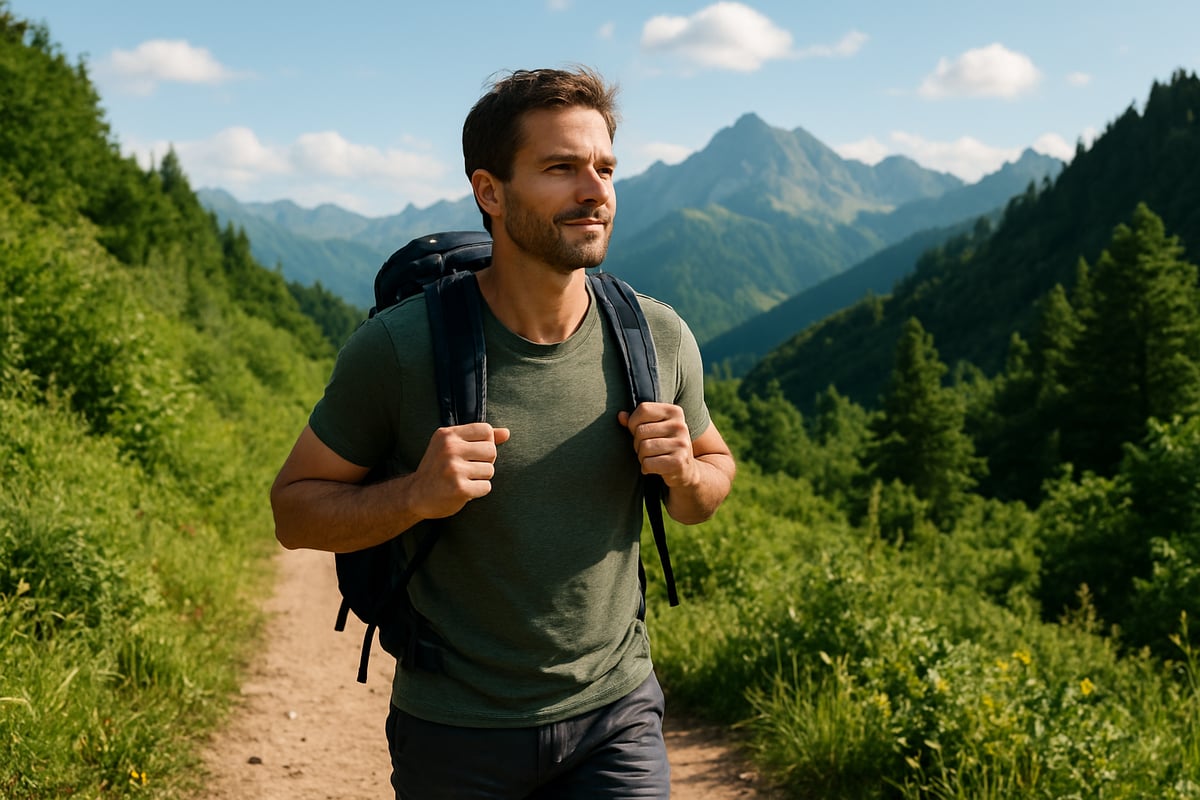
Solo walking holidays are no longer a niche pursuit. In 2026, more than ever, people of all backgrounds are choosing to travel independently, seeking both structure and flexibility. Recent data shows over 56 solo walking holidays now offered by top providers, reflecting a remarkable growth in options and inclusivity.
This movement is propelled by travelers who want to control their pace, itinerary, and level of social interaction. Many are drawn to the sense of achievement that comes from navigating new landscapes on their own. The rising trend is also fueled by the availability of group and self-guided options, catering to all comfort levels. For more on this shift, see Mercury Holidays reports 55% increase in solo escorted tour bookings.
Motivations & Demographics
What drives people to book solo walking holidays? Independence is a top motivator, allowing travelers to choose their own routes, rest stops, and experiences. Self-discovery is another major factor, as walking alone offers time for reflection and personal growth.
Demographics are shifting, too. Participation has expanded across all age groups, with a notable increase among women and mature travelers. Solo walking holidays attract both seasoned adventurers and first-time soloists, thanks to improved safety measures and supportive communities.
- Independence and flexibility
- Self-discovery and personal growth
- Broad appeal: from millennials to retirees
- Growing number of solo female travelers
Social and Wellness Benefits
Solo walking holidays offer a unique blend of solitude and sociability. Travelers can opt for guided groups, where meeting like-minded walkers is easy, or choose peaceful solitude on self-guided routes. Many find that walking creates natural opportunities for conversation and connection, without pressure.
The health benefits are equally compelling. Regular walking strengthens the heart, boosts energy, and improves balance. Mentally, it can lower stress, enhance mood, and provide a sense of accomplishment. For those seeking a holistic escape, solo walking holidays deliver both physical and emotional rewards.
Sustainability & Affordability
Choosing solo walking holidays is a responsible travel choice. Walking minimizes your carbon footprint, supports local economies, and encourages mindful, low-impact exploration. Many routes now emphasize sustainable practices, from eco-lodges to Leave No Trace principles.
Affordability is another advantage. In 2026, more group trips offer no single supplement for solo travelers, reducing costs significantly. Self-guided options are often budget-friendly, as travelers can select accommodations and amenities that fit their needs.
- Eco-friendly travel method
- No single supplement on many tours
- Flexible, budget-conscious planning
Examples and Trends
Across Europe and Asia, solo walking groups are growing in popularity. Self-guided holidays provide tailored support, including route notes and local assistance, while guided tours offer camaraderie and expert guidance. In both cases, solo walking holidays are more accessible than ever.
Emerging destinations and innovative itineraries continue to expand the possibilities. Whether you seek company or solitude, culture or wilderness, the world of solo walking holidays is full of choice and inspiration for 2026.
Top Solo Walking Holiday Destinations for 2026
Embarking on solo walking holidays in 2026 opens up a world of breathtaking landscapes, vibrant cultures, and personal discovery. From legendary European trails to remote global adventures, the options have never been more diverse or accessible. Let’s explore the standout destinations and emerging trends shaping the future of solo walking holidays.
Europe’s Best Solo Walking Routes
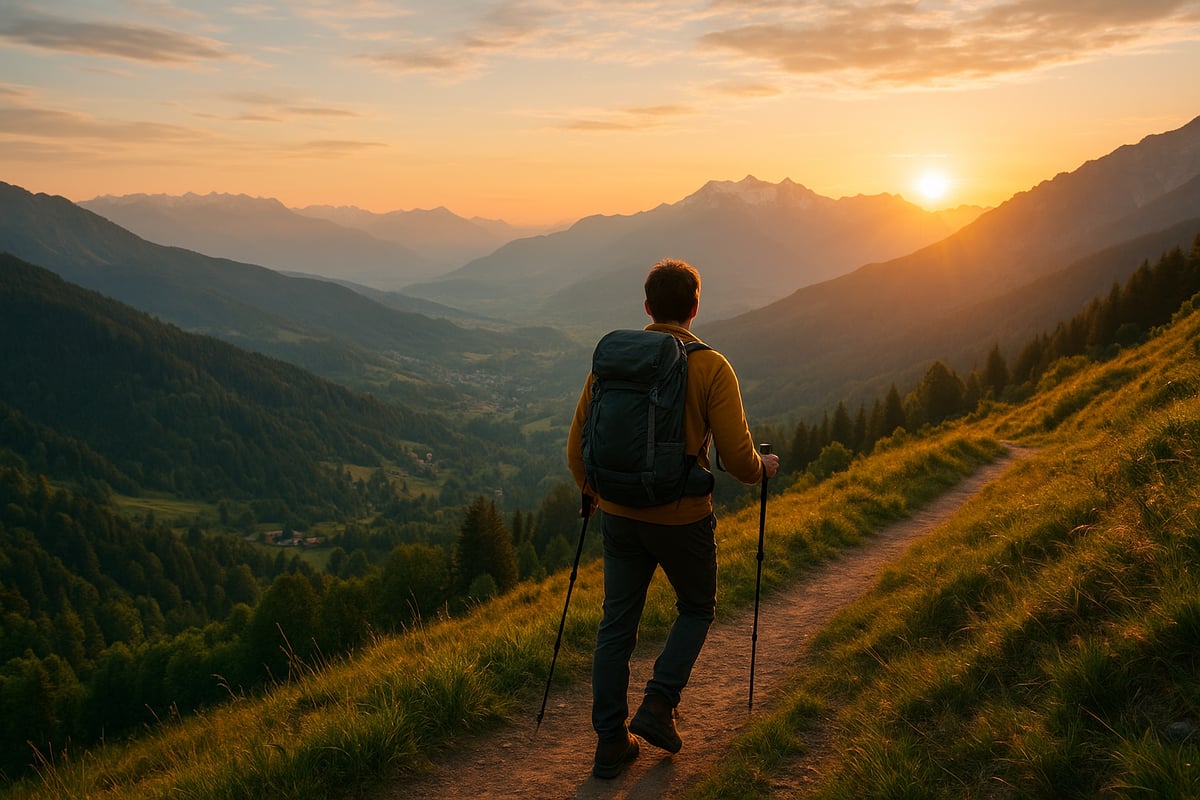
Europe remains at the heart of solo walking holidays, offering a rich tapestry of trails for every level. Whether you seek spiritual journeys or coastal escapes, these routes promise both camaraderie and solitude.
- Camino de Santiago (Spain): This iconic pilgrimage route attracts thousands of solo walkers each year. The sense of community, well-marked paths, and diverse accommodation options make it ideal for first-time solo walking holidays.
- Corfu Trail (Greece): Traverse coastal cliffs and lush mountains over 10 days, with self-guided itineraries starting from £819. The trail is celebrated for its blend of sea views and authentic village life.
- Rhodope Mountains (Bulgaria): Cultural immersion meets natural beauty on guided or private walks, starting from £1,279. Explore remote villages and ancient forests, perfect for adventurous solo walking holidays.
- Alentejo’s Fisherman’s Trail (Portugal): Discover tranquil fishing villages and dramatic Atlantic coastlines. This moderate-grade path spans 7 days from £1,319, offering solitude and scenic charm.
- Majorca’s Mountains & Coast (Spain): Enjoy year-round hiking with rustic hotels and Mediterranean views. Eight-day packages begin at £939, making it a favorite for solo walking holidays in all seasons.
- Elbe Mountains (Germany): Experience easy to moderate winter hiking over 6 days from £629. This route is perfect for those seeking peaceful forests and fairy-tale landscapes.
For those seeking more inspiration or looking to compare options, curated solo walking vacations in 2026 & 2027 offer responsible travel choices and an even greater selection of trails across Europe.
Worldwide Solo Walking Adventures
Beyond Europe, solo walking holidays are flourishing in some of the world’s most spectacular settings. These destinations offer unique cultural encounters and unforgettable scenery.
- Annapurna Sanctuary (Nepal): Trek through the Himalayas on a guided group or private adventure. This classic 13-day journey from £3,015 is a bucket-list experience for many solo walking holidays enthusiasts.
- Salkantay & Machu Picchu (Peru): Embark on a demanding 10-day trek from £2,529, culminating at the iconic Inca citadel. Cultural immersion and breathtaking vistas define this route.
- Pekoe Trail (Sri Lanka): Wander through highlands and tea plantations, with rafting and wildlife encounters. Ten-day packages start at £1,995, offering a unique twist on solo walking holidays.
- Highlights of Dubrovnik & Islands (Croatia): Enjoy self-guided coastal and cultural walks over 8 days from £1,839. Discover medieval towns, turquoise waters, and welcoming communities.
- The Accursed Mountains (Albania): Experience remote, demanding trails over 8 days from £1,369. This region is gaining recognition for its wild beauty and authentic local culture.
Solo walking holidays in these locations combine adventure and cultural richness, appealing to travelers eager for deeper connections with nature and people.
Emerging Destinations and Trends
The landscape for solo walking holidays is rapidly evolving, with new destinations and experiences emerging each year. Scandinavia is leading the way, with Norway, Sweden, and Iceland expanding their trail networks to support sustainable, solitude-focused travel.
Africa and the Middle East are also gaining popularity. Morocco’s Atlas Mountains and Jordan’s desert trails now offer guided and self-guided options tailored for solo walking holidays, welcoming a new generation of explorers.
Recent data shows a surge in solo-friendly tours and innovative itineraries for 2026. Tour operators are responding by removing single supplements, providing better support, and designing routes that highlight local culture and environmental stewardship.
With so many choices, solo walking holidays in 2026 promise unforgettable journeys, whether you crave classic European paths or want to blaze a trail in up-and-coming regions.
How to Plan the Perfect Solo Walking Holiday: Step-by-Step Guide
Planning solo walking holidays can be both exciting and empowering. With the right approach, you can tailor your experience to fit your interests, pace, and comfort level. Follow this step-by-step guide to ensure your solo walking holidays in 2026 are seamless, safe, and truly memorable.
Step 1: Define Your Goals and Preferences
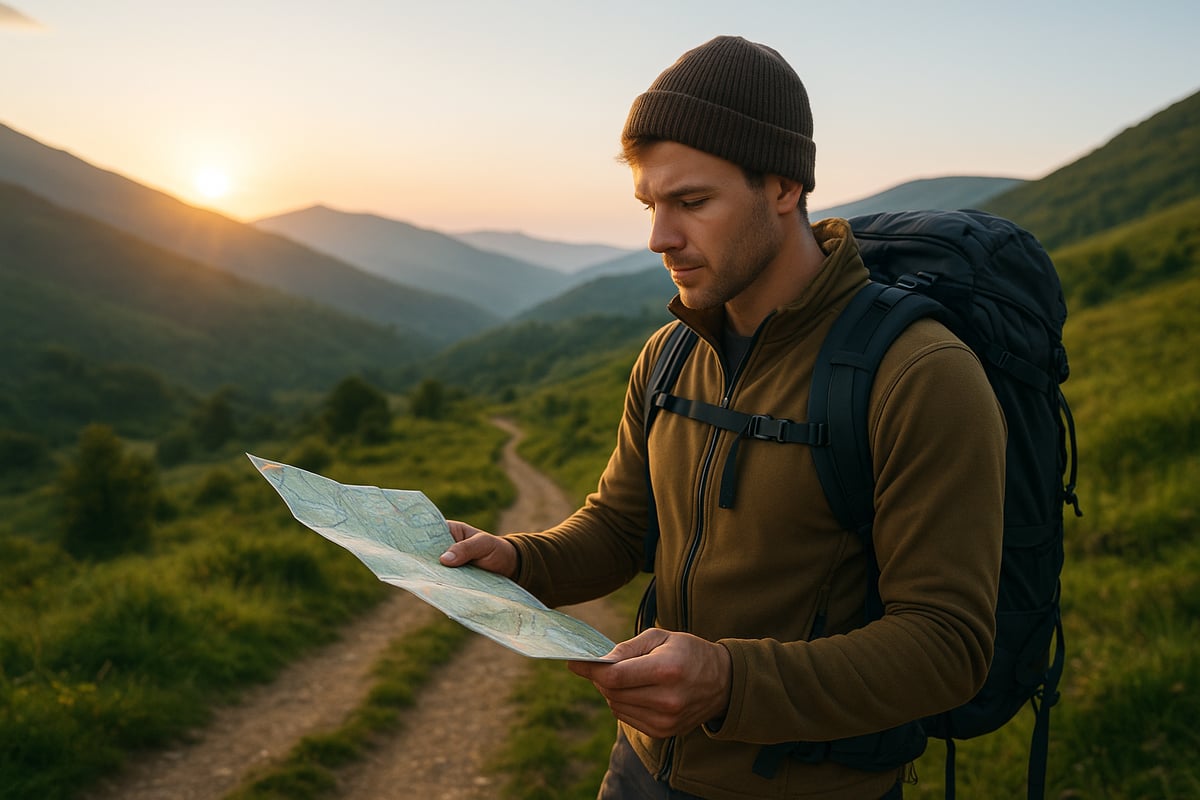
Start by clarifying what you want from your solo walking holidays. Are you seeking adventure, relaxation, or a blend of both? Consider whether you prefer cultural immersion, nature, or a combination.
Assess your fitness level honestly. Some travelers thrive on challenging terrain and long distances, while others prefer gentle, scenic walks. Your experience, interests, and comfort with navigation will help determine the best routes for solo walking holidays.
Make a list of your must-haves:
- Level of physical challenge
- Cultural or natural highlights
- Group interaction vs. solitude
Being clear about your goals will shape every decision you make for your trip.
Step 2: Choose the Right Destination and Route
Selecting the right destination is crucial for successful solo walking holidays. Match the route’s difficulty (easy, moderate, demanding, or strenuous) to your ability. Research seasonal weather and local climate to ensure a comfortable experience.
Think about your cultural interests. Some destinations offer ancient trails with historical sites, while others provide pure wilderness. Use holiday search tools and consult operators specializing in solo walking holidays for tailored recommendations.
For more help, you can explore detailed advice on planning your walking tours, which offers insights into customizing itineraries and finding the right fit for your needs.
Step 3: Decide on Guided, Self-Guided, or Independent Travel
Consider the benefits and challenges of each travel style for solo walking holidays. Guided group tours offer social opportunities, logistical support, and expert knowledge. They are ideal if you appreciate structure and group camaraderie.
Self-guided trips provide independence with the reassurance of pre-planned routes, accommodation, and local support. If you are confident navigating but want backup, this is a great option.
Independent travel gives you maximum flexibility and control. You design every detail but must be comfortable with navigation, logistics, and potential language barriers.
Here’s a comparison:
| Travel Style | Pros | Cons |
|---|---|---|
| Guided | Social, safe, logistics handled | Less flexibility, set groups |
| Self-guided | Flexible, local support | Must navigate, some planning |
| Independent | Total freedom | Full responsibility |
Step 4: Book Accommodation and Logistics
Accommodation options for solo walking holidays range from guesthouses and hostels to hotels, homestays, and eco-lodges. Many providers offer twin-share, women-only, or private rooms for added comfort and safety.
When booking, consider:
- Proximity to the trail
- Security and solo-friendly policies
- Access to transport and luggage transfer services
Plan your transfers between trailheads, luggage forwarding, and any public or private transport needed. This step ensures smooth transitions and peace of mind during your solo walking holidays.
Step 5: Prepare Travel Documents and Insurance
Documentation is essential for international solo walking holidays. Check your passport’s validity and any visa requirements for your destination. Some countries require proof of onward travel or specific vaccinations.
Purchase comprehensive travel insurance that covers trekking and walking activities. This protects you in case of unexpected events, such as injury or trip cancellations. Keep digital and paper copies of all documents, including insurance details.
Step 6: Plan Daily Itineraries and Rest Days
Balance activity and rest during your solo walking holidays. Plan daily distances and elevation to match your fitness, aiming for a manageable pace. Include interesting cultural stops, scenic highlights, and food experiences.
Allow time for rest days, especially on longer routes. This helps prevent fatigue and gives you space to enjoy local cultures or spontaneous adventures. Flexibility is key for a satisfying solo walking holiday experience.
Step 7: Budgeting and Managing Costs
Budgeting for solo walking holidays involves more than just booking flights and accommodation. Compare all-inclusive packages with DIY trips to find the best value. Factor in meals, transfers, entrance fees, and tips.
Tips for managing costs:
- Book in advance for discounts
- Consider shoulder season travel
- Use local transport where safe and practical
Track expenses throughout your journey. Careful budgeting helps you get the most from your solo walking holidays without unnecessary stress.
Essential Safety Tips and Support for Solo Walkers
Embarking on solo walking holidays in 2026 offers immense freedom, but prioritizing safety is essential for a truly rewarding experience. Whether you join a group or venture independently, understanding the right precautions and support resources ensures peace of mind every step of the way.
Group Travel Safety and Support
For many, joining small group tours is one of the safest ways to enjoy solo walking holidays. Group settings offer structured support, shared logistics, and the reassurance of traveling with like-minded individuals. Most reputable tour operators provide professional guides, daily briefings, and 24/7 assistance, making it easier to navigate unfamiliar routes confidently.
Many companies now offer Guided vacations for solo travelers, eliminating single supplements and fostering a welcoming environment. This approach balances independence with built-in safety nets, especially valuable for first-time solo walkers or those exploring remote destinations.
Navigation and Technology for Solo Walkers
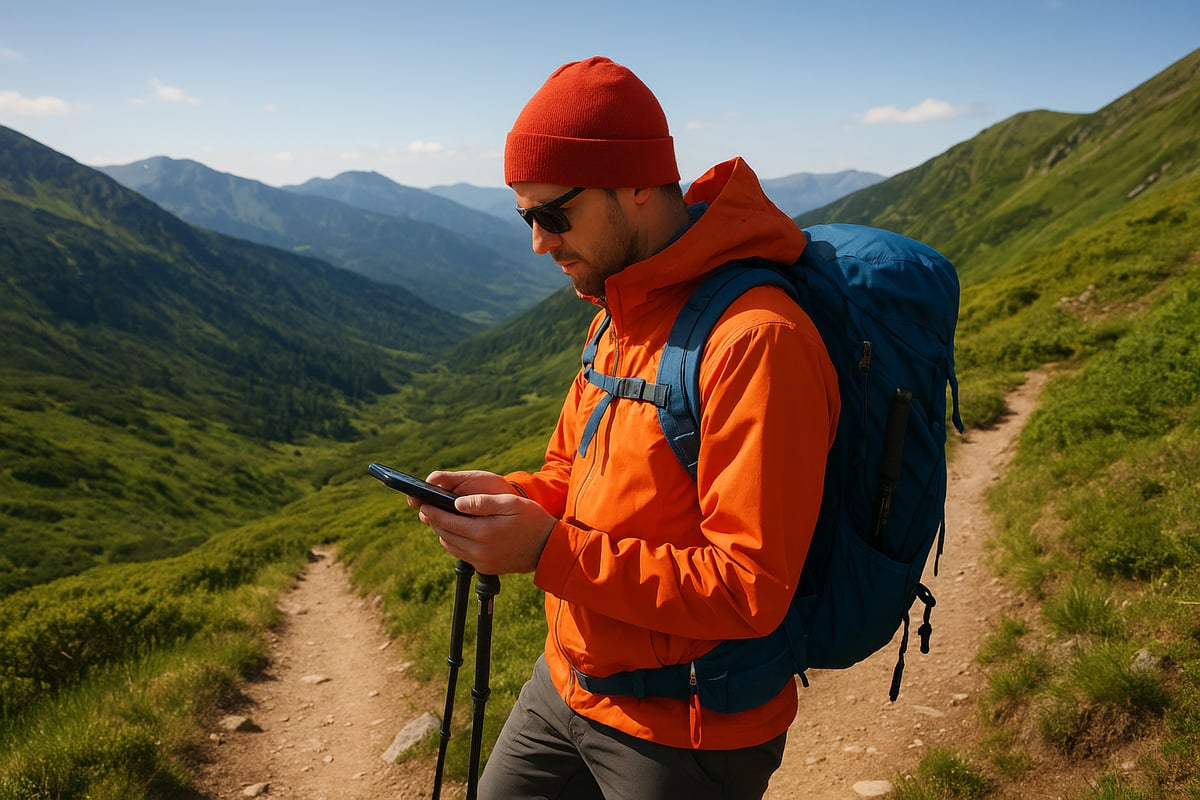
Reliable navigation is crucial for solo walking holidays, especially on self-guided or independent routes. Always carry a combination of GPS devices, physical maps, and detailed route notes. Download offline maps and trail apps before departure, as mobile coverage can be inconsistent in remote areas.
Equip yourself with essential tech:
- Smartphone with emergency contacts pre-loaded
- Portable power bank
- GPS watch or handheld GPS device
- Local SIM card for connectivity
Utilize translation apps and safety-oriented travel apps to stay informed and connected throughout your journey.
Health, Local Customs, and Emergency Preparedness
Maintaining your health on solo walking holidays requires planning. Prioritize hydration, nutrition, and altitude awareness when applicable. Always pack a compact first aid kit with blister care, pain relief, and any personal medications.
Respect local customs and etiquette, especially as a solo traveler. Solo female walkers should research cultural norms and dress codes for added comfort and safety. Carry copies of your ID, insurance, and emergency contacts in both digital and paper form.
Safety essentials checklist:
- First aid kit
- Whistle
- Sun protection
- Emergency cash
- Personal identification
Real-World Support and Statistics
Solo walking holidays are among the safest forms of adventure travel. Reputable operators provide local support, dedicated tour leaders, and 24/7 emergency helplines. Incident rates on organized walking holidays remain impressively low, thanks to robust risk assessments and experienced staff.
Support resources comparison:
| Support Type | Description | Availability |
|---|---|---|
| Guided Groups | Professional guide, team support | Widely available |
| Self-Guided Tours | Route notes, luggage transfer, helpline | Increasingly common |
| Emergency Contacts | Local support, 24/7 helplines | Standard with tours |
| Solo Supplements | No extra fee for singles | Many operators offer |
With the right preparation and support, solo walking holidays can be both safe and enriching, allowing you to focus on discovery and personal growth.
What to Pack for a Solo Walking Holiday in 2026
Packing for solo walking holidays requires thoughtful planning, as you need to balance comfort, safety, and mobility. With the right gear, you can focus on enjoying the journey and exploring new destinations with peace of mind.
Footwear:
Your shoes are your foundation for solo walking holidays. Invest in sturdy, well-fitted walking boots or trail shoes. Break them in before departure to avoid blisters and discomfort. For multi-day treks, consider bringing lightweight sandals for evenings or rest days.
Clothing:
Pack clothing suitable for varied weather. Layering is essential, with moisture-wicking base layers, an insulating mid-layer, and a waterproof jacket. Include a sun hat, quick-dry pants, and warm socks. For solo walking holidays in changing climates, this approach ensures adaptability and comfort.
Essential Gear:
A well-organized daypack is a must. Add a hydration system or reusable water bottle, trekking poles for stability, and navigation tools like a map, compass, or GPS. Solo walking holidays benefit from gear that is lightweight and multi-functional.
Health and Safety Essentials:
Carry a compact first aid kit, personal ID, and an emergency whistle. Include blister plasters, any medications, and sunscreen. For solo walking holidays in remote areas, these essentials support your independence and safety.
Technology and Power:
A smartphone with offline maps and translation apps is invaluable. Bring a backup power bank, universal charger, and travel adapter. GPS watches or fitness trackers can help you monitor distance and elevation, which is especially useful for solo walking holidays.
Packing Light:
Choose versatile clothing and gear to minimize weight. Use packing cubes or compression bags to organize your backpack. Laundry soap sheets allow you to wash items on the go, enabling lighter packing for longer solo walking holidays.
Documentation and Preparation:
Make copies of your passport, insurance, and emergency contacts. Store digital copies securely in your email or cloud storage. These steps give peace of mind for solo walking holidays, especially if you lose any documents.
For more detailed advice and real-world tips, explore walking holiday reviews and experiences from other solo travelers who share their tried-and-tested packing lists.
| Packing Category | Essentials to Include |
|---|---|
| Footwear | Walking boots, sandals, socks |
| Clothing | Layers, rain jacket, sun hat, quick-dry pants |
| Gear | Daypack, hydration system, trekking poles |
| Health/Safety | First aid kit, ID, whistle, sunscreen |
| Tech | Smartphone, power bank, GPS, charger |
| Documentation | Passport, insurance, emergency contacts |
Preparation is key to making the most of solo walking holidays. With the right packing strategy, you can travel light, stay safe, and fully enjoy every moment of your adventure.
Maximizing Your Solo Walking Experience: Tips and Resources
Embarking on solo walking holidays offers more than just picturesque trails; it is a journey of self-growth, connection, and adventure. To ensure you get the most from every step, a thoughtful approach to preparation, engagement, and reflection is essential.
Building Confidence and Overcoming Solo Travel Anxiety
For many, the first step toward solo walking holidays is overcoming uncertainty. Building confidence starts with a positive mindset and a willingness to embrace independence. Understand that feeling nervous is normal, especially if it's your first solo trip.
Connect with fellow solo walkers through online forums, pre-trip meetups, or local walking clubs. Sharing concerns and tips with others can ease anxiety and foster a sense of community. Testimonials from solo travelers frequently highlight transformative moments, from conquering challenging trails to forming lifelong friendships.
Approach your journey as an opportunity for personal growth. Each day on solo walking holidays brings new challenges, but also a sense of achievement and resilience. With preparation and openness, your solo adventure becomes a source of pride and empowerment.
Making the Most of Cultural and Nature Encounters
Solo walking holidays are a gateway to authentic cultural and natural experiences. Take time to engage with local communities, learning basic phrases and participating in regional traditions. These interactions often lead to meaningful connections and deeper understanding of your destination.
Food is an integral part of travel. Seek out culinary adventures by sampling street food, joining a cooking class, or visiting local markets. Such experiences enrich your journey and introduce new flavors and stories.
Respect for the environment is crucial. Follow Leave No Trace principles, observe wildlife responsibly, and support eco-friendly initiatives. These practices ensure that solo walking holidays remain sustainable and rewarding for years to come.
Choosing the Right Tour Operator or Platform
Selecting a reputable tour operator is a key factor in a successful solo walking experience. Look for companies with strong solo traveler policies, flexible booking options, and a transparent approach to group sizes and support services.
Review testimonials and ratings to gauge reliability. Many operators now offer no single supplement and small group sizes, fostering both independence and camaraderie. For those seeking additional support or safety, consider professional tour guide services that cater specifically to solo walkers.
Prioritize operators with clear emergency protocols, local expertise, and responsive customer service. The right partnership ensures your solo walking holidays are safe, enjoyable, and tailored to your needs.
Staying Connected and Documenting Your Journey
Documenting your solo walking holidays not only preserves memories but also helps you connect with others. Use social media platforms to share updates, join travel groups, and exchange advice with like-minded adventurers.
Journaling is a powerful tool for reflection. Record your thoughts, routes, and highlights each day. Photography further enhances your experience, capturing landscapes, candid moments, and milestones.
Staying connected with friends and family provides reassurance and support. Use travel apps for navigation and communication, ensuring you can focus on the joys of solo exploration with confidence.
Resources for Further Planning
To maximize your solo walking holidays, take advantage of a wide range of resources. Explore recommended websites, guidebooks, and travel apps tailored to solo walkers. Annual events, festivals, and walking challenges offer opportunities to meet others and expand your horizons.
For destination inspiration, consult curated lists like top solo travel destinations for 2026. Stay informed about new trails, community platforms, and the growing number of solo-friendly tours.
As interest in solo walking holidays continues to rise, planning ahead and leveraging expert recommendations will ensure your journey is both memorable and fulfilling.