The Guide Tour: Elevating Your Group Travel Experience
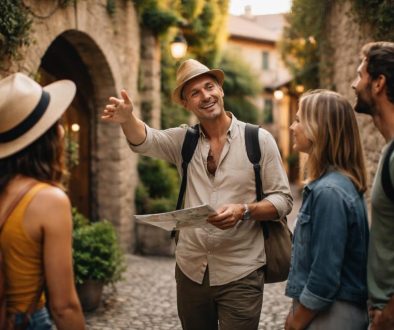
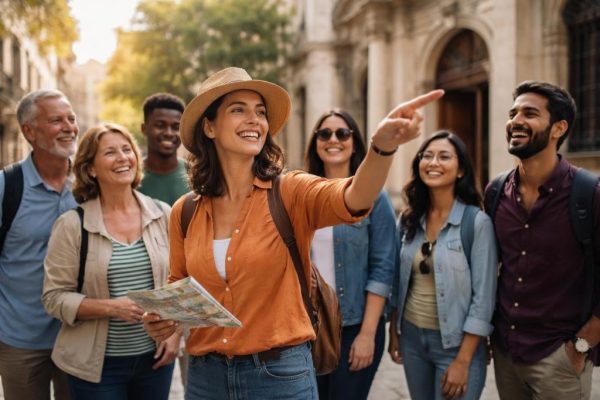
Travelers today seek more than superficial sightseeing-they crave authentic connections to places, stories, and people. The guide tour represents a shift from generic tourism toward meaningful exploration tailored to specific interests and group dynamics. Whether you're navigating Stockholm's cobblestone streets with family or discovering literary landmarks with colleagues, professionally guided experiences unlock layers of culture that independent exploration often misses. Understanding what makes the guide tour exceptional helps groups maximize their investment in travel experiences.
What Defines the Guide Tour Experience
The guide tour transforms passive observation into active engagement. Unlike self-guided exploration or large bus tours, this approach centers on intimate group dynamics and personalized storytelling.
Key characteristics include:
- Limited group sizes that facilitate conversation and questions
- Flexible itineraries adjusted to participant interests
- Expert guides who share insider knowledge beyond guidebooks
- Interactive elements that engage multiple senses
- Opportunities for authentic local encounters
A professionally conducted guide tour balances structure with spontaneity. Guides establish a framework while remaining responsive to group energy, weather conditions, and emerging interests. This adaptability distinguishes quality tours from rigid, scripted experiences.
The Evolution of Guided Experiences
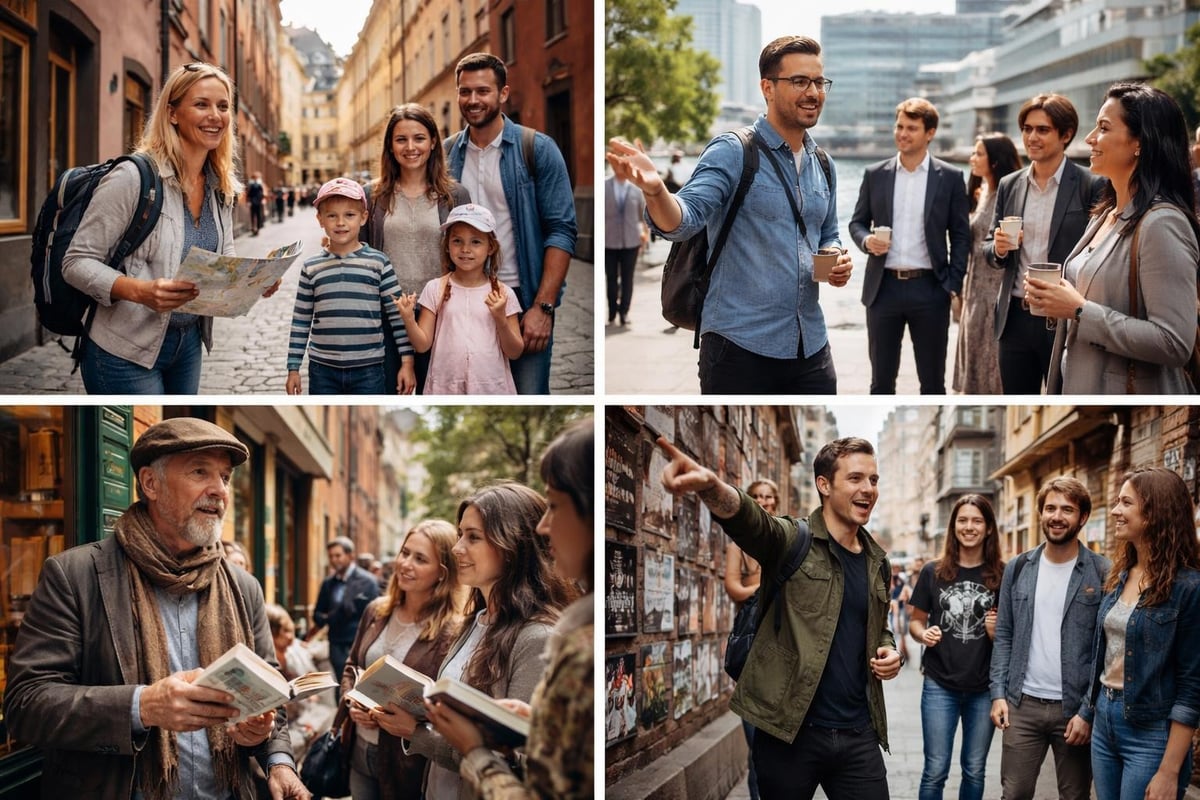
The tourism industry has witnessed significant transformation in recent years. According to emerging tour trends, travelers increasingly prioritize personalized, sustainable experiences over mass-market offerings. Solo travelers particularly value guided options that provide both structure and social connection.
Modern guide tours incorporate technology without sacrificing human connection. While self-guided tour markets expand through mobile apps and audio guides, many travelers still prefer the dynamic interaction that only human guides provide. The best operators blend digital convenience with personal expertise.
Planning Your Guide Tour Strategy
Successful group experiences require thoughtful preparation. Tour organizers must consider group composition, interests, physical abilities, and desired outcomes.
Assessing Group Needs
| Factor | Considerations | Impact on Tour Design |
|---|---|---|
| Age Range | Children, adults, seniors | Pace, accessibility, content depth |
| Physical Ability | Mobility limitations, stamina | Route selection, rest frequency |
| Interest Areas | History, culture, food, architecture | Focus points, extended stops |
| Group Size | 2-15 participants | Intimacy level, logistics complexity |
| Time Available | Half-day, full-day, multi-day | Scope, depth vs. breadth |
Understanding these variables enables tour providers to craft experiences that resonate. Inclusive best practices emphasize preparation and accessibility, ensuring all participants feel welcomed and engaged.
The guide tour succeeds when every member feels their needs matter. This requires pre-tour communication where organizers gather information about dietary restrictions, mobility concerns, and specific interests. Smart operators use this intelligence to customize routes and talking points.
Selecting the Right Tour Focus
Stockholm offers diverse thematic possibilities. Your Stockholm city tour might emphasize royal history, architectural evolution, or contemporary culture depending on group preferences.
Popular tour themes include:
- Historical exploration of Old Town's medieval streets
- Literary journeys following famous authors' footsteps
- Musical heritage celebrating iconic bands and venues
- Culinary adventures sampling traditional and modern cuisine
- Architectural tours spanning Viking-era to contemporary design
The guide tour format adapts beautifully to niche interests. For ABBA enthusiasts, specialized experiences like ABBA Journey tours combine location visits with meals and social opportunities, creating comprehensive thematic experiences.
Maximizing Value from Your Guide Tour
Investment in professionally guided experiences pays dividends when participants engage fully and guides deliver expertly.
Before the Tour
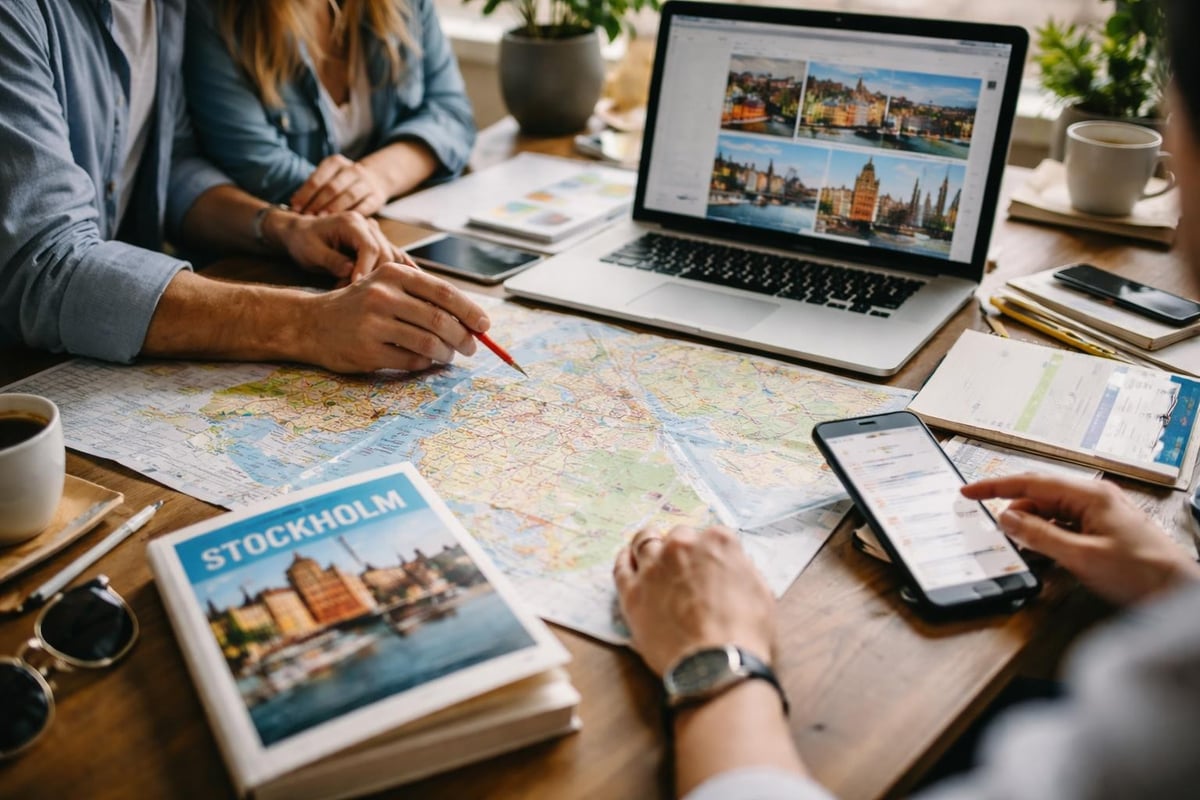
Preparation enhances enjoyment. Participants should research basic destination information, dress appropriately for weather and walking, and communicate special needs or interests to organizers.
Group leaders benefit from reviewing what tour operators offer to set realistic expectations. Understanding tour pace, included elements, and optional additions helps groups plan surrounding activities.
Pre-tour checklist:
- Confirm meeting location and time
- Verify weather forecast and dress accordingly
- Charge phones/cameras for documentation
- Eat light meals to maintain energy
- Arrive 10 minutes early to settle in
During the Experience
Active participation transforms good tours into exceptional ones. The guide tour thrives on dialogue between guides and participants.
Ask questions when curiosity strikes. Quality guides welcome inquiries and often use them to explore tangents that enrich the experience. Share relevant personal experiences that connect to locations or stories-this builds group rapport.
Remain present rather than viewing the tour through a camera lens constantly. Capture key moments, but prioritize direct observation and listening. The guide tour provides context and stories that photographs alone cannot preserve.
Post-Tour Reflection
Processing experiences afterward deepens their impact. Groups might share favorite moments over dinner, review photos together, or discuss how new knowledge changed their perspective.
Many travelers find value in reviewing their experiences, helping future visitors make informed decisions while providing operators with valuable feedback.
The Guide Selection Factor
Tour quality depends heavily on guide expertise and personality. The best guides combine deep knowledge with engaging presentation skills and emotional intelligence.
Essential Guide Qualities
According to industry hiring best practices, exceptional guides demonstrate:
- Content mastery across multiple subject areas
- Storytelling ability that makes history compelling
- Interpersonal skills reading and responding to group dynamics
- Flexibility adjusting plans when circumstances change
- Passion for their city and culture that inspires visitors
Native English-speaking guides offer particular advantages for international visitors. Language fluency enables nuanced explanations, humor, and cultural context that non-native speakers may struggle to convey effectively.
The guide tour succeeds when guides balance information delivery with entertainment. Droning historical facts bore audiences, while pure entertainment without substance feels hollow. Master guides weave facts into narratives that resonate emotionally.
Building Guide-Guest Relationships
The most memorable guide tours create temporary communities. Skilled guides learn participants' names quickly, reference their earlier comments, and facilitate connections between group members.
For solo travelers joining group experiences, guides serve as social catalysts. They introduce compatible personalities, suggest shared post-tour activities, and create inclusive atmospheres where individuals feel comfortable.
Professional guides also establish boundaries while remaining personable. They maintain schedules, ensure safety, and manage occasionally challenging group dynamics with diplomacy.
Specialized Tour Formats Worth Exploring
Beyond standard walking tours, specialized formats offer unique value propositions.
Literary and Cultural Deep Dives
Thematic tours centered on specific authors, artists, or historical periods provide concentrated expertise. Following Stieg Larsson's Millennium trilogy locations through Stockholm transforms abstract reading into tangible experience.
These specialized guide tours attract passionate enthusiasts who appreciate detailed knowledge. Guides must balance satisfying superfans while remaining accessible to casual participants.
Culinary and Experiential Tours
Food-focused experiences engage multiple senses simultaneously. The guide tour format excels here, as guides navigate language barriers at markets, explain ingredient histories, and facilitate authentic interactions with vendors and chefs.
Experiential elements-cooking demonstrations, tastings, hands-on crafts-create lasting memories. Participants remember doing and tasting far longer than passive listening.
| Tour Type | Primary Appeal | Ideal Group Size | Typical Duration |
|---|---|---|---|
| Historical Walking | Education, exercise | 8-12 | 2-3 hours |
| Culinary Exploration | Sensory engagement | 6-10 | 3-4 hours |
| Literary Journey | Thematic depth | 4-8 | 2-3 hours |
| Music Heritage | Pop culture connection | 10-15 | 4-6 hours |
| Photography Focused | Creative skill-building | 4-6 | 3-4 hours |
Private Group Customization
The guide tour reaches its highest potential with complete customization. Tailored tours designed specifically for your group's interests eliminate compromise inherent in public offerings.
Private experiences accommodate special timing needs, extended stops at particular locations, and integration of personal stories or celebrations. Families celebrating reunions, corporate teams building camaraderie, or friend groups marking milestones all benefit from personalization.
Navigating Stockholm Through Expert Eyes
Stockholm's unique geography-fourteen islands connected by bridges-rewards guided exploration. The city's compact historic core combined with sprawling modern districts requires navigation strategy.
Old Town and Royal Heritage
The medieval Gamla Stan offers concentrated historical experiences. Stockholm Old Town walking tours navigate narrow alleys revealing architectural details and historical events that shaped Scandinavian culture.
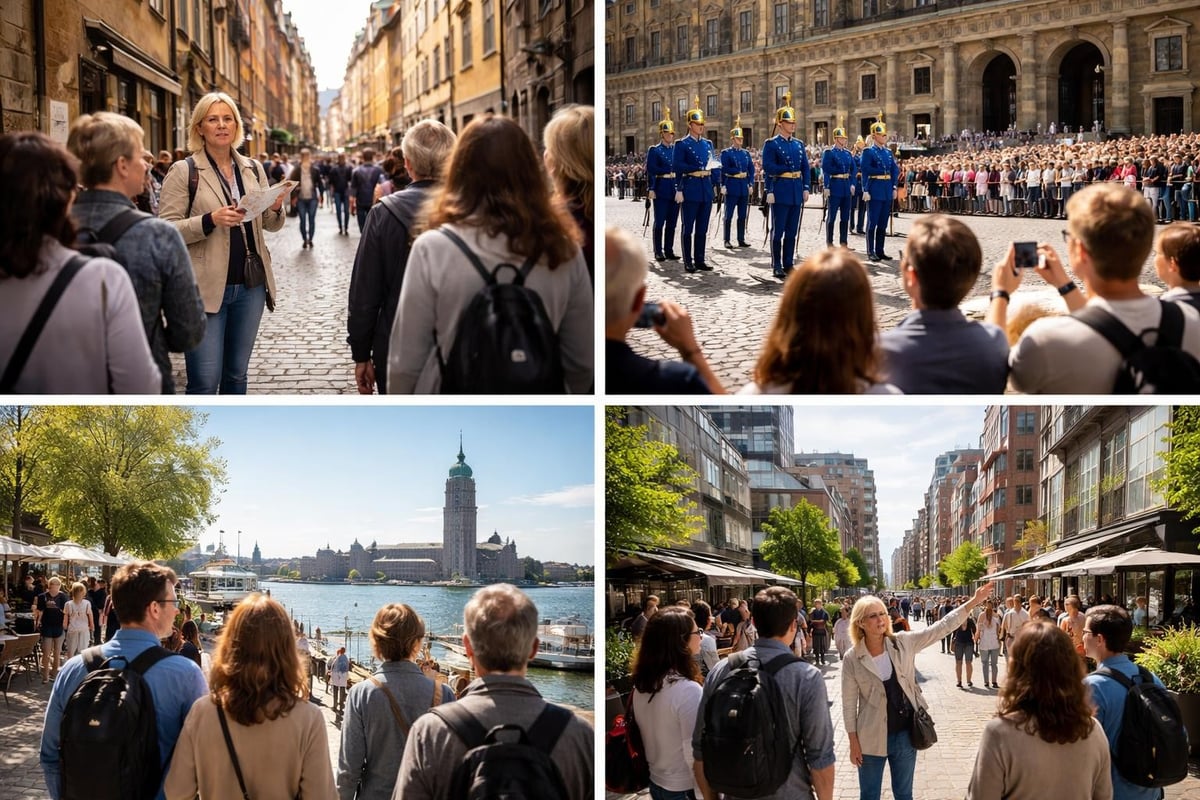
The changing of the guard at the Royal Palace exemplifies ceremonies where context matters enormously. Without guide explanation, visitors observe colorful uniforms and marching. With expert commentary, the ritual becomes a window into constitutional monarchy, military tradition, and Swedish national identity.
Contemporary Culture and Hidden Gems
The guide tour format particularly shines when revealing lesser-known locations. Expert guides share neighborhood cafes favored by locals, design studios transforming industrial spaces, and viewpoints tourists rarely discover independently.
English walking tours conducted by native speakers unlock contemporary culture through language precision. Guides explain current social issues, emerging artistic movements, and how Stockholmers actually live versus tourist perceptions.
Measuring Tour Success and Value
Quantifying the guide tour's value extends beyond hours spent or sites visited.
Tangible Outcomes
Immediate metrics include:
- Number of locations visited
- Historical periods covered
- Cultural insights gained
- Local recommendations received
- Photos and documentation collected
Groups often assess value through post-tour discussions, measuring how much they learned against expectations. The guide tour should expand knowledge while entertaining, challenge assumptions while affirming interests.
Intangible Benefits
Deeper value emerges over time. Travelers report that guided experiences:
- Inspire further learning about visited destinations
- Change perspectives on cultural assumptions
- Create shared memories strengthening group bonds
- Build confidence for future independent exploration
- Generate appreciation for preservation and heritage
The guide tour serves as catalyst for ongoing engagement. Many participants return home pursuing reading, documentaries, or courses related to tour themes.
Return on Investment Considerations
Quality guided experiences represent significant financial investment compared to independent sightseeing. However, the return calculation should include time saved, mistakes avoided, and access gained.
Guides compress weeks of research into digestible hours. They navigate efficiently, securing optimal viewing positions and timing visits to avoid crowds. Their local relationships sometimes provide access beyond public availability.
For groups visiting Stockholm briefly, the guide tour maximizes limited time. Rather than wandering uncertainly, visitors experience curated highlights with expert context, departing with genuine understanding rather than superficial impressions.
Future Directions in Guided Tourism
The industry continues evolving in response to traveler preferences and technological capabilities. While digital tools expand, human expertise remains irreplaceable for creating meaningful connections.
Hybrid models combining self-guided flexibility with periodic expert interaction gain traction. Travelers might explore independently using apps, then join scheduled guide tours at key locations for deep dives.
Sustainability consciousness increasingly influences tour design. Responsible operators emphasize walking over vehicles, support local businesses, and educate about environmental challenges. The guide tour format naturally aligns with sustainable tourism principles through its emphasis on small groups and local expertise.
Accessibility improvements expand participation opportunities. Guides trained in inclusive practices create experiences welcoming diverse abilities, ensuring heritage sites and cultural stories reach broader audiences.
The guide tour represents travel's highest form-transforming sightseeing into understanding, observation into connection, and group outings into shared discovery. Whether you're exploring Stockholm's royal heritage, following literary landmarks, or celebrating musical icons, expert guidance unlocks layers that independent exploration rarely reaches. Adding:tours specializes in creating these personalized experiences for private groups and small gatherings, with native English-speaking guides who share insider perspectives that make Stockholm genuinely special. Transform your next visit from ordinary tourism into extraordinary understanding through professionally guided exploration.