Tour Cities: Creating Memorable Urban Exploration Experiences
Urban destinations continue to captivate travelers worldwide, offering rich cultural experiences, historical treasures, and unique local perspectives that transform simple visits into lasting memories. When you tour cities with intention and expert guidance, every cobblestone street and hidden courtyard becomes a gateway to understanding a destination's soul. The art of exploring metropolitan areas has evolved beyond traditional sightseeing, embracing personalized approaches that cater to diverse interests, whether you're drawn to architectural marvels, literary history, or musical heritage. This transformation in how we experience urban environments reflects a broader shift toward meaningful travel that connects visitors with the authentic character of each destination.
Understanding the Modern Approach to Urban Exploration
The landscape of city tourism has changed dramatically over recent years. Statistics on city tourism in the U.S. reveal that urban destinations attract millions of visitors annually, with travelers seeking more than superficial encounters with famous landmarks. Today's visitors want depth, context, and connections that traditional mass tourism rarely provides.
When you tour cities with a curated approach, several key elements enhance the experience. Personalization stands at the forefront, allowing groups to explore based on specific interests rather than following generic itineraries. Local expertise provides insider perspectives that guidebooks cannot capture, revealing stories and locations that most visitors never discover. Small group dynamics create intimate atmospheres where questions flow freely and interactions feel genuine rather than transactional.
The Value of Expert Guidance in Urban Settings
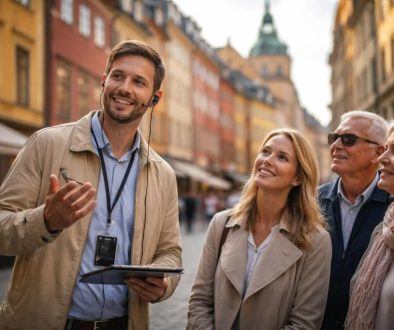
Professional guides transform ordinary walks into extraordinary journeys through their knowledge and storytelling abilities. They navigate complex urban layouts efficiently, ensuring groups maximize their time while avoiding tourist traps and overcrowded hotspots. The best city tour operators around the globe understand that successful tours balance education with entertainment, history with contemporary culture, and structured itineraries with spontaneous discoveries.
Native English-speaking guides offer particular advantages for international visitors, eliminating language barriers that might otherwise limit engagement. These professionals share nuanced cultural insights, explain historical contexts with clarity, and answer questions with depth that pre-recorded audio guides cannot match.
Creating Diverse Experiences Across Different Urban Environments
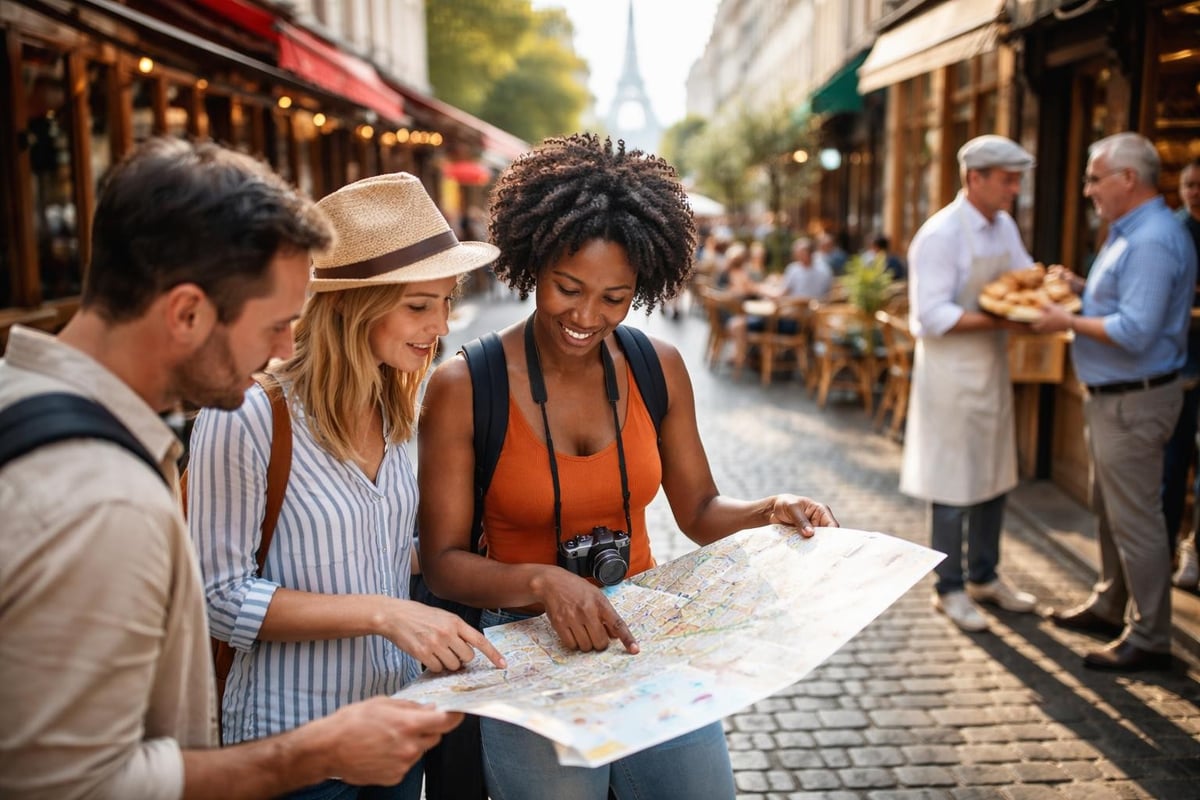
Cities offer unlimited possibilities for thematic exploration. Rather than attempting to see everything, focused tours that align with specific interests create more satisfying experiences. This approach allows travelers to tour cities through lenses that resonate with their passions, whether that involves art, architecture, food, literature, or music.
Literary and Cultural Themed Tours
Literature-based tours have gained significant popularity, allowing fans to walk through settings from beloved books and understand the urban environments that inspired famous authors. Stockholm, for example, offers compelling opportunities to follow Stieg Larsson's footsteps through locations featured in "The Girl with the Dragon Tattoo" trilogy. These experiences blend fiction with reality, showing how cities themselves become characters in memorable stories.
Cultural tours delve into the traditions, customs, and contemporary life of urban communities. When you explore a cultural tour designed by knowledgeable guides, you gain access to perspectives that independent exploration rarely reveals. Markets, residential neighborhoods, local cafes, and community spaces all contribute to understanding how people actually live in these metropolitan areas.
Music and Entertainment Heritage
Music-themed experiences represent another powerful way to tour cities, connecting visitors with the artistic legacy that shaped cultural movements. Stockholm's ABBA heritage offers particularly rich material for guided experiences. The ABBA journey in Stockholm to Viggsö exemplifies how specialized tours can combine location visits, meals, and social interaction to create comprehensive cultural experiences.
These thematic approaches work across various urban destinations:
- Architectural tours highlighting specific periods or styles
- Food and culinary walks exploring local flavors and dining traditions
- Historical narratives tracing specific events or eras
- Neighborhood deep-dives uncovering local character beyond tourist zones
- Photography expeditions capturing urban beauty from expert perspectives
Planning Effective Routes Through Urban Landscapes
Successful city exploration requires thoughtful route planning that considers distances, timing, accessibility, and group capabilities. The best practices for travel route planning emphasize understanding client goals before designing itineraries, ensuring every element serves a purpose rather than simply checking boxes on a must-see list.
Balancing Pace and Content
When you tour cities effectively, pacing makes the difference between exhausting marches and enjoyable discoveries. Professional operators consider walking distances, rest opportunities, and energy levels throughout the experience. They build flexibility into schedules, allowing groups to linger at particularly interesting locations or adjust based on weather conditions and group preferences.
| Planning Element | Consideration | Impact on Experience |
|---|---|---|
| Walking Distance | 2-4 miles optimal for most groups | Maintains energy and engagement |
| Duration | 2-3 hours for focused tours | Prevents fatigue while covering key content |
| Rest Stops | Strategic breaks every 45-60 minutes | Allows absorption and questions |
| Group Size | 6-12 participants ideal | Enables personal interaction and visibility |
| Weather Backup | Alternative indoor options | Ensures tour quality regardless of conditions |
Stockholm tours demonstrate how effective planning creates seamless experiences even in complex urban environments with varied terrain and multiple neighborhoods to explore.
Implementing Inclusive Practices for All Visitors
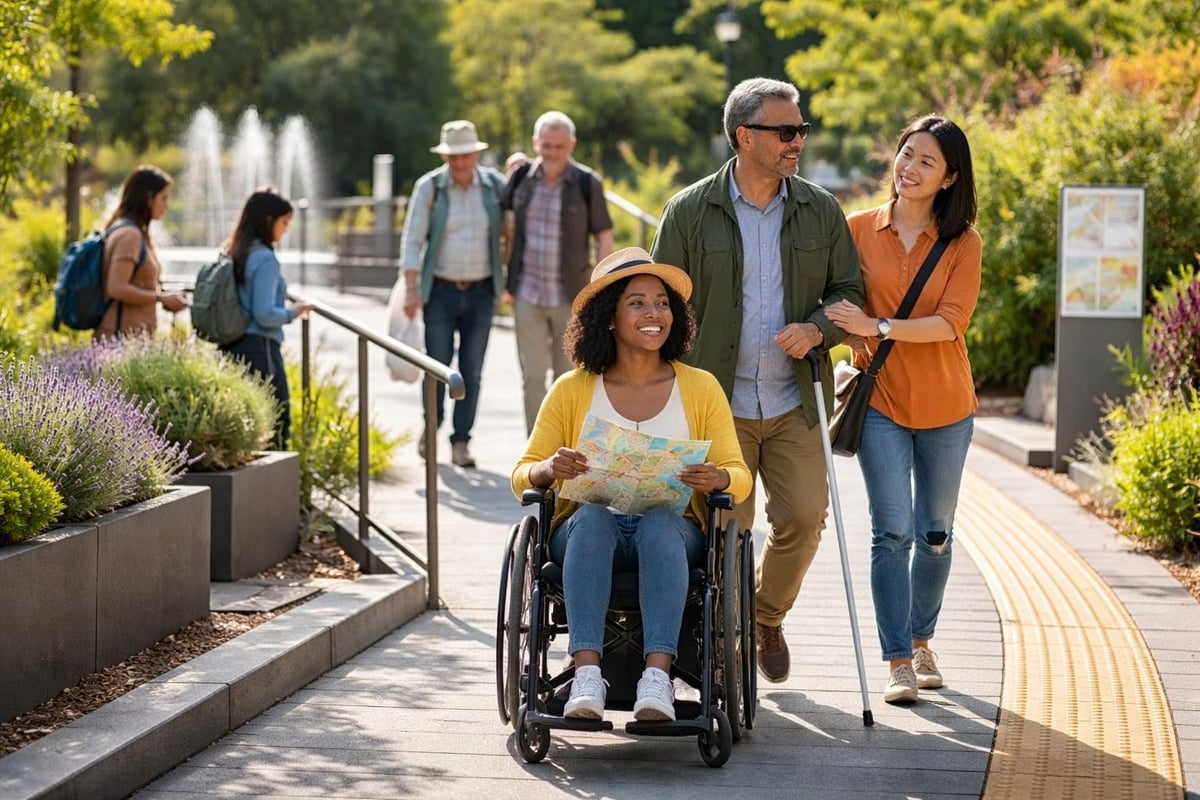
Modern urban tours must accommodate diverse participants with varying abilities, interests, and backgrounds. The best practices for creating inclusive guided tours emphasize accessible routes, multisensory engagement, and consideration for physical limitations that might affect participation.
Accessibility Considerations
When designing experiences that tour cities inclusively, operators evaluate:
- Physical accessibility including wheelchair-friendly routes and rest availability
- Sensory elements engaging multiple senses beyond visual information
- Communication styles adapting explanations for different learning preferences
- Cultural sensitivity respecting diverse backgrounds and belief systems
- Language clarity using plain language alongside specialized terminology
These considerations don't dilute the experience but rather enrich it by making quality urban exploration available to broader audiences. Tailored tours can adjust to specific group needs while maintaining the depth and authenticity that make city exploration meaningful.
Emerging Trends Shaping Urban Tourism
The way travelers tour cities continues evolving in response to technological advances, changing preferences, and global circumstances. The emerging trends in city guides for 2025 highlight shifts toward personalization, experiential depth, and sustainable practices that respect local communities.
Technology Integration and Human Touch
While digital tools enhance certain aspects of urban exploration, the human element remains irreplaceable. GPS-enabled apps provide navigation assistance, but they cannot answer spontaneous questions, adjust pacing based on group dynamics, or share personal anecdotes that bring history to life. The most effective approach combines technological convenience with expert human guidance.
Professional tour operators leverage technology for:
- Pre-tour research helping participants prepare and customize interests
- Route optimization ensuring efficient movement through complex urban areas
- Photo opportunities identifying and timing visits to photogenic locations
- Post-tour resources sharing additional information and recommendations
- Booking and communication streamlining logistics and coordination
The best way to explore a new city often involves walking tours that combine physical movement with intellectual engagement, creating memorable experiences through multiple channels simultaneously.
Building Authentic Connections in Metropolitan Settings
When visitors tour cities seeking genuine experiences, they want more than information delivery. They desire connection-with places, stories, and people. This requires guides who understand their destinations intimately and can communicate that knowledge engagingly.
Storytelling as a Core Competency
Effective urban guides master narrative techniques that transform facts into stories. Rather than reciting dates and statistics, they weave historical events into compelling narratives that help visitors understand why certain developments mattered and how they shaped contemporary life. The Stockholm old town walking tour exemplifies how skilled storytelling brings ancient streets and medieval history into vivid focus.
Key storytelling elements include:
- Opening with compelling hooks that capture attention
- Connecting historical events to contemporary relevance
- Incorporating sensory details that help visitors imagine past scenes
- Using anecdotes and personal stories alongside broader historical narratives
- Inviting questions and conversations rather than delivering monologues
Creating Memorable Moments
The most successful tours create specific moments that participants remember long after returning home. These might involve unexpected discoveries in hidden courtyards, witnessing traditional ceremonies like the changing of the guard at royal palaces, or tasting local specialties in neighborhood cafes where tourists rarely venture.
Operating Successful Urban Tour Businesses
For those interested in the business side of urban tourism, several fundamental principles govern success in this competitive field. Understanding how to successfully operate a city tour requires attention to niche selection, quality delivery, and sustainable business practices.
Differentiation Through Specialization
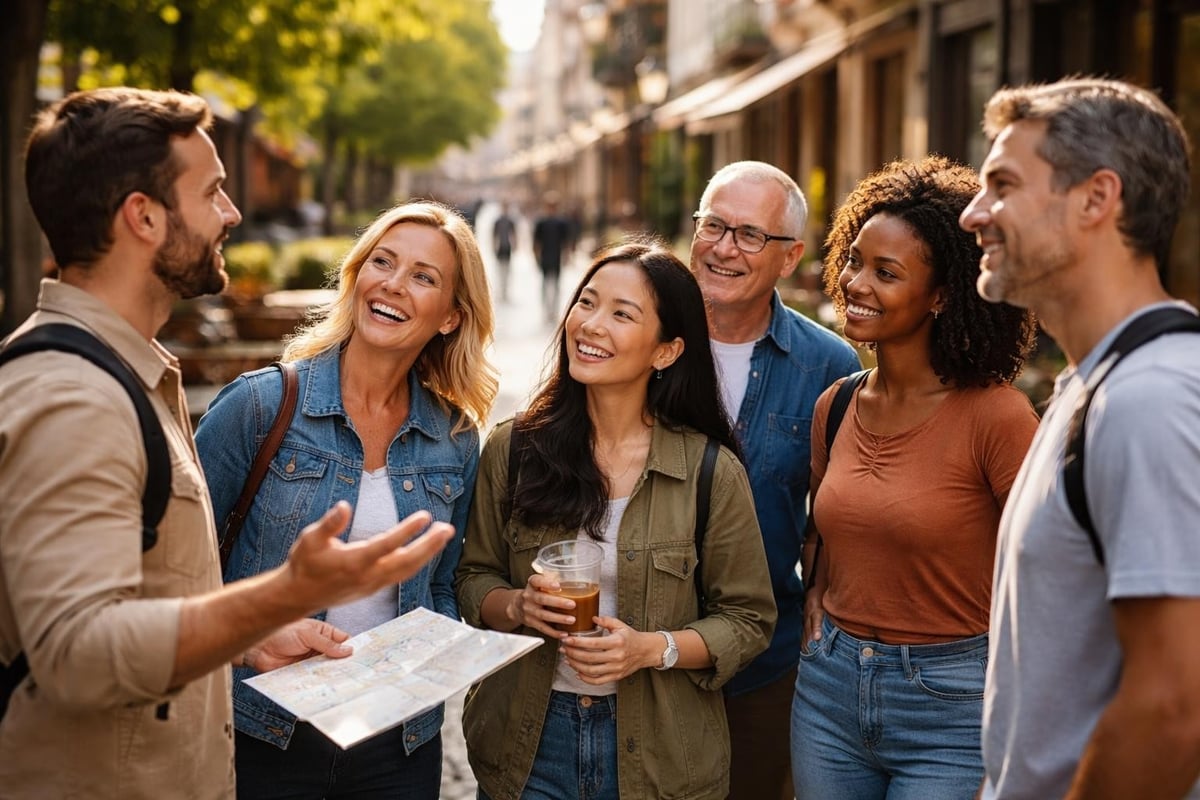
Generic tours struggle to compete in crowded markets. Successful operators identify specific angles that set them apart, whether through thematic focus, delivery style, or unique access. Private group experiences offer distinct advantages over mass market alternatives, creating intimate atmospheres where personalization becomes possible.
The VIP city tours concept demonstrates how exclusivity and customization create value beyond standard offerings. When groups tour cities in private settings with guides dedicated solely to their interests, the quality of interaction and depth of exploration increases dramatically.
| Business Element | Standard Approach | Specialized Approach |
|---|---|---|
| Target Audience | General tourists | Specific interest groups |
| Group Size | 20-30 participants | 6-12 participants |
| Itinerary | Fixed route | Customizable based on interests |
| Pricing | Volume-based | Value-based premium |
| Marketing | Broad appeal | Targeted messaging |
Essential Operational Components
Running professional urban tours requires attention to numerous operational details. The practical tips for tour guides cover crucial elements including route familiarity, time management, group dynamics, and crisis preparation.
Critical operational factors include:
- Thorough route knowledge including backup options
- Clear communication systems for coordination
- Weather contingency planning
- Emergency protocols and first aid readiness
- Continuous content updating to maintain freshness
Measuring Success and Continuous Improvement
Quality urban tourism operators constantly evaluate and refine their offerings based on participant feedback, changing conditions, and emerging opportunities. When you commit to helping others tour cities effectively, improvement becomes an ongoing process rather than a destination.
Feedback Integration
Systematic collection and analysis of participant feedback reveals patterns that inform improvements. Reviews highlight what resonates most strongly with visitors and identify areas needing adjustment. The reviews section provides transparency that builds trust with potential participants while offering operators valuable insight into their performance.
Professional operators ask specific questions beyond simple satisfaction ratings:
- Which specific moments did you find most engaging?
- What additional information would have enhanced your experience?
- How did the pace and physical demands match your expectations?
- Would you recommend this experience to others, and why?
- What single element would you change if you could?
These detailed responses guide refinements that elevate quality over time. The city sightseeing Stockholm offerings benefit from years of feedback integration, continuously evolving to meet participant expectations while maintaining authentic character.
Adapting to Seasonal and Cultural Variations
Cities reveal different personalities across seasons and during cultural events. Successful operators adjust their approaches accordingly, highlighting aspects that shine brightest at different times. Winter tours might emphasize cozy indoor venues and seasonal traditions, while summer experiences take advantage of extended daylight and outdoor festivals.
Understanding when and how to tour cities based on seasonal considerations enhances satisfaction significantly. Timing visits to coincide with special events, avoiding peak congestion periods, and adjusting itineraries for weather patterns all demonstrate professional planning that participants appreciate.
Urban exploration transforms from simple sightseeing into meaningful cultural immersion when approached with expertise, personalization, and attention to authentic connection. Whether you're drawn to literary history, musical heritage, architectural beauty, or local cultural traditions, the right guidance unlocks layers of understanding that independent exploration often misses. Adding:tours specializes in creating exactly these personalized experiences for private groups and small gatherings throughout Stockholm, with native English-speaking guides who share insider perspectives and tailor every detail to your specific interests. From walking the narrow alleys of Old Town to following ABBA's musical journey, let us make your time exploring this remarkable city truly special.