Guided Walking Holidays: Your Complete Travel Guide
Guided walking holidays represent one of the most enriching ways to explore new destinations while staying active and engaged. Unlike traditional vacation packages, these specialized tours combine physical activity with cultural immersion, allowing travelers to discover hidden gems, connect with local history, and experience destinations at a human pace. Whether you're wandering through medieval cobblestone streets, following literary trails, or exploring vibrant neighborhoods with insider knowledge, guided walking holidays offer a unique blend of adventure, education, and social connection that standard tourism simply cannot match.
Understanding the Appeal of Guided Walking Holidays
The growing popularity of guided walking holidays stems from their ability to address multiple travel desires simultaneously. Modern travelers seek authentic experiences, meaningful connections, and opportunities to learn while exploring new places. These specialized tours deliver on all fronts.
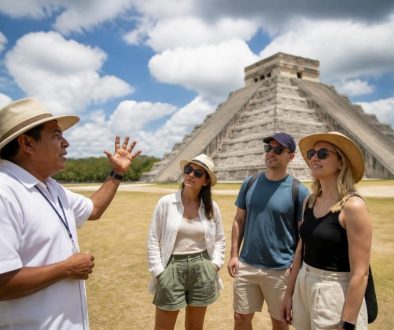
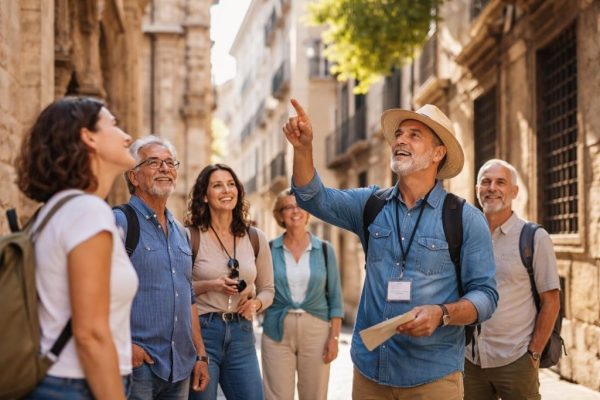
Professional guidance transforms ordinary sightseeing into extraordinary discovery. Native English-speaking guides bring destinations to life through stories, historical context, and local perspectives that guidebooks cannot provide. When exploring cities like Stockholm, having an expert who knows not just the famous landmarks but also the hidden courtyards, best photo spots, and fascinating anecdotes makes all the difference.
Key Benefits That Set Guided Experiences Apart
Choosing guided walking holidays offers distinct advantages over independent travel:
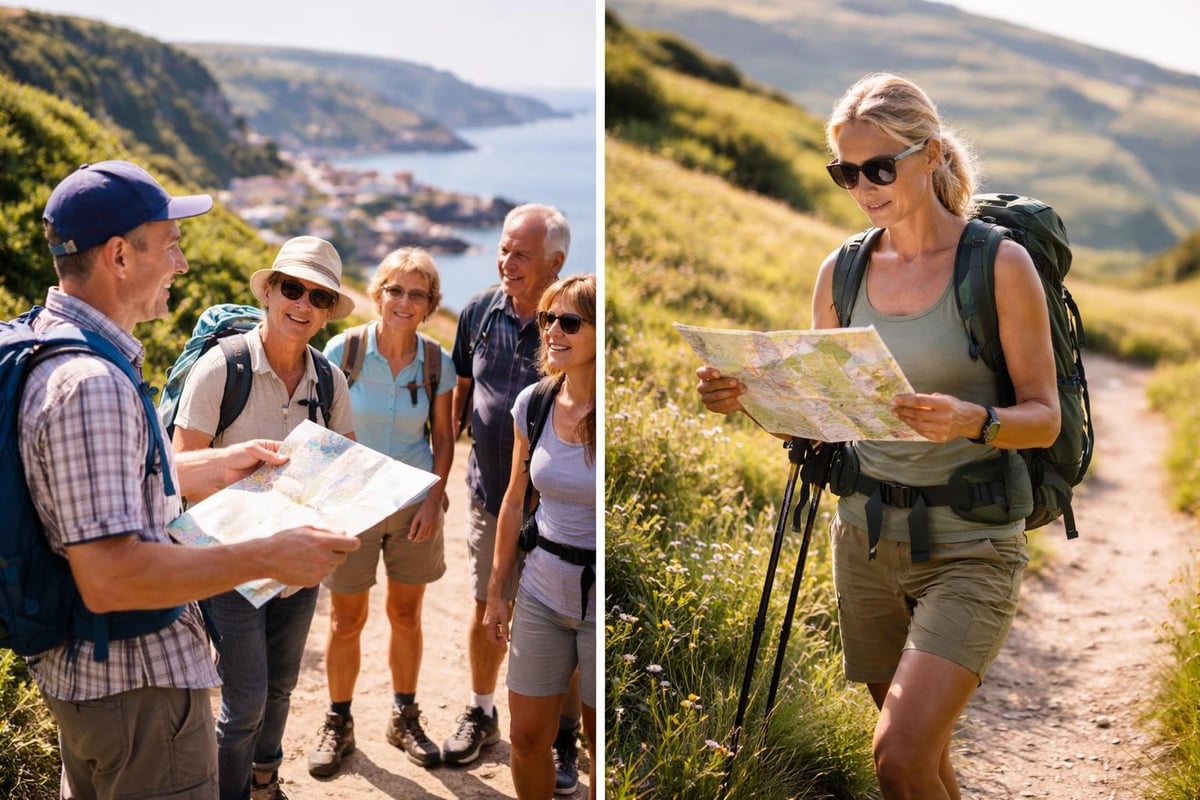
- Expert Navigation: No time wasted getting lost or consulting maps
- Insider Knowledge: Access to stories and locations tourists typically miss
- Safety and Support: Experienced guides handle logistics and unexpected situations
- Social Connections: Meet like-minded travelers from around the world
- Educational Value: Learn history, culture, and context in real-time
- Pace Control: Routes designed for various fitness levels and interests
The social aspect deserves special attention. Many travelers discover that the friendships formed during these experiences become as valuable as the destinations themselves. Shared experiences create bonds quickly, whether you're exploring the changing of the guard at the Royal Palace or discovering narrow medieval alleys together.
Planning Your Perfect Walking Holiday Experience
Successful guided walking holidays begin with thoughtful preparation. Understanding what to expect and how to prepare ensures you maximize enjoyment and minimize potential challenges.
Selecting the Right Tour for Your Interests
Not all walking tours are created equal. The best experiences align with your specific interests and physical capabilities. Consider these factors:
| Factor | Questions to Ask | Why It Matters |
|---|---|---|
| Theme | Does the tour focus on history, culture, literature, or music? | Ensures engagement throughout the experience |
| Group Size | How many participants are included? | Smaller groups allow for personalized attention |
| Pace | What's the daily distance and walking speed? | Matches your fitness level and comfort |
| Flexibility | Can the itinerary be customized? | Accommodates specific interests and needs |
Thematic tours offer particular appeal. Literary walking tours following authors like Stieg Larsson provide unique perspectives on cities, while music-focused experiences such as ABBA-themed adventures combine walking with cultural immersion.
Physical Preparation and Training
While guided walking holidays accommodate various fitness levels, basic preparation enhances enjoyment significantly. Essential preparation tips include building stamina gradually before your trip.
Start training at least six weeks before departure. Begin with shorter walks and progressively increase distance and duration. Aim for three to four walks weekly, gradually building to the expected daily distance of your tour. Include varied terrain when possible to prepare for different walking surfaces.
Break in your footwear thoroughly before the trip. New shoes or boots can cause blisters and discomfort, ruining otherwise wonderful experiences. Wear your walking shoes during training sessions to ensure proper fit and identify any issues early.
What to Expect During Your Walking Holiday
Understanding the typical structure and rhythm of guided walking holidays helps set appropriate expectations and reduces anxiety for first-time participants.
Daily Itinerary and Pacing
Most tours follow a balanced structure that combines walking, learning, and leisure. Morning sessions typically cover major attractions and historical sites when crowds are lighter and temperatures more comfortable. Afternoon segments might explore neighborhoods, markets, or specialized themes.
Guides adjust pacing based on group dynamics. Experienced leaders monitor participant energy levels and make real-time adjustments. Frequent stops for explanations, photos, and rest ensure everyone stays comfortable and engaged. The best tours feel unhurried despite covering substantial ground.
Tours designed for private groups and small gatherings offer particular advantages. Smaller numbers enable deeper conversations with guides, more flexibility in pacing, and greater opportunity to ask questions and explore individual interests.
Weather Considerations and Seasonal Variations
Walking holidays operate year-round, but seasonal differences significantly impact experiences. Spring and autumn generally offer ideal conditions with moderate temperatures and fewer crowds. Summer brings longer daylight hours but also heat and peak tourism. Winter walks provide unique atmospheres, especially in cities with festive markets and lighting.
Pack for variable conditions regardless of season. Layered clothing, waterproof outerwear, and appropriate footwear prepare you for unexpected weather changes. Even summer tours benefit from light rain jackets and sun protection.
Types of Guided Walking Holidays Available
The diversity of guided walking holidays ensures options for virtually every interest and travel style. Understanding different formats helps identify the best fit for your preferences.
Urban Exploration and City Walking Tours
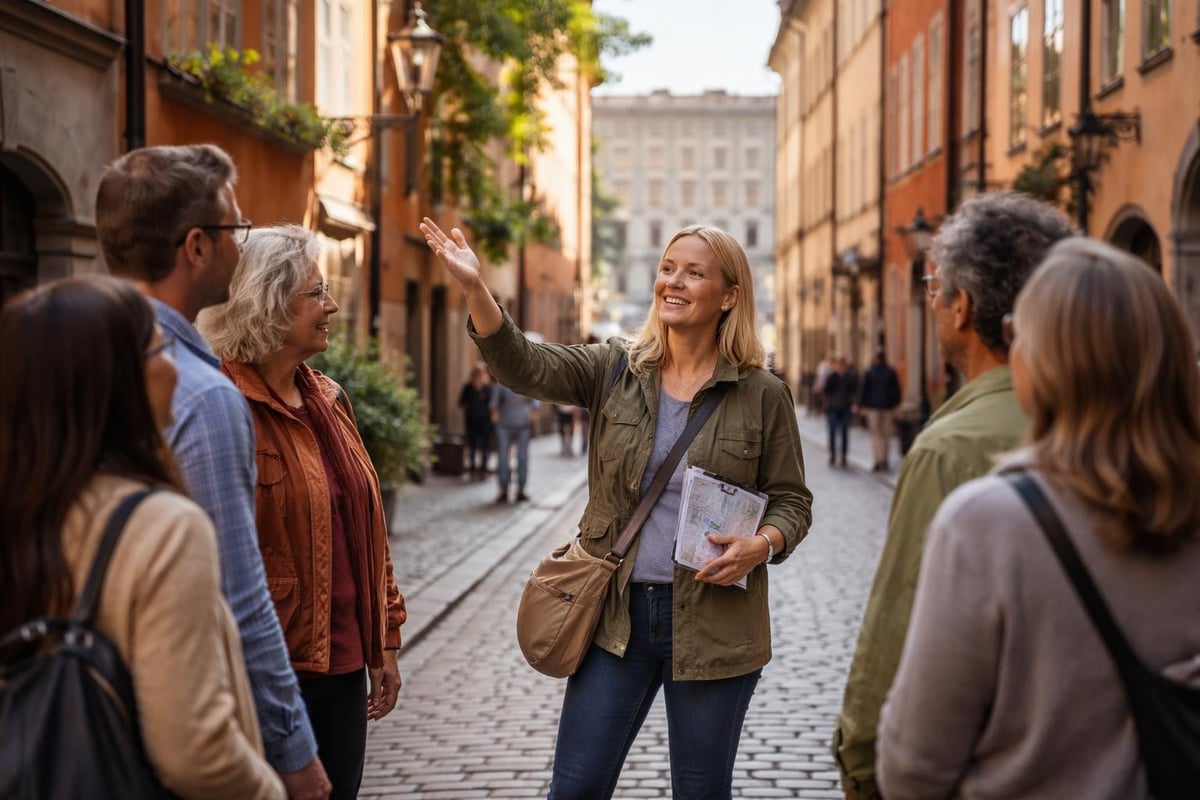
City-focused walking holidays concentrate on urban landscapes, architecture, and cultural institutions. These tours excel at revealing layers of history and contemporary life that casual visitors miss. Stockholm walking tours exemplify this approach, combining Old Town medieval architecture with modern Scandinavian design and culture.
Urban tours typically cover three to five miles daily, allowing thorough exploration without exhaustion. The pace accommodates photography, shopping, and spontaneous discoveries. Expert guides know optimal times to visit popular sites and alternative routes when attractions become crowded.
Specialized Thematic Walking Adventures
Thematic tours cater to specific interests, creating focused experiences that resonate deeply with enthusiasts. Literary walks follow famous authors through locations featured in beloved books. Music tours explore venues, homes, and neighborhoods connected to influential artists and movements.
The ABBA journey experience demonstrates how specialized themes create unforgettable experiences. Combining walking with meals and social activities, these tours build community among participants while celebrating shared interests. Such experiences often become highlights of entire trips.
Deciding Between Self-Guided and Fully Guided Options
Comparing self-guided versus guided walking holidays reveals important trade-offs. Self-guided tours offer maximum flexibility and independence, while fully guided experiences provide expertise, security, and social connection. Many travelers find fully guided options deliver better value despite higher costs, as included knowledge and access justify premium pricing.
Maximizing Your Guided Walking Holiday Investment
Getting the most from these experiences requires active participation and smart preparation. Small actions significantly enhance overall satisfaction and learning.
Engaging Effectively with Your Guide
Your guide represents your most valuable resource. Ask questions freely, share interests, and request recommendations for restaurants, shops, and activities beyond tour hours. Experienced guides appreciate engaged participants and often provide extra insights to curious travelers.
Take notes or photos of recommendations immediately. Guides share numerous suggestions throughout tours, and it's easy to forget specific names and locations later. Creating quick phone notes or photos of business cards preserves valuable information.
Build rapport early. Learning your guide's background and interests creates natural conversation opportunities and helps them tailor commentary to your preferences. The best guided walking holidays feel like exploring with a knowledgeable friend rather than following a stranger.
Essential Items to Pack
Proper equipment enhances comfort and enjoyment significantly. Beyond appropriate footwear and clothing, consider these often-overlooked essentials:
- Compact daypack: Carry water, snacks, extra layers, and purchases
- Portable phone charger: Ensure camera and navigation capabilities throughout long days
- Blister prevention supplies: Moleskin or specialized bandages prevent minor issues from becoming major problems
- Reusable water bottle: Stay hydrated while reducing plastic waste
- Small notebook and pen: Capture recommendations, interesting facts, and personal reflections
Quality matters more than quantity. One excellent pair of walking shoes outperforms three mediocre options. Invest in proven gear rather than untested alternatives.
Group Dynamics and Social Aspects
The social dimension of guided walking holidays often surprises first-time participants. These experiences create unique bonding opportunities through shared discovery and adventure.
Building Connections with Fellow Travelers
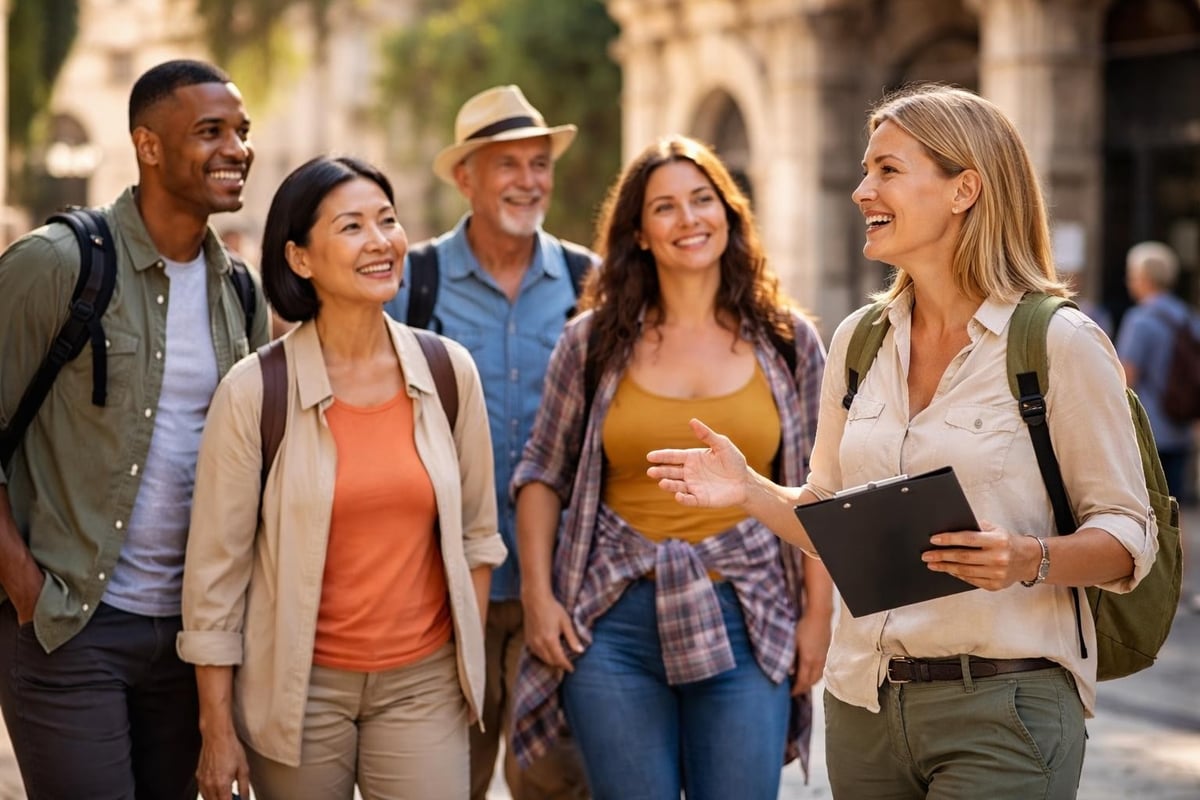
Walking side-by-side naturally facilitates conversation. Unlike bus tours where passengers sit separately, walking holidays encourage interaction through proximity and shared experiences. Many participants form lasting friendships, maintaining contact long after tours conclude.
Embrace opportunities for social connection. Join group meals when offered, share photos and observations, and remain open to conversations with diverse participants. Solo travelers particularly benefit from the built-in social structure of guided tours, eliminating isolation while maintaining independence.
Managing Different Pacing Needs Within Groups
Groups inevitably include participants with varying fitness levels and walking speeds. Professional guides manage these differences skillfully through strategic route planning, flexible break schedules, and inclusive communication.
Communicate openly about your comfort level. Guides cannot adjust pacing if they don't know participants are struggling. Most tours include options for shorter routes or additional rest stops when needed. The goal is ensuring everyone enjoys the experience comfortably.
Specialized Destinations and Unique Opportunities
Certain locations offer exceptional guided walking holiday experiences due to historical significance, architectural beauty, or cultural richness. Stockholm exemplifies cities particularly suited to walking exploration.
Why Stockholm Excels for Walking Tours
Stockholm's compact, walkable core and pedestrian-friendly design make it ideal for guided walking holidays. The city's 14 islands connect through bridges and waterfront paths, creating naturally scenic routes. Medieval streets in Gamla Stan contrast beautifully with modern architecture elsewhere, providing visual variety throughout tours.
Cultural depth enhances walking experiences significantly. Stockholm's royal palaces, museums, literary connections, and music heritage provide endless storytelling opportunities. Professional tour guides leverage this rich context to create engaging narratives that bring locations to life.
The city's manageable scale allows thorough exploration without exhaustion. Unlike sprawling metropolises requiring constant transportation, Stockholm's concentrated attractions enable walking-focused itineraries that feel comprehensive rather than rushed.
Customization and Tailored Experiences
The most satisfying guided walking holidays adapt to participant interests rather than following rigid scripts. Tailored tours acknowledge that different groups prioritize different aspects of destinations. Families with children need different pacing and themes than retired couples or corporate colleagues.
Request customization early in the planning process. Share specific interests, mobility considerations, and must-see priorities. Professional tour operators build flexible frameworks that accommodate special requests while maintaining overall experience quality. This personalization distinguishes premium experiences from generic mass-market alternatives.
Safety, Accessibility, and Practical Considerations
Understanding practical aspects of guided walking holidays ensures smooth, enjoyable experiences free from preventable complications.
Health and Safety Protocols
Reputable tour operators prioritize participant safety through multiple measures. Guides carry first-aid supplies, maintain communication devices, and know local emergency procedures. Routes avoid dangerous areas and hazardous terrain unless specifically advertised as challenging adventures.
Disclose relevant health conditions to your tour operator before booking. Conditions affecting stamina, mobility, or requiring special accommodations need early communication. Most operators accommodate various needs with proper advance notice but cannot adjust on short notice without compromising group experiences.
Stay aware of your surroundings even with guide supervision. Watch for uneven pavement, bicycle traffic in pedestrian areas, and other potential hazards. Urban walking requires different awareness than wilderness hiking but still demands attention.
Accessibility for Various Mobility Levels
Not all guided walking holidays suit all mobility levels. Honest assessment of your capabilities prevents disappointment and ensures appropriate tour selection. Some tours specifically cater to moderate or limited mobility, using shorter distances, gentler terrain, and more frequent rest opportunities.
| Mobility Level | Typical Daily Distance | Terrain | Rest Frequency |
|---|---|---|---|
| High | 6-10 miles | Varied, including stairs and hills | Occasional |
| Moderate | 3-6 miles | Mostly flat, limited stairs | Frequent |
| Limited | 1-3 miles | Flat, wheelchair accessible routes | Very frequent |
Communicate specific needs clearly when booking. Wheelchair accessibility, elevator requirements, and pace preferences require advance planning. Many city tours can accommodate various mobility levels with appropriate route adjustments.
Financial Considerations and Value Assessment
Guided walking holidays span wide price ranges depending on duration, destination, group size, and included amenities. Understanding cost structures helps evaluate true value and make informed decisions.
What's Typically Included in Tour Pricing
Standard packages generally include professional guide services, planned itineraries, and basic coordination. Some tours add meals, attraction entries, or transportation between locations. Premium experiences might include exclusive access, smaller group sizes, or specialized experts.
Compare inclusions carefully rather than focusing solely on price. A moderately priced tour including meals, entries, and gratuities may offer better value than a cheaper option requiring numerous additional payments. Calculate total expected costs for accurate comparisons.
Private group tours command premium pricing but deliver corresponding value through customization, flexibility, and undivided guide attention. When traveling with family or friends, private options often prove more economical than booking multiple spots on standard group tours.
Tips and Gratuity Expectations
Tipping customs vary by location and tour structure. In some regions, guide gratuities are expected and represent significant income portions. Other areas include service charges in pricing, making additional tips unnecessary.
Research local customs before your tour. Your tour operator should provide clear guidance on tipping expectations. When in doubt, 10-15% of tour cost represents appropriate appreciation for exceptional service in most Western destinations. For outstanding experiences, consider higher amounts or written reviews that help guides build reputations.
Extending Your Experience Beyond Scheduled Tours
The best guided walking holidays inspire continued exploration. Use tour insights as foundations for deeper independent discovery.
Leveraging Guide Recommendations
Experienced guides know their cities intimately and share recommendations generously. Restaurant suggestions, lesser-known museums, optimal photography times, and local events provide frameworks for filling non-tour hours productively.
Revisit locations independently after group tours. Initial visits with guides provide context and orientation, making return trips more meaningful and efficient. You'll notice details missed during first passes and develop personal connections to places introduced by guides.
Explore neighborhoods adjacent to tour routes. Guides often mention areas worth visiting but outside scheduled itineraries. Use their suggestions as starting points for personal adventures, applying navigation skills and awareness developed during guided portions.
Combining Walking Tours with Other Activities
Integrated experiences create richer overall vacations. Morning walking tours pair excellently with afternoon museum visits, boat trips, or culinary experiences. The physical activity of walking balances nicely with stationary cultural activities.
Sightseeing in Stockholm offers numerous combination possibilities. After exploring Old Town on foot, consider archipelago boat tours, food halls, or design museums. Each activity type complements others, creating balanced, satisfying days.
Preparing for Cultural Differences and Etiquette
International guided walking holidays expose participants to different customs, social norms, and expectations. Basic cultural awareness enhances experiences and demonstrates respect for host communities.
Understanding Local Walking Culture
Walking customs vary significantly across cultures. Some cities embrace fast-paced pedestrian traffic with strict sidewalk etiquette, while others adopt more relaxed approaches. Northern European cities like Stockholm typically value punctuality, quiet conversation volumes, and orderly queuing.
Observe and adapt to local patterns quickly. Notice how residents navigate sidewalks, cross streets, and interact in public spaces. Matching local behavior helps you blend in and reduces friction with residents sharing pedestrian infrastructure.
Photography etiquette deserves particular attention. While most public spaces allow photography, some religious sites, private residences, and commercial establishments restrict image-taking. Always ask permission before photographing individuals, even in public settings.
Language Considerations for English-Speaking Tours
English-language tours eliminate language barriers for native speakers but remember that fellow participants might speak English as a second language. Adjust speaking pace, avoid heavy slang, and speak clearly to ensure everyone understands conversations and guide commentary.
Basic local language phrases demonstrate respect and enhance interactions beyond tour settings. Learning "hello," "thank you," "excuse me," and "do you speak English?" in the local language facilitates smoother independent exploration and positive encounters with residents.
Sustainable and Responsible Walking Tourism
Modern travelers increasingly prioritize environmental and social responsibility. Guided walking holidays inherently support sustainability through low-impact transportation and local economic benefit.
Environmental Benefits of Walking-Based Travel
Walking tours generate minimal environmental impact compared to vehicle-based tourism. No fuel consumption, emissions, or noise pollution accompanies pedestrian exploration. This eco-friendly approach aligns with growing environmental consciousness among travelers.
Support tour operators emphasizing sustainability. Companies prioritizing small groups, local guides, and community partnerships contribute positively to destination preservation. Your tourism dollars then support responsible practices rather than exploitative mass tourism.
Minimize personal environmental impact through reusable water bottles, digital tickets and materials, and responsible waste disposal. Small individual actions collectively create significant positive effects when adopted broadly across tourism industries.
Supporting Local Communities Through Tourism
Quality guided walking holidays benefit local economies directly. Guides earn livelihoods sharing their knowledge and passion. Recommended restaurants, shops, and attractions receive business they might not otherwise access through standard tourism channels.
Choose locally-owned and operated tour companies when possible. These businesses keep tourism revenue within communities rather than extracting profits to distant corporate headquarters. Local tour operators also tend to maintain deeper destination knowledge and authentic community connections.
Respect residential areas included in tour routes. While guides select routes carefully, remember that you're walking through people's neighborhoods. Maintain appropriate noise levels, respect private property, and follow guide instructions regarding photography and behavior in residential zones.
Guided walking holidays offer unmatched opportunities to discover destinations authentically while staying active, learning continuously, and building meaningful connections with places and people. Whether you're drawn to historic city centers, literary trails, or music-themed adventures, these experiences deliver depth and engagement that standard tourism cannot match. If you're planning to explore Stockholm, Adding:tours specializes in personalized walking experiences for private groups and small gatherings, combining insider knowledge with flexible itineraries tailored to your interests. Our native English-speaking guides bring the city to life through stories, exclusive access, and local perspectives that transform sightseeing into unforgettable discovery.