Organised Tours: The Complete Guide for 2026
Travel has evolved considerably over the past decade, and nowhere is this more evident than in the rise of curated, expertly guided experiences. Organised tours have transformed from rigid, bus-based excursions into sophisticated, personalized journeys that balance structure with flexibility. Modern travelers seek authenticity, insider knowledge, and meaningful connections with destinations, which has reshaped how tour operators design their offerings. Whether exploring Stockholm's historic Old Town or following literary footprints through city streets, today's organised tours deliver immersive experiences that independent travel often struggles to match.
The Modern Evolution of Organised Tours
The tour industry has undergone a significant transformation in response to changing traveler expectations. Traditional mass-market excursions have given way to intimate, carefully crafted experiences that prioritize quality over quantity. This shift reflects broader consumer trends toward personalization and authenticity in all aspects of travel.
From Mass Tourism to Personalized Experiences
Today's travelers demand more than superficial sightseeing. They want to understand the stories behind the monuments, taste authentic local cuisine, and gain perspectives that only residents can provide. Small-group multi-day tours are driving new growth in the industry, with operators recognizing that smaller groups enable deeper engagement and more flexible itineraries.
The benefits of this evolution are clear:
- Enhanced interaction with guides who can answer questions and adapt pacing to group interests
- Access to venues and experiences unavailable to larger groups
- Stronger connections among participants, fostering friendships and shared memories
- Environmental responsibility through reduced impact on destinations
Organised tours now cater to specific interests, from literary enthusiasts tracking beloved authors' footsteps to music lovers exploring cultural landmarks. These specialized offerings attract travelers who previously might have avoided group experiences entirely.
Market Growth and Consumer Demand
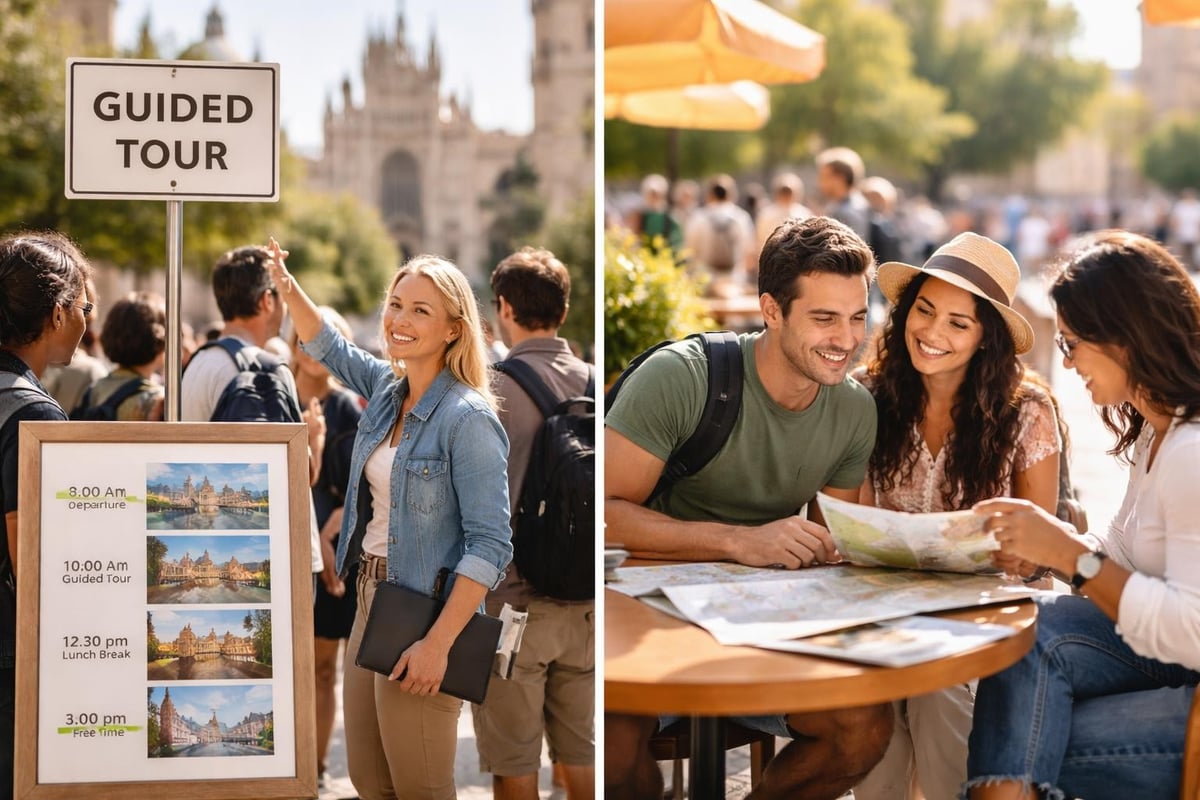
Industry data confirms what operators are experiencing firsthand. According to recent research on U.S. travel trends, day tours and experiences continue gaining popularity as travelers seek convenient, curated activities that maximize limited vacation time. The multi-day tours market is poised for high growth, particularly among demographics seeking immersive cultural experiences.
This growth stems from several converging factors:
- Time scarcity among professionals who want efficient, hassle-free travel
- Desire for expertise that only local guides can provide
- Safety and convenience in unfamiliar destinations
- Value perception when considering the cost of independent planning versus inclusive packages
- Social connection opportunities in an increasingly digital world
Key Components of Exceptional Organised Tours
Not all organised tours deliver equal value. The most successful experiences share common characteristics that distinguish them from mediocre offerings. Understanding these elements helps travelers make informed choices and enables operators to refine their services.
Expert Local Guides
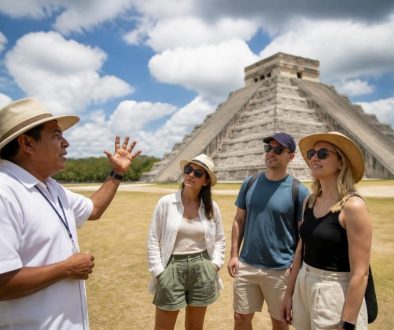
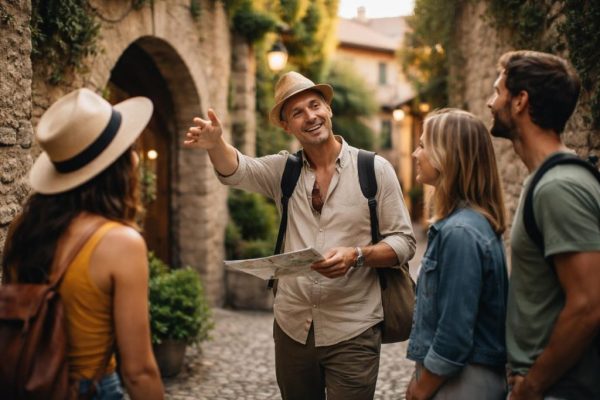
The guide makes or breaks any organised tour experience. Native English-speaking guides with deep local knowledge transform ordinary sightseeing into memorable education. They provide context that guidebooks cannot capture, share anecdotes that bring history alive, and offer recommendations that extend beyond the tour itself.
Professional guides demonstrate several critical qualities:
- Communication skills that engage diverse personalities and learning styles
- Historical and cultural knowledge verified through ongoing education
- Adaptability to weather changes, group dynamics, and unexpected situations
- Passion for their city that proves contagious
When evaluating guided sightseeing tours, the guide's credentials and approach should weigh heavily in your decision. The best operators showcase their guides' expertise and encourage direct communication before booking.
Thoughtful Itinerary Design
Well-designed itineraries balance iconic attractions with hidden gems, allowing time for both structured activities and spontaneous discoveries. They consider practical factors like walking distances, meal breaks, and energy levels throughout the day.
| Itinerary Element | Poor Design | Excellent Design |
|---|---|---|
| Pacing | Rushed, exhausting schedule | Natural rhythm with rest periods |
| Variety | Only major tourist sites | Mix of famous landmarks and local spots |
| Flexibility | Rigid timing, no adjustments | Buffer time for group interests |
| Logistics | Excessive walking, poor planning | Strategic routing, comfort considerations |
The most memorable organised tours incorporate elements of surprise while maintaining a comfortable structure. A walking tour through Stockholm's Old Town might include an unexpected stop at a traditional bakery or a brief musical performance in a historic courtyard.
Specialized Tour Categories Gaining Popularity
Modern organised tours increasingly cater to niche interests, allowing travelers to pursue specific passions while exploring new destinations. This specialization creates more satisfying experiences and attracts demographics previously uninterested in group travel.
Literary and Cultural Tours
Literature enthusiasts can now follow favorite authors through the streets where their stories unfolded. Stockholm offers particularly rich opportunities for literary exploration, including locations featured in Stieg Larsson's "The Girl with the Dragon Tattoo" series. These tours combine literary analysis with historical context and urban exploration.
Cultural tours extend beyond literature to encompass architecture, design, culinary traditions, and social history. They attract intellectually curious travelers seeking deeper understanding of destinations beyond surface-level attractions.
Music and Entertainment Experiences
Music-themed tours have exploded in popularity, particularly those celebrating iconic artists and cultural movements. The ABBA journey through Stockholm exemplifies this trend, offering fans immersive experiences that combine performance venues, recording locations, and meals inspired by the band's era. These experiences create emotional connections that traditional sightseeing cannot replicate.
Entertainment-focused organised tours work especially well for:
- Solo travelers seeking like-minded companions
- Couples with shared musical interests
- Multi-generational families bonding over classic artists
- International visitors exploring cultural icons
Private and Tailored Experiences
The fastest-growing segment involves private organised tours designed for specific groups. Families, corporate teams, and friend groups increasingly prefer exclusive experiences that accommodate their unique dynamics and interests. Private tours eliminate concerns about keeping pace with strangers or adhering to generalized itineraries.
Benefits of private organised tours include:
- Complete schedule control with start times and duration suited to your preferences
- Content customization emphasizing topics most relevant to your group
- Intimate atmosphere enabling comfortable questions and discussions
- Accessibility accommodations for participants with mobility or dietary needs
- Photographic opportunities without rushing or coordinating with larger groups
Practical Considerations When Selecting Organised Tours
Choosing the right organised tour requires evaluating several factors beyond basic itinerary descriptions. Smart travelers research thoroughly and ask specific questions before committing.
Group Size and Dynamics
Group size dramatically impacts experience quality. Large groups (15+ participants) struggle with logistics, noise levels, and individual attention. Small groups (4-12 participants) enable conversation, flexibility, and access to venues that cannot accommodate crowds.
Consider whether the tour attracts specific demographics. Some organised tours appeal primarily to retirees, while others draw younger professionals or families. Understanding typical participant profiles helps ensure compatibility and shared interests.
Inclusions and Value Assessment
Compare what different operators include in their pricing. Some organised tours appear expensive until you account for entrance fees, meals, transportation, and guide gratuities. Others seem affordable but require numerous additional expenses.
| Typical Inclusions | Questions to Ask |
|---|---|
| Professional guide | What are their qualifications and experience? |
| Entrance fees | Are all admission costs covered or just some? |
| Meals/refreshments | What specific food and beverages are included? |
| Transportation | Does this cover all movement or just certain segments? |
| Group size | What is the maximum number of participants? |
Quality Stockholm tours transparently detail all inclusions and exclusions, allowing accurate value comparisons. Be wary of vague descriptions or unexplained price variations.
Booking Flexibility and Policies
Understand cancellation policies, rescheduling options, and weather contingencies before booking. Reputable operators provide clear, fair policies that protect both parties. Check whether deposits are refundable, how far in advance you can cancel without penalty, and what happens in extreme weather.
Private organised tours typically offer more flexibility than scheduled group departures. If your travel plans might change, this flexibility justifies any premium pricing.
Maximizing Your Organised Tour Experience
Preparation and mindset significantly influence how much you gain from organised tours. Thoughtful participants contribute to better experiences for everyone while extracting maximum value for themselves.
Pre-Tour Preparation
Research your destination before arrival, even when booking expert-guided experiences. Basic familiarity with history, geography, and current events enables you to ask informed questions and appreciate subtle details. Review the itinerary carefully and identify specific interests you want the guide to address.
Prepare practically by:
- Wearing appropriate footwear for walking tours, regardless of distance estimates
- Dressing in layers to accommodate changing weather and indoor/outdoor transitions
- Bringing water and snacks unless specifically included
- Charging devices for photography and navigation
- Arriving early to start tours relaxed rather than rushed
Active Engagement During Tours
The best organised tours encourage participant interaction rather than passive listening. Ask questions when topics interest you, share relevant personal experiences, and engage respectfully with fellow participants. Guides appreciate engaged groups and often extend tours or add bonus stops when energy remains high.
Balance attentiveness with presence. While photography preserves memories, constantly viewing experiences through a screen diminishes real-time enjoyment. Take selective photos, then focus on absorbing the moment.
Post-Tour Follow-Through
Extend tour value by following up on recommendations and resources. Guides often suggest restaurants, shops, performances, or other activities worth exploring independently. Many provide reading lists, websites, or contact information for additional questions.
Consider leaving detailed reviews on tour operator websites and travel platforms. Thoughtful feedback helps other travelers make informed decisions while giving operators valuable insight for continuous improvement.
Industry Trends Shaping Future Organised Tours
The tour industry continues evolving in response to technological advances, environmental concerns, and shifting traveler priorities. Understanding these trends helps both operators and consumers anticipate future developments.
Technology Integration
Digital tools enhance rather than replace human-guided experiences. Many organised tours now incorporate apps that provide supplementary information, audio content, and post-tour resources. GPS tracking allows participants to revisit locations independently, while digital photo sharing creates group albums.
However, current trends in tours and experiences emphasize that technology works best when supporting, not replacing, personal interaction. Travelers still value face-to-face connections with knowledgeable guides who answer spontaneous questions and adapt to emerging interests.
Sustainability and Responsible Tourism
Organised tours increasingly emphasize environmental responsibility and cultural sensitivity. Operators limit group sizes to reduce impact on fragile sites, partner with local businesses rather than international chains, and educate participants about respectful behavior.
Sustainable practices include:
- Walking-based itineraries that minimize carbon emissions
- Support for local artisans and restaurants rather than tourist-focused chains
- Education about cultural norms and appropriate behavior
- Waste reduction through reusable water bottles and minimal packaging
- Off-peak scheduling to reduce crowding at popular sites
Travelers show growing preference for operators demonstrating genuine commitment to sustainability beyond superficial marketing claims.
Experiential and Immersive Activities
Static sightseeing yields to participatory experiences. Modern organised tours incorporate hands-on activities like cooking classes, craft workshops, or performance opportunities. These interactive elements create stronger memories and deeper cultural understanding than observation alone.
Stockholm's organised tours exemplify this trend by offering activities ranging from traditional Swedish fika experiences to behind-the-scenes access at cultural institutions. Participants leave with skills and stories, not just photographs.
Organised Tours for Different Traveler Types
Various demographics benefit from organised tours in distinct ways. Understanding these differences helps operators design targeted offerings and helps travelers identify most suitable options.
Solo Travelers
Organised tours solve several challenges facing independent explorers. They provide built-in social opportunities, eliminate safety concerns, and offer better value than booking individual experiences. Solo participants often form lasting friendships with fellow travelers while maintaining independence outside scheduled activities.
For solo walking holidays, small-group tours strike the ideal balance between companionship and autonomy. Participants enjoy guided exploration during organized hours but remain free to pursue personal interests afterward.
Families and Multi-Generational Groups
Family travel presents unique logistical challenges that organised tours elegantly address. Professional guides engage different age groups simultaneously, accommodating varying energy levels and interests. Grandparents gain comfortable pacing, parents appreciate educational value, and children enjoy interactive storytelling.
Private family tours allow customization for specific ages and interests. A Stockholm tour might emphasize royal history for older participants while incorporating interactive elements that maintain younger children's attention.
Corporate and Incentive Groups
Businesses increasingly recognize organised tours' team-building value. Shared experiences outside office environments foster collaboration, communication, and relationships that translate to improved workplace dynamics. Tailored tours for corporate groups balance professional objectives with memorable entertainment.
Effective corporate organised tours incorporate:
- Themes aligned with company values or industry focus
- Activities requiring collaboration among participants
- Opportunities for informal networking in relaxed settings
- Professional facilitation that maintains appropriate tone
- Flexibility to accommodate last-minute schedule changes
Regional Spotlight: Stockholm's Organised Tour Landscape
Stockholm offers particularly rich opportunities for organised tours, combining historical significance, cultural vitality, and natural beauty. The city's compact center and English proficiency make it ideal for international visitors seeking guided experiences.
Historical and Architectural Tours
The medieval streets of Gamla Stan (Old Town) provide atmospheric settings for historical exploration. Stockholm Old Town walking tours navigate narrow alleys while explaining centuries of Swedish history, from Viking origins through modern democracy. The Royal Palace, Storkyrkan cathedral, and colorful merchant houses tell stories that independent visitors often miss without expert context.
Architectural tours extend beyond Old Town to encompass Stockholm's diverse building styles, from 17th-century Baroque to contemporary Scandinavian design. These organised tours appeal to design professionals and enthusiasts seeking deeper understanding of Swedish aesthetic principles.
Cultural Immersion Experiences
Stockholm's cultural scene supports organised tours spanning museums, music venues, literary sites, and culinary traditions. The city's status as ABBA's birthplace creates opportunities for music-focused experiences that combine historical venues with contemporary celebrations of Swedish pop culture.
Cultural tours succeed by balancing famous attractions with authentic local experiences. The best operators incorporate neighborhood cafes, artisan workshops, and residential areas alongside marquee museums and monuments.
Customization and Insider Access
What distinguishes exceptional Stockholm organised tours from adequate ones? Insider knowledge and access that independent research cannot replicate. Local guides share restaurant recommendations, explain social customs, decode transit systems, and reveal hidden viewpoints known only to residents.
English walking tours led by native speakers eliminate language barriers while providing cultural translation beyond simple vocabulary. Guides explain humor, social norms, and contemporary issues that contextualize historical information.
Evaluating Tour Operator Quality
Not all tour companies deliver equivalent experiences. Discerning travelers evaluate operators across multiple dimensions before booking, ensuring their investment yields maximum value and satisfaction.
Professional Standards and Training
Reputable operators invest in guide training, maintain industry certifications, and participate in professional associations. They conduct background checks, verify historical accuracy, and continuously update content to reflect current scholarship and conditions.
Quality indicators include:
- Transparent guide credentials displayed on websites and marketing materials
- Ongoing education requirements for all guides
- Customer service responsiveness to inquiries and concerns
- Clear policies regarding safety, accessibility, and participant expectations
- Insurance coverage protecting both operators and participants
Customer Reviews and Reputation
Online reviews provide valuable insight into typical experiences, though they require critical evaluation. Look for patterns across multiple platforms rather than fixating on individual complaints or praise. Recent reviews matter more than older ones, particularly if operators have changed ownership or updated offerings.
Pay attention to how companies respond to negative feedback. Professional operators address legitimate concerns constructively while explaining circumstances when appropriate. Defensive or dismissive responses indicate problematic customer service.
Value Beyond Price
The least expensive option rarely delivers the best experience. Evaluate total value by considering guide expertise, group size, inclusions, flexibility, and unique access. A moderately priced tour with a brilliant guide and intimate group size exceeds value from a cheap tour with mediocre execution.
Premium organised tours justify higher pricing through superior guides, exclusive access, enhanced inclusions, and personalized service. Budget options serve travelers prioritizing cost over experience quality, but most participants find mid-range to premium tours offer better satisfaction relative to investment.
Organised tours have evolved into sophisticated experiences that combine expert guidance, cultural immersion, and personal connection in ways that independent travel struggles to match. Modern operators like Adding:tours understand that today's travelers seek authentic encounters with destinations, delivered through small-group experiences that balance structure with flexibility. Whether you're exploring Stockholm's historic neighborhoods, following literary legends, or embarking on musical journeys, thoughtfully designed organised tours transform sightseeing into meaningful discovery.