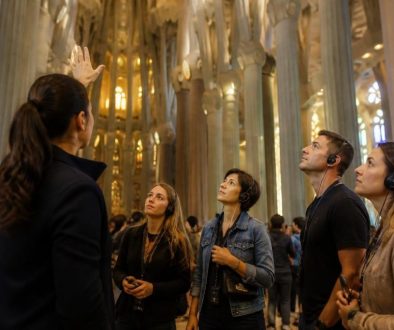

Guided Walking Tours: Elevate Your Travel Experience
Exploring a new city on foot offers an unparalleled opportunity to connect with its culture, history, and hidden gems. While self-guided exploration has its merits, guided walking tours provide a curated experience that transforms ordinary sightseeing into extraordinary discovery. With expert narration, insider knowledge, and carefully planned routes, these tours unlock layers of meaning that travelers might otherwise miss. Whether you're visiting Stockholm's medieval Old Town, following literary trails, or discovering musical heritage, the right guide transforms streets and buildings into living stories that resonate long after your journey ends.
The Distinctive Advantages of Guided Walking Tours
Guided walking tours offer numerous benefits that independent exploration simply cannot replicate. The most significant advantage lies in access to expert knowledge from local guides who bring destinations to life through stories, historical context, and cultural insights. These professionals spend years developing their craft, researching historical details, and cultivating relationships that provide exclusive access to locations and experiences.
Educational Value That Exceeds Expectations
When comparing guided versus self-guided walking tours, the educational component stands out as a primary differentiator. Professional guides synthesize complex historical narratives into engaging stories that appeal to diverse audiences. They answer questions in real time, adjust explanations based on group interests, and provide context that guidebooks cannot match.
The value becomes particularly evident in educational contexts, where structured learning experiences combine engagement with curriculum objectives. However, this benefit extends beyond student groups to all travelers seeking deeper understanding of their destinations.
Key educational benefits include:
- Historical context that connects past events to present-day culture
- Architectural explanations that reveal building techniques and stylistic evolution
- Cultural insights that illuminate local customs and traditions
- Personal anecdotes that humanize historical narratives
- Answers to spontaneous questions that arise during exploration

Efficiency and Time Optimization
Time represents one of the most valuable commodities during travel. Guided walking tours maximize every moment by eliminating navigation confusion, research time, and the trial-and-error of finding significant sites. Routes are strategically planned to cover essential attractions while avoiding tourist bottlenecks during peak hours.
This efficiency proves especially valuable in cities like Stockholm, where narrow medieval alleys and dispersed attractions can challenge even experienced travelers. A professional tour guide knows shortcuts, optimal viewing times, and how to sequence stops for maximum impact and minimal fatigue.
Personalization Creates Memorable Experiences
The evolution of guided walking tours has shifted from one-size-fits-all approaches to customized experiences that reflect group interests and preferences. Modern tour operators recognize that families with children have different needs than history enthusiasts or photography aficionados. This personalization transforms standard itineraries into tailored adventures.
Adapting to Group Dynamics
Small group tours allow guides to read their audience and adjust pacing, depth of information, and focus areas accordingly. If a group shows particular interest in medieval architecture, a skilled guide expands on that topic. When travelers express curiosity about contemporary culture, the narrative shifts to include modern developments and local life.
Private guided walking tours offer even greater flexibility, allowing complete customization of routes, duration, and thematic focus. Whether your group wants to explore Stockholm’s Old Town at a leisurely pace or combine multiple interests into a single experience, personalized tours accommodate these preferences.
| Tour Type | Group Size | Customization Level | Flexibility | Interaction Quality |
|---|---|---|---|---|
| Large Group | 20-30 people | Low | Fixed schedule | Limited personal attention |
| Small Group | 8-12 people | Moderate | Some adjustments | Good engagement |
| Private Tour | 2-6 people | High | Fully customizable | Maximum interaction |
Thematic Tours for Specialized Interests
Beyond general sightseeing, guided walking tours now embrace niche interests that appeal to passionate enthusiasts. Literary walking tours trace the footsteps of famous authors and fictional characters, transforming novels into tangible experiences. Music-themed tours explore the origins of legendary bands and musical movements.
Stockholm offers particularly rich options for thematic exploration. Literature enthusiasts can follow the Millennium series trail, visiting locations from Stieg Larsson's novels. Music lovers discover the city's connection to global pop culture through dedicated experiences like the ABBA journey that combines historical sites with cultural immersion.
Practical Considerations for Walking Tour Success
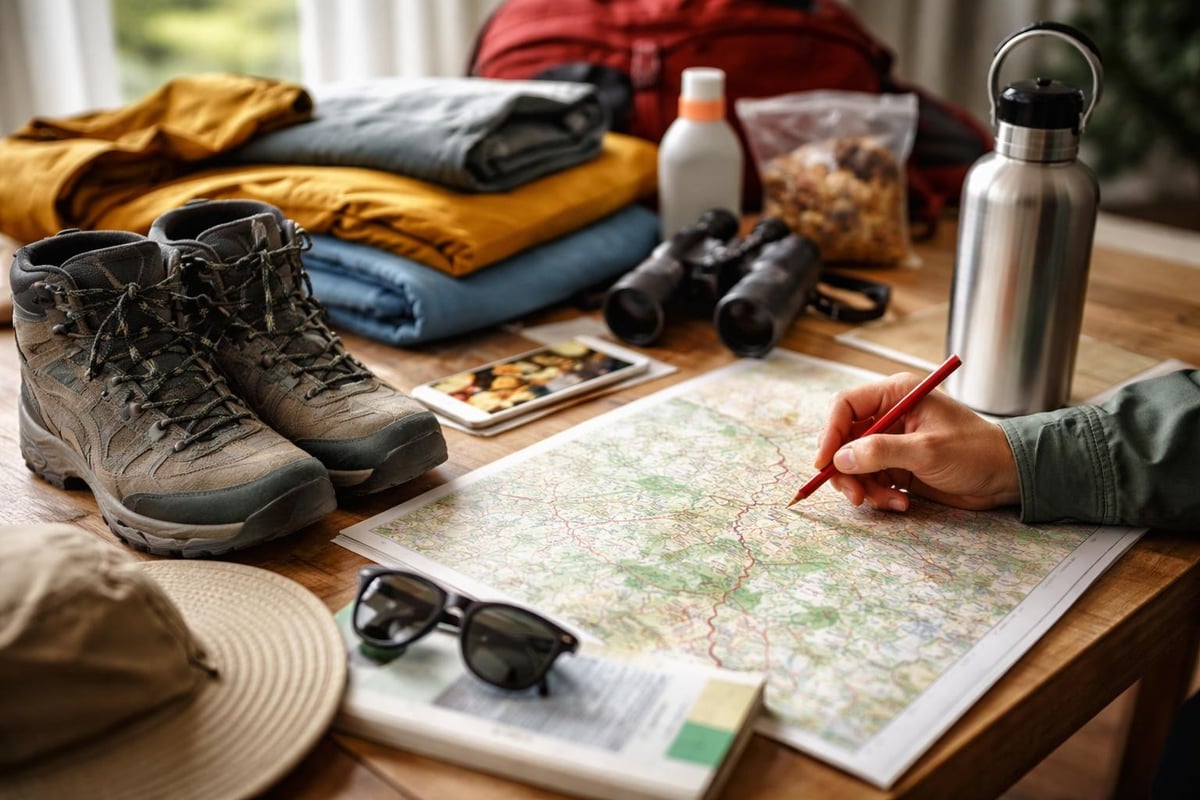
Preparation significantly impacts the quality of any walking tour experience. While guides handle navigation and storytelling, participants who arrive properly equipped and informed enjoy the journey more fully. Understanding what to expect and how to prepare ensures comfort throughout the experience.
Essential Preparation Steps
- Research the route and duration to understand physical requirements
- Select appropriate footwear designed for extended walking on varied surfaces
- Check weather forecasts and dress in layers for changing conditions
- Bring hydration even for shorter tours in temperate climates
- Charge devices for photography and emergency communication
- Review meeting points and arrival instructions carefully
Following practical walking tour tips helps participants maintain energy and engagement throughout the experience. Comfortable shoes cannot be overemphasized as cobblestone streets, uneven surfaces, and extended standing periods test even quality footwear.
Physical Fitness and Accessibility
Most guided walking tours accommodate moderate fitness levels, but understanding specific requirements prevents uncomfortable surprises. Tour descriptions typically indicate distance, terrain difficulty, and elevation changes. Some operators offer modified routes for participants with mobility considerations or provide rest breaks at strategic intervals.
Fitness considerations include:
- Total walking distance (typically 2-5 miles for standard tours)
- Terrain type (flat pavement, cobblestones, hills, stairs)
- Pace expectations (leisurely, moderate, brisk)
- Standing duration at individual stops
- Availability of rest facilities along the route
Communication with tour operators before booking ensures the selected experience matches physical capabilities and comfort levels. Customizable tours can often adjust pacing and distance to accommodate specific needs without compromising the overall experience quality.
The Guide Makes the Difference
The tour guide represents the single most critical factor determining experience quality. An exceptional guide combines knowledge, communication skills, enthusiasm, and adaptability to create memorable journeys. These professionals undergo extensive training, continuous education, and regular route familiarization to maintain expertise.
Qualities of Outstanding Guides
Superior guides possess deep knowledge that extends beyond memorized scripts. They understand historical context, architectural evolution, cultural nuances, and contemporary developments. This comprehensive understanding allows them to answer unexpected questions, draw connections between topics, and tailor information delivery to audience backgrounds.
Communication skills separate adequate guides from exceptional ones. The best storytellers balance information delivery with entertainment, use appropriate pacing, project their voices effectively, and employ body language that enhances narratives. Native English-speaking guides eliminate language barriers that might diminish comprehension and enjoyment for international visitors.
Local Expertise and Insider Access
Guides who live in the cities they showcase bring irreplaceable local perspective. They know which cafes serve the best coffee, when attractions experience lighter crowds, and which seasonal events merit attention. This insider knowledge transforms tours from tourist experiences into local discoveries.
Some guides cultivate relationships that provide special access to locations typically closed to the public or offer behind-the-scenes perspectives that standard admission cannot deliver. These exclusive opportunities create distinctive memories and justify the investment in professional guidance over independent exploration.
Types of Guided Walking Tours
The guided walking tour category encompasses diverse formats designed for different interests, time constraints, and experience preferences. Understanding these variations helps travelers select options that align with their goals and expectations.
Classic City Orientation Tours
Orientation tours introduce visitors to a destination's layout, major landmarks, and essential history. These foundational experiences typically cover 2-3 hours and provide context that enhances subsequent independent exploration. Stockholm tours often begin in the Old Town, where medieval architecture and royal history create compelling narratives.
These tours excel at helping first-time visitors understand a city's geography, learn navigation basics, and identify attractions worth deeper exploration later. The broad overview approach sacrifices depth for breadth, covering many sites briefly rather than examining few locations extensively.
Deep-Dive Historical Tours
Historical tours focus on specific periods, events, or themes with scholarly depth that appeals to enthusiasts and educated travelers. These experiences might explore medieval Stockholm, the Vasa era, or Sweden's role in various historical periods. Duration typically extends to 3-4 hours as guides provide detailed analysis and encourage discussion.
Participants in historical tours generally possess baseline knowledge and seek expert interpretation that illuminates complex topics. The guide's role shifts from basic information delivery to nuanced analysis, debate facilitation, and connection-making between historical events and contemporary culture.
Culinary and Cultural Immersion Tours
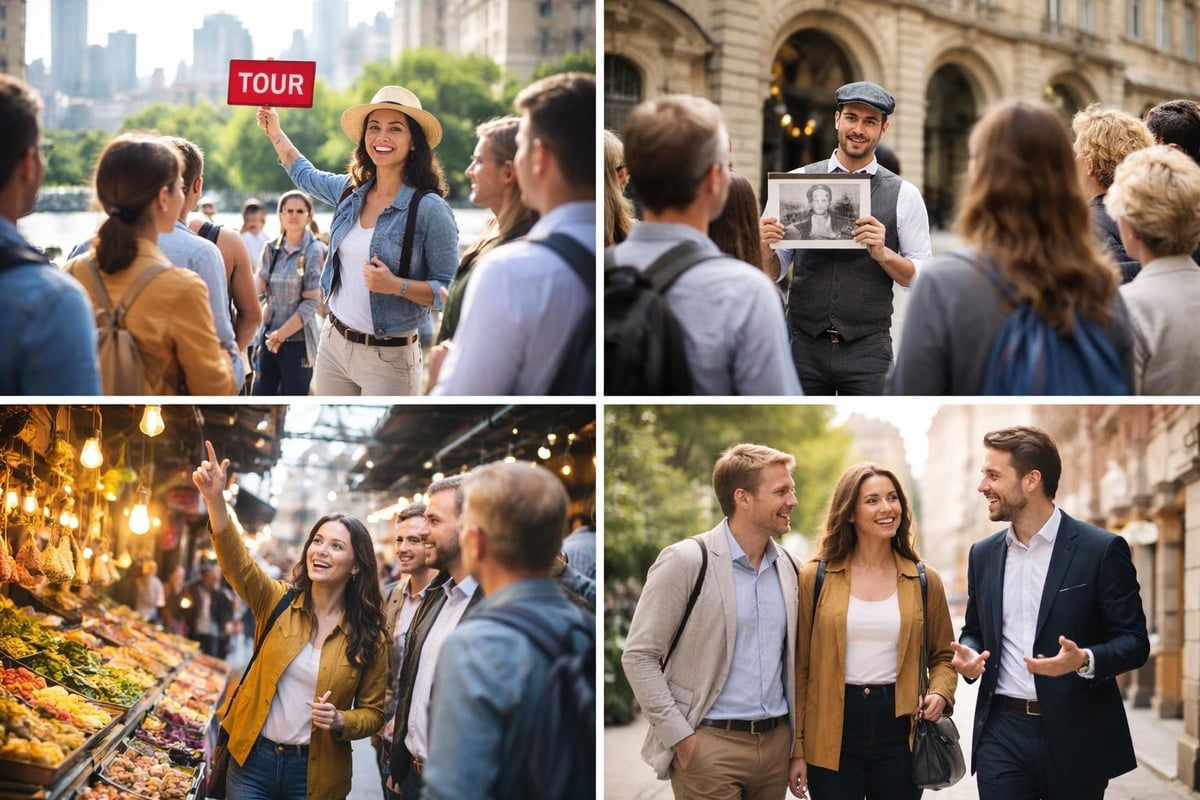
Food tours combine walking exploration with culinary sampling, introducing local cuisine, food traditions, and dining culture. These multi-sensory experiences engage taste alongside sight and sound, creating particularly memorable impressions. Guides share stories about traditional dishes, explain ingredient sources, and facilitate interactions with local vendors and restaurateurs.
Cultural tours extend beyond cuisine to encompass art, music, festivals, and contemporary lifestyle. They reveal how residents actually live, work, and play rather than focusing exclusively on historical sites. This modern perspective appeals to travelers seeking authentic connection with destinations beyond tourist attractions.
Maximizing Your Guided Walking Tour Investment
Guided walking tours represent an investment of both time and money. Strategic approaches to selection, preparation, and participation ensure maximum return on this investment through enhanced learning, enjoyment, and memory creation.
Selecting the Right Tour Operator
Quality varies significantly among tour operators. Researching providers before booking prevents disappointment and wasted resources. Key evaluation criteria include guide credentials, group size policies, customization options, and customer reviews. Established operators with native English-speaking guides and flexible cancellation policies demonstrate professionalism and reliability.
Reading reviews from previous participants provides insight into actual experiences versus marketing promises. Look for consistent praise regarding guide knowledge, tour pacing, route quality, and overall organization. Negative reviews highlighting recurring issues should raise concerns about reliability and quality standards.
Engagement Strategies During Tours
Active participation enhances both learning and enjoyment. Asking questions demonstrates interest and often prompts guides to share additional information or stories. Most guides appreciate engaged participants and adjust their delivery to reward curiosity with deeper insights.
Participation best practices:
- Position yourself near the guide for optimal hearing and interaction
- Ask questions during designated stops rather than while walking
- Share relevant knowledge or experiences when appropriate
- Take notes or photos to reinforce learning and preserve memories
- Respect other participants' experience by avoiding disruption
Photography deserves special attention as it can enhance or detract from experiences. Taking a few quality photos at each stop preserves memories without sacrificing present-moment engagement. Designating specific photo opportunities rather than constant documentation allows fuller immersion in the guide's narrative and environmental atmosphere.
The Role of Technology in Modern Walking Tours
Technology integration has transformed guided walking tours without replacing the essential human element that makes these experiences valuable. Smart tools enhance rather than supplant guide expertise, providing supplementary information and convenience features.
Audio Enhancement Systems
Quality tour operators equip guides with wireless microphone systems that transmit to participant headsets. This technology ensures clear audio even in crowded environments, noisy streets, or when viewing sites from distances. Participants move freely while maintaining audio connection, eliminating the need to cluster tightly around guides.
These systems prove particularly valuable for larger groups or tours in high-traffic areas where ambient noise might otherwise interfere with communication. The technology respects other visitors by containing guide narration to tour participants rather than broadcasting to the general public.
Digital Support Tools
Some operators provide supplementary digital content accessible during or after tours. This might include route maps, additional photographs, recommended resources, or extended information about topics covered during the experience. Post-tour access allows participants to revisit information and continue learning after the walking portion concludes.
However, the best guided walking tours maintain focus on present-moment experience rather than digital mediation. Technology serves as tool rather than focus, supporting rather than replacing direct observation, guide interaction, and environmental immersion.
Seasonal Considerations and Year-Round Opportunities
Walking tours operate throughout the year, but seasonal variations create distinct experiences and considerations. Understanding these differences helps travelers select optimal timing for their interests and comfort preferences.
Spring and Summer Advantages
Warmer months offer extended daylight hours, comfortable temperatures, and vibrant landscapes. Outdoor cafes operate, festivals enliven streets, and longer days accommodate extended tour durations. However, peak season also brings larger crowds, higher prices, and more competition for guide attention among multiple tour groups.
Stockholm's summer city sightseeing takes advantage of nearly endless daylight and pleasant weather perfect for extended walking. The archipelago becomes accessible, outdoor spaces flourish, and the city's energy reaches annual peaks.
Autumn and Winter Appeal
Cooler seasons offer distinct advantages despite shorter days and colder temperatures. Crowds thin dramatically, allowing more intimate experiences and better access to popular sites. Autumn colors create stunning backdrops, while winter snow transforms cities into wonderland settings.
Holiday seasons add special atmosphere with markets, decorations, and celebrations that provide unique cultural insights. Guides adapt tours to highlight seasonal features, indoor attractions, and weather-protected routes that maintain comfort despite challenging conditions.
| Season | Advantages | Considerations | Recommended Duration |
|---|---|---|---|
| Spring | Moderate weather, blooming nature | Unpredictable rain | 2-3 hours |
| Summer | Long days, festivals, warm temps | Crowds, higher prices | 3-4 hours |
| Autumn | Beautiful colors, fewer tourists | Shorter days, cooling temps | 2-3 hours |
| Winter | Festive atmosphere, snow beauty | Cold weather, limited daylight | 1.5-2 hours |
Building Connections Through Shared Exploration
Beyond knowledge acquisition and sightseeing, guided walking tours create opportunities for human connection. Shared experiences forge bonds among participants and between guides and travelers that extend beyond the tour duration.
Social Dynamics of Group Tours
Small group tours naturally facilitate interaction among participants who share interests and travel enthusiasm. Conversations during walking segments or rest stops create networking opportunities and potential friendships. Many travelers appreciate the social dimension as much as the informational content, particularly solo travelers seeking companionship during their journeys.
Guides often facilitate these interactions through ice-breaker questions, group discussions, and collaborative activities that transform strangers into temporary communities. The shared experience of discovery creates common ground that transcends cultural and linguistic differences.
Long-Term Relationships and Return Visits
Exceptional guides build followings of travelers who return for different tours or recommend experiences to friends and family. This loyalty reflects the personal connection and trust that develops when guides consistently deliver outstanding experiences. Some visitors plan return trips specifically to explore additional themes with guides they've enjoyed previously.
The relationship between guide and participant can extend beyond the tour through social media connections, email correspondence, or recommendations that continue providing value long after the walking concludes. These ongoing relationships represent one of guided tours' most underappreciated benefits, creating networks of cultural exchange and mutual learning.
Guided walking tours transform ordinary sightseeing into extraordinary journeys of discovery, education, and connection. Whether you're seeking historical depth, cultural immersion, or personalized exploration, the right guide and tour design elevate your travel experience immeasurably. Adding:tours specializes in creating these transformative experiences for private groups and small gatherings throughout Stockholm, offering native English-speaking guides who share insider knowledge and tailor every tour to your specific interests. From classic Old Town exploration to literary adventures and ABBA journeys, we ensure your time in Stockholm becomes truly special through expert guidance and personalized attention.