Walking Trip: Your Complete Guide to Memorable Adventures
A walking trip offers an intimate way to explore destinations that vehicle-based tours simply cannot match. When you travel on foot, you engage with your surroundings at a human pace, discovering hidden courtyards, charming side streets, and local establishments that would otherwise remain invisible. This immersive approach to exploration transforms sightseeing from a passive activity into an active adventure, where every step reveals new details about a city's architecture, culture, and daily life. Whether you're planning a multi-day walking holiday or a focused afternoon tour through a historic district, the right preparation ensures you'll create lasting memories while reaping significant health benefits.
The Health Benefits of Walking Trips
Walking represents one of the most accessible forms of exercise, requiring no special equipment beyond comfortable footwear. The physical and mental health benefits of hiking extend naturally to urban walking trips, where you can achieve cardiovascular improvements while exploring cultural landmarks.
Physical Wellness Through Movement
Regular walking strengthens your heart, improves circulation, and helps maintain healthy blood pressure levels. During a walking trip, you're likely to cover several miles per day without even noticing the distance, as your attention focuses on architectural details and historical narratives rather than exercise metrics.
Key physical benefits include:
- Enhanced cardiovascular endurance and heart health
- Improved joint mobility and bone density
- Better balance and coordination on varied terrain
- Increased calorie burn without high-impact stress
- Strengthened leg muscles and core stability
The gradual inclines found in many historic city centers, such as Stockholm's hilly Old Town neighborhoods, provide natural interval training that builds strength while remaining manageable for most fitness levels.
Mental and Emotional Well-being
Beyond physical advantages, a walking trip delivers substantial mental health benefits. The benefits of walking include reduced stress, improved mood, and enhanced cognitive function. When combined with cultural exploration, these effects multiply as you engage multiple senses simultaneously.
Research consistently shows that walking outdoors reduces anxiety and depression symptoms while boosting creativity. On a guided walking trip, this therapeutic effect combines with social interaction and intellectual stimulation, creating a holistic wellness experience.
Planning Your Walking Trip Successfully
Effective planning transforms a simple walk into a memorable journey. Whether you're organizing an independent adventure or joining professional tour guide services, advance preparation ensures comfort and maximizes discovery opportunities.
Route Selection and Mapping
Planning a walking route requires balancing distance, terrain difficulty, and points of interest. Most people comfortably walk between 2-4 miles per hour depending on terrain and stopping frequency, though sightseeing naturally reduces this pace.
| Walking Trip Duration | Recommended Distance | Ideal Pace |
|---|---|---|
| Half-day (3-4 hours) | 3-5 miles | Leisurely with frequent stops |
| Full-day (6-8 hours) | 6-10 miles | Moderate with meal breaks |
| Multi-day | 8-12 miles per day | Comfortable with rest periods |
Consider elevation changes when estimating time requirements. A flat urban route differs significantly from hilly terrain, even when covering identical distances. Stockholm's Gamla Stan, for instance, features cobblestone streets and occasional staircases that require extra time and appropriate footwear.
Essential Preparation Elements
Successful walking trip preparation extends beyond route planning. Weather forecasts, seasonal considerations, and local customs all influence your experience.
Pre-trip checklist:
- Research historical context and cultural significance of planned stops
- Verify opening hours for museums, churches, and attractions
- Identify rest points, cafes, and restroom facilities along the route
- Download offline maps as backup navigation tools
- Check weather predictions and pack accordingly
- Break in new walking shoes at least two weeks before departure
When booking Stockholm tours, confirm group size and customization options to ensure the experience aligns with your interests and physical capabilities.
Choosing the Right Walking Trip Style
Walking trips vary dramatically in format, from self-guided explorations to expertly curated group experiences. Understanding these distinctions helps you select the approach that best matches your travel preferences and objectives.
Self-Guided Walking Adventures
Independent walking trips offer maximum flexibility, allowing you to set your own pace and modify routes spontaneously. This approach works well for experienced travelers familiar with navigation tools and comfortable making on-the-spot decisions.
However, self-guided trips require more extensive research to uncover hidden stories behind visible landmarks. That architectural detail you noticed might represent a significant historical event, but without context, its meaning remains obscure.
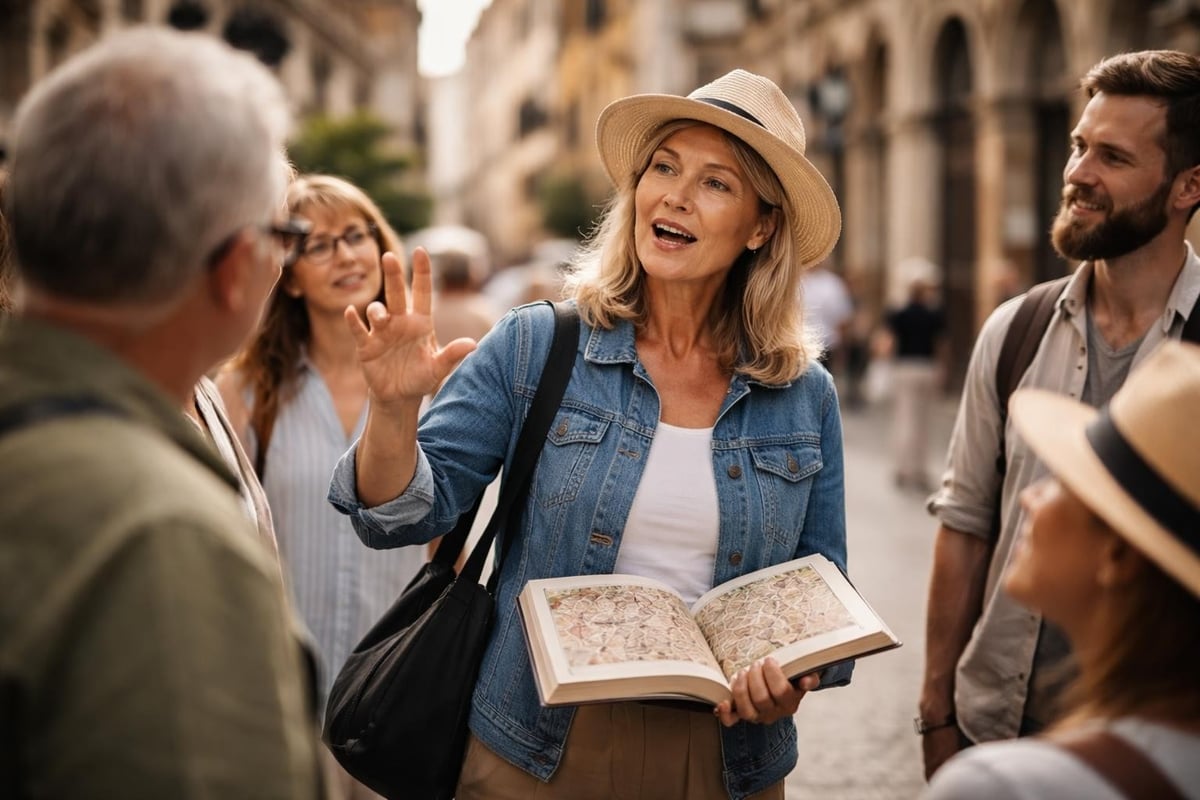
Guided Walking Experiences
Professional guides transform ordinary sightseeing into educational journeys rich with insider knowledge. A walking tour of Stockholm’s Old Town reveals narratives that self-guided visitors typically miss, from medieval trade routes to modern literary connections.
Advantages of guided walking trips:
- Expert historical and cultural commentary
- Access to insider tips about local establishments
- Pre-planned routes optimizing time and energy
- Social interaction with fellow travelers
- Safety and navigation support in unfamiliar areas
Guides bring destinations to life through storytelling, connecting past events to present-day observations. They also adjust pacing and content based on group interests, creating personalized experiences that standard itineraries cannot match.
Optimizing Your Walking Trip Experience
Small adjustments dramatically improve walking trip enjoyment and comfort. These practical strategies help you maximize discovery while minimizing common challenges that can detract from your experience.
Footwear and Clothing Decisions
Appropriate attire makes the difference between pleasant exploration and painful endurance. Your walking trip wardrobe should prioritize comfort, weather protection, and practicality over fashion considerations.
Footwear requirements:
- Well-broken-in shoes with adequate arch support
- Non-slip soles suitable for cobblestone and wet surfaces
- Breathable materials to prevent overheating and blisters
- Ankle support for uneven terrain navigation
Layered clothing allows temperature regulation throughout the day as weather shifts and activity levels fluctuate. Even summer walking trips benefit from a light jacket for air-conditioned museums or unexpected rain showers.
Pacing and Energy Management
Sustainable pacing prevents fatigue that can diminish enjoyment during later portions of your walking trip. The American Heart Association’s walking resources emphasize starting gradually and building endurance over time.
Begin your day with your most ambitious segment when energy levels peak. Schedule strategic breaks at cafes or parks, using these intervals to hydrate, snack, and absorb your surroundings without time pressure.
| Time of Day | Energy Level | Recommended Activity |
|---|---|---|
| Morning (8-11 AM) | High | Complex historical sites requiring focus |
| Midday (11 AM-2 PM) | Moderate | Lunch break, lighter sightseeing |
| Afternoon (2-5 PM) | Variable | Scenic walks, shopping districts |
| Evening (5-8 PM) | Renewed | Dinner areas, entertainment districts |
Listen to your body's signals and adjust accordingly. A walking trip should invigorate rather than exhaust, leaving you energized for subsequent days rather than requiring recovery time.
Thematic Walking Trips for Deeper Engagement
Focused thematic approaches create cohesive narratives that connect individual sites into meaningful stories. Rather than checking random landmarks off a list, thematic walking trips explore specific aspects of a destination's identity.
Literary and Cultural Trails
Following in the footsteps of famous authors or fictional characters adds imaginative dimensions to physical locations. Literary walking trips transform cities into living books where streets become chapters and buildings serve as characters.
Stockholm offers particular appeal for crime fiction enthusiasts, with locations from Stieg Larsson's Millennium trilogy scattered throughout the city. A Millennium-themed walking trip visits Mikael Blomkvist's apartment, Lisbeth Salander's hideouts, and the magazine office that forms the series' central location.
Architectural and Historical Journeys
Architecture-focused walking trips examine how building styles reflect historical periods, economic conditions, and cultural values. Stockholm's Old Town showcases medieval foundations, Renaissance influences, and modern preservation efforts within compact, walkable neighborhoods.
Architectural walking trip themes:
- Medieval urban planning and defensive structures
- Religious architecture across denominational traditions
- Art Nouveau and National Romantic movements
- Modern preservation techniques and adaptive reuse
- Urban development patterns and city planning evolution
Historical walking trips often combine architectural observation with event-based narratives, explaining how specific locations witnessed pivotal moments that shaped regional or national identities.
Music and Entertainment Routes
Music-themed walking trips celebrate destinations' contributions to global culture. For Stockholm visitors, the ABBA journey represents an iconic example, tracing the group's history from formation through international success.
These experiences often include meal components that extend social interaction beyond pure walking, allowing participants to discuss shared interests while experiencing local cuisine.
Walking Trips for Different Group Types
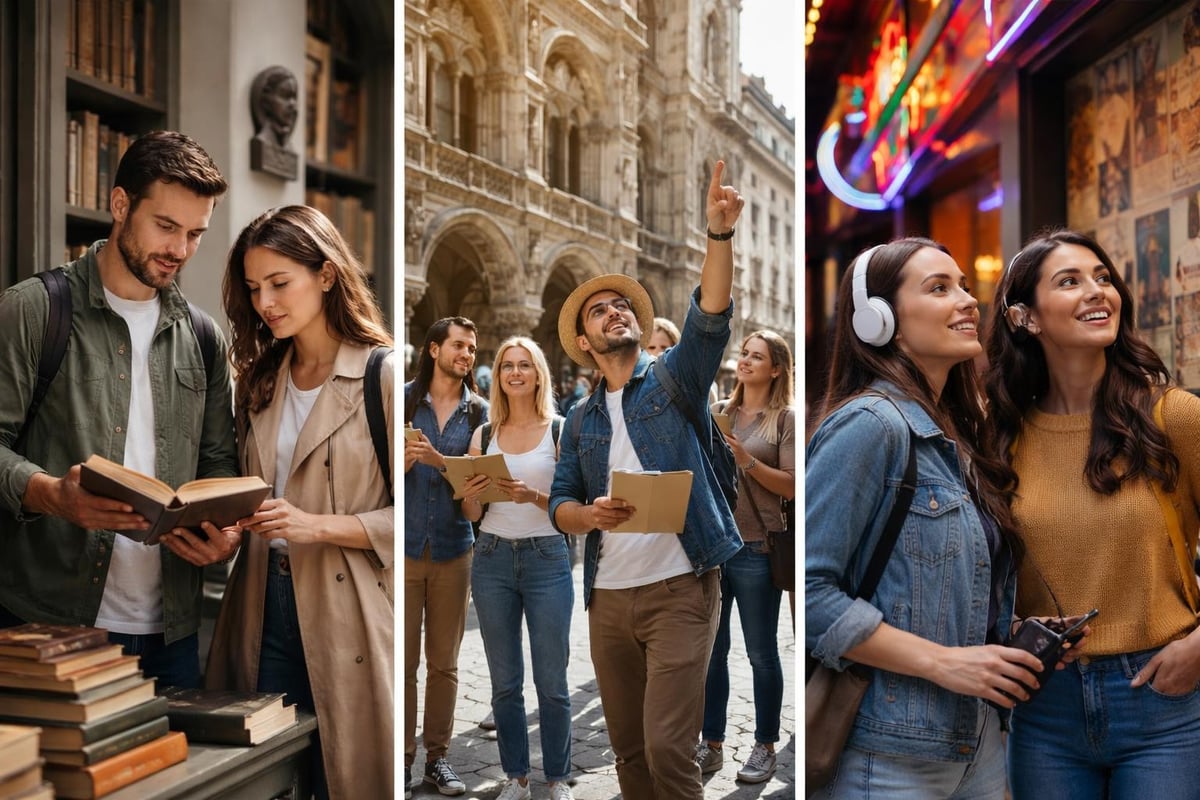
Group composition significantly influences walking trip design and execution. Families, friends, corporate teams, and solo travelers each benefit from tailored approaches that address their specific dynamics and objectives.
Family Walking Adventures
Multi-generational groups require careful pace management and engagement strategies that maintain children's interest while satisfying adults' cultural curiosity. Successful family walking trips incorporate interactive elements, frequent breaks, and varied points of interest.
Consider mixing educational sites with playful discoveries. The changing of the guard ceremony at Stockholm's Royal Palace captivates children with its pageantry while teaching about monarchy traditions and military history.
Corporate and Team-Building Walks
Business groups use walking trips as informal meeting alternatives that encourage creative thinking and relationship building. The NHS’s walking advice supports using walking meetings to improve health outcomes while maintaining productivity.
Walking side-by-side rather than facing across conference tables creates more relaxed communication dynamics. Historical settings provide conversation starters that help colleagues connect on personal levels beyond work roles.
Solo Traveler Considerations
Individual walkers seeking social interaction benefit from small group tours that facilitate connections with like-minded explorers. These experiences balance independent flexibility with companionship opportunities, preventing isolation while maintaining personal space.
Solo walking trip advantages:
- Complete control over pace and duration
- Freedom to pursue spontaneous interests
- Opportunities for self-reflection and mindfulness
- Easier logistics and decision-making
- Budget flexibility
Solo travelers should prioritize safety through route planning, regular check-ins with contacts back home, and avoiding isolated areas during low-traffic hours.
Seasonal Considerations for Walking Trips
Timing dramatically affects walking trip experiences, with each season offering distinct advantages and challenges. Understanding these variations helps you set appropriate expectations and pack accordingly.
Spring and Autumn Sweet Spots
Shoulder seasons typically provide ideal walking conditions with moderate temperatures, fewer crowds, and reasonable accommodation rates. Spring brings blooming flowers and extended daylight, while autumn offers colorful foliage and comfortable humidity levels.
These periods allow longer walking durations without heat exhaustion risks. April through June and September through October represent prime walking trip windows for most European destinations, including Stockholm's city sightseeing opportunities.
Summer Peak Season Balance
Summer maximizes daylight hours and ensures the warmest weather, but also brings peak tourism crowds and higher prices. Popular walking routes become congested, potentially diminishing the intimate exploration that makes walking trips special.
Early morning departures help avoid both heat and crowds. Starting your walking trip at 8 AM rather than 10 AM provides two hours of pleasant exploration before peak temperatures and tourist arrivals.
Winter Walking Opportunities
Cold-weather walking trips offer unique atmospheric experiences with festive decorations, fewer tourists, and dramatic lighting conditions. Proper preparation transforms potential challenges into advantages.
| Winter Walking Consideration | Solution Strategy |
|---|---|
| Cold temperatures | Layered technical fabrics, hand warmers |
| Limited daylight | Compressed routes, earlier start times |
| Wet conditions | Waterproof footwear, umbrella |
| Holiday closures | Advance research, backup plans |
Winter walking trips emphasize cozy cafes, museum interiors, and atmospheric evening strolls through illuminated streets. Stockholm's Christmas markets and winter festivals create magical backdrops for seasonal walking adventures.
Technology and Navigation Tools
Modern technology enhances walking trip planning and execution without diminishing the authentic discovery that makes foot-based exploration rewarding. Strategic tool selection balances convenience with present-moment awareness.
Digital Mapping Solutions
GPS-enabled smartphone apps provide real-time location tracking and route guidance, preventing disorientation in unfamiliar cities. Download offline maps before departure to ensure functionality without cellular data access.
However, excessive phone use during walking trips diminishes environmental engagement. Use technology for periodic orientation checks rather than continuous screen viewing that disconnects you from surroundings.
Audio Guides and Podcasts
Self-paced audio content delivers historical context and cultural commentary without requiring constant visual attention to screens or guidebooks. Many cities offer location-triggered audio that automatically plays relevant information as you approach specific sites.
Podcasts about destinations provide background knowledge during travel days, enriching your understanding before the walking trip begins. This preparation helps you recognize significant details that might otherwise escape notice.
Photography and Documentation
Capturing walking trip memories through photos creates lasting records while encouraging close observation of architectural details and urban design elements. However, balance documentation with direct experience.
Photography best practices:
- Photograph strategically rather than constantly
- Include people for scale and emotional context
- Capture details alongside establishing shots
- Respect privacy and property restrictions
- Use photos to enhance memory rather than replace experience
Consider designating specific photo stops rather than constantly pausing, maintaining walking flow while ensuring comprehensive documentation.
Sustainable and Responsible Walking Tourism
Walking trips inherently represent environmentally friendly tourism, producing no emissions and minimizing infrastructure impact. However, responsible practices extend beyond transportation choices to include cultural sensitivity and economic considerations.
Supporting Local Economies
Choose guided vacations with locally owned businesses that employ resident guides and reinvest profits within communities. Your walking trip spending should benefit people who call the destination home rather than extracting value to distant corporate headquarters.
Patronize family-owned restaurants, independent shops, and neighborhood cafes encountered during walking explorations. These establishments often provide more authentic experiences than chain operations while supporting economic diversity.
Cultural Respect and Preservation
Popular walking routes face wear from continuous foot traffic that erodes historic cobblestones and damages fragile structures. Stay on designated paths, respect barrier restrictions, and follow local guidelines designed to balance access with preservation.
Responsible walking trip behaviors:
- Observe quiet hours near residential areas
- Ask permission before photographing people
- Follow dress codes at religious sites
- Dispose of waste properly
- Respect private property boundaries
Walking for Health initiatives emphasize how pedestrian tourism can improve both personal and community well-being when conducted thoughtfully.
Making Walking Trips Accessible
Inclusive design ensures walking experiences accommodate diverse abilities and needs. While traditional walking trips assume certain mobility levels, thoughtful modifications expand participation opportunities.
Mobility Considerations
Shorter routes, frequent rest opportunities, and wheelchair-accessible paths allow people with varying physical capabilities to enjoy walking trip benefits. Research accessibility features before booking, confirming that promised accommodations actually exist.
Many historic districts feature challenging cobblestones and stairs that limit wheelchair access. However, alternative routes often provide modified experiences that capture essential character while navigating practical constraints.
Sensory and Cognitive Adaptations
Visual impairment accommodations might include tactile models, detailed verbal descriptions, or audio-rich environments that emphasize sound over sight. Cognitive accessibility benefits from clear structure, predictable schedules, and patient guides who adjust pacing to individual processing speeds.
Accessibility enhancement strategies:
- Provide detailed pre-trip information about terrain and duration
- Offer flexible pacing with optional shortened routes
- Include seated rest opportunities at regular intervals
- Use multiple communication methods (visual, verbal, written)
- Welcome mobility aids and service animals
Tailored tours can address specific accessibility requirements, creating customized experiences that maintain quality while adapting to individual needs.
A well-planned walking trip combines physical activity, cultural education, and memorable experiences that stay with you long after returning home. The key lies in matching your route, pace, and focus to your interests while remaining open to unexpected discoveries along the way. When you're ready to explore Stockholm through expertly guided walking experiences that reveal the city's hidden stories and architectural treasures, Adding:tours creates personalized adventures for small groups and private gatherings, ensuring your time in Sweden's capital becomes truly unforgettable through insider access and flexible itineraries designed around your specific interests.