Food Tour Guide: A Complete Career Overview for 2026
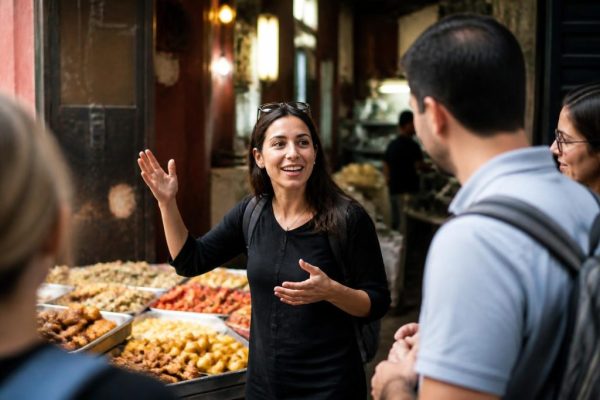
The culinary tourism industry has experienced remarkable growth in recent years, with travelers increasingly seeking authentic local food experiences that go beyond traditional sightseeing. A food tour guide serves as the critical bridge between curious visitors and the hidden culinary treasures of a destination, combining storytelling prowess with deep knowledge of local food culture. This profession demands far more than simply knowing where to eat; it requires exceptional communication skills, cultural awareness, and the ability to create memorable experiences that resonate long after the last bite. Whether you're considering a career change or looking to expand your existing tour guide business, understanding the multifaceted role of a food tour guide provides the foundation for success in this dynamic field.
Essential Skills Every Food Tour Guide Needs
The most successful food tour guides possess a distinctive blend of soft skills and technical knowledge. Communication stands at the forefront, as guides must engage diverse audiences with varying backgrounds and expectations. Storytelling ability transforms a simple meal into a cultural narrative, connecting dishes to historical events, family traditions, and local customs.
Beyond charisma, professional food tour guides must develop comprehensive culinary knowledge. This includes understanding cooking techniques, ingredient sourcing, and regional specialties. Many successful food tour guides emphasize the importance of continuous learning through chef interviews, cookbook research, and regular dining experiences at both established and emerging restaurants.
Language proficiency significantly expands your potential client base. While English remains the lingua franca of tourism, multilingual guides command premium rates and attract international visitors. Native fluency paired with cultural competency allows guides to navigate nuanced conversations about food preferences, dietary restrictions, and cultural sensitivities.
Physical and Organizational Requirements
Food tours typically involve considerable walking, often covering several miles over multiple hours. Physical stamina ensures you maintain energy and enthusiasm from the first stop to the last. Time management skills prove equally critical, as successful tours balance adequate time at each location with smooth transitions between stops.
Building Your Food Tour Guide Knowledge Base
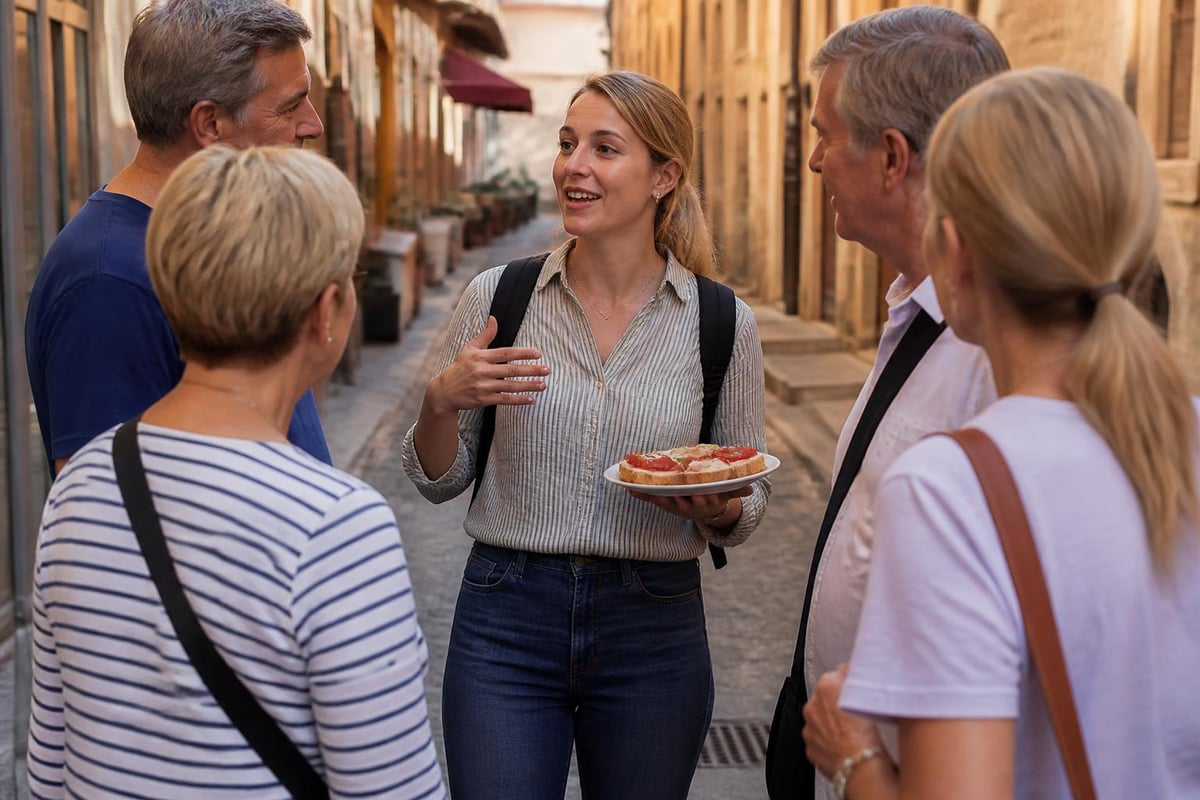
Creating a successful food tour requires extensive research and local expertise. Begin by identifying your city's distinct culinary neighborhoods and understanding their historical development. Each district typically offers unique flavors, migration patterns, and food traditions that distinguish it from others.
Developing relationships with restaurant owners, chefs, and food artisans forms the backbone of an authentic tour experience. These partnerships provide insider access, exclusive tastings, and stories unavailable to independent travelers. According to research on successful food tours, guides who partner with local organizations and businesses create more compelling and sustainable experiences.
| Knowledge Area | Application | Time Investment |
|---|---|---|
| Neighborhood History | Contextualizes food culture | 20-30 hours initial research |
| Restaurant Partnerships | Secures exclusive access | Ongoing relationship building |
| Dietary Requirements | Accommodates all guests | Continuous menu updates |
| Food Safety Protocols | Ensures guest wellbeing | Annual certification renewal |
Documentation practices separate amateur guides from professionals. Maintain detailed records of vendor contacts, seasonal menu changes, and guest feedback. This information enables continuous tour improvement and helps address special requests efficiently.
Designing Memorable Food Tour Experiences
The architecture of a food tour determines its success as much as the food itself. When planning your food tour, consider route logistics, pacing, and narrative flow. Tours typically last between two and four hours, with five to eight stops providing optimal variety without overwhelming participants.
Thematic coherence elevates tours from random restaurant visits to cohesive experiences. Consider these popular themes:
- Historical food traditions and immigrant influences
- Street food versus fine dining contrasts
- Sustainable and farm-to-table movements
- Dessert-focused or beverage-specific tours
- Celebrity chef and landmark restaurant tours
Much like how personalized sightseeing experiences cater to specific group interests, food tours should adapt to participant preferences. Collect pre-tour information about dietary restrictions, mobility limitations, and particular interests to customize the experience appropriately.
Creating Authentic Cultural Connections
Authenticity remains the cornerstone of exceptional food tours. As highlighted in guidelines for authentic food tours, guides should prioritize locally-owned establishments over tourist traps and emphasize traditional preparation methods over commercialized adaptations.
Share stories that connect food to broader cultural narratives. Explain how geography influenced ingredient availability, how immigration shaped neighborhood food scenes, or how political events affected culinary traditions. These contexts transform tasting into education and entertainment simultaneously.
Safety and Regulatory Considerations
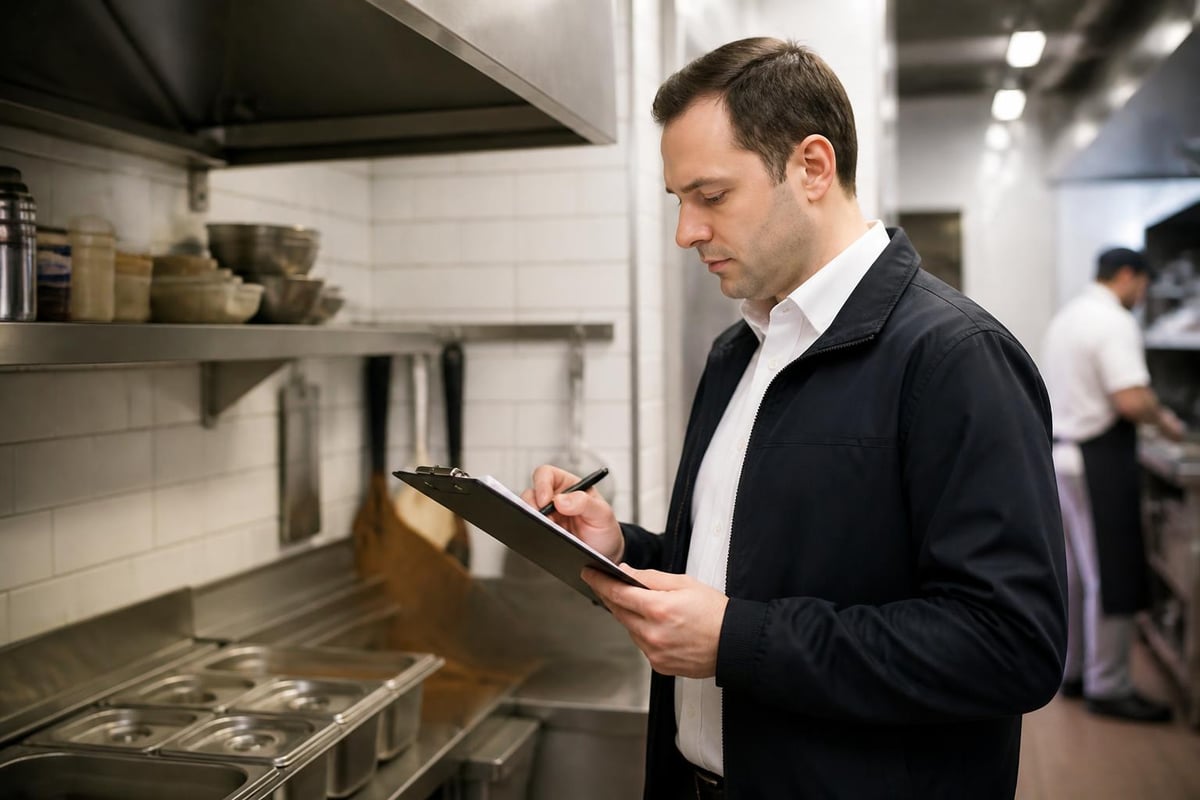
Professional food tour guides must navigate complex safety and legal requirements. Food safety protocols form the foundation of responsible tour operation. While you typically don't prepare food yourself, understanding proper food handling, storage temperatures, and allergen management protects both you and your guests.
Insurance coverage proves essential for professional operations. General liability insurance protects against accidents during tours, while professional liability coverage addresses claims related to food-borne illness or allergic reactions. Many municipalities require business licenses for commercial tour operations, and some destinations mandate specific tour guide certifications.
Health and safety protocols include:
- Verifying restaurant health inspection ratings
- Maintaining updated allergen information for all stops
- Carrying emergency contact information for all participants
- Understanding local emergency services locations along routes
- Having contingency plans for unexpected closures or weather issues
Documentation practices extend beyond business records to legal protection. Require participants to sign waivers acknowledging allergen risks and physical activity requirements. Maintain records of these documents alongside your business insurance and licensing information.
Marketing Your Food Tour Guide Services
Establishing visibility in competitive markets demands strategic marketing approaches. Digital presence forms the foundation, starting with a professional website showcasing tour offerings, pricing, and booking capabilities. High-quality photography documenting your tours creates visual appeal and sets expectations for potential guests.
Online reviews drive booking decisions for food tours more than almost any other tourism segment. Encourage satisfied participants to share experiences on TripAdvisor, Google Reviews, and Yelp. Respond professionally to all reviews, addressing concerns constructively and thanking positive reviewers.
| Marketing Channel | Primary Benefit | Investment Level |
|---|---|---|
| Social Media | Visual storytelling and engagement | Low cost, high time |
| Partnership Commissions | Hotel concierge referrals | Revenue sharing |
| Online Travel Agencies | Broader audience reach | Commission-based |
| Local Tourism Boards | Credibility and visibility | Application process |
| Content Marketing | SEO and authority building | Medium cost and time |
Social media platforms, particularly Instagram and TikTok, excel at showcasing food experiences. Post consistently, use location tags, and engage with food blogger communities. Behind-the-scenes content showing vendor relationships and tour preparation humanizes your brand and builds trust.
Consider how specialized tours attract specific audiences. Just as Stockholm old town walking tours appeal to history enthusiasts, food tours can target wine lovers, dessert aficionados, or sustainable food advocates. Niche positioning often proves more profitable than generic offerings.
Pricing Strategies and Business Models
Determining appropriate pricing balances market competitiveness with sustainable profitability. Research competitor pricing in your market, noting differences in tour length, group size, and inclusions. Most food tours operate on per-person pricing ranging from forty to one hundred fifty dollars, depending on location and exclusivity.
Pricing considerations include:
- Food costs (typically thirty to forty percent of tour price)
- Guide compensation and time investment
- Business overhead (insurance, licensing, marketing)
- Seasonal demand fluctuations
- Group size economics
Private tours command premium pricing over public group tours. Small group sizes, typically limited to eight to twelve participants, enable more intimate interactions and easier restaurant coordination. Private group experiences allow for greater customization and justify higher per-person rates.
Revenue diversification strengthens business sustainability. Beyond standard tours, consider corporate team-building events, special occasion celebrations, or partnership programs with hotels and travel agencies. Some guides supplement income through food writing, consulting for restaurants, or conducting culinary workshops.
Growing Your Food Tour Guide Business
Expansion strategies vary based on personal goals and market opportunities. Solo guides might increase capacity by adding tour times or days, while others build teams of trained guides operating under a common brand. Each approach presents distinct advantages and challenges.
When scaling operations, standardization ensures consistent quality across multiple guides. Develop comprehensive training materials covering route details, talking points, and service standards. Regular team meetings facilitate knowledge sharing and maintain tour quality as you expand.
Technology integration streamlines operations considerably. Booking platforms automate reservations and payment processing, while customer relationship management systems track preferences and communication history. According to research on food recommender systems, technology can enhance guest experiences through personalized recommendations based on dietary preferences and past behaviors.
Building Strategic Partnerships
Collaborative relationships amplify marketing reach and enhance tour offerings. Partner with complementary businesses like cooking schools, wine shops, or specialty food retailers. Cross-promotion introduces your services to aligned audiences already interested in culinary experiences.
Tourism industry partnerships provide consistent referral streams. Similar to how tailored tours develop relationships with travel planners, food tour guides benefit from connections with hotel concierges, destination management companies, and online travel agencies. Commission structures typically range from ten to twenty percent of tour revenue.
Food tour business expansion pathways: team development, technology integration, strategic partnerships, diversified revenue streams, and market positioning strategies
Adapting to Seasonal and Market Changes
Successful food tour guides anticipate and adapt to seasonal variations in both tourism volume and food availability. Understanding your destination's peak and shoulder seasons enables strategic planning for capacity and marketing intensity. Many guides develop distinct seasonal tours highlighting ingredients and dishes specific to different times of year.
Menu flexibility ensures tours remain fresh for repeat guests and adapt to restaurant changes. Maintain relationships with multiple vendors in each category, allowing substitutions when primary locations experience closures or quality issues. This redundancy protects tour quality and business continuity.
Market trends influence tour design and marketing messaging. The 2026 tourism landscape emphasizes sustainability, authenticity, and personalized experiences. Highlighting local sourcing, family-owned establishments, and cultural preservation aligns with contemporary traveler values. Understanding what makes food tours authentic helps guides stay relevant in evolving markets.
Adaptation strategies include:
- Monitoring food scene developments through local publications and social media
- Attending industry events and food festivals for networking and research
- Soliciting guest feedback systematically and implementing improvements
- Experimenting with new themes and neighborhoods during off-peak periods
- Maintaining financial reserves for unexpected disruptions
Economic fluctuations affect discretionary spending on tourism activities. Diversifying offerings across price points provides stability, with budget-friendly options maintaining volume during downturns while premium experiences maximize revenue during prosperous periods.
Professional Development and Continuous Learning
The most respected food tour guides commit to ongoing education and skill development. Culinary trends evolve constantly, requiring guides to stay informed about emerging chefs, restaurant openings, and changing neighborhood dynamics. Regular dining experiences, even outside working hours, maintain current knowledge and discover potential tour additions.
Professional certifications enhance credibility and expertise. While not always required, credentials from hospitality organizations, sommelier programs, or specialized food studies demonstrate commitment to excellence. Local tourism board certifications may be mandatory in some jurisdictions and provide marketing advantages.
Networking within the tourism and hospitality industries yields multiple benefits. Join professional associations for tour guides, attend food and wine events, and participate in destination marketing initiatives. These connections generate referrals, partnership opportunities, and industry insights unavailable through independent operation.
Language education represents one of the highest-return investments for tour guides. Each additional language significantly expands your addressable market and competitive differentiation. Even basic conversational abilities in common tourist languages enhance guest experiences and demonstrate cultural respect.
Technology and Innovation in Food Tours
Digital tools transform how guides operate and engage with guests. Mobile applications enable real-time communication, digital itineraries, and multimedia content sharing during tours. Some guides incorporate augmented reality features showing historical neighborhood photographs or explaining food preparation techniques through video demonstrations.
According to research on food recommender systems, algorithmic approaches can help personalize food experiences based on individual preferences, dietary restrictions, and past behaviors. Forward-thinking guides leverage these technologies to customize recommendations and enhance guest satisfaction.
Payment processing technology simplifies transactions and improves cash flow. Mobile payment platforms, integrated booking systems, and automated invoicing reduce administrative burden and create professional client interactions. These systems also generate valuable data about booking patterns, popular tours, and guest demographics.
Social media integration extends tour experiences beyond the physical event. Encourage participants to tag your business in posts, use branded hashtags, and share experiences in real-time. User-generated content provides authentic marketing material and builds community among past participants. Much like how professional tour guides leverage their expertise to create memorable experiences, digital engagement amplifies impact and reach.
Understanding Your Audience and Expectations
Different guest segments require tailored approaches to maximize satisfaction. Business travelers often seek efficient, informative experiences that fit tight schedules. Vacationing couples may prefer romantic settings and leisurely pacing. Group experiences present distinct dynamics requiring skilled facilitation to ensure all participants feel engaged and included.
Cultural sensitivity proves essential when guiding international visitors. Understanding how different cultures approach dining etiquette, alcohol consumption, and food taboos prevents uncomfortable situations and demonstrates respect. Research typical customs from your most common source markets and adapt hosting approaches accordingly.
Managing guest expectations begins before tours start. Clear communication about what's included, physical requirements, and tour structure prevents disappointment and negative reviews. Information about what to expect on food tours helps set appropriate expectations regarding portion sizes, walking distances, and interaction levels.
Pre-tour communication should cover:
- Exact meeting location and arrival instructions
- Appropriate attire for weather and walking
- What's included in tour price versus additional purchases
- Dietary accommodation capabilities and limitations
- Group size and tour duration specifics
Managing diverse groups requires reading social dynamics and adjusting facilitation styles. Some participants eagerly engage in conversations while others prefer observation. Skilled guides balance providing information with allowing organic interactions among guests, creating environments where connections naturally develop.
Becoming a successful food tour guide requires dedication to continuous learning, relationship building, and service excellence, but the rewards of sharing your passion for food and culture make this career deeply fulfilling. Whether you're launching a specialized culinary experience or expanding your existing tour offerings, the principles of authenticity, professionalism, and personalization remain paramount. Adding:tours understands the power of tailored experiences, offering private tours that adapt to your group's specific interests while providing insider access to Stockholm's hidden treasures, from culinary adventures to cultural explorations that create lasting memories.