Guided Group Tours: The Complete Travel Experience
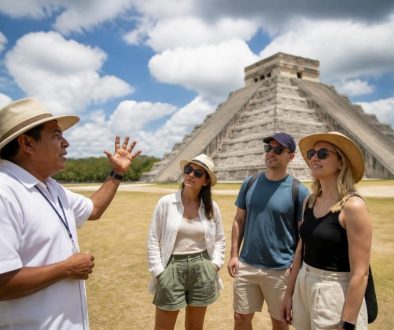
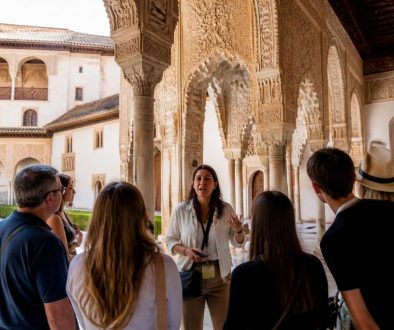
Traveling with others creates memories that last a lifetime, but coordinating logistics while ensuring everyone has a meaningful experience can feel overwhelming. A guided group tour solves these challenges by combining expert leadership, carefully planned itineraries, and the social dynamics that make travel truly enriching. Whether you're planning a family reunion, corporate team-building event, or adventure with friends, understanding how these experiences work helps you maximize every moment of your journey.
Understanding the Modern Guided Group Experience
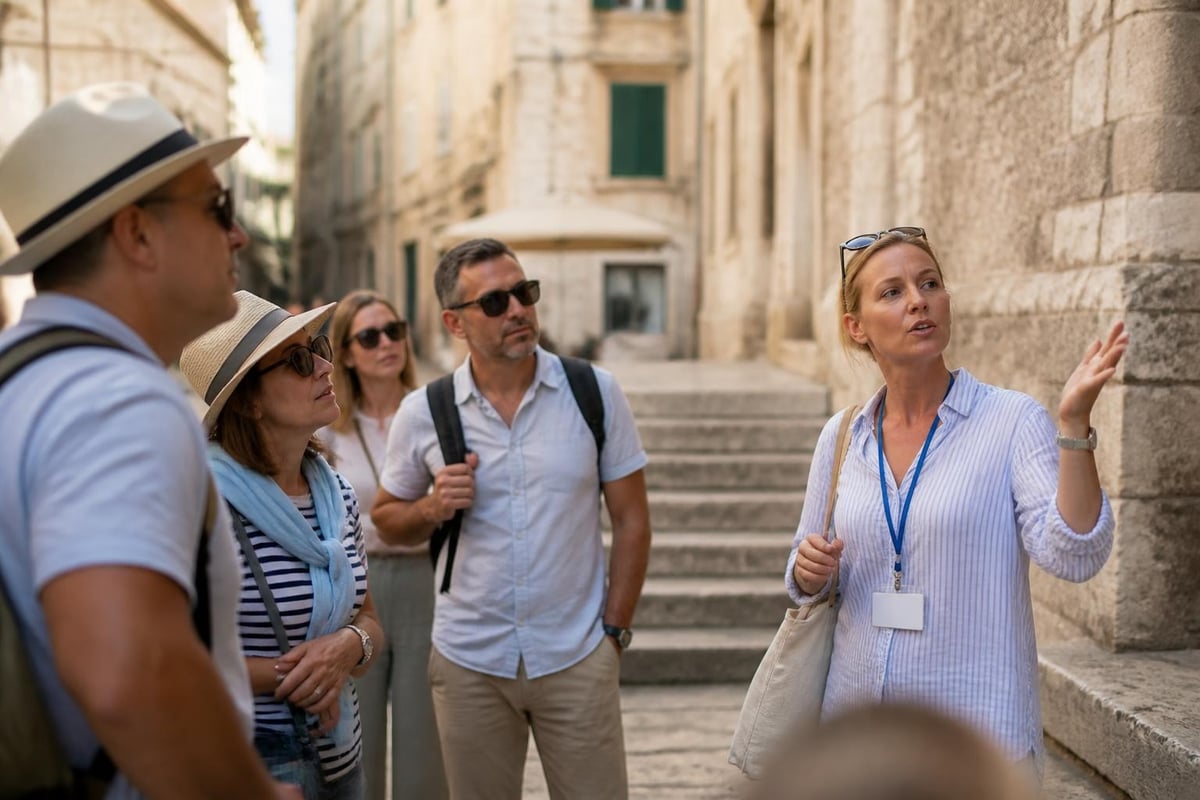
The landscape of group travel has evolved significantly over recent years. Today's guided group experiences prioritize personalization and flexibility over rigid schedules and oversized tour buses. Small gatherings ranging from four to fifteen participants now dominate the market, allowing guides to tailor experiences based on collective interests while maintaining the intimate atmosphere that makes travel special.
This shift reflects changing traveler preferences. People want authentic local insights combined with the convenience of professional organization. Guided group tours offer stress-free planning and expert organization, eliminating the uncertainty that often accompanies independent travel.
Key Components of Successful Group Tours
Several elements distinguish exceptional guided experiences from standard offerings:
- Expert local guides who share insider knowledge and cultural context
- Customized itineraries that reflect group interests and pace preferences
- Logistical coordination covering transportation, timing, and access
- Safety oversight ensuring all participants feel secure throughout the journey
- Social facilitation encouraging interaction and connection among travelers
Benefits That Transform Your Travel Experience
Choosing a guided group format delivers advantages that extend far beyond simple convenience. Organized tours provide safety, expert guidance, and social opportunities that independent travel cannot match. Understanding these benefits helps you make informed decisions about your next journey.
Expert Knowledge and Local Insights
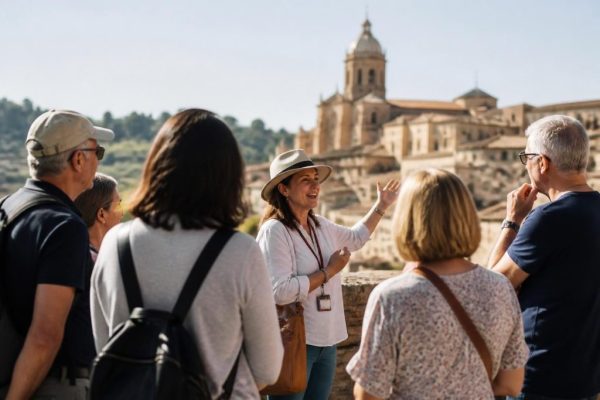
Professional guides bring destinations to life through stories, historical context, and connections that guidebooks cannot provide. They navigate you past tourist traps toward authentic experiences, sharing recommendations for restaurants, hidden viewpoints, and cultural nuances that only locals understand.
When exploring Stockholm's Old Town with professional tour guides, for instance, you gain access to centuries of history told through engaging narratives. These experts transform cobblestone streets into living museums, revealing the architectural secrets and royal intrigues that shaped modern Sweden.
Simplified Planning and Coordination
Organizing travel for multiple people involves countless decisions and potential conflicts. A guided group eliminates these headaches by handling:
- Transportation between locations
- Timing and pacing considerations
- Entrance fees and ticket reservations
- Meal arrangements and dietary accommodations
- Backup plans for weather or unexpected closures
This comprehensive approach means participants simply show up and engage, free from the stress of coordinating logistics.
Social Connections and Shared Memories
Traveling with others creates bonds through shared discovery. Group tours provide opportunities to forge new friendships while experiencing destinations together. The collective energy of a small group enhances individual enjoyment, as laughter, observations, and reactions multiply the impact of each moment.
For families, these experiences strengthen relationships away from daily distractions. Corporate groups build team cohesion through common challenges and achievements. Friend circles deepen connections through adventure.
Planning Your Ideal Guided Group Tour
Success begins with thoughtful preparation. Whether you're organizing the experience or joining as a participant, understanding the planning process ensures optimal outcomes.
Defining Your Group's Purpose and Interests
Start by identifying what brings your group together and what you hope to achieve. Different groups have different priorities:
| Group Type | Primary Interests | Ideal Tour Focus |
|---|---|---|
| Families | Education, bonding, accessibility | Cultural sites, interactive experiences |
| Corporate Teams | Collaboration, unique venues | Team challenges, exclusive locations |
| Friend Groups | Adventure, entertainment, dining | Specialized themes, social activities |
| Special Interest | Specific topics (music, literature, history) | Deep-dive focused itineraries |
For group tours in Stockholm, themes might include royal history, ABBA heritage, culinary exploration, or literary connections. Clarifying these preferences early shapes every subsequent decision.
Selecting the Right Tour Provider
Not all tour operators deliver the same quality or experience. Evaluate potential providers based on:
- Guide expertise: Native speakers with deep local knowledge
- Customization capability: Willingness to adapt itineraries
- Group size policies: Maximum participants for intimacy
- Safety protocols: Emergency procedures and insurance
- Reviews and testimonials: Previous client experiences
Professional walking tour guides should demonstrate both knowledge and interpersonal skills, creating comfortable environments where questions flow naturally and participants feel valued.
Establishing Logistics and Expectations
Clear communication prevents misunderstandings and ensures smooth execution. Address these elements during planning:
- Meeting points and times: Specific locations with contingency plans
- Duration and pacing: Total time commitment and break frequency
- Physical requirements: Walking distances and accessibility needs
- Weather considerations: Appropriate clothing and backup options
- Communication methods: How guides reach participants during tours
Understanding group tour etiquette also matters. Punctuality, respectful behavior, and active engagement enhance experiences for everyone involved.
Specialized Guided Group Experiences
The most memorable tours tap into specific interests, creating focused experiences that resonate deeply with participants. Stockholm offers particularly rich opportunities for specialized exploration.
Literary and Cultural Journeys
Book lovers can trace the footsteps of famous authors through locations that inspired beloved stories. Following the Millennium series through Stockholm's neighborhoods brings Stieg Larsson's fiction to life, revealing how real places shaped his imagination. These literary adventures combine location visits with discussion, analysis, and cultural context.
Cultural tours extend beyond literature to architecture, art movements, and social history. Tailored tours adapt to group knowledge levels, whether introducing novices to Swedish culture or providing advanced insights for returning visitors.
Music and Entertainment Focused Tours
For groups passionate about music, themed experiences create unforgettable connections. An ABBA journey through Stockholm might include recording locations, museum visits, and even trips to Viggsö island where some songs were written. These experiences often incorporate meals and social time, transforming tours into complete events.
Music tours demonstrate how guided group formats excel at accessing exclusive locations and providing context that self-guided visits cannot match.
Historic Walking Tours
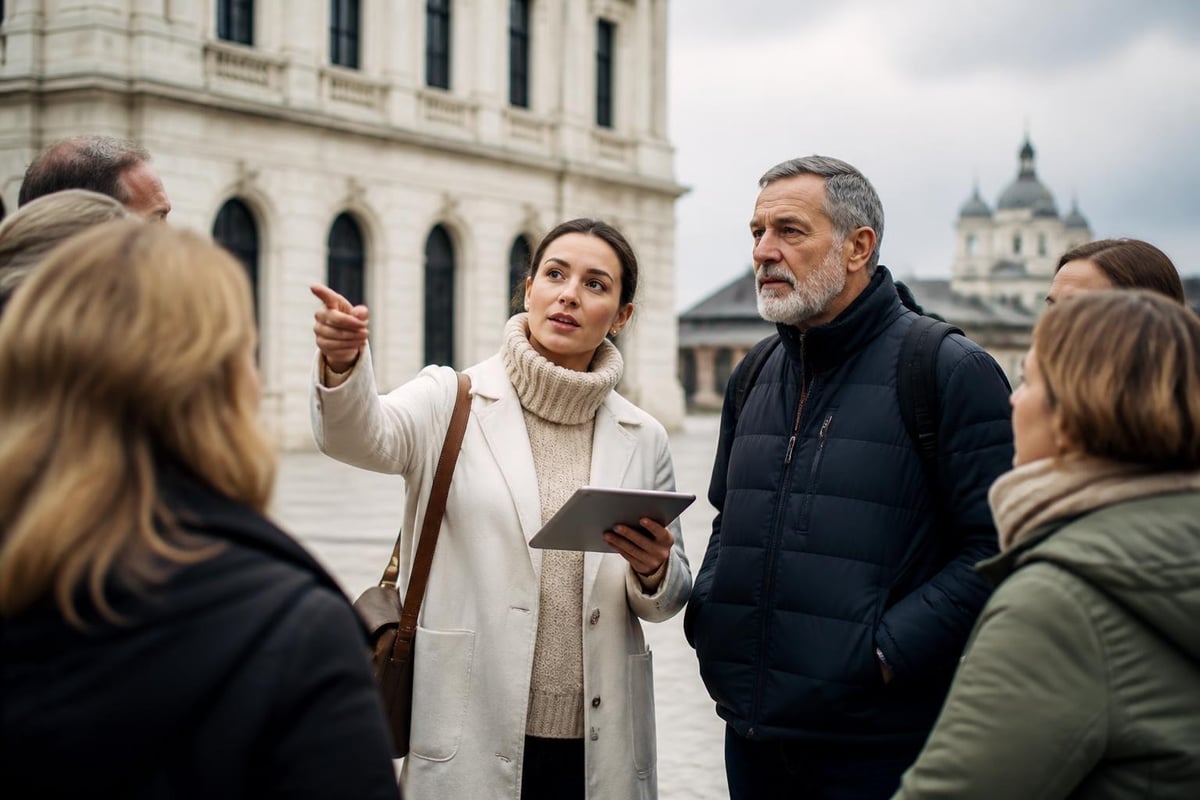
Walking tours reveal city character through pace and proximity impossible from vehicles. Stockholm’s Old Town walking tours navigate narrow alleys and historic squares while sharing stories of medieval merchants, royal intrigue, and architectural evolution. The changing of the guard at the Royal Palace becomes meaningful when guides explain ceremonial traditions and modern royal family roles.
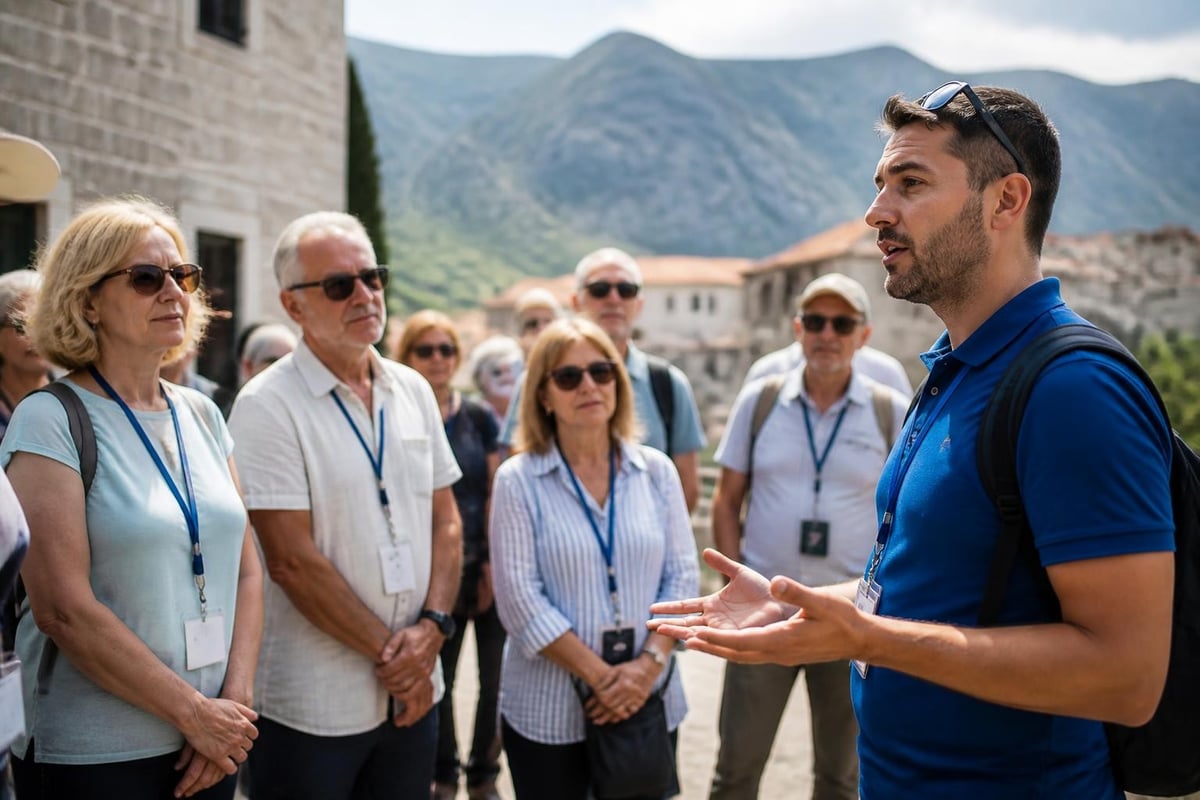
Small group sizes matter especially for walking tours, enabling everyone to hear commentary, ask questions, and photograph sites without congestion.
Maximizing Value from Group Tour Investments
Guided group experiences represent significant time and financial commitments. Strategic approaches ensure you extract maximum value from these investments.
Pre-Tour Preparation
Research enriches understanding and engagement. Before your tour:
- Read background materials about destinations and themes
- Prepare specific questions for guides
- Discuss interests with other participants
- Check practical details (meeting locations, weather forecasts)
- Inform guides about special requirements or interests
This preparation transforms passive observation into active learning.
During the Experience
Engagement during tours amplifies benefits:
- Ask questions: Guides appreciate curiosity and provide deeper insights
- Take notes: Capture recommendations and historical details
- Photograph mindfully: Balance documentation with present-moment awareness
- Interact with participants: Build connections through shared observations
- Respect timing: Punctuality maintains schedule integrity
How you act on group tours affects everyone's experience. Considerate behavior creates positive dynamics that benefit all participants.
Post-Tour Extension
The experience doesn't end when tours conclude. Extend value by:
- Revisiting discussed locations independently for deeper exploration
- Following up on recommendations for restaurants, shops, or attractions
- Sharing photos and memories with fellow participants
- Implementing learned insights into remaining travel plans
- Providing feedback to tour operators for continuous improvement
Comparing Solo Versus Group Travel Approaches
Understanding when guided group formats serve you best requires honest assessment of travel preferences and circumstances. Solo versus group travel considerations include autonomy, structure, social interaction, and logistical complexity.
When Group Tours Excel
Guided group experiences particularly shine when:
| Situation | Group Tour Advantage |
|---|---|
| Limited destination knowledge | Expert guidance reduces research burden |
| Complex logistics | Professional coordination prevents mistakes |
| Safety concerns | Group presence and guide oversight increase security |
| Social preferences | Built-in companionship and shared experiences |
| Time constraints | Efficient routing maximizes limited schedules |
| Special access desired | Professional connections unlock exclusive opportunities |
For sightseeing in Stockholm, group formats provide structure while maintaining flexibility for personal exploration during free time.
Personal Autonomy Considerations
Some travelers prioritize complete schedule control and spontaneous decisions. However, modern guided group tours increasingly accommodate individual preferences through:
- Free time built into itineraries
- Optional activities and extensions
- Customization based on real-time group preferences
- Flexible pacing that responds to participant energy
The key lies in finding operators who balance structure with adaptability.
Organizing Your Own Guided Group Experience
Planning a guided group tour for your organization, family, or friends requires systematic approaches and attention to detail. Organizing successful group trips involves defined stages from concept through execution.
Initial Planning Stages
Begin with foundational decisions:
- Define trip purpose: What should participants gain from this experience?
- Set participant criteria: Who should join and what are their interests?
- Establish budget parameters: Total funds available and cost per person
- Select destination: Where aligns with purpose and interests?
- Determine timeframe: Duration and preferred dates
These decisions guide all subsequent choices and help you communicate clearly with potential tour providers.
Working with Tour Operators
Effective collaboration with tour companies ensures your vision becomes reality. When contacting operators:
- Clearly articulate group composition and special needs
- Describe specific interests and must-see locations
- Discuss budget constraints honestly
- Request sample itineraries and customization options
- Confirm guide credentials and language capabilities
Chartered tours offer maximum flexibility, allowing complete itinerary control while leveraging professional expertise for execution.
Managing Group Dynamics
Successful organizers anticipate challenges and establish expectations:
- Communication protocols: How information reaches all participants
- Decision-making processes: Who approves changes or additions
- Financial arrangements: Payment schedules and refund policies
- Behavioral expectations: Guidelines for punctuality and group cohesion
- Conflict resolution: Procedures for addressing issues
Transparent communication prevents misunderstandings and builds trust among participants.
Advanced Considerations for Group Tour Success
Sophisticated planners incorporate additional elements that elevate standard tours into extraordinary experiences.
Technology Integration
Modern tours benefit from strategic technology use:
- Digital itineraries accessible via smartphones
- Group messaging for real-time coordination
- Photo sharing platforms for collective memories
- Navigation apps for meeting point clarity
- Translation tools for menu reading and shopping
However, balance technological conveniences against present-moment engagement. The best experiences prioritize human connection over digital mediation.
Accessibility and Inclusion
Thoughtful tours accommodate diverse participant needs:
- Physical accessibility for mobility limitations
- Pacing adjustments for varying fitness levels
- Dietary accommodations for meals
- Sensory considerations for neurodivergent participants
- Cultural sensitivity for international groups
Discussing these factors during planning ensures no one feels excluded or uncomfortable.
Sustainable Tourism Practices
Responsible guided group experiences minimize environmental and cultural impact through:
- Small group sizes that reduce congestion at popular sites
- Local guide employment supporting community economies
- Public transportation use decreasing carbon footprints
- Respectful cultural engagement honoring local customs
- Off-peak timing distributing visitor pressure
Planning effective guided tours now includes sustainability considerations as standard practice rather than optional extras.
The Economics of Guided Group Tours
Understanding cost structures helps you evaluate value and make informed investment decisions. Guided group pricing typically reflects:
Cost Components
Tour prices incorporate multiple elements:
- Guide compensation: Expertise and time
- Entrance fees: Museums, attractions, special access
- Transportation: Vehicles, public transit passes
- Insurance: Liability coverage and participant protection
- Administrative overhead: Booking systems, marketing, customer service
Premium experiences justify higher costs through exclusive access, expert guides, and comprehensive service.
Value Assessment
Compare guided group costs against independent travel expenses:
| Expense Category | Independent Travel | Guided Group Tour |
|---|---|---|
| Research time | 10-20 hours | Minimal |
| Transportation mistakes | Potential taxi costs, wrong tickets | Eliminated |
| Missed opportunities | Unknown sites, closed attractions | Maximized access |
| Guide knowledge | Guidebook purchase, limited context | Expert insights included |
| Social experience | Must arrange separately | Built into format |
The convenience, knowledge, and efficiency of guided vacations often justify premium pricing through time savings and enhanced experiences.
Creating Lasting Memories Through Guided Group Travel
The ultimate measure of tour success lies in sustained impact on participants. Exceptional guided group experiences create transformative memories through combination of education, emotion, and connection. These journeys reshape how travelers understand destinations, cultures, and even themselves.
Years after tours conclude, participants recall specific stories shared by guides, moments of discovery with fellow travelers, and insights that changed their perspectives. This lasting impact distinguishes truly valuable experiences from simple sightseeing.
For families, these shared adventures become touchstones referenced across decades. Corporate teams build cultural shorthand and strengthened relationships. Friend groups create inside jokes and bonded experiences that deepen connections.
Guided group experiences combine expert knowledge, seamless logistics, and social connection to create travel that transforms how you understand destinations and strengthen relationships with fellow participants. When you're ready to explore Stockholm with personalized attention and insider insights, Adding:tours specializes in private group experiences tailored to your interests, whether you're tracing literary footsteps through the Old Town, following ABBA's musical journey, or discovering the city's royal heritage with native English-speaking guides who bring local stories to life.