
Group Tours: Benefits, Planning & Safety Tips for 2026
Traveling with others transforms a simple vacation into a shared adventure filled with memorable connections and collective discoveries. Group tours have evolved significantly over the past decade, offering travelers a structured yet flexible way to explore new destinations while benefiting from expert guidance and the camaraderie of fellow explorers. Whether you're planning a family reunion in a historic European city, organizing a corporate team-building experience, or seeking meaningful connections with like-minded travelers, understanding the dynamics of group travel helps you make informed decisions that enhance everyone's experience.
The Compelling Advantages of Organized Group Travel
Group tours deliver value that independent travel simply cannot match. When you join an organized excursion, you immediately gain access to collective purchasing power, which translates into significant cost savings on accommodations, transportation, and entrance fees. Tour operators negotiate bulk rates that individual travelers would never secure on their own.
Beyond economics, the benefits of a group tour extend to safety, convenience, and enriched experiences. Having a knowledgeable guide eliminates the stress of navigation, language barriers, and logistical challenges. You can focus entirely on absorbing the culture and history rather than worrying about metro schedules or restaurant reservations.

Social Connections and Shared Experiences
One of the most underestimated aspects of group travel is the social dimension. Traveling alongside others creates instant opportunities for friendship and networking. Many participants form lasting relationships that extend well beyond the trip itself.
Key social benefits include:
- Shared enthusiasm when discovering breathtaking landmarks together
- Built-in dining companions who enhance meal experiences
- Diverse perspectives from travelers with different backgrounds
- Natural support system during challenging moments
- Reduced solo travel anxiety for those new to international destinations
The cultural tour experience becomes richer when you can discuss observations and reactions with fellow participants who are equally engaged in the discovery process.
Expert Knowledge and Insider Access
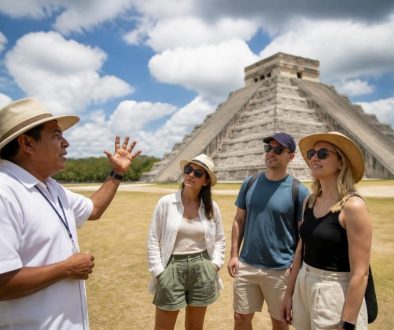
Professional guides transform ordinary sightseeing into educational journeys. Their expertise goes far beyond what guidebooks provide, offering historical context, local anecdotes, and insider perspectives that bring destinations to life. A professional tour guide knows which hidden courtyards to explore, which local restaurants serve authentic cuisine, and which times of day offer the best lighting for photographs.
Many group tours also secure exclusive access to sites that independent travelers cannot easily visit. This might include private museum viewings, behind-the-scenes tours, or special cultural performances arranged specifically for the group.
Planning Considerations for Successful Group Experiences
Organizing group travel requires thoughtful preparation and clear communication. The difference between a smooth, enjoyable experience and a chaotic one often comes down to advance planning and setting appropriate expectations.
Selecting the Right Tour Format
Not all group tours operate the same way. Understanding the different formats helps you choose one that aligns with your travel style and priorities.
| Tour Type | Group Size | Flexibility | Best For |
|---|---|---|---|
| Private Group | 2-15 people | High customization | Families, corporate teams, friends |
| Small Group | 8-20 people | Moderate flexibility | Social travelers, couples |
| Large Coach Tours | 30-50 people | Structured itinerary | Budget-conscious, first-time visitors |
| Themed Tours | Varies | Focused on specific interest | Enthusiasts, hobbyists |
Tailored tours for private groups offer maximum flexibility, allowing you to adjust pacing, focus areas, and activity levels based on your group's specific interests and energy levels.
Communication and Expectation Management
Before departure, establish clear communication channels and discuss expectations openly. Create a shared digital space where participants can access itineraries, ask questions, and coordinate logistics. Address these essential topics:
- Budget parameters and what's included in the tour cost
- Physical fitness requirements and accessibility considerations
- Free time versus structured activities balance
- Dietary restrictions and meal arrangements
- Emergency contact procedures and meeting point protocols
Practical tips for safe and efficient group travel emphasize the importance of documenting everyone's preferences and limitations before finalizing plans.
Transportation and Logistics Management
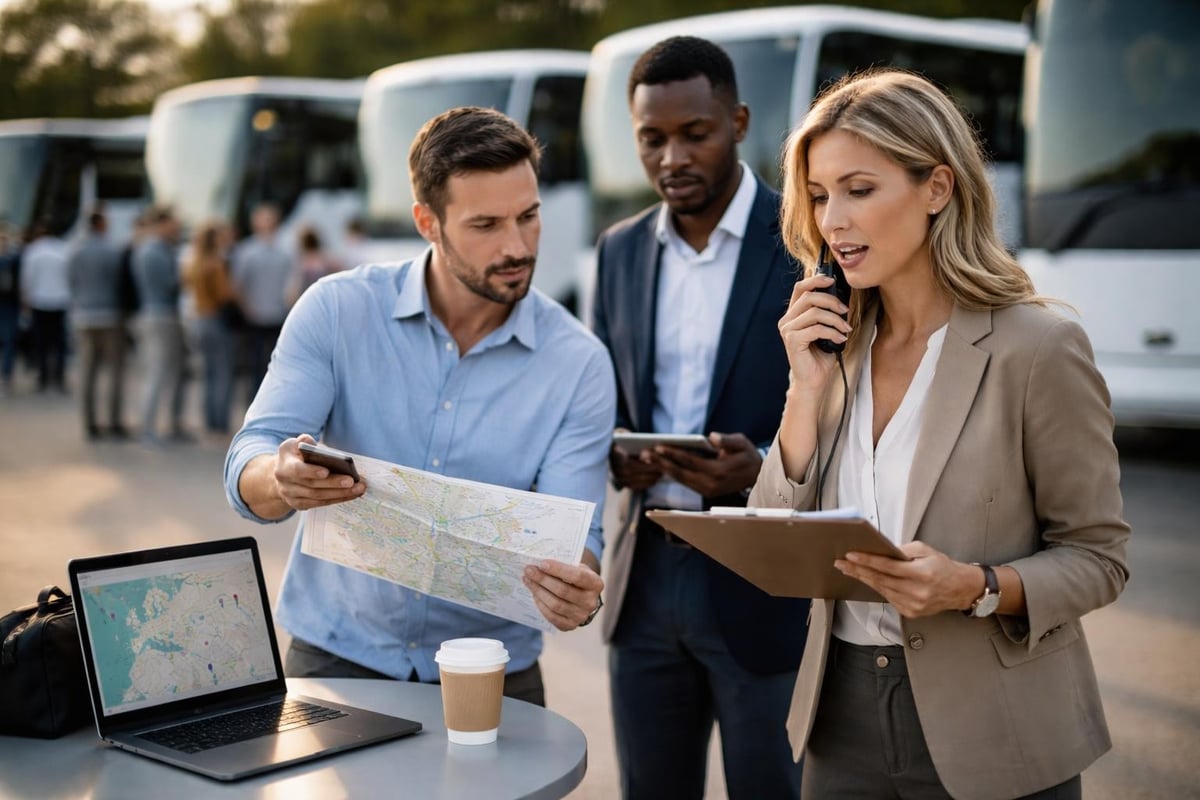
Moving a group efficiently requires advance planning and professional coordination. Transportation often represents the most complex logistical element of group travel, particularly in urban environments with traffic congestion and parking limitations.
Coordinating Group Movement
Whether navigating public transit systems or arranging private vehicles, transportation deserves careful attention. Smart tips for stress-free group transportation planning can prevent delays and frustration.
Transportation best practices:
- Book vehicles appropriate for your group size with room for luggage
- Schedule buffer time between activities to accommodate varying mobility levels
- Designate a reliable meeting point with clear visual landmarks
- Implement a buddy system to ensure no one gets separated
- Maintain current contact information for all participants
- Consider walking tours in historic districts where vehicles cannot access
For exploring pedestrian-friendly areas like Stockholm's historic center, English walking tours provide an intimate way to experience narrow cobblestone streets and hidden architectural details that motorized tours would miss.
Safety and Risk Management Strategies
Participant safety should always be the highest priority when organizing or joining group tours. While traveling with others inherently provides security benefits, proper preparation and awareness remain essential.
Choosing Reputable Operators
Research tour companies thoroughly before making commitments. Safety considerations when traveling in a tour group stress the importance of verifying operator credentials, insurance coverage, and safety records.
Evaluate potential tour operators based on:
- Years of operational experience in the destination
- Professional certifications and licensing
- Customer reviews across multiple platforms
- Emergency response protocols and medical support access
- Guide training and local knowledge depth
- Clear cancellation and modification policies
Personal Safety Protocols
Even within the protective framework of organized tours, individual awareness matters. Participants should take responsibility for their own security while benefiting from group resources.
| Safety Measure | Individual Responsibility | Group Support |
|---|---|---|
| Document copies | Keep digital and physical backups | Guide holds emergency contact info |
| Valuables security | Use hotel safes, avoid displaying wealth | Group presence deters opportunistic theft |
| Health preparations | Pack necessary medications, know allergies | Guide knows nearest medical facilities |
| Situational awareness | Stay alert in crowded areas | Larger group provides visibility |
Eight indispensable travel safety tips include establishing communication rhythms and ensuring everyone understands basic emergency procedures before activities begin.
Balancing Structure with Personal Freedom
One common concern about group tours involves sacrificing independence and spontaneity. Modern tour operators increasingly recognize this tension and design experiences that blend organized activities with personal exploration time.
Customization and Flexibility Options
The most successful group tours build in opportunities for individual choice while maintaining the efficiency of coordinated logistics. This balance satisfies diverse preferences within a single group.
Private group arrangements offer maximum customization potential. When you customize tour elements, you can incorporate specific interests like literary locations, musical heritage sites, or architectural styles that resonate with your group's particular passions.
Flexibility features to look for:
- Optional activities that allow subgroups to pursue different interests
- Free afternoon periods for independent exploration or rest
- Dining options that include both group meals and individual choices
- Adjustable pacing based on real-time group energy levels
- Add-on experiences for those wanting deeper dives into specific topics
Managing Diverse Interests Within Groups
Family reunions, corporate teams, and friend groups inevitably include people with varying interests and energy levels. Successful tours acknowledge these differences rather than forcing uniformity.
Consider the ABBA journey in Stockholm to Viggsö with meal as an example of themed experiences that attract enthusiasts while remaining accessible to casual participants. Music lovers get deep engagement with the subject matter, while others enjoy the social atmosphere and scenic journey.
Weighing Advantages Against Potential Drawbacks
Making informed decisions about group travel requires honest assessment of both benefits and limitations. Exploring the pros and cons of group tours helps travelers determine whether this format suits their preferences.
When Group Tours Excel
Certain travel scenarios particularly benefit from organized group formats:
- First visits to unfamiliar destinations where local knowledge prevents costly mistakes
- Complex logistics involving multiple cities or transportation modes
- Language barriers that would impede independent navigation
- Safety concerns in regions where traveling alone carries higher risk
- Educational objectives requiring expert interpretation and context
Stockholm's Old Town walking tour exemplifies how guided experiences unlock historical understanding that independent wandering might miss, with guides explaining the significance of medieval architecture and political intrigue hidden in plain sight.
Potential Limitations to Consider
Group travel may not suit every traveler or situation. Honest self-assessment helps avoid disappointment:
- Fixed schedules that may not align with your personal rhythm
- Compromise on activity selection to accommodate majority preferences
- Slower pace to accommodate the least mobile participants
- Limited spontaneity to pursue unexpected discoveries
- Social dynamics that may occasionally create friction
Specialized Group Tour Categories
The group tour landscape includes numerous specialized formats designed for specific interests and demographics. Understanding these categories helps match travelers with ideal experiences.
Thematic and Interest-Based Tours
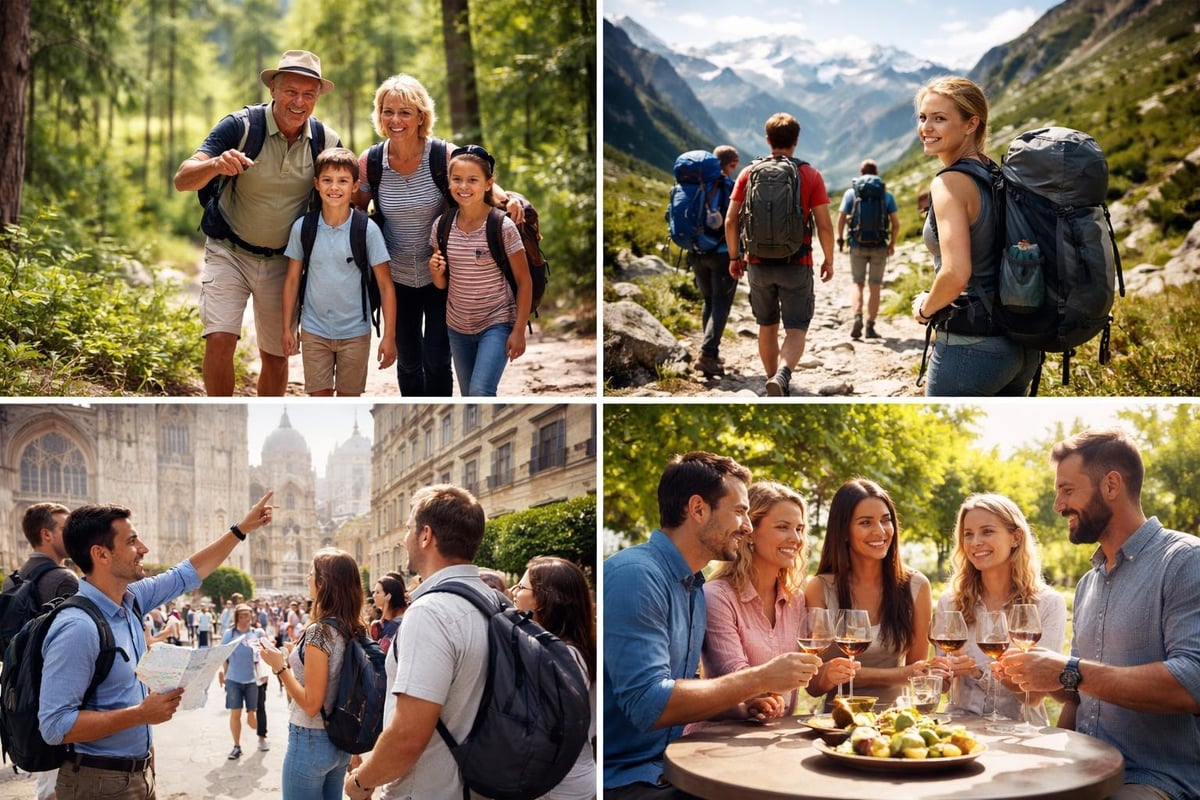
Literary tours, culinary journeys, photography expeditions, and historical deep dives attract participants who share specific passions. These focused experiences create particularly strong bonds among participants who speak the same "language" regarding their shared interest.
Followers of Scandinavian crime fiction, for example, find kindred spirits on tours exploring locations from popular novels, creating conversations that extend beyond the sites themselves into broader discussions of genre, culture, and storytelling.
Demographic-Specific Offerings
Tour operators increasingly recognize that different age groups and life stages benefit from tailored approaches:
Family-focused tours incorporate activities that engage children while maintaining adult interest, with flexible pacing that accommodates nap times and energy fluctuations.
Active adventure tours for younger demographics emphasize physical challenges, outdoor activities, and faster pacing that would exhaust other age groups.
Senior-oriented tours provide comfortable pacing, accessible venues, and accommodations that prioritize comfort and convenience over budget considerations.
Overcoming Common Group Tour Challenges
Even well-planned group experiences encounter occasional difficulties. Understanding common challenges and their solutions prepares you to handle issues gracefully.
Managing Expectations and Group Dynamics
Different participants bring varying expectations, energy levels, and communication styles. Challenges of managing group tours and how to solve them offers practical strategies for addressing common friction points.
Proactive solutions include:
- Pre-trip surveys that identify potential conflicts early
- Clear communication about physical requirements and activity intensity
- Designated quiet time for introverts to recharge
- Conflict resolution protocols established before tensions arise
- Flexibility to accommodate reasonable individual needs
Financial Coordination and Payment Tracking
Group travel often involves complex financial arrangements with deposits, final payments, optional add-ons, and on-ground expenses. Transparent systems prevent misunderstandings and resentment.
Establish clear payment schedules and use digital tools that track contributions, shared expenses, and outstanding balances. Designate one person as financial coordinator to consolidate payments and maintain records.
Maximizing Value from Guided Group Experiences
Getting the most from group tours requires active participation and strategic preparation. Passive tourists miss opportunities that engaged participants discover.
Pre-Trip Research and Preparation
While guides provide expertise, personal research enhances comprehension and helps you formulate meaningful questions. Understanding basic historical context, current events, and cultural norms before arrival deepens your appreciation of what you're experiencing.
Review Stockholm city tour options in advance to identify which themes most interest your group, whether architectural evolution, royal history, maritime heritage, or contemporary urban design.
Engaging Meaningfully with Guides and Locations
Ask questions, share observations, and contribute to group discussions. Guides appreciate curious participants who elevate the experience for everyone through their engagement.
Engagement strategies:
- Take notes or photos to reinforce learning
- Connect new information to previous knowledge
- Share relevant personal experiences when appropriate
- Express gratitude for exceptional insights or service
- Provide constructive feedback to operators after completion
Quality Stockholm tours thrive on interactive dialogue between guides and participants, creating dynamic educational experiences rather than passive information delivery.
The Future Evolution of Group Travel
Group tours continue adapting to changing traveler preferences, technological capabilities, and global circumstances. Understanding emerging trends helps you select experiences that incorporate beneficial innovations.
Technology Integration
Mobile apps now facilitate real-time communication, digital itinerary access, and location sharing. Audio enhancement systems allow guides to communicate clearly with larger groups without shouting. Virtual reality previews help groups make informed decisions about optional activities.
Sustainability and Responsible Tourism
Modern travelers increasingly prioritize environmental and cultural sustainability. Group tours actually offer advantages in this area, as coordinated transportation reduces per-person carbon footprints compared to individual rental cars, and reputable operators partner with local businesses rather than extractive international chains.
Hybrid Formats
The distinction between independent and group travel blurs as operators develop hybrid models. These formats combine scheduled group activities with substantial free time, providing structure without rigidity. Participants enjoy guide expertise and group camaraderie during planned components while maintaining independence during free periods.
Group tours offer compelling advantages for travelers seeking shared experiences, expert guidance, and efficient exploration of new destinations. By carefully selecting tour operators, preparing thoroughly, and engaging actively with both guides and fellow participants, you transform organized travel from simple logistics into memorable journeys that educate, inspire, and connect. Whether you're discovering Stockholm's medieval Old Town, following literary trails, or celebrating musical heritage, Adding:tours creates personalized group experiences with native English-speaking guides who share insider knowledge and adapt each journey to your specific interests, making your time in Stockholm truly special for families, friends, or colleagues exploring together.