Freedom Trail Self Guided Tour: Complete Planning Guide
Walking through history at your own pace offers a unique opportunity to connect with America's revolutionary past. A freedom trail self guided tour allows visitors to explore Boston's most significant Revolutionary War sites while maintaining complete control over timing, pacing, and depth of exploration. This 2.5-mile red-brick path winds through downtown Boston, connecting sixteen historically significant locations that played crucial roles in the birth of American independence. Understanding how to plan and execute this journey effectively transforms a simple walk into an immersive educational experience.
Understanding the Freedom Trail Route
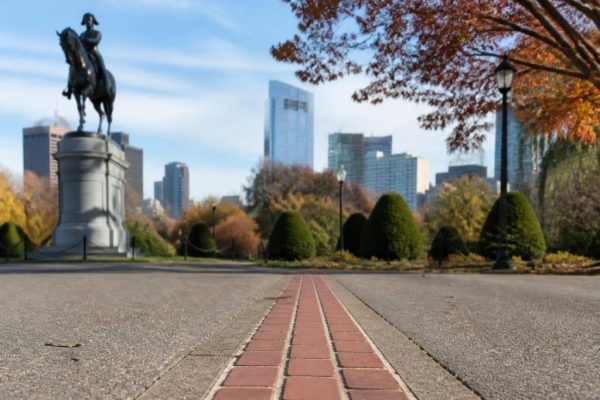
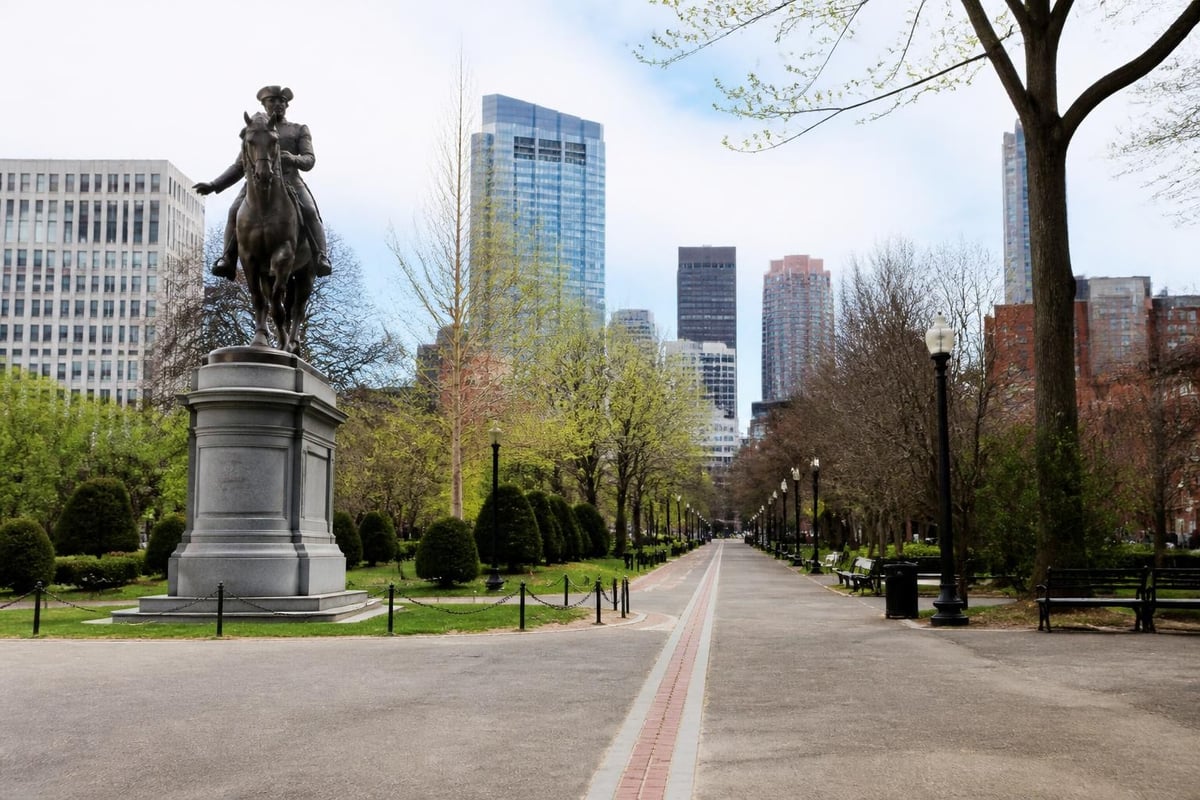
The freedom trail self guided tour begins at Boston Common, America's oldest public park, and concludes at the Bunker Hill Monument in Charlestown. The red brick or painted line marking the route makes navigation straightforward for independent explorers. This clear physical marker eliminates confusion and allows visitors to focus on the historical significance of each location rather than worrying about getting lost.
Route Planning Fundamentals
Planning your route requires understanding the trail's geography and your personal interests. The sixteen sites span multiple neighborhoods, including Downtown Boston, the North End, and Charlestown.
Key considerations for route planning:
- Total walking distance of approximately 2.5 miles
- Elevation changes, particularly approaching Bunker Hill
- Site operating hours and seasonal variations
- Rest stops and refreshment opportunities
- Photography opportunities at each landmark
The official trail sites provide detailed information about each location's hours, admission fees, and historical significance. Some sites, like the Massachusetts State House and Old South Meeting House, require admission, while others remain freely accessible year-round.
Timing and Seasonal Considerations
Selecting the right time for your freedom trail self guided tour significantly impacts your experience. Spring and fall offer moderate temperatures and fewer crowds than summer peak season. Early morning starts provide optimal lighting for photography and smaller groups at popular sites.
Optimal Scheduling Strategies
Most visitors complete the trail in three to four hours, though history enthusiasts often spend an entire day exploring. Breaking the journey into two half-day segments allows deeper engagement with each site without fatigue.
| Season | Advantages | Challenges | Recommended Start Time |
|---|---|---|---|
| Spring | Mild weather, blooming trees | Occasional rain | 9:00 AM |
| Summer | Extended daylight hours | Crowds, heat | 8:00 AM |
| Fall | Foliage, comfortable temps | Earlier sunset | 9:30 AM |
| Winter | Minimal crowds | Cold, snow | 10:00 AM |
The National Park Service audio tour synchronizes perfectly with self-guided exploration, providing expert narration at each stop. This resource enhances understanding without requiring tour group coordination.
Essential Sites and Historical Context
Each of the sixteen sites contributes unique perspectives on Revolutionary history. Prioritizing sites based on personal interests ensures satisfaction even with limited time.
Major Landmarks to Prioritize
The Old State House stands as one of Boston's oldest public buildings and the site of the Boston Massacre. The Bostonian Society maintains extensive exhibits that contextualize this pivotal event within broader revolutionary tensions.
Paul Revere House offers intimate glimpses into colonial domestic life. This North End home, Boston's oldest building, survived centuries while surrounding structures were replaced.
Old North Church gains fame from the "one if by land, two if by sea" signal that launched Paul Revere's midnight ride. The church's active congregation maintains the building while welcoming visitors daily.
Faneuil Hall served as a marketplace and meeting hall where revolutionary speeches ignited colonial resistance. The building continues hosting public discourse while functioning as a popular tourist destination.
- Granary Burying Ground contains graves of Samuel Adams, Paul Revere, and John Hancock
- King's Chapel represents Boston's first Anglican congregation
- USS Constitution remains the world's oldest commissioned naval vessel afloat
- Bunker Hill Monument commemorates the first major Revolutionary War battle
Practical Navigation and Transportation
Successfully executing a freedom trail self guided tour requires understanding Boston's public transportation and walking infrastructure. The compact downtown layout makes walking practical, while strategic use of public transit reduces fatigue on longer segments.
Transportation Integration
The MBTA visitor guide details subway and bus connections serving trail landmarks. Park Street Station provides access to Boston Common, while Community College Station serves Bunker Hill Monument.
Many visitors modify the traditional route to accommodate physical limitations or time constraints. The trail's design allows starting from either end or focusing on specific neighborhood clusters. This flexibility mirrors the approach professional tour guides take when customizing experiences for private groups.
Walking comfort essentials:
- Comfortable, broken-in walking shoes with good arch support
- Weather-appropriate layered clothing for temperature changes
- Refillable water bottle for hydration throughout the journey
- Small backpack for purchases and collected materials
- Portable phone charger for navigation and photography
Enhancing Your Self-Guided Experience
A freedom trail self guided tour benefits significantly from advance preparation and quality resources. Digital tools, historical background reading, and strategic planning transform a simple walk into profound historical engagement.
Pre-Visit Preparation
Reading about Revolutionary War events before your visit creates context for the sites you'll encounter. The Massachusetts Historical Society collections offer primary sources and scholarly interpretations that deepen understanding of the era's complexities.
Recommended preparation activities:
- Review timeline of events from 1760-1783
- Understand key figures: Adams, Revere, Hancock, Washington
- Study maps showing colonial Boston's geography
- Listen to podcasts about Revolutionary War history
- Download offline maps for areas with weak cellular signals
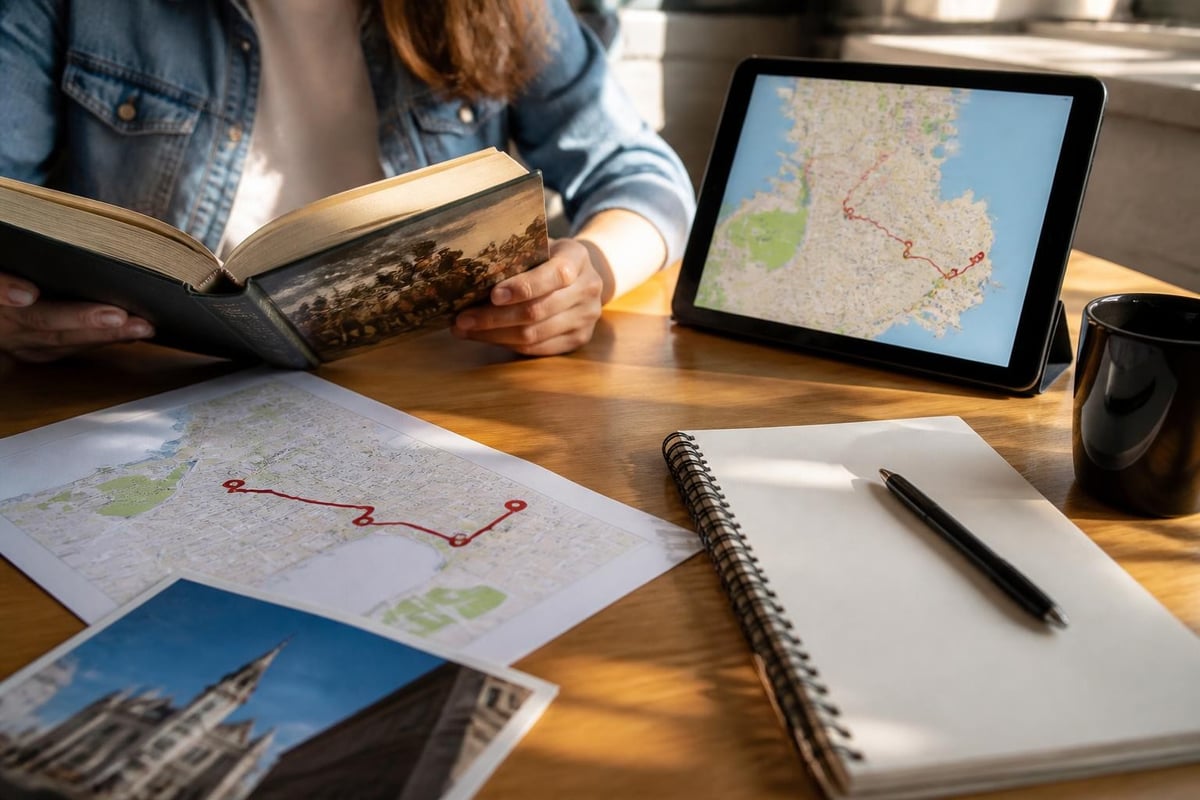
The Freedom Trail Foundation’s visitor resources include virtual tour options, educational materials, and practical planning tools. These resources prove particularly valuable for families with children or educators planning student trips.
Customization and Personal Interests
The beauty of a freedom trail self guided tour lies in personalization opportunities. Unlike group tours with fixed schedules, independent exploration allows pursuing specific interests deeply.
Thematic Approaches
Consider organizing your visit around specific themes rather than simply following the chronological path. This approach resembles how customized walking tours cater to particular interests while maintaining flexibility.
| Theme | Focus Sites | Duration |
|---|---|---|
| Military History | Bunker Hill, Old North Church, USS Constitution | 3 hours |
| Civic Institutions | Old State House, Faneuil Hall, Massachusetts State House | 2.5 hours |
| Religious Freedom | King's Chapel, Old North Church, Park Street Church | 2 hours |
| Colonial Daily Life | Paul Revere House, Old Corner Bookstore, North End | 3.5 hours |
Photography enthusiasts might time visits to specific sites for optimal natural lighting. Architecture buffs could focus on building materials, construction techniques, and preservation methods across different eras.
Food and Refreshment Integration
Boston's dining scene offers excellent opportunities to rest and refuel during your freedom trail self guided tour. The North End, Boston's Italian neighborhood, provides particularly appealing options near the trail's midpoint.
Strategic Dining Stops
Planning meal breaks requires balancing convenience with budget and dietary preferences. Quick cafes along the route allow brief rests, while sit-down restaurants provide extended recuperation.
Popular refreshment locations:
- Quincy Market food court near Faneuil Hall
- North End bakeries and cafes between Paul Revere House and Old North Church
- Boston Common picnic areas for packed lunches
- Charlestown restaurants near Bunker Hill Monument
The trail's urban setting ensures water fountains, restrooms, and convenience stores remain accessible throughout the journey. This infrastructure supports comfortable self-guided exploration without extensive advance planning.
Managing Crowds and Peak Times
Boston attracts millions of visitors annually, with the Freedom Trail ranking among the city's most popular attractions. Understanding crowd patterns helps optimize your freedom trail self guided tour experience.
Crowd Avoidance Strategies
Weekday mornings, particularly Tuesday through Thursday, offer the quietest experience. School groups typically visit during spring, while international tourists peak in summer months. The City of Boston’s Freedom Trail Commission coordinates major events that may impact trail accessibility.
Early starts provide several advantages beyond smaller crowds. Morning light enhances photography at east-facing sites, temperatures remain comfortable for walking, and popular paid sites experience shorter admission lines. These benefits mirror advantages that early morning walking tours offer in other historic cities.
Educational Value and Family Engagement
A freedom trail self guided tour serves as powerful educational experience for all ages. The tangible connection to historical events creates memorable learning opportunities that classroom instruction cannot replicate.
Engaging Young Learners
Children benefit from interactive approaches that maintain engagement throughout the 2.5-mile journey. Scavenger hunts, sketch journals, and question-based exploration transform walking into active learning.
Family-friendly engagement techniques:
- Assign each child a historical figure to research and present
- Create photo challenges for specific architectural details
- Collect stamps or signatures at each site's visitor center
- Compare colonial life to modern living at each stop
- Record video journal entries at significant locations
The trail's manageable distance accommodates families with elementary-aged children, though younger children may require stroller access or carrier backpacks for portions of the route.
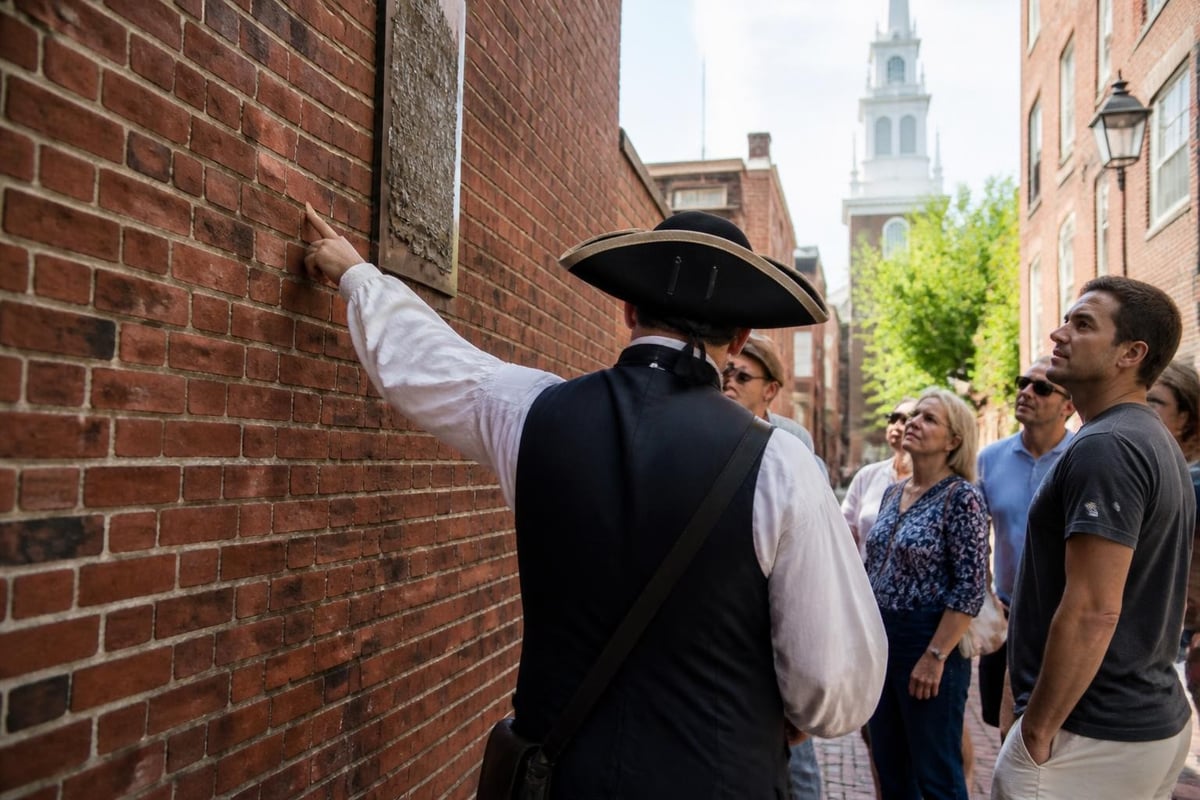
Regional Context and Extended Exploration
The freedom trail self guided tour represents just one element of Boston's Revolutionary War heritage. Freedom’s Way National Heritage Area connects Boston's urban trail with regional sites across Massachusetts, creating opportunities for extended historical exploration.
Broader Revolutionary Heritage
Understanding how Boston's events fit within the larger Revolutionary movement enriches your trail experience. Lexington and Concord battlefields, located just outside Boston, provide natural extensions for history enthusiasts completing the urban trail.
Regional connections:
- Lexington Green and Battle Road Trail
- Concord's North Bridge and Minute Man National Historical Park
- Salem's maritime history and witch trial sites
- Plymouth's colonial settlement landmarks
This regional perspective parallels how literary walking tours in Stockholm connect individual sites within broader cultural narratives, creating comprehensive understanding through physical exploration.
Accessibility and Inclusive Planning
Modern visitors bring diverse physical abilities and needs to the freedom trail self guided tour. Understanding accessibility features at each site ensures everyone can participate meaningfully.
Physical Accessibility Considerations
The trail itself presents challenges for wheelchair users and those with limited mobility. Cobblestone streets in older neighborhoods, building stairs predating accessibility requirements, and elevation changes require advance planning.
| Site Category | Accessibility Level | Accommodations Available |
|---|---|---|
| Outdoor monuments | Generally accessible | Level approaches, viewing areas |
| Historic buildings | Variable | Some elevators, limited access |
| Churches | Mixed | Ramps at some locations |
| Museums | Good | Modern accessibility standards |
Contact individual sites before visiting to confirm current accessibility features and arrange any necessary accommodations. Many locations offer virtual tours or ground-floor exhibits that convey historical content without requiring stair navigation.
Photography and Documentation
Capturing your freedom trail self guided tour through photography creates lasting memories while documenting historical sites. Understanding photography etiquette and optimal shooting conditions enhances results.
Photography Best Practices
Morning and late afternoon light provides the warmest tones and most interesting shadows. Midday sun creates harsh contrasts that challenge even experienced photographers. Interior photography restrictions vary by site, with some locations prohibiting flash or tripods.
Essential photography considerations:
- Respect posted photography restrictions in religious and memorial spaces
- Avoid blocking pathways while composing shots
- Include people for scale in architectural photographs
- Capture detail shots of plaques and historical markers
- Photograph the red brick trail marker itself as journey documentation
Many visitors create photo essays or social media series documenting their progression through all sixteen sites. This approach transforms sightseeing into storytelling, similar to how guided city tours create narrative arcs through urban exploration.
Budget Planning and Cost Management
A freedom trail self guided tour accommodates various budget levels. While the trail itself costs nothing to walk, associated expenses include site admissions, meals, and transportation.
Cost Breakdown
Typical expenses:
- Site admissions: $0-40 (varies by number of paid sites visited)
- Meals and refreshments: $20-60 per person
- Public transportation: $2.40-12.75 (day passes recommended)
- Souvenirs and books: Variable
- Audio tour downloads: Free to $9.99
Several sites offer combination tickets that reduce total admission costs. The Boston National Historical Park provides free ranger programs and exhibits that supplement paid museum visits. Budget-conscious visitors can enjoy rich historical experiences by focusing on free outdoor monuments and utilizing the National Park Service resources.
Weather Preparedness and Seasonal Adaptations
Boston's weather varies dramatically across seasons, requiring different preparation strategies for your freedom trail self guided tour. New England's climate brings hot, humid summers and cold, snowy winters.
Season-Specific Strategies
Summer visitors need sun protection, hydration strategies, and cooling breaks. Winter explorers require insulated clothing, waterproof footwear, and awareness of reduced daylight hours. Spring and fall generally offer ideal conditions but demand flexible layering systems for temperature fluctuations.
Weather-specific gear recommendations:
- Summer: Wide-brimmed hat, sunscreen, lightweight moisture-wicking clothing
- Fall: Light jacket, umbrella, comfortable walking shoes
- Winter: Insulated coat, gloves, winter boots with good traction
- Spring: Rain jacket, layers, waterproof shoes
Weather monitoring apps help adjust timing during your visit. Brief rain showers might prompt indoor site visits, while extreme heat suggests afternoon breaks in air-conditioned museums. This adaptability proves essential for comfortable, enjoyable exploration throughout the year.
Exploring Boston's revolutionary heritage through a freedom trail self guided tour creates powerful connections with American history while offering complete flexibility in pacing and focus. Whether you're planning an educational family outing, a solo historical deep-dive, or a group exploration, the principles of thoughtful route planning, thorough preparation, and strategic timing apply universally to memorable walking experiences. These same values guide Adding:tours as we create personalized walking experiences through Stockholm's historic Old Town, literary landmarks, and cultural treasures, tailoring each journey to your group's unique interests and ensuring every step reveals new insights into the cities we love.