Small Group European Travel: Your Complete 2026 Guide
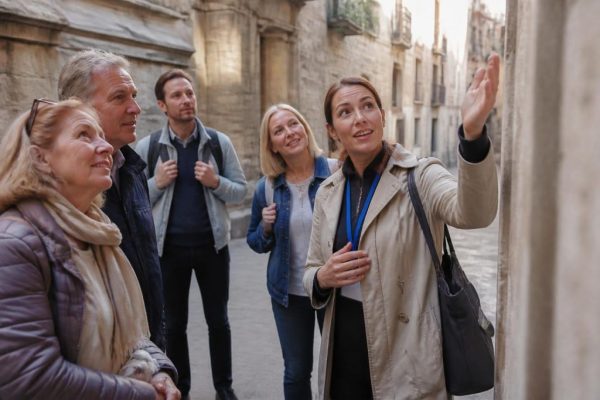
Traveling through Europe in small, carefully curated groups has transformed the tourism landscape, offering an intimate alternative to crowded bus tours and the isolation of solo travel. Small group european travel combines the best of both worlds: the camaraderie of shared experiences with the flexibility to explore authentic local culture. Whether you're wandering through Stockholm's medieval Old Town, discovering literary landmarks, or following the footsteps of musical legends, traveling in small groups creates connections that large tour operators simply cannot replicate. This approach has gained remarkable momentum, particularly as travelers seek more meaningful, personalized experiences that respect both local communities and individual preferences.
Why Small Group European Travel Appeals to Modern Travelers
The intimate nature of small group tours fundamentally changes how you experience a destination. With groups typically ranging from six to fifteen participants, each person receives meaningful attention from expert guides while building genuine connections with fellow travelers.
Personalization stands at the heart of this trend. Unlike mass-market tours that shuffle hundreds through identical itineraries, small group european travel allows for real-time adjustments. Your guide can detour to a newly discovered café, spend extra time at a museum that captivates your group, or skip attractions that don't resonate with everyone's interests.
According to recent European tourism statistics, travelers increasingly prioritize quality over quantity, with 67% of European tourists in 2025 reporting that personalized experiences influenced their booking decisions. This shift has particularly benefited destinations that embrace smaller, more sustainable tourism models.
The Social Dynamics of Intimate Groups
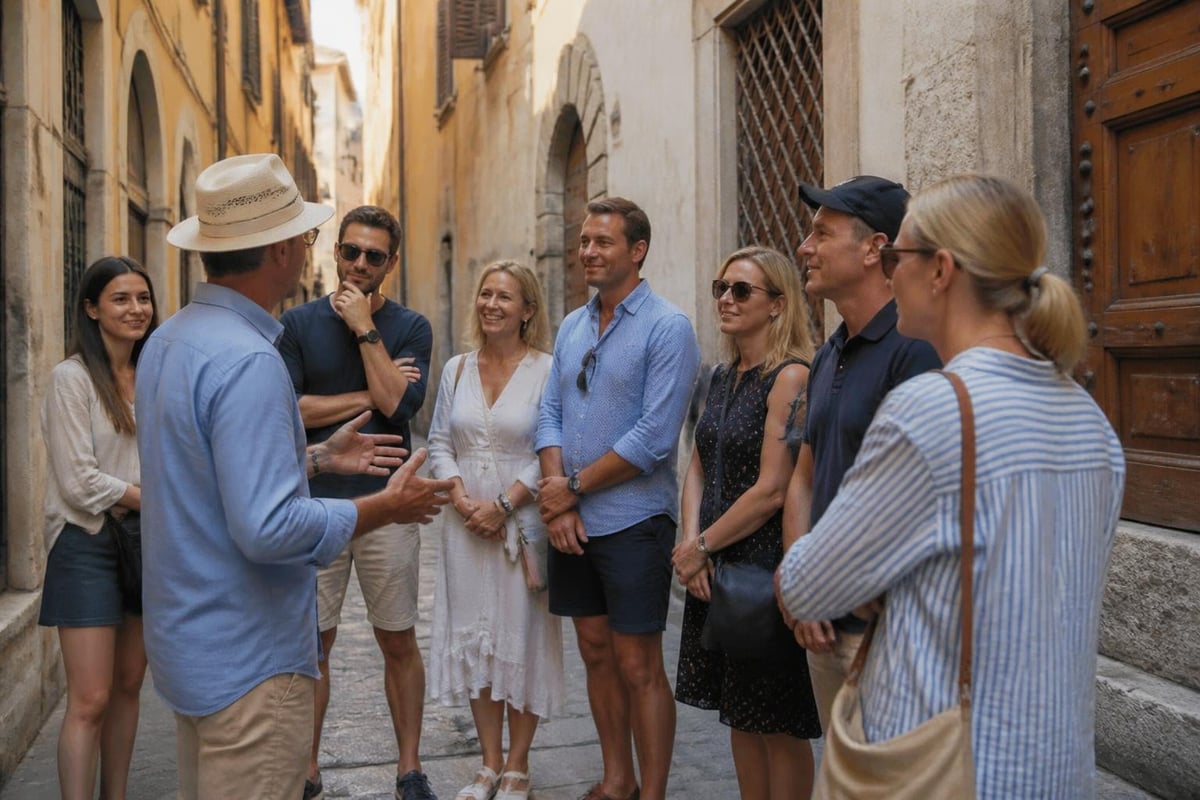
Small groups foster authentic social interactions that larger tours cannot replicate. You'll remember names, share meals without shouting across tables, and often maintain friendships long after your journey ends.
- Meaningful conversations develop naturally when groups remain manageable
- Shared decision-making creates investment in the experience
- Diverse perspectives enrich discussions without overwhelming individual voices
- Flexible pacing accommodates different energy levels and interests
The professional guides leading tailored tours can gauge group dynamics, adjust commentary depth, and create space for both socializing and reflection-something impossible with crowds of forty or more.
Choosing Your Ideal Small Group European Experience
The European continent offers extraordinary diversity, and selecting the right focus for your small group adventure requires careful consideration of interests, physical abilities, and travel philosophy.
Destination Categories Worth Considering
| Category | Examples | Best For | Typical Duration |
|---|---|---|---|
| Cultural Capitals | Stockholm, Prague, Vienna | History enthusiasts, architecture lovers | 4-7 days |
| Coastal Journeys | Greek Islands, Croatian Coast | Beach lovers, food enthusiasts | 7-10 days |
| Literary Trails | Edinburgh, Dublin, Paris | Book lovers, creative travelers | 5-8 days |
| Musical Heritage | Vienna, Salzburg, Stockholm | Music enthusiasts, cultural explorers | 6-9 days |
Companies like Hellenic Holidays specialize in creating tailor-made Greece vacations that exemplify the small group approach, crafting personalized itineraries through Athens, Mykonos, and Santorini that balance iconic sites with hidden local treasures.
Stockholm presents a particularly compelling small group destination. The city's compact historic center, rich cultural offerings, and accessible public transportation make it ideal for intimate exploration. From English walking tours through Gamla Stan to specialized experiences like ABBA-themed journeys, the Swedish capital demonstrates how cities can embrace thoughtful tourism.
Thematic Focus Areas
Small group european travel thrives when built around shared interests. Thematic tours create instant common ground among participants, enriching conversations and experiences.
Literary adventures attract readers eager to walk through their favorite stories. Stockholm's Millennium Tour follows Stieg Larsson's "The Girl with the Dragon Tattoo" locations, transforming fiction into tangible exploration. Similarly, Dublin's Joycean walks and Edinburgh's noir trails bring books to life through local expertise.
Culinary experiences unite food lovers around regional specialties, market visits, and cooking classes. Small groups can secure reservations at intimate restaurants, engage with chefs, and explore food markets without overwhelming vendors.
Music heritage tours celebrate Europe's extraordinary musical legacy. Beyond generic museum visits, small groups access rehearsal spaces, meet local musicians, and explore neighborhoods where composers lived and created. The ABBA journey exemplifies this approach, combining historical context with contemporary cultural understanding.
Planning Logistics for Small Group Success
Successful small group european travel requires attention to practical details that larger tours handle through sheer scale. However, this planning creates opportunities for customization that mass-market operators cannot match.
Transportation Considerations
Small groups enjoy transportation flexibility unavailable to large tours. You're not bound to motorcoaches that can't navigate narrow medieval streets or park near hidden gems.
- Rail travel using Eurail passes offers freedom and sustainability
- Private minibuses provide door-to-door convenience without tour-bus anonymity
- Walking-focused itineraries eliminate transportation stress in compact historic centers
- Public transit integration offers authentic local experiences
The European Health Insurance Card guidance reminds travelers that while the EHIC covers emergency medical care across EU/EEA countries, Switzerland, and the UK, it doesn't replace comprehensive travel insurance-a critical consideration when coordinating group coverage.
Accommodation Strategy
Small groups require different lodging approaches than individual travelers or large tour operators. Many specialized tour providers negotiate exclusive arrangements that enhance the experience.
Boutique hotels often provide superior value and character for small groups. Rather than occupying entire floors of chain properties, intimate tours can book charming family-run establishments that reflect local culture. This approach supports community-based tourism while delivering memorable stays.
Centrally located properties maximize exploration time. When everyone stays within walking distance of major attractions, morning departures flow smoothly without lengthy hotel pickups, and evening free time becomes genuinely useful.
Building Sustainable and Accessible Experiences
Modern travelers increasingly recognize their impact on destinations, and small group european travel naturally aligns with sustainable tourism principles. Reduced group sizes minimize environmental footprint while maximizing economic benefit to local communities.
Environmental Responsibility
The WTTC sustainability resources provide frameworks that small group operators increasingly adopt. These guidelines help tour providers measure and reduce their carbon footprint while enhancing traveler experiences.
Smaller groups generate less waste, place reduced strain on infrastructure, and can access eco-conscious vendors that larger operations cannot accommodate. Walking-intensive itineraries like Stockholm city sightseeing eliminate transportation emissions while providing healthier, more immersive experiences.
Local economic impact concentrates more effectively. When fifteen travelers dine at a neighborhood restaurant rather than a hundred overwhelming a tourist-district facility, money flows to authentic businesses while maintaining community character.
Inclusive Design Principles
Accessibility extends beyond physical accommodations to encompass diverse needs, interests, and backgrounds. The European Commission’s accessible tourism guidelines offer practical frameworks for creating inclusive small group experiences.
Physical accessibility requires advance planning. Small groups can customize itineraries around mobility needs, selecting wheelchair-accessible routes, arranging rest periods, and choosing appropriate transportation without disappointing participants seeking more active experiences.
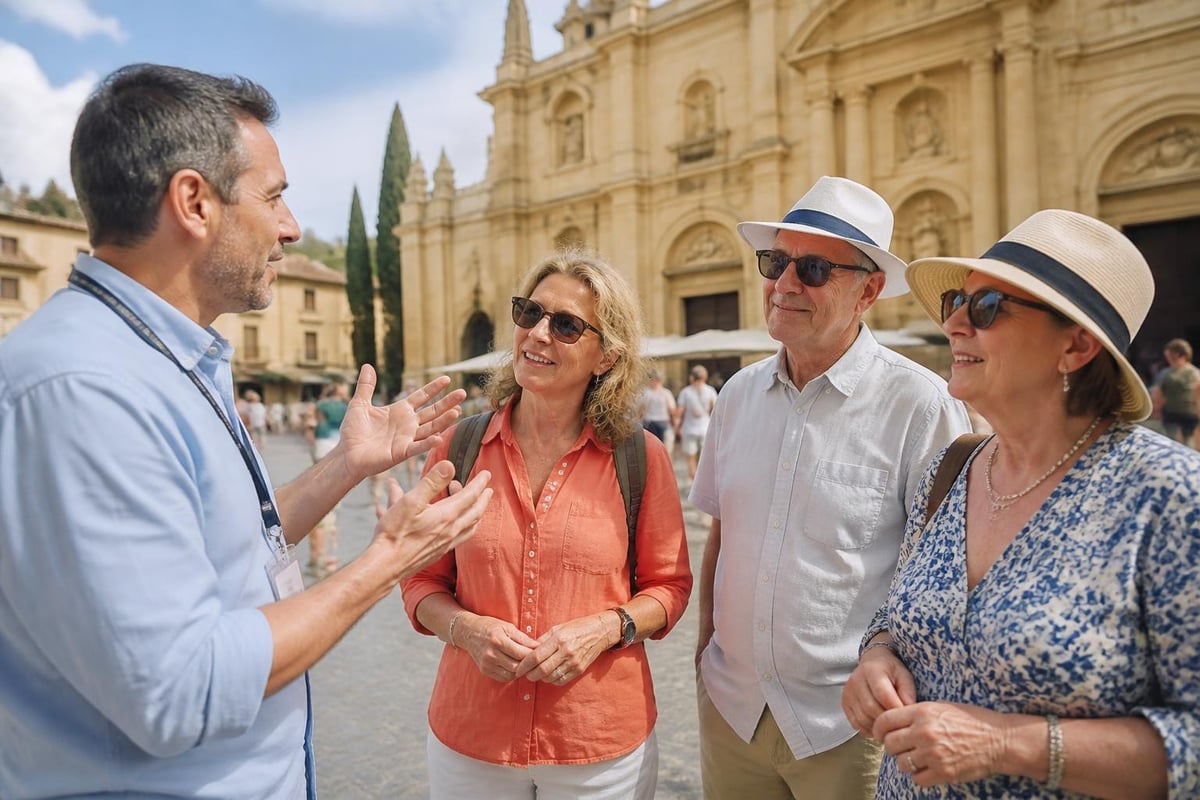
Cultural and linguistic inclusion matters equally. Native English-speaking guides, like those leading professional Stockholm tours, eliminate language barriers while providing nuanced cultural interpretation that non-native guides might miss.
Dietary requirements receive proper attention in small groups. Tour leaders can communicate specific needs to restaurants, arrange specialized meals, and ensure no one feels excluded during culinary experiences.
Maximizing Value in Small Group Tours
While small group european travel often costs more per person than mass-market alternatives, the value proposition extends far beyond simple price comparison. Understanding what you're actually receiving helps justify the investment.
What Premium Pricing Delivers
| Element | Large Group Tours | Small Group Tours |
|---|---|---|
| Guide attention | Limited, impersonal | Direct, personalized |
| Itinerary flexibility | Fixed, rigid | Adaptable, responsive |
| Restaurant quality | Tourist-oriented, rushed | Local favorites, relaxed |
| Skip-the-line access | Standard for all | Enhanced, specialized |
| Local interactions | Minimal, superficial | Authentic, meaningful |
Expert guidance represents the single greatest value differentiator. Professional tour guides in small group settings share insider knowledge, answer detailed questions, and adapt presentations to group interests-impossible when managing forty people through standardized scripts.
Hidden Economies
Smart small group european travel actually delivers economies that offset higher base prices. You'll save on mistakes that independent travelers make: wrong train tickets, tourist-trap restaurants, closed attractions, and wasted time navigating unfamiliar transit systems.
Included experiences often encompass activities that independent travelers would pay extra to arrange. Museum admissions, specialty tastings, exclusive access, and transportation between sites add up quickly when booked separately.
Time efficiency has real value. Rather than researching, booking, and coordinating dozens of details, you invest that time enjoying your destination. For travelers with limited vacation days, this efficiency justifies premium pricing.
Seasonal Considerations for European Small Groups
Europe's distinct seasons dramatically affect the small group travel experience. Understanding these patterns helps you select timing that aligns with your priorities and tolerance for crowds versus weather trade-offs.
Peak Season Dynamics (June-August)
Summer brings maximum daylight, warmest weather, and largest crowds. Small group european travel provides crucial advantages during peak season.
Crowd mitigation becomes essential. While large tours contribute to overcrowding at famous sites, intimate groups can access early morning slots, alternative entrances, and off-peak timing that reduces frustration. Stockholm tours during summer midnight sun offer extraordinary extended daylight for exploration.
Booking windows extend earlier each year. Popular small group departures sell out months in advance during peak season, requiring travelers to commit earlier than they might prefer.
Shoulder Season Sweet Spots (April-May, September-October)
Many experienced travelers consider shoulder seasons ideal for small group european travel. Weather remains pleasant, crowds thin considerably, and local life returns to authentic rhythms.
- Comfortable temperatures for walking-intensive itineraries
- Better availability at restaurants, hotels, and attractions
- Lower pricing on flights and accommodations
- Authentic atmosphere with fewer tourists and more locals
Spring flowers and autumn colors add natural beauty that summer cannot match, while cultural calendars still offer robust programming.
Winter Opportunities (November-March)
Winter small group travel rewards those who embrace seasonal character. Christmas markets, winter festivals, and dramatically reduced crowds create unique experiences unavailable during warmer months.
Indoor attractions shine during cold weather. Museums, galleries, theaters, and culinary experiences become focal points, offering comfort while delivering rich cultural engagement. Cultural tours emphasizing art, history, and gastronomy thrive in winter months.
Creating Your Small Group Story
The most successful small group european travel experiences happen when travelers approach them with appropriate expectations and active engagement. You're not a passive consumer but a participant in creating memorable experiences.
Pre-Trip Preparation
Research builds anticipation without eliminating discovery. Read about your destination's history, sample its cuisine at local restaurants, watch films set in locations you'll visit, and learn a few phrases in the local language. This preparation enriches your experience without spoiling surprises.
Connect with fellow travelers before departure when tour operators facilitate introductions. Many small group providers create pre-trip online communities where participants introduce themselves, share interests, and build excitement. These early connections often lead to room-sharing arrangements, arrival coordination, and lasting friendships.
Physical preparation matters, especially for walking-intensive itineraries. Walking tours through Stockholm’s Old Town might cover several miles over cobblestones. Building stamina beforehand ensures you enjoy rather than endure the experience.
During-Trip Engagement
Active participation transforms good trips into extraordinary ones. Ask questions, engage with local guides, sample unfamiliar foods, and venture beyond your comfort zone within reason.
Balance group time with independent exploration. Most small group itineraries include free time-use it to pursue personal interests, revisit favorite spots, or simply wander. You'll bring fresh perspectives back to group discussions.
Document thoughtfully rather than obsessively. Photographs preserve memories, but constant screen interaction prevents genuine engagement. Find your balance between capturing moments and living them.

Specialized Small Group Formats
Beyond general touring, specialized small group formats serve specific traveler demographics and interests. Understanding these niches helps you select experiences that truly match your circumstances.
Solo Traveler Groups
Solo travelers group holidays address the unique needs of individuals traveling without companions. These small groups eliminate single supplements, create instant social networks, and provide security while maintaining independence.
Shared accommodations offset costs while fostering friendships. Many solo-focused small groups use twin-share arrangements with same-gender roommates, though private room options typically remain available at supplemental cost.
Age-appropriate groupings help some operators, with tours designed for specific demographics: young professionals, active retirees, or truly age-mixed groups that value intergenerational perspectives.
Family and Multi-Generational Tours
Small group european travel serves families extraordinarily well, particularly multi-generational groups with varying abilities and interests. Private group arrangements allow grandparents, parents, and children to share experiences at comfortable paces.
Customized pacing accommodates both energetic teenagers and less mobile seniors. Morning activities might include everyone, while afternoon programs split into age-appropriate options before reconvening for evening meals.
Educational value increases dramatically with expert guides who adjust content complexity for different ages. Children absorb historical context through stories rather than lectures, while adults receive deeper analytical perspectives.
Professional and Affinity Groups
Colleagues, professional associations, and affinity groups discover that small group european travel strengthens relationships while serving educational or team-building objectives.
Shared professional interests create natural tour themes. Architects explore building design, wine enthusiasts visit vineyards, musicians trace classical heritage, and book clubs follow literary trails. These focused experiences generate networking opportunities alongside cultural enrichment.
Regional Spotlights Worth Exploring
While Western European capitals dominate tourism marketing, small group european travel excels at revealing lesser-known regions where intimate scale matches destination character.
Scandinavia's Appeal
Nordic countries exemplify small group travel ideals: compact cities, excellent English proficiency, reliable infrastructure, and distinctive culture. Stockholm particularly demonstrates these advantages.
The Swedish capital's walkable center makes it perfect for small group exploration. Stockholm Old Town walking tours showcase medieval architecture, royal history, and contemporary Swedish culture within compact geography that never overwhelms.
Musical heritage offers unique themed experiences. Beyond the famous ABBA connections, Stockholm's classical music scene, jazz clubs, and contemporary pop culture create diverse options for music-focused small groups.
Mediterranean Depth
Greece, Croatia, and Portugal offer spectacular natural beauty, rich history, and welcoming cultures ideal for small group discovery. These destinations reward slower exploration that prioritizes depth over breadth.
Island hopping works beautifully for small groups, with private boats accessing secluded beaches and villages that large ships cannot reach. The intimate scale prevents the overwhelming feeling that megaships create in small island communities.
Central European Charm
Prague, Budapest, Krakow, and Vienna combine imperial grandeur with approachable scale. These cities preserve extraordinary architectural heritage while maintaining livable neighborhoods where locals still outnumber tourists.
Literary and artistic traditions run deep through Central Europe, offering thematic tour opportunities that satisfy culturally curious small groups. Classical music, Art Nouveau architecture, and Cold War history provide rich frameworks for exploration.
Booking Strategies and Timeline Considerations
Securing your ideal small group european travel experience requires strategic timing and informed decision-making. The booking process differs significantly from independent travel or large tour arrangements.
When to Book
Popular departures sell out six to twelve months in advance, particularly for shoulder season dates that combine pleasant weather with manageable crowds. Peak summer dates in destinations like Stockholm, Venice, or Santorini require even earlier commitment.
Last-minute opportunities occasionally arise when individual travelers cancel, creating openings in otherwise full departures. Flexible travelers willing to accept shorter planning windows sometimes secure excellent deals, though this strategy carries risk.
Questions to Ask Operators
- What's the maximum group size, and how many currently booked?
- Are guides native English speakers with local expertise?
- What flexibility exists for dietary restrictions and accessibility needs?
- Which meals, admissions, and transportation are included versus optional?
- How much free time balances structured programming?
- What cancellation policies and travel insurance do you recommend?
Reading beyond marketing copy helps evaluate whether tour philosophies match your preferences. Look for specifics about daily pacing, physical requirements, and group demographics rather than generic superlatives.
Small group european travel represents more than just a touring style; it's an approach to experiencing destinations that prioritizes meaningful connections, sustainable practices, and personalized discovery. Whether you're drawn to cultural capitals, coastal beauty, musical heritage, or literary adventures, traveling in intimate groups transforms sightseeing into genuine understanding. When you're ready to experience Stockholm's unique blend of medieval charm and contemporary culture, Adding:tours specializes in creating personalized small group experiences that reveal the Swedish capital through local eyes, from classic Old Town walks to specialized ABBA journeys that celebrate the city's rich cultural legacy.