Alhambra Guided Tour: Expert Tips for 2026
The Alhambra stands as one of Europe's most magnificent architectural achievements, drawing millions of visitors annually to Granada, Spain. While independent exploration offers flexibility, an Alhambra guided tour provides context, access, and insights that transform a simple sightseeing visit into an immersive cultural experience. Understanding the monument's layered history, intricate symbolism, and ongoing conservation efforts requires expertise that only qualified guides can deliver. This comprehensive guide explores what makes a guided tour essential, how to choose the right experience, and what to expect when exploring this UNESCO World Heritage treasure.
Understanding the Value of Expert Guidance
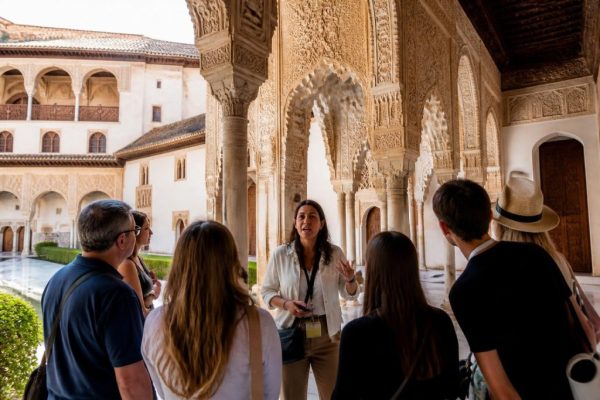
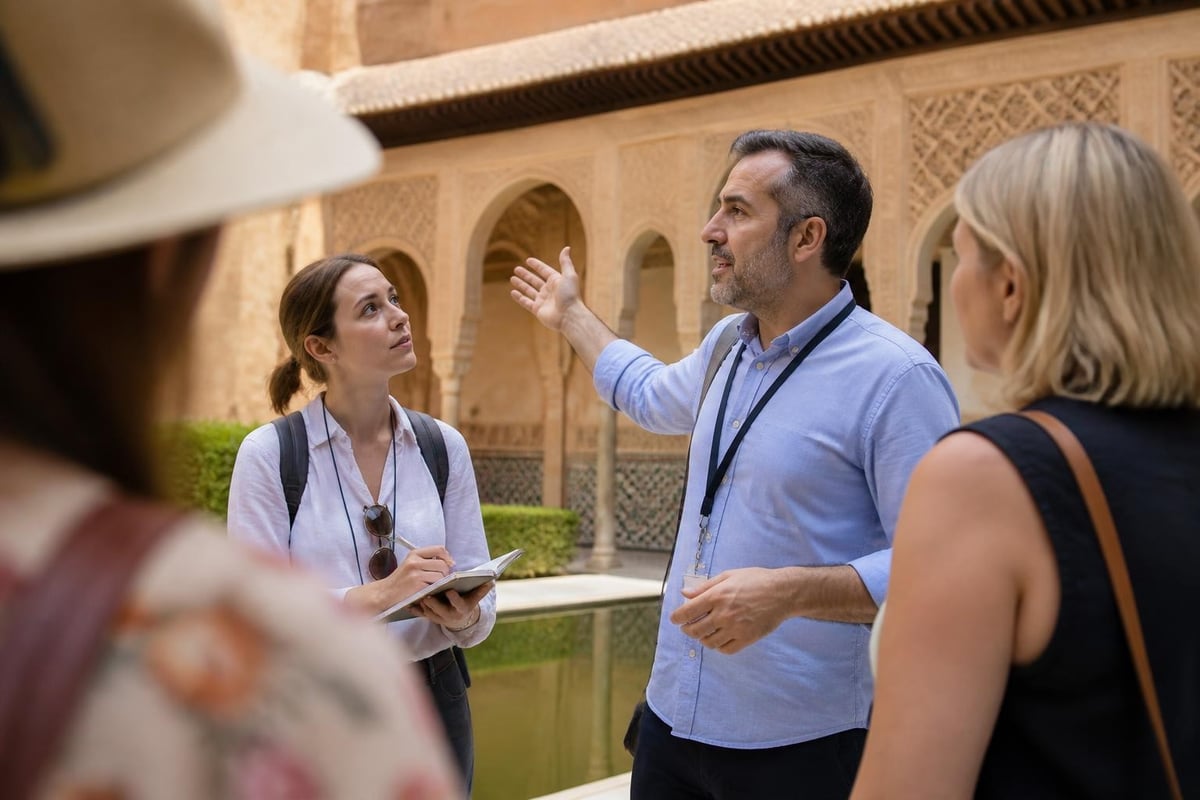
Visiting the Alhambra without a guide means missing the subtle details that define its genius. The fortress-palace complex spans 26 acres and encompasses multiple palaces, gardens, fortifications, and courtyards built across six centuries. Expert guides decode the geometric patterns in tile work, explain water engineering marvels, and reveal political intrigue embedded in architectural choices.
The National Geographic feature on the Alhambra emphasizes how the monument's true significance emerges through storytelling. A knowledgeable guide connects visitors to the Nasrid dynasty's artistic vision, the Christian reconquest's impact, and the Renaissance additions commissioned by Charles V. These narratives transform stone and stucco into living history.
Accessing Restricted Areas
Many sections of the Alhambra require advance reservations with strict time slots. An Alhambra guided tour often includes priority access and ensures your group enters the Nasrid Palaces during your designated window. Guides navigate the complex ticketing system, which limits daily visitors to protect the site's delicate stucco work and maintain visitor experience quality.
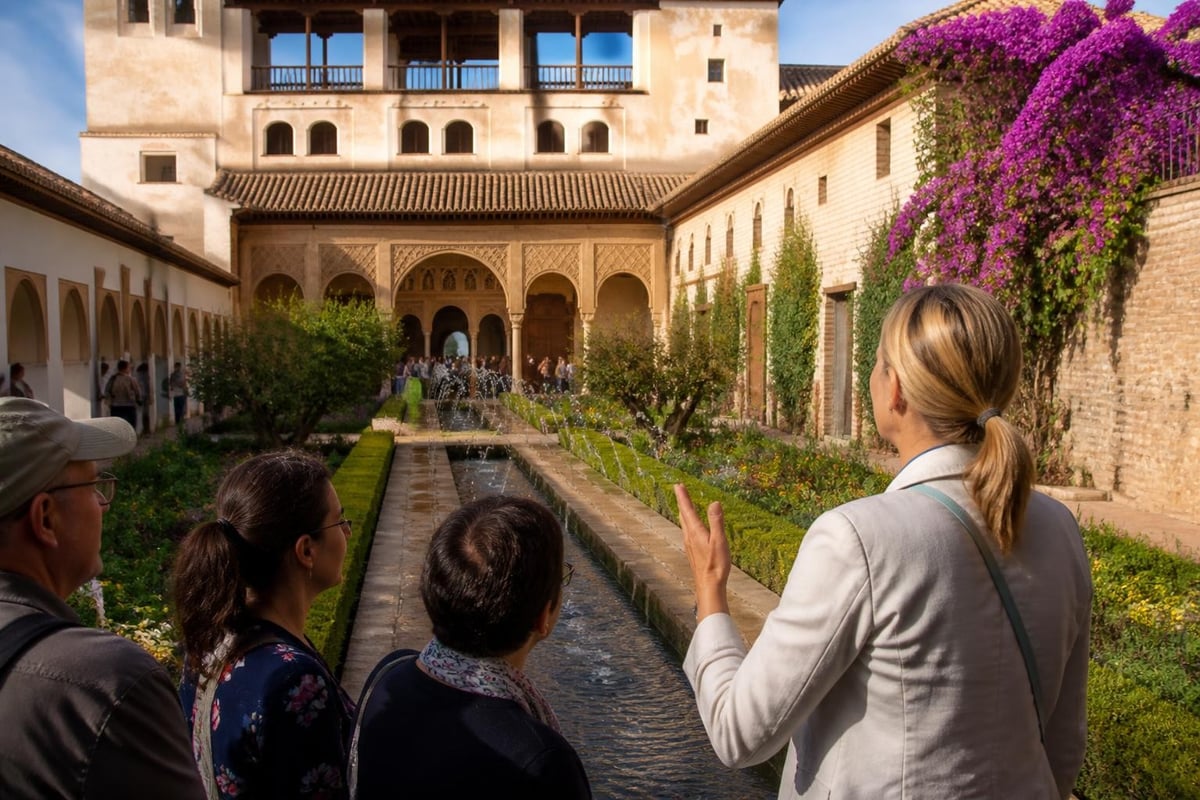
Professional guides also share insider knowledge about quieter pathways, optimal photography angles, and seasonal garden highlights. They explain why the World Monuments Fund supports Alhambra conservation, helping visitors appreciate the ongoing restoration work that preserves this masterpiece for future generations.
Types of Alhambra Guided Tours Available
Tour operators offer diverse options tailored to different interests, physical abilities, and time constraints. Selecting the right format ensures your visit aligns with personal preferences and maximizes engagement with the content that matters most to your group.
Standard Group Tours
These economical options typically accommodate 15-25 participants and last two to three hours. While budget-friendly, larger groups may struggle to hear the guide in crowded areas and have limited opportunity for questions. Standard tours follow fixed routes focusing on major highlights like the Court of the Lions, Hall of the Ambassadors, and Generalife gardens.
| Tour Type | Group Size | Duration | Customization | Price Range |
|---|---|---|---|---|
| Standard Group | 15-25 people | 2-3 hours | None | €30-50 |
| Small Group | 6-12 people | 3-4 hours | Limited | €60-90 |
| Private Tour | 1-6 people | 3-5 hours | Full | €150-350 |
| Specialty Tour | 4-15 people | 4-6 hours | Thematic | €80-150 |
Private and Semi-Private Experiences
For travelers seeking personalized attention, private tours deliver exceptional value. With group sizes limited to your party, guides adapt pacing, emphasis, and depth based on your interests. A professional tour guide can focus extensively on architectural details, Islamic art history, or political narratives depending on your preferences.
Semi-private tours cap participation at six to twelve people, offering middle ground between intimacy and affordability. These formats allow more interaction than standard tours while maintaining cost effectiveness for couples or small friend groups.
Thematic and Specialty Tours
Photography tours schedule visits during golden hour for optimal lighting and teach composition techniques specific to the Alhambra's architecture. Art history tours examine the intricate plasterwork and Nasrid ceramics with scholarly depth. Garden-focused tours explore botanical specimens, irrigation systems, and landscape design principles.
Accessibility tours accommodate mobility challenges with modified routes and extended time frames. Night visits, available seasonally, showcase illuminated courtyards and offer cooler temperatures with smaller crowds.
Planning Your Alhambra Guided Tour
Successful visits require advance planning due to the monument's popularity and strict capacity controls. The Alhambra limits daily visitors to approximately 6,600, with Nasrid Palaces admissions further restricted to preserve the delicate interior surfaces.
Booking Timeline and Strategy
Reserve your Alhambra guided tour three to four months ahead for spring and fall visits, when Granada enjoys ideal weather. Summer requires even longer lead times despite higher temperatures, as vacation schedules drive demand. Winter offers greater availability but brings unpredictable weather and shorter daylight hours.
Many tour operators bundle Alhambra tickets with their services, eliminating the stress of securing separate admissions through the official portal. Verify whether your tour package includes entrance fees or requires separate ticket purchases. The UNESCO nomination documentation details the site's management structure and visitor protocols that inform these requirements.
Optimal Visit Times
Early morning tours beginning at 8:30 AM offer cooler temperatures, better light for photography, and smaller crowds in the Nasrid Palaces. Late afternoon slots after 2 PM provide similar advantages with spectacular sunset views from the Alcazaba ramparts.
- Morning benefits: Fresh energy, optimal lighting, fewer tour groups
- Afternoon advantages: Golden hour photography, cooler summer temperatures, quieter gardens
- Considerations: Nasrid Palaces entry times dictate overall schedule, regardless of general admission time
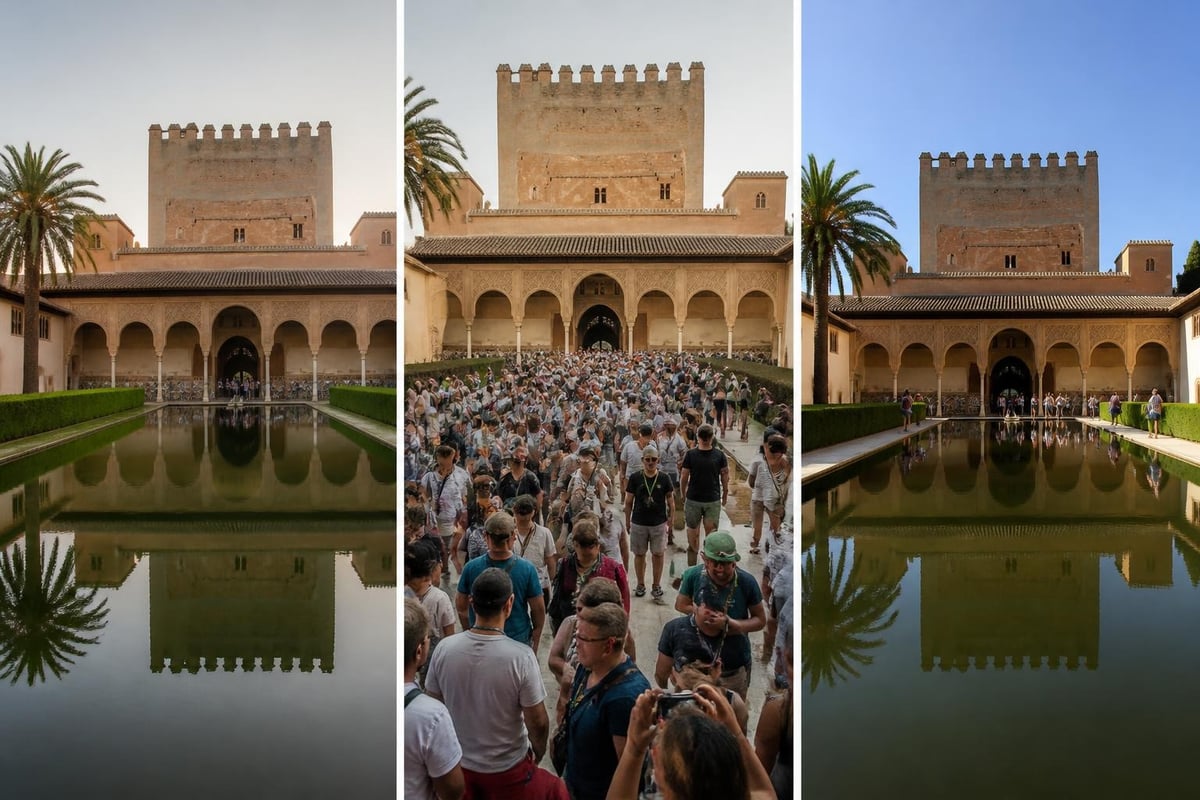
Much like the personalized approach of tailored tours in Stockholm, selecting the right Alhambra time slot dramatically affects your experience quality.
What to Expect During Your Tour
An Alhambra guided tour typically begins at the main entrance or designated meeting point near the ticket pavilion. Guides distribute audio headsets for groups exceeding ten people, ensuring everyone hears commentary without crowding closely together. This technology proves essential in acoustically challenging spaces and busy courtyards.
The Nasrid Palaces Circuit
This architectural sequence represents the tour's emotional and aesthetic climax. Guides explain the progression through public reception halls, private royal quarters, and ceremonial spaces that demonstrated Nasrid power and sophistication.
Key spaces include:
- Mexuar: Administrative chambers where petitions were heard
- Comares Palace: Diplomatic reception area with the Hall of the Ambassadors
- Court of the Lions: Private royal residence featuring iconic fountain and surrounding porticoes
- Hall of the Two Sisters: Demonstrates the pinnacle of mocárabe vault craftsmanship
Professional guides decode the symbolic meanings embedded in Arabic inscriptions, explain how light and water create sensory experiences, and contextualize the Christian modifications that followed 1492. The ALHAMAT research project provides archaeological insights that inform contemporary interpretation of these spaces.
Generalife Gardens and Water Features
After the palaces' intricate interiors, the Generalife offers sensory contrast with expansive gardens, cypress groves, and hydraulic engineering demonstrations. Originally the sultan's summer residence and agricultural estate, these gardens showcase Nasrid mastery of water management in Granada's semi-arid climate.
Guides explain how the acequia irrigation channels supplied fountains, pools, and planted terraces. Seasonal blooms provide changing backdrops, from spring roses to autumn dahlias. The design philosophy balancing aesthetic pleasure with agricultural productivity reflects Islamic garden traditions spanning from Persia to Andalusia.
Alcazaba Fortress
This military citadel represents the Alhambra's oldest section, dating to the ninth century. From the Torre de la Vela, visitors gain panoramic views across Granada to the Sierra Nevada mountains. Guides contextualize the fortress within Granada's strategic importance and explain defensive features like the Torre del Homenaje.
Walking these ramparts connects visitors to centuries of military history, from Moorish defenders to Christian reconquest forces. The contrast between martial architecture and palatial refinement illustrates the Alhambra's dual nature as both fortress and royal residence.
Maximizing Your Guided Experience
Active participation enhances any Alhambra guided tour. Prepare questions about aspects that particularly interest you, whether architectural techniques, historical events, or artistic movements. Quality guides welcome engaged participants and often extend discussions when time permits.
Pre-Visit Preparation
Research basic Nasrid dynasty history and familiarize yourself with key architectural terms. Understanding concepts like muqarnas (honeycomb vaulting), ataurique (arabesque vegetation motifs), and zellij (mosaic tilework) helps you appreciate guides' explanations more fully.
Review the provincial tourism context to understand how the Alhambra fits within Granada's broader cultural landscape. Consider extending your visit to include the Albaicín neighborhood, Sacromonte caves, or Cathedral to gain comprehensive historical perspective.
| Preparation Task | Time Required | Benefit |
|---|---|---|
| Historical overview reading | 30-60 minutes | Context for guided commentary |
| Architectural terminology study | 20-30 minutes | Enhanced comprehension |
| Photography planning | 15-30 minutes | Better shot preparation |
| Physical conditioning | Ongoing | Comfort during 2-4 hour walk |
During the Tour
Wear comfortable walking shoes with good support, as tours cover uneven surfaces, stairs, and cobblestones across several miles. Bring sun protection including hats and sunscreen for exposed courtyards and ramparts. Hydration proves essential, particularly during summer months when temperatures exceed 90°F.
Photography policies permit personal cameras throughout most areas, though tripods and professional equipment require special permits. Guides indicate specific locations where photography is restricted to protect sensitive materials or respect other visitors' experiences.
Choosing the Right Tour Operator
Granada hosts dozens of companies offering Alhambra guided tours, ranging from international operators to local specialists. Evaluating providers based on specific criteria ensures quality experiences and value for your investment.
Guide Qualifications and Expertise
Spain requires official guide credentials for Alhambra tours, but qualifications vary significantly. Seek guides with advanced degrees in art history, archaeology, or Islamic studies who bring scholarly depth to their interpretations. Native English speakers or bilingual guides with exceptional language command ensure nuanced explanations without translation barriers.
Review operator websites for guide biographies, credentials, and specializations. Companies investing in guide development typically produce superior experiences. Similar to how English-speaking guides in Stockholm provide local perspective, Alhambra experts should demonstrate genuine passion and continuous learning about their subject.
Group Size and Tour Structure
Smaller groups correlate directly with experience quality. Tours exceeding twelve participants struggle to maintain cohesion, limit individual attention, and create crowding in intimate spaces. Verify maximum group sizes before booking and consider paying premiums for capped participation.
Evaluation checklist:
- Maximum group size clearly stated
- Audio headset systems for groups over six
- Timed entry coordination confirmed
- Cancellation and rescheduling policies
- Accessibility accommodations available
- Additional costs transparently disclosed
Customer Reviews and Reputation
Examine recent reviews across multiple platforms, focusing on comments about guide knowledge, pacing, and ability to manage logistics. Look for patterns rather than isolated complaints. Companies consistently delivering excellent experiences maintain ratings above 4.5 stars across hundreds of reviews.
Pay particular attention to feedback about customization and personalization, as flexibility indicates customer-focused operations. The best operators adapt to weather changes, physical limitations, and emerging interests during tours.
Beyond the Standard Tour
Advanced visitors or repeat travelers might consider specialized experiences that explore the Alhambra's lesser-known dimensions. These offerings provide fresh perspectives even for those familiar with the monument's major highlights.
Conservation and Restoration Tours
Some operators partner with preservation organizations to offer behind-the-scenes access to ongoing restoration projects. Participants observe conservators working on stucco repair, tile restoration, or structural stabilization while learning about traditional materials and techniques.
These tours appeal to architects, preservationists, and anyone fascinated by heritage conservation challenges. Understanding how modern science supports traditional craftsmanship adds appreciation for the expertise required to maintain this fragile monument.
Academic and Research-Focused Programs
Universities and cultural institutions occasionally offer intensive multi-day programs combining Alhambra tours with lectures, workshops, and archival research. These immersive experiences suit serious students of Islamic art, Spanish history, or architecture seeking professional development or academic enrichment.
Graduate students and faculty benefit from access to specialists and resources unavailable through standard tourism channels. Programs often include visits to restricted areas and conversations with researchers advancing scholarship on Nasrid Granada.
Family-Oriented and Educational Tours
Specialized family tours adapt content for younger participants through storytelling, interactive elements, and age-appropriate activities. Guides trained in educational methods keep children engaged while delivering substantive content that adults appreciate.
These tours typically incorporate shorter palace visits with extended garden time, scavenger hunts that teach observation skills, and hands-on demonstrations of Islamic art techniques. Multi-generational groups benefit from content accessible to diverse age ranges and interest levels.
Practical Considerations for Tour Day
Successful visits require attention to logistics that, while mundane, significantly impact overall enjoyment. Weather, transportation, dining, and physical demands all merit advance planning.
Transportation and Arrival
The Alhambra sits on Granada's Sabika hill, accessible via multiple routes. Most tour operators specify meeting points near the main entrance or ticket pavilion. Public buses C30 and C32 provide convenient service from Plaza Nueva in central Granada. Taxis offer direct service but face traffic constraints during peak hours.
Allow extra travel time for unexpected delays, as Nasrid Palaces entry windows are strictly enforced. Missing your time slot typically means forfeiting admission without refund. Plan to arrive at your meeting point 15 minutes early for check-in and group assembly.
Weather and Seasonal Factors
Granada experiences Mediterranean climate with hot, dry summers and mild, wet winters. Spring and fall offer ideal conditions with temperatures between 60-75°F and minimal precipitation. Summer visits require early morning scheduling to avoid afternoon heat exceeding 95°F in exposed courtyards.
Winter brings unpredictability, with beautiful sunny days alternating with cold rain. The Sierra Nevada backdrop often displays snow from December through April, creating dramatic photographic backdrops. Gardens show seasonal variation, from bare winter landscapes to explosive spring blooms.
Dining and Refreshment
No food or beverages (except water) are permitted within the Nasrid Palaces or Generalife. Plan substantial meals before or after your tour. Granada's tapas culture provides excellent post-tour dining, with free tapas accompanying drink orders at most bars near the Albaicín.
The monument complex includes a café near the Alcazaba and another in the Parador hotel, offering refreshments and light meals. Many tours incorporate breaks at these locations, allowing rest and refreshment during longer visits.
Combining Alhambra Tours with Broader Granada Exploration
The Alhambra represents Granada's crown jewel but exploring the surrounding city provides essential context. The Albaicín neighborhood preserves narrow medieval streets and traditional carmen houses, offering perspectives on daily life during Nasrid times. The Sacromonte caves showcase Roma Gypsy heritage and flamenco traditions.
Granada Cathedral and Royal Chapel contain tombs of Catholic Monarchs Ferdinand and Isabella, whose 1492 conquest ended Moorish rule in Iberia. This religious complex demonstrates Spanish Renaissance architecture contrasting sharply with Islamic aesthetics. Visiting both monuments illustrates the cultural transitions that shaped modern Spain.
Just as cultural tours connect visitors to destination heritage through multiple perspectives, comprehensive Granada experiences integrate the Alhambra within broader historical narratives. Multi-day itineraries might include day trips to the Alpujarras mountain villages, Sierra Nevada hiking, or coastal explorations along the Costa Tropical.
The Lasting Impact of Quality Guided Experiences
An expertly led Alhambra guided tour creates memories and understanding that persist long after your visit concludes. The monument's beauty impresses all visitors, but guided interpretation transforms aesthetic appreciation into cultural comprehension. Understanding the historical forces, artistic movements, and human stories embedded in these spaces enriches not just your Granada visit but your broader perspective on Mediterranean civilization.
Quality guides share their genuine passion for the Alhambra, inspiring visitors to explore Islamic art, Spanish history, and architectural preservation more deeply. Many travelers report that their Alhambra experience sparked interests that shaped subsequent travel choices, reading habits, and educational pursuits. This transformative potential justifies investing in superior guiding rather than economizing with inadequate alternatives.
The principles of personalization, expertise, and storytelling that define excellent Alhambra tours apply equally to guided experiences worldwide. Whether exploring Nasrid palaces in Granada or navigating Stockholm's historic quarters, professional guides transform sightseeing into meaningful cultural exchange.
Investing in a well-planned Alhambra guided tour ensures you'll experience this architectural masterpiece with the depth and context it deserves. While the Alhambra showcases Granada's Islamic heritage, the same principles of expert guidance, personalized attention, and insider access apply to exploring any world-class destination. At Adding:tours, we bring this philosophy to Stockholm, offering small-group and private experiences that reveal our city's history, culture, and hidden stories through the eyes of passionate local guides who make every tour memorable.