Travel Tour Groups: Complete Guide for 2026
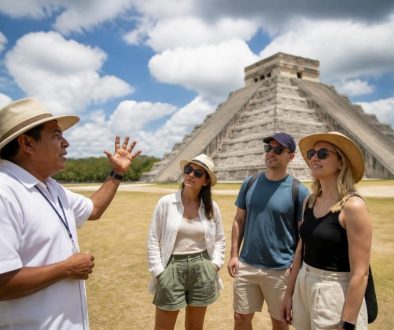
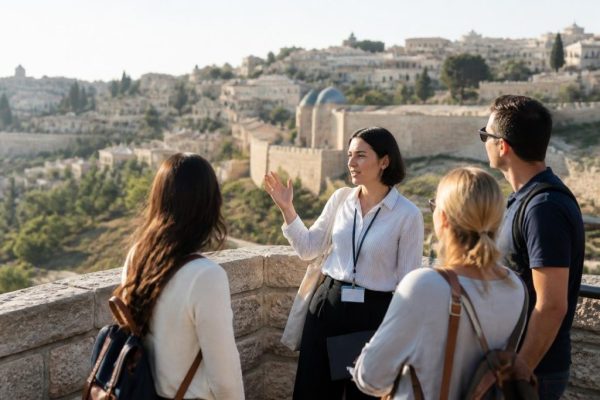
Travel tour groups have evolved dramatically over the past decade, shifting from standardized, large-scale operations to intimate, highly personalized experiences that cater to discerning travelers. Today's visitors seek more than just transportation and basic sightseeing. They want authentic connections, insider knowledge, and flexibility that transforms a simple vacation into a memorable journey. Understanding the landscape of group travel in 2026 reveals opportunities for enriching experiences, particularly when working with specialized providers who prioritize quality over quantity.
The Transformation of Travel Tour Groups
The group travel industry has witnessed remarkable changes in recent years. Group travel industry statistics demonstrate that travelers increasingly value customization and authentic local experiences over cookie-cutter itineraries. This shift reflects broader societal changes, including a desire for meaningful connections and experiences that extend beyond superficial tourism.
Modern travel tour groups now emphasize smaller participant numbers, allowing guides to provide more personalized attention and create deeper engagement with destinations. This approach contrasts sharply with traditional bus tours that prioritized efficiency over experience. The result is a more satisfying journey that balances structure with spontaneity.
What Defines Quality in Group Tours
Several factors distinguish exceptional travel tour groups from average offerings:
- Expert local guides who provide insider perspectives and cultural context
- Flexible itineraries that adapt to group interests and preferences
- Optimal group sizes that facilitate interaction without overwhelming destinations
- Authentic experiences that connect travelers with local culture
- Thoughtful pacing that allows for genuine exploration rather than rushed schedules
The best providers understand that successful group travel requires balancing individual preferences with collective experiences. This delicate equilibrium creates an environment where participants feel both supported and free to explore at their own pace.
Current Trends Reshaping Group Travel
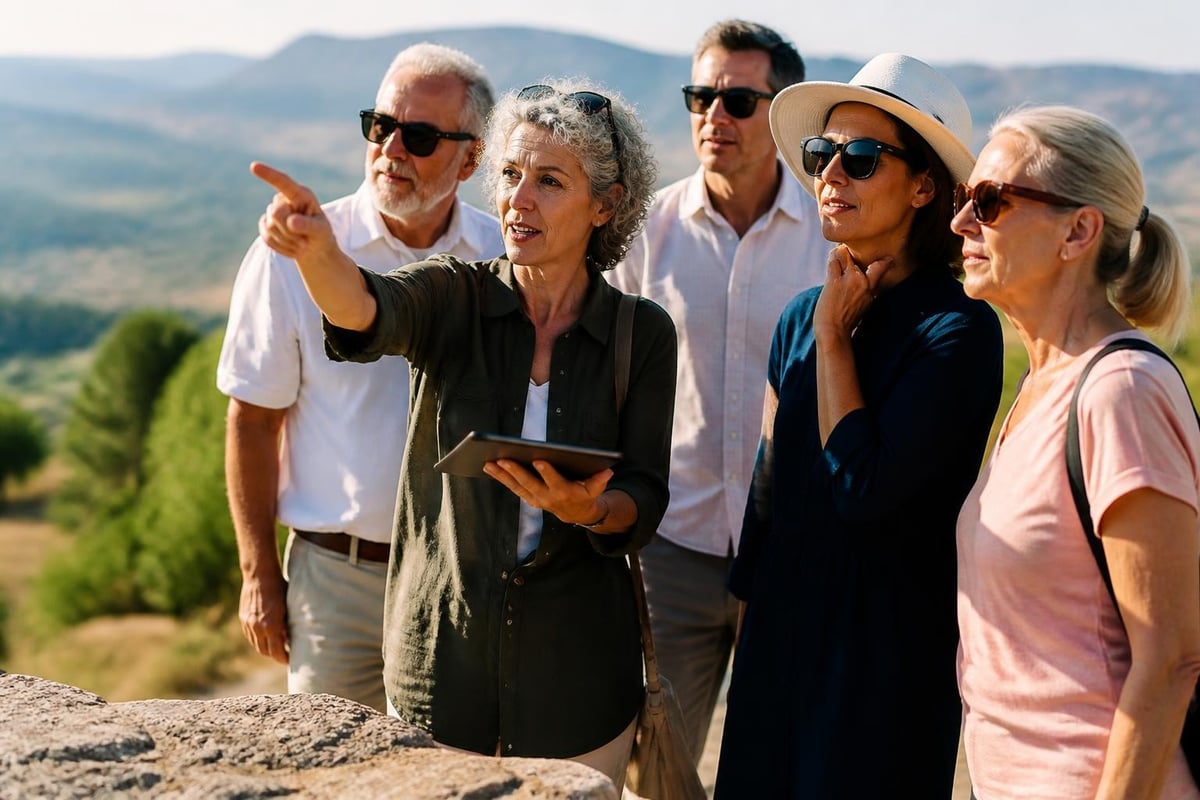
The landscape of travel tour groups continues to evolve rapidly. Multi-day group travel is on the rise, with travelers seeking immersive experiences that extend beyond single-day excursions. This trend reflects a deeper desire to truly understand destinations rather than simply checking them off a list.
The Rise of Specialized Experiences
One particularly noteworthy development involves the emergence of hyper-niche tours. Solo-only and hyper-niche group tours are gaining popularity, indicating that travelers want experiences aligned with specific interests. Whether focusing on literary landmarks, musical heritage, or culinary traditions, specialized tours attract participants who share common passions.
This specialization benefits travelers in multiple ways. First, it creates natural camaraderie among participants who already share interests. Second, it allows guides to develop deep expertise in specific subjects, enhancing the educational value of tours. Third, it enables providers to forge relationships with niche venues and contacts that wouldn't be accessible on general tours.
For example, literary-focused walking tour guides can trace the footsteps of famous authors, visiting locations that inspired beloved novels and providing context that general tours would overlook. Similarly, music-themed experiences like the ABBA journey in Stockholm create memorable connections between travelers and cultural icons.
| Tour Type | Primary Appeal | Ideal Group Size | Duration Preference |
|---|---|---|---|
| Cultural Heritage | Historical depth | 6-12 participants | Half to full day |
| Literary Themed | Niche interests | 4-8 participants | Half day |
| Culinary Focused | Authentic experiences | 8-15 participants | 3-4 hours |
| Musical Heritage | Shared passion | 10-20 participants | Full day or multi-day |
Benefits of Joining Travel Tour Groups
Participating in professionally organized group tours offers numerous advantages that independent travel cannot replicate. Understanding these benefits helps travelers make informed decisions about their exploration strategies.
Access and Expertise
Professional travel tour groups provide access to experiences and locations that would be difficult or impossible to arrange independently. Guides with established relationships can secure special access, avoid long queues, and navigate complex logistics seamlessly. This insider advantage transforms the quality of exploration significantly.
Additionally, knowledgeable guides offer context that enhances understanding and appreciation. A historic building becomes more meaningful when you understand the stories of the people who lived there. A neighborhood reveals its character when someone explains the cultural significance of its architecture and traditions.
Social Connection and Safety
Traveling with a group provides built-in companionship, which particularly appeals to solo travelers. The growth of small group travel reflects increasing recognition that shared experiences create lasting memories and friendships. Even introverted travelers often appreciate the social framework that groups provide.
Safety represents another significant advantage. Group settings offer security through numbers, particularly in unfamiliar destinations. Professional guides understand local conditions, can navigate unexpected situations, and provide support when challenges arise.
Time and Stress Reduction
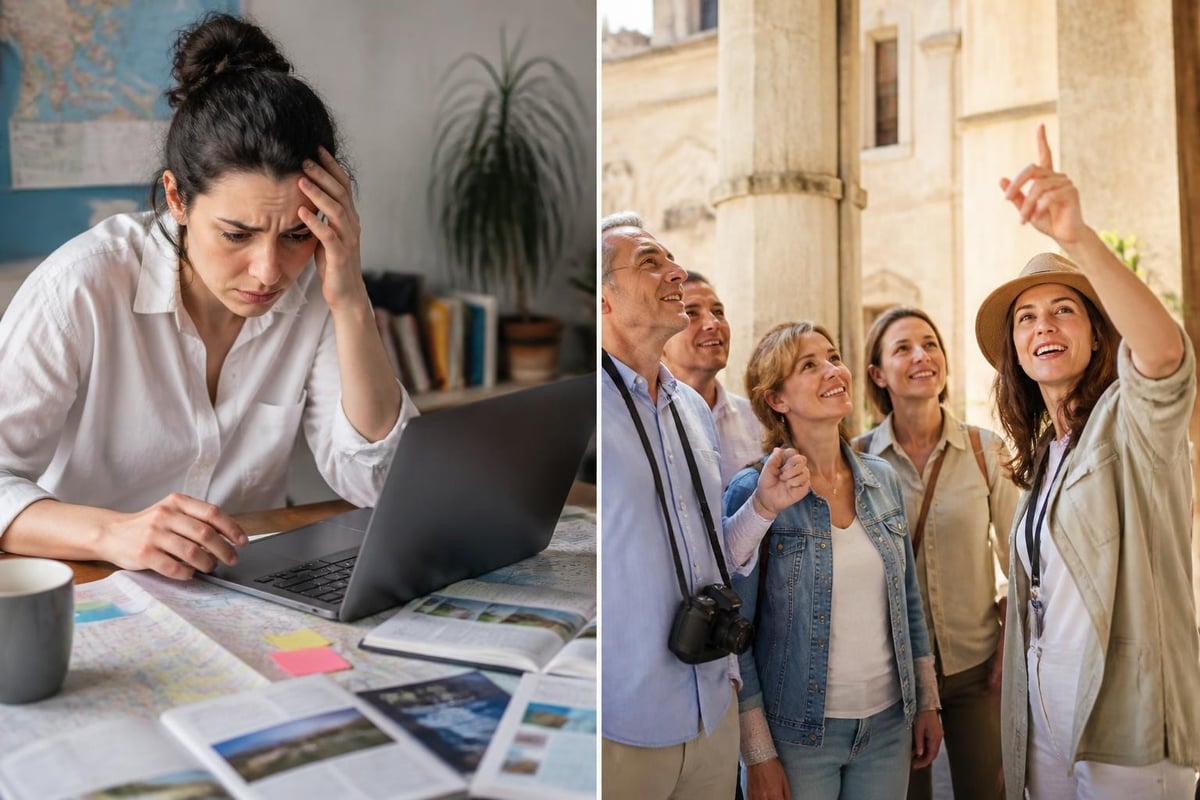
Planning comprehensive itineraries requires substantial time and research. Travel tour groups eliminate this burden by providing pre-arranged, optimized schedules. This convenience allows participants to focus on enjoyment rather than logistics.
Furthermore, groups benefit from collective bargaining power, often accessing better rates for admissions, meals, and transportation than individual travelers could negotiate. This economic efficiency, combined with time savings, makes organized tours attractive even to experienced travelers.
Choosing the Right Travel Tour Groups
Selecting an appropriate tour requires careful consideration of multiple factors. Not all travel tour groups deliver comparable experiences, and finding the right match significantly impacts satisfaction.
Evaluating Provider Quality
Research providers thoroughly before committing. Look for these indicators of quality:
- Clear communication about itineraries, inclusions, and expectations
- Transparent pricing without hidden fees or surprise charges
- Positive reviews from recent participants with specific details
- Professional credentials and experienced guides
- Responsive customer service that addresses questions promptly
Providers who specialize in specific destinations typically offer superior experiences compared to generalists. Stockholm tours from local experts, for instance, provide insights that generic tour operators cannot match. This specialized knowledge extends to understanding seasonal variations, local events, and hidden gems that casual visitors miss.
Understanding Group Dynamics
Group size profoundly influences the tour experience. Smaller groups facilitate interaction, allow for questions, and can access venues that cannot accommodate large crowds. They also enable guides to customize experiences based on participant interests.
Consider your personal preferences when evaluating group sizes:
- Intimate groups (4-8 people): Maximum personalization, easy conversation, flexible scheduling
- Small groups (8-15 people): Good balance of social interaction and individual attention
- Medium groups (15-25 people): More diverse perspectives, potentially lower per-person costs
- Large groups (25+ people): Limited customization, may feel impersonal
Many travelers find that group tours with fewer than twelve participants offer the optimal balance between social energy and personalized attention.
Matching Tours to Interests
The best travel tour groups align with your specific interests and travel style. Consider what aspects of a destination most appeal to you. Are you drawn to history, architecture, food, music, literature, or local culture? Seek providers who specialize in these areas.
For visitors interested in Scandinavian culture and history, specialized offerings like Stockholm old town walking tours provide focused exploration of medieval architecture, royal history, and urban development that general tours might only briefly mention.
Maximizing Your Group Tour Experience
Preparation and mindset significantly influence how much you gain from travel tour groups. These strategies help ensure rewarding experiences.
Pre-Tour Preparation
Research your destination before departure. Understanding basic geography, history, and cultural norms enriches your appreciation of what guides share. This foundation allows you to ask more informed questions and make meaningful connections with the material presented.
Communicate with your tour provider about special interests, dietary requirements, mobility considerations, or other relevant factors. Quality providers accommodate these needs when given advance notice, ensuring everyone enjoys the experience fully.
Active Engagement During Tours
Participate actively rather than passively observing. Ask questions, share observations, and engage with fellow travelers. Guides appreciate curious participants and often provide additional information to those showing genuine interest.
Take photographs thoughtfully rather than obsessively. While documenting memories holds value, constantly viewing experiences through a camera lens diminishes present-moment awareness. Balance capturing images with simply experiencing moments.
Extending the Experience
Quality travel tour groups often inspire continued exploration. Use tours as foundations for deeper investigation. If a guide mentions a particular author, artist, or historical event that intrigues you, pursue that interest through additional reading or visits.
Connect with fellow participants after tours conclude. Many lasting friendships begin through shared travel experiences. Exchange contact information and follow up with people whose company you enjoyed.
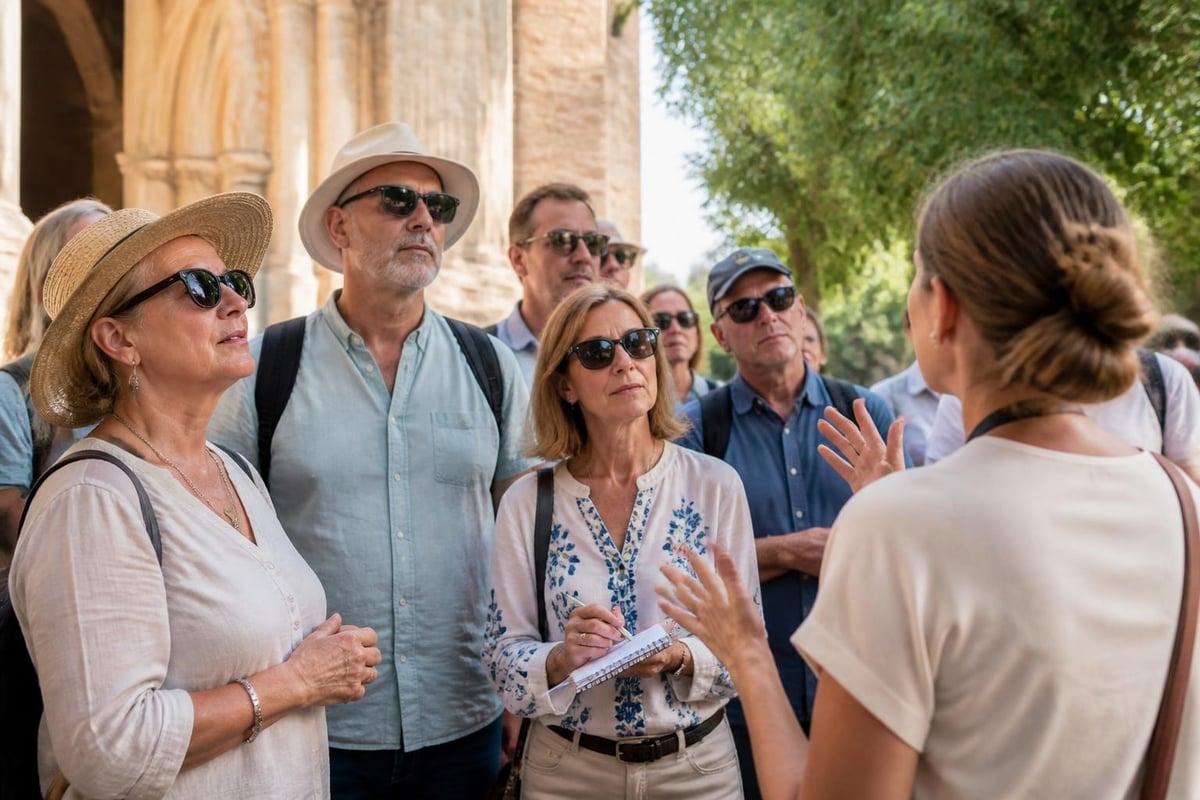
Special Considerations for Different Traveler Types
Various traveler demographics have unique needs when considering travel tour groups. Understanding these distinctions helps in selecting appropriate options.
Solo Travelers and Group Tours
Solo versus group travel considerations reveal that many independent travelers benefit from occasional group experiences. Tours provide structure and social interaction while maintaining overall trip independence. Many solo travelers appreciate the solo travellers group holidays option, which combines autonomous exploration with organized activities.
Solo participants should look for providers who facilitate natural social interaction without forcing it. The best groups create environments where connections develop organically through shared experiences and interests.
Families and Private Groups
Families and friend groups often benefit most from tailored tours that accommodate varying ages, interests, and mobility levels. Private group options allow for complete customization, ensuring that everyone from young children to grandparents finds the experience engaging.
When traveling with diverse age groups, seek providers who offer flexibility in pacing and activity intensity. The ability to modify itineraries based on real-time energy levels and interests proves invaluable for multigenerational travel.
Accessibility and Inclusion
Quality travel tour groups accommodate participants with varying physical abilities and special needs. When researching options, inquire specifically about accessibility features, rest opportunities, and alternative arrangements for those who cannot participate in certain activities.
Inclusive providers view accommodation not as a burden but as an opportunity to serve diverse audiences. They proactively design experiences that maximize participation while respecting individual limitations.
The Economic and Social Impact of Group Travel
Understanding the broader implications of travel tour groups provides perspective on their value beyond individual enjoyment. These experiences contribute to local economies, cultural preservation, and international understanding.
Supporting Local Communities
Well-designed travel tour groups channel tourism revenue directly to local communities. By partnering with local restaurants, artisans, and cultural institutions, quality providers ensure that tourism benefits residents rather than extracting value from destinations.
This economic impact extends beyond immediate spending. Sustainable tourism creates incentives for preserving cultural heritage, maintaining historical sites, and supporting traditional crafts. When communities see tangible benefits from tourism, they invest in preservation and authenticity.
Cultural Exchange and Understanding
Group travel facilitates meaningful cross-cultural interaction. Quality guides serve as cultural interpreters, helping visitors understand local perspectives and customs. This education reduces inadvertent offense and promotes respectful engagement.
Furthermore, well-managed tourism exposes local communities to diverse perspectives, fostering mutual understanding. When conducted thoughtfully, this exchange benefits both visitors and hosts, creating connections that transcend superficial encounters.
| Benefit Category | Individual Impact | Community Impact | Global Impact |
|---|---|---|---|
| Economic | Value for money | Job creation | Industry growth |
| Educational | Cultural learning | Heritage preservation | Cross-cultural understanding |
| Social | Meaningful connections | Pride in local culture | Global citizenship |
| Environmental | Sustainable practices | Conservation incentives | Responsible tourism models |
Future Directions for Travel Tour Groups
The evolution of group travel continues as technology, social trends, and environmental awareness shape traveler expectations. Anticipating these developments helps both providers and participants prepare for emerging opportunities.
Technology Integration
Digital tools increasingly enhance group tour experiences without diminishing their human elements. Apps provide supplementary information, virtual reality offers preview experiences, and real-time translation facilitates multilingual groups. However, the most successful integrations augment rather than replace the irreplaceable value of knowledgeable human guides.
Smart technology also enables more responsive customization. Providers can gather preferences digitally, adjust itineraries based on real-time conditions, and maintain communication throughout experiences, enhancing both convenience and satisfaction.
Sustainability and Responsible Tourism
Environmental consciousness increasingly influences travel decisions. Future travel tour groups will emphasize sustainability through:
- Carbon-neutral transportation options
- Support for conservation initiatives
- Education about environmental challenges
- Partnerships with eco-conscious local businesses
- Waste reduction and responsible resource use
Travelers increasingly seek providers who demonstrate genuine commitment to sustainability rather than superficial "greenwashing." This shift creates competitive advantage for companies that authentically prioritize environmental responsibility.
Hyper-Personalization
Advancing data analytics and AI enable unprecedented personalization within group contexts. Future tours might dynamically adjust to collective interests detected through real-time feedback, creating experiences that evolve organically based on participant engagement.
This technology-enabled personalization must balance automation with authenticity. The goal should be empowering guides to deliver more relevant experiences rather than replacing human judgment with algorithms.
Travel tour groups in 2026 offer sophisticated, personalized experiences that transform how we explore the world, combining expert guidance with authentic local connections. Whether you're seeking cultural tours through historic districts, literary adventures, or musical heritage experiences, the right group tour elevates your journey beyond what independent exploration can achieve. Adding:tours specializes in creating these meaningful connections through intimate group experiences in Stockholm, where native English-speaking guides share insider perspectives and craft personalized itineraries that transform sightseeing into genuine discovery.