Guided Tour Companies: Transforming Travel in 2026
Travelers seeking authentic experiences and local insights increasingly turn to guided tour companies to transform ordinary vacations into extraordinary journeys. The guided tour industry has evolved dramatically, shifting from large bus tours with generic itineraries to personalized, intimate experiences that prioritize quality over quantity. Modern guided tour companies now cater to discerning travelers who value expert knowledge, cultural immersion, and flexibility in their exploration of new destinations.
The Current State of the Guided Tour Industry
The guided tour industry is experiencing remarkable growth as we move through 2026. According to recent industry analysis, tour operators report strong sales increases and heightened traveler confidence despite global challenges. This optimism reflects a fundamental shift in how people approach travel planning.
Guided tour companies are adapting to meet sophisticated traveler expectations. Instead of offering one-size-fits-all experiences, successful operators now provide customizable itineraries that reflect individual interests and preferences. This transformation aligns perfectly with what today's travelers seek: authentic local experiences combined with professional expertise.
Demographic Shifts Reshaping Tour Preferences
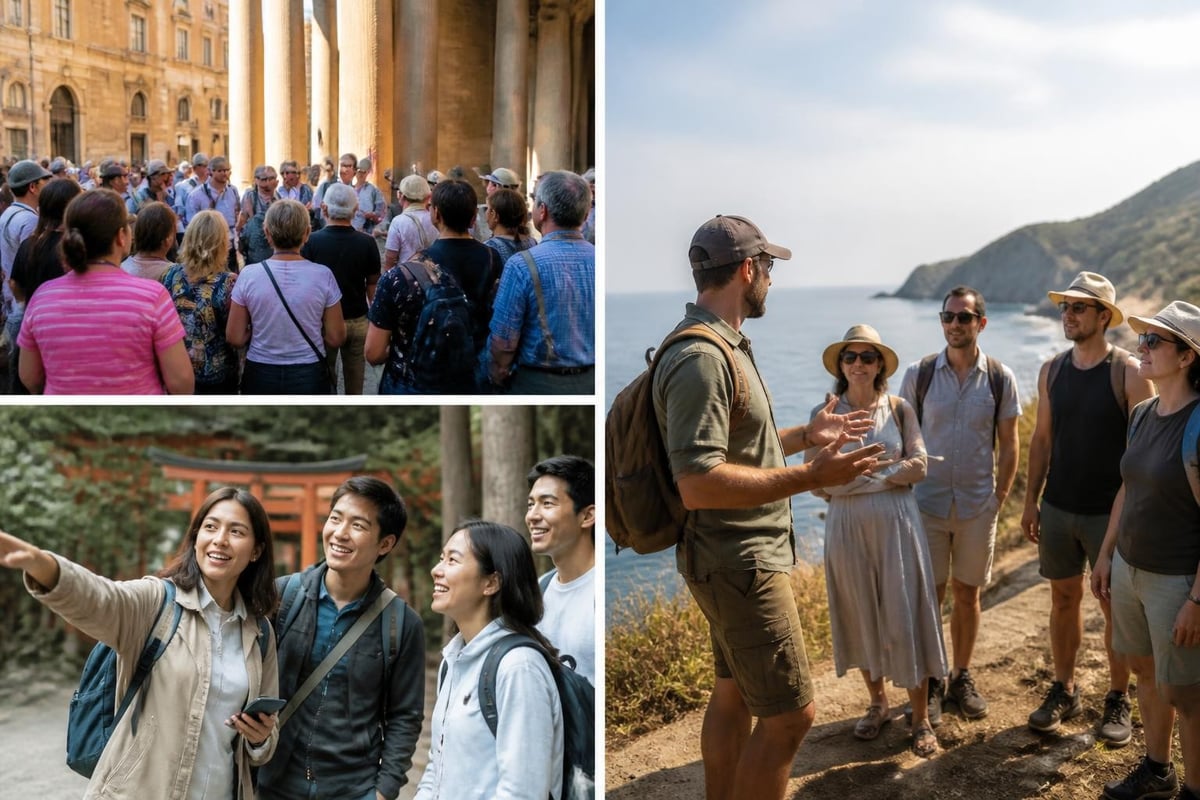
The customer base for guided tour companies has undergone significant transformation. While older travelers traditionally dominated the market, younger generations are now leading the guided tour renaissance. Gen Z and Millennials increasingly recognize the value that professional guides bring to their travel experiences.
Key demographic trends include:
- Millennial and Gen Z engagement: These travelers prioritize authentic experiences over tourist traps
- Multi-generational travel: Families seek private tours accommodating various age groups and interests
- Solo travelers: Independent explorers joining small groups for safety and social connection
- Corporate groups: Companies booking team-building experiences through group tours
- Special interest communities: Music lovers, literary enthusiasts, and history buffs seeking themed experiences
This demographic diversity requires guided tour companies to maintain flexible offerings. A company might lead a literature-focused walking tour one day and coordinate a musical journey the next, adapting to each group's unique passions.
What Sets Exceptional Guided Tour Companies Apart
Not all guided tour companies deliver equal value. Exceptional operators distinguish themselves through specific characteristics that elevate the traveler experience from ordinary to memorable. Understanding these differentiators helps travelers make informed choices when selecting tour partners.
Native Expertise and Local Knowledge
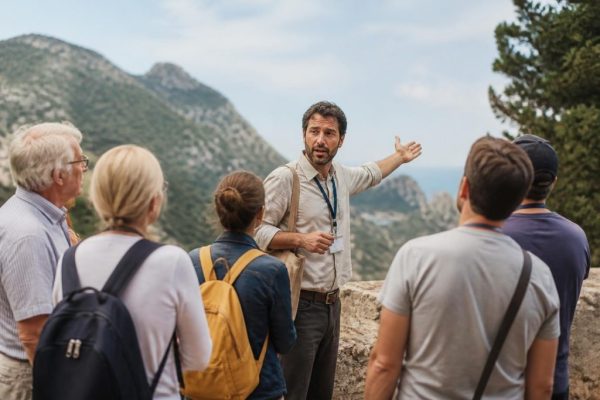
The most valuable asset any guided tour company possesses is authentic local knowledge. Native English-speaking guides who truly understand their city provide insights that no guidebook can replicate. They share hidden gems, explain cultural nuances, and adjust routes based on real-time local events.
When exploring Stockholm's narrow medieval alleys, for example, a knowledgeable guide transforms ancient cobblestones into storytelling platforms. They explain architectural evolution, share neighborhood legends, and connect historical events to contemporary city life. This depth of understanding creates educational experiences rather than simple sightseeing.
| Quality Factor | Standard Tour | Exceptional Tour |
|---|---|---|
| Group Size | 30-50 people | 8-12 people |
| Customization | Fixed itinerary | Flexible, personalized |
| Guide Expertise | Script-based knowledge | Deep local expertise |
| Pace | Rushed, schedule-driven | Comfortable, adaptive |
| Interaction | Limited Q&A | Ongoing conversation |
Personalization and Flexibility
Modern travelers expect experiences tailored to their specific interests. Guided tour companies that excel understand this fundamental expectation and build flexibility into their operational model. Rather than forcing every group through identical experiences, they customize each tour based on group composition, interests, and energy levels.
A family with young children requires different pacing than a group of history enthusiasts. Literary fans want different stops than architecture lovers. Professional tailored tours accommodate these variations without compromising quality or depth.
Specialized Tour Experiences Gaining Popularity
Guided tour companies increasingly offer specialized experiences that cater to specific interests rather than general sightseeing. These themed tours create deeper engagement by connecting travelers with their particular passions during exploration.
Literary and Cultural Tours
Literature-themed tours have gained substantial popularity among readers who want to experience the settings of beloved books firsthand. Walking through locations featured in famous novels transforms abstract reading experiences into tangible encounters with literary history.
Stockholm's connection to Stieg Larsson's Millennium series, for instance, attracts international visitors eager to explore "The Girl with the Dragon Tattoo" filming locations and story settings. These specialized tours combine literary analysis with urban exploration, satisfying both intellectual curiosity and adventure seeking.
Music and Entertainment Experiences
Music-focused tours create powerful emotional connections between travelers and destinations. Rather than simply visiting music museums, comprehensive experiences immerse participants in musical heritage through multiple touchpoints.
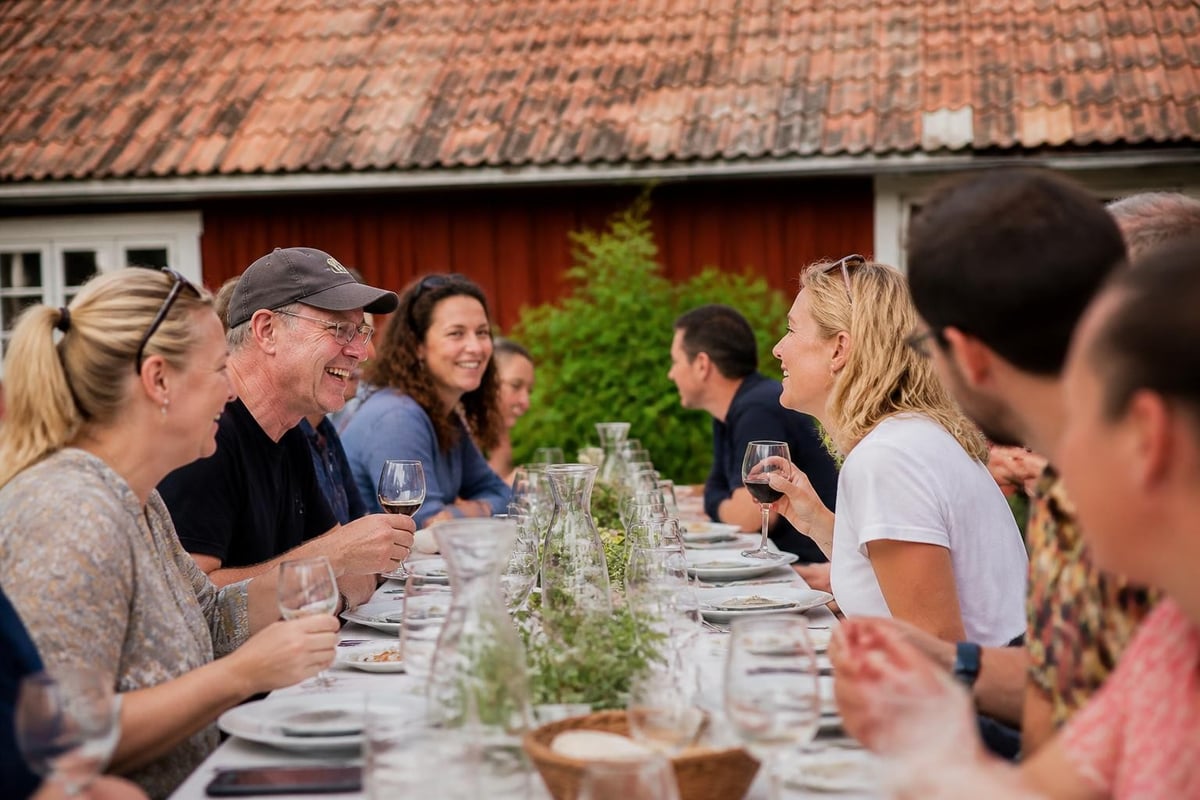
The ABBA journey represents this approach perfectly, combining historical context, location visits, shared meals, and social connection. Participants don't just learn about ABBA-they experience the band's cultural impact while making international friendships.
Historical Walking Tours
Walking tours remain fundamental offerings for guided tour companies, but modern approaches emphasize quality over quantity. Instead of rushing through dozens of sites, effective walking tours explore fewer locations with greater depth.
Stockholm's Old Town exemplifies this approach. Old Town walking tours focus on architectural details, historical context, and cultural evolution rather than simply photographing famous buildings. Guides explain how narrow medieval streets functioned, why buildings used specific construction techniques, and how neighborhoods evolved over centuries.
Key elements of successful walking tours include:
- Manageable distances: Routes designed for comfort rather than endurance
- Strategic rest points: Built-in stops that serve narrative purposes
- Interactive elements: Opportunities for questions and discussion
- Sensory engagement: Incorporating sounds, smells, and textures beyond visual sightseeing
- Photographic opportunities: Time for quality photography without rushing
The Business Model Behind Successful Tour Companies
Understanding how guided tour companies structure their operations provides insight into service quality and pricing. Sustainable tour businesses balance profitability with exceptional customer experiences, requiring careful attention to operational details.
Private Group Advantages
Many successful guided tour companies focus on private groups rather than assembling strangers into large tours. This model offers distinct advantages for both operators and travelers. Private groups receive personalized attention, flexible scheduling, and comfortable pacing that matches their specific preferences.
For tour operators, private group models create more predictable revenue, reduce coordination complexity, and allow guides to develop deeper rapport with participants. The intimate setting encourages questions, conversation, and genuine cultural exchange rather than one-directional information delivery.
Pricing Strategies and Value Proposition
Guided tour companies must communicate value clearly in competitive markets. While budget travelers might initially balk at premium pricing, understanding what distinguishes quality experiences justifies the investment. Professional guides, limited group sizes, exclusive access, and personalized service all contribute to pricing structures.
Transparent pricing builds trust with potential customers. Clearly explaining what's included-guide expertise, entrance fees, meals, transportation-helps travelers understand the complete value package rather than comparing only base prices.
Technology Integration in Modern Tour Operations
Contemporary guided tour companies leverage technology to enhance rather than replace human expertise. Digital tools streamline administrative tasks, improve communication, and provide supplementary information while preserving the irreplaceable value of personal interaction.
Booking and Communication Systems
Efficient online booking systems make tour reservation simple and transparent. Modern platforms allow customers to view availability, select dates, specify group size, and communicate special requirements without phone calls or email chains. This convenience serves increasingly digital-savvy travelers who expect seamless online transactions.
Post-booking communication maintains engagement and builds anticipation. Automated but personalized pre-tour emails provide preparation guidance, meeting location details, and local tips that enhance the overall experience.
Digital Enhancement of Physical Tours
Some guided tour companies incorporate digital elements into their physical tours without allowing technology to dominate the experience. Audio supplements, digital maps, and photographic sharing platforms can complement guide narration when used judiciously.
The key is maintaining human connection as the primary focus. Technology should enhance understanding or convenience without creating distraction from immediate surroundings and guide expertise.
Building Trust Through Transparency and Reviews
Reputation management has become crucial for guided tour companies in an era of instant online feedback. Travelers extensively research options before booking, reading reviews, examining photos, and comparing offerings across multiple platforms.
The Power of Authentic Reviews
Genuine customer feedback provides social proof that marketing materials cannot match. Prospective travelers trust peer experiences more than company claims, making review cultivation essential for business growth. Encouraging satisfied customers to share experiences on platforms like Google, TripAdvisor, and specialized travel sites builds credibility.
Smart guided tour companies respond to all reviews-positive and negative-demonstrating commitment to customer satisfaction and continuous improvement. Professional, thoughtful responses to criticism often impress potential customers more than exclusively positive feedback.
Setting Accurate Expectations
Transparency about what tours include, physical requirements, and typical group composition prevents disappointment and negative reviews. Clear communication helps travelers self-select appropriate experiences rather than booking unsuitable tours that generate dissatisfaction.
Detailed tour descriptions should specify:
- Physical difficulty level: Walking distance, terrain type, accessibility considerations
- Duration and pacing: Actual time requirements including breaks
- Group size ranges: Minimum and maximum participants
- Weather contingencies: How tours adapt to conditions
- Cancellation policies: Clear refund and rescheduling terms
Training and Development for Tour Guides
The guide makes or breaks any tour experience. Guided tour companies that invest in comprehensive guide training, ongoing development, and quality control distinguish themselves through consistently excellent delivery. Guide expertise extends beyond memorized facts to include interpersonal skills, adaptability, and genuine passion for their subject matter.
Essential Guide Competencies
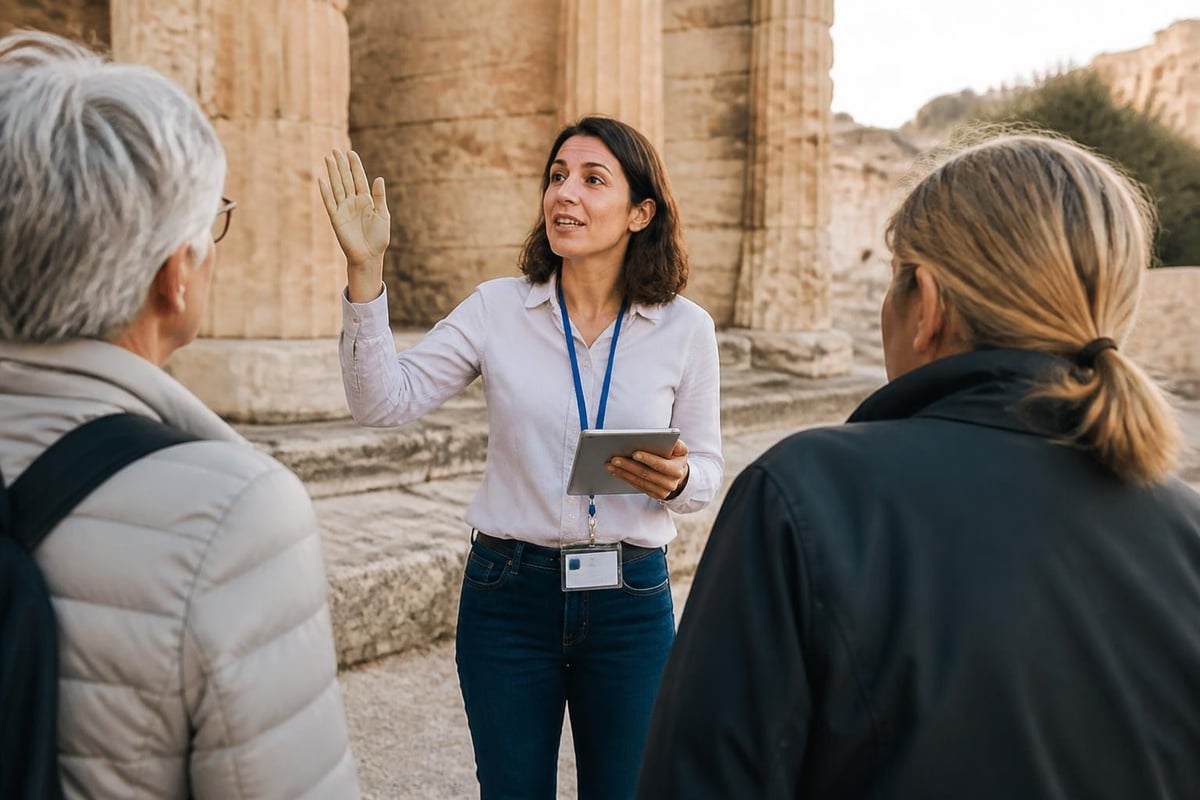
Exceptional tour guides combine multiple skill sets that transform information delivery into memorable experiences. Knowledge forms the foundation, but communication ability, cultural sensitivity, and situational awareness separate adequate guides from outstanding ones.
Critical guide capabilities include:
- Deep subject knowledge: Comprehensive understanding beyond surface facts
- Storytelling ability: Transforming information into engaging narratives
- Group management: Reading group dynamics and adjusting accordingly
- Cultural sensitivity: Respecting diverse backgrounds and perspectives
- Problem-solving: Handling unexpected situations professionally
- Language proficiency: Clear communication in native accent-free English
Continuous Improvement Programs
The best guided tour companies maintain ongoing training programs rather than one-time guide preparation. Regular skill development sessions, knowledge updates, and performance feedback ensure guides continue evolving their craft. Experienced guides mentor newcomers, sharing techniques and insights that only develop through practical experience.
Quality control mechanisms like periodic guide evaluations, customer feedback review, and mystery shopping help maintain consistent standards across all tours. This systematic approach to guide development protects brand reputation and ensures every customer receives excellent service.
Seasonal Considerations and Year-Round Operations
Guided tour companies in seasonal destinations face unique challenges maintaining operations throughout the year. Stockholm's dramatic seasonal variations, for example, require creative programming that leverages each season's distinctive characteristics rather than viewing off-peak periods as obstacles.
Adapting Tours to Seasonal Conditions
Winter tours emphasize cozy indoor venues, historical museums, and cultural institutions while incorporating shorter outdoor segments highlighting winter beauty. Summer programming takes full advantage of long daylight hours, outdoor attractions, and pleasant weather for extended walking experiences.
Seasonal adaptations demonstrate guide expertise and local knowledge. Explaining how the Royal Palace guard ceremony changes with seasons, which cafés offer best shelter during rain, or where to find optimal Christmas market experiences shows genuine local understanding that travelers value highly.
Safety and Risk Management
Professional guided tour companies prioritize participant safety while maintaining engaging experiences. Comprehensive risk assessment, emergency protocols, and insurance coverage protect both customers and business operations. Safety consciousness doesn't mean eliminating adventure-it means managing risks intelligently.
Guides trained in first aid, familiar with local medical facilities, and equipped with emergency contact protocols provide reassurance to travelers, particularly families with children or older participants. Clear communication about safety expectations and procedures builds trust without creating anxiety.
Sustainability and Responsible Tourism
Modern travelers increasingly evaluate guided tour companies based on environmental and cultural responsibility. Sustainable tourism practices protect destinations for future visitors while respecting local communities and ecosystems. Companies demonstrating genuine commitment to responsible tourism attract values-aligned customers willing to pay premium prices.
Sustainable practices include:
- Supporting local businesses: Partnering with local restaurants, artisans, and suppliers
- Respecting cultural sites: Following preservation guidelines and capacity limits
- Minimizing environmental impact: Using public transportation, avoiding single-use plastics
- Educating travelers: Explaining cultural norms and environmental sensitivities
- Contributing to communities: Giving back to destinations through various initiatives
According to current industry statistics, sustainability considerations increasingly influence traveler decisions, with many willing to pay more for environmentally responsible options.
Marketing Strategies for Tour Companies
Successful guided tour companies employ multi-channel marketing strategies that reach target audiences through preferred platforms. Digital marketing dominates contemporary approaches, but word-of-mouth referrals from satisfied customers remain the most valuable lead source.
Content Marketing and SEO
Educational content that provides genuine value attracts potential customers while establishing expertise. Blog posts about destination highlights, travel preparation tips, and cultural insights demonstrate knowledge while improving search engine visibility. Strategic keyword usage helps travelers find relevant content when researching destinations.
High-quality visual content-professional photographs and videos-showcases experience quality more effectively than text alone. Authentic imagery featuring real tours with genuine participants builds credibility better than stock photography.
Social Media Engagement
Active social media presence keeps guided tour companies visible and accessible. Platforms like Instagram excel at visual storytelling, while Facebook groups build community around shared interests. Regular posting maintains engagement without overwhelming followers.
User-generated content from tour participants provides authentic marketing materials while encouraging sharing and tagging. Featuring customer photos and testimonials creates social proof while celebrating participant experiences.
The Future of Guided Tourism
The guided tour industry continues evolving in response to changing traveler expectations, technological capabilities, and global trends. Several emerging patterns will likely shape how guided tour companies operate in coming years.
Virtual reality and augmented reality technologies may supplement physical tours, allowing guides to show historical recreations or provide additional context through digital overlays. However, these technologies will enhance rather than replace human expertise and physical presence.
Hyper-personalization will likely intensify as data analytics enable more precise matching between traveler preferences and tour offerings. Guided tour companies might develop more granular specialty tours serving increasingly specific interest communities.
The ongoing popularity of guided tours among younger travelers suggests strong market growth potential. As these demographics age and gain purchasing power, demand for quality guided experiences should continue expanding.
Guided tour companies that prioritize personalization, local expertise, and authentic experiences will continue thriving as travelers seek meaningful connections with destinations. Whether you're planning a literary adventure through Stockholm's streets, an ABBA musical journey, or an intimate exploration of medieval architecture, Adding:tours offers the insider knowledge and tailored experiences that transform ordinary sightseeing into extraordinary memories designed specifically for your private group.