Tours in English: Your Complete Guide to Global Exploration
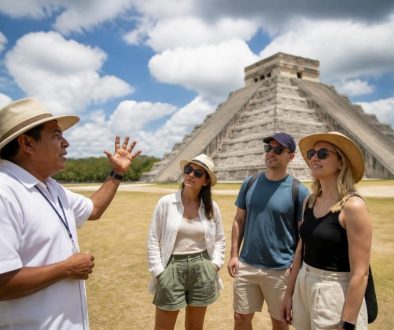
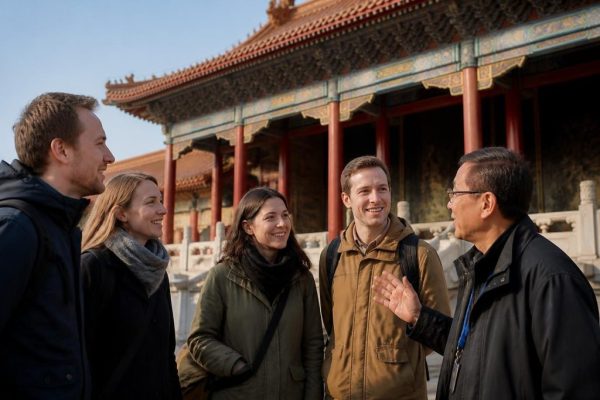
Traveling to a foreign destination opens countless opportunities for discovery, but language barriers can sometimes limit the depth of your experience. Tours in English have become essential for international travelers seeking to fully understand and appreciate the destinations they visit. Whether you're exploring historic European cities, Asian cultural sites, or Nordic capitals, having a knowledgeable guide communicate in English transforms a simple sightseeing trip into an enriching educational journey. The demand for English-language tours continues to grow as English remains the primary language of international communication, connecting travelers from diverse backgrounds through shared understanding.
Understanding the Value of English-Language Tours
The importance of tours in English extends far beyond simple translation. When guides deliver information in English, they create accessible experiences for travelers from numerous countries who use English as either their first or second language. This linguistic choice eliminates confusion and ensures every participant fully grasps historical context, cultural significance, and local stories that make destinations memorable.
English-speaking guides bring specialized training that combines language fluency with deep destination knowledge. They understand how to convey complex historical narratives, cultural nuances, and architectural details in ways that resonate with international audiences. This expertise proves invaluable when exploring cities like Stockholm, where centuries of history intertwine with modern Scandinavian culture.
Benefits for International Travelers
- Universal accessibility for English speakers worldwide
- Clear communication of safety information and meeting points
- Cultural context explained in familiar language
- Question opportunities without translation delays
- Enhanced learning through detailed explanations
The practical advantages become immediately apparent when navigating unfamiliar cities. Tours in English ensure participants understand timing, location changes, and important details without miscommunication risks that can arise with multilingual groups or language barriers.
Types of Tours Available in English
The variety of tours in English available today reflects diverse traveler interests and preferences. From traditional walking tours through historic districts to specialized thematic experiences, English-language options cater to virtually every curiosity and passion.
| Tour Type | Duration | Best For | Key Features |
|---|---|---|---|
| Walking Tours | 2-4 hours | History enthusiasts | Intimate exploration, detailed narratives |
| Private Group Tours | Flexible | Families, friends | Customized pace, personalized attention |
| Thematic Tours | 3-6 hours | Special interests | Focused subjects, expert guides |
| Literary Tours | Half-day | Book lovers | Author locations, fictional settings |
| Cultural Experiences | Full-day | Deep learning | Multiple sites, comprehensive understanding |
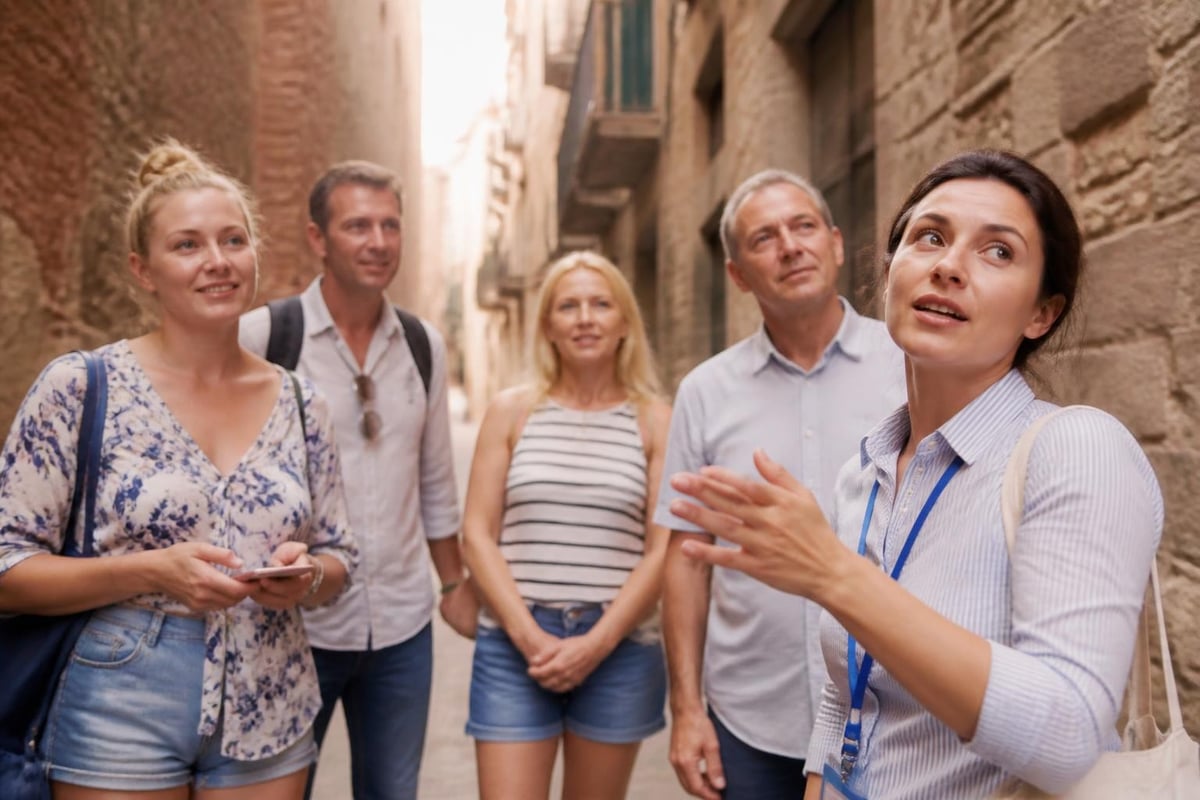
Walking tours represent the foundation of English walking tours, offering intimate exploration of historic neighborhoods where guides share detailed stories impossible to capture in larger bus groups. These experiences typically maintain smaller group sizes, enabling participants to ask questions and engage deeply with presented material.
Specialized Thematic Experiences
Modern travelers increasingly seek tours in English that align with specific interests rather than generic sightseeing. Literary tours following famous authors' footsteps, music-themed journeys exploring artistic legacies, and culinary adventures highlighting local cuisine all demonstrate this evolution. The ABBA journey in Stockholm exemplifies specialized experiences that combine cultural education with entertainment, appealing to music enthusiasts worldwide.
Royal traditions and ceremonial events attract particular interest in European capitals. Witnessing the changing of the guard at royal palaces becomes significantly more meaningful when guides explain the historical significance, military traditions, and symbolic elements in English. These explanations transform what might otherwise be mere observation into genuine cultural understanding.
Planning Your English-Language Tour Experience
Successful tour experiences begin with thoughtful planning and clear communication of expectations. Understanding what makes tours in English effective helps travelers select experiences matching their interests, physical capabilities, and learning preferences.
Essential Planning Considerations
Group composition significantly impacts tour dynamics. Private group tours offer advantages for families, friends, or colleagues traveling together, allowing guides to tailor content and pacing to specific interests. Mixed international groups provide opportunities to meet fellow travelers while sharing common language understanding.
Seasonal timing affects both availability and experience quality. European cities like Stockholm offer distinct seasonal advantages, from summer's extended daylight enabling longer exploration to winter's festive atmospheres creating magical settings. Tours in English operate year-round in major destinations, though scheduling may vary seasonally.
Physical requirements vary considerably across tour types. Walking tours through historic districts often involve cobblestone streets, stairs, and several hours on foot. Understanding physical demands beforehand ensures comfortable, enjoyable experiences for all participants.
- Research tour company reputation and guide qualifications
- Clarify group size limits and composition
- Confirm inclusion details like meals or entrance fees
- Understand cancellation policies and weather alternatives
- Communicate special needs or accessibility requirements
The booking process itself provides insight into tour quality. Professional operators offer clear communication, detailed itineraries, and responsive customer service, all conducted efficiently in English for international clients.

What to Expect from Professional English-Speaking Guides
The quality of tours in English depends heavily on guide expertise and communication skills. Professional guides combine language fluency with comprehensive destination knowledge, storytelling ability, and interpersonal skills that make hours of exploration engaging rather than exhausting.
Native English-speaking guides offer particular advantages in nuance and cultural reference. They naturally incorporate idioms, historical comparisons, and contextual examples that resonate with English-speaking audiences. This native fluency enables them to field complex questions and facilitate discussions that enrich the group experience.
Guide Qualifications and Expertise
- Formal certification in tour guiding and destination history
- Language proficiency at native or near-native levels
- Specialized knowledge in thematic areas like literature, music, or architecture
- Customer service skills for managing diverse group dynamics
- Safety training for emergency situations and participant welfare
Experienced guides develop storytelling techniques that transform historical facts into memorable narratives. Rather than reciting dates and names, they weave stories connecting past events to present realities, helping participants understand how history shaped contemporary culture. This approach particularly enhances Stockholm walking tours through medieval Old Town, where narrow alleys and centuries-old buildings come alive through skilled narration.
The interactive element distinguishes professional guides from audio tours or guidebooks. Participants can ask questions, request clarifications, and explore tangents based on individual curiosity. This flexibility proves especially valuable when touring complex sites where different aspects interest different people.
Maximizing Your Tour Experience
Getting the most from tours in English requires active participation and strategic preparation. Travelers who research destinations beforehand, prepare thoughtful questions, and engage authentically with guides typically report significantly more satisfying experiences than passive observers.
Pre-tour research provides foundational knowledge that guides can build upon. Reading brief destination histories, understanding major cultural movements, or familiarizing yourself with key figures mentioned in tour descriptions enables deeper appreciation of guide commentary. This preparation transforms tours from basic introductions into sophisticated explorations.
During the Tour
Engagement strategies enhance learning and enjoyment throughout the experience. Position yourself within comfortable hearing distance of the guide, minimizing distractions from traffic or other tour groups. Taking brief notes captures details for later reflection without becoming so absorbed in writing that you miss the experience itself.
Photography presents both opportunities and challenges. While capturing memories proves valuable, constant photography can disconnect you from present-moment experiences. Strategic photo-taking at designated stops balances documentation with immersive participation.
| Engagement Strategy | Benefit | Implementation Tip |
|---|---|---|
| Ask questions | Personalized information | Wait for appropriate pauses |
| Share relevant knowledge | Enriched group discussion | Keep contributions brief |
| Connect with fellow travelers | Expanded perspectives | Chat during walking transitions |
| Focus on stories | Better retention | Listen for narrative threads |
| Request recommendations | Extended exploration | Ask about nearby sites |
The conclusion of tours in English presents opportunities for deeper engagement. Many guides welcome follow-up questions, recommend additional sites aligned with expressed interests, or suggest local restaurants and experiences off typical tourist paths. These insider tips often prove as valuable as the tour content itself.
Specialized Tours for Unique Interests
Beyond general sightseeing, tours in English increasingly cater to niche interests that attract passionate enthusiasts. These specialized experiences demonstrate how English-language accessibility opens doors to global communities united by shared passions rather than geographic proximity.
Literary and Cultural Deep Dives
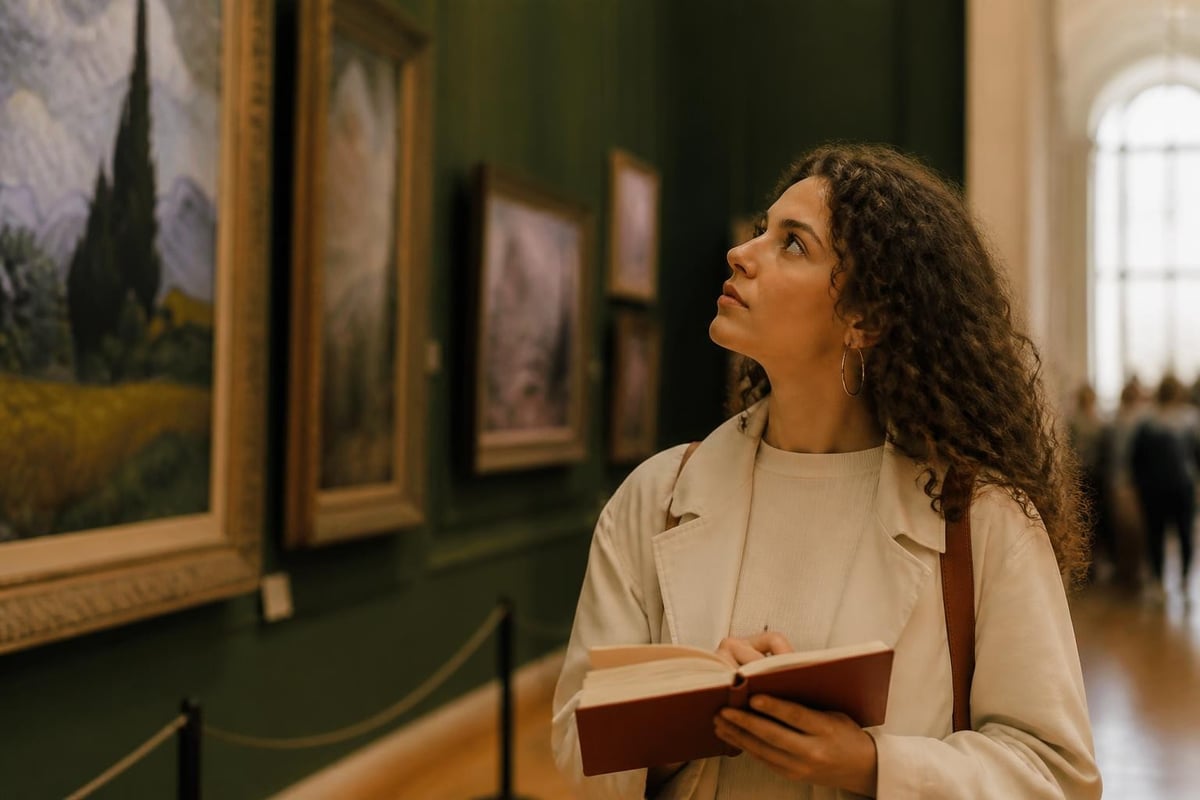
Literary tours following famous authors through cities they immortalized in fiction create powerful connections between readers and settings. Walking the same streets as beloved characters, visiting cafes where authors wrote, and understanding how real locations inspired fictional scenes enriches literary appreciation immeasurably. These tours in English unite international readers through shared love of specific works, creating communities that transcend national boundaries.
Music-themed tours similarly connect enthusiasts across cultures. Exploring the origins of musical movements, visiting performance venues that launched careers, and understanding cultural contexts that shaped artistic expression provide depth impossible to achieve through recordings alone. Sweden's contribution to global pop music makes Stockholm particularly rich for music-focused exploration.
Customization and Personalization
The trend toward tailored tours reflects growing demand for personalized experiences over one-size-fits-all sightseeing. Private groups increasingly request custom itineraries combining classic highlights with specific interest areas, whether architecture, culinary traditions, design movements, or royal history.
Effective customization requires clear communication between travelers and tour operators. Discussing interests, physical limitations, time constraints, and priority sites during booking ensures guides prepare appropriately. This collaborative planning process, conducted entirely in English for international clients, produces experiences precisely matching traveler expectations.
Small group tours offer middle ground between fully private experiences and large commercial groups. These intimate gatherings maintain flexibility while distributing costs across participants, making professional English-speaking guides accessible to solo travelers and couples.
Practical Considerations for Tour Participants
Successfully navigating tours in English involves understanding practical logistics beyond tour content itself. From weather preparation to tipping customs, these details significantly impact overall satisfaction.
Weather appropriateness proves crucial, particularly in Nordic climates where conditions change rapidly. Layered clothing, waterproof outer garments, and comfortable walking shoes enable enjoyment regardless of weather surprises. Professional tour operators provide weather guidance, but ultimate preparation remains participant responsibility.
Punctuality expectations vary across cultures but universally apply to group tours. Arriving at meeting points several minutes early ensures tours depart on schedule, respecting all participants' time. Late arrivals disrupt group dynamics and may miss important orientation information.
Financial Considerations
- Tour pricing typically includes guide services and planned activities
- Museum or attraction entrance fees may be separate
- Meals are sometimes included, sometimes optional
- Tipping conventions vary by country and tour type
- Group bookings often receive discounted rates
Understanding what your tour price includes prevents awkward situations and budget surprises. Professional tour guides appreciate when participants inquire about inclusions during booking rather than assuming coverage details.
Payment methods and currency considerations also matter for international travelers. Confirming accepted payment types and whether pricing reflects local currency or another standard prevents confusion and ensures smooth transactions.
The Social Dimension of Group Tours
Tours in English create unique social environments where international travelers connect through shared language and interests. These connections often prove as memorable as destinations themselves, fostering friendships that extend beyond single-day experiences.
The shared language foundation enables genuine conversation rather than superficial interaction. Participants from Australia, Canada, the United Kingdom, the United States, and English-speaking regions worldwide discover common ground through travel stories, destination impressions, and cultural observations. These exchanges enrich understanding of how different English-speaking cultures perceive the same experiences.
Building International Connections
Small group dynamics encourage relationship building impossible in large bus tours. Walking together through historic neighborhoods, sharing meals, or experiencing cultural performances creates natural bonding opportunities. Many travelers specifically choose group tours over private experiences precisely for these social dimensions.
Solo travelers particularly benefit from the built-in community that tours in English provide. Rather than exploring alone, they join fellow adventurers in shared discovery, often forming travel partnerships that extend to additional destinations or future trips. The common language eliminates primary barriers to connection, while shared interests provide natural conversation foundations.
Tour guides often facilitate these connections through group activities, shared challenges, or collaborative problem-solving. Skilled guides recognize when to encourage interaction and when to allow quiet contemplation, balancing social and personal needs throughout experiences.
Selecting the Right Tour Operator
The explosion of tourism options makes operator selection both easier and more challenging. While numerous providers offer tours in English, quality varies significantly based on guide training, group size philosophy, customer service standards, and operational professionalism.
Research starting points include online reviews, tourism board recommendations, and traveler forums where recent participants share detailed experiences. Look for consistent praise regarding guide knowledge, punctuality, group management, and value delivery. Occasional negative reviews appear even for excellent operators, but patterns of similar complaints warrant attention.
Evaluation Criteria
- Company longevity suggesting established operations and reputation
- Transparent pricing without hidden fees or unclear inclusions
- Responsive communication during inquiry and booking processes
- Clear cancellation policies protecting both parties fairly
- Insurance and licensing demonstrating professional standards
Direct communication with tour operators reveals much about service quality. Companies that respond promptly, answer questions thoroughly, and demonstrate genuine interest in matching travelers with appropriate experiences typically deliver superior actual tours. This pre-booking interaction, conducted in English for international clients, sets expectations for overall professionalism.
The About Us and What We Do sections of tour operator websites provide insight into company philosophy, experience levels, and specialization areas. Operators who clearly articulate their approach and values help travelers determine fit before committing.
Enhancing Cultural Understanding Through Language
Tours in English serve purposes beyond convenient communication. They function as cultural bridges, translating not just words but concepts, traditions, and perspectives across cultural boundaries. This translation work enables genuine understanding rather than superficial tourism.
Guides skilled in cultural translation recognize when direct translation proves insufficient. They provide context explaining why certain traditions exist, how historical events shaped contemporary attitudes, or what cultural values underlie behaviors that might seem unusual to outsiders. This explanatory work transforms potentially confusing observations into enlightening cultural lessons.
The educational dimension distinguishes quality tours from simple sightseeing. Rather than merely showing participants what exists, excellent guides explain why it matters, how it connects to broader patterns, and what it reveals about human experience. These deeper explorations prove possible only through sophisticated language use that English fluency enables.
Beyond Surface-Level Tourism
Authentic engagement with destinations requires understanding beyond landmark identification. When guides share personal stories, local perspectives, and contemporary challenges alongside historical facts, they invite participants into genuine relationship with places rather than mere consumption of sights. This authentic approach creates lasting impact extending well beyond vacation memories.
Critical thinking about cultural differences, historical legacies, and contemporary realities becomes possible when guides facilitate reflection rather than just information delivery. The best tours in English encourage participants to question assumptions, consider multiple perspectives, and recognize complexity rather than accepting simplified narratives.
Future Trends in English-Language Tours
The touring industry continues evolving in response to traveler preferences, technological capabilities, and global connectivity. Understanding emerging trends helps travelers anticipate future possibilities while appreciating current offerings.
Technology integration enhances rather than replaces human guides. Apps providing supplementary information, virtual reality previews, and audio enhancement systems improve accessibility without eliminating the irreplaceable value of knowledgeable guides who respond to questions and adapt to group dynamics in real-time.
Sustainability focus increasingly influences tour design and operation. Walking tours naturally align with environmental consciousness, minimizing carbon footprints while maximizing intimate destination engagement. Responsible operators emphasize local business support, cultural respect, and environmental awareness within their tours in English.
Evolving Traveler Expectations
- Deeper cultural immersion over superficial sightseeing
- Smaller groups for personalized attention
- Flexible customization matching specific interests
- Authentic local perspectives rather than generic narratives
- Value measured by experience quality, not just price
The shift toward experiential travel over checkbox tourism reshapes what tours in English offer. Modern travelers increasingly seek transformative experiences that change perspectives and create genuine understanding rather than mere entertainment or photo opportunities.
Demographic changes also influence touring evolution. Younger travelers bring different expectations regarding technology integration, social media shareability, and authentic engagement. Meanwhile, growing numbers of active retirees seek intellectually stimulating tours matching their education levels and life experience.
The right tours in English transform international travel from observation into genuine cultural engagement, creating memories and understanding that last far beyond vacation durations. Whether you're exploring literary landmarks, following musical legacies, or discovering historic neighborhoods, English-language guidance ensures you fully appreciate every moment. Adding:tours specializes in creating personalized English-guided experiences throughout Stockholm, from intimate walking tours through medieval Old Town to unique thematic adventures celebrating ABBA's legacy, all designed for private groups seeking authentic local perspectives and unforgettable discovery.