Guide Trip Planning: How to Choose the Perfect Tour
Planning a memorable travel experience requires more than booking flights and hotels. A well-crafted guide trip transforms ordinary sightseeing into an immersive journey that reveals the soul of a destination. Whether you're exploring historic capitals, following literary legends, or diving into musical heritage, the right guided experience connects you with authentic stories and hidden perspectives that independent travel often misses. Understanding what distinguishes an exceptional guide trip from a standard tour helps you invest your time and resources wisely.
What Defines an Exceptional Guide Trip
A guide trip differs fundamentally from self-guided exploration or large group tours. The essence lies in curated expertise delivered through personalized attention. While anyone can follow a map or join a crowd shuffling through landmarks, a quality guided experience offers interpretation, context, and access that transforms how you understand a place.
Personalization Over Generic Itineraries
The most valuable aspect of any guide trip is customization. Cookie-cutter schedules that rush through predetermined stops fail to accommodate varying interests, physical abilities, or curiosity levels. Professional tour operators now recognize that traveler behavior has shifted toward personalized experiences, with visitors expecting tours tailored to their specific preferences.
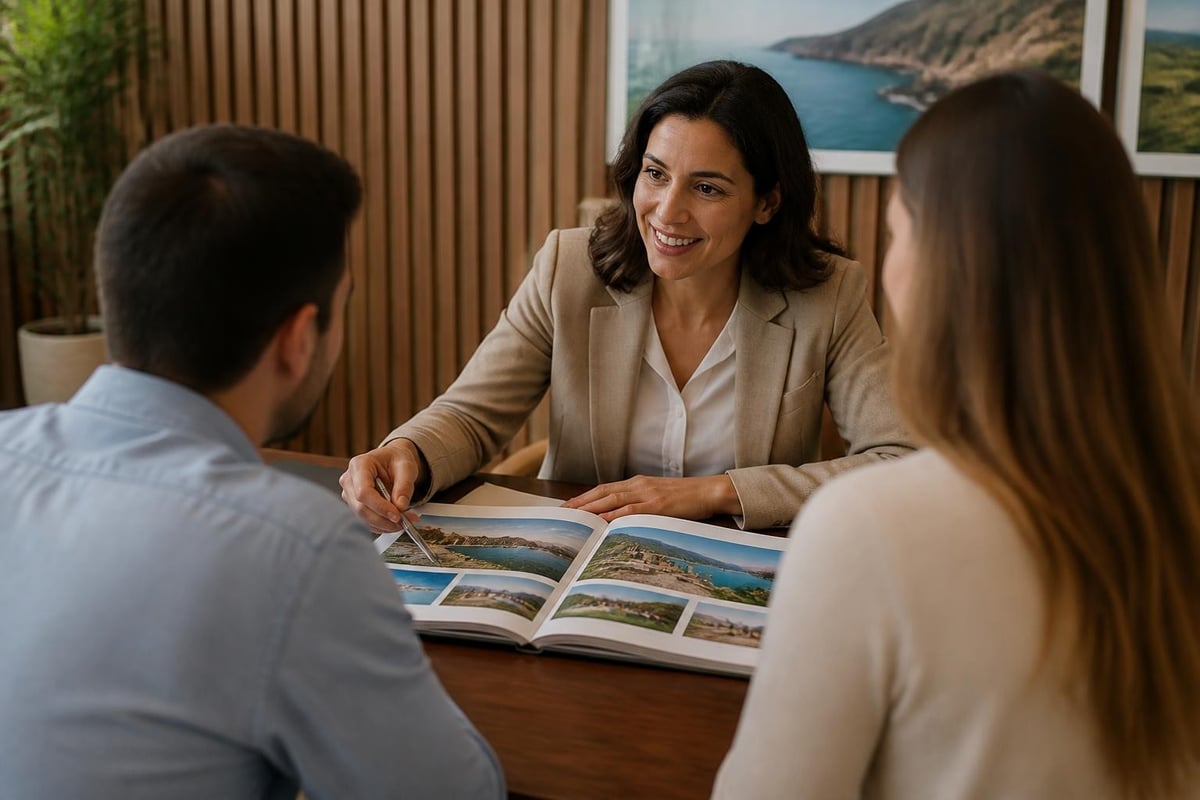
Key elements of personalization include:
- Flexible pacing that accommodates your group's energy and interest levels
- Topic emphasis based on whether you prefer history, culture, food, or architecture
- Physical accessibility adjustments for different mobility needs
- Duration modifications from quick overviews to deep-dive explorations
- Language and communication style matched to your background
Small group sizes make personalization possible. When you're part of a private gathering rather than a bus of forty strangers, guides can respond to questions, detour for unexpected discoveries, and adjust the narrative based on your engagement.
Insider Knowledge and Local Expertise
Native guides bring irreplaceable value to any guide trip. They share not just facts memorized from guidebooks but lived experiences, current developments, and nuanced perspectives. A local expert knows which bakery makes the best cinnamon buns, which alley offers the perfect photo angle, and why a particular building matters beyond its architectural style.
Research confirms that effective English communication skills significantly enhance tour guides’ professional competence and tourist satisfaction. When guides articulate stories clearly and engagingly, they transform information delivery into memorable storytelling. This communication excellence becomes especially valuable for international visitors who rely on guides to bridge cultural and linguistic gaps.
| Aspect | Generic Guide | Expert Local Guide |
|---|---|---|
| Knowledge Source | Memorized scripts | Personal experience + research |
| Updates | Outdated information | Current events and changes |
| Recommendations | Tourist traps | Authentic local favorites |
| Stories | Surface-level facts | Layered narratives and context |
| Flexibility | Rigid schedule | Adaptive to conditions |
Planning Your Guide Trip Experience
Successful guide trip planning begins long before you arrive at your destination. The preparation phase determines whether your experience meets expectations or exceeds them dramatically.
Defining Your Interests and Goals
Start by articulating what you hope to gain. Are you passionate about specific themes like literature, music, or culinary traditions? Do you prefer leisurely walks or active exploration? Understanding your priorities helps you select appropriate tour offerings that align with your vision.
For Stockholm visitors, options range widely. History enthusiasts might prioritize walking tours through Gamla Stan's medieval streets and the Royal Palace. Music lovers could choose experiences following ABBA's journey. Literary fans might explore locations from Stieg Larsson's Millennium trilogy. Each focus creates a different guide trip with distinct highlights and takeaways.
Researching Tour Operators and Standards
Not all guided experiences maintain equivalent quality standards. Professional operators follow established criteria for responsible tourism. The Sustainable Tourism Standard for Tour Operators outlines important benchmarks including guide licensing, appropriate group sizes, interpretive quality, accessibility provisions, and ethical codes of conduct.
Evaluation criteria for tour operators:
- Guide credentials: Professional training, language skills, specialized knowledge
- Group size limits: Small gatherings versus overcrowded buses
- Customization capability: Fixed schedules versus flexible adaptation
- Local connections: Insider access to venues, experts, or experiences
- Reviews and testimonials: Verified feedback from previous participants
- Sustainability practices: Environmental and cultural responsibility measures
Reading reviews provides insight into real experiences. Look for patterns in feedback rather than isolated comments. Consistent mentions of guide expertise, personalization, or value indicate reliable strengths.
Booking and Preparation Logistics
Once you've selected your guide trip, preparation enhances your experience. Communicate special interests, dietary restrictions, mobility considerations, or specific questions in advance. Professional operators use this information to refine your itinerary and prepare guides appropriately.
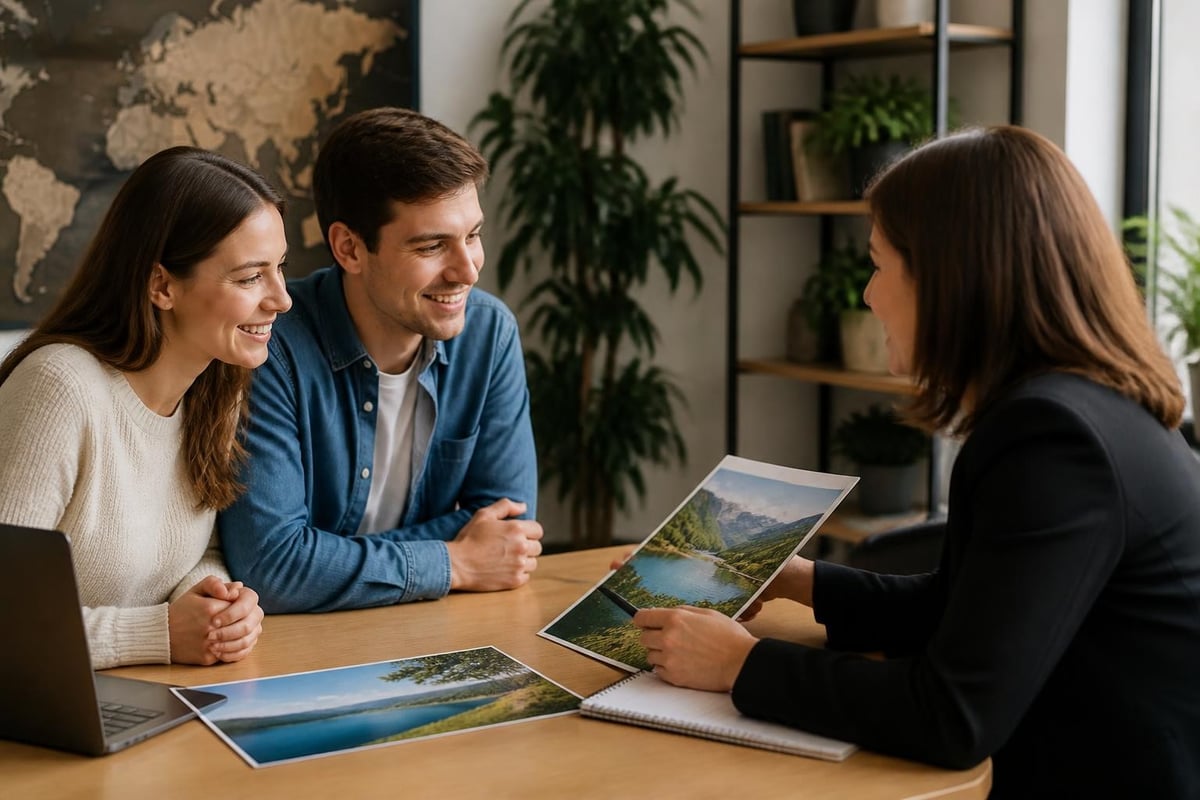
Consider timing carefully. Weather, seasonal events, and crowd levels vary significantly throughout the year. Spring and fall often offer pleasant conditions with fewer tourists, while summer brings extended daylight and festival atmospheres. Winter provides unique experiences like Christmas markets but requires weather-appropriate clothing.
Types of Guide Trip Experiences
Different guide trip formats serve distinct purposes and preferences. Understanding these variations helps you select experiences matching your travel style.
Walking Tours and Urban Exploration
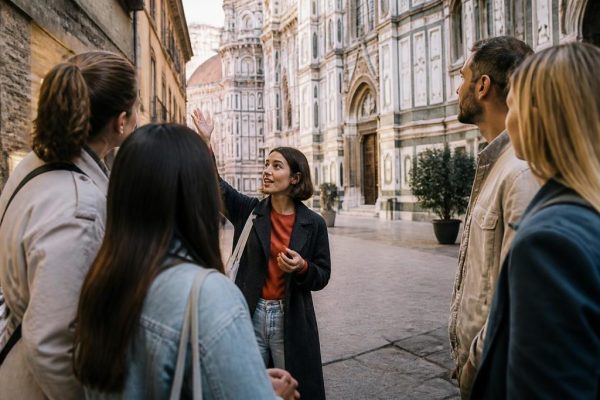
Walking remains the most intimate way to experience cities. A well-designed walking tour allows you to absorb architectural details, street life, and neighborhood character impossible from vehicles. Expert guides pace routes appropriately, incorporating rest stops at cafés or viewpoints while sharing stories that animate surroundings.
Stockholm's compact Old Town exemplifies walking tour potential. Narrow cobblestone alleys, colorful buildings dating from the 13th century, and hidden courtyards create atmospheric settings for historical narratives. Guides reveal how layers of history overlap in these spaces-medieval origins, Renaissance modifications, modern preservation efforts all visible simultaneously.
Themed and Specialized Tours
Thematic guide trips dive deep into specific subjects. Rather than broad overviews touching every landmark, focused experiences explore particular aspects thoroughly. This approach suits enthusiasts with defined interests or repeat visitors seeking new perspectives.
Literary tours trace authors' lives and fictional characters through real locations. Following Lisbeth Salander's path through Stockholm transforms a thriller into geographic reality. Music tours might explore ABBA's history, visiting recording studios, concert venues, and inspiration sources. For those passionate about Swedish pop culture, an ABBA journey combining historical sites with communal dining creates social connections alongside musical education.
| Tour Type | Best For | Typical Duration | Group Size |
|---|---|---|---|
| Classic Walking | First-time visitors | 2-3 hours | 2-15 people |
| Literary Theme | Book enthusiasts | 3-4 hours | 2-10 people |
| Music Heritage | Fans of specific artists | Half to full day | 4-20 people |
| Culinary Focus | Food lovers | 3-5 hours | 4-12 people |
| Photography | Visual artists | Flexible | 2-8 people |
Private Versus Small Group Dynamics
Private guide trips offer maximum flexibility and personalization. Your schedule drives the pace, your questions shape discussions, and your interests determine emphasis. Families, couples celebrating special occasions, or business colleagues benefit from this exclusive attention. The customization potential allows last-minute adjustments impossible with fixed schedules.
Small group experiences typically accommodate four to fifteen participants. While slightly less flexible than private arrangements, they offer advantages including cost efficiency and social interaction. Meeting fellow travelers from different backgrounds enriches perspectives and often leads to lasting friendships. Shared enthusiasm creates energy that enhances enjoyment for everyone involved.
Maximizing Your Guide Trip Value
Getting optimal value from guided experiences requires active participation and strategic choices. Passive observation misses opportunities for deeper engagement and understanding.
Engaging Actively With Your Guide
The best guide trips become conversations rather than lectures. Ask questions, share relevant experiences, and express curiosity about details that intrigue you. Professional guides appreciate engaged participants and often provide richer information when they sense genuine interest.
Preparation enhances these exchanges. Reading basic background about your destination before arrival gives you context for guide narratives. Familiarity with key historical figures, events, or cultural concepts allows guides to move beyond introductory material into fascinating details and controversies.
Capturing and Preserving Experiences
While documentation matters, balance photography with present engagement. Constantly viewing experiences through phone screens diminishes direct sensory connection. Consider designating specific photo stops rather than continuous shooting. Many guides know optimal angles and lighting conditions for memorable images.
Note-taking captures insights that photographs miss. Jotting down restaurant recommendations, book titles, or historical details mentioned by guides creates valuable reference material. These notes often prove more useful than hundreds of similar building photos when planning future visits or sharing recommendations with friends.
Extending Guide Trip Learning
The conclusion of your scheduled time doesn't end learning opportunities. Exceptional guides provide resources for continued exploration-reading lists, museums with relevant collections, websites with additional information, or local experts worth consulting. Research shows that guides and brochures significantly influence traveler decisions both during and after visits.
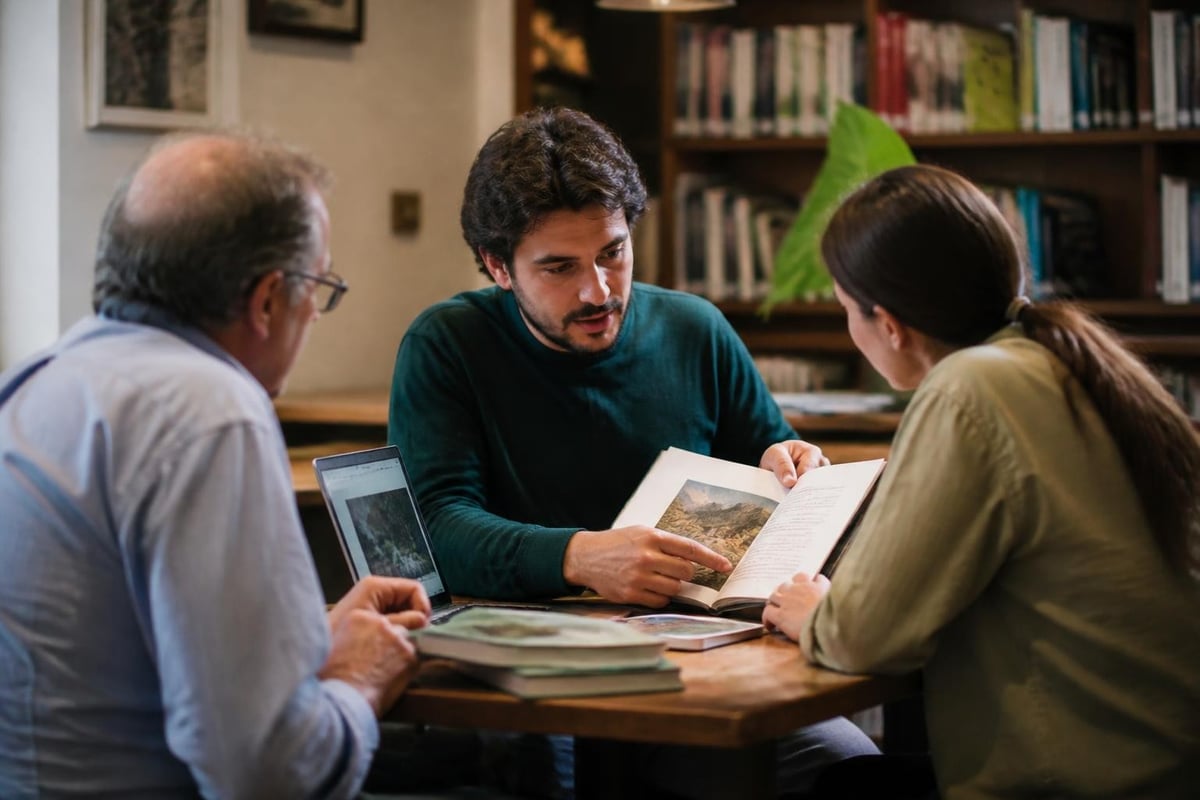
Follow up on recommended experiences independently. If your guide mentioned a particular museum exhibit, neighborhood café, or viewing point, visit during remaining time. These self-directed explorations apply lessons learned during guided portions while adding personal discovery dimensions.
Sustainable and Responsible Guide Trips
Modern travelers increasingly consider environmental and cultural impacts when selecting experiences. Responsible guide trips balance visitor enjoyment with destination preservation and community benefit.
Environmental Considerations
Walking-focused tours inherently minimize carbon footprints compared to vehicle-dependent sightseeing. Beyond transportation choices, sustainable practices include respecting wildlife, staying on designated paths, and minimizing waste. Research exploring sustainable tourism design demonstrates how integrating environmental considerations into trip planning benefits both destinations and visitor experiences.
Group size management protects fragile sites. Smaller gatherings reduce crowding pressure, noise pollution, and wear on historic structures or natural areas. Professional operators understand carrying capacities and schedule tours to distribute visitor impact across time and locations.
Cultural Sensitivity and Community Impact
Responsible guide trips honor local cultures rather than treating communities as entertainment. This means respecting privacy, seeking permission for photographs of individuals, supporting locally-owned businesses, and understanding cultural norms regarding appropriate behavior, dress, or interaction.
Economic benefits should flow primarily to local communities. Tour operators employing local guides, partnering with neighborhood restaurants, and sourcing supplies from area businesses create positive impacts extending beyond individual transactions. When you select professionally guided experiences from operators committed to community partnerships, your tourism spending supports sustainable livelihoods.
Responsible guide trip practices include:
- Employing local guides with fair compensation
- Limiting group sizes to minimize disruption
- Educating visitors about cultural norms and expectations
- Supporting community-owned businesses and attractions
- Avoiding over-visited sites during peak congestion periods
- Respecting resident privacy and daily life rhythms
Selecting Stockholm-Specific Guide Trips
Stockholm's unique character creates distinctive opportunities for guided exploration. Understanding the city's particular strengths helps you design ideal experiences.
Historical and Architectural Focus
Stockholm's medieval origins, royal heritage, and modernist urban planning provide rich material for historically-focused guide trips. Gamla Stan preserves one of Europe's best-maintained medieval city centers, with buildings dating to the 13th century. The Royal Palace, still an official residence, offers ceremonial traditions including guard changes that guides contextualize within Swedish constitutional monarchy.
Beyond Old Town, Stockholm's archipelago setting creates unique urban geography. Fourteen islands connected by bridges shape neighborhood character and transportation patterns. Understanding this geography enriches appreciation for how the city developed and functions today.
Music and Popular Culture Connections
Sweden's outsized musical influence makes culturally-focused guide trips particularly rewarding. ABBA's global impact continues decades after the group's peak, with renewed interest following the 2021 Voyage concert experience. Guided explorations visiting band members' homes, recording locations, and inspiration sources connect fans with the creative process behind familiar songs.
Contemporary music scenes also offer exploration potential. Guides familiar with Stockholm's current venues, emerging artists, and music technology innovations provide insider perspectives on why Swedish pop consistently achieves international success.
Literary and Cinematic Landscapes
Stieg Larsson's Millennium trilogy introduced global audiences to Stockholm locations through Lisbeth Salander's eyes. Literary guide trips visiting Bellmansgatan, Lundagatan, and other novel locations blur fiction and reality, demonstrating how authors transform real geography into narrative settings. These experiences appeal particularly to readers who want to visualize scenes from beloved books.
Beyond Larsson, Swedish crime fiction's broader traditions offer thematic exploration possibilities. Understanding why Nordic noir resonates globally connects to cultural values, social structures, and historical experiences that guides illuminate through location-based storytelling.
The Future of Guide Trip Experiences
Tourism continues evolving rapidly, with technology and changing traveler expectations reshaping guided experiences. Understanding emerging trends helps you anticipate what guide trips will offer in coming years.
Technology Integration
Digital tools increasingly complement rather than replace human guides. Augmented reality applications can overlay historical images onto contemporary streetscapes, showing how locations appeared in different eras. GPS-triggered audio provides background information that guides then expand through personal expertise. These hybrid approaches combine technological capability with human interpretation and interaction.
Artificial intelligence influences trip planning even before arrival. Travelers increasingly use AI-powered tools to research destinations, though personal guide expertise remains irreplaceable for nuanced recommendations and real-time adaptation. The growing adoption of generative AI in travel planning complements but doesn't replace the value of experienced local guides.
Personalization Through Data
Understanding traveler preferences allows increasingly sophisticated customization. Operators collecting feedback systematically can identify patterns that inform future guide trip design. This data-driven personalization extends beyond individual tours to broader product development reflecting emerging interests and under-served niches.
Sustainability as Standard Practice
Environmental and social responsibility increasingly shift from optional extras to baseline expectations. Travelers in 2026 typically assume operators follow sustainable practices, seeking evidence of genuine commitment rather than superficial "greenwashing." This evolution elevates standards across the industry, benefiting destinations and communities while maintaining visitor satisfaction.
Planning a successful guide trip requires understanding what transforms ordinary sightseeing into memorable experiences: personalization, expert local knowledge, and genuine engagement with places and cultures. Whether you're drawn to Stockholm's medieval alleys, musical heritage, or literary landscapes, the right guided experience reveals layers of meaning invisible to independent exploration. Adding:tours specializes in creating these personalized journeys for private groups and small gatherings throughout Stockholm, combining insider access with flexible itineraries tailored to your specific interests. Discover how native English-speaking guides can transform your Stockholm visit into an authentic, unforgettable adventure.