Guided Excursions: Personalized Experiences & Local Insights
Travelers today seek more than superficial snapshots of famous landmarks. They want authentic connections, deeper understanding, and memories that last beyond the vacation photos. Guided excursions deliver precisely this transformation by combining expert knowledge with personalized attention, turning ordinary sightseeing into extraordinary experiences. Whether exploring historic neighborhoods, following literary trails, or discovering hidden cultural gems, the right guided experience makes all the difference between simply seeing a place and truly understanding it.
Why Guided Excursions Matter in Modern Travel
The tourism landscape has shifted dramatically over the past decade. Independent travelers now have access to endless online resources, maps, and reviews, yet guided excursions continue to thrive and grow. This paradox reveals something fundamental about travel itself.
Guided excursions provide context that no app or guidebook can replicate. A professional guide transforms isolated facts into coherent narratives, connecting historical events to contemporary life and revealing the subtle details that make destinations come alive. When walking through Stockholm's Gamla Stan, for instance, knowing the architectural history is valuable, but understanding how medieval guilds shaped those narrow alleys adds an entirely different dimension.
The value proposition extends beyond information delivery:
- Time efficiency: Guides maximize limited vacation hours by navigating logistics seamlessly
- Access: Insider connections often mean priority entry or exclusive viewpoints
- Safety: Professional guides manage risks and navigate unfamiliar environments
- Social connection: Shared experiences create bonding opportunities with fellow travelers
- Customization: Itineraries adapt to group interests and energy levels
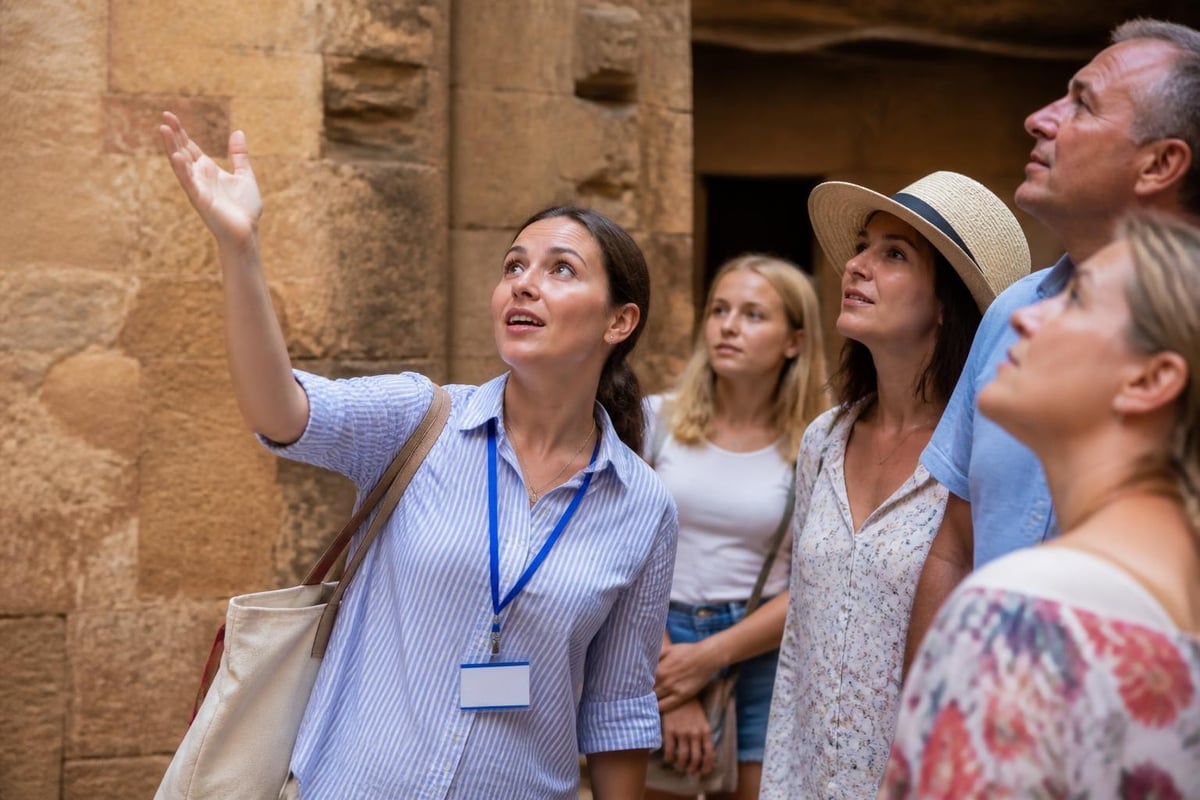
Research from the World Travel & Tourism Council indicates that sustainable, locally-guided experiences generate higher satisfaction rates while supporting community economies more effectively than mass tourism alternatives.
Different Types of Guided Excursions
Understanding the variety of guided experiences available helps travelers match their preferences with the right format. Not all guided excursions follow the same model, and each format serves different needs.
Walking Tours and Cultural Immersion
Walking tours remain the most popular format for urban exploration. These guided excursions prioritize depth over breadth, allowing participants to absorb details at human pace. The Old Town walking tour experience exemplifies this approach, where cobblestone streets and historic buildings become a classroom without walls.
Key advantages of walking tours include:
- Intimate group sizes that facilitate conversation and questions
- Flexibility to adjust routes based on group interest
- Sensory engagement with sounds, smells, and textures of neighborhoods
- Opportunity for spontaneous discoveries and local interactions
- Environmental sustainability with zero carbon footprint
Thematic and Specialty Guided Excursions
Thematic tours cater to specific interests, transforming general sightseeing into focused exploration. Literary tours, culinary adventures, architectural surveys, and music heritage trails all fall into this category.
Consider the appeal of a Stieg Larsson-themed excursion through Stockholm. Fans of "The Girl with the Dragon Tattoo" don't just want to see random city highlights; they seek the specific locations where fictional events unfolded. This focused approach creates deeper engagement because every stop connects to the visitor's existing passion.
| Excursion Type | Primary Appeal | Ideal Group Size | Typical Duration |
|---|---|---|---|
| Historical Walking | Cultural depth | 8-12 people | 2-3 hours |
| Literary Trail | Storytelling | 6-10 people | 2.5-4 hours |
| Music Heritage | Fan engagement | 10-20 people | 3-6 hours |
| Culinary Tour | Sensory experience | 6-8 people | 3-4 hours |
| Photography Focus | Creative learning | 4-6 people | 3-5 hours |
The ABBA journey in Stockholm represents another specialty format, combining music history with social dining and community building among international visitors.
What Makes Guided Excursions Exceptional
Not all guided experiences deliver equal value. Exceptional excursions share specific characteristics that distinguish them from mediocre alternatives.
The Guide Makes All the Difference
Professional expertise matters profoundly. A guide's knowledge base, communication skills, and passion directly determine experience quality. Native English-speaking guides bring linguistic nuance that translation cannot replicate, catching cultural references and explaining concepts with precision.
According to ICOMOS heritage sector recommendations, ongoing professional development and cultural competency training separate excellent guides from merely adequate ones. The best guides continuously update their knowledge, incorporate recent research, and refine storytelling techniques.
Beyond credentials, guide personality influences group dynamics significantly. Enthusiasm is contagious; a guide genuinely excited about sharing their city creates energy that elevates the entire experience. Conversely, even the most knowledgeable guide delivering information monotonously fails to inspire.
Personalization and Flexibility
Cookie-cutter itineraries feel increasingly outdated in an era of personalization. Exceptional guided excursions adapt to participant interests, adjusting pace and focus as the tour unfolds.
This flexibility manifests in several ways:
- Pre-tour consultations to understand group preferences
- Multiple route options within the same theme
- Willingness to linger at sites that captivate the group
- Ability to skip or abbreviate less relevant content
- Responsive answers to spontaneous questions and curiosities
Private groups and small gatherings benefit most from this adaptability. A family with young children needs different pacing than a group of retirees, and customizable tours accommodate these variations seamlessly.

Planning and Logistics of Successful Guided Excursions
Behind every smooth guided experience lies careful planning and professional coordination. Understanding these operational elements helps both providers and participants appreciate what makes excursions work.
Safety and Risk Management
Professional guided excursions prioritize participant safety without creating anxiety. The Adventure Travel Trade Association provides comprehensive guidance on risk assessment, emergency protocols, and health considerations for group activities.
Effective safety management includes:
- Pre-tour site assessment and route familiarization
- Weather monitoring and contingency planning
- Clear communication of physical requirements and difficulty levels
- First aid certification and emergency contact protocols
- Insurance coverage and liability protection
Groups exploring urban environments face different risks than wilderness adventures, but professional standards apply regardless. Even a walking tour through Stockholm's city center requires awareness of traffic patterns, crowd management, and accessibility considerations.
Group Size and Dynamics
The number of participants fundamentally shapes the guided excursion experience. Smaller groups enable more interaction and personalization, while larger gatherings may offer economies of scale and broader social networking.
Research suggests optimal group sizes vary by activity:
- Intimate cultural tours: 6-10 participants for maximum interaction
- Walking tours: 12-15 participants before cohesion suffers
- Special events: 20-30 participants for viable economics and social energy
- Private groups: Any size when pre-existing relationships exist
The Stockholm tours portfolio recognizes these dynamics by offering both intimate private experiences and slightly larger group options for special-interest themes.
Enhancing Guided Excursions with Technology
Technology has transformed how guided excursions operate without replacing the human element at their core. Smart integration enhances rather than dominates the experience.
Digital Tools That Support, Not Replace
Modern guides leverage technology strategically. GPS mapping ensures accurate navigation, digital images supplement verbal descriptions, and audio equipment allows clear communication in noisy environments. However, the most effective guided excursions keep technology subtle and servant to human connection.
According to Harvard Business Review’s marketing future analysis, experience-based businesses successfully integrate AI and digital tools when they enhance personalization without sacrificing authenticity. For guided excursions, this means using technology for logistics while preserving face-to-face storytelling.
Practical technology applications include:
- Pre-tour digital communication for planning and expectations
- Mobile payment systems for seamless transactions
- Photo-sharing platforms for post-tour memory preservation
- Weather apps for real-time contingency decisions
- Translation tools for multi-lingual group assistance
Booking and Communication Systems
Streamlined booking processes remove friction from the customer journey. Modern travelers expect easy online reservation, transparent pricing, and responsive communication. The guided sightseeing tours booking system exemplifies this approach, balancing convenience with personal touch.
Post-tour engagement extends the relationship beyond the excursion itself. Follow-up messages with photo links, additional resource recommendations, and feedback requests demonstrate professionalism while gathering insights for continuous improvement.
Cultural Sensitivity and Sustainable Practice
Responsible guided excursions balance visitor enjoyment with cultural respect and environmental stewardship. This dual commitment increasingly influences consumer choice and industry standards.
Respecting Local Communities and Heritage
UNESCO’s guided tour principles emphasize interpretation methods that honor cultural significance while making heritage accessible to diverse audiences. Guides serve as cultural ambassadors, modeling respectful behavior and explaining local customs without exoticizing or oversimplifying.
Cultural sensitivity practices include:
- Accurate historical representation without romanticization
- Acknowledgment of multiple perspectives on contested histories
- Support for local businesses and artisans during tours
- Respect for sacred or private spaces within public areas
- Language choices that avoid stereotypes or offensive terminology
Guides who understand Stockholm's complex history-from Viking origins through imperial power to modern democratic welfare state-present nuanced narratives that respect this complexity rather than reducing it to tourist-friendly soundbites.
Environmental and Social Impact
Low-impact guided excursions minimize environmental footprint while maximizing community benefit. Walking tours inherently support sustainability by eliminating transportation emissions, and choosing local restaurants or shops for refreshment stops circulates tourism revenue within the community.
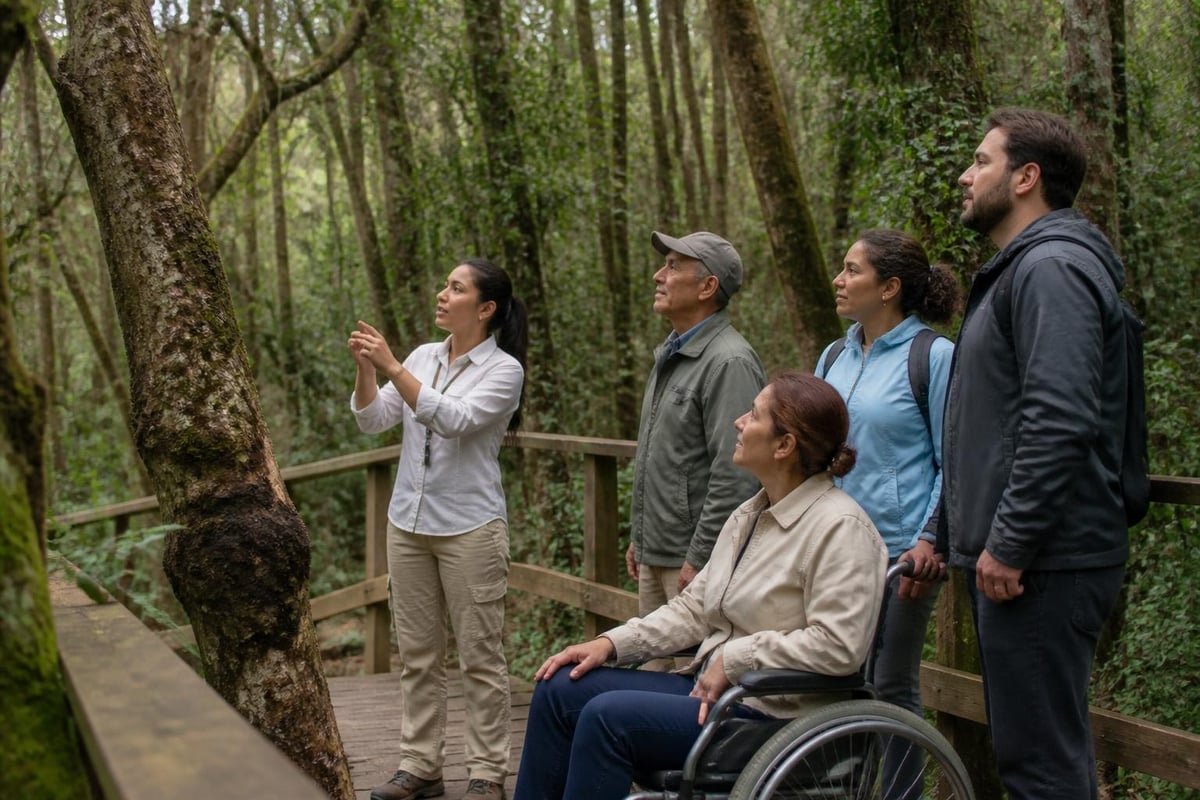
The accessible tourism guidance from European market analysts highlights how inclusive design benefits everyone. Accessible guided excursions with thoughtful route planning, clear communication, and flexible pacing create better experiences for all participants, not just those with specific accessibility needs.
Marketing and Positioning Guided Excursions
Standing out in competitive tourism markets requires clear positioning and strategic marketing. Guided excursion providers must communicate unique value while building trust with potential customers.
Communicating Unique Value Propositions
Generic tour descriptions fail to inspire bookings. Effective marketing articulates specific differentiators that matter to target audiences. For instance, emphasizing native English-speaking guides addresses language concerns directly, while highlighting insider access speaks to travelers seeking exclusive experiences.
Effective positioning elements include:
| Element | Generic Approach | Differentiated Approach |
|---|---|---|
| Guide credentials | "Experienced guides" | "Native English speakers with 10+ years Stockholm residency" |
| Group size | "Small groups" | "Private groups of 2-8 for personalized attention" |
| Customization | "Flexible itineraries" | "Pre-tour consultation to match your specific interests" |
| Access | "Popular attractions" | "Insider perspectives locals share with friends" |
| Themes | "City highlights" | "Literary trails, music heritage, architectural deep dives" |
The tailored tours messaging demonstrates this principle, emphasizing customization and insider knowledge rather than generic sightseeing.
Building Trust Through Reviews and Transparency
Social proof drives booking decisions in experience-based tourism. Detailed reviews, authentic testimonials, and transparent communication about what to expect build confidence with prospective customers.
Responding to reviews-both positive and critical-demonstrates professionalism and commitment to continuous improvement. The reviews section serves as both social proof and quality assurance signal, showing potential customers what previous participants valued.
Transparency should cover:
- Accurate physical difficulty and accessibility information
- Clear cancellation and rescheduling policies
- Honest time estimates and schedule expectations
- Upfront pricing without hidden fees
- Realistic group size ranges
Innovation in Guided Excursion Design
The guided excursion industry continues evolving as customer preferences shift and new possibilities emerge. Innovative providers experiment with formats while maintaining the core value of expert human guidance.
Hybrid and Multi-Sensory Experiences
Creative excursion design engages multiple senses and combines different activity types. A music-themed tour might include listening to recordings at relevant locations, while a culinary tour obviously incorporates tasting experiences. The most memorable guided excursions create rich sensory memories rather than relying solely on visual sightseeing.
Hybrid formats blend different tour styles. A morning walking tour through historic neighborhoods might transition to an afternoon cultural activity or workshop, creating fuller day experiences that accommodate different learning styles and energy levels.
Community-Building Through Shared Experiences
Solo travelers increasingly seek social connection opportunities during trips. Guided excursions naturally facilitate interaction among strangers with shared interests, creating temporary communities united by curiosity about a place or topic.
The meal component of music heritage tours exemplifies this principle. Breaking bread together transforms acquaintances into friends, and the shared passion for ABBA or Stockholm's music scene provides natural conversation starters. These social dimensions often prove as memorable as the sites visited.
Community-building features include:
- Structured introduction activities at tour start
- Shared meal or refreshment breaks
- Small group discussions at key sites
- Post-tour social media groups for continued connection
- Return visitor recognition and reunion opportunities
Training and Professional Development for Guides
Guide quality determines excursion success, making investment in guide development essential for providers committed to excellence. Ongoing training keeps knowledge current and skills sharp.
Knowledge Base and Storytelling Skills
Effective guides balance breadth and depth of knowledge. They understand overall historical context while mastering specific details about their routes and themes. Regular research, museum visits, and engagement with new scholarship keep information accurate and current.
Beyond facts, storytelling ability distinguishes great guides from good ones. The same historical event can bore or fascinate depending entirely on presentation. Training in narrative structure, pacing, dramatic tension, and audience engagement transforms information delivery into compelling storytelling.
Customer Service and Group Management
Managing diverse personalities and expectations requires emotional intelligence and diplomatic skill. Guides must read group energy, address individual needs without neglecting the collective, and handle occasional difficult participants gracefully.
Professional development in these soft skills includes:
- Conflict resolution and de-escalation techniques
- Inclusive communication across cultural backgrounds
- Energy management and pacing strategies
- Active listening and question facilitation
- Accessibility awareness and accommodation
The professional tour guide standards reflect this comprehensive approach to guide excellence, recognizing that expertise encompasses both knowledge and people skills.
Guided excursions transform travel from passive observation into active engagement, creating meaningful connections between visitors and destinations through expert storytelling and personalized attention. If you're planning to explore Stockholm with family, friends, or colleagues, Adding:tours specializes in private group experiences that reveal the city through insider perspectives-from literary adventures following Stieg Larsson's footsteps to music heritage journeys and intimate Old Town walks designed around your specific interests.