Walking Tours: The Ultimate Guide to Guided Exploration
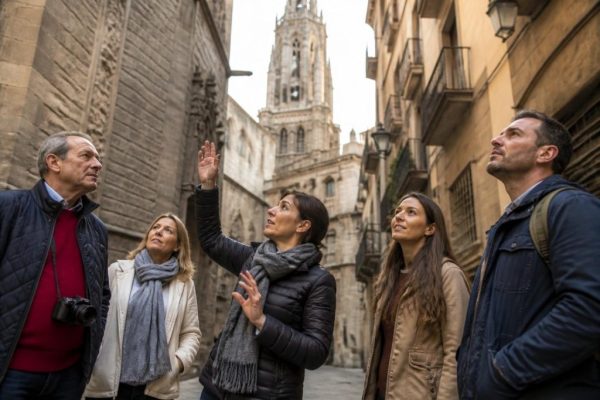
Walking tours represent one of the most immersive and accessible ways to discover a new destination. Unlike traditional bus tours or rushed itineraries, guided walking experiences allow travelers to engage deeply with their surroundings, absorbing the architecture, culture, and hidden stories that define a place. For private groups and small gatherings, these experiences offer unparalleled opportunities to customize routes, pace, and focus areas based on collective interests. As cities worldwide recognize the value of walkable urban environments, the demand for thoughtfully designed walking experiences continues to grow, creating opportunities for tour operators to deliver meaningful cultural connections.
The Growing Appeal of Guided Walking Experiences
The tourism landscape has shifted dramatically toward authentic, human-scale experiences. Travelers in 2026 increasingly prioritize quality over quantity, seeking depth rather than checking boxes on exhaustive sightseeing lists. This shift has positioned walking tours as premium offerings that deliver genuine value.
Health and Wellness Integration
Modern travelers recognize that exploration doesn't require sacrificing physical activity. The World Health Organization emphasizes walking as a cornerstone of healthy living, recommending at least 150 minutes of moderate-intensity activity weekly for adults. Guided walking experiences seamlessly integrate exercise with cultural education, allowing participants to meet wellness goals while discovering new places.
Key wellness benefits include:
- Cardiovascular exercise without the pressure of formal workouts
- Mental health improvements through outdoor activity and social connection
- Natural vitamin D absorption during daylight tours
- Stress reduction through mindful walking and environmental engagement
- Enhanced cognitive function from navigation and learning new information
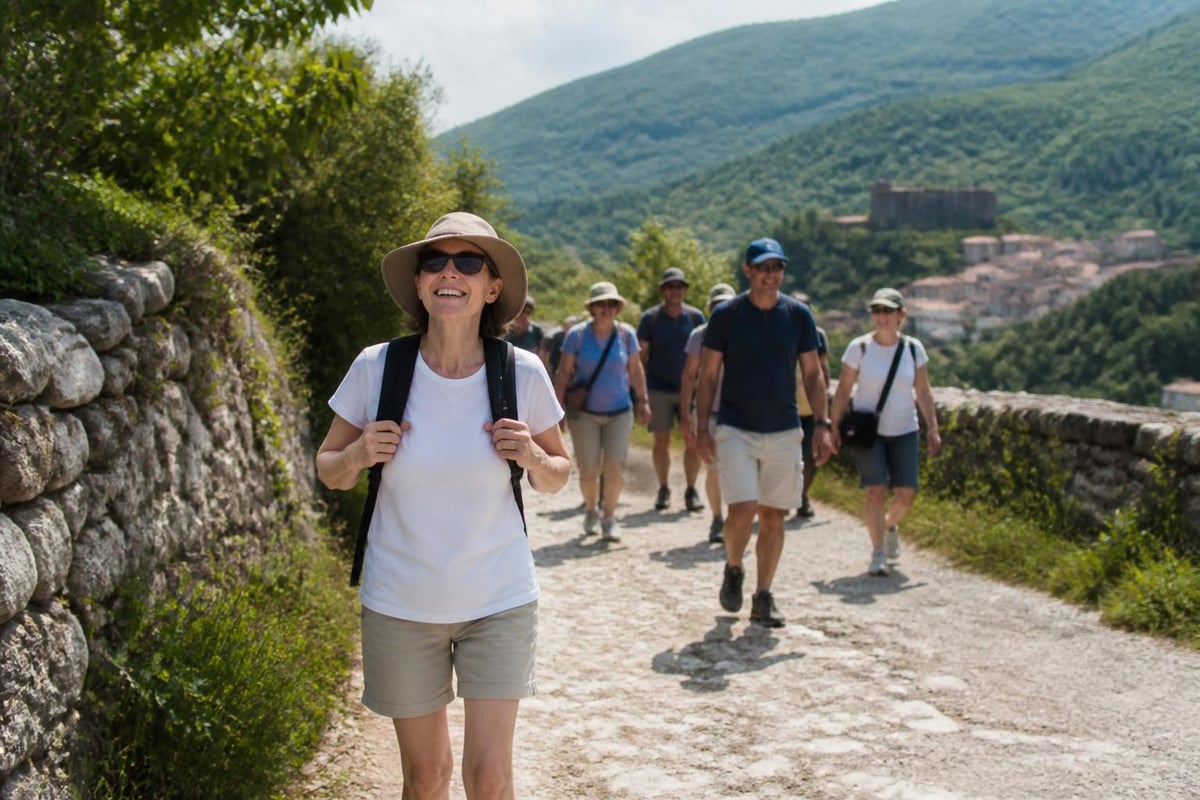
The integration of wellness and tourism has created opportunities for operators to position their offerings as holistic experiences. For small groups exploring Stockholm's historic districts, a tailored walking tour can incorporate rest stops at scenic viewpoints, allowing both physical recovery and photographic opportunities.
Economic and Environmental Considerations
Walking tours align perfectly with sustainable tourism principles. They generate minimal environmental impact while delivering maximum economic benefit to local communities. Small-group walking experiences direct spending toward neighborhood businesses, supporting the micro-economies that give destinations their distinctive character.
| Economic Impact Category | Walking Tours | Bus Tours | Private Vehicles |
|---|---|---|---|
| Local business support | High | Low | Medium |
| Carbon footprint | Minimal | Moderate | High |
| Infrastructure stress | Low | Moderate | High |
| Community interaction | High | Minimal | Low |
| Per-person profitability | High | Medium | Variable |
Tour operators benefit from lower overhead costs compared to transportation-dependent alternatives. Without vehicle maintenance, fuel expenses, or parking fees, profit margins remain healthy while keeping prices accessible for families and small groups.
Designing Memorable Walking Tour Experiences
Exceptional walking tours require more than knowledge and enthusiasm. They demand careful route planning, narrative development, and attention to participant needs. The difference between adequate and outstanding experiences often lies in operational details that guests may never consciously notice but definitely feel.
Route Architecture and Pacing
Successful routes balance distance, elevation, and points of interest with realistic assessments of participant capabilities. A well-designed Stockholm walking tour considers cobblestone surfaces, stairways, and weather exposure while maximizing cultural immersion.
Essential route planning factors:
- Total distance: Typically 1.5 to 3 miles for 2-hour tours
- Elevation changes: Map stairs and hills to set appropriate expectations
- Rest intervals: Plan natural stopping points every 15-20 minutes
- Weather contingencies: Identify covered spaces for unexpected rain
- Accessibility considerations: Evaluate wheelchair and mobility aid compatibility
- Bathroom access: Know public facilities along the route
- Emergency exits: Map shortcuts for participants who need to leave early
The ADA National Network provides comprehensive guidance on accessibility standards that tour operators should incorporate into route design. While historic districts like Stockholm's Old Town present unique challenges with medieval street layouts, thoughtful planning can make experiences inclusive for diverse mobility levels.
Narrative Development and Storytelling
Facts inform, but stories transform. The most memorable walking tours weave historical data into compelling narratives that help participants emotionally connect with places. A professional tour guide curates information strategically, revealing layers of meaning at precisely calibrated moments.
Effective storytelling techniques include:
- Character-driven history: Focus on individual lives rather than abstract historical forces
- Sensory anchoring: Connect stories to visible, touchable, or audible elements in the environment
- Thematic coherence: Develop narrative threads that unify discrete stops along the route
- Interactive elements: Pose questions that encourage participant reflection and discussion
- Contemporary connections: Link historical events to present-day circumstances
For specialized experiences like literary tours following Stieg Larsson's Millennium trilogy, narrative structure becomes paramount. Participants aren't just seeing locations; they're experiencing the fictional world made tangible through strategic storytelling.
Technology Integration and Digital Enhancement
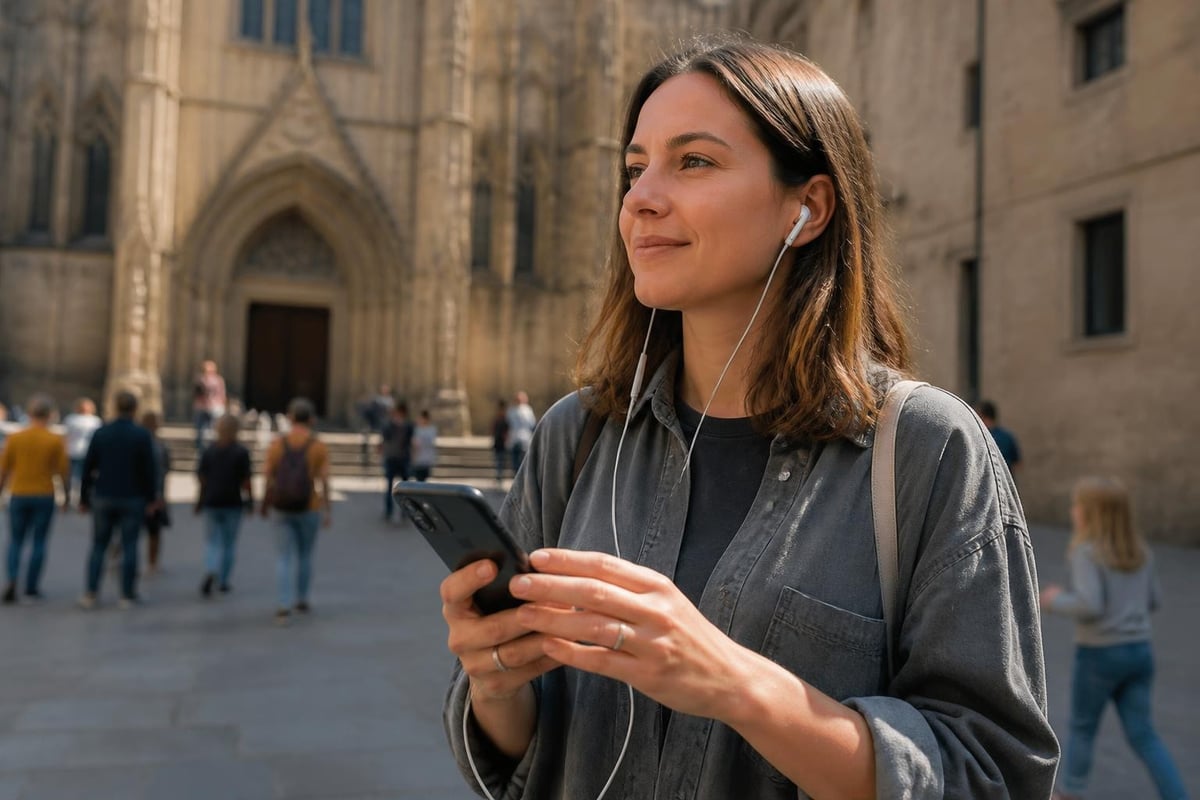
Walking tours in 2026 seamlessly blend physical exploration with digital augmentation. While human guides remain irreplaceable for authentic connection, technology enhances experiences in ways previously impossible.
Accessible Digital Experiences
Digital tour materials must serve all participants, regardless of ability. The Web Content Accessibility Guidelines establish standards that ensure maps, audio content, and supplementary materials work for people with visual, auditory, or cognitive differences.
Accessibility implementation checklist:
- Provide text alternatives for all visual content
- Ensure audio guides include accurate transcripts
- Design maps with high contrast and scalable text
- Test digital materials with screen readers
- Offer content in multiple formats (audio, visual, text)
- Enable customizable playback speeds for audio content
These considerations particularly matter for private group tours where participants may have varying needs. A family group might include elderly grandparents, young children, or members with disabilities, all deserving equal access to the experience.
GPS and Mapping Technologies
Modern walking tours leverage GPS capabilities for enhanced navigation and context delivery. Location-aware applications can trigger content automatically when participants reach specific points, creating seamless narrative flow without manual intervention.
| Technology Solution | Primary Benefit | Implementation Complexity |
|---|---|---|
| GPS auto-triggers | Hands-free content delivery | Medium |
| Offline map caching | Function without cellular data | Low |
| Augmented reality overlays | Historical visualization | High |
| Real-time translation | Multilingual accessibility | Medium |
| Group tracking | Participant location awareness | Medium |
For operators offering English walking tours in non-English-speaking destinations, translation technologies create opportunities to serve diverse linguistic groups without requiring multilingual guides for every tour.
Creating Community-Centered Experiences
The best walking tours don't merely show participants a city; they invite guests into community life. This approach transforms passive observation into active participation, creating memories that extend beyond factual knowledge.
Placemaking Principles in Tour Design
Project for Public Spaces offers extensive guidance on creating welcoming, vibrant public spaces. Tour operators can apply these principles by designing routes that highlight community gathering spots, local artisan shops, and neighborhood cafes where residents actually spend time.
Walking tour routes should prioritize authentic neighborhoods over tourist-only zones. While iconic landmarks deserve inclusion, the most meaningful experiences often happen in ordinary streets where daily life unfolds. An Old Town walking tour gains depth when guides share not just medieval history but contemporary stories of residents who live and work in these ancient buildings today.
Community engagement strategies include:
- Partnering with local businesses for refreshment stops
- Featuring interviews or guest appearances by neighborhood residents
- Supporting community events through tour scheduling and promotion
- Contributing portions of tour revenue to neighborhood improvement initiatives
- Incorporating participant feedback to benefit local stakeholders
Small Group Dynamics and Social Connection
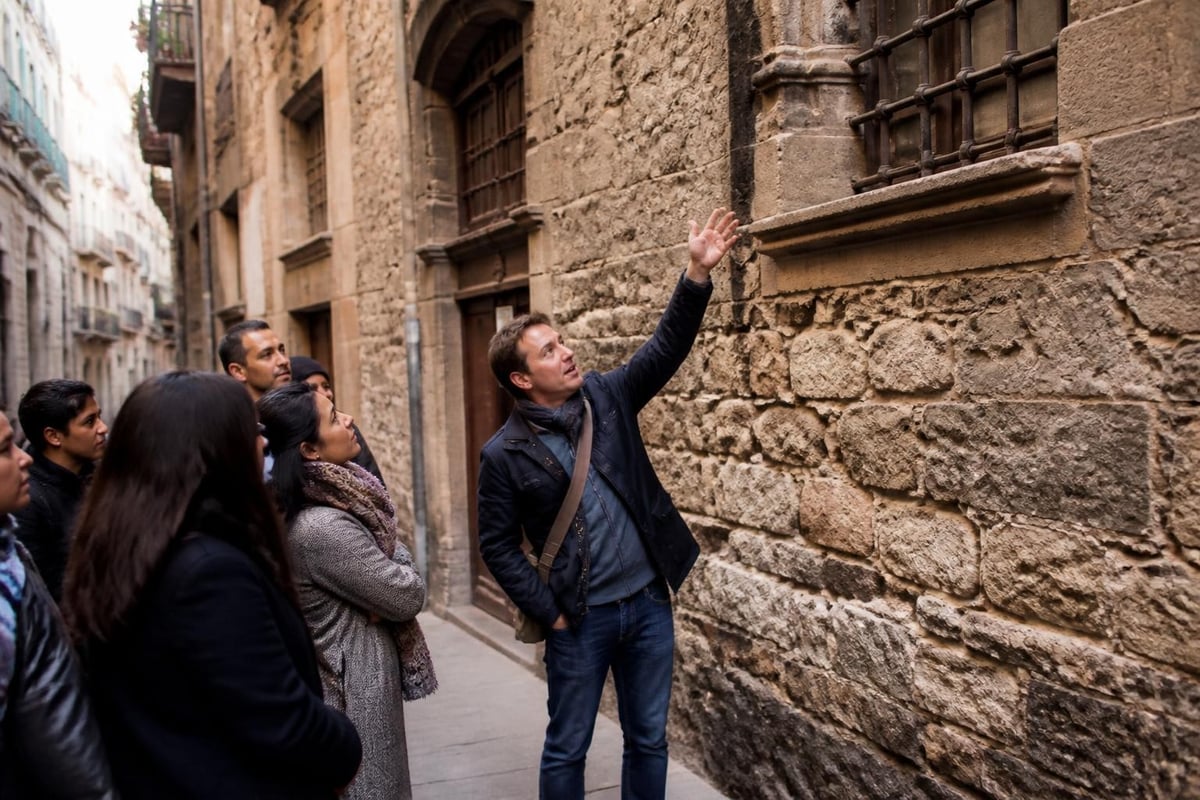
Private group tours create unique social dynamics. Whether exploring with family, friends, or colleagues, participants experience shared discovery that strengthens relationships. Tour guides facilitate this bonding through strategic interaction design.
Groups of 6-12 participants allow genuine conversation while maintaining manageable logistics. This size supports individual attention while enabling group cohesion. For specialized experiences like the ABBA journey to Viggsö, small groups foster the friendly atmosphere where international travelers naturally connect over shared musical passion.
Specialized Thematic Walking Experiences
Generic city overviews serve broad audiences, but specialized thematic tours create passionate followings. These focused experiences attract participants with specific interests, allowing deeper exploration than general tours can provide.
Literary and Cultural Deep Dives
Literary walking tours transport book lovers into the worlds of beloved authors and characters. Stockholm's connection to Stieg Larsson's Millennium trilogy has created opportunities for immersive experiences that visit Lisbeth Salander's apartment building, Mikael Blomkvist's neighborhood, and the offices where fictional magazine Millennium operated.
These specialized tours require extensive research and preparation. Guides must know not just fictional plot points but actual locations, the author's biographical connection to settings, and how literary landmarks relate to broader city history. The result transforms passive reading into active, embodied experience.
Music and Entertainment Heritage
Music-focused walking experiences celebrate artists and genres that define cultural identity. An ABBA-themed Stockholm tour connects participants with the locations where the supergroup recorded, performed, and found inspiration. Combined with a journey to Viggsö and a shared meal, this becomes more than sightseeing; it's pilgrimage for fans worldwide.
Elements of successful music tours:
- Recording studio locations and their historical context
- Performance venues with stories of legendary concerts
- Residential neighborhoods where artists lived
- Album cover photo locations
- Museums and archives with relevant collections
- Contemporary venues keeping musical traditions alive
Operational Excellence and Guest Experience
Behind every seamless walking tour lies meticulous operational planning. Excellence emerges from consistent attention to details that ensure participant comfort, safety, and satisfaction.
Weather Preparedness and Seasonal Adaptation
Stockholm's climate demands seasonal tour adjustments. Summer's long daylight hours and pleasant temperatures contrast sharply with winter's abbreviated days and potential snow. Professional operators adapt routes, timing, and equipment accordingly.
Seasonal considerations matrix:
| Season | Duration Adjustment | Special Equipment | Route Modifications |
|---|---|---|---|
| Summer | Extended tours possible | Sun protection, water | Maximize outdoor time |
| Fall | Standard timing | Rain gear, layers | Cover options ready |
| Winter | Shortened routes | Hand warmers, thermals | Indoor components |
| Spring | Variable timing | All-weather preparation | Flexible alternatives |
City sightseeing in Stockholm requires candid communication about weather realities. Rather than canceling tours during inclement weather, experienced operators incorporate museum visits, covered market halls, or historic interiors that maintain engagement regardless of conditions.
Safety Protocols and Risk Management
Walking tours involve inherent risks from traffic, uneven surfaces, and crowded spaces. Professional operators implement comprehensive safety protocols without creating anxiety or diminishing enjoyment.
Essential safety measures include:
- Pre-tour safety briefings covering traffic patterns and group movement
- First aid certification for all guides
- Emergency contact systems and protocols
- Participant health screening for challenging routes
- Clear communication about physical demands
- Insurance coverage appropriate for group activities
For private groups including children or elderly participants, safety considerations intensify. Guides must monitor individuals discreetly, adjusting pace and route as needed while maintaining narrative flow and group cohesion.
Building Long-Term Client Relationships
Exceptional walking tours create advocates who return repeatedly and enthusiastically recommend experiences to others. This loyalty stems from genuine connection, not marketing manipulation.
Personalization and Customization
The power of private group tours lies in customization potential. A customized tour might emphasize architectural details for design professionals, focus on culinary traditions for food enthusiasts, or incorporate extra rest stops for participants with mobility challenges.
Personalization begins during booking conversations. Skilled operators ask questions that reveal group dynamics, interests, and expectations. This information shapes route selection, pacing decisions, and narrative emphasis. The goal isn't performing a script but facilitating an experience uniquely suited to specific participants.
Post-Tour Engagement and Community Building
The tour ending doesn't conclude the relationship. Thoughtful operators maintain connections through follow-up communications, exclusive content, and community-building initiatives.
Effective post-tour engagement strategies:
- Personalized thank-you messages referencing specific tour moments
- Digital photo collections from the experience
- Recommendations for future exploration based on expressed interests
- Invitations to special events or new tour launches
- Private Facebook groups or online communities for past participants
- Loyalty programs rewarding repeat bookings and referrals
These touchpoints transform one-time customers into community members who feel ongoing connection to the tour operator and destination. When planning future travel, these engaged past participants naturally think first of operators who've maintained relationships.
The Future of Urban Walking Experiences
Walking tours continue evolving as technology advances and traveler expectations shift. Operators who anticipate these changes position themselves for sustained success.
Virtual and hybrid experiences emerged during pandemic disruptions and now complement rather than replace physical tours. Live-streamed walking tours allow remote participation, creating new revenue streams and marketing opportunities. Participants who experience destinations virtually often convert to in-person visitors later.
Sustainability concerns will increasingly influence tour design. Carbon-conscious travelers seek operators demonstrating genuine environmental commitment beyond mere marketing claims. Walking tours inherently align with these values, but operators can deepen commitment through partnerships with conservation organizations, waste reduction initiatives, and climate education integration.
Accessibility will continue expanding beyond legal compliance toward genuine inclusion. Universal design principles that serve people of all abilities create better experiences for everyone. Operators investing in accessibility today establish competitive advantages while serving broader audiences.
Walking tours offer unmatched opportunities to connect deeply with destinations through authentic, human-scale exploration that benefits both travelers and local communities. Whether you're planning a family gathering, corporate team-building experience, or special celebration with friends, Adding:tours creates personalized walking experiences throughout Stockholm that transform sightseeing into genuine cultural immersion. Our native English-speaking guides share insider perspectives on everything from Old Town medieval history to contemporary Swedish culture, ensuring your private group discovers the stories and places that matter most to you.