Guided City Tour: Your Complete 2026 Experience Guide
Exploring a new destination transforms from simple sightseeing into an immersive cultural experience when you select the right guided city tour. While digital maps and travel apps provide basic information, nothing replaces the depth of understanding that comes from walking alongside a knowledgeable local guide who shares insider perspectives and hidden stories. In 2026, the landscape of urban tourism has evolved significantly, blending traditional storytelling with innovative approaches that cater to diverse traveler preferences. Whether you're visiting Stockholm's historic Old Town or another world-class destination, understanding what makes an exceptional guided experience can elevate your entire journey.
Understanding Modern Guided City Tours
A guided city tour represents far more than a simple walk through tourist landmarks. Today's tours have evolved into carefully crafted experiences that balance education, entertainment, and authentic cultural immersion. The fundamental value lies in accessing local knowledge that years of independent research could never replicate.
The Evolution of Urban Tour Experiences
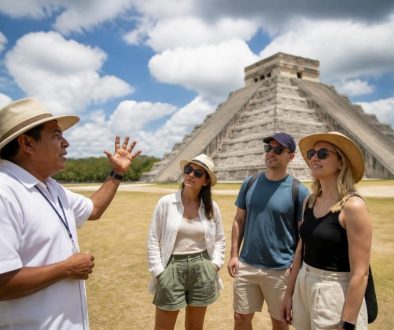
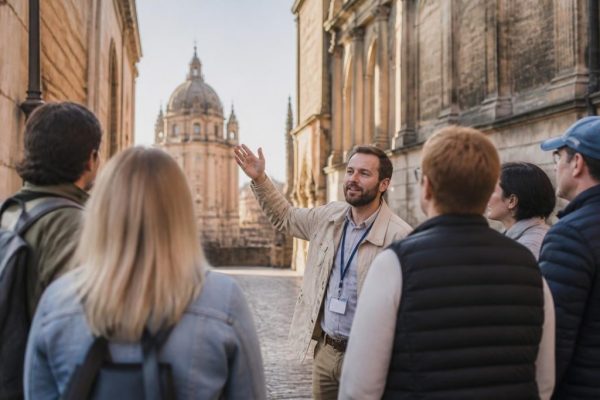
Traditional bus tours with megaphones have given way to intimate, interactive experiences. Modern tours prioritize small group sizes, allowing for meaningful conversations and personalized attention. Native English-speaking guides who grew up in the destination bring authenticity that transcripts and audio guides cannot match.
The shift toward personalization reflects broader consumer expectations in 2026. Travelers increasingly seek experiences tailored to their specific interests rather than one-size-fits-all itineraries. This trend has prompted tour operators to develop specialized offerings, from literary walking tours following famous authors' footsteps to music-themed adventures celebrating iconic bands.
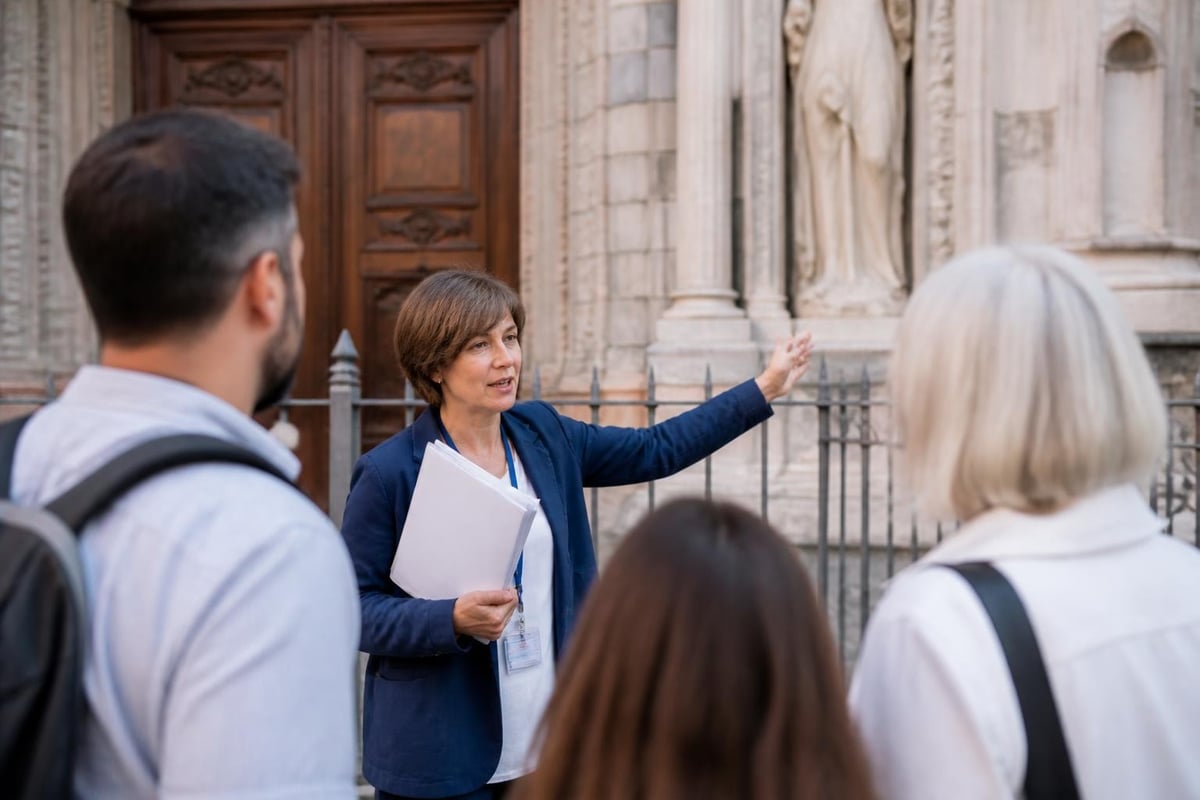
Recent research on inclusive human-AI mediation in heritage tourism demonstrates how technology can enhance rather than replace human guides. The key insight involves using digital tools to support accessibility while maintaining the irreplaceable human element of storytelling and cultural interpretation.
Key Components of Quality Tours
Exceptional guided city tours share several distinguishing characteristics that separate memorable experiences from forgettable ones:
- Expert local guides who provide insider perspectives beyond guidebook facts
- Flexible pacing that accommodates diverse mobility levels and interests
- Interactive storytelling engaging participants rather than lecturing at them
- Strategic route planning balancing popular landmarks with hidden gems
- Cultural context connecting historical events to contemporary life
The difference between reading about a location and experiencing it with a knowledgeable guide becomes apparent within minutes. Guides who share personal anecdotes, family histories, and local legends create emotional connections that transform abstract information into memorable narratives.
Planning Your Guided City Tour Experience
Selecting the right tour requires thoughtful consideration of multiple factors. The abundance of options available in 2026 makes research essential but also enables finding exactly the experience you seek.
Determining Your Tour Priorities
Before booking, clarify what matters most to your group. Different priorities lead to dramatically different tour experiences. Consider these questions:
- Group composition: Are you traveling with family, friends, or colleagues?
- Interest areas: Does your group prefer history, architecture, food, literature, or music?
- Physical capabilities: What walking distances and terrain can everyone manage comfortably?
- Time constraints: How many hours can you dedicate to the experience?
- Budget parameters: What investment makes sense for your travel priorities?
Private tours designed for small gatherings offer distinct advantages over larger group experiences. When you explore with people you know, guides can adjust the narrative to your collective interests and accommodate spontaneous questions without disrupting others' experiences.
| Tour Type | Group Size | Customization | Price Point | Best For |
|---|---|---|---|---|
| Private Walking | 2-8 people | High | Premium | Families, friends |
| Small Group | 8-15 people | Medium | Moderate | Solo travelers, couples |
| Large Group | 15+ people | Low | Budget | General overviews |
| Themed Specialty | Varies | High | Premium | Specific interests |
Evaluating Tour Providers
The tour operator you select significantly impacts your experience quality. Research beyond promotional websites reveals important distinctions. Check verified reviews on independent platforms, paying attention to specific feedback about guide knowledge, punctuality, and flexibility.
Questions to ask potential tour providers include:
- What qualifications and training do your guides possess?
- How do you customize tours for different interests?
- What happens if weather conditions change?
- Do you accommodate dietary restrictions or mobility concerns?
- What cancellation policies apply?
Providers specializing in Stockholm city tours often develop deep expertise in specific destinations rather than spreading resources across multiple cities. This specialization typically translates to more nuanced insights and stronger local connections.
Maximizing Your Guided Tour Experience
Preparation and active engagement transform good tours into exceptional memories. While guides provide the framework, participants who arrive prepared and engaged gain substantially more value.
Pre-Tour Preparation Strategies
Smart preparation begins days before your scheduled tour. Research the destination's basic history to establish context for the stories you'll hear. This background knowledge helps you ask more sophisticated questions and make meaningful connections.
Practical preparation matters equally:
- Wear comfortable walking shoes appropriate for several hours
- Check weather forecasts and dress in layers
- Bring water and light snacks unless meals are included
- Charge your phone or camera for photographs
- Arrive five to ten minutes early to avoid rushed starts
Communicate special interests or requests to your tour operator in advance. Guides appreciate knowing if your group particularly wants to explore specific aspects of local culture, allowing them to emphasize relevant content.

Active Engagement During Tours
The most rewarding tours involve active participation rather than passive observation. Ask questions when curiosity strikes, but remain mindful of other participants' experiences in group settings. Private tours offer unlimited freedom to explore tangents and deep-dive into topics that fascinate your group.
Photography presents both opportunities and challenges. Capture memories, but avoid experiencing the entire tour through a camera lens. Balance documentation with present-moment awareness to fully absorb the atmosphere and stories.
Take mental or brief written notes about particularly interesting facts, recommended restaurants, or locations you want to revisit. These notes prove invaluable when processing your experience later or planning return visits.
Technology Integration in Modern Tours
Digital innovation has transformed how guided city tours operate in 2026, though the human element remains irreplaceable. Understanding these technological enhancements helps you appreciate how modern tours blend traditional storytelling with contemporary tools.
Augmented Reality and Digital Storytelling
Recent developments in augmented reality tour applications demonstrate how technology can overlay historical context onto present-day streets. Some tours now incorporate AR elements allowing participants to visualize how locations appeared centuries ago while standing in the exact spot.
However, the most successful implementations use technology to support rather than replace human guides. Digital elements work best when they enhance storytelling without creating distractions or cognitive overload.
Research on digital storytelling in urban heritage tours reveals that participatory elements increase engagement and retention. Virtual reality components before or after physical tours can provide context that deepens the on-site experience.
Practical Digital Enhancements
Beyond augmented reality, everyday technology improves tour logistics and communication:
- Real-time coordination through messaging apps for flexible meeting points
- Digital payment systems streamlining booking and transactions
- Photo sharing platforms allowing guides to distribute professional images
- Interactive maps helping participants visualize routes and distances
- Post-tour resources providing additional reading and recommendations
The best tour providers balance technological convenience with human connection. Digital tools should facilitate the experience without overwhelming the essential face-to-face interaction that makes guided tours valuable.
Specialized Tour Themes and Niches
Generic city overviews serve certain purposes, but themed tours often deliver more memorable and meaningful experiences. In 2026, successful tour operators differentiate themselves through specialized offerings that cater to specific passions.
Literary and Cultural Deep Dives
Literary tours transport participants into the worlds of beloved authors and characters. Walking the same streets as fictional heroes or historical writers creates tangible connections to stories that previously existed only in imagination. These experiences appeal particularly to readers who want to understand how place influences narrative.
Cultural tours examining specific artistic movements, architectural periods, or social phenomena attract enthusiasts seeking depth over breadth. Rather than rushing past dozens of landmarks, these focused experiences allow thorough exploration of particular themes.
Music and Entertainment Journeys
Music-themed tours celebrating iconic artists or movements have gained popularity as travelers seek experiences connecting to their personal passions. Whether following punk rock history through London or tracing jazz evolution in New Orleans, these tours combine geographical exploration with cultural appreciation.
The ABBA journey experience exemplifies how music tours can incorporate multiple elements-historical context, location visits, shared meals, and social connection-creating comprehensive cultural immersion rather than simple sightseeing.
| Theme Type | Primary Focus | Typical Duration | Engagement Level | Knowledge Depth |
|---|---|---|---|---|
| Literary | Authors, books, locations | 2-3 hours | High | Deep |
| Music | Artists, venues, history | 3-4 hours | Very High | Moderate-Deep |
| Culinary | Food, markets, restaurants | 3-4 hours | Very High | Moderate |
| Architectural | Buildings, styles, designers | 2-3 hours | Moderate | Deep |
| Historical | Events, periods, figures | 2-4 hours | Moderate | Very Deep |
Traditional Heritage Experiences
Classic walking tours through historic districts remain perennially popular for good reason. Stockholm Old Town walking tours showcase medieval architecture, royal history, and urban evolution in ways that resonate across generations and interest levels.
These traditional experiences succeed when guides balance historical facts with human stories. Rather than reciting dates and statistics, skilled guides weave personal narratives, local legends, and cultural context into cohesive narratives that bring centuries-old stones to life.
Creating Value Through Customization
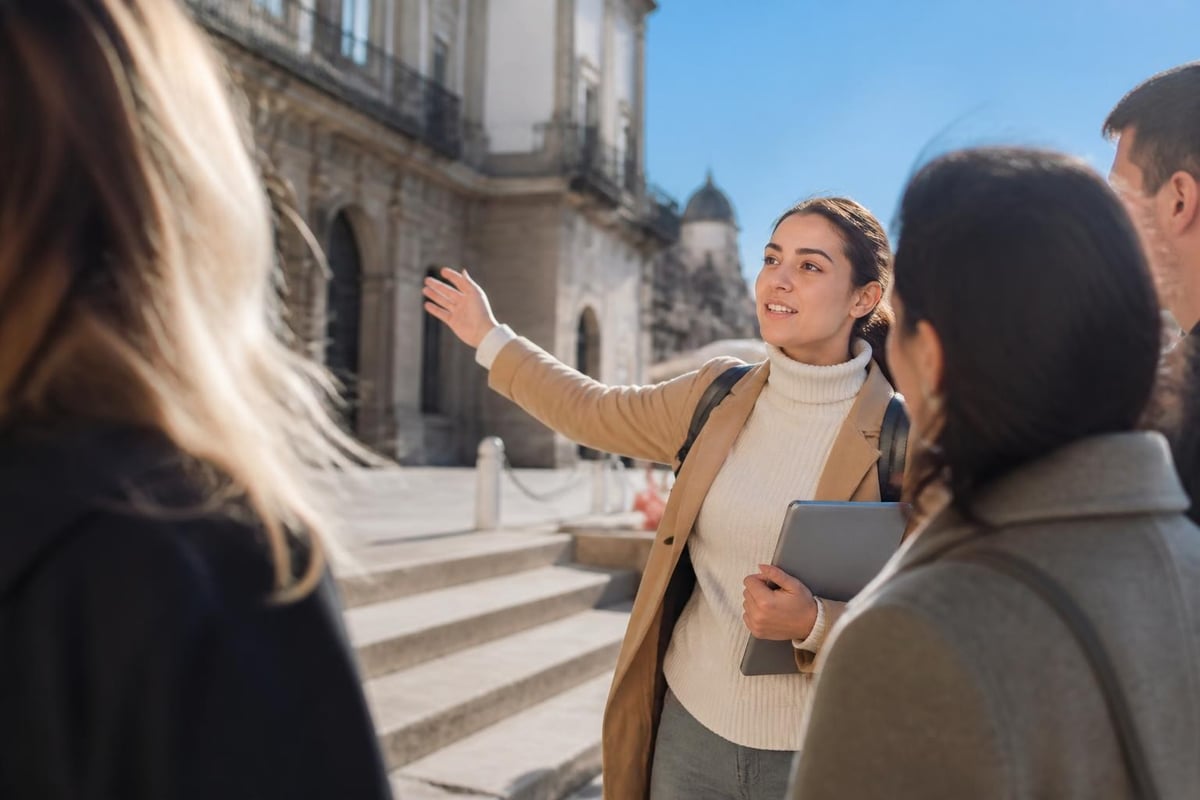
The greatest advantage of private guided city tours lies in customization possibilities. When experiences adapt to your group's unique interests and needs, value increases exponentially compared to standardized offerings.
Tailoring Content and Pace
Tailored tours begin with understanding what your group wants to discover. Perhaps your family includes both history enthusiasts and young children requiring frequent breaks. Maybe your corporate colleagues want to understand local business culture alongside historical context. Effective customization addresses these diverse needs.
Pace customization proves equally important. Some groups prefer leisurely exploration with extended photo opportunities and café breaks, while others want to cover maximum ground efficiently. Private tours accommodate these preferences without compromise.
Flexibility in Real-Time
Beyond pre-planned customization, the best guided city tours adapt in real-time based on emerging interests or circumstances. When a particular story captivates your group, guides can expand on that theme. If unexpected weather arrives, alternative routes or indoor locations keep the experience enjoyable.
This flexibility distinguishes professional tour guides from rigid scripts or audio tours. Human guides read group dynamics, adjust accordingly, and create responsive experiences that fixed formats cannot match.
Access and Insider Knowledge
Local guides provide access to perspectives and locations unavailable to independent travelers. They know which narrow alleys reveal architectural gems, when to visit popular sites to avoid crowds, and where locals actually eat versus tourist traps.
Insider access extends beyond physical locations to cultural understanding. Guides explain social customs, contemporary issues, and local perspectives that contextualize what you observe. This depth transforms tourism from surface-level observation into genuine cultural exchange.
Group Dynamics and Social Elements
The social dimension of guided city tours significantly impacts the overall experience. Whether traveling with known companions or joining strangers who share your interests, group dynamics shape memories and learning.
Private Group Advantages
Tours designed for private groups and small gatherings offer unique benefits. Conversation flows naturally when you explore with family, friends, or colleagues. Inside jokes emerge, shared memories form, and the experience strengthens existing relationships while creating new bonds.
Private arrangements also enable frank discussions about sensitive topics, personal questions without social awkwardness, and customization that might seem demanding in mixed groups. The investment in exclusivity pays dividends through enhanced comfort and relevance.
Building Connections with Fellow Travelers
Even in private tours, interactions with your guide and occasional encounters with other travelers create opportunities for meaningful connection. Shared experiences in remarkable locations naturally facilitate conversation and relationship building.
Some themed tours intentionally incorporate social elements, recognizing that cultural exploration combines beautifully with making new friends from around the world. Shared meals, collaborative activities, or group reflections transform individual observations into collective experiences.
The Guide-Participant Relationship
The relationship between guide and participants fundamentally shapes tour quality. Exceptional guides balance authority and approachability, demonstrating expertise while remaining genuinely interested in participants' perspectives and questions.
This relationship works best as collaborative exploration rather than one-way information transfer. When guides invite questions, encourage observations, and validate participant insights, everyone benefits from collective discovery.
Practical Logistics and Planning
Successful guided city tours require attention to practical details that might seem minor but significantly impact comfort and enjoyment. These logistical considerations deserve thoughtful planning.
Timing and Seasonal Considerations
Tour timing affects both the physical experience and what you'll observe. Morning tours often feature fresher energy and fewer crowds, while evening walks showcase different atmospheric qualities. Seasonal variations bring distinct advantages-spring blooms, summer festivals, autumn colors, or winter markets.
Consider how timing aligns with your travel schedule. Booking a guided city tour early in your visit provides orientation and insider tips you can apply throughout your stay. Alternatively, scheduling tours near the end allows you to explore independently first, then clarify questions and deepen understanding with expert guidance.
Physical and Accessibility Factors
Honest assessment of physical capabilities ensures comfortable experiences for all participants. Most walking tours cover two to four miles over several hours, though terrain difficulty varies significantly between flat modern districts and hilly historic quarters.
Communicate accessibility needs clearly when booking. Reputable operators accommodate mobility devices, arrange rest breaks, or suggest alternative tours better suited to specific requirements. English walking tours often provide detailed accessibility information in advance.
Weather Contingencies
Weather unpredictability requires flexible planning. Quality tour operators develop contingency plans for various conditions, whether rerouting to covered areas during rain or providing shade breaks during heat.
Participants should prepare independently as well-checking forecasts, bringing appropriate gear, and maintaining realistic expectations. Some weather conditions enhance rather than diminish experiences, as mist-shrouded medieval streets or snow-dusted squares create magical atmospheres impossible to plan.
Measuring Tour Success and Value
Determining whether a guided city tour delivered value involves both objective and subjective assessment. Understanding how to evaluate these experiences helps you make better selections and maximize satisfaction.
Immediate Experience Indicators
During the tour itself, certain factors signal quality:
- Guide knowledge depth and accuracy
- Engagement level maintained throughout
- Group size and attention to individual needs
- Punctuality and logistical smoothness
- Flexibility in addressing questions and interests
Pay attention to how you feel during the experience. Genuine engagement, curiosity, and enjoyment indicate successful tours, while boredom, confusion, or fatigue suggest mismatches between expectations and delivery.
Long-Term Impact Assessment
The true value of a guided city tour often becomes apparent days or weeks later. Quality experiences produce lasting effects:
- Enhanced understanding that enriches subsequent reading or media about the destination
- Behavioral changes like returning to recommended restaurants or attractions
- Conversation material you enthusiastically share with friends and family
- Photographic memories that evoke emotions when reviewed months later
- Desire to return to the destination for deeper exploration
Tours that change how you think about a place, its culture, or its people deliver profound value beyond entertainment. These transformative experiences justify premium pricing because they create lasting personal growth.
Comparing Investment and Return
Value assessment requires comparing tour costs against alternatives. While guided experiences cost more than independent exploration, they compress learning curves, prevent wasted time, and provide access unavailable to solo travelers.
Consider the opportunity cost of researching, planning, and potentially missing important sites or context. For many travelers, expert guidance represents efficient use of limited vacation time, delivering concentrated value that justifies the financial investment.
Choosing the right guided city tour transforms ordinary sightseeing into extraordinary cultural immersion, creating memories and understanding that endure long after you return home. Whether you're drawn to literary adventures, musical journeys, or classic heritage experiences, the perfect tour awaits in Stockholm and beyond. Adding:tours specializes in creating personalized guided city tour experiences for private groups and small gatherings, combining native English-speaking guides with insider access to Stockholm's hidden treasures, from medieval Old Town alleys to ABBA's legacy. Let us design an unforgettable journey tailored precisely to your interests and create connections that transform how you see this remarkable city.