

Best Small Group Tour Companies: Complete Guide 2026
Choosing among the best small group tour companies transforms your travel experience from ordinary sightseeing into meaningful exploration. The right operator connects you with expert guides, fellow travelers who share your interests, and authentic experiences that large bus tours simply cannot deliver. With the tourism industry rebounding and consumer demand for smaller, more personalized experiences growing, understanding how to evaluate tour companies has never been more important. This guide examines the characteristics that distinguish exceptional operators, helping you make informed decisions for your next adventure.
What Defines the Best Small Group Tour Companies
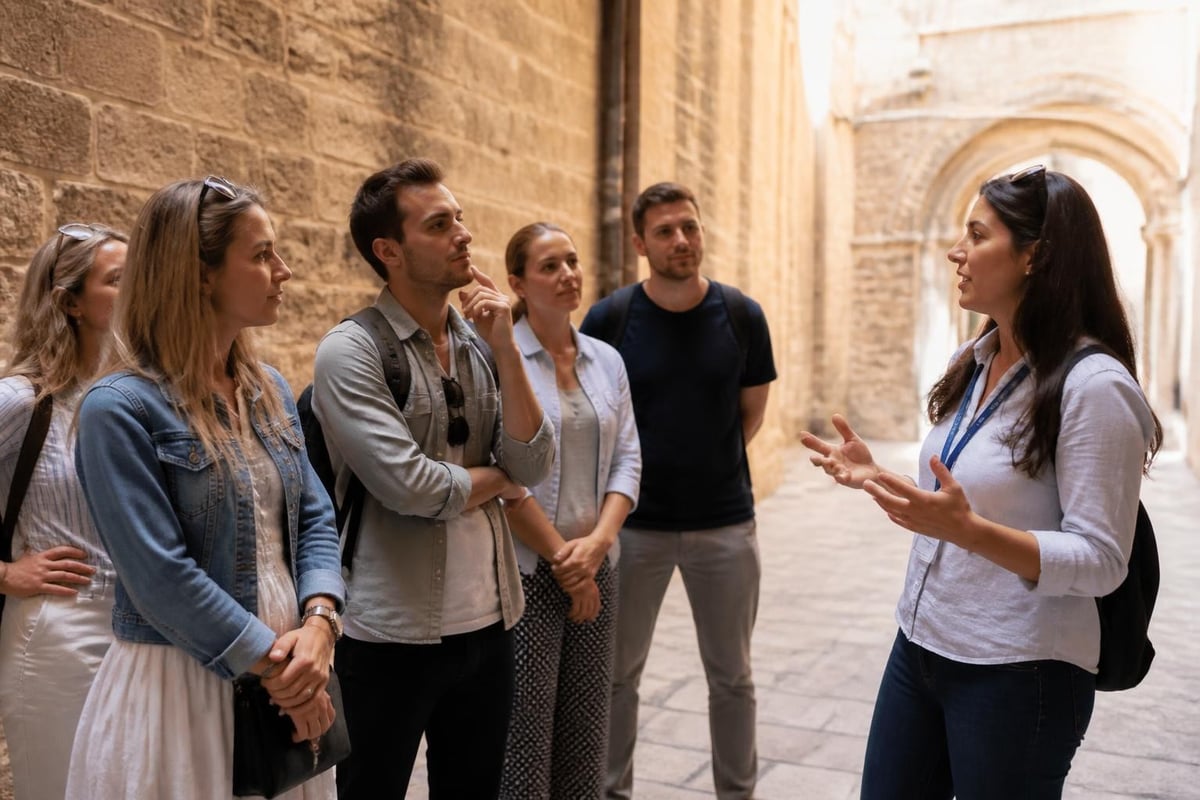
Superior tour operators share several fundamental qualities that separate them from average providers. Group size stands as the most critical differentiator, with the best small group tour companies typically limiting tours to 8-16 participants rather than the 40-50 common on motorcoach trips.
Group Size and Quality Standards
The mathematics of small groups creates better experiences. Fewer participants mean:
- Each traveler receives more personalized attention from guides
- Questions get answered thoroughly without rushing
- Flexibility to adjust itineraries based on group interests
- Access to venues and restaurants that cannot accommodate large buses
- Meaningful conversations and connections with fellow travelers
Premium operators also invest heavily in guide quality. The best small group tour companies employ guides who are not just knowledgeable but passionate storytellers who bring destinations to life. Many operators require guides to complete extensive training programs and maintain local expertise rather than reading from scripts.
| Quality Factor | Premium Operators | Average Operators |
|---|---|---|
| Maximum group size | 8-16 people | 30-50 people |
| Guide credentials | Local experts, specialized training | General tourism certification |
| Itinerary flexibility | Customizable, responsive to interests | Fixed, no adjustments |
| Access | Exclusive venues, local connections | Public attractions only |
Evaluating Tour Company Credentials and Safety
Vetting a tour operator requires examining both their business credentials and commitment to traveler protection. According to guidance from the Federal Trade Commission on avoiding travel scams, consumers should verify several key elements before booking.
Business legitimacy matters more than flashy websites. Look for:
- Physical business address and verifiable contact information
- Years in operation and company history
- Industry memberships such as USTOA or regional tour operator associations
- Licenses and permits appropriate to their operating regions
- Insurance coverage including liability and financial protection
The United States Tour Operators Association provides consumer protection through its $1 million Travelers Assistance Program, which reimburses consumers if member companies fail to provide contracted services due to bankruptcy or insolvency. Membership in such organizations signals financial stability and adherence to industry standards.
Permit Requirements and Regulatory Compliance
For tours operating in protected areas, permits demonstrate legitimate operations. The National Park Service requires Commercial Use Authorizations for any guided commercial tours in national parks, with specific requirements varying by location. Operators willing to share their permit numbers and authorization details typically run transparent, law-abiding businesses.
When researching Stockholm tours, verify whether operators hold proper business licenses and insurance coverage appropriate to Swedish regulations.
Specialist Tours Versus General Sightseeing
The best small group tour companies often specialize in particular niches rather than trying to be everything to everyone. Specialization allows operators to develop deep expertise, exclusive access, and curated experiences impossible for generalists.
Types of Specialized Tour Companies
Different operators excel in distinct categories:
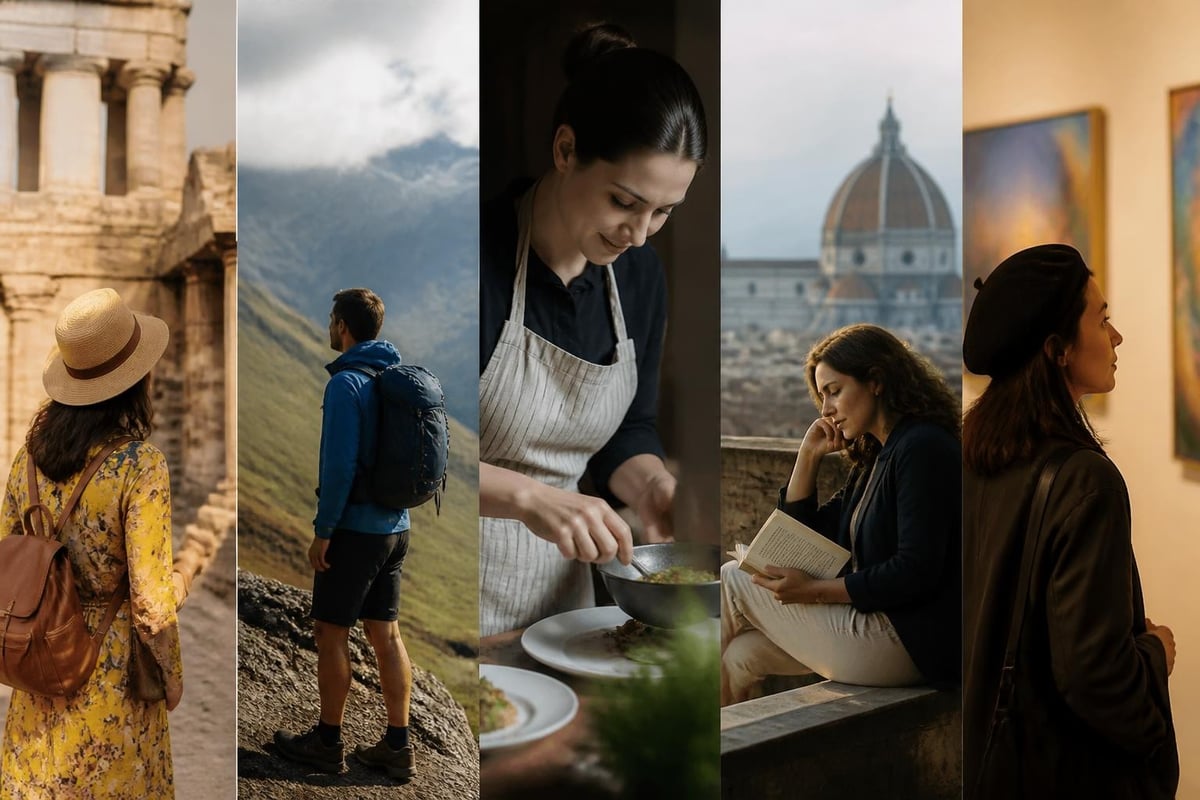
Cultural and historical specialists partner with museums, archeological sites, and cultural institutions to provide behind-the-scenes access. These companies employ guides with academic backgrounds who can discuss historical context and significance.
Adventure and activity-focused operators concentrate on hiking, cycling, kayaking, or multi-sport itineraries. They maintain specialized equipment, safety protocols, and guides with wilderness first responder training.
Culinary tour companies build relationships with chefs, winemakers, and food artisans to create immersive gastronomic experiences. Their guides understand regional cuisines, food history, and sustainable agriculture.
Literary and arts-focused operators design experiences around authors, artists, and creative movements. An ABBA journey in Stockholm to Viggsö represents this category perfectly, connecting music enthusiasts with the locations and stories behind Sweden's most famous musical export.
Specialized operators typically charge premium prices but deliver significantly deeper experiences than general sightseeing tours.
Guide Quality as a Defining Factor
No element influences tour quality more dramatically than the guide leading your experience. The best small group tour companies recognize this reality and invest accordingly in guide recruitment, training, and compensation.
What Makes Exceptional Guides
Superior guides combine several distinct skill sets that extend far beyond basic knowledge:
- Deep local expertise from living in the destination, not just studying it
- Storytelling ability that transforms facts into compelling narratives
- Cultural sensitivity and ability to bridge differences among diverse travelers
- Problem-solving skills when weather, closures, or logistics require adjustments
- Genuine enthusiasm that proves contagious throughout the group
Top operators often feature guides who are published authors, university lecturers, certified naturalists, or recognized experts in their fields. When evaluating companies, request information about guide backgrounds and qualifications.
Professional tour guides with native language fluency provide advantages beyond mere translation. They understand cultural nuances, local humor, and can facilitate authentic interactions with residents that non-native guides struggle to replicate.
| Guide Characteristic | Impact on Experience | Questions to Ask Operators |
|---|---|---|
| Local residency | Insider knowledge, current information | Do guides live in the destinations year-round? |
| Language skills | Clear communication, cultural bridge | Are guides native speakers of tour language? |
| Specialized credentials | Depth of expertise | What training/certifications do guides hold? |
| Group management | Smooth logistics, inclusive atmosphere | How are guides evaluated and trained? |
Itinerary Design and Flexibility
Thoughtful itinerary construction separates memorable tours from disappointing ones. The best small group tour companies design daily schedules that balance structured activities with free time, avoid exhausting pace, and build in contingency plans.
Well-designed itineraries typically follow several principles. They front-load intensive activities early in trips when energy runs high, place major highlights strategically throughout the journey rather than clustering them, include downtime for meals, rest, and independent exploration, and account for realistic travel times between locations without constant rushing.
Customization Capabilities
The most exceptional operators offer some degree of customization. While fully private, tailored tours provide maximum flexibility, even scheduled small group departures can often accommodate reasonable requests when communicated in advance.
Before booking, ask:
- Can dietary restrictions be accommodated?
- Is the pace adjustable for varying fitness levels?
- Are alternative activities available for travelers with different interests?
- How does the company handle unexpected closures or weather issues?
Companies that respond with specific examples and solutions demonstrate operational maturity and customer focus.
Value Assessment Beyond Price
Evaluating tour value requires looking beyond the bottom-line cost. The best small group tour companies may charge more than competitors while delivering substantially greater value through inclusions, quality, and experience design.
What's Included Matters
Premium operators typically include more elements in base pricing:
- Most meals, especially those featuring local specialties or unique venues
- Entrance fees to all attractions and museums on the itinerary
- Internal transportation, from airport transfers to daily touring vehicles
- Tipping for guides and drivers (though policies vary by company)
- Activity equipment such as bikes, kayaks, or specialized gear
Budget operators advertise low prices then add charges for nearly everything beyond basic transportation and guide services. Total costs often exceed those of premium companies once you add meals, entrance fees, and gratuities.
Cultural tours that include museum admissions, special access, and expert interpretation provide better value than cheap walking tours requiring separate ticket purchases at each stop.
Reviews and Reputation Research
Independent traveler reviews offer invaluable insights when choosing among the best small group tour companies. However, review literacy requires understanding where to look and how to interpret what you find.
Reliable Review Sources
The most trustworthy feedback comes from:
- Dedicated travel review platforms with verification systems
- Travel forums where experienced travelers discuss operators in detail
- Social media groups focused on specific destinations or travel styles
- Travel advisor and journalist recommendations in reputable publications
The Boston Globe’s practical advice on picking the right tour company emphasizes the importance of reading beyond five-star ratings to understand specific experiences and potential concerns.
When reading reviews, look for patterns across multiple sources rather than fixating on individual comments. Consistent praise for guides, itinerary design, or problem resolution suggests genuine strengths. Repeated complaints about hidden fees, rushed pace, or poor communication indicate red flags.
Pay particular attention to how companies respond to negative reviews. Professional operators acknowledge concerns, explain what happened, and describe corrective actions. Defensive or dismissive responses suggest poor customer service orientation.

Regional Expertise and Local Connections
Geographic specialization enables tour operators to develop the local relationships and expertise that transform good tours into exceptional ones. The best small group tour companies often limit their geographic scope to maintain quality and depth.
The Value of Regional Focus
Operators concentrating on specific regions or cities invest in:
- Partnerships with local experts, artisans, and cultural ambassadors
- Exclusive access to sites, workshops, or experiences unavailable to general public
- Current knowledge of changing conditions, new attractions, and local events
- Established relationships with restaurants, venues, and service providers
For example, an operator focused exclusively on Scandinavia develops deeper Stockholm expertise than a company offering global itineraries. They understand seasonal variations, know which walking tours of Stockholm’s Old Town avoid crowds, and maintain relationships enabling special access.
Regional specialists also adapt more quickly to changes. When construction closes a usual route or a new museum opens, focused operators incorporate updates immediately rather than working from outdated templates.
Sustainable and Responsible Tourism Practices
Leading tour companies increasingly prioritize sustainable tourism practices that benefit destinations and communities. The best small group tour companies recognize their responsibility to minimize negative impacts while maximizing benefits for local economies.
Responsible operators demonstrate commitment through:
- Small group sizes that reduce environmental footprint and cultural disruption
- Local employment of guides, drivers, and support staff
- Partnerships with locally-owned businesses for meals, accommodations, and services
- Educational approach that fosters respect for cultures and environments
- Contribution to conservation or community development programs
Ask prospective companies about sustainability policies and look for specific practices rather than vague commitments. Companies with genuine programs can describe measurable actions and their impacts.
| Sustainability Practice | How It Helps | Verification Method |
|---|---|---|
| Local guide employment | Keeps economic benefits in community | Ask about guide hiring practices |
| Small group limits | Reduces overcrowding and impact | Check maximum group sizes |
| Local restaurant partnerships | Supports community businesses | Review sample menus and venue lists |
| Conservation contributions | Funds protection of natural/cultural sites | Request information on programs supported |
Booking Policies and Consumer Protection
Transparent booking terms indicate reputable operators who prioritize customer interests. The best small group tour companies maintain clear policies addressing deposits, cancellations, refunds, and travel insurance.
Red Flags in Booking Terms
Exercise caution with companies that:
- Require full payment far in advance without installment options
- Offer no refunds under any circumstances
- Hide cancellation policies in fine print
- Pressure you to book immediately with "limited availability" tactics
- Resist providing written confirmation of terms
Reputable operators typically require modest deposits initially, accept final payments 60-90 days before departure, maintain reasonable cancellation policies with clearly defined refund schedules, and encourage (or require) trip insurance to protect both parties.
When booking English tours or any guided experiences, request written confirmation of all inclusions, exclusions, and terms before submitting payment.
Private Versus Scheduled Small Group Tours
Both private and scheduled small group tours have distinct advantages depending on your circumstances and preferences. Understanding these differences helps you choose the format aligning with your needs.
Private Group Benefits
Private tours offer maximum flexibility and personalization. Your group alone participates, allowing you to:
- Set your own pace without accommodating others
- Customize itineraries extensively based on specific interests
- Choose travel dates convenient for your schedule
- Maintain privacy for family or professional groups
- Adjust timing and activities day-by-day as desired
Private tours command premium pricing but deliver unmatched personalization. They're ideal for families with children, corporate groups, or travelers with particular accessibility needs.
Scheduled Small Group Advantages
Scheduled departures with mixed groups provide different benefits:
- Lower per-person costs through shared expenses
- Social connections with fellow travelers from diverse backgrounds
- Fixed dates that simplify planning and commitment
- Guaranteed departures without minimum group size requirements
- Solo traveler access to group experiences
Many travelers appreciate the friendships and shared experiences that develop in well-curated small groups. The best small group tour companies carefully consider group composition and dynamics when accepting bookings.
Solo travelers group holidays bridge individual exploration with social connection, offering the best of both approaches.
Questions to Ask Before Booking
Before committing to any operator, pose specific questions that reveal operational quality and customer focus. The best small group tour companies welcome detailed inquiries and provide comprehensive answers.
Essential Pre-Booking Questions
About the company:
- How long have you operated tours in this destination?
- What industry associations do you belong to?
- What financial protections do you provide if your company ceases operations?
- Can you provide references from recent travelers?
About the specific tour:
- What is the maximum group size, and how many are currently booked?
- Who will be our guide, and what are their qualifications?
- Exactly what is included versus what costs extra?
- What is your cancellation and refund policy?
- How do you handle medical emergencies or unexpected issues?
About logistics:
- What type of transportation will we use?
- What accommodation standards can we expect?
- How much walking/physical activity is required daily?
- Is travel insurance required or recommended?
Companies providing detailed, specific responses demonstrate transparency and operational maturity. Vague answers or reluctance to provide information suggests potential problems.
The Future of Small Group Travel
The small group tour sector continues evolving in response to changing traveler preferences and global conditions. The best small group tour companies adapt to emerging trends while maintaining the core values that make intimate group travel special.
Current and Emerging Trends
Several developments are reshaping the industry:
Technology integration enhances rather than replaces human guidance, with apps providing supplemental information, digital maps, and real-time updates while guides focus on storytelling and interaction.
Hyper-personalization allows operators to customize experiences based on detailed preference profiles, creating unique itineraries even within scheduled group departures.
Multigenerational travel drives demand for itineraries accommodating varying ages, interests, and physical capabilities within single groups.
Workation integration enables remote workers to join tours that balance structured activities with WiFi access and flexible schedules for productivity.
Health and wellness focus incorporates mindful travel, sustainable practices, and experiences promoting physical and mental wellbeing.
The core appeal of small group travel remains constant: meaningful connections with destinations, guides, and fellow travelers impossible in large tour groups or independent travel.
Selecting from the best small group tour companies requires evaluating multiple factors from group size and guide quality to sustainability practices and booking policies. The right operator transforms sightseeing into genuine discovery through expert leadership, thoughtful itinerary design, and the intimate dynamics only small groups create. Whether you're planning to explore Stockholm's historic streets or embark on specialized adventures, Adding:tours delivers the personalized attention and local expertise that define exceptional small group experiences, tailoring every journey to your interests with native English-speaking guides who share insider perspectives you won't find anywhere else.