Arctic Circle Tours: Planning Your Journey to the Far North
The Arctic Circle represents one of Earth's most captivating frontiers, where midnight sun illuminates summer landscapes and aurora borealis dances across winter skies. Arctic circle tours have evolved dramatically in recent years, combining adventure with sustainability, cultural immersion with safety protocols, and accessibility with environmental responsibility. For travelers seeking experiences beyond conventional destinations, the Arctic offers unparalleled opportunities to witness pristine wilderness, encounter unique wildlife, and connect with indigenous communities whose heritage spans millennia. Whether you're drawn to Greenland's massive ice sheets, Norway's dramatic fjords, or the remote archipelago of Svalbard, understanding the nuances of Arctic travel ensures your journey becomes transformative rather than merely transactional.
Understanding Arctic Circle Tour Options
Arctic circle tours encompass a remarkable diversity of experiences tailored to different interests, fitness levels, and budgets. The spectrum ranges from luxury expedition cruises equipped with ice-strengthened hulls to intimate small-group hiking expeditions led by local experts.
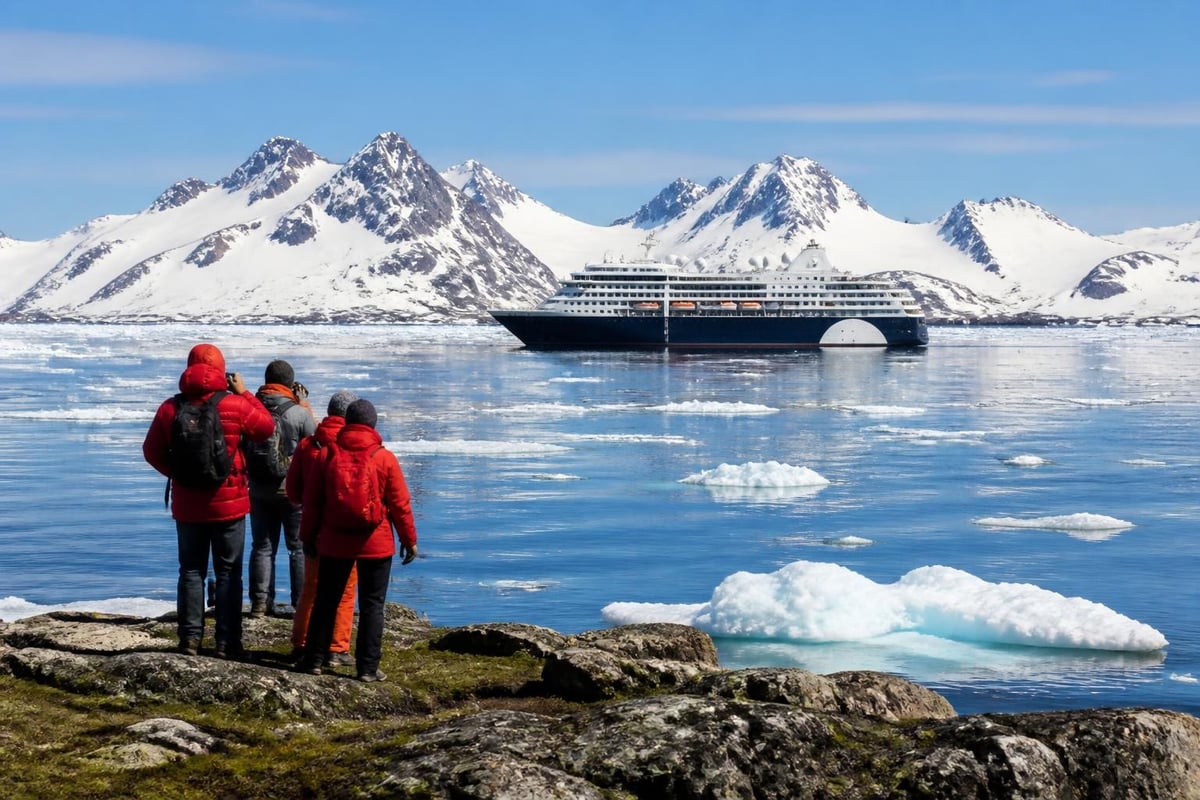
Expedition cruise tours dominate the market, offering comprehensive itineraries that combine multiple destinations across weeks. These voyages typically include Zodiac landings, onboard naturalists, and facilities designed for polar conditions. Passengers benefit from the vessel's ability to navigate ice-choked waters while providing comfortable accommodations.
Land-based arctic circle tours focus on specific regions, allowing deeper cultural engagement and extended time in communities. These programs might center on dogsledding in Finnish Lapland, glacier hiking in Iceland, or visiting research stations in Svalbard. The pace differs significantly from cruise-based alternatives, prioritizing depth over geographic coverage.
Seasonal Variations in Arctic Experiences
Summer arctic circle tours (June through August) capitalize on 24-hour daylight, accessible terrain, and thriving wildlife. This season supports:
- Extensive hiking opportunities across tundra landscapes
- Peak seabird nesting colonies along coastal cliffs
- Whale watching as marine mammals feed in nutrient-rich waters
- Wildflower displays transforming barren landscapes into colorful meadows
- Research station visits and scientific collaborations
Winter expeditions (December through March) cater to aurora hunters and those seeking quintessential polar experiences. The darkness enables spectacular northern lights displays, while frozen landscapes support ice-specific activities like snowmobiling and ice fishing. However, temperatures plummet, daylight vanishes for extended periods, and accessibility becomes significantly restricted.
Shoulder seasons (April-May and September-October) present unique advantages for experienced travelers. Spring brings baby wildlife, while autumn showcases dramatic light quality and fewer crowds. These periods demand flexibility as weather unpredictability increases dramatically.
Safety Standards and Environmental Regulations
Modern arctic circle tours operate under stringent international frameworks designed to protect both visitors and fragile ecosystems. The International Code for Ships Operating in Polar Waters establishes mandatory requirements for vessels navigating these extreme environments, covering construction standards, equipment specifications, and crew training protocols.
Tour operators adhering to industry best practices implement comprehensive risk management systems addressing multiple hazards:
| Risk Category | Mitigation Strategies | Monitoring Systems |
|---|---|---|
| Weather extremes | Real-time satellite data, route flexibility, shelter protocols | Continuous meteorological updates |
| Wildlife encounters | Minimum distance rules, trained guides, protective equipment | Behavioral observation, early warning systems |
| Ice conditions | Ice-strengthened vessels, experienced ice pilots | Radar systems, ice reconnaissance |
| Medical emergencies | Onboard medical facilities, evacuation plans, telemedicine | Regular health screenings, satellite communication |
The AECO Visitor Guidelines provide detailed protocols for minimizing tourism impacts across Arctic regions. These standards address wildlife viewing distances, waste management, cultural site protection, and group size limitations. Responsible operators integrate these guidelines into every aspect of their programming.
Environmental stewardship extends beyond compliance. Leading arctic circle tours partner with research institutions, contribute to conservation funding, and employ local guides whose knowledge ensures minimal ecological disruption. Understanding Arctic wildlife protection initiatives helps travelers evaluate operator commitments to sustainability.
Prime Destinations for Arctic Circle Tours
Svalbard Archipelago: Norway's Arctic Frontier
Located halfway between mainland Norway and the North Pole, Svalbard offers extraordinary accessibility to high-Arctic environments. Longyearbyen, the world's northernmost permanent settlement with over 1,000 residents, serves as the gateway for most arctic circle tours to this region.
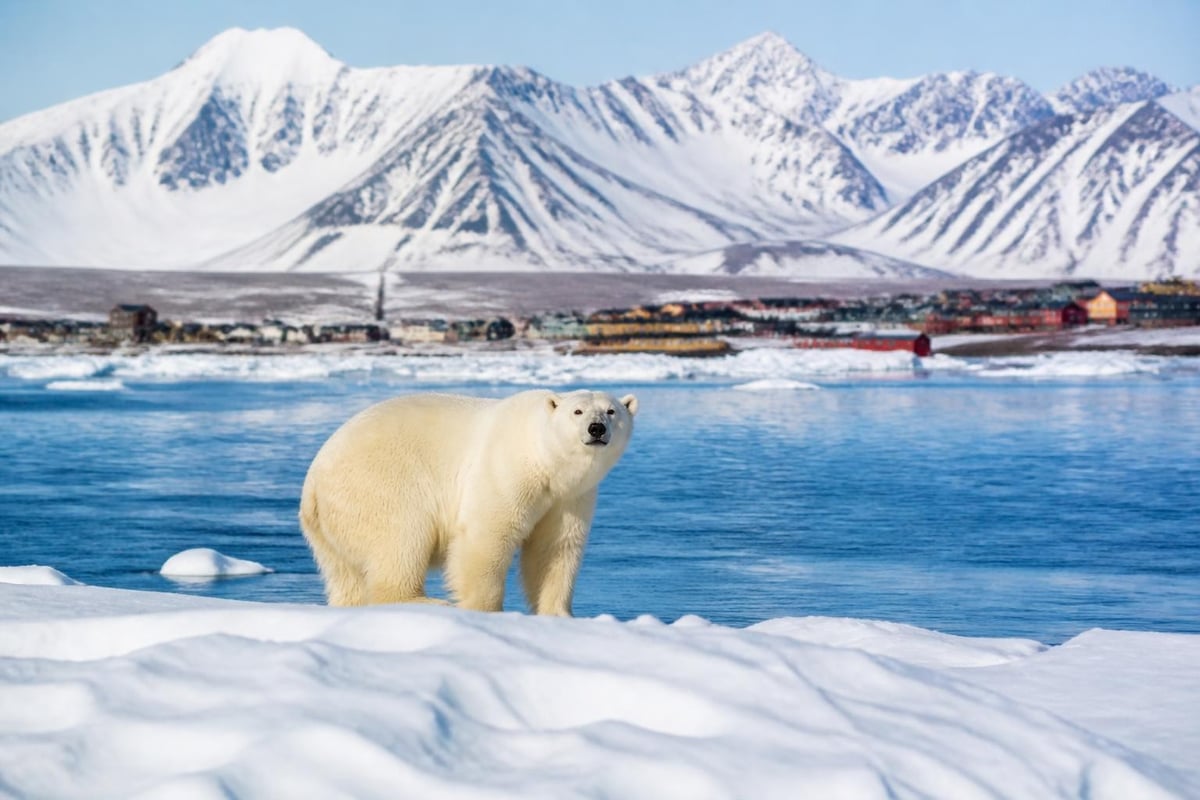
Svalbard's appeal includes guaranteed polar bear sightings (from safe distances), massive bird cliffs hosting millions of seabirds, and historical whaling stations preserved in permafrost. The archipelago's tourism infrastructure supports diverse experiences while maintaining strict environmental standards. Recent visitor statistics demonstrate the economic significance of responsible tourism to local communities.
Greenland: Ice Sheet and Inuit Heritage
Greenland's vast ice sheet covers 80% of the world's largest island, creating landscapes unlike anywhere else on Earth. Arctic circle tours here emphasize cultural connections with Inuit communities, glacier exploration, and remote settlement visits accessible only by boat or helicopter.
The tourism data for Greenland reveals growing visitor interest concentrated in summer months, with sustainable growth managed through limited infrastructure deliberately preventing mass tourism. This approach preserves authentic experiences while supporting local economies.
Key destinations include Ilulissat Icefjord, a UNESCO World Heritage site where massive icebergs calve from Sermeq Kujalleq glacier, and Tasiilaq, East Greenland's colorful hub for mountaineering and kayaking expeditions.
Northern Norway: Fjords and Sami Culture
The Norwegian Arctic combines dramatic coastal scenery with indigenous Sami heritage and robust tourism infrastructure. Arctic circle tours in Tromsø, known as the "Gateway to the Arctic," range from dog sledding adventures to northern lights photography workshops.
The Lofoten Islands provide spectacular scenery within the Arctic Circle, featuring fishing villages clinging to mountainsides above turquoise waters. The region's relatively mild climate (warmed by Gulf Stream currents) enables year-round accessibility uncommon in comparable latitudes.
Finnish Lapland and Swedish Territories
While not always emphasizing the Arctic Circle specifically, Finnish and Swedish Lapland offer accessible entry points for first-time Arctic travelers. These regions excel in winter tourism infrastructure, featuring glass igloos, reindeer safaris, and professional northern lights guiding.
Climate Change Impacts on Arctic Tourism
Arctic regions are warming approximately twice as fast as global averages, fundamentally altering landscapes and accessibility. NASA’s research on Arctic amplification documents these rapid changes, which create both opportunities and challenges for arctic circle tours.
Observed changes affecting tourism:
- Extended navigation seasons as sea ice retreats earlier and forms later
- Increased calving from glaciers creating dramatic but unpredictable viewing opportunities
- Permafrost thaw destabilizing infrastructure and historical sites
- Wildlife range shifts altering traditional viewing locations
- Vegetation changes transforming tundra ecosystems
Research from the Western Norway Research Institute on Svalbard tourism highlights adaptation requirements for operators, including infrastructure reinforcement, route flexibility, and enhanced monitoring systems.
Understanding Arctic sea ice trends helps travelers time visits optimally and set realistic expectations about conditions. Some traditional Arctic experiences may become increasingly rare, while new opportunities emerge as previously inaccessible areas open.
Preparing for Your Arctic Adventure
Essential Equipment and Clothing
Arctic circle tours demand specialized gear capable of protecting against extreme conditions. Even summer expeditions require preparation for rapid weather changes, wind chill, and wet conditions.
Layering system fundamentals:
- Base layer: Merino wool or synthetic moisture-wicking fabrics (never cotton)
- Insulation layer: Down or synthetic insulated jackets providing warmth without bulk
- Outer shell: Waterproof, windproof jacket and pants with sealed seams
- Extremities protection: Insulated gloves with waterproof shells, warm hat covering ears, neck gaiter
Most reputable operators provide specialized equipment like insulated boots rated for extreme cold, flotation suits for Zodiac operations, and expedition-grade parkas. Confirm what's included versus what you must supply during booking.
Health and Safety Considerations
Arctic environments present unique health challenges requiring proactive management. UK government Arctic travel safety guidance offers comprehensive preparation advice applicable regardless of nationality.
Medical considerations include:
- Comprehensive travel insurance covering evacuation from remote locations (standard policies often exclude Arctic regions)
- Vaccinations as recommended for specific regions (tetanus, diphtheria, and others)
- Prescription medications in original packaging with sufficient quantities plus backup supplies
- Dental checkups before departure (dental emergencies in remote Arctic locations pose serious challenges)
Physical fitness requirements vary dramatically between tour types. Expedition cruises accommodate diverse abilities, while hiking-focused arctic circle tours may demand significant cardiovascular fitness and mobility. Honest self-assessment prevents disappointment and ensures safety.
Cultural Sensitivity and Indigenous Engagement
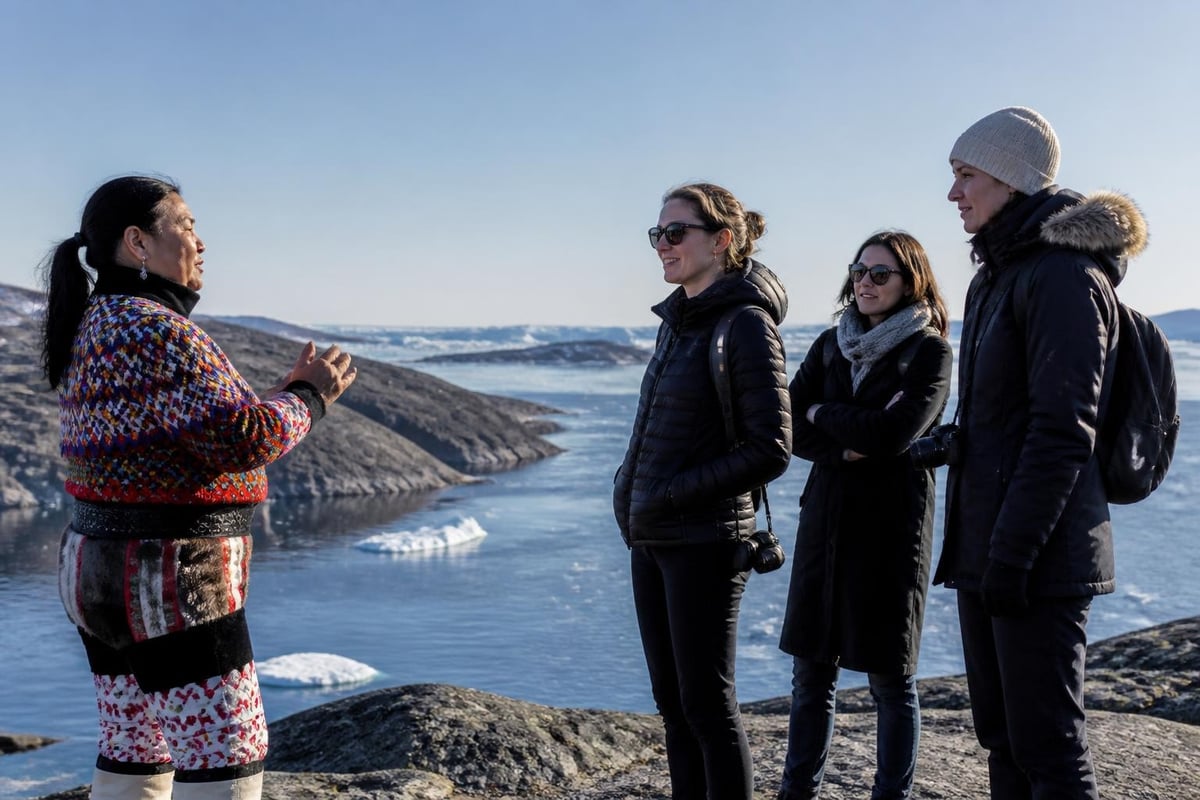
Arctic circle tours increasingly emphasize authentic cultural exchange with indigenous peoples whose territories span polar regions. Respectful engagement requires understanding historical contexts, contemporary challenges, and appropriate interaction protocols.
Guidelines for meaningful cultural interactions:
- Research communities before visiting, understanding their history and current initiatives
- Purchase authentic handicrafts directly from artisans when possible, avoiding mass-produced imitations
- Request permission before photographing people, homes, or cultural ceremonies
- Participate in cultural demonstrations with genuine interest rather than treating them as entertainment
- Support indigenous-owned and operated tourism businesses contributing directly to local economies
Many cultural tour experiences in other contexts demonstrate how guided exploration with knowledgeable locals transforms superficial observation into meaningful understanding. The same principle applies even more critically in Arctic indigenous communities.
Wildlife Viewing Opportunities
Arctic biodiversity concentrates along coasts and in specific seasonal locations, creating extraordinary viewing opportunities when timed appropriately. Arctic circle tours focusing on wildlife prioritize ethical observation practices balancing visitor experiences with animal welfare.
Marine Mammals
Whales: Multiple species frequent Arctic waters, including humpback, fin, minke, beluga, and narwhal. Summer feeding aggregations in nutrient-rich areas create reliable viewing opportunities.
Seals and Walruses: Hauled-out colonies on beaches and ice floes allow observation from respectful distances. Walrus colonies in Svalbard number thousands of individuals during peak periods.
Polar Bears: These apex predators symbolize Arctic wilderness while presenting significant safety concerns. Viewing requires armed guards, strict protocols, and acceptance that sightings cannot be guaranteed despite being common in specific areas.
Terrestrial and Avian Species
Svalbard reindeer, Arctic foxes, and muskoxen (in specific regions) provide terrestrial wildlife interest. However, seabird colonies represent the most spectacular concentrations, with cliffs hosting millions of breeding pairs during summer months.
Selecting the Right Tour Operator
The arctic circle tours industry includes operators ranging from family-run businesses to international expedition companies. Evaluation criteria should prioritize safety records, environmental commitments, guide expertise, and transparent communication.
Critical questions when evaluating operators:
- What certifications and memberships do they hold (AECO, IAATO, ATTA)?
- How do they demonstrate environmental responsibility beyond regulatory compliance?
- What is the guide-to-guest ratio, and what are guides' qualifications?
- How do they handle emergencies, and what insurance/medical facilities are available?
- What flexibility exists if weather or conditions require itinerary changes?
- How do they contribute to local communities and conservation efforts?
Much like how tailored tours in urban settings benefit from customization to group interests, the best Arctic operators personalize experiences within safety and environmental constraints. Small group sizes enable flexibility impossible with mass tourism approaches.
Photography in Arctic Environments
Arctic light creates extraordinary photographic opportunities while presenting technical challenges. Extreme cold drains batteries rapidly, condensation threatens electronics, and specialized techniques capture unique conditions effectively.
Equipment Considerations
- Spare batteries stored against body warmth
- Weather-sealed camera bodies and lenses
- Lens cloths for managing condensation transitions
- Tripods stable in wind (many Arctic locations experience persistent strong winds)
- Protective housing for extreme cold or wet Zodiac operations
Compositional Opportunities
Midnight sun and polar night create lighting conditions impossible elsewhere. Summer's golden hour extends for hours, while winter's brief twilight produces ethereal blue tones. Understanding seasonal light variations helps photographers plan shots aligning with their vision.
Wildlife photography requires patience, respect, and powerful telephoto lenses maintaining safe distances. Ethical wildlife photography never disturbs subjects for better angles or closer shots.
Budgeting for Arctic Circle Tours
Arctic travel represents significant investment due to remote locations, specialized equipment requirements, and limited infrastructure. Understanding cost structures helps travelers budget effectively and identify where spending enhances experiences versus unnecessary expenses.
| Expense Category | Budget Range | Premium Range | Notes |
|---|---|---|---|
| Main tour/cruise | $3,000-$7,000 | $10,000-$25,000+ | Varies by duration, comfort level, destinations |
| International flights | $800-$2,000 | $3,000-$6,000 | Business class premiums significant |
| Specialized gear | $500-$1,500 | $2,000-$4,000 | Many operators provide key items |
| Travel insurance | $200-$400 | $500-$1,000 | Arctic coverage requires specialized policies |
| Gratuities/extras | $300-$600 | $1,000-$2,000 | Guides, ship staff, optional excursions |
Early booking typically secures better pricing and cabin selection for arctic circle tours, with many operators offering 10-20% discounts for reservations made 12+ months in advance. Shoulder season departures often provide value alternatives to peak summer weeks.
Sustainable Arctic Tourism Practices
The fragile Arctic environment demands rigorous sustainability commitments from both operators and individual travelers. Small actions aggregate into significant impacts when multiplied across thousands of annual visitors.
Individual traveler responsibilities:
- Choose operators demonstrating verifiable environmental commitments
- Follow all guidelines regarding wildlife distances, waste management, and site protection
- Minimize single-use plastics throughout your journey
- Offset carbon emissions from flights and expedition fuel consumption
- Share knowledge about Arctic environmental challenges with others post-trip
The tourism industry's growth in Arctic regions creates employment and economic opportunities for remote communities while potentially threatening the wilderness that attracts visitors. This paradox demands constant balancing through adaptive management, visitor education, and regulatory enforcement.
Logistics and Gateway Cities
Arctic circle tours typically begin from specific gateway cities offering connections to polar regions. Understanding logistics helps travelers plan efficient, cost-effective journeys.
Primary Arctic gateways:
- Reykjavik, Iceland: Accessible hub for Greenland and Iceland-based Arctic experiences
- Tromsø, Norway: Northern Norway's capital and expedition starting point
- Longyearbyen, Svalbard: Direct access to high Arctic environments
- Kangerlussuaq, Greenland: Air hub for Greenland ice sheet access
- Rovaniemi, Finland: Lapland gateway straddling the Arctic Circle
Extended layovers in gateway cities provide opportunities to explore additional destinations. For instance, those beginning arctic circle tours from Scandinavian departure points might incorporate days exploring cities like Stockholm before heading north. Just as Stockholm walking tours reveal hidden stories within urban landscapes, gateway cities offer cultural richness beyond their roles as transit points.
First-Time Arctic Traveler Mistakes
Learning from common errors helps newcomers optimize their Arctic experiences. Certain assumptions valid for conventional travel fail spectacularly in polar contexts.
Frequent first-timer missteps:
- Overpacking fashion over function: Arctic environments demand performance over style
- Underestimating weather variability: Conditions change rapidly; flexibility matters more than fixed plans
- Expecting constant action: Arctic travel includes significant transit time; embrace the journey
- Inadequate trip insurance: Standard policies typically exclude Arctic regions
- Photographing everything: Sometimes experiencing moments directly creates deeper memories than constant camera use
Year-Round Arctic Experiences
While summer dominates arctic circle tours bookings, winter expeditions offer distinct advantages for specific interests. The midnight sun's opposite, polar night, creates conditions impossible during bright summer months.
Winter-specific opportunities include:
- Aurora viewing: Darkness enables optimal northern lights observation
- Ice formations: Sea ice, ice caves, and formations inaccessible during thaw
- Winter wildlife: Polar bears on sea ice, Arctic foxes in winter coats
- Cultural immersion: Extended time in communities during quieter seasons
- Winter sports: Snowmobiling, cross-country skiing, ice fishing
Temperature considerations cannot be overstated. While summer rarely drops below freezing in many coastal Arctic locations, winter easily reaches -30°C to -40°C (-22°F to -40°F) before wind chill. Such extremes require mental preparation and physical tolerance beyond typical cold-weather experience.
Arctic circle tours represent transformative journeys to Earth's final frontiers, where pristine wilderness meets rich indigenous cultures against backdrops of extraordinary natural phenomena. Success requires careful planning, environmental consciousness, and realistic expectations aligned with Arctic realities. While these remote destinations differ vastly from urban experiences, the principles of meaningful exploration remain constant. Just as Adding:tours creates personalized Stockholm experiences revealing hidden stories through expert local guidance, the best Arctic journeys combine professional expertise with authentic engagement, transforming geographical exploration into profound personal discovery.