Free Walking Tour Stockholm Gamla Stan: Complete Guide
Stockholm's Gamla Stan, one of Europe's best-preserved medieval city centers, offers visitors an extraordinary journey through seven centuries of history. A free walking tour Stockholm Gamla Stan provides showcases the district's cobblestone streets, colorful facades, and captivating stories that have shaped Sweden's capital. Whether you're traveling solo, with family, or as part of a group, exploring this historic quarter on foot remains the most immersive way to experience Stockholm's cultural heritage. Understanding your options for guided exploration helps you make the most of your visit to this enchanting neighborhood.
Understanding Free Walking Tours in Gamla Stan
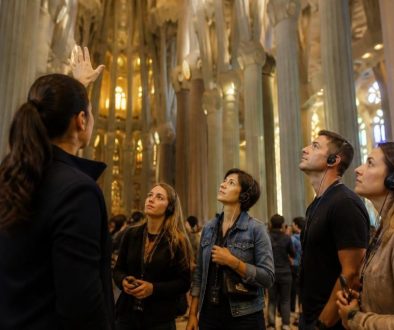
Free walking tours operate on a tips-based model, allowing visitors to experience professional guidance without upfront costs. These tours typically gather at central meeting points like Järntorget or Stortorget, Stockholm's oldest square, where guides lead groups through the narrow medieval lanes for approximately two to three hours.
The concept behind free walking tour Stockholm Gamla Stan experiences centers on accessibility and quality. Guides work for gratuities, which means they're motivated to deliver exceptional experiences that earn generous tips. This model democratizes tourism, making expert-led exploration available to budget-conscious travelers while maintaining high standards.
What to Expect from No-Cost Tour Options
Most free tours cover essential landmarks including the Royal Palace, Stockholm Cathedral (Storkyrkan), and the Nobel Prize Museum. Guides share historical context about the Hanseatic League's influence, the Stockholm Bloodbath of 1520, and the district's role in Swedish political history.
- Duration: Typically 90 to 180 minutes
- Group size: Often 15 to 30 participants
- Language: Primarily English, with some tours in Spanish, German, or French
- Frequency: Multiple departures daily during peak season
The Official Visit Stockholm event page provides current schedules and meeting points for city-supported tours, ensuring you have accurate logistics for planning your visit.
Key Landmarks Along Gamla Stan Walking Routes
A comprehensive free walking tour Stockholm Gamla Stan itinerary encompasses the district's most significant historical sites. The Royal Palace, Kungliga Slottet, stands as one of Europe's largest palaces still serving official functions, with over 600 rooms and several museums open to the public.
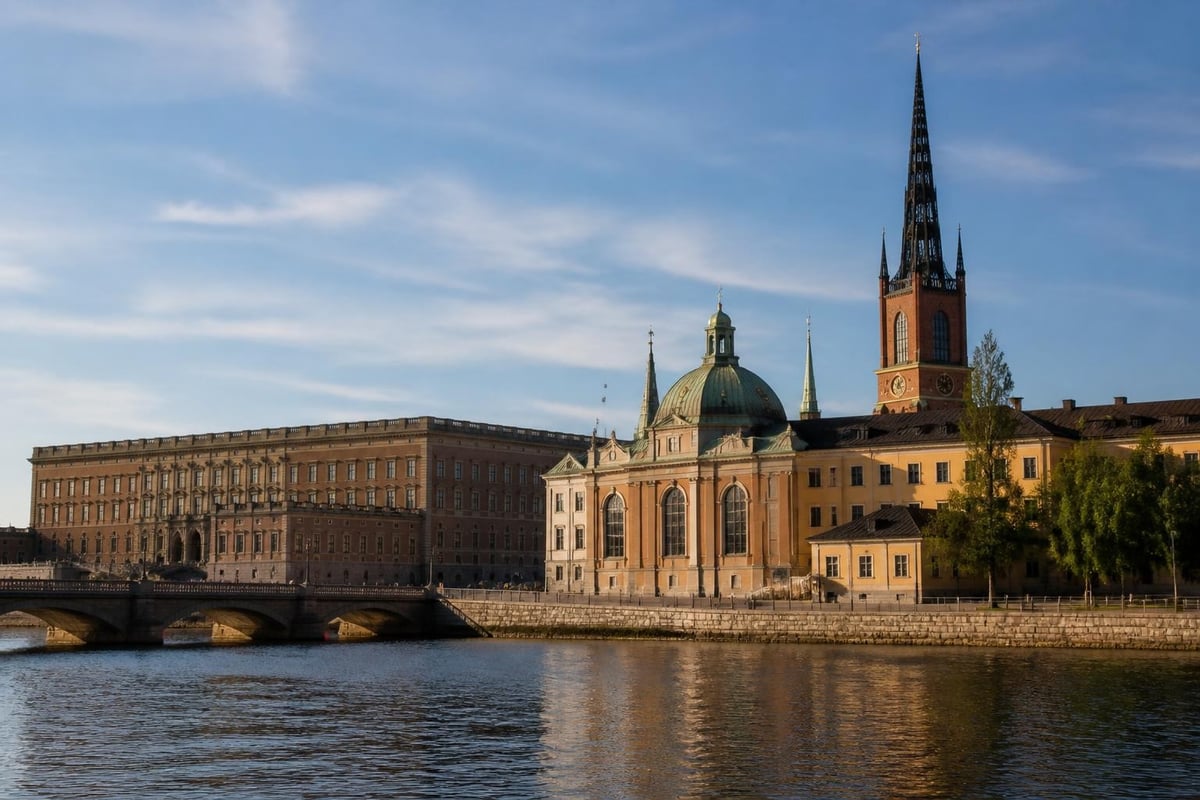
Stortorget, the central square, witnessed the infamous Stockholm Bloodbath and now hosts charming cafes and the Nobel Prize Museum. The Visit Stockholm district guide offers detailed background on each landmark's architectural significance and visitor information.
Medieval Architecture and Hidden Courtyards
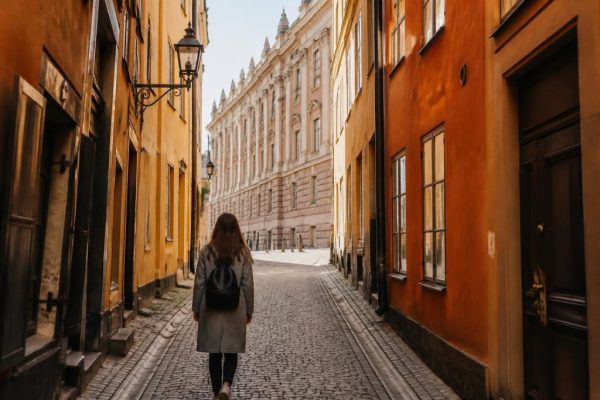
Beyond major monuments, Gamla Stan's true charm lies in discovering its hidden passages and interior courtyards. Mårten Trotzigs Gränd, Stockholm's narrowest alley at just 90 centimeters wide, represents the type of intimate urban feature that guides highlight during walking tours.
The district's buildings date primarily from the 1600s and 1700s, though foundations and street layouts reflect the medieval city plan established in the 13th century. The Medieval Museum’s programs connect archaeological discoveries with visible architectural elements throughout Gamla Stan.
| Landmark | Era | Significance | Tour Inclusion |
|---|---|---|---|
| Royal Palace | 1754 | Official royal residence | Essential stop |
| Storkyrkan | 1279 | Oldest church, royal ceremonies | Usually included |
| German Church | 1571 | Hanseatic merchant heritage | Often featured |
| Riddarholmen Church | 1270 | Royal burial site | Sometimes included |
Maximizing Your Free Tour Experience
Preparation enhances any free walking tour Stockholm Gamla Stan adventure. Arriving 15 minutes early ensures you secure a spot, as popular tours can reach capacity during summer months. Wearing comfortable walking shoes is essential, given the cobblestone surfaces and the potential for several hours on your feet.
Bringing small denomination Swedish kronor or euros for tipping allows you to show appreciation appropriately. While there's no mandatory fee, guides typically expect 100-150 SEK per person for satisfactory service, with exceptional tours warranting more generous gratuities.
Strategic Tour Timing
Morning tours offer smaller crowds and better photography light, particularly for capturing the ochre and rust-colored building facades. Late afternoon departures provide atmospheric lighting as the low sun creates dramatic shadows across the narrow streets.
Winter tours present a magical atmosphere with snow-dusted streets and festive lighting, though groups tend to be smaller due to weather considerations. The VisitSweden overview includes seasonal recommendations for optimal visiting conditions.
- Peak season (June-August): Book early, expect larger groups
- Shoulder season (April-May, September-October): Ideal weather, moderate crowds
- Winter (November-March): Intimate experiences, festive atmosphere
Comparing Free Tours with Private Guided Options
While free walking tour Stockholm Gamla Stan experiences provide excellent value and comprehensive overviews, private tours offer distinct advantages for families, specialized interest groups, and visitors seeking deeper engagement. Private guides customize routes based on specific interests, whether that's architecture, royal history, or literary connections.
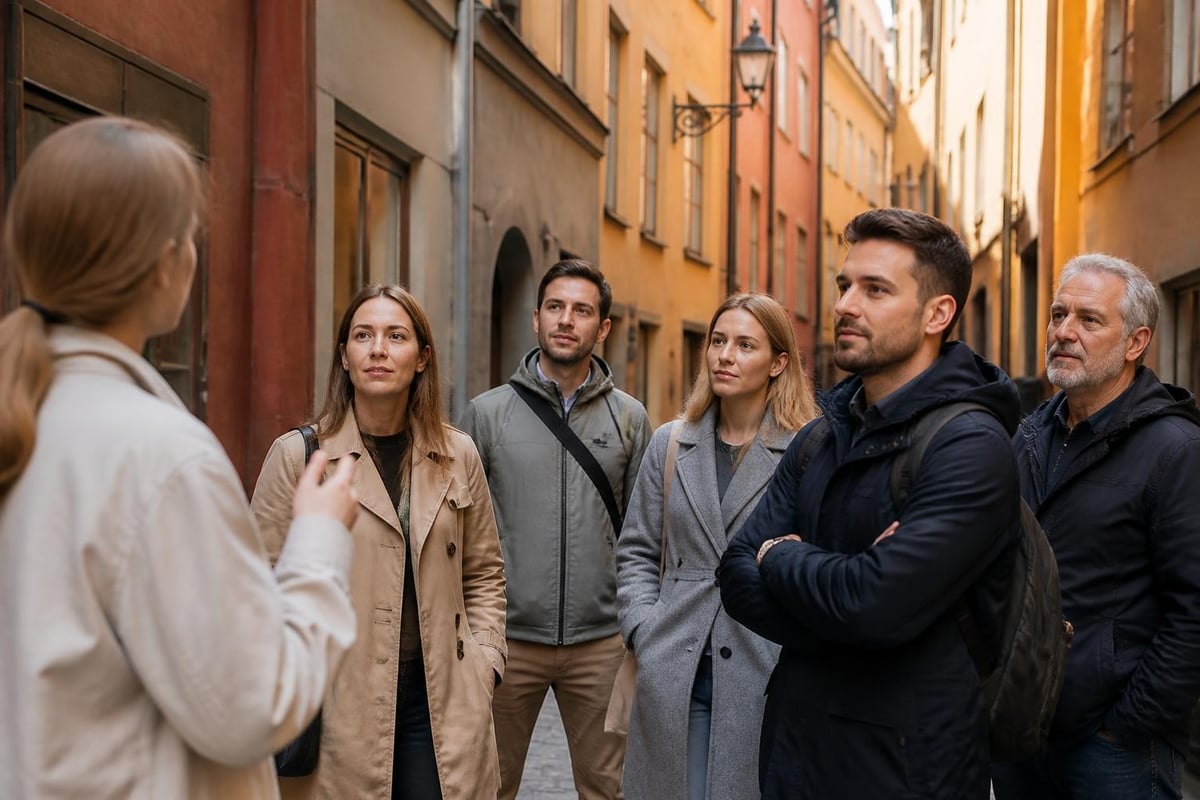
The pace and focus of private tours adapt to your group's preferences. If you're interested in Stieg Larsson's Millennium series locations, a specialized literary walking experience provides context that general tours cannot match. Similarly, an Old Town walking tour designed for your group allows time for questions, photographs, and spontaneous discoveries.
Thematic Exploration Beyond General Routes
Private guides access specialist knowledge unavailable in broader tour formats. The Stockholm historical archive contains primary sources and historical documentation that expert guides incorporate into narratives about specific buildings, families, and events.
For travelers who appreciate cultural depth, a Stockholm city tour can integrate Gamla Stan with other districts, creating connections between medieval foundations and modern development. This contextual understanding enriches your overall Stockholm experience.
Practical Logistics for Your Walking Tour
The free walking tour Stockholm Gamla Stan experience begins at designated meeting points, typically marked by guides holding company umbrellas or signs. Gamla Stan Metro Station (T-bana) on the red and green lines provides convenient access, placing you steps from most tour starting locations.
No advance booking is usually required for free tours, though some companies recommend online registration to help guides estimate group sizes. Weather in Stockholm can change rapidly, so bringing layers and a compact umbrella ensures comfort regardless of conditions.
Accessibility Considerations
Gamla Stan's medieval street layout presents challenges for wheelchair users and visitors with mobility limitations. Cobblestones can be uneven, and many buildings lack elevator access. However, adapted routes following more accessible paths are available through specialized providers.
The Lonely Planet Stockholm guide includes accessibility notes for major attractions, helping you plan realistic expectations for physical requirements during walking tours.
Historical Context That Guides Share
Understanding the historical narrative enhances your appreciation of what you're seeing during a free walking tour Stockholm Gamla Stan journey. Founded around 1252 by Swedish statesman Birger Jarl, Stockholm grew from a strategic fortification controlling maritime access to Lake Mälaren.
The Hanseatic League dominated trade here from the 14th through 16th centuries, leaving architectural and cultural imprints visible in the German Church and merchant houses. The Stockholm Bloodbath of 1520, when Danish King Christian II executed Swedish nobility in Stortorget, catalyzed Sweden's independence struggle and ultimate emergence as a major European power.
Medieval Daily Life
The Swedish History Museum exhibitions provide context for understanding how ordinary residents lived, worked, and socialized in medieval Gamla Stan. Guides often reference archaeological findings that reveal details about food, clothing, commerce, and social structures.
Street names like Köpmangatan (Merchant Street) and Skomakargatan (Shoemaker Street) reflect the medieval guild system and neighborhood organization. These linguistic clues help visitors visualize the bustling commercial activity that characterized the district centuries ago.
Enhancing Your Visit with Additional Activities
Combining a free walking tour Stockholm Gamla Stan exploration with complementary activities creates a richer Stockholm experience. The changing of the guard ceremony at the Royal Palace occurs daily at 12:15 PM (1:15 PM on Sundays), providing a ceremonial spectacle that pairs well with historical tours.
Museum visits extend the educational value of your walking tour. The Nobel Prize Museum in Stortorget explores laureate contributions across peace, literature, science, and economics. The Royal Armoury beneath the palace displays royal costumes, armor, and coronation carriages spanning five centuries.
Cultural Immersion Beyond Sightseeing
Gamla Stan's cafés and restaurants offer opportunities to experience Swedish fika culture, the social coffee break tradition central to Swedish life. Historic establishments like Chokladkoppen overlook Stortorget, providing perfect spots for reflection after your tour.
For music enthusiasts visiting Stockholm, an ABBA journey experience complements historical exploration with Sweden's pop culture legacy, creating diverse perspectives on Swedish identity and achievement.
| Activity | Duration | Cost Range | Best Combined With |
|---|---|---|---|
| Walking Tour | 2-3 hours | Tip-based (100-200 SEK) | Morning start |
| Guard Ceremony | 40 minutes | Free | Mid-day break |
| Nobel Museum | 1-2 hours | 140 SEK | Afternoon |
| Fika Break | 30-60 minutes | 80-150 SEK | Tour conclusion |
Photography Opportunities Throughout Gamla Stan
A free walking tour Stockholm Gamla Stan provides numerous photographic opportunities, from sweeping architectural vistas to intimate alley details. The contrast between the ochre buildings and blue Nordic sky creates striking color palettes, particularly during golden hour.
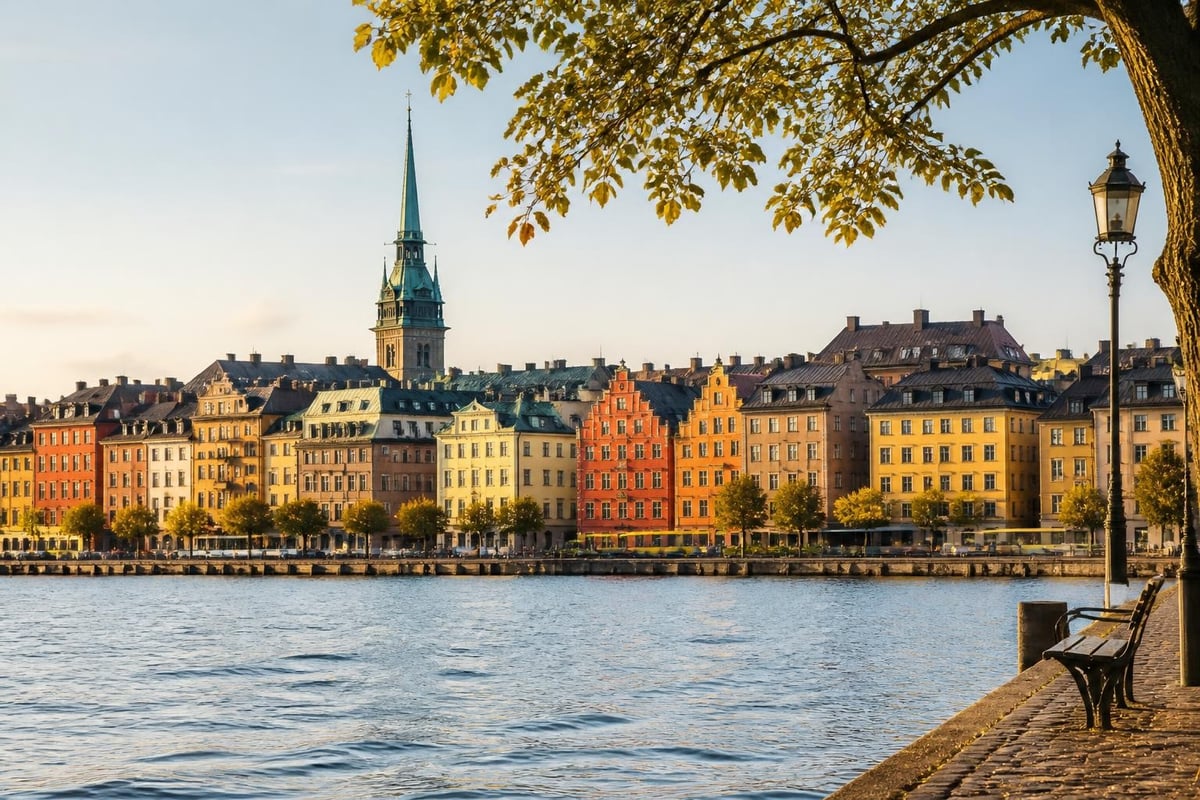
Guides often pause at photogenic viewpoints, but private tours offer flexibility to linger for perfect shots. Professional photographers appreciate early morning light before crowds arrive, capturing the district's timeless quality without modern distractions.
Seasonal Visual Character
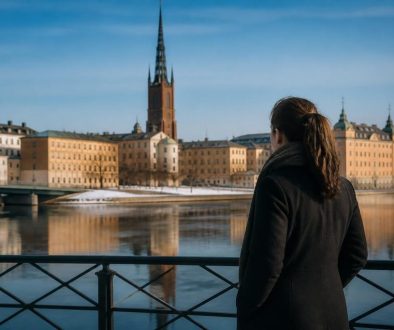
Summer's long daylight hours extend photography opportunities well into evening. Winter transforms Gamla Stan with snow, ice formations, and festive lighting that creates fairy-tale atmospheres. The Guardian’s Stockholm coverage frequently features seasonal imagery showcasing the district's changing visual character.
Spring and autumn provide moderate temperatures and dramatic skies, with clouds adding texture and interest to architectural photography. Rain-slicked cobblestones reflect building facades, creating mirror effects impossible during dry conditions.
Budgeting for Your Stockholm Visit
While the free walking tour Stockholm Gamla Stan itself requires only tip money, overall Stockholm expenses merit planning. Stockholm ranks among Europe's more expensive cities, with accommodation, dining, and attractions requiring significant budgets compared to Southern or Eastern European destinations.
Strategic planning helps manage costs without sacrificing experience quality. Many museums offer free admission on specific evenings or days. The Stockholm Pass provides bundled attraction access that can generate savings for intensive sightseeing schedules.
Value-Conscious Travel Strategies
Combining free and paid experiences balances budget constraints with quality exploration. Free tours provide excellent orientation and historical context, while selective investment in specialized experiences like tailored private tours delivers personalization where it matters most to your interests.
Grocery stores and bakeries offer affordable meal options compared to restaurant dining. Picnicking in Kungsträdgården or along the waterfront provides atmospheric dining experiences at fraction of restaurant costs.
Group Travel and Private Tour Benefits
Families, corporate groups, and friend gatherings find that private tours deliver advantages offsetting any additional costs. A free walking tour Stockholm Gamla Stan works well for solo travelers and couples seeking social interaction and budget-friendly exploration, but larger groups benefit from customization that private guides provide.
Private tours eliminate concerns about keeping groups together in crowds or accommodating different mobility levels and interests. Children engage more readily when guides tailor content to age-appropriate narratives and interactive elements.
Corporate and Educational Groups
Business groups visiting Stockholm for conferences or team-building find that professional guide services create networking opportunities while providing cultural enrichment. Educational groups studying European history, architecture, or Scandinavian culture benefit from guides who adapt explanations to curriculum requirements.
The intimacy of private tours encourages questions and discussions impossible in large group settings. This interactive element transforms passive sightseeing into active learning experiences that participants remember long after returning home.
Literary and Thematic Tour Options
Stockholm's cultural landscape extends beyond historical architecture into literature, film, and contemporary arts. While general free walking tour Stockholm Gamla Stan itineraries mention these connections, thematic tours dive deeper into specific cultural phenomena.
Stieg Larsson's Millennium trilogy put Stockholm on the literary tourism map, with locations throughout the city center featuring in the novels. Specialized literary tours visit settings where Lisbeth Salander and Mikael Blomkvist navigate conspiracies, though many locations lie outside Gamla Stan proper.
Cultural Tourism Trends
Cultural tourism continues growing as travelers seek meaningful engagement with destinations beyond surface-level sightseeing. The Swedish National Heritage Board documents preservation efforts ensuring authentic experiences remain available for future generations, balancing tourism development with heritage protection.
Similar to how visitors to Iceland seek northern lights experiences connecting them with natural phenomena, Stockholm's cultural tours link visitors to Swedish artistic and intellectual achievements that shaped global culture.
Weather Preparation and Seasonal Considerations
Stockholm's climate requires preparation for any free walking tour Stockholm Gamla Stan experience. Summer temperatures reach 20-25°C (68-77°F), comfortable for extended walking with light layers. Winter temperatures often drop below freezing, demanding insulated clothing, warm boots, and hand protection.
Rain occurs year-round, though summer features more frequent but briefer showers. Spring and autumn bring variable conditions, requiring flexible clothing strategies with waterproof outer layers and breathable base layers.
Climate Impact on Tour Experience
Weather profoundly affects your tour enjoyment beyond physical comfort. Fog creates atmospheric conditions that enhance Gamla Stan's medieval character but obscures distant views and architectural details. Snow transforms the district into a winter wonderland but may limit accessibility and extend walking times.
Summer's long daylight extends touring possibilities but attracts maximum crowds, particularly at popular stops like Stortorget and the Royal Palace. Winter's limited daylight compresses touring windows but offers intimate experiences with fewer visitors competing for guide attention and photography angles.
Connecting Gamla Stan to Broader Stockholm Exploration
While Gamla Stan merits dedicated exploration, integrating it into a comprehensive Stockholm itinerary maximizes your visit. The Stockholm walking tour network connects Old Town with Djurgården's museums, Östermalm's elegant boulevards, and Södermalm's trendy neighborhoods.
Water connections via ferries and boats provide scenic transitions between districts while offering waterfront perspectives impossible from land-based routes. The Stockholm archipelago extends exploration opportunities into the Baltic, where thousands of islands create diverse landscapes and recreational opportunities.
Multi-Day Itinerary Integration
A well-planned Stockholm visit allocates sufficient time for Gamla Stan without rushing while preserving energy and interest for other attractions. Day one might focus on Old Town orientation through a free walking tour Stockholm Gamla Stan exploration, establishing historical context for subsequent visits to specialized museums and contemporary neighborhoods.
Subsequent days can revisit Gamla Stan for specific interests identified during the initial tour, whether that's deeper museum exploration, shopping in artisan boutiques, or dining at historic restaurants. This layered approach builds comprehensive understanding while preventing fatigue from information overload.
Sustainable Tourism Practices in Historic Districts
Heritage preservation and sustainable tourism intersect critically in places like Gamla Stan, where overwhelming visitor numbers threaten the authentic character that attracts tourism initially. Responsible travel practices help maintain the district's integrity for future generations while supporting local communities.
Choosing smaller group tours or private guides reduces crowding at popular sites and distributes economic benefits more directly to local guides rather than large tourism corporations. Supporting local businesses for meals, souvenirs, and services ensures tourism revenue benefits Stockholm residents.
Long-Term Preservation Challenges
Historic districts worldwide face pressures from overtourism, with Venice, Dubrovnik, and Barcelona serving as cautionary examples. Stockholm authorities balance accessibility with preservation through visitor management strategies, pedestrian flow design, and heritage protection regulations.
Visiting during shoulder seasons, respecting private property boundaries, and following guide instructions about sensitive sites all contribute to sustainable tourism practices. These individual choices collectively determine whether historic districts thrive or deteriorate under tourism pressure.
Exploring Gamla Stan through a free walking tour Stockholm Gamla Stan experience provides excellent orientation to Stockholm's medieval heart, combining historical education with atmospheric immersion in one of Europe's best-preserved old towns. When you're ready for a more personalized exploration tailored to your specific interests, family needs, or group dynamics, Adding:tours creates custom experiences with native English-speaking guides who share insider perspectives and adapt routes to what matters most to you. Whether you're following literary footsteps, witnessing royal ceremonies, or discovering hidden courtyards, our private tours transform sightseeing into meaningful cultural connection.