Rocky Mountain Trip: Your Complete Planning Guide
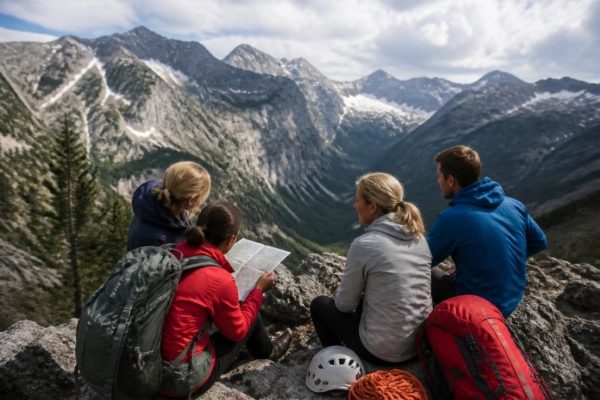
Planning a rocky mountain trip requires careful consideration of timing, physical preparation, and safety protocols to ensure an unforgettable experience. Whether you're organizing a corporate retreat, family gathering, or adventure with friends, the dramatic peaks and alpine meadows of the Rocky Mountains offer transformative opportunities for small groups seeking personalized outdoor experiences. Understanding the unique challenges and rewards of mountain travel helps you create a journey that balances adventure with safety while maximizing your group's enjoyment of one of North America's most spectacular landscapes.
Understanding Rocky Mountain Trip Essentials
Successfully executing a rocky mountain trip starts with recognizing the distinct environmental factors that make mountain travel different from other outdoor adventures. The elevation, weather variability, and terrain complexity require specialized knowledge and preparation that many first-time visitors underestimate.
Elevation Considerations and Acclimatization
The Rocky Mountains present unique physiological challenges due to their high elevation, with many popular destinations sitting above 8,000 feet. Travelers should understand altitude-related health risks before embarking on their journey, as altitude sickness can affect anyone regardless of fitness level.
Key acclimatization strategies include:
- Arriving at your destination at least 24-48 hours before strenuous activities
- Staying well-hydrated throughout your rocky mountain trip
- Avoiding alcohol consumption during the first day at elevation
- Ascending gradually if your itinerary includes multiple elevation changes
- Recognizing symptoms of altitude sickness early
Professional guides familiar with high-altitude environments can adjust activity levels based on group members' responses to elevation. This personalized approach mirrors how guided tours adapt to participant needs, ensuring everyone enjoys the experience without compromising safety.
Weather Patterns and Seasonal Timing
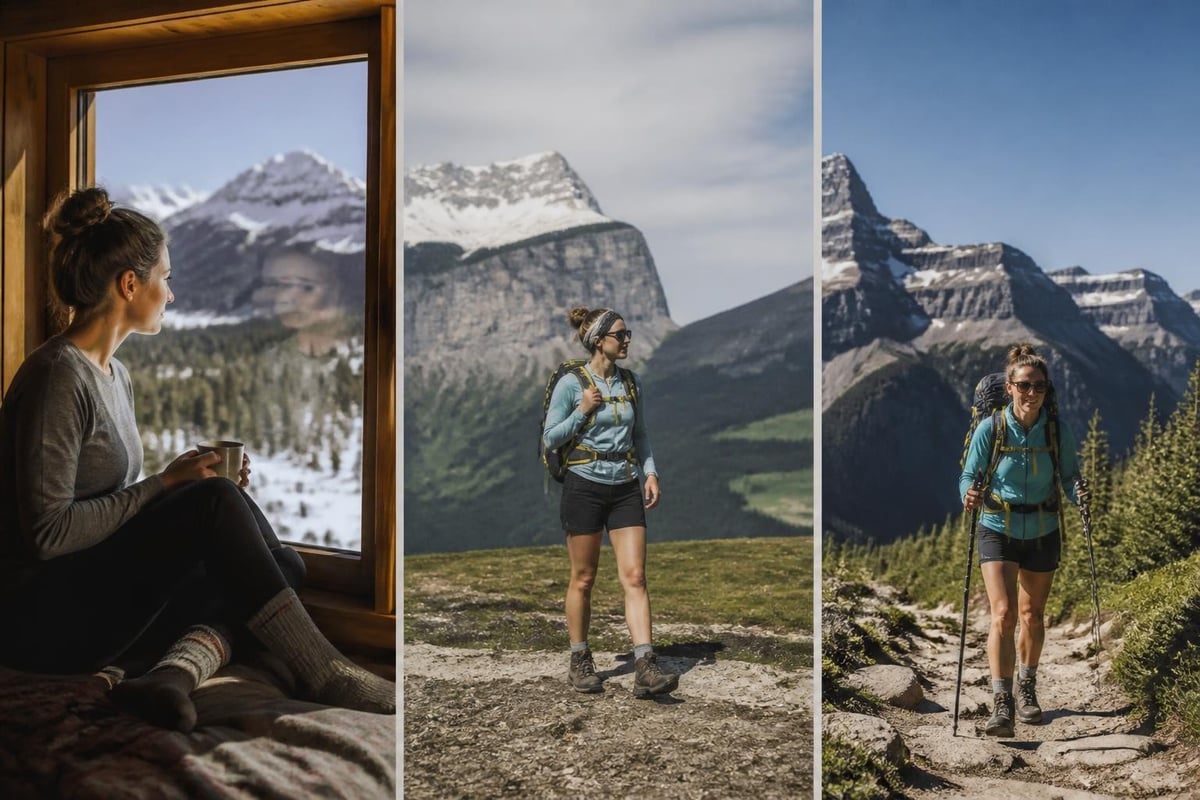
Mountain weather operates on its own schedule, independent of valley conditions or regional forecasts. Understanding Rocky Mountain weather patterns proves essential for planning daily activities and ensuring group safety.
| Season | Temperature Range | Advantages | Challenges |
|---|---|---|---|
| Summer (June-August) | 45°F-75°F | Accessible trails, wildflowers, long daylight | Afternoon thunderstorms, crowds |
| Fall (September-October) | 30°F-60°F | Stunning foliage, fewer visitors, stable weather | Early snow possible, shorter days |
| Winter (November-March) | 0°F-40°F | Snow sports, solitude, winter landscapes | Extreme cold, avalanche risk, road closures |
| Spring (April-May) | 25°F-55°F | Waterfalls, wildlife activity, moderate temperatures | Unpredictable conditions, muddy trails |
A successful rocky mountain trip accounts for rapid weather changes that can occur within hours. Morning sunshine frequently gives way to afternoon thunderstorms during summer months, requiring flexible itineraries and backup plans.
Planning Your Rocky Mountain Trip Itinerary
Creating a balanced itinerary requires understanding your group's interests, physical capabilities, and the specific experiences that will make your rocky mountain trip memorable. Private group tours benefit from customization that matches the pace and preferences of all participants.
Trail Selection and Activity Options
Rocky Mountain National Park offers over 350 miles of trails ranging from easy lakeside walks to challenging alpine ascents. Selecting appropriate trails for your group ensures everyone can participate fully without feeling overwhelmed or under-challenged.
Beginner-Friendly Options:
- Bear Lake Loop: 0.8 miles, paved, accessible
- Sprague Lake Trail: 0.9 miles, wheelchair accessible, scenic views
- Coyote Valley Trail: 1 mile, wildlife viewing opportunities
Intermediate Challenges:
- Emerald Lake Trail: 3.6 miles, alpine lakes, moderate elevation gain
- Alberta Falls: 1.7 miles, waterfall destination, family-friendly
- Mills Lake: 5.6 miles, mountain lake, rewarding views
Advanced Adventures:
- Longs Peak Summit: 14.5 miles, 5,000-foot elevation gain, technical sections
- Flattop Mountain: 8.8 miles, Continental Divide crossing
- Sky Pond: 9 miles, waterfall scrambling, alpine scenery
The same principle of matching experiences to participant interests applies whether you're exploring mountain trails or discovering urban landscapes through Stockholm walking tours. Professional guides assess group dynamics and adjust routes accordingly.
Wildlife Awareness and Safety Protocols
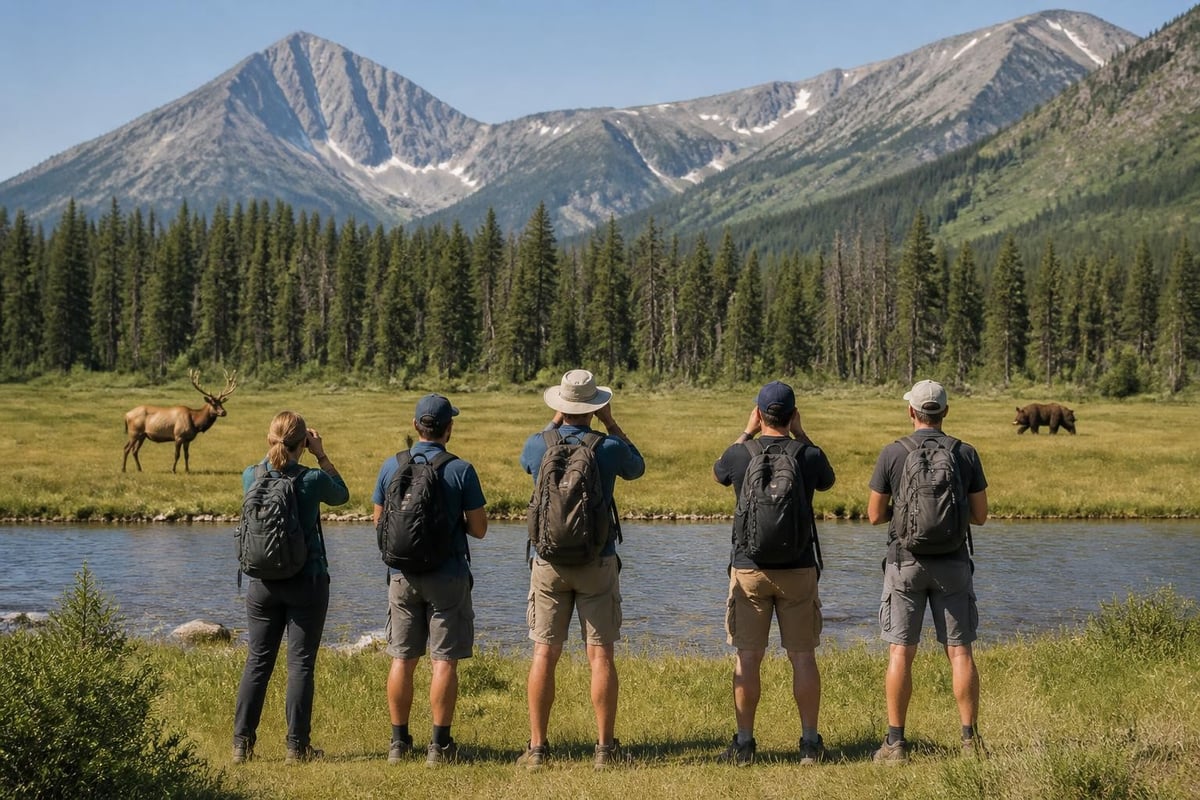
Rocky Mountain trips bring you into wildlife habitat where elk, bighorn sheep, black bears, and mountain lions live year-round. Colorado wildlife safety guidelines provide essential protocols for respectful and safe animal encounters.
Wildlife Safety Essentials:
- Maintain Distance: Stay at least 25 yards from most wildlife, 100 yards from bears and moose
- Store Food Properly: Use bear-resistant containers and never feed animals
- Travel in Groups: Wildlife encounters are less likely with larger, noisier groups
- Make Noise: Alert animals to your presence on trails, especially in dense vegetation
- Know Response Protocols: Understand appropriate reactions for different species encounters
Early morning and dusk offer the best wildlife viewing opportunities during your rocky mountain trip, but these periods also require heightened awareness. Guided experiences provide the dual benefit of expert knowledge about animal behavior and professional handling of unexpected encounters.
Safety Considerations for Mountain Adventures
Mountain environments present hazards that don't exist in lowland settings, from sudden weather changes to avalanche risk. Comprehensive safety planning transforms a potentially dangerous rocky mountain trip into a well-managed adventure.
Winter and Shoulder-Season Precautions
Winter rocky mountain trips require specialized knowledge and equipment beyond summer hiking essentials. The Colorado Avalanche Information Center provides daily forecasts and educational resources for anyone venturing into snowy mountain terrain.
| Risk Factor | Assessment Method | Mitigation Strategy |
|---|---|---|
| Avalanche Danger | Check CAIC daily forecast | Avoid avalanche terrain on elevated risk days |
| Hypothermia | Monitor weather and group condition | Layer clothing, carry emergency shelter |
| Navigation Challenges | GPS and map conditions | Download offline maps, carry compass |
| Shortened Daylight | Sunset time calculation | Start early, carry headlamps |
Professional winter guides bring avalanche training, rescue equipment, and terrain knowledge that dramatically reduces risk during cold-weather mountain adventures. This expertise parallels how professional tour guides enhance safety and enjoyment in any environment.
Emergency Preparedness and Communication
Cell phone service proves unreliable throughout much of the Rocky Mountains, making traditional communication plans inadequate for your rocky mountain trip. Establishing protocols before departing ensures everyone knows procedures if group members become separated or emergencies arise.
Essential Communication Tools:
- Satellite communicator or personal locator beacon
- Detailed trip plan filed with someone outside your group
- Emergency contact cards for each participant
- Whistle for each group member
- Agreed-upon meeting points if separated
Weather forecasting in mountain environments requires specialized understanding beyond standard meteorological reports, as explained in NOAA’s mountain weather resources. Guides trained in mountain weather interpretation can identify developing hazards before they threaten group safety.
Group Dynamics and Personalized Experiences
The quality of your rocky mountain trip depends as much on group cohesion and appropriate pacing as on destination selection. Private group tours allow for flexibility that accommodates varying fitness levels, interests, and energy patterns throughout the day.
Tailoring Activities to Group Composition
Corporate groups, family gatherings, and friend groups each bring different dynamics and expectations to a rocky mountain trip. Successful guides assess these factors and adjust accordingly, similar to how tailored tours modify routes and content based on participant interests.
Corporate Groups benefit from activities that build team cohesion while providing physical challenges that accommodate various fitness levels. Structured hikes with achievable goals create shared accomplishment experiences that strengthen professional relationships.
Family Adventures require balancing adult ambitions with children's capabilities and attention spans. Shorter hikes with engaging destinations-waterfalls, lakes, wildlife viewing areas-maintain enthusiasm across generations.
Friend Gatherings often seek memorable experiences and photo opportunities alongside physical achievement. Guides can identify scenic viewpoints, explain local ecology, and share stories that deepen appreciation for the landscape.
Photography and Documentation Opportunities
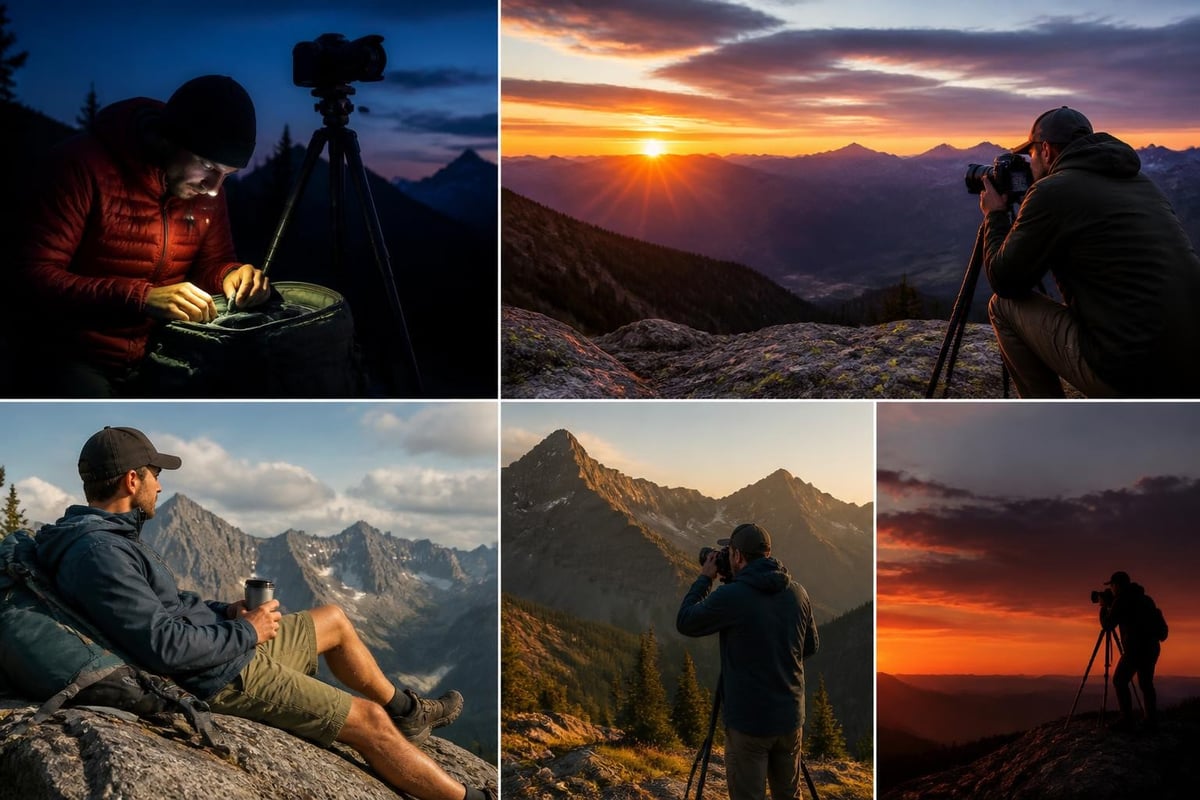
Rocky Mountain landscapes provide spectacular backdrops for photography, but capturing quality images while maintaining group pace requires planning. Designated photo stops allow everyone to document their rocky mountain trip without repeatedly halting forward progress.
Prime Photography Locations:
- Sunrise at Bear Lake: Mirror reflections of surrounding peaks
- Alpine meadows in July: Peak wildflower displays
- Moraine Park at sunset: Elk herds against mountain backdrops
- Fall aspen groves: Golden foliage contrasts with evergreens
Professional guides know lighting conditions, seasonal timing, and optimal vantage points that elevate photography from snapshots to meaningful visual narratives. This insider knowledge creates value beyond basic route-finding, much like English-speaking guides provide cultural context that transforms sightseeing into genuine understanding.
Logistics and Practical Considerations
Successful rocky mountain trip execution requires attention to mundane but crucial details that ensure smooth operations and prevent avoidable problems. Transportation, permits, equipment, and accommodation arrangements all contribute to overall experience quality.
Permits and Reservations
Rocky Mountain National Park implemented timed-entry permits for peak season visitation, requiring advance planning for your rocky mountain trip. Understanding current regulations prevents arrival-day disappointment and wasted travel time.
Reservation Requirements:
- Park entrance reservations during peak season (late May through mid-October)
- Wilderness camping permits for overnight backcountry trips
- Parking reservations for popular trailheads during summer
- Commercial guide permits for professional tour operators
Booking these elements three to six months in advance ensures availability, particularly for summer weekend visits. Group size affects permit requirements, with some trails limiting party size to protect trail conditions and wilderness experience quality.
Equipment and Clothing Essentials
Mountain environments demand specific equipment that many lowland visitors don't regularly use. Creating comprehensive packing lists prevents omissions that could compromise comfort or safety during your rocky mountain trip.
| Category | Essential Items | Optional Upgrades |
|---|---|---|
| Footwear | Broken-in hiking boots, wool socks | Gaiters, spare laces |
| Layers | Moisture-wicking base, insulation, waterproof shell | Down jacket, wind pants |
| Sun Protection | Sunscreen SPF 50+, sunglasses, hat | Neck gaiter, UV gloves |
| Hydration | 3L water capacity per person | Water filter, electrolyte tablets |
| Safety | First aid kit, headlamp, whistle | Satellite communicator, emergency shelter |
Rental equipment provides access to specialized gear without requiring purchase for occasional mountain visitors. Quality rental programs ensure properly fitted equipment that enhances rather than hinders your rocky mountain trip experience.
Cultural and Educational Enrichment
Beyond physical adventure, rocky mountain trips offer opportunities for learning about geology, ecology, indigenous history, and conservation challenges. Guides who provide contextual information transform hiking into comprehensive educational experiences.
Geological History and Formation
The Rocky Mountains tell a story spanning 300 million years, from ancient seas to modern peaks. Understanding this timeline adds depth to every vista and rock formation encountered during your rocky mountain trip.
Key geological concepts:
- Uplift and erosion cycles that created current topography
- Glacial action that carved valleys and cirques
- Volcanic activity that contributed to mountain formation
- Ongoing tectonic processes still shaping the range
Professional naturalist guides explain these processes in accessible terms, connecting abstract geological time to visible features in the landscape. This educational approach parallels how cultural tours illuminate historical context that brings destinations to life.
Ecological Systems and Conservation
Alpine ecosystems operate under extreme conditions that limit growing seasons and create specialized adaptations. Learning about these systems during your rocky mountain trip fosters appreciation for conservation efforts protecting fragile mountain environments.
Alpine Ecosystem Features:
- Tree Line Dynamics: Understanding why trees stop growing above certain elevations
- Wildflower Adaptation: How alpine plants survive short growing seasons and harsh conditions
- Water Cycles: Mountain snowpack's role in regional water supply
- Wildlife Strategies: How animals survive extreme temperature fluctuations and limited resources
Leave No Trace principles take on enhanced importance in slow-recovering alpine environments where off-trail footprints can persist for decades. Guides teaching these principles create stewardship mentality that extends beyond individual trips.
Making Your Rocky Mountain Trip Memorable
The details that transform a good rocky mountain trip into an exceptional one often involve small touches that demonstrate attention to participant comfort and interest. Personalized experiences account for individual preferences while maintaining group cohesion.
Meal Planning and Energy Management
Physical exertion at altitude increases caloric needs beyond typical daily requirements. Planning meals and snacks that provide sustained energy while remaining palatable at elevation supports both performance and enjoyment during your rocky mountain trip.
Trail Nutrition Strategies:
- High-calorie breakfast before departure
- Regular snacking every 90-120 minutes during activity
- Lunch incorporating protein, complex carbohydrates, and healthy fats
- Electrolyte replacement through drinks or food sources
- Celebratory meal after returning from challenging activities
Group meal planning accommodates dietary restrictions and preferences while creating shared experiences around food. These moments of rest and refueling often generate the conversations and connections that participants remember long after the physical challenges fade.
Building Group Connections
Shared adventure creates bonds that persist beyond the rocky mountain trip itself. Guides facilitate these connections through storytelling, group challenges, and creating space for participants to interact naturally while pursuing common goals.
Small group sizes enable the personalized attention that makes individuals feel valued and included. This approach mirrors how private group tours for small gatherings create intimate experiences impossible in large commercial operations. Whether exploring mountain peaks or urban streets, the principle of customized attention elevates experience quality.
Post-Trip Reflection and Impact
Meaningful rocky mountain trips create lasting impact through both immediate experience and subsequent reflection. Providing frameworks for participants to process and integrate their adventure extends value beyond the days spent in the mountains.
Reflection Opportunities:
- Evening discussions about daily highlights and challenges
- Photography review sessions that reinforce visual memories
- Journaling prompts that encourage deeper processing
- Group sharing of personal growth moments
- Follow-up connections that maintain relationships formed during the trip
These practices transform temporary adventure into sustained personal development, creating memories that participants reference years later when describing formative experiences.
Planning a rocky mountain trip combines logistical precision with flexibility to create adventures that challenge, inspire, and connect participants with extraordinary natural environments. The same principles that make mountain adventures successful-personalized attention, insider knowledge, and adaptable itineraries-define quality guided experiences everywhere. Whether you're organizing a corporate retreat in the Rockies or exploring Stockholm's historic streets, Adding:tours brings the expertise and personalized approach that transforms sightseeing into meaningful discovery for your private group or small gathering.