
Best Small Group Tours: Ultimate Guide for 2026
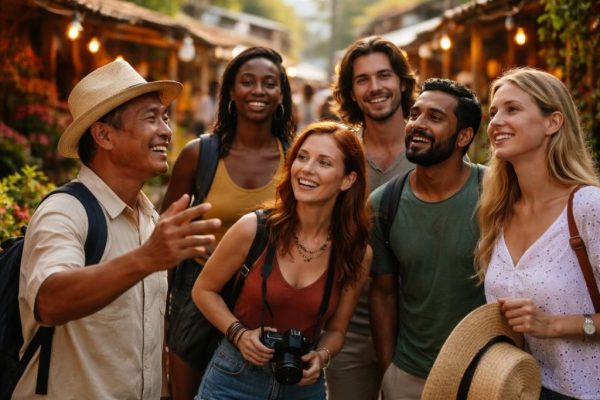
Traveling in small, intimate groups has transformed the tourism industry, offering experiences that large bus tours simply cannot match. The best small group tours combine personalized attention, authentic local interactions, and the flexibility to explore hidden corners that mass tourism overlooks. Whether you're wandering through medieval alleyways in Stockholm's Old Town, following literary trails, or discovering cultural landmarks with insider perspectives, small group experiences deliver memories that last far beyond your journey home. This comprehensive guide explores what makes these tours exceptional and how to choose the perfect experience for your next adventure.
Why Small Group Tours Transform Travel Experiences
Small group tours fundamentally change how travelers engage with destinations. Unlike crowded bus tours where you're one face among fifty, groups typically ranging from four to fifteen participants create intimate atmospheres where meaningful connections flourish.
The advantages extend beyond simple numbers:
- Personalized attention from knowledgeable guides who remember your name and interests
- Flexibility to adjust itineraries based on group preferences and unexpected discoveries
- Access to venues and experiences that cannot accommodate large crowds
- Opportunities to form genuine friendships with fellow travelers
- Reduced environmental impact compared to larger tour operations
Many companies like Intrepid Travel have built their entire business model around this philosophy, demonstrating that travelers increasingly value quality over quantity. The best small group tours recognize that each participant brings unique interests and backgrounds, transforming every excursion into a collaborative adventure rather than a passive viewing experience.

Creating Authentic Local Connections
Small groups unlock doors that remain closed to larger tour operations. Professional tour guides can navigate narrow medieval streets, arrange impromptu visits to family-owned workshops, and facilitate genuine conversations with local artisans and residents. These interactions transform destinations from backdrops into living, breathing communities.
When your guide leads only eight people instead of forty, they can introduce you to their favorite café owner, explain architectural details without shouting, and share stories that resonate personally rather than through a megaphone. This intimate scale allows for spontaneous moments-stopping to photograph a hidden courtyard, extending time at a particularly interesting museum exhibit, or accepting an unexpected invitation to observe a local tradition.
What Distinguishes the Best Small Group Tours
Quality varies significantly across tour operators, making selection crucial for satisfaction. The best small group tours share several distinguishing characteristics that separate exceptional experiences from mediocre ones.
| Quality Factor | Premium Tours | Standard Tours |
|---|---|---|
| Group Size | 4-12 participants | 15-25 participants |
| Guide Expertise | Local specialists with deep knowledge | Generic tour guides |
| Itinerary Flexibility | Adjustable based on interests | Fixed schedule |
| Access Level | Exclusive venues and insider experiences | Public attractions only |
| Personalization | Tailored to group preferences | One-size-fits-all approach |
Expert Guide Leadership
The guide makes or breaks any tour experience. Companies offering guided vacations understand that exceptional guides possess more than historical knowledge-they bring destinations alive through storytelling, cultural insight, and genuine passion for their craft.
Native English-speaking guides who know their territory intimately provide context that guidebooks cannot capture. They explain why certain streets earned their names, share family recipes passed through generations, and reveal the contemporary relevance of historical events. Cultural tour specialists recognize this expertise as their most valuable asset.
Organizations like Martin Randall Travel built reputations specifically around expert-led small group experiences focused on art, history, and music, demonstrating how specialized knowledge elevates travel from sightseeing to education.
Thoughtful Itinerary Design
The best small group tours balance structure with spontaneity. While maintaining scheduled highlights, they build in flexibility for serendipitous discoveries. Tailored tours exemplify this approach by designing experiences around specific group interests rather than forcing everyone through identical itineraries.
Effective itineraries incorporate:
- Essential landmarks that define the destination's character
- Hidden gems known primarily to locals
- Interactive experiences beyond passive observation
- Free time for independent exploration
- Social opportunities for group bonding
This combination ensures participants experience both iconic highlights and authentic local life, creating well-rounded understanding of their destination.
Choosing the Right Small Group Tour Style
Different travelers seek different experiences, and the best small group tours cater to specific interests and travel styles. Understanding these categories helps match expectations with reality.
Adventure and Nature-Based Tours
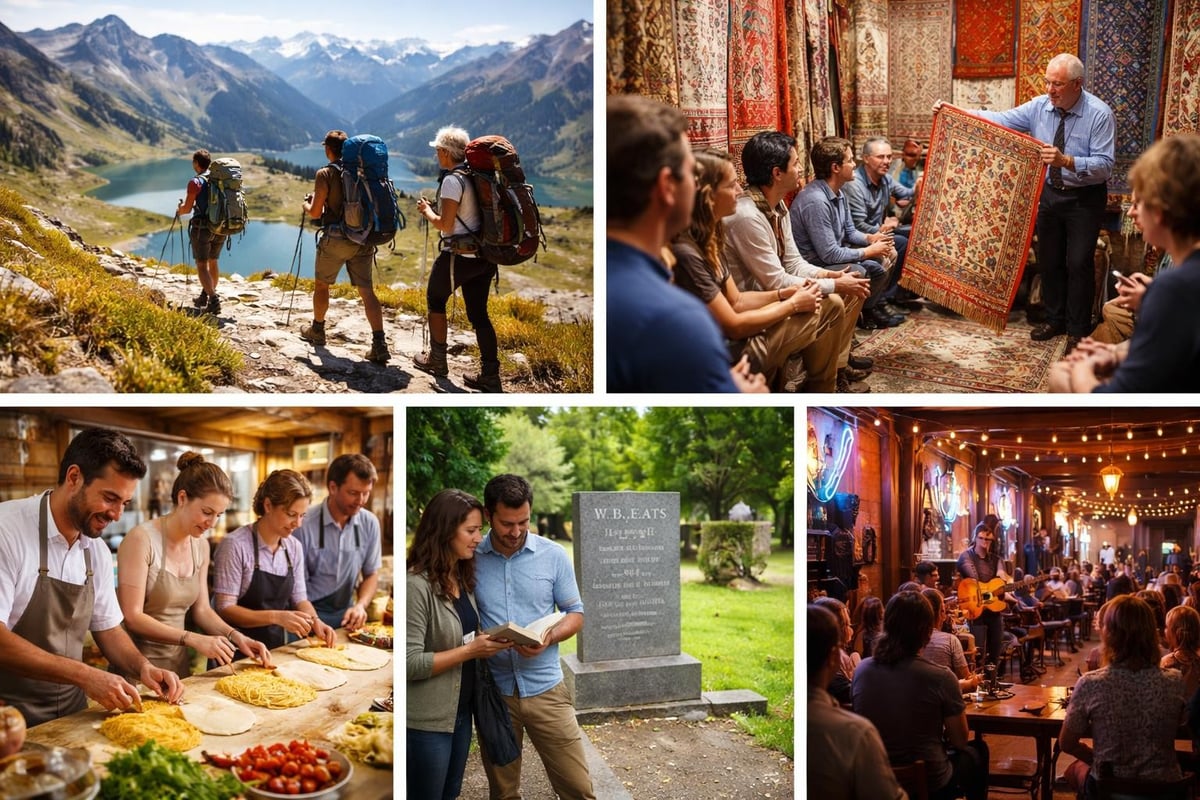
For travelers seeking active experiences in natural settings, operators like Wilderness Scotland specialize in small group adventures combining hiking, wildlife observation, and outdoor activities. These tours attract participants who value physical challenge alongside cultural discovery.
Adventure-focused small groups typically share enthusiasm for the outdoors, creating camaraderie through shared experiences like summiting peaks, kayaking coastal routes, or tracking wildlife. The intimate group size ensures safety while allowing guides to adjust difficulty levels based on participant abilities.
Cultural Immersion Experiences
Cultural tours emphasize deep engagement with local traditions, history, and contemporary life. Stockholm walking tours exemplify this approach by exploring neighborhoods through historical narratives, architectural evolution, and modern urban culture.
Cultural immersion tours typically include:
- Visits to local markets and food establishments
- Meetings with artists, craftspeople, or community leaders
- Exploration of residential neighborhoods beyond tourist zones
- Participation in traditional activities or workshops
- Discussions about contemporary social and political topics
These experiences appeal to travelers who view destinations as living cultures rather than collections of monuments.
Specialized Theme Tours
Niche interests create some of the most passionate small group experiences. Literary tours following authors' footsteps, music journeys exploring cultural heritage, or architectural deep-dives attract enthusiasts who appreciate specialized knowledge.
ABBA-themed tours in Stockholm, for instance, connect music lovers through shared passion while exploring the city where the iconic group formed. Similarly, literary adventures tracing Stieg Larsson's "The Girl with the Dragon Tattoo" locations combine crime fiction fandom with Stockholm's urban landscape, creating memorable experiences for devotees.
Planning Your Small Group Tour Experience
Successful small group travel requires thoughtful preparation beyond simply booking a tour. Understanding what to expect and how to maximize your experience ensures satisfaction.
Timing and Seasonality
Season dramatically affects small group tour experiences. English tours in Stockholm, for example, offer completely different atmospheres between summer's midnight sun and winter's festive darkness. Summer tours provide extended daylight and outdoor accessibility, while winter experiences offer seasonal traditions and atmospheric lighting.
Seasonal considerations include:
- Weather conditions affecting outdoor activities
- Crowd levels at popular attractions
- Seasonal festivals or cultural events
- Daylight hours for photography and exploration
- Temperature impacts on walking comfort
| Season | Advantages | Considerations |
|---|---|---|
| Spring | Mild weather, fewer crowds, blooming landscapes | Variable weather patterns |
| Summer | Long days, warm temperatures, outdoor events | Peak crowds, higher prices |
| Autumn | Beautiful foliage, comfortable temperatures | Shorter days, harvest festivals |
| Winter | Festive atmosphere, winter activities, dramatic lighting | Cold weather, limited hours |
Group Dynamics and Solo Travelers
Small group composition significantly influences experience quality. The best small group tours attract diverse participants unified by shared interests rather than demographics. Solo travelers group holidays specifically cater to independent explorers seeking social connection without traveling alone.
Many solo participants discover that small groups provide perfect balance-structured activities with built-in companionship, yet independence for personal exploration. Group meals and shared experiences naturally facilitate friendships, while individual free time allows for personal interests.
Companies like G Adventures have pioneered programs specifically for solo travelers, recognizing this growing market segment's unique needs and preferences.
Evaluating Tour Operators and Quality Standards
Not all small group tour providers deliver equal value. Discerning travelers assess several factors when selecting operators, ensuring their investment yields exceptional experiences.
Sustainable and Responsible Tourism
The best small group tours prioritize sustainability and community benefit. Responsible travel practices ensure tourism dollars support local economies while minimizing environmental impact. Small groups naturally create less strain on destinations than mass tourism, but conscious operators amplify these benefits through deliberate choices.
Responsible tour operators demonstrate:
- Employment of local guides and service providers
- Partnerships with community-owned businesses
- Environmental protection measures
- Cultural sensitivity training and practices
- Economic contributions to local communities
Companies like Adventure Life emphasize ecotourism principles throughout their operations, showing how small group tours can actively benefit visited destinations.
Transparency and Communication
Quality operators provide detailed information about their tours, including exact itineraries, accommodation standards, physical requirements, and what's included versus additional costs. Group tours should clearly communicate expectations so participants arrive prepared and informed.
Reading recent reviews from actual participants reveals operational realities beyond marketing materials. Platforms like TourRadar aggregate reviews across multiple operators, helping travelers compare options objectively.
Maximizing Your Small Group Tour Investment
Getting optimal value from small group tours extends beyond selecting the right operator-active participation and smart preparation enhance every aspect of your experience.
Pre-Tour Preparation
Researching your destination before departure enriches your tour experience significantly. Understanding basic historical context, current events, and cultural norms allows you to ask informed questions and recognize significance that might otherwise pass unnoticed.
Effective pre-tour preparation includes:
- Reading destination-specific books or articles
- Learning basic phrases in the local language
- Reviewing the detailed itinerary and researching mentioned sites
- Checking weather forecasts and packing appropriately
- Preparing questions for your guide about specific interests
This preparation transforms you from passive recipient to engaged participant, deepening your connection with the destination.

Active Engagement During Tours
The best small group tours reward active participation. Asking questions, sharing observations, and engaging with fellow travelers creates richer experiences for everyone. Your guide appreciates curiosity and typically knows far more than they can share without prompting.
Stockholm old town walking tours become infinitely more memorable when participants engage with the narrow alleyways' stories, ask about architectural details, or discuss how historical events shaped modern Sweden. This dialogue transforms monologues into conversations, education into discovery.
Small groups thrive on collective energy-your enthusiasm elevates everyone's experience, while disengagement diminishes it. Balancing individual exploration with group participation creates optimal dynamics.
Special Considerations for Different Destinations
Location significantly influences what makes small group tours successful. Urban cultural tours differ fundamentally from wilderness adventures, requiring different preparation and expectations.
Urban Cultural Exploration
City-based small group tours like those exploring Stockholm combine walking accessibility with cultural depth. City tour Stockholm experiences typically involve several miles of walking, navigation of public transportation, and frequent stops at historical sites, cafes, and viewpoints.
Urban tours excel at revealing layers of history visible in architecture, street layouts, and neighborhood character. Guides can point out details-door knockers indicating medieval professions, building styles marking different eras, street names commemorating historical figures-that independent travelers might overlook.
The best urban small group tours balance iconic landmarks with authentic neighborhood life. Walking through residential areas, visiting local markets, and stopping at neighborhood cafes provides context that museum visits alone cannot deliver.
Specialized Interest Tours
Themed tours demand particular expertise from guides and carefully curated itineraries. Stockholm tours focusing on specific interests like literary history or music heritage require guides who combine destination knowledge with subject expertise.
Literary tours, for instance, work best when guides have actually read the relevant books and can discuss both fictional narratives and real locations. Music-themed journeys succeed when guides understand musical history beyond basic facts, explaining cultural contexts that produced artistic movements.
Comparing Small Group Tours to Other Travel Styles
Understanding how small group tours compare to alternatives helps travelers make informed decisions about which approach best serves their goals and preferences.
Travel Style Comparison:
| Feature | Small Group Tours | Independent Travel | Large Group Tours | Private Tours |
|---|---|---|---|---|
| Cost | Moderate | Variable | Lower | Higher |
| Flexibility | Moderate-High | Complete | Low | Complete |
| Social Opportunities | High | Variable | Moderate | Low |
| Local Expertise | High | Self-directed | Moderate | Highest |
| Planning Required | Low | High | Low | Moderate |
Value Proposition Analysis
Small group tours deliver exceptional value by bundling expertise, logistics, and social experiences that would cost significantly more to arrange independently. Customize tour options provide middle ground between fully independent travel and structured group experiences.
When calculating costs, consider that small group tours typically include guide services, many entrance fees, and sometimes meals or transportation. The time saved on research and logistics, plus access to experiences unavailable to independent travelers, often justifies premium pricing over budget alternatives.
Future Trends in Small Group Tourism
The small group tour industry continues evolving in response to traveler preferences and global changes. Understanding emerging trends helps travelers anticipate future opportunities and innovations.
Technology Integration
Digital tools increasingly enhance rather than replace human guide expertise. The best small group tours incorporate technology thoughtfully-using apps for optional deeper dives into topics, sharing photo collections post-tour, or facilitating pre-trip introductions among participants.
However, the most successful operators recognize that technology serves experiences rather than defining them. Personal human connection remains irreplaceable, with technology handling logistics while guides focus on storytelling and relationship building.
Hyper-Personalization
Travelers increasingly expect experiences tailored to their specific interests. The best small group tours in 2026 offer modular itineraries where participants select from activity options, dietary preferences are accommodated seamlessly, and guides adjust pacing to group energy levels.
This personalization extends beyond itinerary choices to communication styles, physical intensity, and depth of information. Some participants want comprehensive historical context while others prefer lighter cultural highlights-skilled guides read their groups and adjust accordingly.
Sustainable Tourism Emphasis
Environmental consciousness and community benefit increasingly influence tour selection. Travelers seek operators demonstrating genuine commitment to sustainability beyond greenwashing. Small group tours inherently offer sustainability advantages-lower environmental impact, stronger community connections, and more equitable economic distribution.
The best small group tours actively promote these benefits, clearly communicating their positive impacts and inviting participants to contribute to destination welfare. This transparency builds trust while appealing to values-driven travelers.
Small group tours represent travel's sweet spot-structured enough for stress-free logistics yet flexible enough for authentic discovery, social enough for meaningful connections yet intimate enough for personal attention. Whether exploring Stockholm's medieval alleyways, tracing literary footsteps, or embarking on music-themed adventures, the right small group experience transforms sightseeing into genuine cultural engagement. If you're ready to discover Stockholm through personalized, intimate experiences that reveal the city's hidden stories and authentic character, Adding:tours specializes in creating memorable small group journeys tailored precisely to your interests, led by passionate local guides who bring Sweden's capital alive through insider perspectives and exclusive access.