Books Written by Stieg Larsson: A Comprehensive Guide
The Swedish author Stieg Larsson transformed modern crime fiction with his gripping narratives and complex characters, creating a literary phenomenon that continues to captivate readers worldwide. Though his career was tragically brief, the books written by Stieg Larsson have sold over 100 million copies globally and inspired films, television series, and a renewed interest in Stockholm's atmospheric streets and hidden corners. For literary enthusiasts and tourists alike, understanding these novels provides a fascinating lens through which to explore Sweden's capital city, where the stories unfold across recognizable landmarks and authentic neighborhoods.
The Millennium Trilogy: Larsson's Original Masterworks
The foundation of Stieg Larsson's literary legacy rests on three interconnected novels known collectively as the Millennium series. These books written by Stieg Larsson were completed before his unexpected death in 2004 at age 50, yet they weren't published until after his passing, beginning in 2005.
The Girl with the Dragon Tattoo
The Girl with the Dragon Tattoo introduces readers to journalist Mikael Blomkvist and hacker Lisbeth Salander, two of contemporary fiction's most memorable protagonists. Originally published in Swedish as "Män som hatar kvinnor" (Men Who Hate Women), this debut novel weaves together a missing-person cold case with corporate intrigue and dark family secrets on the fictional island of Hedestad.
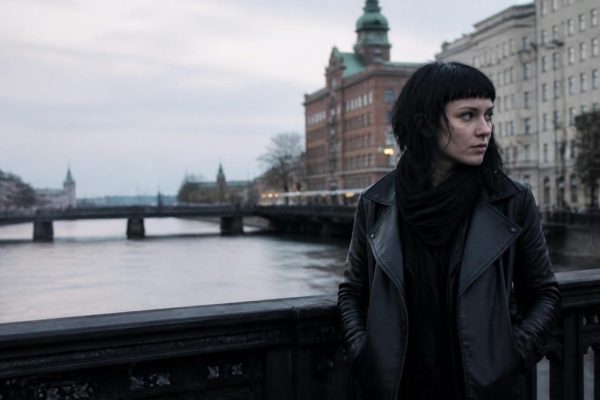
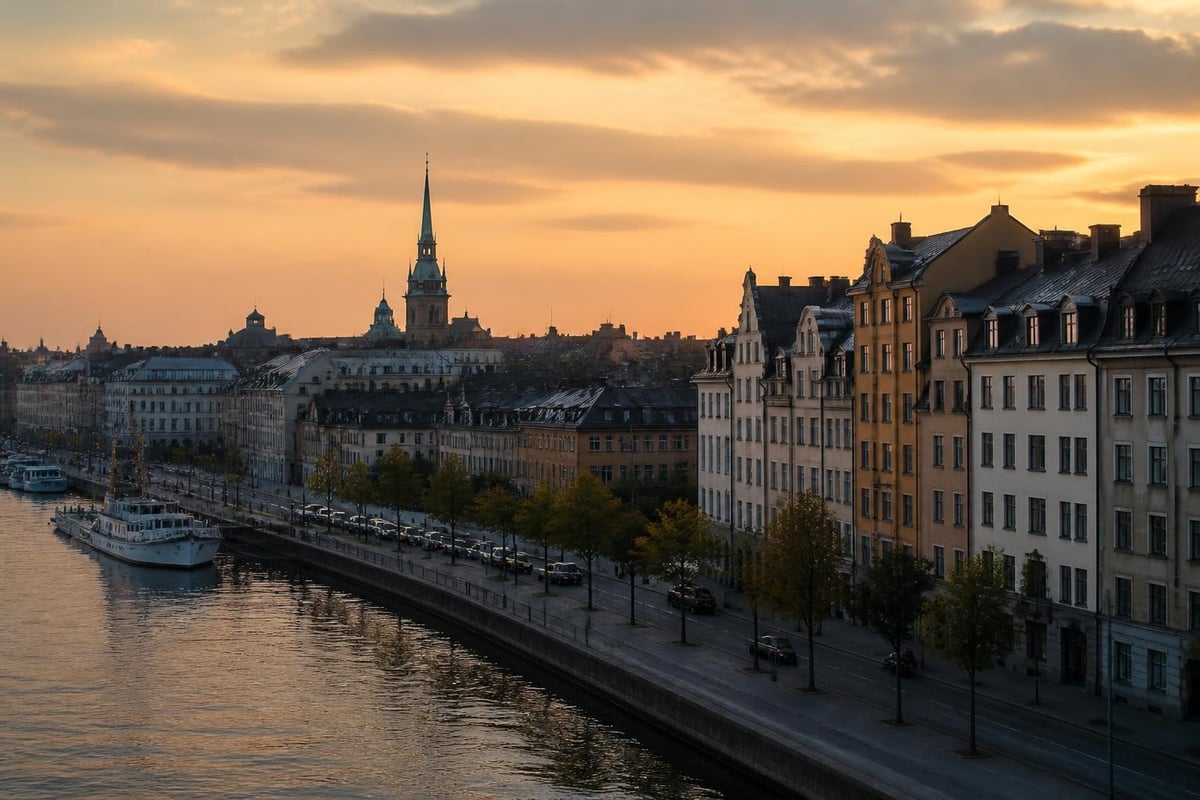
The novel's Stockholm settings are meticulously detailed, from Millennium magazine's offices to Salander's apartment in Södermalm. Visitors to Stockholm today can follow these literary footprints through guided walking tours that trace the characters' paths through authentic locations.
The Girl Who Played with Fire
The second installment escalates the stakes considerably, diving deeper into Lisbeth Salander's traumatic past while Blomkvist investigates a sex-trafficking exposé that turns deadly. This book written by Stieg Larsson demonstrates his commitment to social justice themes, particularly violence against women and governmental corruption.
Key themes explored:
- Institutional abuse and guardian systems
- Sweden's sex trade industry
- Media responsibility and investigative journalism
- Personal redemption and revenge
The narrative structure alternates between Stockholm and various Swedish locations, maintaining tension throughout its 700-plus pages. Many readers find this middle volume the most action-packed of the original trilogy.
The Girl Who Kicked the Hornet's Nest
Larsson's final completed novel brings the trilogy to a satisfying conclusion, with Salander facing trial for attempted murder while a conspiracy reaches into Sweden's highest security agencies. The courthouse scenes and hospital sequences create claustrophobic intensity, even as the story expands to encompass decades of governmental secrets.
| Novel Title | Swedish Title | Publication Year | English Page Count |
|---|---|---|---|
| The Girl with the Dragon Tattoo | Män som hatar kvinnor | 2005 (Swedish) / 2008 (English) | 590 |
| The Girl Who Played with Fire | Flickan som lekte med elden | 2006 (Swedish) / 2009 (English) | 724 |
| The Girl Who Kicked the Hornet's Nest | Luftslottet som sprängdes | 2007 (Swedish) / 2010 (English) | 746 |
Larsson's Writing Process and Unpublished Works
According to The Guardian’s comprehensive coverage, Larsson wrote primarily during evenings and weekends while working full-time as a journalist and magazine editor. He reportedly completed drafts of ten Millennium novels before his death, though only three were sufficiently polished for publication.
The posthumous handling of his literary estate became complex, as Larsson died without a will. His longtime partner Eva Gabrielsson claimed he had outlined the complete series arc, including detailed notes for subsequent books. However, Larsson's father and brother, as legal heirs under Swedish law, controlled publication rights.
What happened to the other manuscripts:
- Partial drafts existed for books four through seven
- Notes and outlines covered the complete ten-book series
- Legal disputes prevented Gabrielsson from accessing materials
- Eventually, the estate authorized new authors to continue the series
These circumstances led to one of publishing's most controversial decisions: commissioning new writers to extend the books written by Stieg Larsson into an ongoing series.
The Posthumous Continuations
In 2013, the Larsson estate partnered with Swedish author David Lagercrantz to continue the Millennium series. This decision sparked debate among fans and critics about authorial legacy and commercial interests.
The Girl in the Spider's Web
Lagercrantz's first contribution, published in 2015, dominated international bestseller lists despite mixed critical reception. The novel introduces new antagonists and technological themes while maintaining focus on Salander and Blomkvist.
Deutsche Welle’s analysis noted that Lagercrantz updated the series for contemporary audiences, incorporating artificial intelligence, surveillance capitalism, and updated hacking techniques that reflected 2015 technology rather than the mid-2000s setting of Larsson's originals.

Additional Lagercrantz Novels
Lagercrantz contributed two more installments:
- The Girl Who Takes an Eye for an Eye (2017) – Explores Salander's childhood and the Registry for the Study of Genetics and Social Environment
- The Girl Who Lived Twice (2019) – Takes Salander to Russia and concludes Lagercrantz's contributions
Karin Smirnoff's Continuation
Most recently, Swedish author Karin Smirnoff was commissioned to write the seventh Millennium novel, "The Girl in the Eagle's Talons," published in 2022. This represents yet another authorial transition in the expanding series that began with the books written by Stieg Larsson.
Larsson's Background and Influence on His Writing
Understanding the author enriches appreciation of his novels. Larsson spent decades as a investigative journalist specializing in right-wing extremism and anti-democratic movements in Sweden. His day job at the anti-fascist magazine Expo directly informed the Millennium series' themes.
Stieg Larsson’s publisher profile highlights his commitment to exposing racism, misogyny, and political corruption. These weren't mere fictional themes but causes he actively championed throughout his professional life.
Professional background elements reflected in his fiction:
- Magazine editing and publishing economics (Millennium magazine)
- Investigative journalism techniques and ethics
- Swedish far-right movements and neo-Nazi organizations
- Computer technology and early internet culture
- Documentary research methods
His protagonist Mikael Blomkvist functions as an idealized version of investigative journalism, while the Millennium magazine represents Larsson's vision of socially conscious media.
Stockholm as Character: Literary Tourism
The books written by Stieg Larsson transformed Stockholm into a character as vivid as Salander or Blomkvist. Specific neighborhoods, streets, cafés, and landmarks appear throughout the novels with geographic precision.
Key Stockholm Locations in the Novels
Södermalm District:
- Salander's apartment on Fiskargatan
- Mellqvist Kaffebar on Hornsgatan
- The fashionable Mosebacke area
Gamla Stan:
- Medieval alleyways and hidden courtyards
- Government buildings and historical sites
- Atmospheric cafés and restaurants
Kungsholmen:
- Blomkvist's apartment with water views
- Professional office districts
- Residential neighborhoods
Literary tourists visiting Stockholm often seek these locations, creating demand for specialized Stockholm city tours that follow the Millennium trail. These experiences connect fiction with reality, allowing visitors to walk where fictional characters investigated crimes and uncovered conspiracies.
| Location Type | Fictional Significance | Real Stockholm Equivalent |
|---|---|---|
| Millennium offices | Magazine headquarters | Götgatan, Södermalm |
| Salander's apartment | Character's sanctuary | Fiskargatan area |
| Kaffebar meetings | Information exchanges | Mellqvist Kaffebar (actual café) |
| Courthouse | Trial sequences | Stockholm District Court |
Themes and Social Commentary
The books written by Stieg Larsson consistently address serious social issues beneath their thriller narratives. Larsson's subtitle for the first novel, "Men Who Hate Women," signals his central concern with violence against women in Swedish society.
Violence Against Women
Each novel confronts misogyny, sexual assault, and systemic failures to protect vulnerable individuals. Salander herself is a survivor of institutional abuse, making her quest for justice deeply personal. Larsson researched these issues extensively through his journalism, incorporating actual statistics and patterns into his fictional narratives.
Corporate Malfeasance
The Vanger Corporation's crimes in the first novel, the biotech conspiracy in the second, and governmental corruption in the third all reflect Larsson's interest in how power shields wrongdoing. His investigative journalism background ensured realistic depictions of corporate structures and white-collar crime.
Technology and Privacy
Written before smartphones became ubiquitous, Larsson's novels presciently addressed digital surveillance, hacking ethics, and information warfare. Salander's extraordinary technical skills serve plot functions while raising questions about privacy, security, and technological power.

International Reception and Adaptations
The books written by Stieg Larsson achieved extraordinary international success, particularly unusual for translated crime fiction. The English translations by Reg Keeland (pseudonym of Steven T. Murray) introduced millions of readers to Scandinavian noir, helping establish the "Nordic noir" genre internationally.
Adaptations across media:
- Swedish film trilogy (2009) starring Noomi Rapace
- American film (2011) directed by David Fincher
- Swedish television series
- German, Norwegian, and other international adaptations
- Audiobook versions in multiple languages
These adaptations brought Stockholm's atmospheric locations to visual life, increasing tourism interest in the Swedish capital. Many visitors specifically request Stockholm old town walking tours to experience settings they recognize from films and books.
Reading Order and Editions
New readers often ask about the optimal approach to the extended Millennium series. The original trilogy forms a complete narrative arc, while subsequent books function as continuations rather than essential reading.
Recommended Reading Sequence
- Start with the original trilogy in publication order
- Consider your interest in posthumous continuations carefully
- Recognize that Lagercrantz and Smirnoff books differ in tone and style
- Various editions are catalogued with different translations and formats
Available formats:
- Hardcover original editions
- Mass-market paperbacks
- Premium trade paperbacks
- E-books across platforms
- Audiobooks (highly regarded narrations)
- Omnibus editions combining multiple novels
The Norstedts Agency documentation provides authoritative publication details for readers interested in editorial history and international editions.
Experiencing Larsson's Stockholm Today
For literary enthusiasts visiting Stockholm in 2026, the city offers numerous opportunities to explore locations from the books written by Stieg Larsson. The novels' detailed geographic accuracy means that readers can walk the same streets, visit the same cafés, and experience the same neighborhoods their favorite characters inhabited.
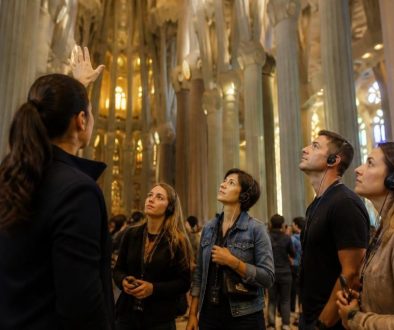
Professional guides familiar with both the novels and Stockholm's history offer context that enriches understanding of how Larsson wove real locations into fictional narratives. These English-language tours cater specifically to international visitors who discovered Stockholm through the Millennium series.
What literary tours typically include:
- Södermalm neighborhood walking route
- Historic Gamla Stan connections
- Cafés and restaurants mentioned in the novels
- Publishing district and journalism history
- Discussion of Larsson's life and career
- Photography opportunities at key locations
The experience transforms passive reading into active engagement with the urban landscape that inspired one of the 21st century's most successful crime fiction series.
Legacy and Continuing Influence
More than two decades after Larsson's death, the books written by Stieg Larsson continue shaping crime fiction, influencing countless authors who followed. The damaged-but-brilliant investigator, the journalist-detective partnership, and the focus on social justice themes became templates for numerous subsequent series.
Swedish crime fiction gained international prominence largely due to Larsson's success, opening doors for authors like Henning Mankell, Camilla Läckberg, and Arne Dahl. Publishers worldwide sought "the next Millennium series," fundamentally changing the market for translated fiction.
Lasting impacts on publishing:
- Increased translation of Scandinavian authors
- Female antiheroes became commercially viable
- Social justice themes in mainstream thrillers
- Stockholm as recognizable literary setting
- Long-form series with complex character development
The expansion of the series beyond Larsson's original three novels demonstrates the enduring commercial appeal of his creations, even as it raises questions about authorial intent and literary legacy.
The books written by Stieg Larsson offer readers far more than entertaining thrillers, they provide insight into Swedish society, Stockholm's unique character, and urgent social issues that transcend national boundaries. For visitors planning Stockholm trips, these novels serve as compelling introductions to the city's neighborhoods, history, and contemporary culture. Whether you're a dedicated Millennium fan or simply curious about Stockholm's literary landscape, Adding:tours offers personalized experiences that bring these stories to life, guiding you through the streets where Blomkvist and Salander navigated their investigations with expert local knowledge and insider perspectives.