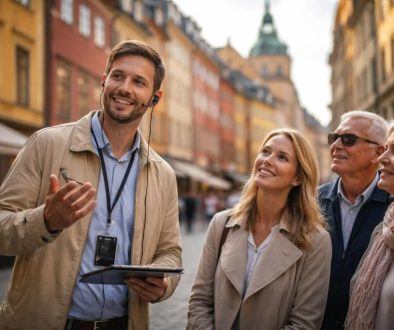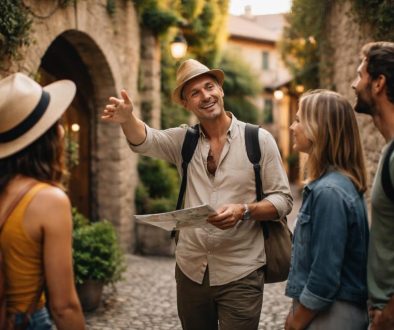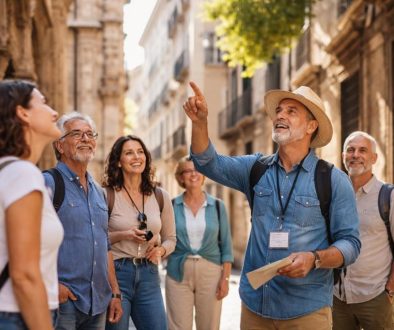
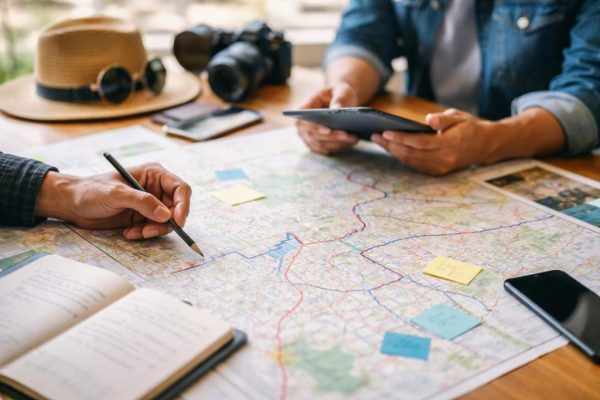
Create a Tour That Captivates and Engages Visitors
When you create a tour that resonates with visitors, you're not simply mapping out destinations and coordinating logistics. You're crafting an experience that connects people to places through storytelling, cultural insight, and personalized engagement. For tour operators working with private groups and small gatherings, the challenge lies in balancing structure with flexibility while ensuring every participant feels the journey was designed specifically for them. This comprehensive guide explores proven strategies to help you develop tours that transform ordinary sightseeing into extraordinary adventures, whether you're guiding guests through historic neighborhoods, literary landmarks, or cultural hotspots.
Understanding Your Audience Before You Create a Tour
The foundation of any successful guided experience begins with knowing exactly who will participate. Private groups differ vastly in their interests, physical capabilities, and expectations. Families with children require different pacing and content than corporate teams or literary enthusiasts following famous footsteps.
Conducting Pre-Tour Consultations
Before finalizing any itinerary, invest time in meaningful conversations with your clients. Ask about their specific interests, previous travel experiences, and what they hope to take away from the journey. A group interested in professional tour guide services will appreciate this personalized approach that sets professional operators apart from generic offerings.
Key questions to address during consultations:
- What inspired this particular destination choice?
- Are there mobility considerations or accessibility needs?
- What time constraints affect the tour schedule?
- Do participants prefer detailed historical context or lighter, entertaining narratives?
- Are there specific sites or themes they want to prioritize?
This information becomes the blueprint for everything that follows. When you create a tour with this depth of understanding, you eliminate the guesswork that often results in mediocre experiences.

Segmenting Group Dynamics
Even within private groups, you'll encounter varied interest levels and preferences. Some participants may be history enthusiasts while others focus on photography opportunities or culinary experiences. The most effective approach involves creating flexible tour structures that accommodate these differences without fragmenting the group experience.
| Group Type | Primary Interests | Tour Adaptation Strategy |
|---|---|---|
| Families | Entertainment, education, breaks | Interactive elements, shorter segments, photo opportunities |
| Corporate Teams | Networking, unique experiences | Team-building moments, exclusive access, professional insights |
| Literary Fans | Deep context, authentic locations | Detailed storytelling, book connections, author background |
| Music Enthusiasts | Cultural heritage, immersive experiences | Performance venues, historical context, participatory elements |
Designing the Route and Structure
Once you understand your audience, the next challenge is to create a tour route that flows naturally while hitting meaningful highlights. This requires balancing iconic landmarks with hidden gems, ensuring logical progression, and building in moments for rest and reflection.
Mapping Logical Progression
The sequence matters tremendously. Start with an engaging opening that captures attention immediately, build momentum through the middle segments, and conclude with a memorable finale. For those planning Stockholm walking tours, the narrow alleys of the Old Town provide natural transitions between historical periods and architectural styles.
Route planning best practices:
- Begin at an accessible meeting point with clear visibility
- Move from general orientation to specific deep dives
- Position the most physically demanding segments early when energy is high
- Schedule natural break points near facilities and refreshment options
- End at a location that facilitates easy dispersal or continued exploration
This thoughtful structure helps you create a tour that feels effortless to participants, even when considerable planning complexity exists behind the scenes. Using tools for creating tours can help you map routes efficiently and share details with participants ahead of time.
Timing and Pacing Considerations
Duration directly impacts satisfaction. Too brief and guests feel shortchanged; too long and fatigue diminishes enjoyment. For most walking-based experiences, 2.5 to 3 hours represents the sweet spot for adult groups. When working with families or seniors, consider shorter durations or more frequent stops.
Build in buffer time for photographs, questions, and unexpected delays. Weather changes, crowd dynamics at popular sites, and group conversations all affect pacing. Professional guides allocate approximately 15-20% more time than strict itinerary calculations suggest to maintain a relaxed, unhurried atmosphere.
Crafting Compelling Narratives and Content
Information delivery separates adequate tours from exceptional ones. When you create a tour focused on storytelling rather than fact recitation, you transform passive listeners into engaged participants. This approach requires research, practice, and genuine enthusiasm for the subject matter.
Developing Themed Story Arcs
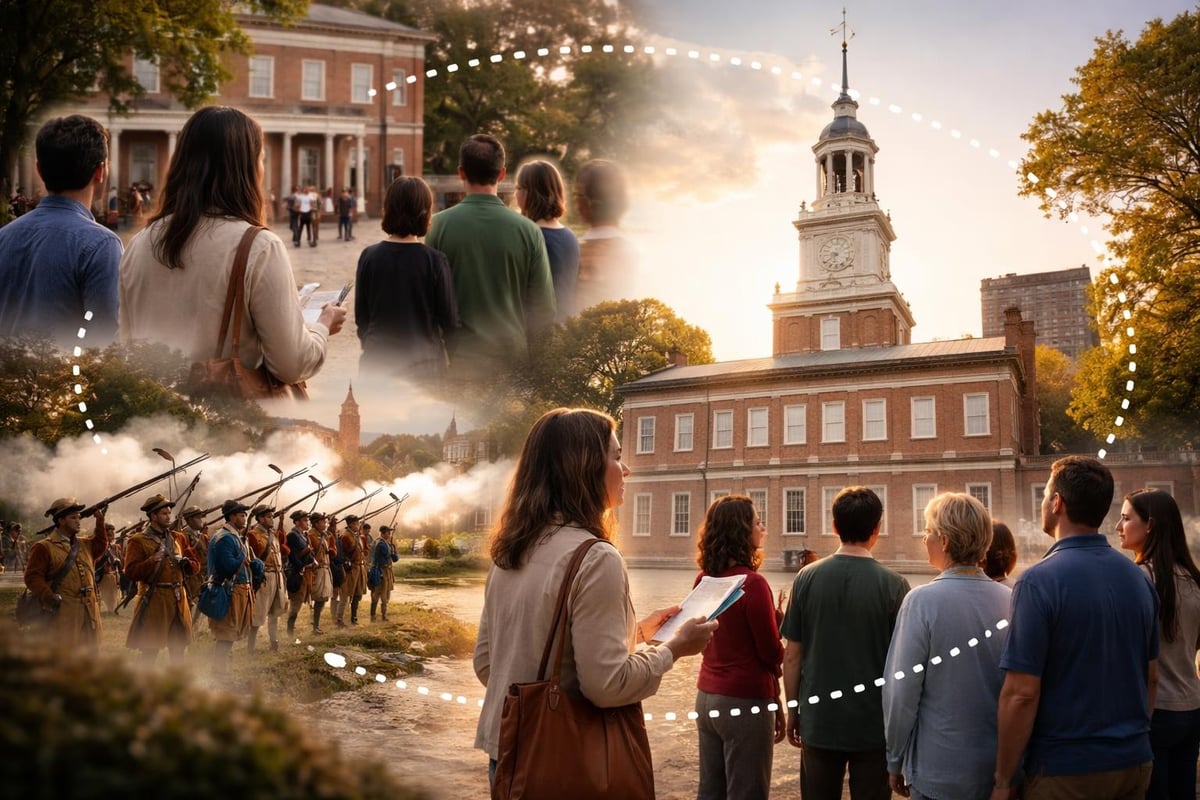
Rather than presenting disconnected historical facts, weave information into cohesive narratives that build throughout the experience. A tour through Stockholm's Old Town becomes more engaging when framed as a journey through Sweden's transformation from medieval kingdom to modern nation, with each stop revealing another chapter.
The importance of storytelling in tour guiding cannot be overstated. Stories create emotional connections that facts alone never achieve. When discussing the Royal Palace, don't just mention architectural dates; share anecdotes about the monarchs who lived there, the ceremonies that took place, and how royal traditions evolved over centuries.
Incorporating Multiple Perspectives
The richest tours present history and culture through varied lenses. For literary-themed experiences following authors like Stieg Larsson, combine biographical details with social context, publishing history, and the real locations that inspired fictional settings. This multi-dimensional approach appeals to different learning styles and keeps content fresh throughout the journey.
Content layering techniques:
- Historical context: When and why events occurred
- Personal stories: Individual experiences that humanize broader narratives
- Cultural significance: How locations and events shaped identity and traditions
- Contemporary connections: Relevance to current issues and modern life
- Sensory details: What people heard, smelled, tasted, and felt during historical moments
When you create a tour with this depth, you provide material that resonates with diverse audience interests while maintaining cohesive thematic threads.
Personalizing the Experience
Generic tours serve no one well. The competitive advantage in guiding private groups comes from customization that makes each experience feel unique. This personalization extends beyond simply asking for preferences; it requires active listening and real-time adaptation.
Building Flexibility Into Structure
While having a planned route is essential, the best guides read their groups and adjust accordingly. Notice when energy flags and shorten a segment. Recognize when a particular topic sparks unusual interest and explore it more deeply. This responsive approach transforms you from an information dispenser into a genuine facilitator of discovery.
For operators offering customizable tour experiences, this flexibility becomes a defining characteristic. Unlike bus tours following rigid schedules, intimate group experiences can pivot to accommodate spontaneous interests or skip elements that don't resonate.
Adding Exclusive Elements
What can you offer that others can't? Exclusive access, insider knowledge, and unique perspectives create memorable moments that participants discuss long after returning home. This might include visiting locations not typically open to tourists, sharing personal connections to neighborhoods, or arranging special demonstrations or performances.
Consider partnerships with local businesses, cultural institutions, or residents who can provide authentic interactions. A cultural tour gains depth when participants meet artisans, taste traditional foods explained by their makers, or access sites through special arrangements unavailable to general visitors.
Incorporating Interactive Elements
Passive listening has its limits. When you create a tour with interactive components, you increase engagement, improve information retention, and make the experience more enjoyable for participants who learn through doing rather than just hearing.
Engagement Strategies for Different Settings
Walking tours through historic districts lend themselves to observation challenges, photo scavenger hunts, or questions that encourage participants to notice architectural details or historical markers. Literary tours can include reading brief passages at relevant locations. Music-themed experiences might incorporate listening to clips or encouraging participants to share their favorite songs related to the artist or genre.
Interactive techniques to consider:
- Timed challenges to find specific details or features
- Group discussions about how historical events might have unfolded differently
- Opportunities for participants to handle reproductions of historical objects
- Brief role-playing scenarios that illustrate historical perspectives
- Voting or polling on route choices or discussion topics
These elements work particularly well with corporate groups seeking team-building experiences or families with children who need varied activities to maintain attention.
Technology Integration
Modern tour creation increasingly incorporates digital tools that enhance rather than replace human guidance. While some operators use platforms to create virtual tours as standalone products, these technologies can also supplement in-person experiences through augmented reality overlays, historical image comparisons, or audio enhancement.
For private groups, technology should remain subtle and supportive. Provide digital materials participants can access later rather than requiring them to engage with devices during the tour. Share follow-up resources, additional reading, or photographic archives that extend the learning beyond the physical experience.
Training and Continuous Improvement
Even experienced guides benefit from ongoing development. When you create a tour framework, you're also creating a living document that should evolve based on feedback, changing conditions, and new information. Professional development separates competent guides from exceptional ones.
Gathering and Implementing Feedback
After each tour, collect honest assessments from participants. What resonated most? What dragged? Were there confusing moments or organizational issues? This information proves invaluable for refinement. Understanding best practices for creating memorable tours helps frame these evaluations productively.
Create simple feedback mechanisms that don't burden guests but provide actionable insights:
| Feedback Method | Advantages | Best Used For |
|---|---|---|
| Post-tour digital surveys | Detailed responses, quantifiable data | Comprehensive program evaluation |
| Informal verbal check-ins | Immediate, authentic reactions | Quick pulse-checks during tours |
| Follow-up emails | Thoughtful reflection, ongoing relationship | Gathering testimonials, detailed suggestions |
| Review platform monitoring | Public perception, comparison to competitors | Understanding market positioning |
Staying Current and Expanding Knowledge
Destinations change. New research alters historical understanding. Cultural perspectives evolve. The guide who presented accurate information five years ago may unknowingly share outdated or incomplete narratives today. Commit to regular learning through academic publications, local historical societies, museum exhibitions, and conversations with other professionals.
For themed tours like ABBA experiences or literary journeys, stay connected to fan communities, scholarly work, and new media releases that might affect participant expectations or provide fresh content angles.
Managing Logistics and Operations
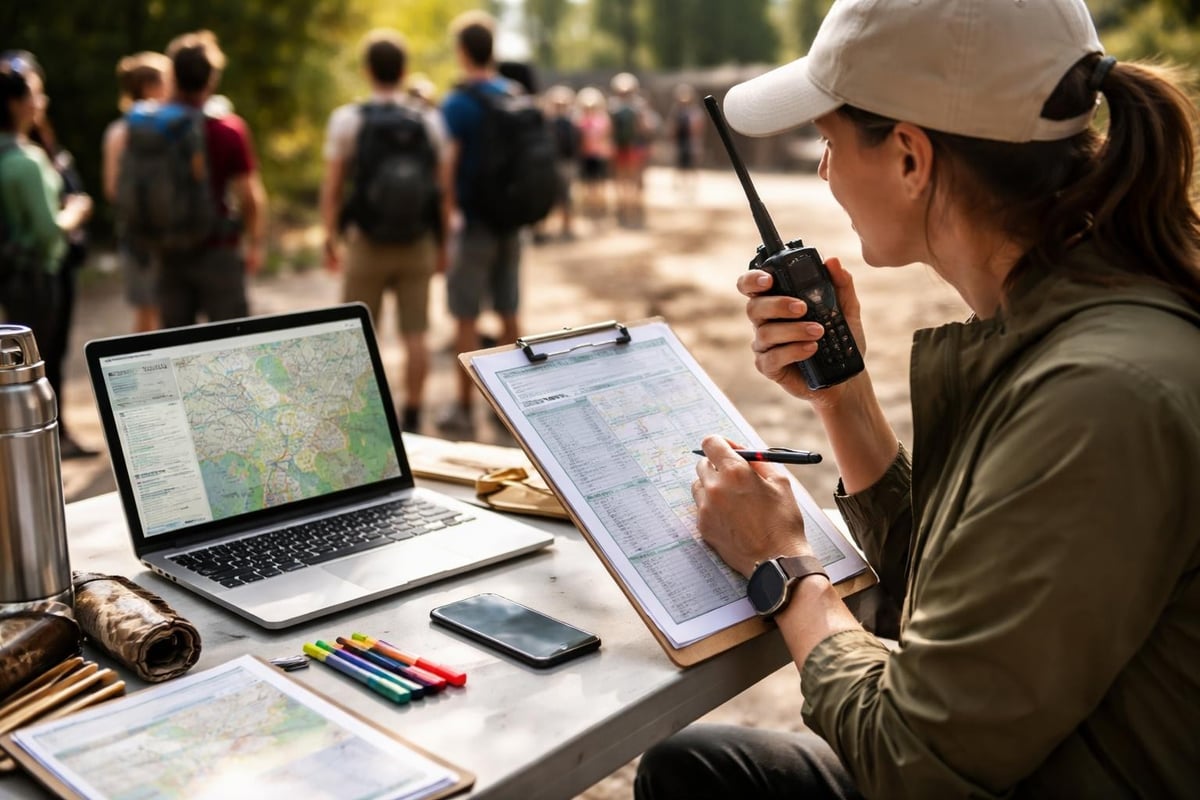
Behind every smooth tour lies meticulous operational planning. When you create a tour that appears effortless, you've successfully managed dozens of logistical details that participants never notice but would certainly miss if handled poorly.
Communication and Confirmation Systems
Clear, timely communication prevents confusion and builds confidence. Confirm bookings immediately, provide detailed joining instructions well in advance, and send reminders as the tour date approaches. Include specific details about meeting locations with landmarks or visual cues, appropriate clothing for weather and terrain, and what's included versus what participants should bring.
English-speaking tour services particularly benefit from over-communication, ensuring international visitors understand logistical details despite potential language barriers outside the tour itself. Provide information in multiple formats-text, maps, images-to accommodate different processing preferences.
Contingency Planning
Weather disruptions, site closures, transportation delays, and participant emergencies all require prepared responses. Develop backup routes for outdoor tours, maintain relationships with indoor venues that can accommodate groups on short notice, and know the locations of medical facilities, pharmacies, and emergency services along your routes.
Essential contingency preparations:
- Alternative indoor routes for severe weather
- Shorter route options if groups tire more quickly than expected
- Extended content if portions move faster than anticipated
- Contact information for all participants and emergency contacts
- First aid supplies and knowledge of nearby medical facilities
This preparation enables you to create a tour experience that feels secure and well-managed regardless of unexpected circumstances.
Building Your Tour Portfolio
Most successful operators don't rely on a single tour format. When you create a tour catalog offering varied experiences, you appeal to broader audiences and encourage repeat business from satisfied clients seeking different adventures.
Developing Signature Experiences
While variety matters, establishing one or two flagship tours builds reputation and word-of-mouth marketing. These signature experiences showcase your expertise and differentiate you from competitors. Whether it's an in-depth Old Town walking tour or a specialized thematic journey, these tours should represent your highest quality work and clearest competitive advantages.
Signature tours benefit from continuous refinement and should incorporate your best content, most reliable logistics, and strongest narrative elements. They become the experiences you're known for and the ones that generate the most referrals.
Seasonal and Special Event Programming
Expand your offerings by creating tours tied to specific seasons, holidays, or cultural events. Christmas markets, summer festivals, autumn foliage, or winter activities provide natural frameworks for specialized experiences. These limited-availability tours create urgency and attract both new clients and returning guests seeking fresh experiences.
Consider how Stockholm's distinct seasonal characteristics affect tour possibilities. Winter tours might emphasize cozy indoor spaces, historical winter traditions, and shorter outdoor segments. Summer programming can take advantage of extended daylight, outdoor venues, and seasonal events that wouldn't work during other months.
Marketing Your Tour Offerings
Even the most brilliant tour fails if no one knows it exists. Strategic marketing connects your carefully crafted experiences with the audiences most likely to appreciate them. This requires understanding where your potential clients gather information and what messaging resonates with their motivations.
Defining Your Unique Value Proposition
What makes your tours different? For operators focusing on private groups and intimate experiences, exclusivity and personalization become central themes. Emphasize the advantages of tailored tours that adapt to group interests rather than forcing everyone through identical experiences.
Highlight specific differentiators:
- Native English-speaking guides who provide cultural translation beyond language
- Insider access to locations or perspectives unavailable through larger operators
- Flexibility to adjust pacing, content depth, and route based on real-time group dynamics
- Specialized expertise in particular themes like literature, music, or architectural history
- Small group sizes that enable conversation and questions throughout
Content Marketing and Digital Presence
Demonstrate expertise through valuable content that helps potential clients even before they book. Share insights about destinations, practical travel tips, historical deep dives, or behind-the-scenes perspectives on tour creation. This positions you as a knowledgeable resource rather than just a service provider.
Resources like guides on creating memorable campus tours offer transferable insights for any tour type, showing how principles of engagement apply across contexts. Sharing such resources builds credibility while providing genuine value to your audience.
Pricing and Business Sustainability
When you create a tour, you must also create a sustainable business model. Pricing affects both profitability and client expectations, requiring careful calibration between fair compensation and market positioning.
Calculating True Costs
Beyond guide time, account for preparation hours, transportation, site entrance fees, insurance, marketing expenses, administrative work, and ongoing professional development. Many operators underprice their services by failing to recognize these hidden costs, creating unsustainable businesses that compromise quality over time.
For private group tours, consider tiered pricing that reflects group size, tour duration, complexity, and included amenities. A straightforward walking tour commands different rates than an experience including meals, transportation, or special access arrangements.
Communicating Value Beyond Price
Price objections often reflect unclear value propositions rather than actual budget constraints. When clients understand exactly what they receive and how it differs from cheaper alternatives, they make informed decisions based on priorities rather than simply seeking the lowest cost.
Value communication strategies:
- Detailed itinerary descriptions that highlight exclusive elements
- Testimonials emphasizing transformation and memorable moments rather than just activities completed
- Comparison content showing what's included versus what requires additional expense
- Transparent explanations of pricing components
- Guarantees or policies that demonstrate confidence in quality
Creating tours that truly resonate requires blending strategic planning with genuine passion for sharing places and stories that matter. The most successful experiences emerge when operators invest time understanding their audiences, crafting compelling narratives, and building flexible frameworks that accommodate the unexpected moments that often become the most memorable. Whether you're developing literary adventures, cultural explorations, or music-themed journeys, these principles apply universally. Adding:tours specializes in creating personalized guided experiences for private groups and small gatherings throughout Stockholm, combining insider knowledge with the flexibility that transforms standard sightseeing into truly special adventures tailored to your specific interests.