
Gift Guide: Unique Experience Ideas for Every Occasion
Finding the perfect present has evolved beyond traditional wrapped packages. A thoughtfully curated gift guide focusing on experiences rather than objects creates lasting memories and strengthens connections between people. For businesses offering unique services, a well-designed gift guide serves as both a practical resource for customers and a strategic marketing tool that drives bookings throughout the year, especially during peak gifting seasons.
Understanding the Experience Gift Market
Modern consumers increasingly value experiences over material possessions, fundamentally changing how we approach gifting. According to research on empowered consumer behavior, personalization and meaningful engagement now drive purchasing decisions more than ever before.
Experience gifts solve common problems that frustrate both givers and recipients. They eliminate concerns about sizing, duplicate presents, and unwanted items cluttering homes. More importantly, they create opportunities for shared moments that strengthen relationships.
Why Experience-Based Gifts Resonate
The shift toward experiential gifting reflects broader changes in consumer priorities. People seek authentic connections and memorable moments, particularly after periods of social isolation. Data on gifting behavior in the U.S. shows that experiences consistently rank among the most appreciated gifts across all age groups.
Key benefits of experience gifts include:
- Zero storage requirements or physical clutter
- Opportunities for quality time together
- Flexibility in scheduling and participation
- Personalization based on recipient interests
- Creation of lasting memories and stories
Experience gifts work particularly well for recipients who seem to have everything or express minimalist values. They also provide excellent solutions for long-distance relationships, offering reasons to visit and spend time together.

Building Your Gift Guide Structure
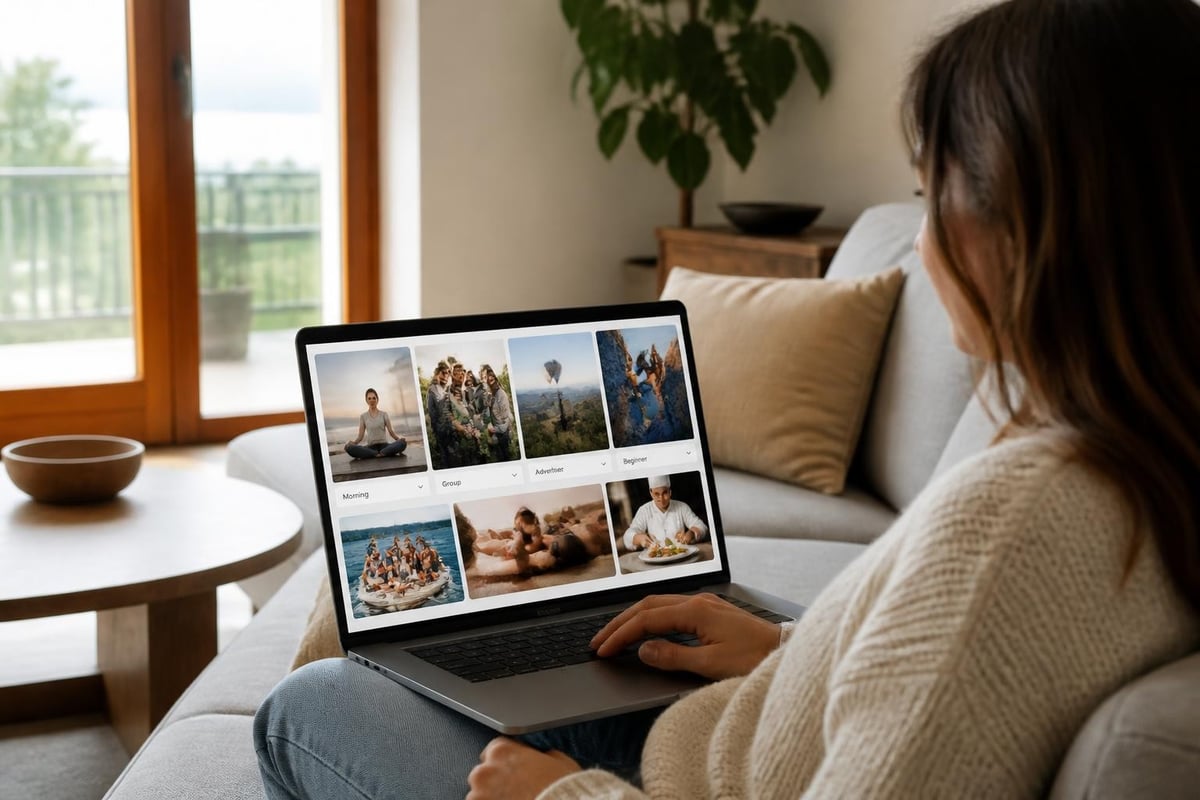
Creating an effective gift guide requires strategic organization that helps customers quickly find relevant options. Structure your offerings around recipient characteristics, price points, and occasion types to maximize usability and conversion rates.
Segmentation Strategies That Work
Start by identifying your primary customer segments. For guided tour businesses, natural categories include family groups, couples seeking romantic experiences, corporate teams, tourists visiting for the first time, and locals looking to rediscover their city.
| Segment Type | Tour Focus | Ideal Occasions |
|---|---|---|
| Families | Interactive, educational experiences | Holidays, reunions, celebrations |
| Couples | Intimate, romantic settings | Anniversaries, Valentine's Day, proposals |
| Corporate Groups | Team building, networking opportunities | Year-end parties, retreats, client entertainment |
| Tourists | Comprehensive city highlights | Vacation planning, bucket list experiences |
| Local Explorers | Hidden gems, specialized themes | Birthdays, gift exchanges, personal milestones |
Price-based segmentation also helps customers navigate options efficiently. Create tiers such as "Under $100," "Premium Experiences ($100-$250)," and "Ultimate Adventures ($250+)" to match different budget levels and occasion significance.
Thematic Organization Methods
Beyond demographics and pricing, thematic categories create emotional connections with potential gift buyers. Consider organizing sections around interests like literary adventures for book lovers, musical journeys for fans of specific artists, or historical deep-dives for culture enthusiasts.
For businesses offering Stockholm-based experiences, a dad gift guide might highlight activities like following the Millennium trilogy locations or witnessing ceremonial traditions at the Royal Palace. These specialized guides attract highly targeted traffic while showcasing expertise in particular niches.
Crafting Compelling Gift Descriptions
Each entry in your gift guide needs descriptive, benefit-focused content that helps customers envision the experience. Generic descriptions fail to capture imagination or justify premium pricing.
Writing Techniques That Convert
Begin each description with the experiential outcome rather than logistical details. Instead of "Three-hour walking tour of Gamla Stan," try "Journey through 700 years of Swedish history as you explore medieval streets and hidden courtyards with an insider who brings the past to life."
Essential elements for each gift guide entry:
- Emotional hook – The feeling or memory created
- Unique selling points – What makes this experience special
- Practical details – Duration, group size, accessibility
- Ideal recipient – Who will love this most
- Booking flexibility – Scheduling options and validity periods
Incorporate specific details that differentiate your offerings. For instance, English walking tours led by native speakers provide nuances and storytelling that standard multilingual audio guides cannot match. These distinctions justify higher price points and attract quality-conscious buyers.
Addressing Common Objections
Anticipate concerns that might prevent gift purchases. Weather-dependent activities should mention backup plans or rescheduling policies. Physical difficulty levels need clear communication to ensure appropriate matching between recipients and experiences.
Gift certificate validity periods deserve prominent mention. Open-ended or generous expiration dates remove purchase barriers by eliminating pressure on recipients to book immediately during already busy holiday periods.
Seasonal Timing and Promotion Strategy
Strategic timing dramatically impacts gift guide effectiveness. Holiday retail sales research reveals specific windows when consumers actively seek gift ideas and make purchasing decisions.
Annual Gift-Giving Peaks
While December dominates gift guide searches, savvy businesses identify multiple promotional windows throughout the year. Valentine's Day, Mother's Day, Father's Day, graduation season, and anniversary periods all represent significant opportunities for experience-based gift sales.
The National Retail Federation expects holiday sales to reach unprecedented levels in 2025, with consumers planning purchases earlier than ever. Launch your gift guide in early October to capture early planners, then refresh and repromote throughout the season.
Promotional calendar for gift guides:
- October – Initial launch, targeting organized planners
- November – Peak promotion, email campaigns, social advertising
- Early December – Last-minute shoppers, expedited delivery options
- Late December/January – Post-holiday gifting, New Year experiences
- February – Valentine's Day romance packages
- May/June – Mother's Day, Father's Day, graduation combinations
- Year-round – Birthday and anniversary evergreen options
Multi-Channel Distribution Tactics
Your gift guide needs visibility across all customer touchpoints. A dedicated landing page optimized for search engines forms the foundation, but extend reach through email marketing, social media, and partnerships with complementary businesses.
Pinterest’s holiday playbook emphasizes that visual inspiration drives gift discovery earlier each year. Create pinnable images for each category and individual experience, optimized with relevant keywords and compelling descriptions that link back to your booking platform.
Email marketing remains highly effective for gift guide promotion. Holiday email templates provide frameworks for series that build awareness, highlight specific categories, and create urgency as key dates approach. Segment your email list to send targeted recommendations based on previous booking patterns and expressed interests.
Visual Presentation and Photography
Professional imagery separates inspiring gift guides from forgettable ones. Even businesses with limited photography budgets can create compelling visuals that showcase experiences effectively.
Creating Authentic Experience Photography
Show real moments from actual tours rather than staged stock photography. Candid shots of engaged participants discovering hidden details, laughing together, or absorbed in stories told by guides communicate authenticity that professional models cannot replicate.
Smartphone photography guides demonstrate that modern phone cameras produce publication-quality images when used with proper technique. Natural lighting, thoughtful composition, and minimal editing create professional results without expensive equipment.
For tour operators, capture variety across different seasons, weather conditions, and lighting scenarios. Images of Stockholm Old Town walking tours under summer sunshine tell different stories than moody winter twilight scenes, appealing to different customer preferences and travel timing.
Optimizing Images for Search and Conversion
Technical optimization ensures your gift guide images load quickly, display correctly across devices, and contribute to search engine rankings. DIY product photography guides cover essential aspects like background selection, lighting setup, and editing workflows applicable to service photography.
| Image Element | Optimization Goal | Best Practice |
|---|---|---|
| File Format | Fast loading, quality balance | WebP or optimized JPEG |
| Dimensions | Responsive display | Multiple sizes, 2x for retina |
| Alt Text | Accessibility, SEO | Descriptive, keyword-rich |
| File Names | Searchability | Descriptive, hyphenated |
| Compression | Speed without quality loss | 80-90% quality setting |
Implement Product structured data on your gift guide pages to help search engines understand your offerings and potentially display rich results with pricing, availability, and ratings directly in search results.
Personalization and Customization Options
Generic one-size-fits-all experiences miss opportunities to create truly memorable gifts. Highlighting customization capabilities differentiates your gift guide from competitors while justifying premium pricing.
Flexible Experience Design
The most successful experience gifts adapt to recipient preferences rather than forcing participation in rigid itineraries. Tailored tours that adjust based on group interests, mobility levels, and time constraints provide better value and satisfaction than inflexible alternatives.
Customization dimensions to emphasize:
- Duration – Half-day, full-day, or multi-day options
- Group size – Intimate couples experiences to larger family gatherings
- Difficulty level – Leisurely walks to more active adventures
- Thematic focus – History, architecture, literature, music, or food
- Special occasions – Proposals, anniversaries, milestone celebrations
Private group experiences like those offered through Adding:tours inherently provide flexibility that large group tours cannot match. This exclusivity becomes a powerful selling point in gift guide presentations, appealing to customers seeking special treatment for important recipients.
Creating Custom Packages
Bundle complementary services to create premium gift packages that command higher prices while delivering exceptional value. An ABBA journey that includes transportation, guided exploration, and a shared meal demonstrates how combining elements creates complete experiences worth gifting for major occasions.
Consider partnerships with restaurants, hotels, or other local businesses to expand your gift guide offerings beyond core tour services. These collaborations provide cross-promotional opportunities while creating comprehensive packages that solve more of the customer's gifting needs.
Gift Certificate and Delivery Mechanics
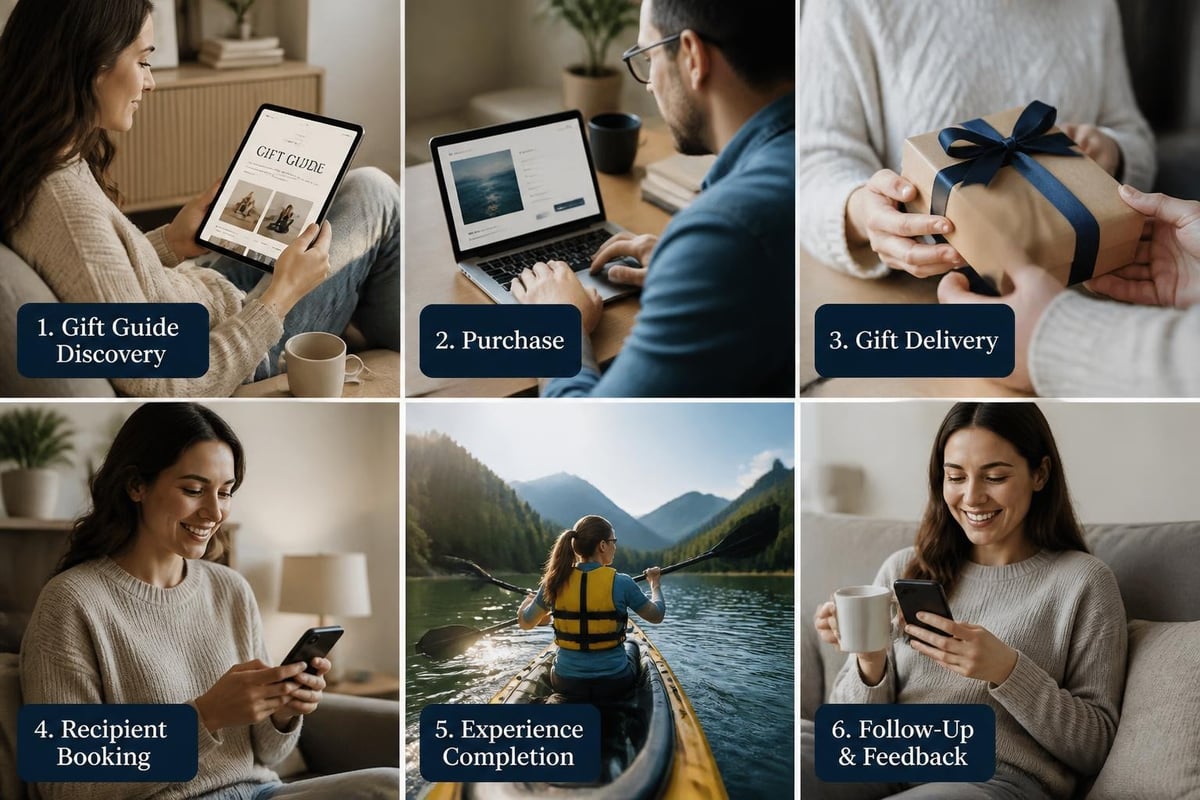
The practical aspects of purchasing, delivering, and redeeming experience gifts significantly impact customer satisfaction and conversion rates. Streamlined processes reduce friction and encourage purchases.
Digital vs. Physical Presentation
Digital gift certificates offer immediate delivery, perfect for last-minute shoppers, while physical presentation packages create tangible excitement when given in person. Offering both options accommodates different customer preferences and gifting scenarios.
For digital delivery, create attractive PDF designs that recipients can print or save. Include essential details like redemption instructions, validity periods, and contact information for booking. Personalization fields for giver and recipient names, custom messages, and occasion references add thoughtful touches.
Physical gift certificates packaged in quality envelopes or presentation folders provide premium presentation suitable for in-person gifting. Include inspirational imagery from the experience alongside booking details to build anticipation.
Seamless Redemption Processes
Complex redemption procedures frustrate recipients and result in unused certificates. Provide multiple booking channels including phone, email, and online scheduling systems with clear instructions for each method.
Gift certificate redemption best practices:
- Display booking contact information prominently
- Offer online calendar showing availability
- Provide generous validity periods (12+ months)
- Allow easy date changes without penalties
- Send reminder emails before expiration
- Extend expired certificates upon request when possible
Tracking systems that notify you when certificates are purchased versus redeemed help identify unredeemed gifts. Proactive outreach to recipients with unredeemed certificates improves utilization rates while demonstrating customer service excellence.
Measuring Gift Guide Performance
Data-driven optimization ensures your gift guide continues improving season after season. Track relevant metrics beyond basic revenue to understand customer behavior and identify enhancement opportunities.
Key Performance Indicators
Monitor traffic sources to understand which promotional channels drive the most qualified visitors to your gift guide. Organic search, paid advertising, email campaigns, and social media each provide different audience qualities and conversion characteristics.
Conversion rates at various funnel stages reveal friction points. Analyze drop-off between gift guide page views, product detail page visits, cart additions, and completed purchases to identify specific obstacles preventing sales.
| Metric Category | Specific Measurements | Optimization Insights |
|---|---|---|
| Traffic | Sessions, users, source breakdown | Channel effectiveness, content reach |
| Engagement | Time on page, scroll depth, clicks | Content relevance, navigation usability |
| Conversion | Add-to-cart rate, purchase completion | Pricing clarity, checkout friction |
| Revenue | Total sales, average order value | Pricing strategy, bundling effectiveness |
| Redemption | Booking rate, time to redemption | Certificate design, booking ease |
Post-purchase surveys asking how customers discovered your gift guide and what influenced their selection provide qualitative insights that numbers alone cannot reveal. These responses guide content improvements and promotional messaging refinement.
Continuous Improvement Strategies
Review gift guide performance quarterly rather than only during peak seasons. Year-round gifting occasions represent significant revenue opportunities that underperforming guides miss entirely.
A/B test different elements systematically. Try variations in category organization, description length, image styles, and call-to-action placement to identify what resonates with your specific audience. Even small conversion improvements compound significantly across hundreds of annual transactions.
Seasonal refresh cycles keep content current and search engines engaged. Update imagery, add new experience options, remove discontinued offerings, and refine descriptions based on customer feedback and booking patterns.
Integration with Broader Marketing Strategy
Your gift guide should function as part of a cohesive marketing ecosystem rather than an isolated seasonal campaign. Strategic integration amplifies effectiveness across all channels.
Content Marketing Connections
Create supporting content that drives traffic to your gift guide while providing standalone value. Blog posts about choosing meaningful gifts, planning special occasions, or creating memorable celebrations naturally link to relevant gift guide categories.
For tour operators, content exploring different aspects of your destination educates potential customers while establishing expertise. Articles about cultural tours or specific attractions like the free walking tour of Stockholm Gamla Stan introduce readers to experiences they might purchase as gifts.
Social proof integration strengthens gift guide credibility. Feature customer testimonials, photos from previous participants, and ratings throughout your gift selections. Video testimonials from gift recipients describing their experiences prove value more convincingly than any marketing copy.
Loyalty Program Integration
Existing customers represent your most valuable gift guide audience. They already trust your service quality and understand your value proposition. Create exclusive early access periods or special discounts for previous customers purchasing gifts.
Past participant data reveals preferences useful for gift recommendations. Customers who booked literary-themed experiences might appreciate emails highlighting your Stieg Larsson locations tour as a unique gift for book-loving friends. This targeting increases relevance while demonstrating attentiveness to individual interests.
Creating an effective gift guide transforms how customers discover and purchase experiences, turning one-time visitors into gift-giving advocates who return season after season. By focusing on personalization, visual storytelling, and seamless user experience, your gift guide becomes a powerful revenue generator that works year-round. If you're looking to give the gift of unforgettable Stockholm memories, Adding:tours specializes in private group experiences tailored to your interests, from exploring medieval streets to following ABBA's journey, creating moments that recipients will treasure long after the tour ends.