Golden Circle Tour: Iceland’s Must-See Route
The golden circle tour stands as Iceland's most celebrated travel route, drawing hundreds of thousands of visitors annually to witness nature's raw power and geological wonders. This approximately 300-kilometer loop from Reykjavík connects three of Iceland's most spectacular natural sites: Þingvellir National Park, the Geysir geothermal area, and Gullfoss waterfall. For travelers seeking a comprehensive introduction to Iceland's dramatic landscapes, this circuit delivers an extraordinary concentration of natural phenomena within a single day's journey. Understanding how to approach this iconic route-from timing your visit to choosing between group tours and private experiences-makes the difference between a rushed checklist and a truly memorable adventure.
Planning Your Golden Circle Experience
Successful execution of a golden circle tour requires careful attention to seasonal variations and daily logistics. Iceland's weather patterns shift dramatically throughout the year, creating distinct visitor experiences depending on when you choose to travel.
Best Times to Visit the Route
Summer months (June through August) offer extended daylight hours, with some days providing nearly 24 hours of usable light. This extended visibility allows travelers to explore at a more relaxed pace and capture photographs in varying light conditions. According to Iceland’s official tourism statistics, these months also bring the highest visitor numbers, meaning popular stops can become crowded.
Winter visits (November through March) present different advantages and challenges:
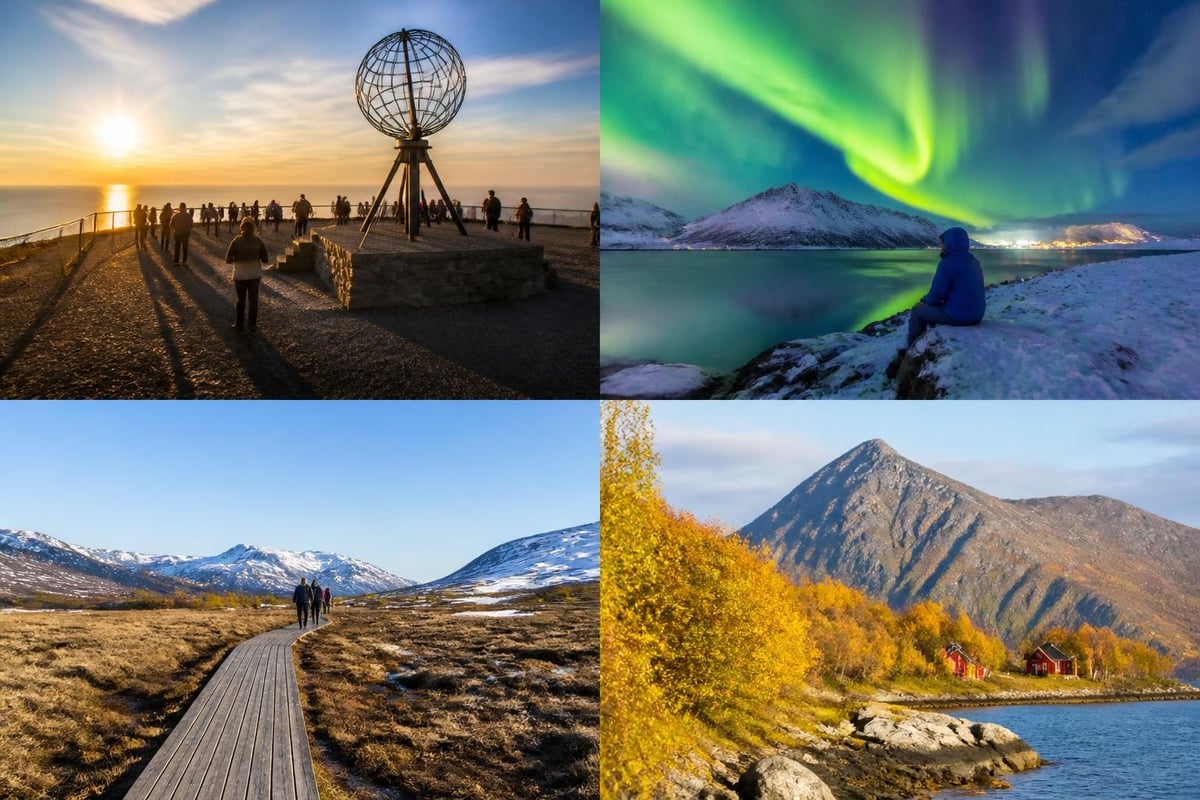
- Northern Lights visibility from September through April
- Fewer crowds at major attractions
- Shorter daylight windows (4-5 hours in December)
- Potential road closures due to weather conditions
- Unique ice formations and snow-covered landscapes
Spring and autumn shoulder seasons offer moderate temperatures, manageable crowds, and reasonable daylight hours. These periods typically provide the most balanced experience for visitors who want to avoid peak season congestion while maintaining good accessibility.
Weather and Road Conditions
The Icelandic Meteorological Office provides essential forecasting services that should inform any golden circle tour planning. Weather in Iceland changes rapidly, and conditions can vary significantly between Reykjavík and the more exposed areas along the route.
Before departing, check live road conditions through the Icelandic Road and Coastal Administration. This resource updates continuously with information about closures, construction, and hazardous conditions. The SafeTravel website offers additional safety guidance and real-time alerts that prove invaluable for trip planning.
The Three Essential Stops
Each location on the golden circle tour offers distinct geological features and visitor experiences that complement each other while maintaining their individual character.
Þingvellir National Park
Þingvellir National Park serves as both a geological marvel and a site of profound historical significance. The park sits in a rift valley where the North American and Eurasian tectonic plates diverge, creating visible fissures and dramatic cliff faces. Visitors can walk between continents along marked trails that traverse the Almannagjá gorge.
Beyond geology, Þingvellir hosted Iceland's parliament (Alþingi) from 930 CE, making it one of the world's longest-running parliamentary sites. The combination of natural wonder and cultural heritage earned Þingvellir its UNESCO World Heritage designation.
Key features include:
- Öxarárfoss waterfall flowing through volcanic rock
- Silfra fissure, offering world-class diving and snorkeling
- Þingvallakirkja church dating from 1859
- Multiple viewpoints overlooking the rift valley
- Well-maintained walking trails with accessibility options
The visitor center provides exhibits on both natural history and cultural significance, making it an ideal first stop on the circuit.
Geysir Geothermal Area
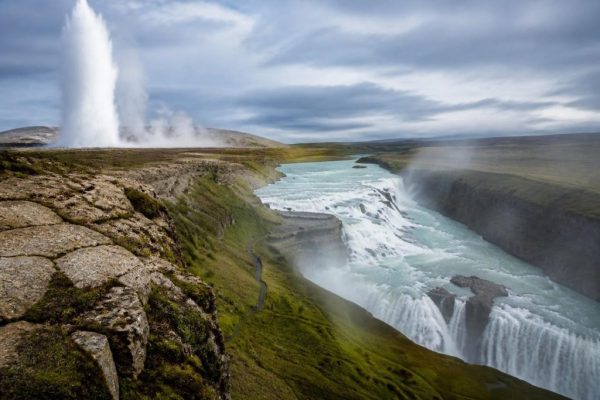
The Haukadalur valley contains Iceland's most active geothermal field, including Geysir itself (from which all geysers worldwide derive their name) and the reliably active Strokkur. While the Great Geysir erupts infrequently today, Strokkur launches water 20-30 meters into the air every 5-10 minutes.
The protected geothermal area managed by Iceland's Environment Agency contains numerous hot springs, mud pots, and fumaroles. Boardwalks guide visitors through the thermal field while protecting both the delicate ecosystem and visitor safety.
| Feature | Details | Visitor Impact |
|---|---|---|
| Strokkur | Erupts every 5-10 minutes | Predictable photo opportunities |
| Great Geysir | Rare eruptions | Historical significance |
| Litli Geysir | Constant bubbling | Close viewing access |
| Hot spring pools | Various temperatures | Visual diversity |
The site includes a restaurant, gift shop, and educational displays that explain geothermal activity and its importance to Iceland's renewable energy infrastructure.
Gullfoss Waterfall
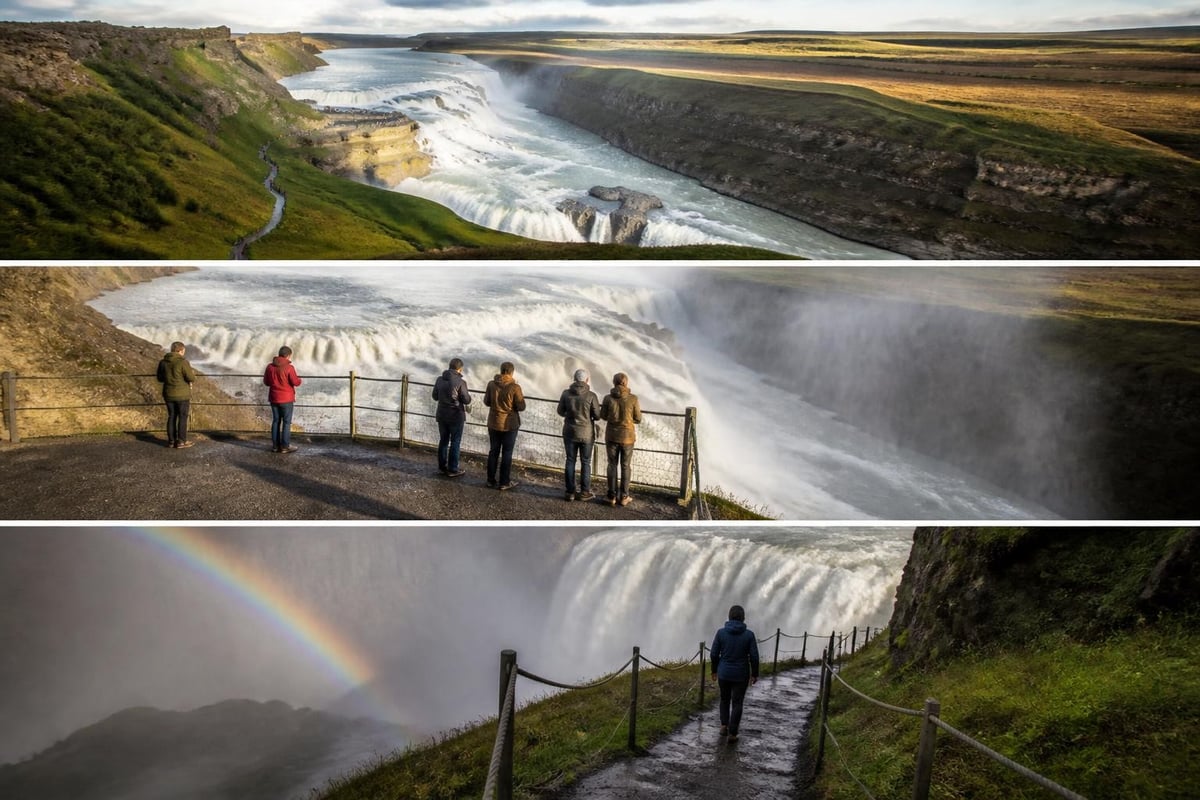
Gullfoss, the "Golden Falls," creates one of Iceland's most powerful natural spectacles. The Hvítá river plunges 32 meters in two dramatic tiers, producing a thunderous roar and perpetual mist that often generates rainbows in favorable light conditions.
Multiple viewing platforms allow visitors to experience the falls from different perspectives. The upper path provides panoramic views, while the lower trail brings visitors close enough to feel the spray. During winter, portions of the falls freeze into massive ice formations while water continues flowing beneath.
Tour Format Considerations
Choosing between group tours and private experiences significantly affects how you experience the golden circle tour. Each format offers distinct advantages depending on your priorities and travel style.
Group Tour Dynamics
Standard group tours typically operate on fixed schedules with predetermined stop durations. These tours often include 20-50 participants and follow efficient routing to maximize time at each location. According to the official Golden Circle overview, most group tours complete the circuit in 6-8 hours.
Advantages of group formats:
- Cost-effective option for solo travelers
- Professional commentary throughout the journey
- No concerns about navigation or driving conditions
- Opportunity to meet fellow travelers
Limitations to consider:
- Fixed schedules with limited flexibility
- Standardized stop durations regardless of interest
- Larger crowds at peak viewing times
- Less personalized attention from guides
Private Tour Benefits
Private arrangements provide maximum flexibility and personalization, allowing groups to adjust pacing based on interests and conditions. This approach mirrors the philosophy of specialized tour operators who focus on tailored experiences rather than standardized itineraries.
Small group operators, similar to those offering personalized sightseeing tours in other destinations, can modify routes to include lesser-known stops, adjust timing to avoid crowds, and spend extra time at locations that resonate with particular travelers. This flexibility proves especially valuable for photographers seeking specific lighting conditions or families with varying energy levels.
Private tours also enable deeper exploration of topics that interest your group, whether geological processes, Icelandic history, or environmental conservation efforts. Just as specialized literary tours can dive deep into specific themes, customized golden circle tours can emphasize aspects most relevant to your interests.
Extended Route Options
Many visitors choose to expand beyond the classic three-stop circuit by incorporating additional destinations that complement the main attractions.
Popular Add-On Destinations
Kerið Crater: This 3,000-year-old volcanic crater contains a vivid blue-green lake and offers a short circular walking path around the rim. The mineral-rich water creates striking color contrasts against the red volcanic rock.
Secret Lagoon: Iceland's oldest swimming pool provides a more intimate alternative to the crowded Blue Lagoon. The naturally heated pool maintains 38-40°C year-round and includes views of a small erupting geyser nearby.
Friðheimar Greenhouse: This working tomato farm harnesses geothermal energy for cultivation and offers meals featuring their produce. Visitors can tour greenhouses and learn about sustainable agriculture in extreme climates.
Skálholt: One of Iceland's most important historical sites served as an episcopal seat for over 700 years. The modern church contains remarkable acoustics and hosts frequent concerts.
Full-Day vs. Multi-Day Approaches
| Duration | Coverage | Best For |
|---|---|---|
| Half-day (4-5 hrs) | Core three sites only | Time-limited visitors |
| Full-day (8-10 hrs) | Core sites plus 2-3 additions | Comprehensive experience |
| Two days | Extended exploration | Photography focus, detailed learning |
| Combined tours | Golden Circle plus South Coast | Maximum sightseeing efficiency |
Multi-day approaches allow for morning and evening visits when lighting conditions often prove optimal and crowds diminish. This pacing also reduces fatigue and permits spontaneous detours when something captures your interest.
Practical Navigation Tips
Successfully navigating the golden circle tour involves understanding road systems, facility locations, and timing strategies that enhance the experience.
Driving Route Guidance
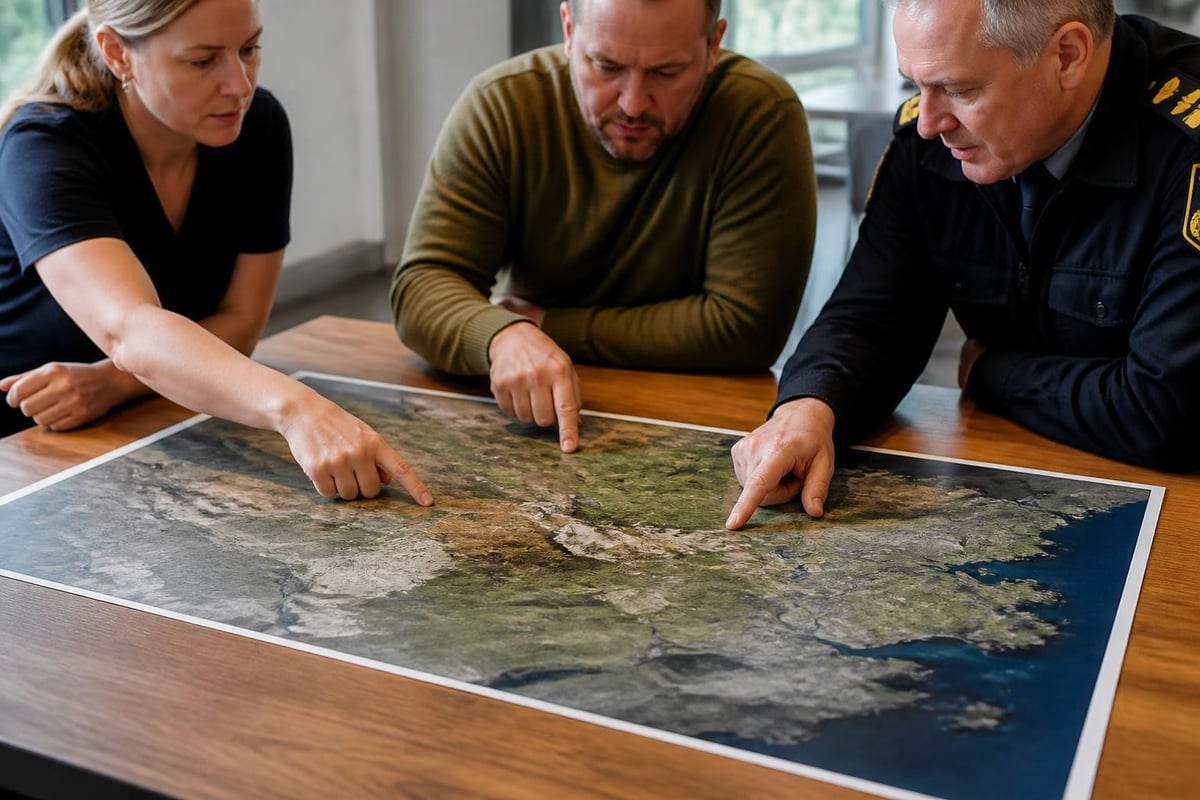
The standard circuit follows Routes 36, 365, 37, and 35, all well-maintained paved roads accessible to standard vehicles during summer months. Winter driving requires winter tires (legally mandated) and potentially four-wheel-drive vehicles depending on conditions.
GPS coordinates for the three main stops:
- Þingvellir visitor center: 64.2558° N, 21.1306° W
- Geysir center: 64.3107° N, 20.3027° W
- Gullfoss parking: 64.3271° N, 20.1211° W
Cellular coverage extends along most of the route, though some remote stretches may have limited connectivity. Download offline maps before departing as a backup navigation method.
Facility Availability
Each major stop provides parking, restrooms, and food service, though quality and options vary. Þingvellir offers basic facilities at the visitor center with limited food options. Geysir features a full-service restaurant and hotel complex. Gullfoss maintains a café and gift shop with substantial visitor capacity.
Fuel stations appear regularly along the route, with the last reliable option before heading back to Reykjavík located near Geysir. Plan fuel stops accordingly, especially during winter when stations may have reduced hours.
Photography and Documentation
The golden circle tour presents exceptional opportunities for landscape photography, though capturing these scenes effectively requires preparation and timing awareness.
Optimal Shooting Conditions
Light quality varies dramatically throughout the day and across seasons. Summer's midnight sun provides extended golden hours but reduces dramatic contrast. Winter's limited daylight creates intense colors during the brief midday window.
Prime photography times by season:
- Summer: 10 PM – 1 AM for unique midnight light
- Winter: 11 AM – 2 PM for maximum light
- Shoulder seasons: Dawn and dusk for dramatic skies
- Year-round: Immediately after storms for clarity
Weather systems move rapidly across Iceland, meaning conditions can shift from overcast to clear within 30 minutes. This volatility creates both challenges and opportunities for photographers willing to wait for optimal moments.
Equipment and Preparation
Wide-angle lenses capture the expansive vistas at Þingvellir and Gullfoss, while telephoto lenses help isolate details at Geysir's thermal features. Tripods prove essential for low-light conditions and long exposures of waterfalls, though wind often necessitates additional stabilization.
Protect equipment from moisture and volcanic dust. Gullfoss generates significant spray that can damage electronics, while Geysir's steam and mineral content pose corrosion risks. Weather-sealed cameras and protective rain covers provide necessary protection.
Environmental Responsibility
Iceland's fragile ecosystems require thoughtful visitor behavior to preserve these natural wonders for future generations. Tourism pressure has increased significantly over the past decade, making responsible travel practices essential.
Leave No Trace Principles
Stay on marked trails and boardwalks at all times. Þingvellir's moss-covered lava fields take decades to regenerate after being trampled. Geysir's thermal features maintain delicate mineral formations that human touch destroys. Gullfoss's viewing platforms exist to prevent erosion while providing safe access.
Critical practices include:
- Pack out all waste, including food scraps
- Avoid disturbing wildlife or vegetation
- Respect barriers and closure signs
- Use designated parking areas only
- Follow photography guidelines posted at each site
Peak Time Avoidance
National Geographic’s coverage of Iceland travel highlights how strategic timing reduces environmental impact while improving visitor experience. Arriving at major stops before 10 AM or after 4 PM typically avoids the heaviest crowds during summer months.
Winter visits naturally distribute visitors across daylight hours, reducing concentration at any single time. Some travelers prefer touring the circuit counter-clockwise, starting at Gullfoss and ending at Þingvellir, which often provides a different crowd pattern than the standard clockwise route.
Accessibility and Special Needs
Modern infrastructure improvements have enhanced accessibility across the golden circle tour, though terrain limitations remain at certain locations.
Mobility Considerations
Þingvellir offers paved paths and accessible viewing platforms at major overlooks, though the terrain's volcanic nature limits wheelchair access to certain trails. The visitor center provides detailed accessibility information for various mobility levels.
Geysir features flat, paved pathways throughout the main thermal area, making it the most accessible stop on the circuit. The close proximity of Strokkur to the parking area allows visitors with limited mobility to witness eruptions without extensive walking.
Gullfoss maintains accessible upper viewing platforms with paved access from parking areas. The lower trails involve stairs and uneven surfaces that may challenge some visitors, but the upper viewpoints provide excellent perspectives of the falls.
Tour Operator Accommodations
When booking tours, communicate specific accessibility needs in advance. Professional operators, including those specializing in small group experiences, can often adjust itineraries and pacing to accommodate varying physical capabilities while maintaining meaningful experiences for all participants.
Budget and Cost Management
Financial planning for a golden circle tour varies significantly based on tour format, season, and additional activities selected.
Cost Components
Self-drive expenses include:
- Vehicle rental: $50-150 per day depending on vehicle type
- Fuel: $30-50 for the complete circuit
- Parking: Generally free at major stops
- Food: $30-60 per person for meals and snacks
Guided tour pricing typically ranges:
- Budget group tours: $50-80 per person
- Standard group tours: $80-120 per person
- Small group premium tours: $120-180 per person
- Private custom tours: $400-800+ for groups
Additional costs may include optional activities like Silfra snorkeling ($150-200), Secret Lagoon admission ($30-40), or specialty photography workshops ($200-400).
Value Optimization Strategies
Consider combination passes that bundle multiple attractions or tour packages that include the golden circle tour with other destinations. Many operators offer discounted rates for booking multiple days or larger groups.
Self-catering reduces food costs significantly. Stock up on supplies in Reykjavík before departing, as prices increase at tourist locations along the route. Several scenic picnic areas provide tables and shelter between the main attractions.
The golden circle tour offers an unmatched introduction to Iceland's geological wonders and natural beauty, rewarding thoughtful planning with extraordinary experiences. Whether you choose a guided group experience, a private custom tour, or a self-drive adventure, understanding timing, weather, and site-specific features ensures you make the most of this remarkable route. While Adding:tours specializes in creating personalized Stockholm experiences rather than Iceland tours, the same principles of small-group attention, insider knowledge, and customized pacing that define quality guided experiences apply universally-helping travelers transform standard sightseeing into meaningful journeys that match their specific interests and pace.